Australia in 7 Days: The Ultimate One-Week Itinerary
Planning Australia in 7 days sounds straightforward until you look at a map.
Australia is enormous.
Trying to see Sydney, Melbourne, the Great Barrier Reef, Uluru, the Great Ocean Road and the Daintree Rainforest in one week would turn your vacation into a sequence of airports, luggage carousels and increasingly questionable decisions.
The good news?
You can still have an incredible Australian adventure in seven days.
The trick is to choose one region and build your itinerary around it.
For a first trip, the easiest option is to combine Sydney, the Blue Mountains and Cairns/the Great Barrier Reef. This gives you a taste of Australia’s famous city life, dramatic landscapes, beaches and underwater world without spending every day in transit.
This 7-day Australia itinerary is designed for first-time visitors who want a balanced trip with sightseeing, nature and a little adventure.
Recommended Travel Items for Your Trip
Australia in 7 Days at a Glance
Here’s the basic route:
| Day | Destination | Main Experience |
| Day 1 | Sydney | Opera House, Harbour Bridge & Circular Quay |
| Day 2 | Sydney | Bondi Beach & coastal walk |
| Day 3 | Blue Mountains | Mountains, viewpoints & hiking |
| Day 4 | Cairns | Fly to Cairns & explore the city |
| Day 5 | Great Barrier Reef | Snorkeling or diving |
| Day 6 | Daintree Rainforest | Rainforest & Cape Tribulation |
| Day 7 | Cairns | Relax, explore & depart |
This itinerary uses domestic flights to cover two very different parts of Australia.
If you prefer a slower trip, stay entirely around Sydney or focus on Queensland.
Day 1: Arrive in Sydney
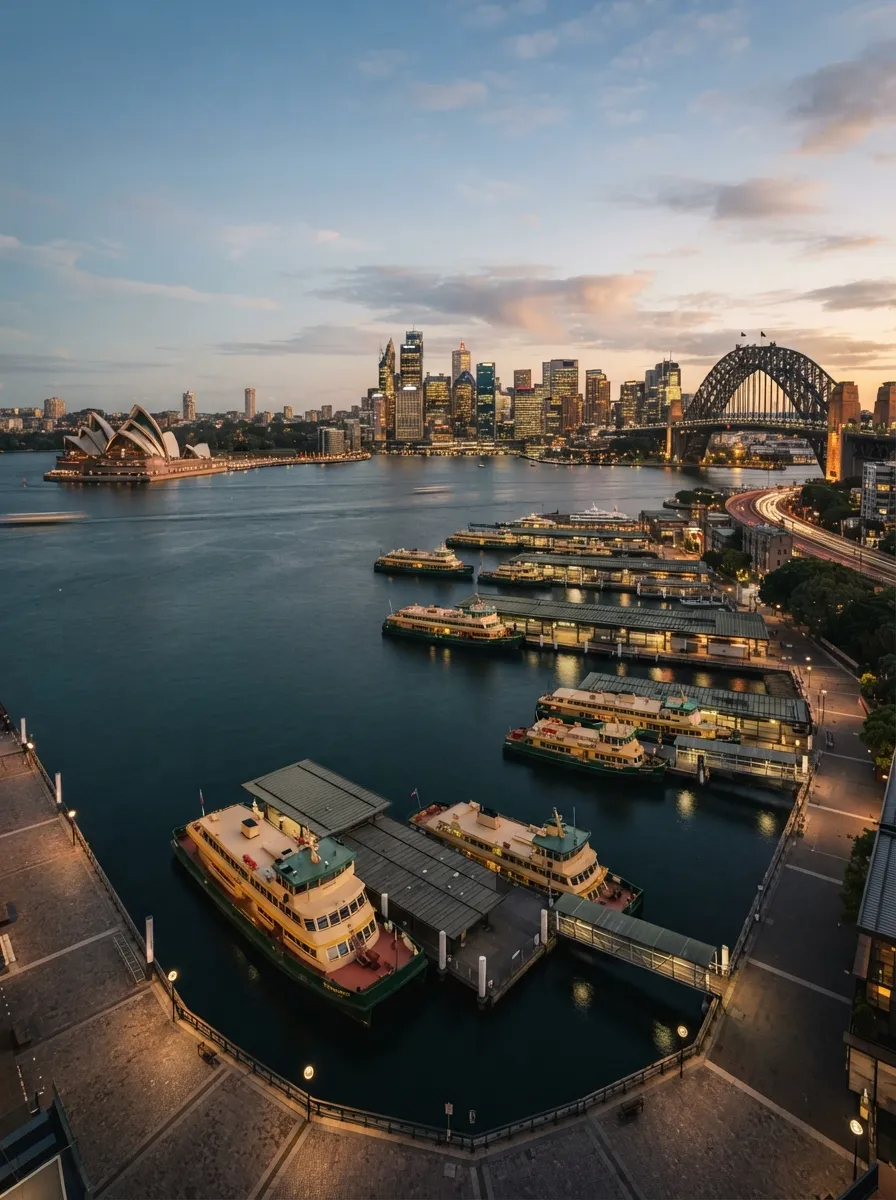
Start your Australian adventure in Sydney, one of the country’s most recognizable cities.
If you’re arriving from North America or Europe, there’s a good chance you’ll be tired after the long flight.
Don’t try to conquer the entire city immediately.
Instead, spend your first day around Sydney Harbour.
Start at Circular Quay
Circular Quay is the perfect introduction to Sydney.
From here you can see:
- Sydney Opera House
- Sydney Harbour Bridge
- Harbour ferries
- The waterfront skyline
- Royal Botanic Garden
Take your time walking along the harbor.
The Opera House deserves a closer look than the obligatory photograph from across the water.
Walk through the Royal Botanic Garden
The gardens sit directly beside the harbor and offer beautiful views toward the Opera House and Harbour Bridge.
It’s also a pleasant place to recover from jet lag.
Walk toward The Rocks
The Rocks is one of Sydney’s oldest neighborhoods.
You’ll find historic buildings, cobbled lanes, restaurants, pubs and shops.
It’s an easy place to spend an afternoon without needing a complicated itinerary.
Evening: Sydney Harbour
For your first night, have dinner somewhere overlooking the harbor.
Watching the Opera House illuminate after sunset is one of those travel moments that feels considerably better in person.
Where to stay in Sydney
For a first visit, consider staying around:
- Circular Quay
- The Rocks
- Sydney CBD
- Darling Harbour
- Surry Hills
Staying centrally will save you valuable time during a short trip.
Day 2: Bondi Beach and Sydney’s Coastal Walks
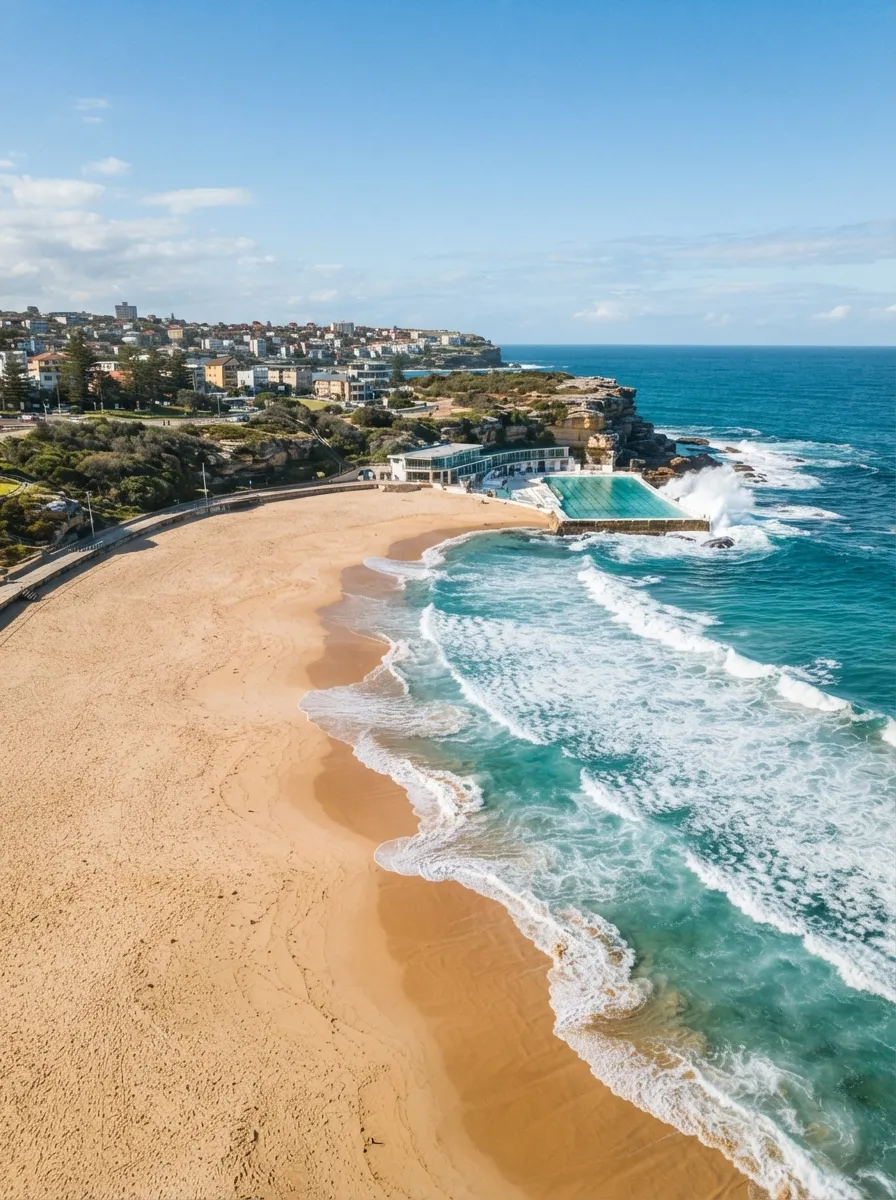
Day two is your chance to experience Sydney’s famous coastline.
Start at Bondi Beach.
Bondi isn’t simply a beach. It’s one of Sydney’s cultural landmarks.
Grab breakfast nearby, walk along the sand and watch surfers working the waves.
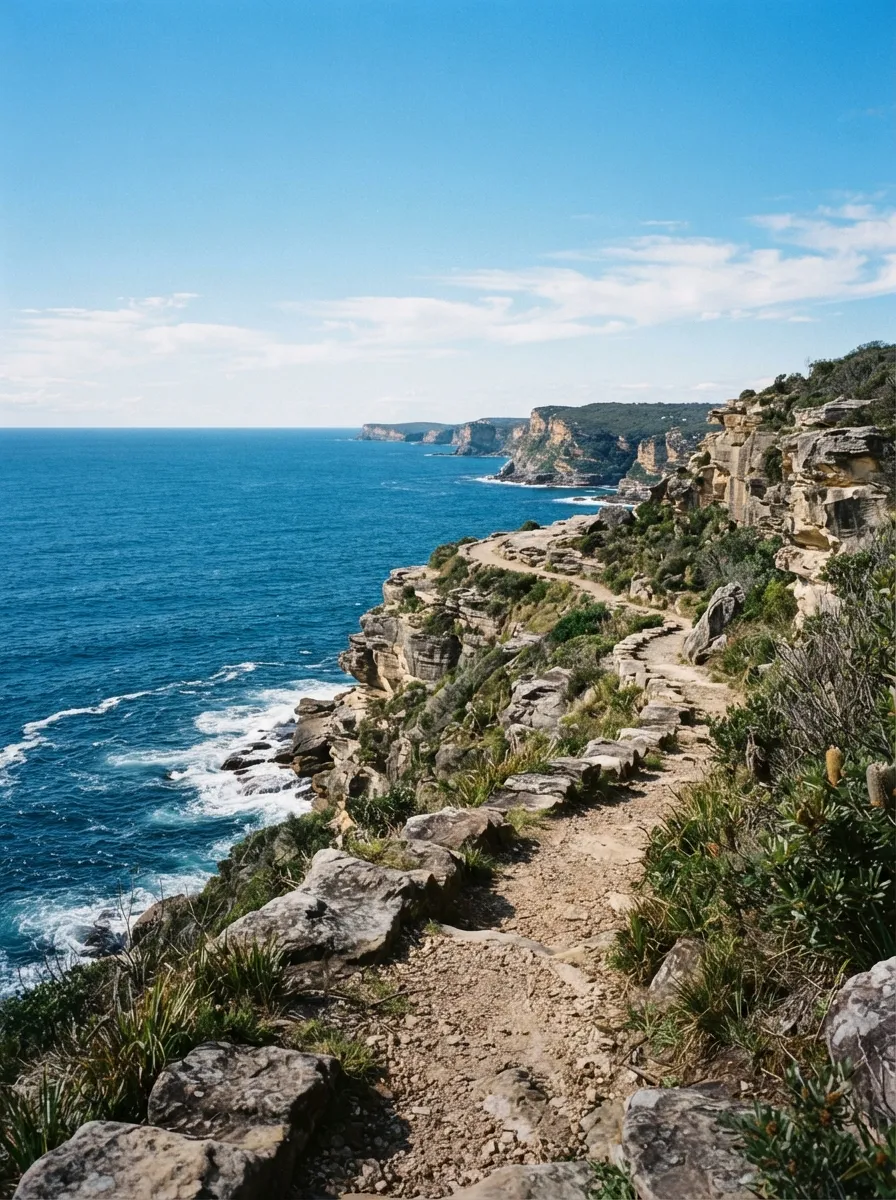
Then tackle the Bondi to Coogee coastal walk.
The route passes beaches, cliffs, rock pools and coastal viewpoints.
You don’t necessarily need to walk the entire route if you’re short on time.
Things to do around Bondi
- Walk Bondi Beach
- Watch surfers
- Explore the coastal path
- Visit the Bondi Icebergs area
- Swim if conditions are safe
- Explore nearby cafes
Afternoon option: Manly
If you’d rather experience another part of Sydney, take a ferry to Manly.
The ferry ride itself is part of the attraction.
You’ll get fantastic views of Sydney Harbour while traveling between the city and the beachside suburb.
Evening
Return to central Sydney for dinner.
If you’re feeling energetic, explore Darling Harbour after dark.
If you’re exhausted, go to bed.
Australia isn’t going anywhere.
Day 3: Blue Mountains Day Trip

Trade the skyscrapers for eucalyptus-covered mountains.
The Blue Mountains make an excellent day trip from Sydney.
The region is known for dramatic cliffs, deep valleys, waterfalls and distinctive rock formations.
Visit Echo Point
Start around Katoomba and head to Echo Point, where you’ll find the famous Three Sisters.
It’s one of the most recognizable viewpoints in New South Wales.
Explore Scenic World
Scenic World offers cableway, railway and skyway experiences overlooking the mountains.
It’s an easy way to appreciate the scale of the landscape without committing to a long hike.
Go hiking
If you’re reasonably fit, add a short or moderate trail.
Popular walks include routes around Katoomba and Wentworth Falls.
Choose according to current trail conditions and your ability.
Getting there
You can visit independently by train and local transport, rent a car or join an organized tour.
For a seven-day itinerary, a guided day trip can be convenient because it reduces logistical planning.
Return to Sydney
Spend your final evening in Sydney before flying north the next day.
Day 4: Fly to Cairns

Today you’ll make one of the biggest transitions of the trip.
From Sydney’s urban coastline to tropical Queensland.
Take a domestic flight to Cairns.
The flight takes several hours, so don’t overload this day with activities.
Once you arrive, check into your accommodation and explore Cairns.
Walk the Esplanade
The Cairns Esplanade is an easy place to spend an afternoon.
You’ll find walking paths, waterfront scenery, restaurants and the famous Cairns Lagoon.
Explore the city
Cairns is compact enough that you can explore much of the central area on foot.
Use the evening to have dinner and prepare for tomorrow.
Because tomorrow you’re going to one of Australia’s biggest attractions.
Day 5: Great Barrier Reef
This is the day many travelers have been waiting for.
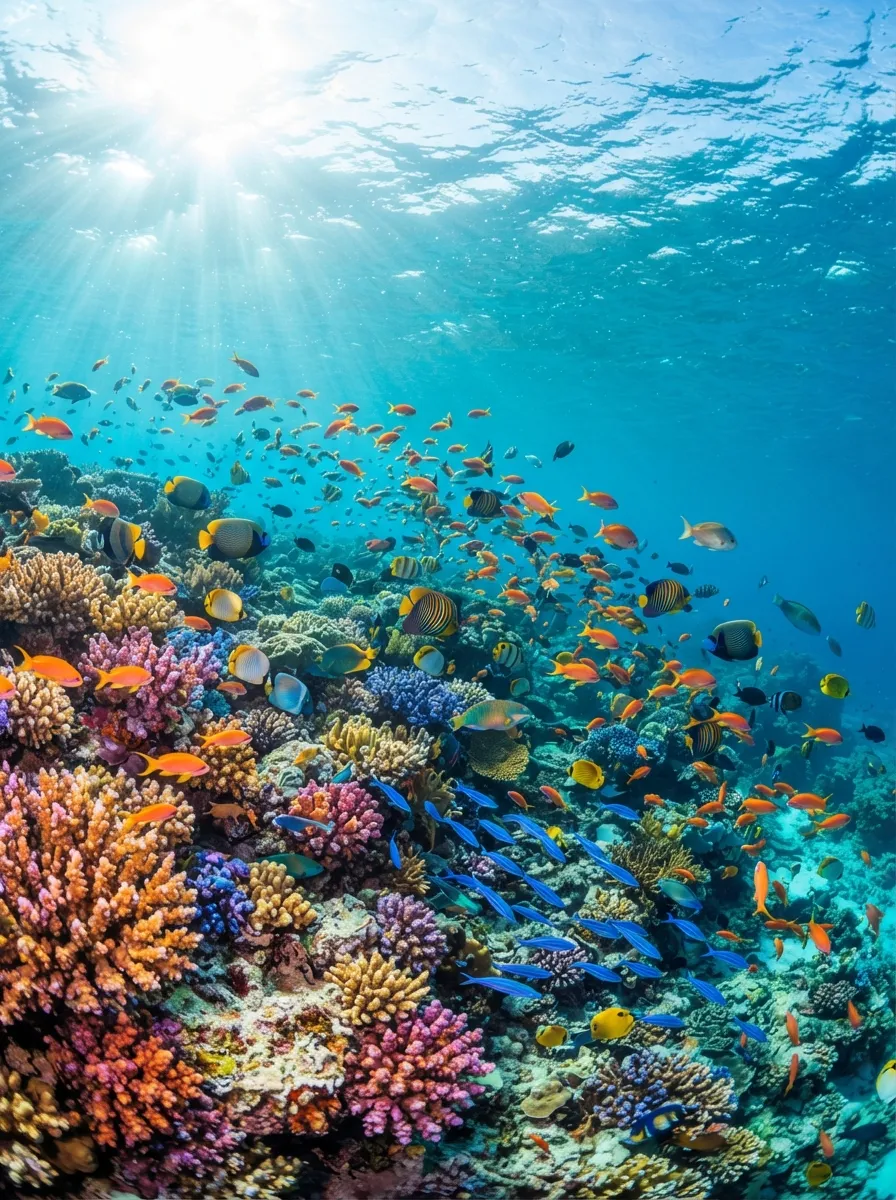
The Great Barrier Reef is one of Australia’s defining natural attractions.
From Cairns, you can join boat trips to reef locations for snorkeling or scuba diving.
Snorkeling
You don’t need to be a certified diver to experience the reef.
Snorkeling can give you access to coral formations and marine life close to the surface.
Scuba diving
Certified divers can join guided dives.
Some operators also offer introductory diving experiences for beginners.
What you may see
Depending on location and conditions, marine life can include:
- Tropical fish
- Sea turtles
- Reef sharks
- Rays
- Colorful coral
- Giant clams
Marine wildlife sightings can never be guaranteed, but the reef ecosystem itself is spectacular.
Important
Choose a responsible operator and follow all instructions regarding marine life and reef protection.
Don’t touch coral or wildlife.
Evening
Return to Cairns after your reef excursion.
You’ll probably be tired.
That’s fine.
You’ve earned a quiet evening.
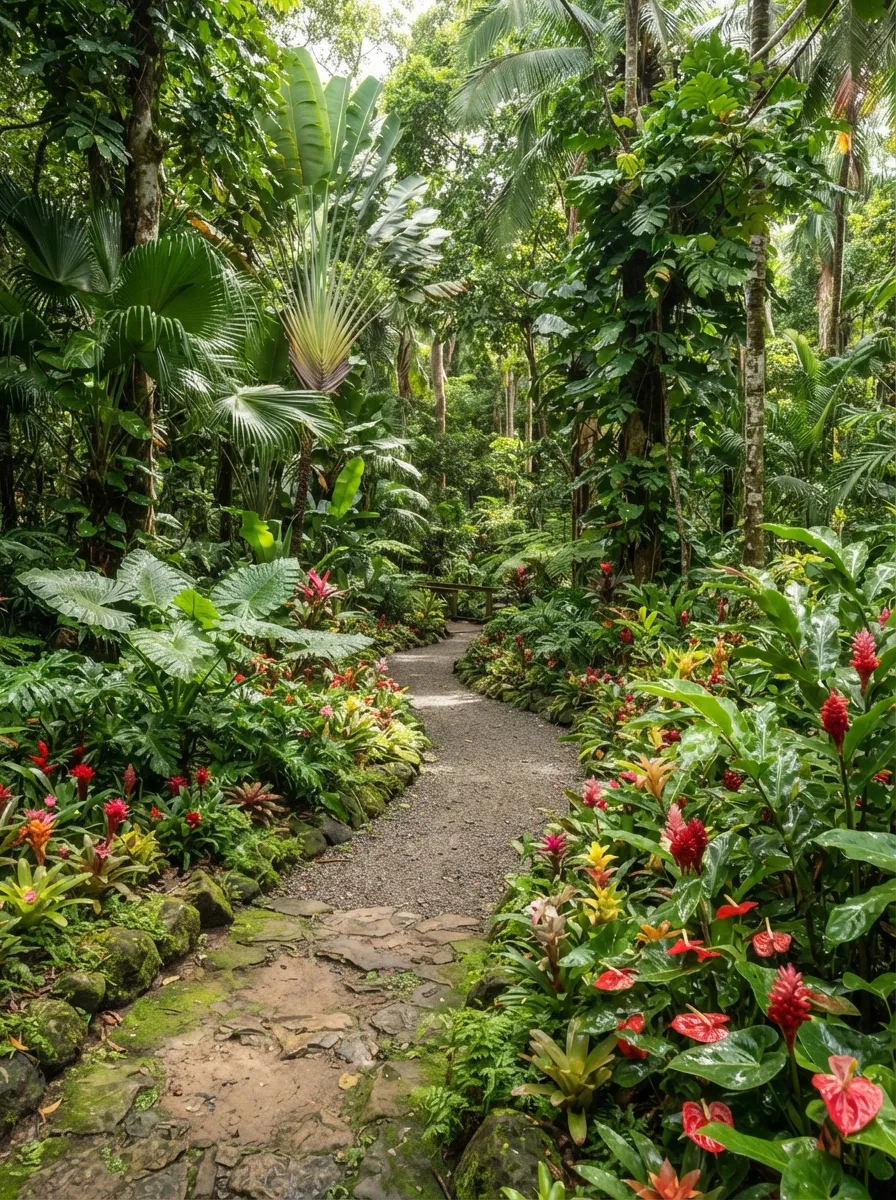
Day 6: Daintree Rainforest and Cape Tribulation
Australia’s tropical north has another major attraction waiting for you.
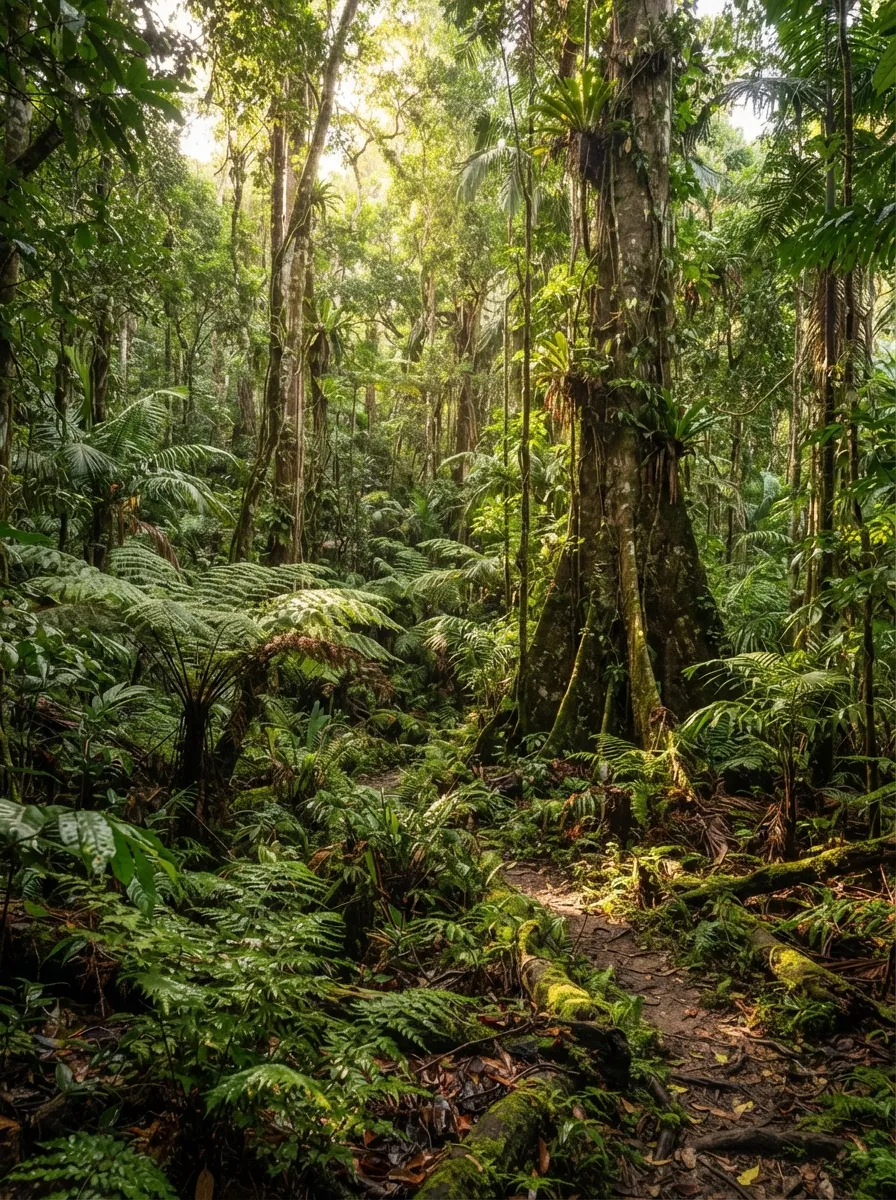
The Daintree Rainforest is one of the world’s oldest tropical rainforest environments and offers a completely different experience from the reef.
A day trip from Cairns can include rainforest walks, river experiences and coastal scenery.
Explore the rainforest
Boardwalks and established trails allow visitors to explore the vegetation without heading deep into the wilderness.
Look for:
- Ancient trees
- Tropical plants
- Birds
- Reptiles
- Insects
- Dense rainforest scenery
Daintree River
River cruises can offer opportunities to look for wildlife, including crocodiles.
Keep a safe distance from wildlife and follow your guide’s instructions.
Cape Tribulation
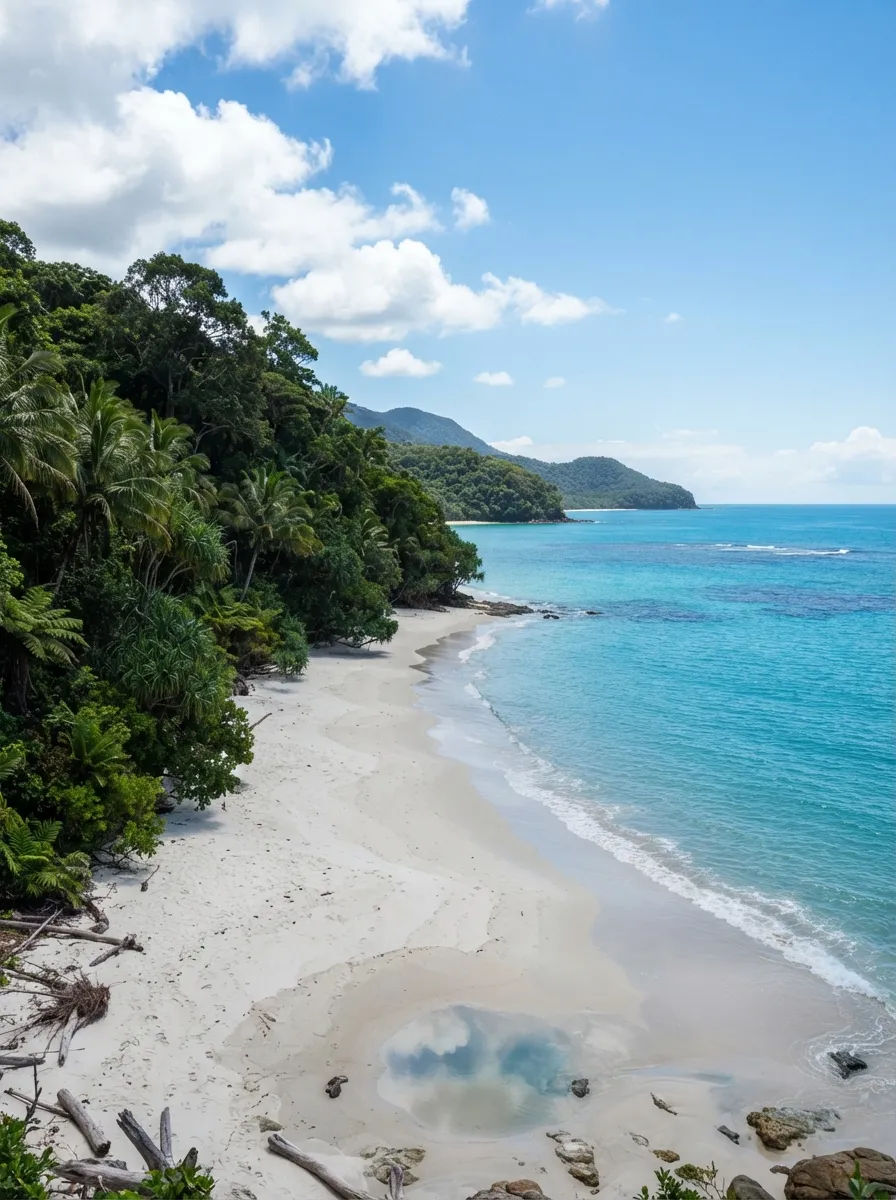
Cape Tribulation is where rainforest and coastline meet.
It’s one of the most visually striking parts of the region.
Travel tip
This is a long day if you’re traveling from Cairns.
A guided tour can simplify transportation, especially if you’re unfamiliar with the area.
Day 7: Cairns and Departure
Your final day should be deliberately light.
Don’t schedule a 6 a.m. mountain expedition if your flight leaves at noon.
If you have a full day
Consider:
- Cairns Botanic Gardens
- Esplanade
- Cairns Lagoon
- Local markets
- Waterfront restaurants
- A relaxed beach visit
You could also spend extra time simply enjoying the tropical atmosphere.
If your flight is later
Use the morning for breakfast and a final walk around town before heading to the airport.
And just like that, your seven-day Australian adventure comes to an end.
Alternative Australia 7-Day Itineraries
The Sydney + Cairns itinerary isn’t the only way to spend a week in Australia.
Your ideal route depends on what you want to see.
Option 1: Sydney + Melbourne

Best for:
- Cities
- Food
- Culture
- Architecture
- Great Ocean Road
A possible route:
Sydney → Melbourne → Great Ocean Road
This is excellent for travelers who prefer cities and scenic drives.
Option 2: Melbourne + Great Ocean Road
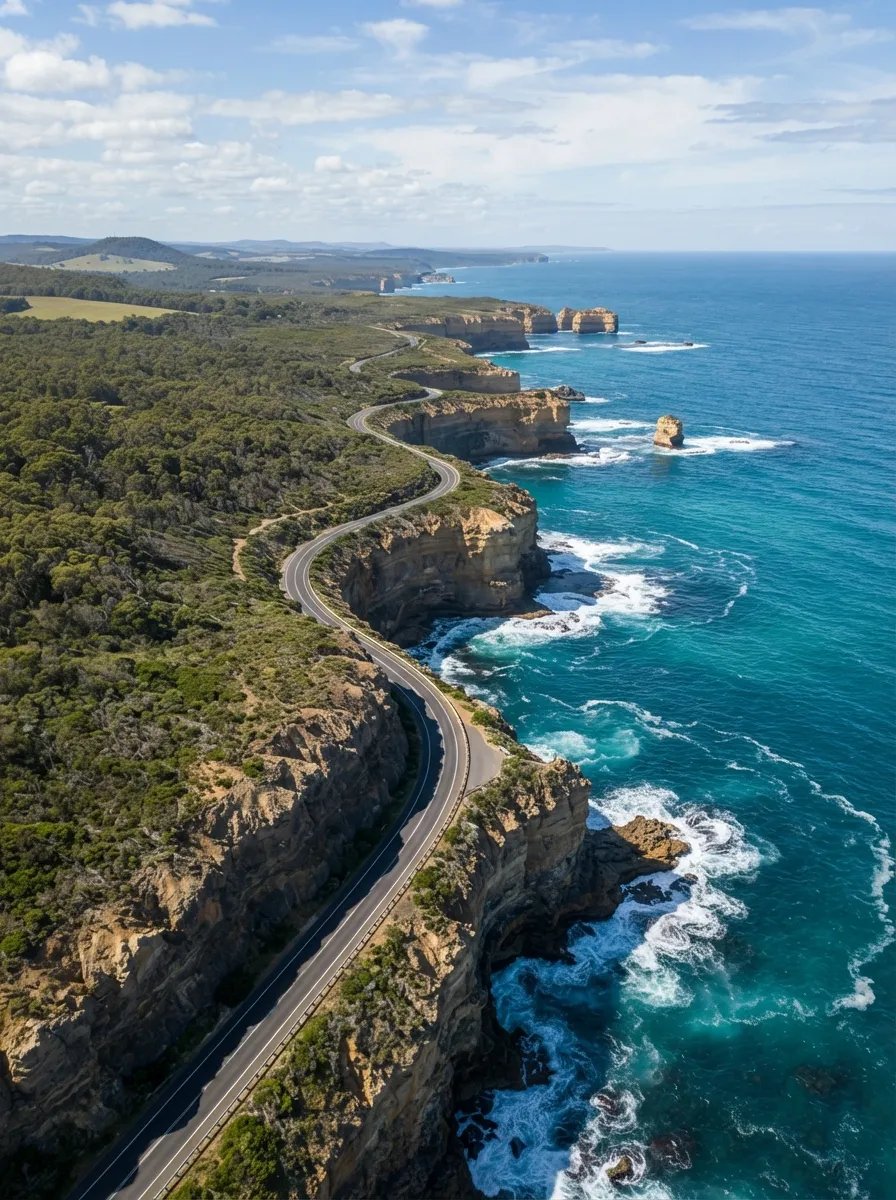
Best for:
- Road trips
- Coastal scenery
- Wildlife
- Food and culture
Spend several days exploring Melbourne, then rent a car for the Great Ocean Road.
Option 3: Queensland
Best for:
- Beaches
- Reef
- Rainforest
- Tropical landscapes
Route:
Cairns → Great Barrier Reef → Daintree → Port Douglas
This is one of the best choices if nature is your priority.
Option 4: Uluru + Sydney

Best for:
- Australian Outback
- Aboriginal culture
- Iconic landscapes
- City sightseeing
Route:
Sydney → Uluru → Sydney

You’ll need domestic flights, but the contrast between the two destinations is extraordinary.
Can You See Australia in 7 Days?
Technically, yes.
But you cannot see all of Australia in seven days.
Australia is roughly the size of a continent because it is, inconveniently for impatient travelers, a continent.
Trying to cover five or six regions will result in a vacation dominated by transportation.
Instead, choose two destinations that complement each other.
For first-time visitors, Sydney + Cairns works particularly well because you get:
- A major Australian city
- Beaches
- Mountains
- Tropical rainforest
- Coral reefs
- Wildlife
- Outdoor activities
That’s a lot of variety in one week.
Best Time to Visit Australia
Australia’s seasons are opposite to those in the Northern Hemisphere.
| Season | Months | General Conditions |
| Summer | December–February | Warm to hot |
| Autumn | March–May | Mild in many regions |
| Winter | June–August | Cooler in the south |
| Spring | September–November | Mild to warm |
But don’t plan around seasons alone.
Australia’s climate varies dramatically by region.
Sydney can have completely different conditions from Cairns.
The tropical north has wet and dry seasons, while southern cities experience cooler winters.
If you’re considering an October trip, for example, our guide to the best places to travel in October has more seasonal travel inspiration.
How Much Does 7 Days in Australia Cost?
Australia isn’t generally a budget destination, particularly in major cities and popular tourist areas.
Your costs will depend heavily on accommodation, flights, tours and dining.
A rough planning framework:
| Expense | Budget Traveler | Mid-Range Traveler | Luxury Traveler |
| Accommodation | $40–80/night | $120–250/night | $300+ |
| Meals | $20–40/day | $50–100/day | $150+ |
| Local transport | $10–25/day | $20–50/day | $50+ |
| Activities | $20–60/day | $60–150/day | $200+ |
| Domestic flights | Varies | Varies | Varies |
These are planning ranges rather than fixed prices.
A Great Barrier Reef excursion can add a significant amount to your budget.
So can domestic flights between major regions.
Ways to save money
- Book domestic flights early
- Use public transportation in cities
- Stay outside the most expensive central districts
- Mix restaurants with supermarkets and casual food
- Compare reef tours
- Travel during shoulder seasons
- Book accommodation with kitchen facilities
What to Pack for 7 Days in Australia
Your packing list will depend on your itinerary.
For Sydney + Cairns, bring a mixture of city clothes and outdoor gear.
Clothing
- Lightweight shirts
- Comfortable trousers or shorts
- Light sweater or jacket
- Swimwear
- Rain jacket
- Comfortable walking shoes
- Sandals
- Hat
For outdoor activities
- Daypack
- Reusable water bottle
- Sunscreen
- Sunglasses
- Insect repellent
- Quick-dry clothing
- Waterproof phone pouch
- Small first-aid kit
For reef trips
Most operators provide major snorkeling equipment, but check before your trip.
A rash guard or sun-protective swim shirt can also be useful.
Australia’s sun can be deceptively intense.
Australia Travel Tips for First-Time Visitors
Don’t underestimate distances
Australia’s cities can be incredibly far apart.
Check travel times before adding another destination.
Book major tours ahead
Great Barrier Reef tours, popular accommodations and certain attractions can sell out during busy periods.
Protect yourself from the sun
Use sunscreen, wear a hat and drink plenty of water.
Follow wildlife warnings
Australia’s wildlife is fascinating.
Some of it is also capable of making your vacation considerably more exciting than intended.
Follow signs and local advice around marine animals, crocodiles, snakes and other wildlife.
Drive carefully
If you rent a car, remember that Australia drives on the left side of the road.
Take extra care if you’re accustomed to driving on the right.
Check domestic baggage rules
If you’re taking several domestic flights, check baggage allowances before booking.
A suitcase that behaved perfectly on your international flight may suddenly develop a financial personality of its own.
Australia 7-Day Itinerary: Quick Summary
Here’s the entire trip in one glance:
Day 1: Arrive in Sydney and explore the harbor.
Day 2: Bondi Beach and coastal Sydney.
Day 3: Blue Mountains day trip.
Day 4: Fly to Cairns and explore the waterfront.
Day 5: Great Barrier Reef snorkeling or diving.
Day 6: Daintree Rainforest and Cape Tribulation.
Day 7: Relax in Cairns and depart.
This itinerary gives you a taste of Australia’s urban, coastal, mountainous and tropical landscapes without attempting the impossible.
Final Thoughts
Seven days isn’t enough to discover Australia.
But it’s enough to fall for it.
A week can take you from the sails of the Sydney Opera House to eucalyptus-covered mountain valleys, then all the way north to tropical rainforest and one of the world’s most famous coral reef ecosystems.
That’s the beauty of choosing your itinerary carefully.
You don’t need to see everything.
You need to see the right things for you.
For a first visit, Sydney + Cairns is one of the strongest combinations. Sydney gives you the iconic harbor, beaches and city experience, while Cairns opens the door to the Great Barrier Reef and Daintree Rainforest.
If you’re more interested in road trips, swap Cairns for Melbourne and explore the Great Ocean Road.
If nature is your obsession, concentrate on Queensland.
If the Australian Outback has been calling your name for years, build the trip around Uluru instead.
And if you’re already thinking about extending your vacation beyond seven days, that’s even better.
Australia rewards slow travel.
Give it a week, and you’ll get a taste.
Give it several weeks, and the map starts revealing just how much more there is to explore.