How to Prepare for a Winter Trip to the Swiss Alps: What First-Time Visitors Need
A winter trip to the Swiss Alps can be the kind of holiday you remember for years. Imagine snow-covered villages, mountain peaks rising above the clouds, cozy wooden chalets, scenic train journeys, and lakeside towns framed by snowy landscapes. Switzerland offers all of this, but visiting in winter also requires a little preparation.
If this is your first time visiting the Swiss Alps during winter, you might have questions about what to pack, where to stay, how to travel between mountain towns, and whether you need skiing experience to enjoy the scenery. You may also be wondering how cold it gets, whether mountain trains operate in snowy weather, and how to plan around changing conditions.
The good news is that you do not need to be an expert skier or experienced hiker to enjoy a Swiss winter holiday. With the right destination, suitable clothing, and a flexible itinerary, you can explore beautiful villages, take mountain excursions, try sledding, enjoy winter walks, and spend time in some of Europe’s most memorable alpine settings.
This guide covers what first-time visitors should know before traveling to the Swiss Alps in winter, from choosing your destination to staying safe in snowy conditions.
Recommended Travel Items for Your Trip
1. Choose the Best Time to Visit the Swiss Alps
Winter in the Swiss Alps generally brings colder temperatures, shorter days, and opportunities for snow activities. However, the experience can vary significantly depending on the month, altitude, and destination.
December: Festive Villages and Christmas Markets
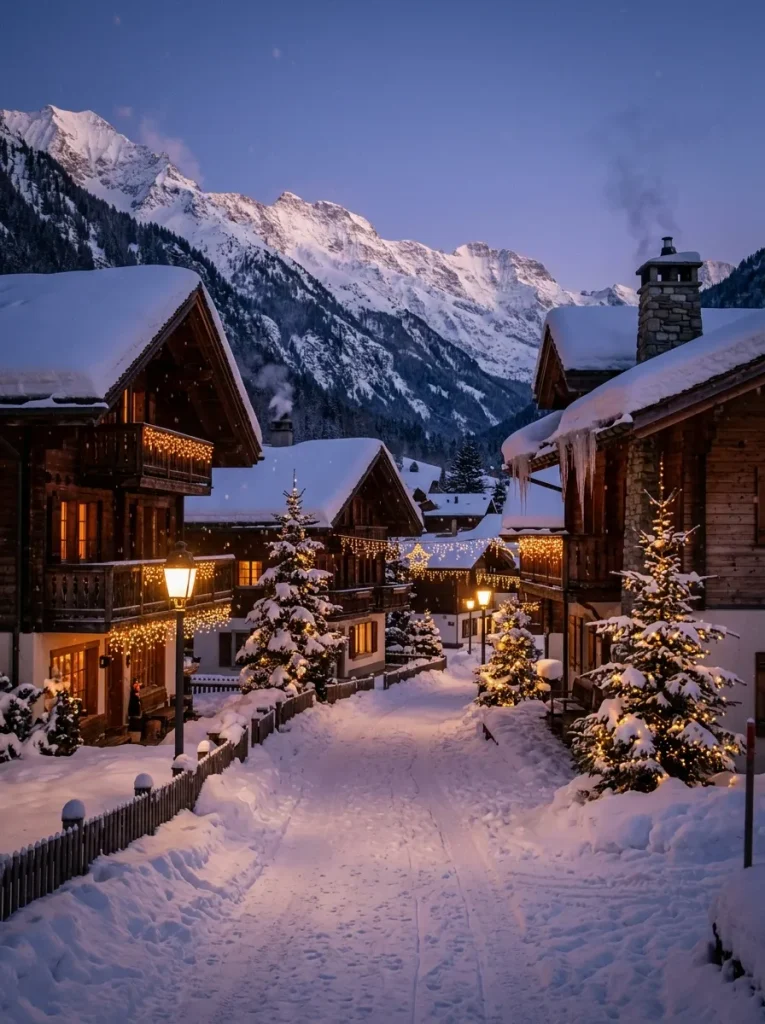
December is a wonderful choice if you want a festive atmosphere alongside mountain scenery. Swiss towns and cities often decorate their streets with lights, while seasonal markets, traditional food, and winter events create a cozy holiday mood.
Early December does not guarantee deep snow in every valley. Higher mountain areas are generally more reliable for snow than lower towns, so choose your destination according to the activities you want to enjoy.
Christmas and New Year are popular travel periods. Book accommodation, popular excursions, and any ski lessons well in advance if your dates fall around these holidays.
January: A Classic Winter Escape
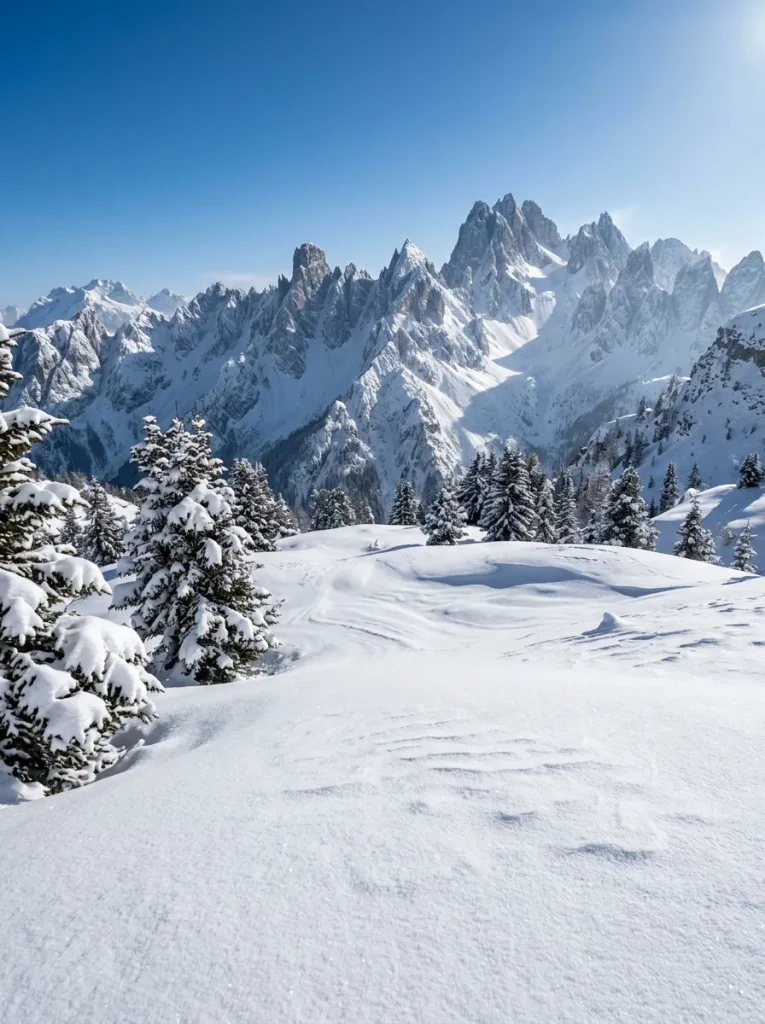
January is often a good month for travelers seeking a traditional snowy holiday. Ski resorts are in full winter mode in many areas, and higher elevations can offer excellent opportunities for skiing, snowboarding, sledding, and snowshoeing when conditions permit.
Be prepared for cold weather, icy paths, and limited daylight. Plan outdoor activities for the middle of the day and keep some indoor options available for stormy weather.
February: Winter Sports and School Holidays
February is another popular period for winter sports. Families and experienced skiers often travel during school holidays, so accommodation and ski areas can become busy.
If you are visiting during this month, compare accommodation options early and check whether your chosen resort has suitable beginner slopes or lessons if you want to learn skiing.
March: Longer Days and Changing Conditions
March can offer a useful balance between winter activities and longer daylight hours. Conditions depend on altitude, exposure, and recent weather. Some high-altitude resorts maintain winter conditions while lower areas begin to feel more like spring.
Do not assume that every mountain destination will have the same snow conditions. Check local snow reports before deciding where to stay.
First-time visitor tip: Choose your travel dates based on your priorities. For festive markets, consider December. For a winter sports holiday, January or February may suit you better. For a mix of sightseeing and mountain excursions, compare March conditions at your intended destinations.
2. Pick a Base That Matches Your Travel Style
One of the biggest planning decisions is where to stay. The Swiss Alps cover a large region, and different towns offer different experiences. Choosing one convenient base or two nearby destinations is often easier than moving hotels every night.
Here are four places worth considering for a first winter trip.
Interlaken: A Convenient Starting Point
Interlaken sits between Lake Thun and Lake Brienz and is a practical base for exploring the Bernese Oberland. It has transport connections, shops, restaurants, and access to excursions in the surrounding mountains.
It is particularly useful if you want to combine town sightseeing with day trips to places such as Grindelwald, Lauterbrunnen, or the Jungfrau region.
However, Interlaken itself is lower than many nearby mountain destinations, so snow cover in town is not guaranteed. If snowy streets and a village atmosphere are your priority, consider staying in a higher village instead.
Grindelwald: Mountain Views and Winter Activities
Grindelwald is a strong option for travelers who want to feel surrounded by the Alps. The village offers dramatic mountain scenery and access to winter sports and mountain excursions, subject to operating schedules and weather.
It can suit couples, families, photographers, and visitors who want to combine sightseeing with outdoor activities.
Before booking, check the location of your accommodation. A hotel close to the station may be more convenient than one that requires a steep walk with luggage through snow.
Lauterbrunnen: A Dramatic Alpine Valley
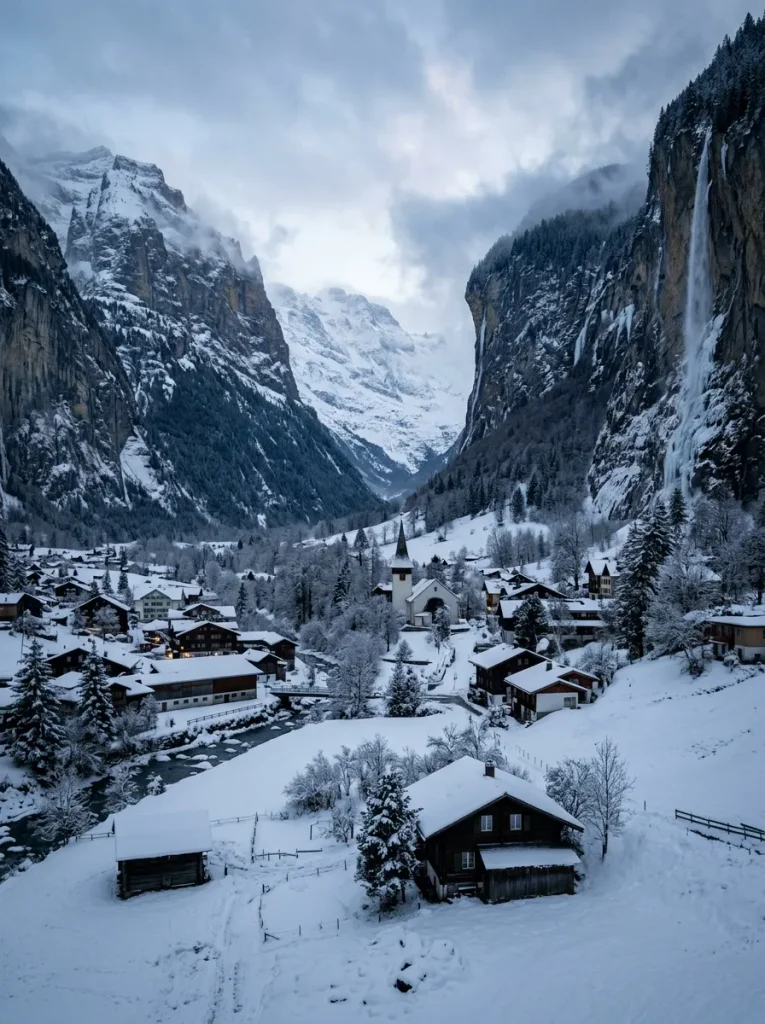
Lauterbrunnen is known for its steep valley walls, traditional village setting, and waterfalls. Winter transforms the landscape, although the appearance of waterfalls and the amount of snow vary with weather and temperature.
If this destination appeals to you, read our guide to the Lauterbrunnen Valley Walk to learn more about the area’s scenery and walking experience.
Keep in mind that some walking routes may be icy, closed, or unsuitable during winter. Follow marked paths and local guidance rather than assuming a summer hiking trail remains safe throughout the colder months.
Zermatt: An Iconic Mountain Destination
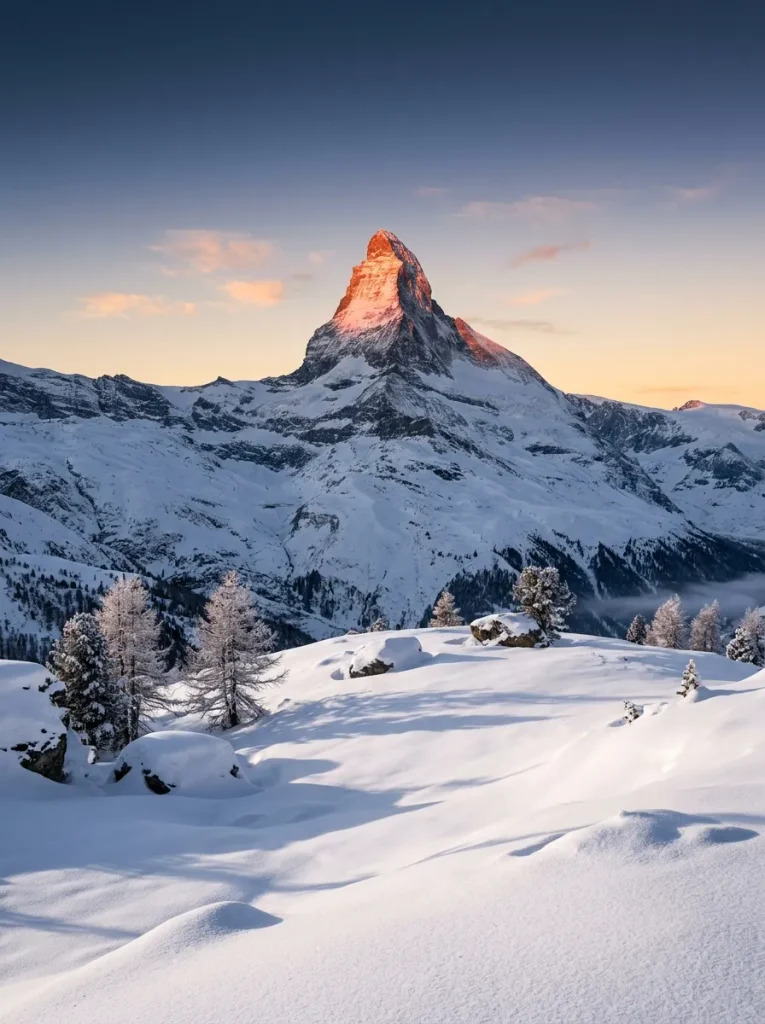
Zermatt is famous for its mountain scenery and views of the Matterhorn. It is a popular choice for skiing, mountain excursions, winter walks, and a classic alpine village atmosphere.
Zermatt also has a special transport consideration: private cars generally do not drive into the village itself. Visitors typically travel by train or use designated transport arrangements from outside the village.
Because mountain excursions can be expensive, decide which lifts, viewpoints, or activities matter most to you before buying tickets.
How should you choose? If convenience and day trips matter most, consider Interlaken. For a mountain-village setting, compare Grindelwald and Lauterbrunnen. For an iconic alpine resort experience, look at Zermatt. Your final choice should depend on transport, budget, accommodation, and the activities you actually want to do.
3. Understand the Weather Before You Pack
Do not plan for the Swiss Alps using only the forecast for Zurich or another lowland city. Mountain weather can be very different from conditions in the valley, and temperatures can drop as you gain elevation.
A sunny morning in town does not guarantee clear skies at a mountain viewpoint. Wind, fresh snowfall, fog, and sudden changes in visibility can affect excursions.
Before each outdoor day, check:
- The forecast for your specific destination and altitude.
- The operating status of mountain railways, cable cars, and lifts.
- Local snow and trail conditions.
- Any weather alerts or temporary closures.
- The expected temperature and wind conditions at your planned viewpoint.
Switzerland Tourism provides a useful starting point for its weather forecasts and snow reports, while the official website for your chosen mountain excursion can provide operating information.
Build flexibility into your itinerary. If a mountain excursion is your main priority, schedule it on one of your earlier days rather than leaving it until the final morning. That gives you another opportunity if weather disrupts the original plan.
4. Pack the Right Winter Clothing
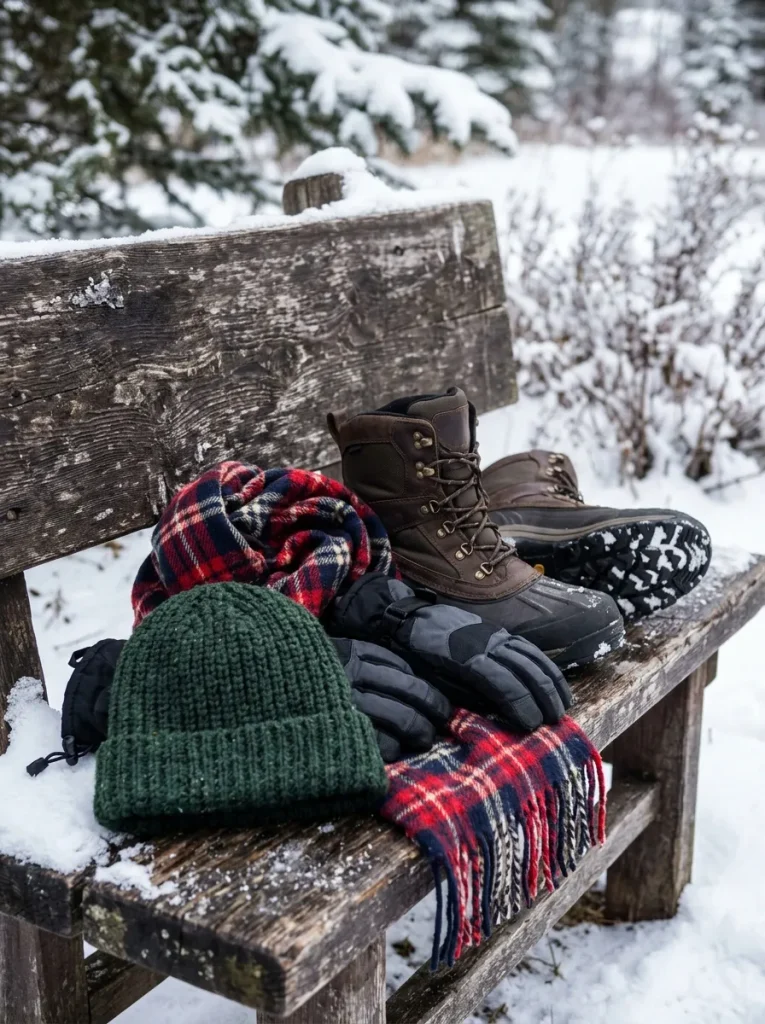
You do not need to buy an entirely new wardrobe for a winter trip to Switzerland. You do, however, need clothing that keeps you warm, dry, and comfortable when moving between heated trains, cold streets, and exposed mountain viewpoints.
The most practical approach is layering.
Your Essential Clothing Layers
Base layer: Wear thermal tops and bottoms made from merino wool or synthetic materials that manage moisture. Avoid relying on cotton as your main base layer for prolonged outdoor activities because it can stay damp and feel cold.
Middle layer: Pack a fleece, wool sweater, or insulated layer. You can add or remove it as the temperature changes.
Outer layer: Choose a warm winter jacket with wind resistance and good protection from snow or rain. A waterproof shell over an insulating layer can also work well.
Legwear: Bring warm trousers for sightseeing and insulated or weather-resistant pants if you plan to spend time in snow.
Socks: Wool or synthetic winter socks help keep your feet comfortable. Make sure they fit properly inside your boots without making the footwear too tight.
Do Not Forget Your Extremities
Hands, ears, and feet can become uncomfortable quickly in cold weather. Pack:
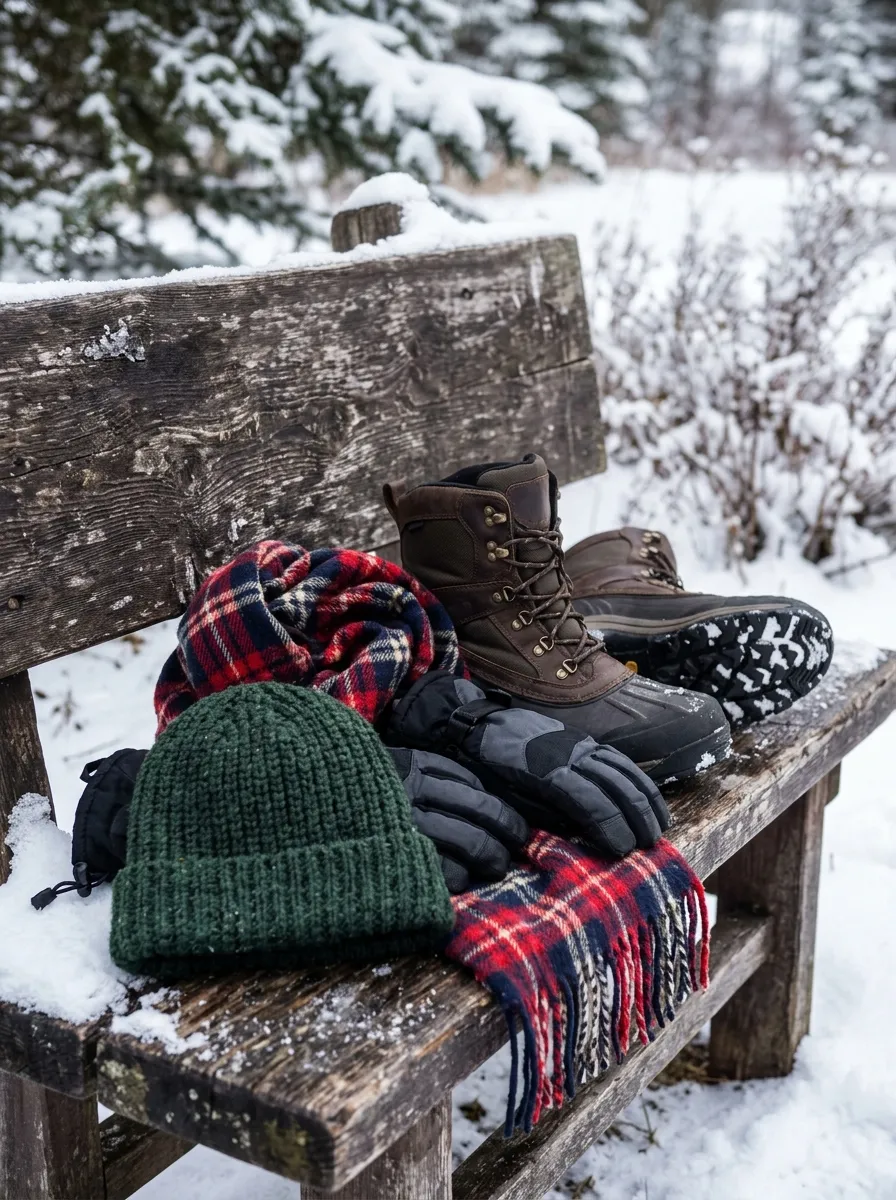
- Insulated gloves or mittens.
- A warm hat that covers your ears.
- A scarf or neck warmer.
- Waterproof winter boots with good grip.
- Sunglasses for bright snow conditions.
- Sunscreen and lip balm.
If you plan to ski, rent or borrow specialist equipment rather than assuming ordinary winter clothing will be enough.
Should You Buy Snow Boots Before Traveling?
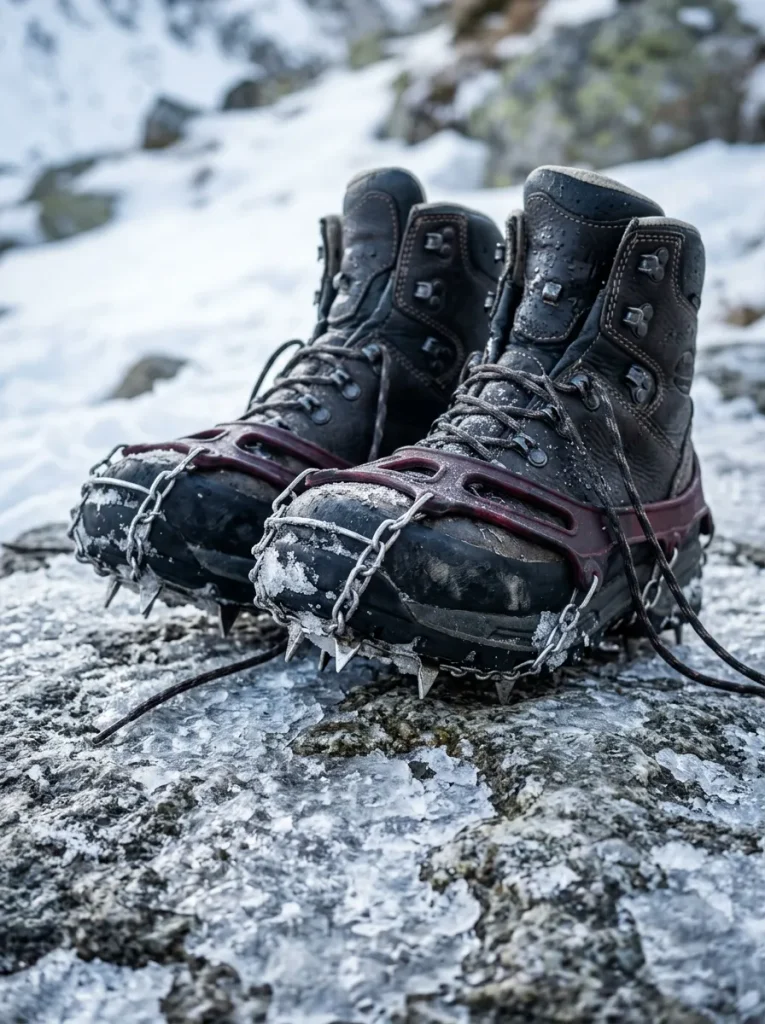
Not necessarily. If you already own waterproof winter boots with good traction, they may be sufficient for ordinary sightseeing and cleared winter paths.
For icy pavements, removable traction aids can provide extra grip, but they are not a substitute for suitable footwear or careful walking. Remove traction devices when entering places where they are unsuitable, and follow the product instructions.
If your itinerary includes only towns, trains, restaurants, and organized mountain excursions, you may not need heavy mountaineering boots. For longer snowshoe outings, choose equipment appropriate to the route and conditions.
5. Learn How to Travel Around the Swiss Alps in Winter
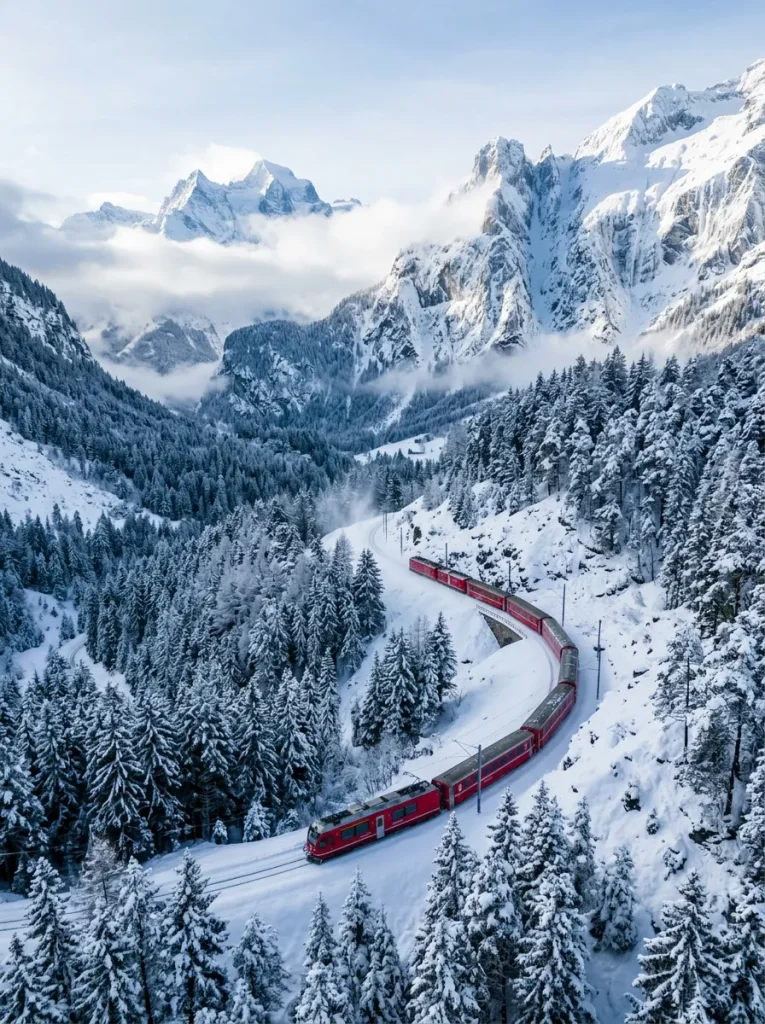
Switzerland’s trains, buses, and mountain railways make it possible to explore many alpine destinations without renting a car. Public transport is often a sensible choice for first-time visitors who are unfamiliar with snowy mountain roads.
Use Trains for Intercity Travel
Trains connect major Swiss cities and many mountain gateways. Depending on your destination, your journey may involve a mainline train followed by a regional train, bus, cogwheel railway, or cable car.
Check the complete route before booking accommodation. A hotel may look close to a famous attraction on a map but still require several transport connections.
Use the official Swiss transport timetable to compare departure times, connections, and journey duration. Allow extra time when changing trains with luggage, especially at unfamiliar stations.
Understand Mountain Railways and Cable Cars
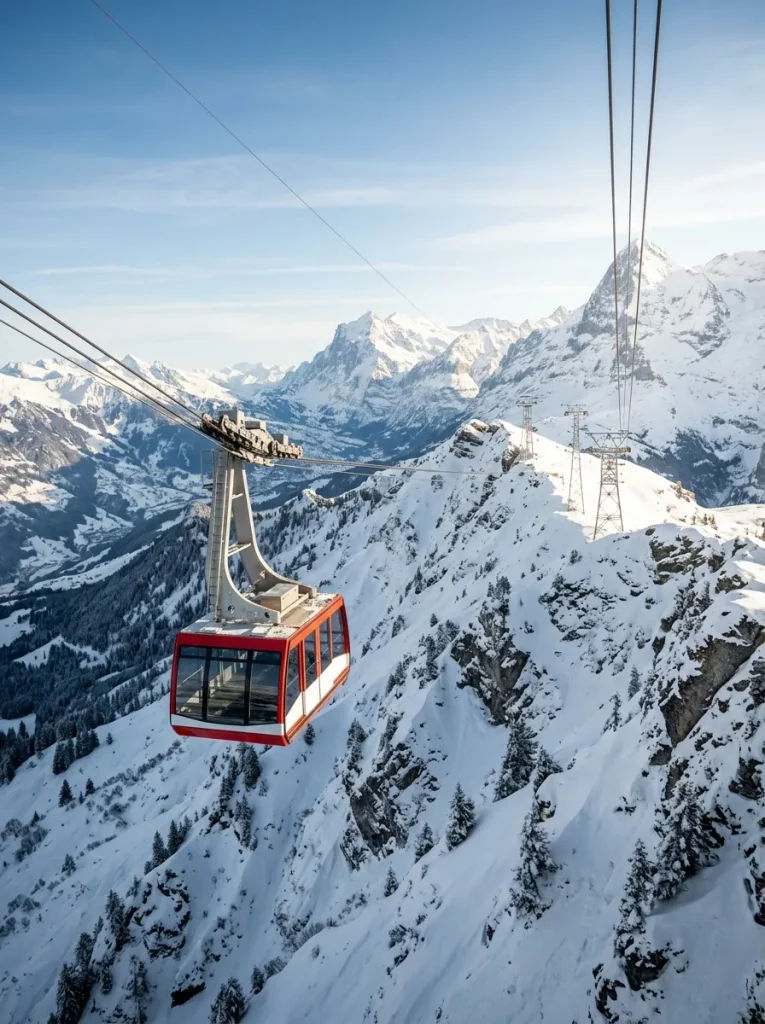
Mountain transport is part of the experience in many alpine destinations. It can take you to viewpoints, ski areas, and high-altitude attractions that would otherwise require a difficult climb.
However, not every lift operates every day in winter. Some services close for maintenance, while others may pause because of wind, snow, or other safety concerns.
Check operating status on the day of your visit and confirm whether your ticket includes the connections you need. Do not assume that a standard train ticket covers every mountain excursion.
Should You Rent a Car?
A rental car can be useful if you want to explore rural areas or travel on a route that is inconvenient by public transport. But driving in winter brings extra responsibilities.
Mountain roads can become slippery, and snow or ice may affect visibility and stopping distance. Switzerland Tourism recommends winter tires for cold-season driving, even though they are not universally compulsory under a fixed winter-date rule. Snow chains may also be required where signs specify them.
If you rent a car, confirm the winter equipment with the rental company, check road conditions before departure, and avoid driving mountain routes beyond your experience or comfort level.
For many first-time visitors, trains and organized excursions make the trip simpler.
6. Plan Winter Activities Beyond Skiing
A winter trip to the Swiss Alps does not have to revolve around ski slopes. Switzerland offers a range of winter experiences, including snowshoeing, marked winter walks, sledding, cross-country skiing, and mountain excursions.
Take a Scenic Mountain Excursion
A mountain railway or cable car can deliver spectacular views without requiring a strenuous hike. Choose a destination based on the scenery, travel time, cost, and likelihood that the viewpoint will be open.
Remember that visibility matters. If the summit is covered by clouds, you may not get the views you expected, so avoid treating an expensive excursion as guaranteed sunshine.
Try Sledding or Snowshoeing
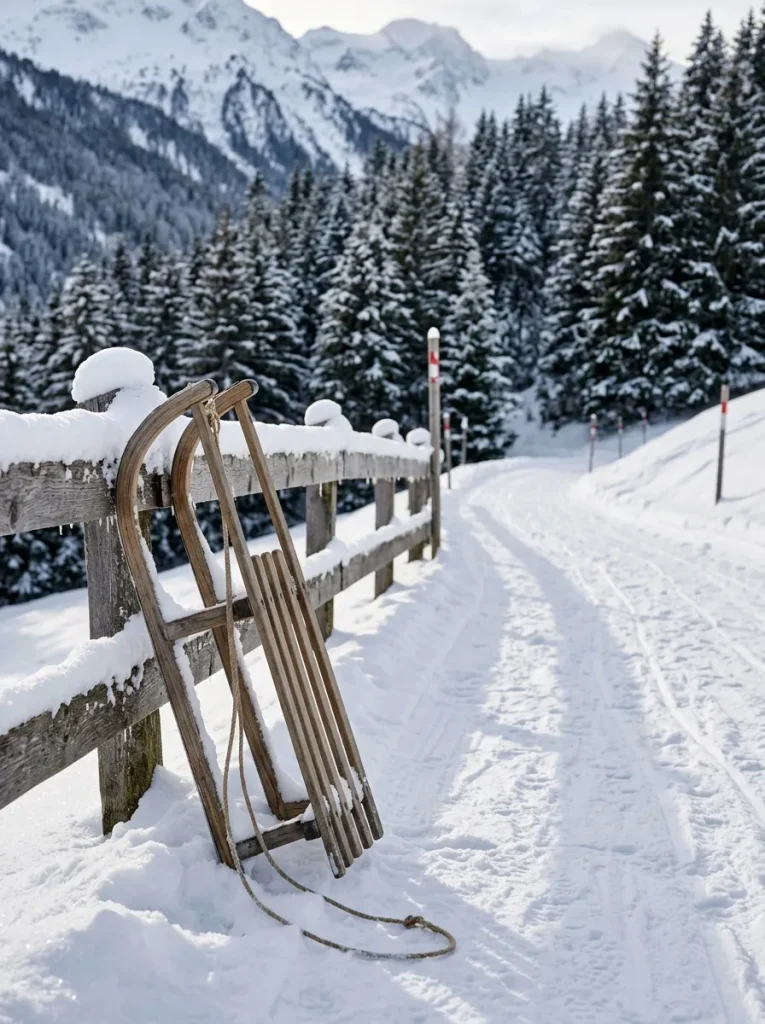
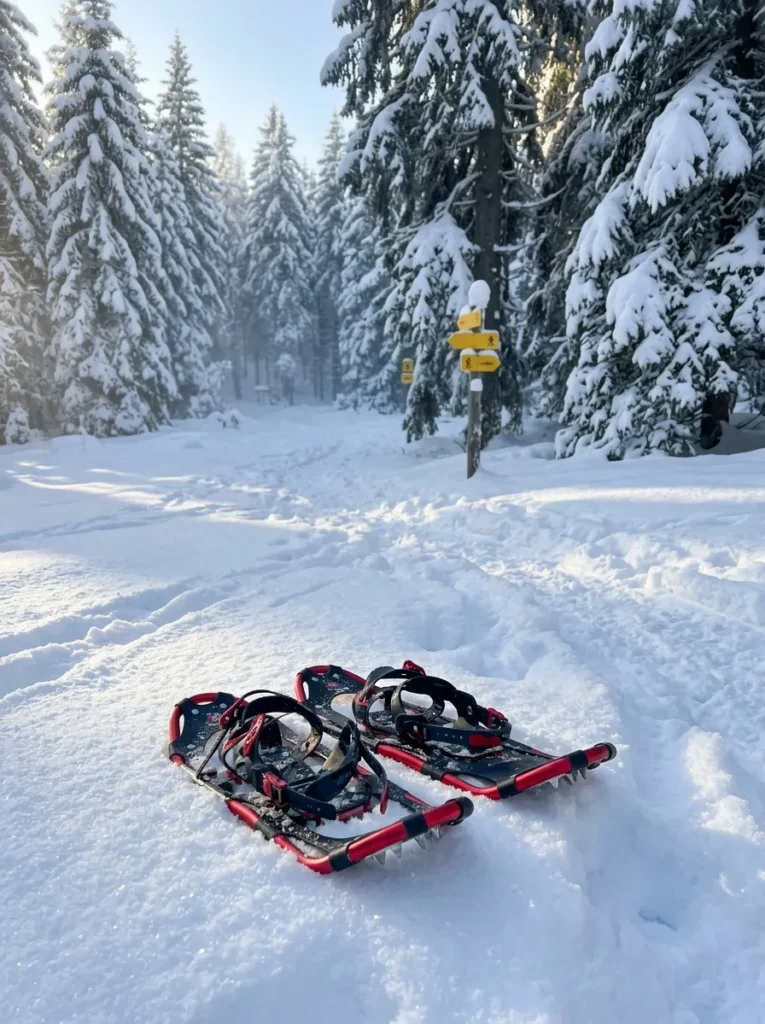
Sledding can be a fun introduction to winter recreation, while snowshoeing lets you explore snowy landscapes at a slower pace.
Use designated routes and follow local instructions. Check whether equipment rental, route access, and transport are included in an activity booking.
Snowshoeing away from managed trails can introduce avalanche and navigation risks. If you are inexperienced, choose a marked route confirmed as open or join a qualified guide.
Enjoy Village Walks and Local Culture
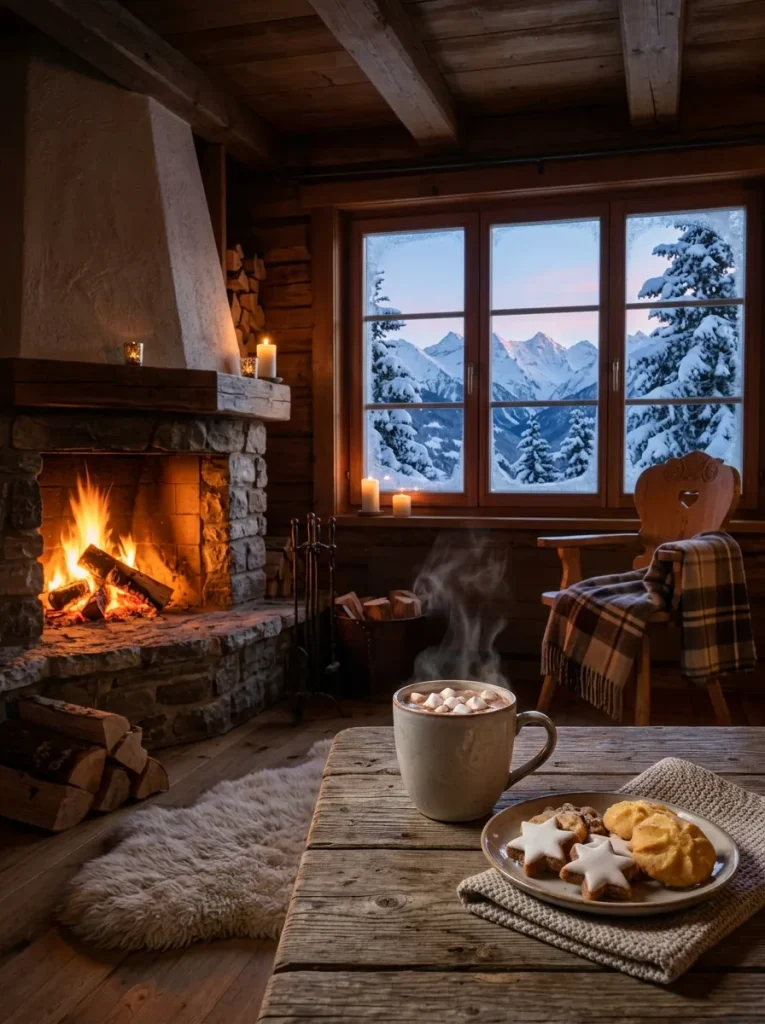
Leave time for ordinary pleasures: wandering through a village, browsing local shops, visiting a museum, enjoying a warm meal, or taking photographs from a safe public viewpoint.
For another side of Swiss culture, explore our guide to Appenzell’s traditional village. Its cultural appeal makes it an interesting destination to research, although you should check the winter journey and local conditions before adding it to an alpine itinerary.
If you are collecting ideas for future trips, our travel bucket list experiences and guide to epic travel adventures offer more inspiration beyond a single winter holiday.
7. Stay Safe on Snowy Paths and Mountain Trails
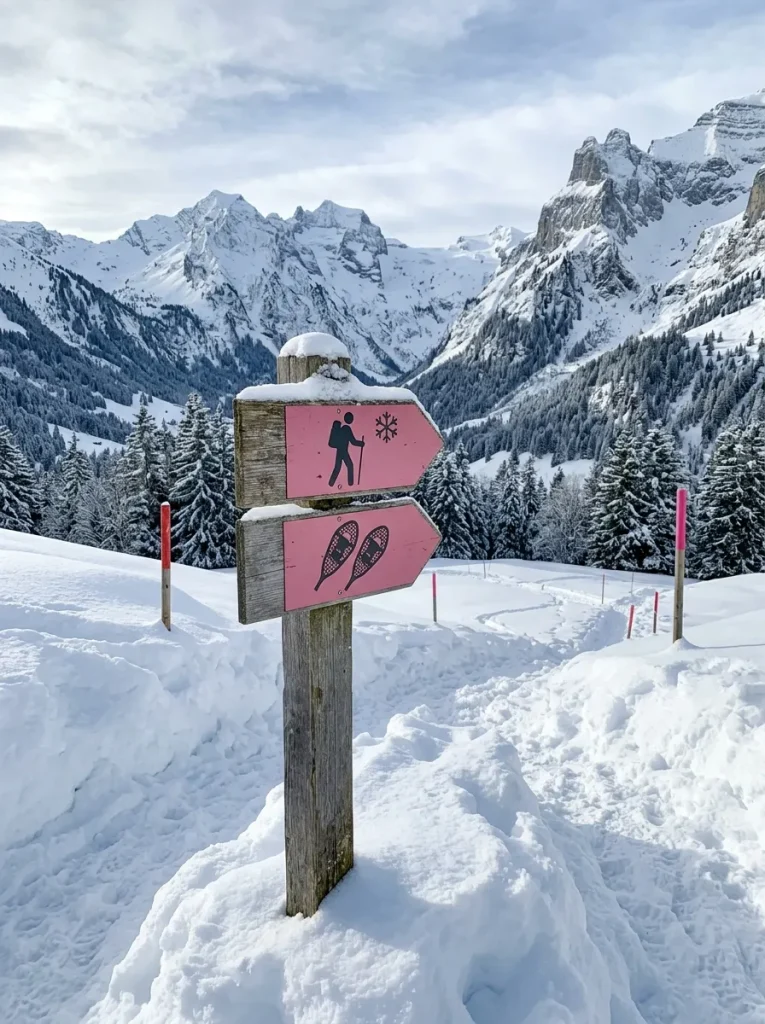
Snow-covered scenery can make even a short walk feel adventurous, but winter conditions change the risks. A path that looks easy from a hotel window may be slippery, poorly visible, or exposed to falling snow and ice.
For safer winter sightseeing:
- Stay on marked, maintained routes.
- Check whether the path is open before setting out.
- Wear footwear with reliable grip.
- Start early enough to finish before dark.
- Carry a charged phone and keep emergency contact information accessible.
- Tell someone your plan if you are heading away from busy areas.
- Turn back if visibility deteriorates or the route feels unsafe.
Understand Avalanche Risk
Avalanches are a serious hazard in alpine terrain, including areas outside managed ski runs and marked winter trails. Do not assume that a slope is safe because other people have walked or skied nearby.
Check the official Swiss avalanche bulletin before backcountry activities. The bulletin provides regional risk information, but it cannot guarantee the safety of a particular slope.
First-time visitors without suitable training and equipment should avoid unaccompanied backcountry ski tours and snowshoe routes through avalanche terrain. Stay on open, designated routes or go with a qualified mountain professional when appropriate.
Also pay attention to signs, barriers, and local instructions. They may reflect hazards that are not obvious from the path.
8. Book Accommodation and Popular Excursions Early
Winter is a popular season in many Swiss mountain resorts, particularly around Christmas, New Year, and school holidays. Waiting until the last minute can leave you with fewer choices or accommodation far from the station.
When comparing places to stay, look beyond the room price. Consider:
- Distance to the train station or bus stop.
- Whether the walk involves stairs, slopes, or snow-covered paths.
- Breakfast availability and nearby dining options.
- Luggage storage and check-in times.
- Cancellation policies.
- Access to the activities you want to book.
A slightly more expensive room near transport may be worth it if it saves you from dragging suitcases through icy streets or paying for additional transfers.
Reserve popular mountain excursions and ski lessons in advance when possible, especially if you have fixed travel dates. Before paying, review the cancellation terms and check whether weather-related interruptions are covered.
9. Prepare a Realistic Winter Budget
Switzerland can be an expensive destination, and winter activities can add substantially to the total cost. Your budget should include more than flights and hotel rooms.
| Expense | What to consider |
| Accommodation | Resort location, season, room type, and cancellation terms |
| Transport | Intercity trains, local buses, mountain railways, and transfers |
| Food | Restaurants, cafés, groceries, and packed lunches |
| Activities | Ski passes, lessons, sledding, guided tours, and viewpoints |
| Clothing | Thermal layers, waterproof boots, gloves, and accessories |
| Insurance | Medical cover and suitable protection for planned activities |
| Extra funds | Weather-related changes, additional nights, or missed connections |
Compare the cost of individual transport tickets with eligible rail passes before purchasing one. A pass is not automatically the cheapest choice for every itinerary, and some mountain excursions may have different discounts or exclusions.
To control spending, choose a few paid mountain experiences that matter most to you, then balance them with village walks, scenic train journeys, and other activities that fit your budget.
10. Create a Flexible Itinerary for Your First Winter Trip
Trying to visit several distant resorts in a short holiday can turn a beautiful trip into a series of train changes and suitcase transfers. For a first visit, it is often better to explore one region thoroughly.
Example: A Five-Day Swiss Alps Winter Itinerary
Day 1: Arrive and settle in
Travel to your chosen base, check in, buy any missing essentials, and take a gentle walk around town. Avoid scheduling an expensive mountain excursion immediately after a long international flight.
Day 2: Explore a mountain destination
Choose one major excursion, such as a mountain railway or cable-car journey. Check the weather and operating status before leaving your accommodation.
Day 3: Visit a nearby village
Spend the day exploring a nearby destination such as Lauterbrunnen or Grindelwald if it fits your base and transport connections. Allow time for cafés, photographs, and short walks rather than packing the schedule.
Day 4: Choose a winter activity
Try a beginner ski lesson, sledding, a marked winter walk, or a guided snowshoe experience. If conditions are poor, swap your outdoor plan for museums, indoor attractions, or a relaxed day in town.
Day 5: Enjoy a slow morning and depart
Keep the morning flexible, especially if you have a train or flight to catch. Leave enough time for winter transport delays and connections.
This itinerary is a starting point rather than a fixed route. Adjust it according to your arrival airport, accommodation, budget, and preferred activities.
11. Your Winter Packing Checklist
Use this checklist before leaving home.
Clothing
- Thermal base layers
- Fleece or warm mid-layer
- Insulated winter jacket
- Waterproof trousers if needed
- Warm socks
- Hat, gloves, and neck warmer
- Waterproof winter boots
Daypack essentials
- Water bottle
- Snacks
- Sunglasses and sunscreen
- Lip balm
- Phone and portable charger
- Small first-aid kit
- Any necessary medication
- Booking confirmations and identification
- Traction aids if appropriate for your planned routes
Before departure
- Check entry and visa requirements for your passport.
- Confirm hotel reservations and arrival instructions.
- Review train connections and local transport options.
- Check mountain railway and cable-car schedules.
- Review weather and snow conditions.
- Purchase suitable travel insurance.
- Save important tickets and booking details offline.
If you plan to ski or take part in other winter sports, add the equipment and protective gear required for those activities.
Frequently Asked Questions
Is winter a good time to visit the Swiss Alps for the first time?
Yes. Winter is a good option if you want snowy landscapes, mountain scenery, winter sports, and cozy alpine villages. The key is to choose a suitable base, pack for cold conditions, and keep your itinerary flexible when the weather changes.
How cold are the Swiss Alps in winter?
Temperatures vary by altitude, location, wind, and weather. Valley towns can be milder than high mountain viewpoints, where conditions may be much colder. Check the forecast for your specific destination instead of relying on a national average.
Do I need to know how to ski to enjoy the Swiss Alps?
No. You can enjoy scenic train rides, mountain viewpoints, village sightseeing, marked winter walks, sledding, and local food without skiing. If you want to learn, book a beginner lesson at a suitable resort.
Is it better to travel around Switzerland by train or car in winter?
For many first-time visitors, trains and regional public transport are easier because they reduce the need to drive on snowy roads. A car can offer flexibility, but you must prepare for winter driving, check road conditions, and use appropriate equipment.
What shoes should I wear in the Swiss Alps during winter?
Choose waterproof winter boots with good grip for ordinary sightseeing. For snowshoeing or more demanding winter activities, use footwear suited to the activity and follow the guidance of the operator or local authorities.
Can I hike in the Swiss Alps during winter?
Some marked winter walking trails are open, but not every summer hiking trail is safe or accessible in winter. Check current route information, weather, and local warnings. Avoid avalanche terrain unless you have the necessary knowledge, equipment, and appropriate professional guidance.
How many days should I spend in the Swiss Alps?
Four to seven days is a useful starting point for a first trip focused on one region. A shorter visit can work if you choose one base and a few activities, while a longer holiday allows more flexibility for weather changes and additional destinations.
Is December guaranteed to be snowy in Switzerland?
No. Snow conditions depend on altitude, location, and the weather that season. Higher elevations are generally a better choice if snow scenery is a priority, but you should check current snow reports before booking.
Final Thoughts
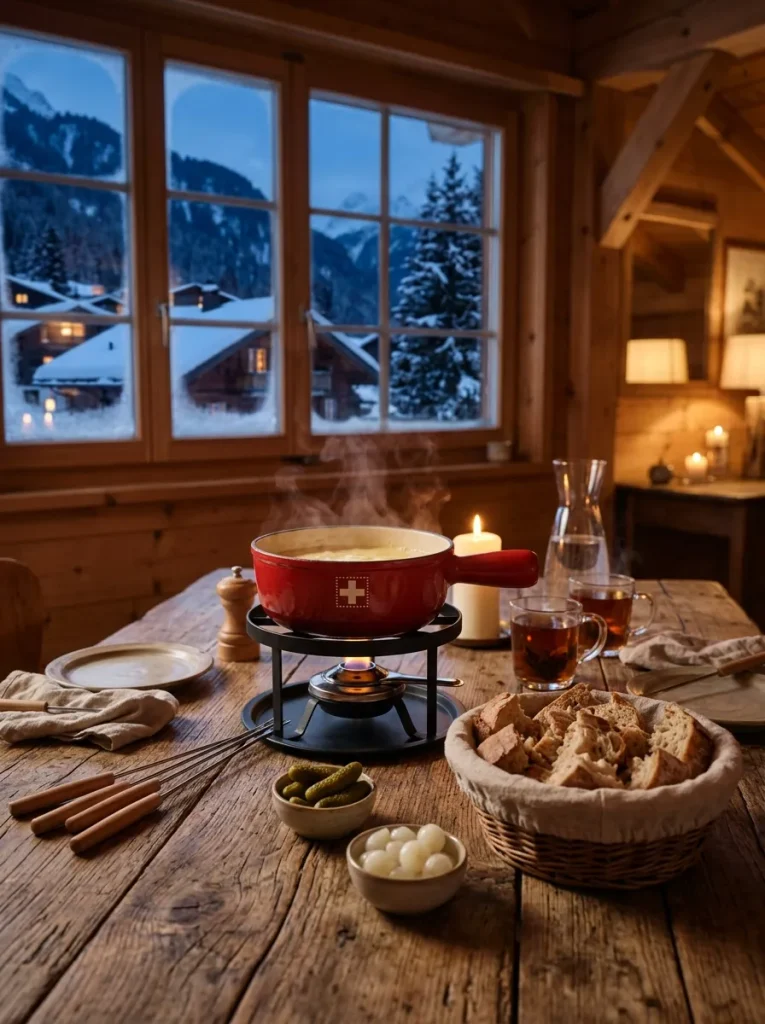
Preparing for a winter trip to the Swiss Alps is mostly about making smart choices before you arrive. Pick a base that matches your interests, dress in layers, understand your transport connections, and leave room in your schedule for changing mountain conditions.
You do not have to ski every day or chase the highest viewpoint to enjoy Switzerland in winter. A scenic train ride, a peaceful village walk, a warm meal after time outdoors, or a day surrounded by snow-covered peaks can be just as memorable.
Start with a realistic plan, check official weather and safety updates, and choose activities that match your experience level. With those basics covered, your first winter visit can be both exciting and comfortable.