How to Stay Warm During a Winter Trip to Boston: What to Wear and Pack
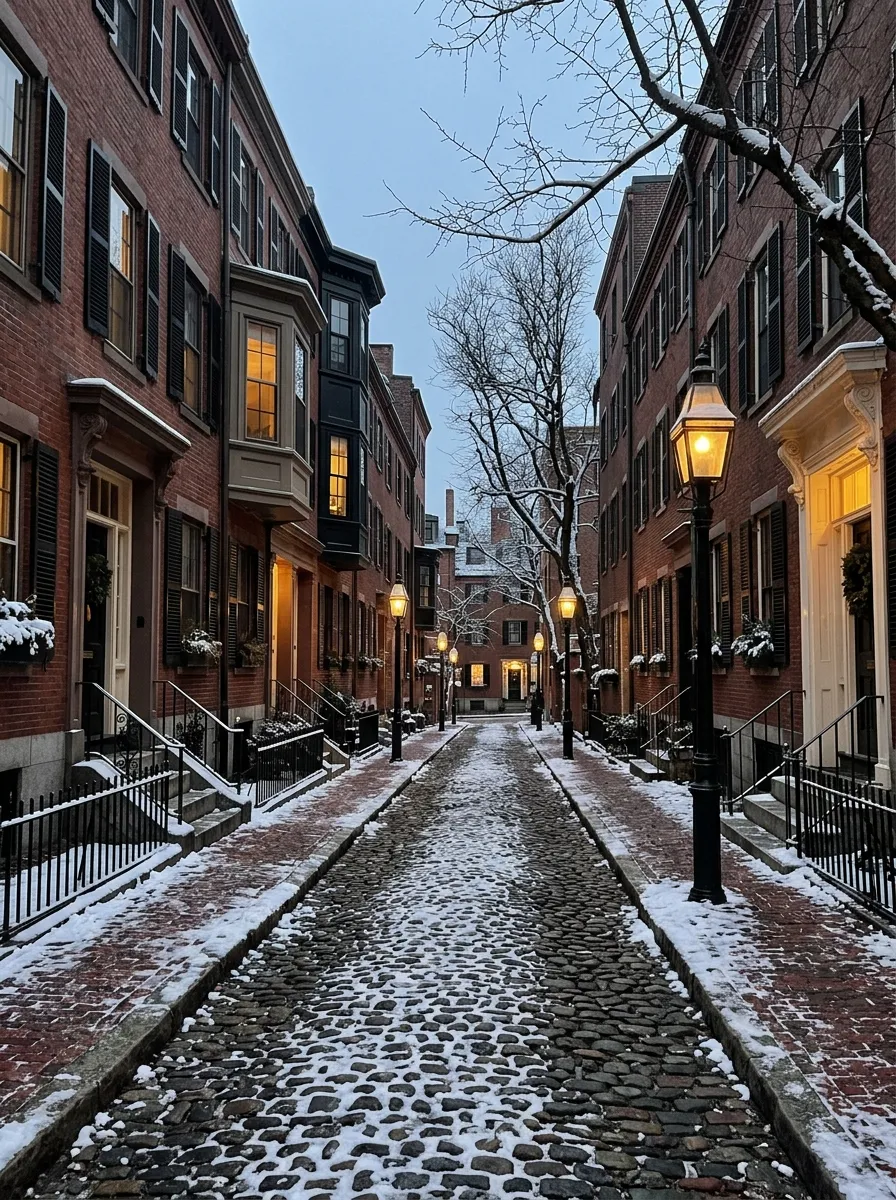
Boston is beautiful in winter. Snow may dust the historic streets, the Public Garden takes on a quieter atmosphere, and cozy cafés become welcome stops between sightseeing adventures. But if you are visiting from a warmer climate, Boston’s winter weather can be more challenging than you expect.
The cold is not just about the temperature. Wind blowing off Boston Harbor, damp weather, slushy sidewalks, and icy patches can make a day outdoors uncomfortable if you are wearing the wrong clothes. You might feel warm while walking quickly, then become chilly when you stop to take photos or wait for a train.
The good news is that you do not need an enormous suitcase or expensive specialist gear to stay comfortable. With the right layers, waterproof shoes, a few practical accessories, and a sensible sightseeing plan, you can enjoy Boston’s historic neighborhoods, waterfront, restaurants, museums, and winter attractions without spending the entire trip wishing you were indoors.
This guide explains what to wear in Boston during winter, what to pack, how to stay warm while sightseeing, and which common clothing mistakes to avoid.
Recommended Travel Items for Your Trip
1. Understand What Boston Winter Weather Feels Like
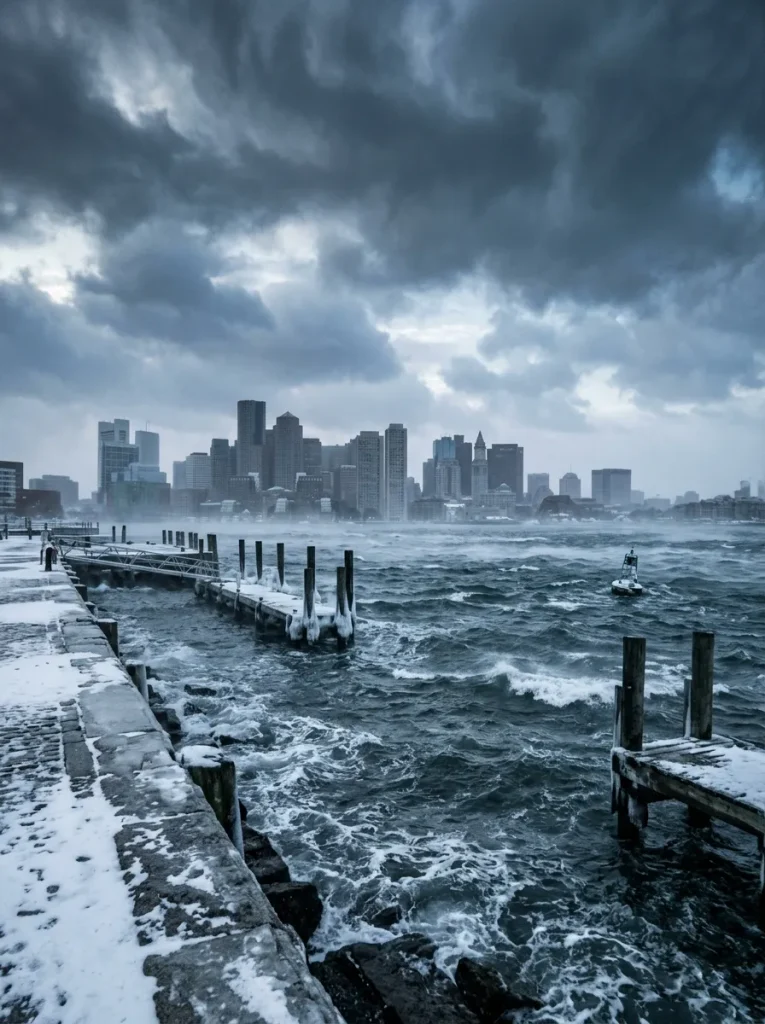
Before choosing your clothes, understand the conditions you may encounter. Boston winters can bring freezing temperatures, snow, cold rain, strong winds, and sudden changes in the weather.
January and February are typically among the coldest months. Daytime temperatures can hover around or below freezing, while nights can become considerably colder. Snowfall varies from year to year, so you should prepare for the forecast rather than assume that every winter visit will bring a snowy city.
The wind deserves special attention. Walking near the harbor, crossing an exposed bridge, or standing in an open plaza can feel much colder than walking along a sheltered street. Wind chill describes how cold conditions feel on exposed skin when wind increases heat loss.
Before your trip, check the forecast for your travel dates through the National Weather Service. Look at the expected temperature, wind chill, precipitation, and any winter weather alerts.
What should you expect in each winter month?
| Month | Typical experience | What to prepare for |
| December | Festive decorations and increasingly cold days | A warm coat, layers, and protection from rain or snow |
| January | Often one of the coldest periods | Insulated outerwear, warm gloves, and winter footwear |
| February | Cold weather and potential snowstorms | Waterproof boots, good traction, and flexible plans |
| March | A transition between winter and spring | Layers, a weatherproof jacket, and footwear suited to changing conditions |
These are general seasonal patterns, not a forecast. Conditions can vary considerably from one week to the next.
The key takeaway: Pack for cold, wet, and windy conditions rather than relying on a single temperature estimate.
2. Use the Three-Layer Clothing System
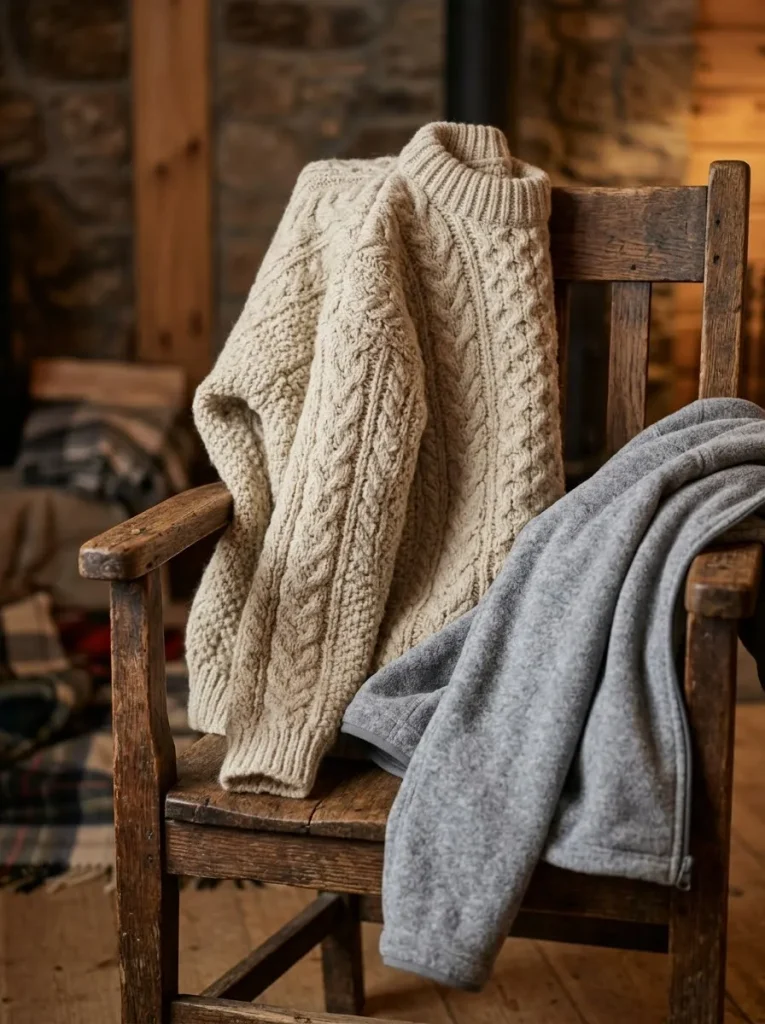
One of the easiest ways to stay warm in Boston is to wear several layers instead of depending on one very heavy coat. Layers trap warm air, help manage moisture, and allow you to adjust your clothing as you move between outdoor attractions and heated buildings.
Base layer: Keep yourself dry
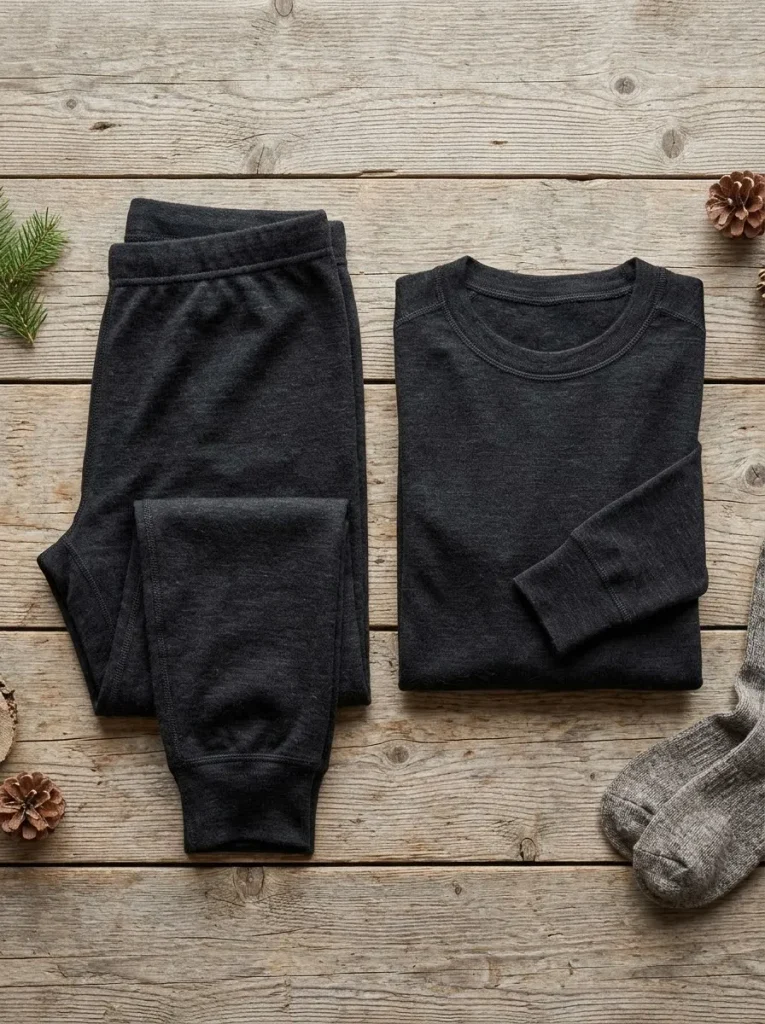
Your base layer sits against your skin. Its job is to manage sweat and help you remain comfortable.
Good choices include thermal tops and bottoms made from merino wool or synthetic moisture-wicking fabric. If you expect to spend several hours outdoors, thermal leggings under your trousers can make a noticeable difference.
Avoid relying on cotton as your main base layer for prolonged outdoor activities. Cotton can hold moisture and become uncomfortable when damp.
You do not necessarily need thermal clothing every day. On milder afternoons, an ordinary long-sleeved shirt may be enough under a sweater and winter coat. Check the forecast and consider how long you will be outside.
Middle layer: Trap warmth
Your middle layer provides insulation. Depending on the weather, this could be a fleece jacket, wool sweater, lightweight insulated jacket, or thick cardigan.
A fleece is particularly useful because it is warm without being excessively bulky. It can also be removed and packed into a day bag when you enter a heated restaurant or museum.
For especially cold days, combine a thermal base layer with a sweater or fleece before putting on your winter coat.
Outer layer: Block wind and moisture
Your outer layer protects the other clothing from wind, snow, and rain.
Choose a warm winter coat with a wind-resistant exterior. A water-resistant or waterproof finish is useful because snow can melt against your clothing, and winter precipitation does not always arrive as fluffy snow.
Look for a coat with:
- Insulation appropriate for cold temperatures.
- A hood that fits comfortably over a hat.
- Secure pockets for your hands and small essentials.
- Cuffs that help keep cold air out.
- Enough room for a sweater or fleece underneath.
If your coat is warm but not waterproof, a suitable waterproof shell can provide additional protection during wet weather.
The best combination is one you can adjust. A bulky coat that becomes uncomfortable indoors can be less practical than a warm, flexible layering system.
3. Choose the Right Winter Coat
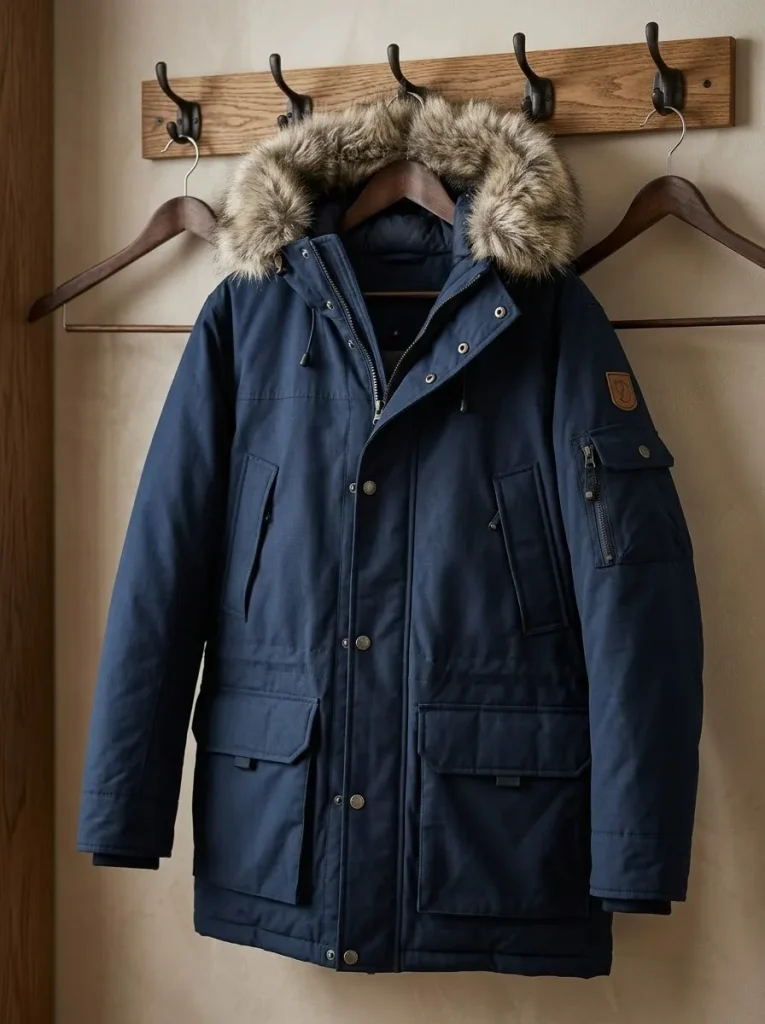
Your coat will probably be the most important item in your Boston winter wardrobe.
You do not need a designer coat or specialist expedition jacket for ordinary city sightseeing. You need one that suits the forecast, your planned activities, and the amount of time you expect to spend outside.
Insulated coats for freezing days
A well-insulated coat is a good choice for cold days when you plan to walk around the city, visit outdoor attractions, or spend time near the waterfront.
Down and synthetic insulation can both provide warmth. Down often offers a strong warmth-to-weight ratio, while synthetic insulation can be useful in damp conditions. The quality of construction, fit, and weather protection matters too.
Waterproof jackets for wet weather
A waterproof jacket with a hood is especially useful when the forecast calls for rain, wet snow, or a mixture of both.
If you are visiting during a period of heavy rain or slush, a waterproof outer layer can help keep your insulating clothes dry. If temperatures are very low, make sure your underlying layers provide enough warmth.
Should you bring a long coat?
A longer coat can protect more of your body from wind and cold. This may be especially comfortable when walking slowly, waiting outdoors, or visiting exposed areas.
However, choose a length that allows you to move easily and climb stairs comfortably. A shorter insulated coat can work perfectly well if you combine it with warm trousers and suitable base layers.
Packing tip: Wear your bulkiest coat on the flight if practical. This can save suitcase space, and you will already have it when you arrive in Boston.
4. Wear Waterproof Boots With Good Grip
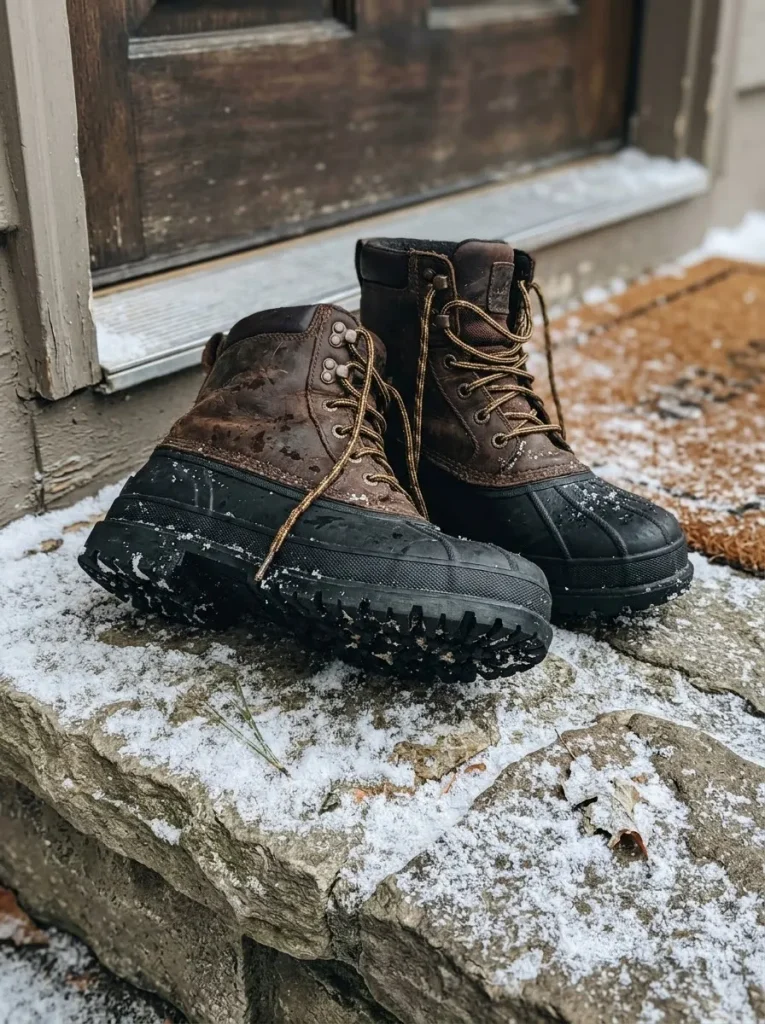
Your footwear can make or break a Boston winter trip.
Historic neighborhoods have brick sidewalks, uneven paving, stone surfaces, and narrow streets. After snow or freezing rain, some sections may become slippery. Slush can also soak ordinary sneakers, leaving your feet cold and uncomfortable.
For most winter sightseeing, look for waterproof or water-resistant boots with a warm lining and a well-treaded sole.
What to look for in winter footwear
- Water resistance: Helps keep rain, slush, and melting snow away from your socks.
- Traction: A patterned rubber sole can provide better grip on wet or snowy pavement.
- Comfort: Choose footwear you can walk in for several hours.
- Room for socks: Boots that are too tight can make your feet feel colder.
- Ankle support: A higher boot can help keep snow from entering around the opening.
You do not automatically need heavy snow boots. If the weather is dry and sidewalks are clear, comfortable waterproof walking boots may be enough. For deeper snow or particularly cold conditions, insulated winter boots are a better option.
Avoid wearing brand-new shoes on a trip that involves extensive walking. Break them in beforehand to reduce the chance of blisters.
Are sneakers suitable for Boston in winter?
They can be suitable on dry, relatively mild days, especially if they have good traction. Ordinary mesh running shoes, however, are not ideal for wet snow, slush, or freezing conditions.
If you prefer sneakers, bring a waterproof alternative so you can switch according to the weather.
What about ice cleats?
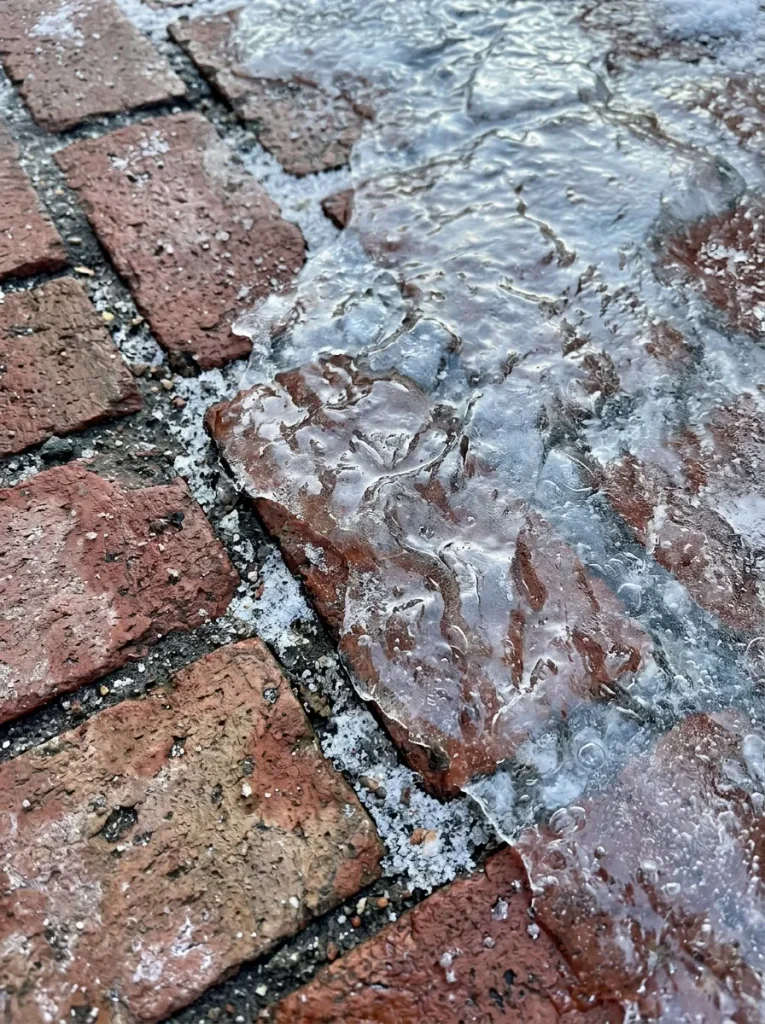
Removable traction aids can be useful when sidewalks are icy. Choose a product appropriate for your footwear and intended use, follow its instructions, and remove it when walking on surfaces where it is unsuitable.
Even with good boots, take shorter steps on ice and avoid rushing across slippery patches.
5. Protect Your Head, Hands, and Neck
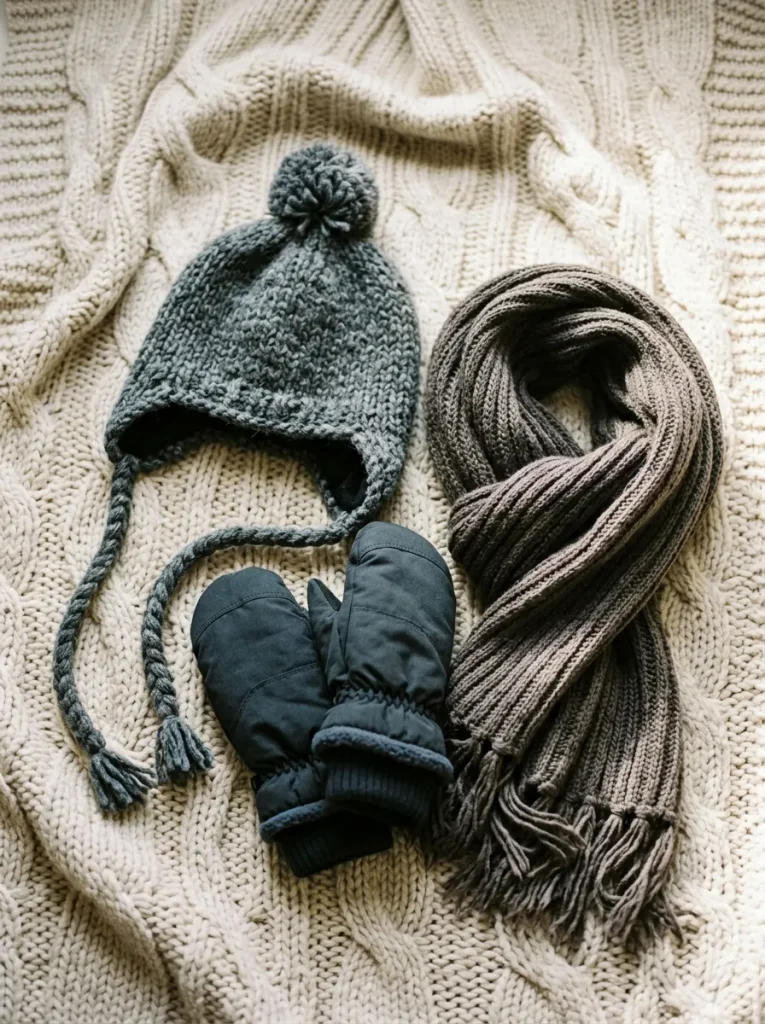
A warm coat will not do much for your comfort if your fingers are freezing or cold air is getting inside your collar.
Accessories are small, easy to pack, and often among the most useful items you can bring.
Pack a warm hat
Choose a knitted hat, fleece beanie, or insulated winter hat that covers your ears. A hood can provide extra protection, but a hat beneath it adds warmth.
If you plan to spend a long time outdoors, choose a hat that fits securely and does not need constant adjustment.
Choose gloves or mittens
Gloves allow you to handle your phone, camera, and transit card more easily. Mittens generally keep fingers together, which can help preserve warmth.
For particularly cold days, insulated mittens or a glove-and-mitten combination can be useful.
Touchscreen-compatible gloves are convenient for checking maps, but make sure they are warm enough for the conditions. Thin fashion gloves may not provide sufficient insulation.
Bring a scarf or neck warmer
A scarf helps cover the gap between your coat and your neck. A neck gaiter or buff is a compact alternative that stays in place while walking.
During very cold or windy conditions, covering exposed skin can help reduce discomfort. Make sure any face covering allows comfortable breathing.
Do not forget warm socks
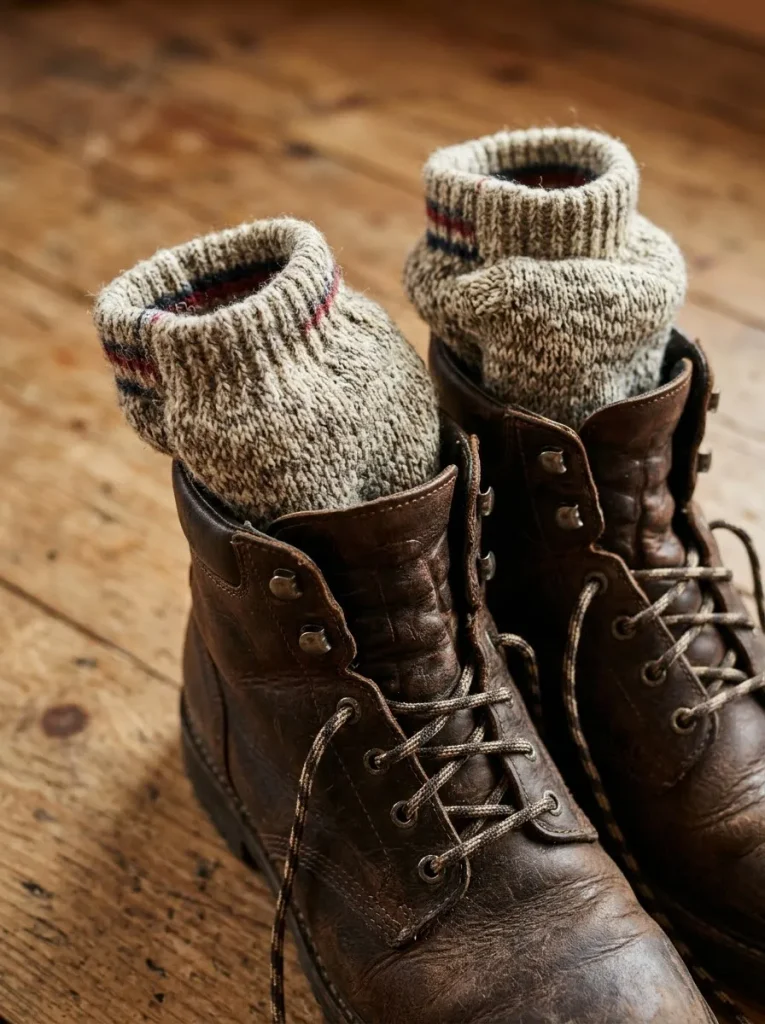
Wool or synthetic winter socks are good options. They help manage moisture while providing insulation.
Avoid wearing several thick pairs if they make your boots tight. Properly fitting boots with one suitable warm pair of socks may be more comfortable than cramped footwear.
6. What to Wear for a Full Day of Boston Sightseeing
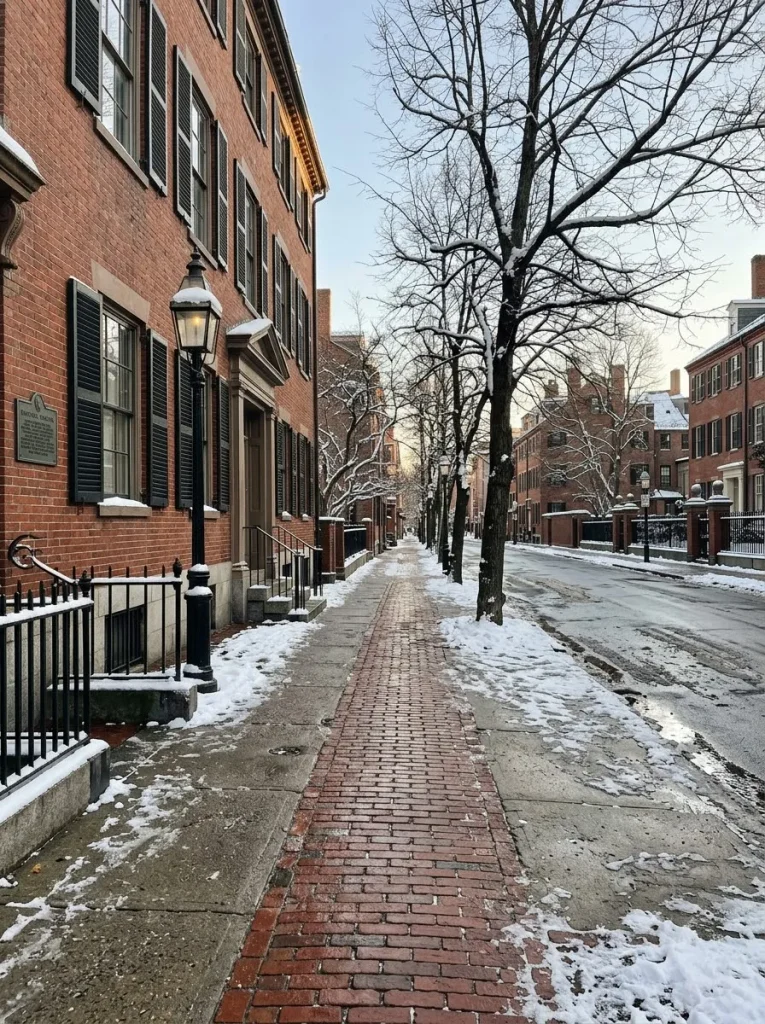
Boston is a city where many visitors combine outdoor walking with indoor attractions. You might spend the morning following a historic route, have lunch in a café, visit a museum, and then walk along the waterfront.
Your clothing should work for all these settings.
A practical winter sightseeing outfit
For a cold day, consider:
- A thermal or long-sleeved base layer.
- A fleece or warm sweater.
- An insulated coat with a hood.
- Comfortable trousers, with thermal leggings if needed.
- Waterproof winter boots with good traction.
- Warm socks.
- A hat, gloves, and scarf.
Carry a small backpack for accessories and any layers you remove indoors.
Dress for the Freedom Trail
The Freedom Trail is a popular way to explore Boston’s historic sites. It involves walking through different parts of the city, and winter conditions can affect both comfort and footing.
Wear comfortable shoes with good grip, keep your hands warm, and check the weather before setting out. You may want to break the route into shorter sections if it is especially cold or icy.
Dress for the waterfront
The waterfront and harbor-facing areas can feel colder when wind is blowing across the open space.
Choose a wind-resistant outer layer, secure your hat, and wear gloves that keep your hands warm while you take photographs. If the forecast calls for strong winds or severe weather, consider shortening the outdoor portion of your day.
Dress for shopping and museums
Museums, restaurants, shops, and public buildings are generally heated. If you wear too many heavy layers, you may become uncomfortable once you get inside.
Choose layers that are easy to remove. A warm coat over a lighter base and mid-layer is often more practical than wearing several bulky sweaters that are difficult to carry.
7. Pack This Boston Winter Checklist
A focused packing list helps you prepare without filling your suitcase with unnecessary items.
| Item | Priority | Why you need it |
| Insulated winter coat | Essential | Protects you from cold and wind |
| Thermal top | Highly useful | Adds warmth on cold days |
| Fleece or warm sweater | Essential | Provides adjustable insulation |
| Waterproof winter boots | Essential in wet or snowy weather | Helps keep feet dry and provides grip |
| Warm socks | Essential | Improves comfort and insulation |
| Hat covering your ears | Essential | Protects your head and ears |
| Gloves or mittens | Essential | Keeps hands warm outdoors |
| Scarf or neck warmer | Highly useful | Protects your neck from cold air |
| Compact umbrella | Optional | Useful in suitable rain conditions, but less effective in strong wind |
| Lip balm and moisturizer | Useful | Helps with dry winter air |
| Sunglasses | Useful | Reduces glare on bright snow-covered days |
| Reusable water bottle | Useful | Makes it easier to stay hydrated |
| Small daypack | Useful | Holds removable layers and essentials |
| Portable phone charger | Useful | Helps keep your phone available for maps and bookings |
Should you pack thermal leggings?
If you are sensitive to cold or expect to spend hours outdoors, thermal leggings can be worth bringing. They are particularly useful under trousers on windy days or when temperatures fall well below freezing.
You may not need them every day, so check the forecast and pack according to your itinerary.
Should you bring hand warmers?
Disposable or reusable hand warmers can be helpful for long outdoor periods. They are not a replacement for proper gloves, and you should follow product instructions to avoid skin irritation or burns.
8. Stay Warm While Walking Around Boston
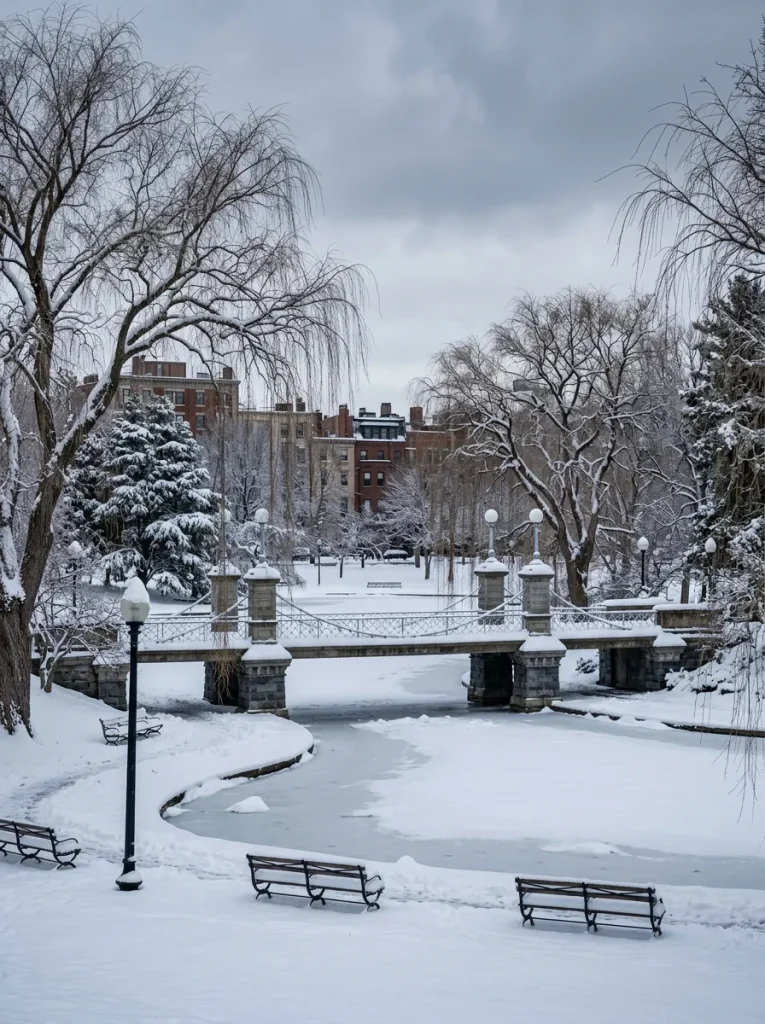
Clothing is only part of the equation. The way you plan your day also affects how comfortable you feel.
Take warming breaks
Instead of staying outside for hours without stopping, plan regular breaks in cafés, museums, shops, or other indoor attractions.
A warm drink can be comforting, but the important part is getting out of cold, wet, or windy conditions when you need to.
Keep your clothing dry
Damp clothing can make cold weather feel much worse. If your socks or gloves get wet, replace them when possible. Keep a spare pair of socks in your day bag during snowy or rainy conditions.
Avoid dressing so heavily that you become sweaty while walking. If you feel too warm, remove a layer before it becomes damp.
Walk at a comfortable pace
Walking generates body heat, but you should not push yourself to keep moving simply to stay warm. Take breaks when needed and shorten your outdoor plans if conditions become unpleasant.
If you are traveling with children, older adults, or anyone who is particularly sensitive to cold, allow more time indoors.
Use public transportation strategically
Boston’s subway and bus network, commonly known as the T, can help you avoid long outdoor walks between distant attractions. Check current routes and service updates through the Massachusetts Bay Transportation Authority.
You do not need to use transit for every short journey, but it can be useful when the weather is harsh or when you have already spent several hours outside.
9. Find Cozy Stops Between Outdoor Activities

One of the best ways to enjoy Boston in winter is to alternate sightseeing with indoor experiences. You can still explore the city without spending the entire day exposed to cold weather.
Explore South Boston
South Boston, often called Southie, offers neighborhood restaurants, local businesses, and places to explore away from the busiest tourist areas.
Read our guide to things to do in Southie before planning your visit. Choose a few stops that interest you and check opening hours, especially if you are traveling during a holiday period.
If the weather is windy or snowy, consider using public transportation for longer connections and keeping outdoor walks shorter.
Take a dessert break
Boston’s dessert scene offers another reason to step indoors. A bakery or dessert café can provide a pleasant break between sightseeing stops, particularly when you need somewhere warm to sit.
Our guide to Boston’s best dessert spots can help you find ideas for a sweet stop during your trip.
Rather than crossing the city for a single dessert, look for a place near your planned route. That saves travel time and reduces unnecessary exposure to the cold.
Consider a day trip only when conditions allow
If you have several days in Boston, you may want to explore nearby destinations. However, winter travel can bring snow, delays, and reduced daylight.
Review our guide to Boston day trip ideas to identify places that fit your interests. Before leaving the city, check transport schedules and weather conditions, and avoid committing to a tight return connection during a winter storm.
For a different seasonal perspective, you can also explore our guide to US destinations in September. It is more relevant if you are comparing travel seasons or planning a future trip during warmer weather.
10. Avoid These Common Boston Winter Packing Mistakes
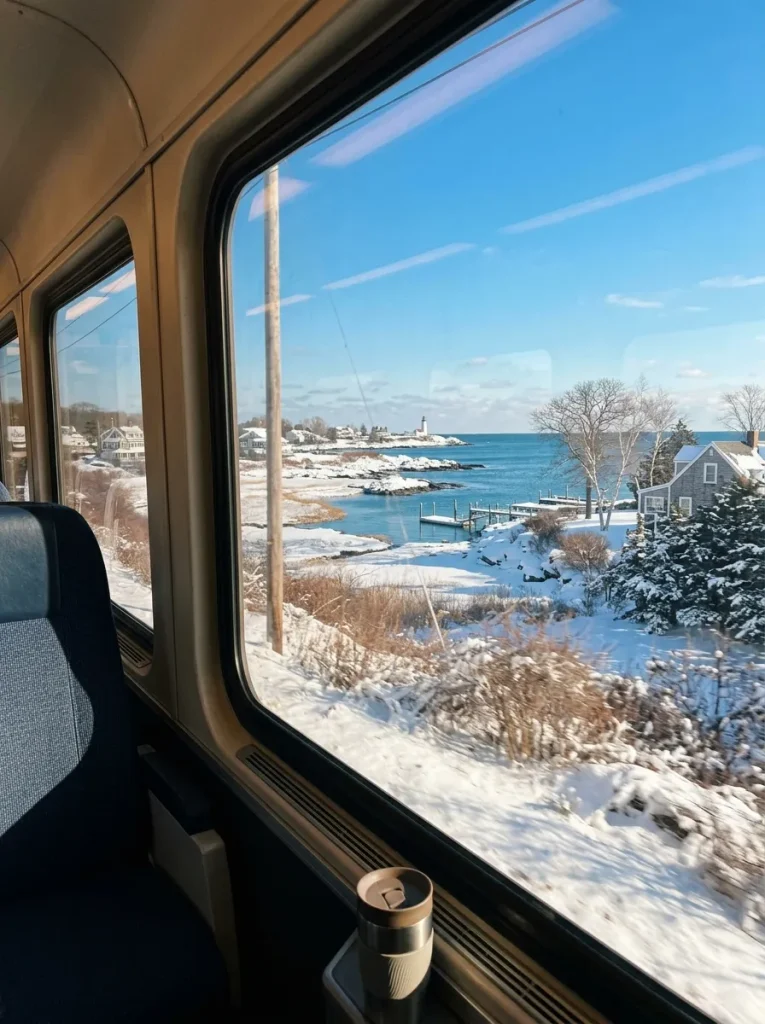
Even travelers who own plenty of winter clothing can make mistakes when preparing for a cold city break.
Mistake 1: Bringing a coat that looks warm but blocks little wind
A fashionable coat may not provide enough protection for a windy day. Check the insulation, outer fabric, and fit rather than choosing by appearance alone.
Mistake 2: Wearing ordinary shoes in slush
Wet socks can make a sightseeing day miserable. Pack waterproof footwear with suitable traction, especially if snow or freezing rain is in the forecast.
Mistake 3: Forgetting accessories
A coat without gloves, a hat, or a scarf can leave you uncomfortable. These items take little space and are easy to carry.
Mistake 4: Wearing too many bulky layers
More clothing is not always better. Tight layers can restrict movement, and heavy sweaters may become uncomfortable indoors.
Use a flexible layering system instead of piling on everything you own.
Mistake 5: Assuming every winter day will be snowy
Boston can experience cold rain, slush, clear weather, and snow. Pack for a range of conditions rather than preparing only for a postcard-perfect snowfall.
Mistake 6: Planning too many outdoor activities in one day
Long outdoor itineraries can become exhausting when temperatures are low. Group nearby attractions together, plan indoor breaks, and leave room to change your plans.
Mistake 7: Ignoring weather alerts
A winter storm can affect walking conditions and public transportation. Check forecasts and service updates before leaving your accommodation, and follow official instructions during severe weather.
11. Know the Warning Signs of Dangerous Cold
Most winter sightseeing is manageable with sensible preparation, but extreme cold can become dangerous. Frostbite can affect exposed skin, while hypothermia occurs when the body loses heat faster than it can produce it.
Pay attention to numbness, unusual skin paleness, persistent shivering, confusion, slurred speech, or unusual drowsiness. These symptoms require prompt action, especially if they occur after prolonged exposure to cold.
If you suspect a cold-related emergency, get to a warm place and seek medical assistance. Call 911 for a serious emergency in the United States.
The City of Boston provides additional guidance through its cold-weather safety information.
Do not wait for conditions to become unbearable before going indoors. If you are very cold, wet, or unable to warm up, change your plans and seek shelter.
Frequently Asked Questions
What should I wear in Boston in winter?
Start with a base layer, a fleece or sweater, and an insulated coat that blocks wind. Add warm trousers, suitable socks, waterproof boots with good grip, a hat, gloves, and a scarf. Adjust the number of layers according to the daily forecast and how long you plan to stay outside.
Are jeans warm enough for Boston in winter?
Jeans may be comfortable on milder days, but ordinary denim offers limited insulation and can feel cold when wet. In colder weather, consider thermal leggings underneath or choose warmer trousers. Waterproof or weather-resistant pants can be helpful during heavy snow or slushy conditions.
Do I need snow boots for a winter trip to Boston?
Not necessarily. Waterproof winter walking boots with good traction may be sufficient when snow is light or sidewalks are clear. Insulated snow boots are a better choice when deeper snow, prolonged outdoor activities, or very cold temperatures are expected.
Can I visit Boston in winter without a car?
Yes. Many popular city attractions can be reached on foot or by public transportation. The T can help you travel between neighborhoods and avoid some long walks in poor weather. Check current service information before traveling, particularly during winter storms.
How can I keep my feet warm while sightseeing?
Wear properly fitting waterproof boots, use warm wool or synthetic socks, and keep your feet dry. Avoid boots that are so tight they compress your toes. If your socks become wet, change into a dry pair as soon as possible.
Is Boston too cold for walking tours in winter?
Not necessarily. Walking tours can be enjoyable when you are dressed appropriately and conditions are safe. Choose shorter routes on very cold days, wear footwear with good grip, and confirm whether the tour operates in winter weather.
What should I pack for a three-day winter trip to Boston?
For three days, pack one warm coat, two or three base or mid-layers, suitable trousers, waterproof winter footwear, warm socks, gloves, a hat, and a scarf. Add a spare pair of socks, lip balm, a portable charger, and a small daypack. Check the forecast before deciding whether you need thermal leggings or heavier snow boots.
How do I stay warm without overpacking?
Wear your bulkiest coat while traveling, choose layers that work with several outfits, and bring accessories that pack easily. You can often reuse a sweater or fleece across multiple days. Focus on versatile items rather than packing separate heavy outfits for every activity.
Final Thoughts

Staying warm during a winter trip to Boston is less about owning the thickest coat and more about preparing for the conditions you will actually encounter. Layers, waterproof footwear, warm accessories, and a little flexibility can make a significant difference.
Check the forecast before you leave, plan indoor breaks between outdoor attractions, and use public transportation when the weather makes walking less comfortable. If snow or ice is expected, give yourself extra time and choose footwear with dependable grip.
Most importantly, let the weather shape your plans rather than ruin them. A cold morning can still lead to a rewarding day of historic sightseeing, neighborhood exploring, good food, and cozy cafés when you are dressed for it.