Palácio da Bolsa and the Golden Arab Room: The Complete 2026–27 Guide
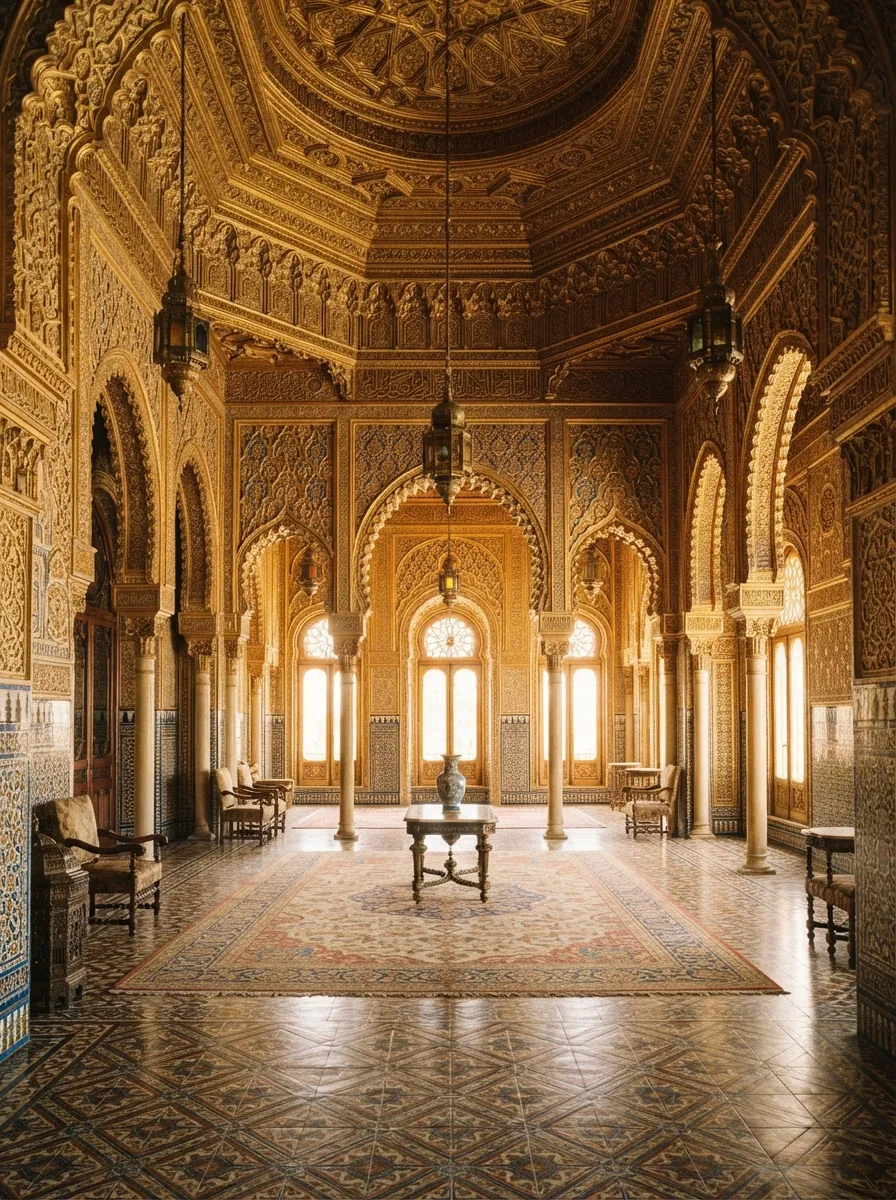
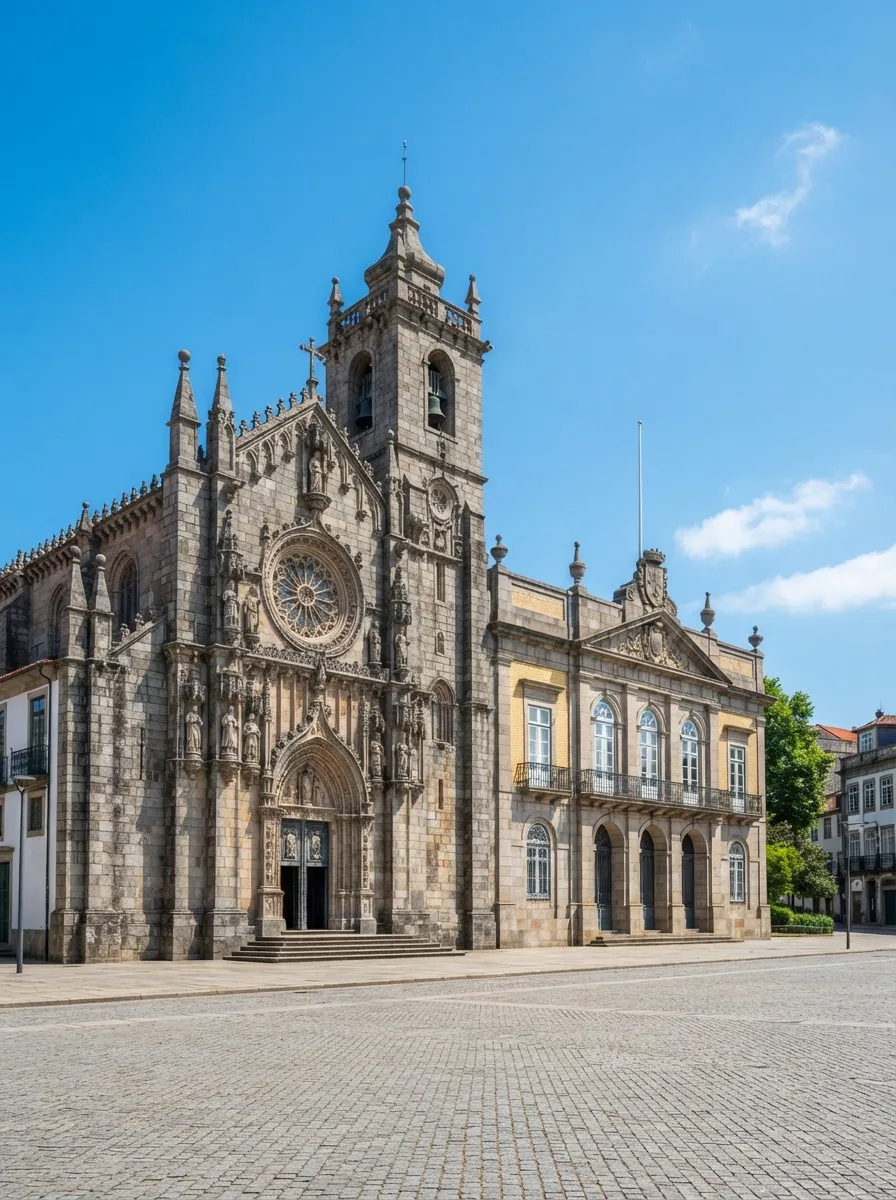
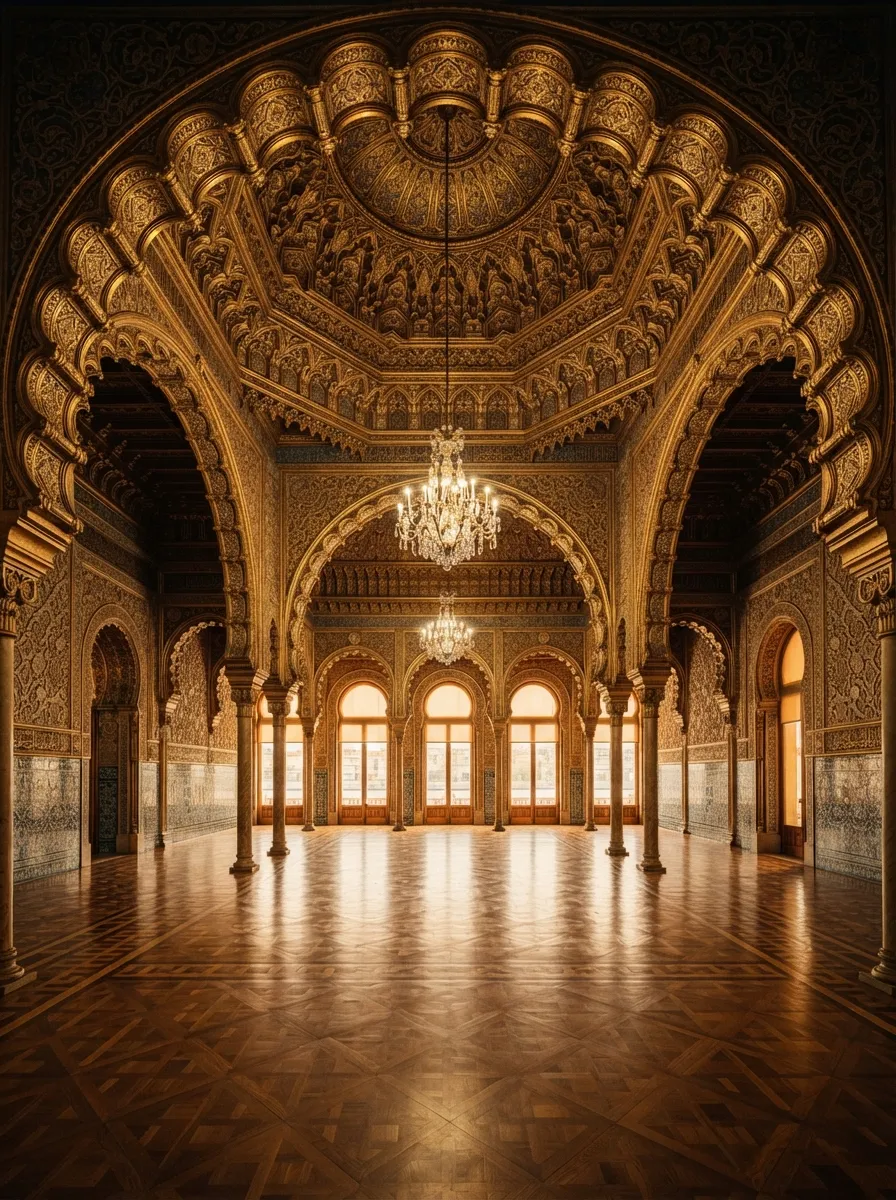
From the outside, Palácio da Bolsa gives almost nothing away. It’s a solid, gray neoclassical block sitting in Porto’s historic center, the kind of civic building you might walk right past assuming it’s just another government office. Then a guide unlocks the door, leads you up a stone staircase, through a portrait hall and a somber wood-paneled tribunal room, and finally into the Salão Árabe — and the entire building reverses itself in an instant. Eighteen kilograms of gold leaf cover every surface of a 300-square-meter reception hall modeled on Granada’s Alhambra, intricate Islamic-style stucco work catching the light from every angle, and the “oohs” from the tour group are audible before anyone even finishes stepping through the doorway.
This guide covers Palácio da Bolsa for the rest of 2026 and into 2027, and it’s built around the one thing that makes this visit genuinely different from most Porto attractions: you cannot see the Arab Room, or anything else inside the building, without joining a mandatory guided tour. There’s no self-guided option, no wandering at your own pace, and tour slots — especially in peak season — fill up considerably faster than most first-time visitors expect. Get the booking and timing right, and this becomes one of the best 30 to 45 minutes you’ll spend anywhere in the city; show up without a plan, and you risk being turned away entirely for the day.
Whether you’re an architecture enthusiast chasing the Alhambra-inspired stucco work, a history buff curious about the building’s role hosting monarchs and presidents, or simply trying to figure out whether the €14 ticket price is worth it for a single spectacular room, this guide breaks down the real history behind the palace, exactly what you’ll see on the tour, and how to book smart so you’re not turned away at the door.
Recommended Travel Items for Your Trip
AT A GLANCE: PALÁCIO DA BOLSA
- Built: Beginning in 1842, by Porto’s Commercial Association, on the ruins of the former Convento de São Francisco
- Signature room: The Salão Árabe (Arab Room), built 1862–1880, covered in roughly 18 kilograms of gold leaf
- Inspiration for the Arab Room: The Alhambra Palace in Granada, Spain
- 2026 admission: €14 standard, €9.50 for students and seniors, free for children under 12
- Visit format: Mandatory guided tour only, roughly 30–45 minutes, no self-guided access
- Hours: Generally daily, 9 a.m. to 6:30 p.m.
- Notable past visitors: Queen Elizabeth II and numerous other heads of state, hosted here for official receptions
- Ideal visit length: 30–45 minutes for the tour itself; book ahead, as same-day slots often sell out
What You’ll See on the Palácio da Bolsa Tour
| Room | Style | Highlight | Where It Falls in the Tour |
| Pátio das Nações (Patio of Nations) | Neoclassical courtyard | A glass-domed atrium, originally an open-air courtyard | The opening stop |
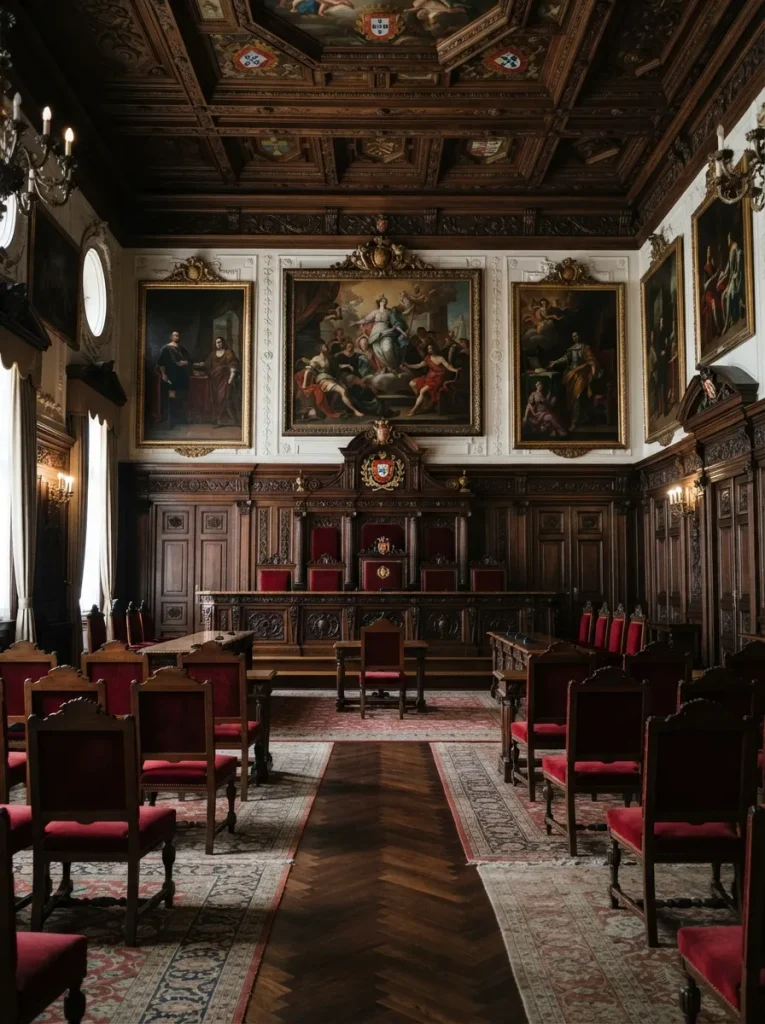
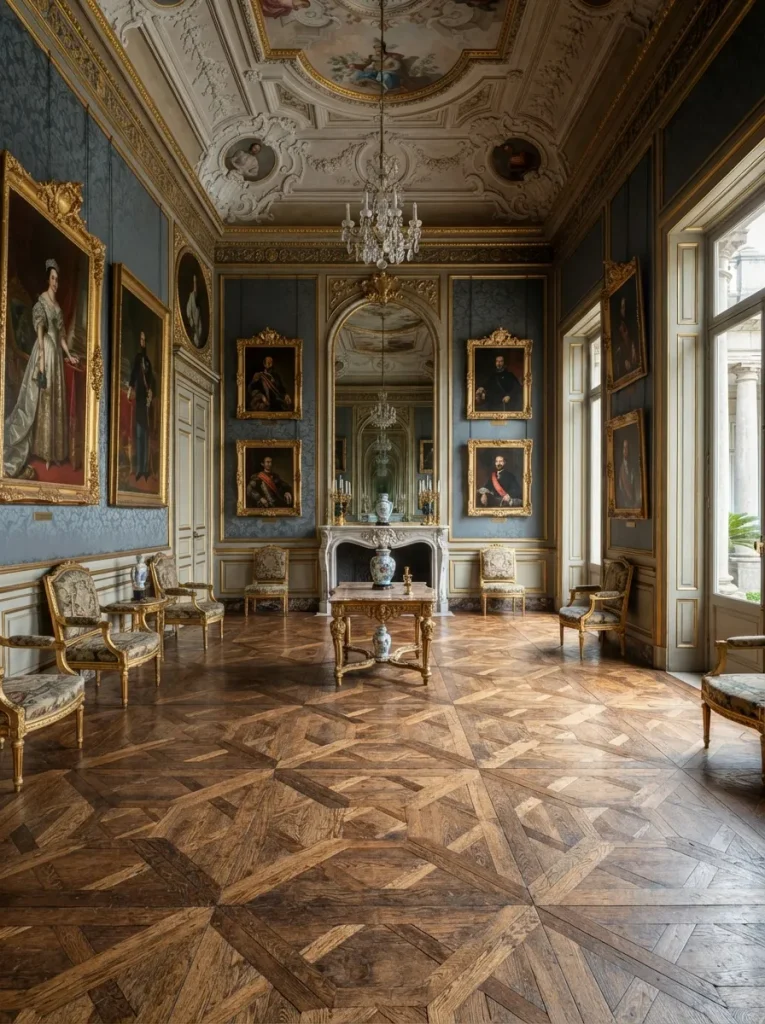
| Sala dos Retratos (Portrait Room) | Louis XVI-inspired | Textured wooden parquet floors, portraits of association presidents | Early in the tour |
| Sala do Tribunal (Tribunal Room) | Solemn, formal | Oil paintings, a desk once used by Gustave Eiffel | Mid-tour |
| General Assembly Room | Ornate meeting hall | The Commercial Association’s formal governing chamber | Later in the tour |
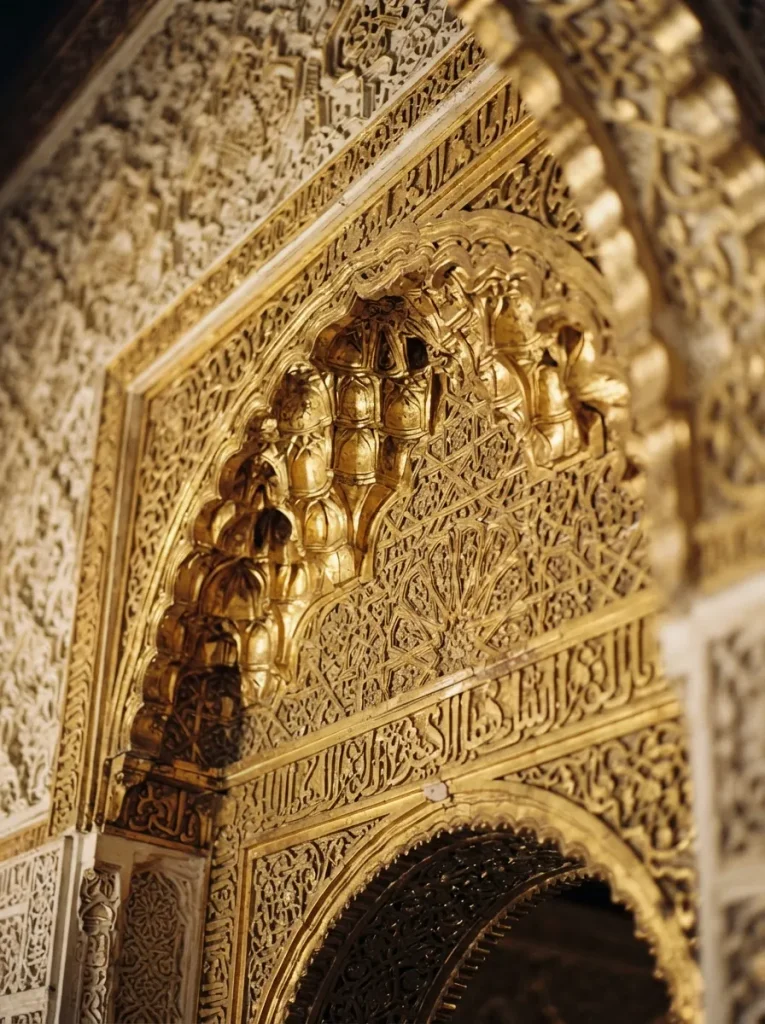
| Salão Árabe (Arab Room) | Neo-Moorish, Alhambra-inspired | 18 kg of gold leaf across 300 square meters | The finale |
Why an Old Stock Exchange Became One of Porto’s Most Beautiful Buildings
Palácio da Bolsa’s existence traces back to a fire. In 1832, the Convento de São Francisco — the church and monastery next door — suffered severe damage, and Portugal’s King Fernando II granted the ruined convent’s cloister to Porto’s Commercial Association (Associação Comercial do Porto) as the site for a new headquarters. Construction began in 1842, and while the building started life as a genuinely functional stock exchange and merchants’ hall, it steadily expanded in ambition over the following decades, culminating, more than two decades after construction began, in a reception hall so opulent it would end up defining the entire building’s reputation.
The Golden Arab Room
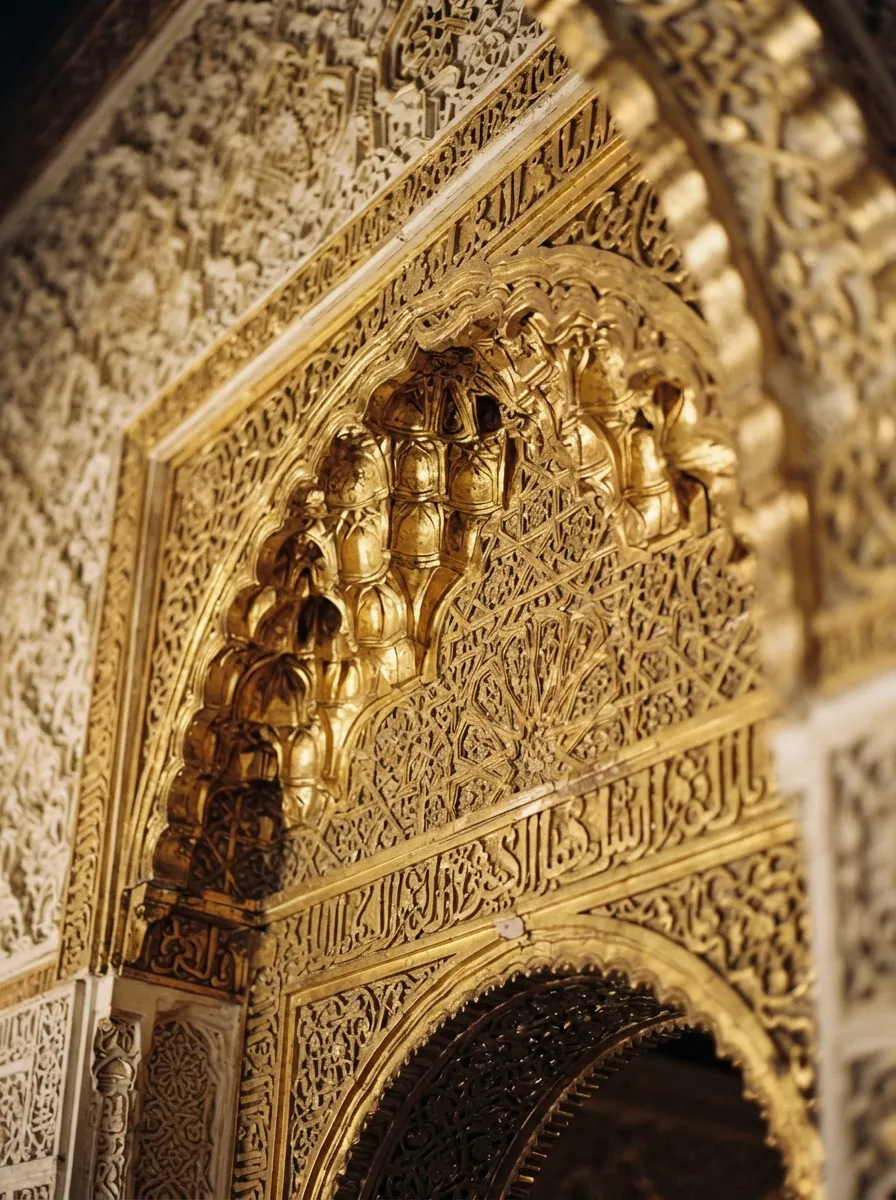
The Salão Árabe is the reason people travel across the city, and often across the world, specifically to see this building. Constructed between 1862 and 1880 by architect Gonçalves e Sousa — who also designed the palace’s grand staircase — the room takes direct inspiration from the Alhambra in Granada, translating Islamic Nasrid-style architecture into a Portuguese reception hall through elaborate stucco relief work, horseshoe arches, and geometric and calligraphic-style decorative bands wrapping every surface. The scale of the gold work is genuinely staggering: roughly 18 kilograms of gold leaf cover the stucco throughout the room. At 300 square meters, it remains Porto’s most important official reception hall to this day, still used for formal events.
If a building’s unassuming exterior hiding something extraordinary inside is the kind of discovery that excites you, that same “you’d never guess from the outside” thrill shows up in destinations well beyond Porto — this guide to Santorini’s 10 hidden villages and secret spots rounds up more of that exact feeling for a future Greek island trip.
What Else You’ll See on the Tour
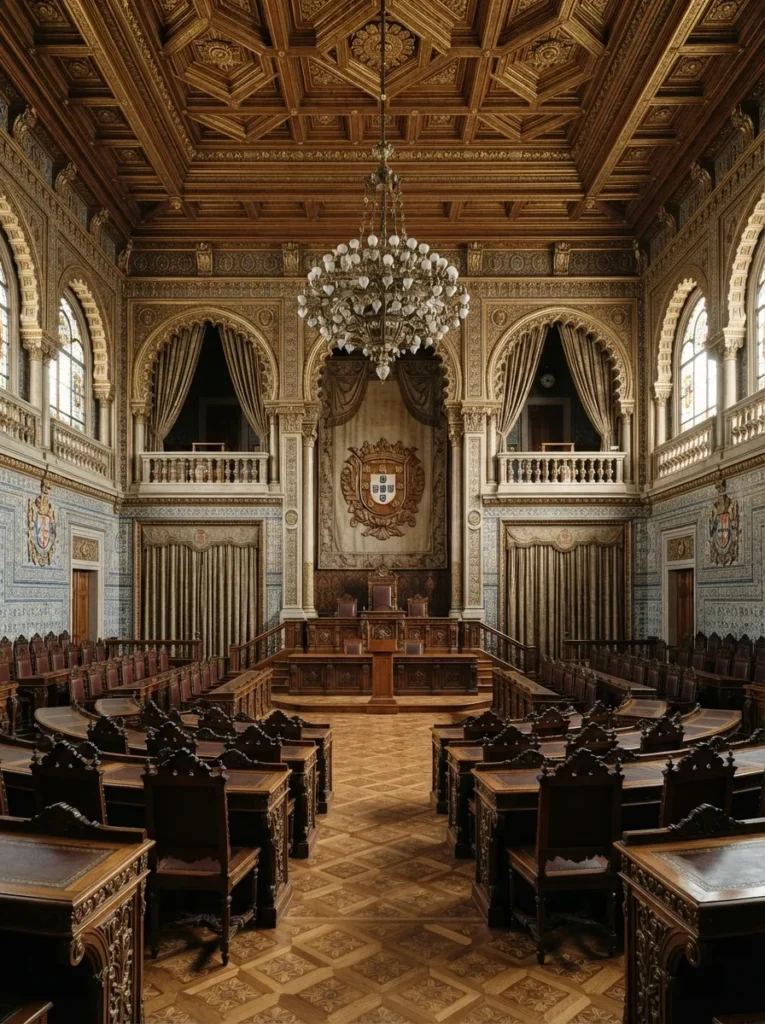
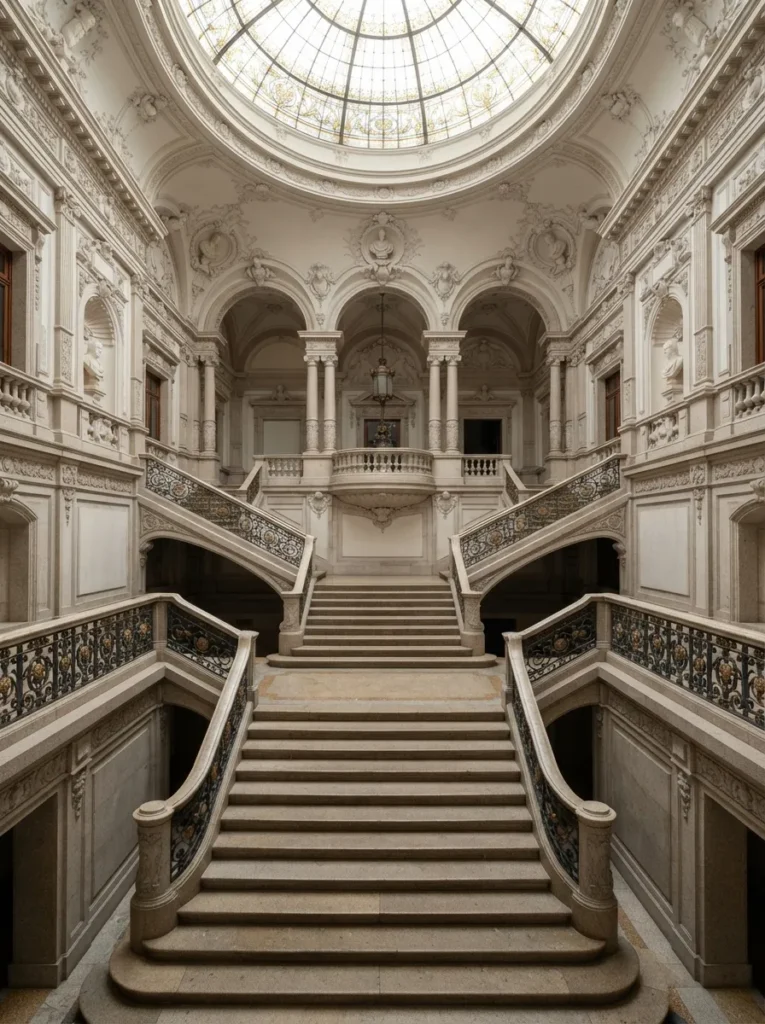
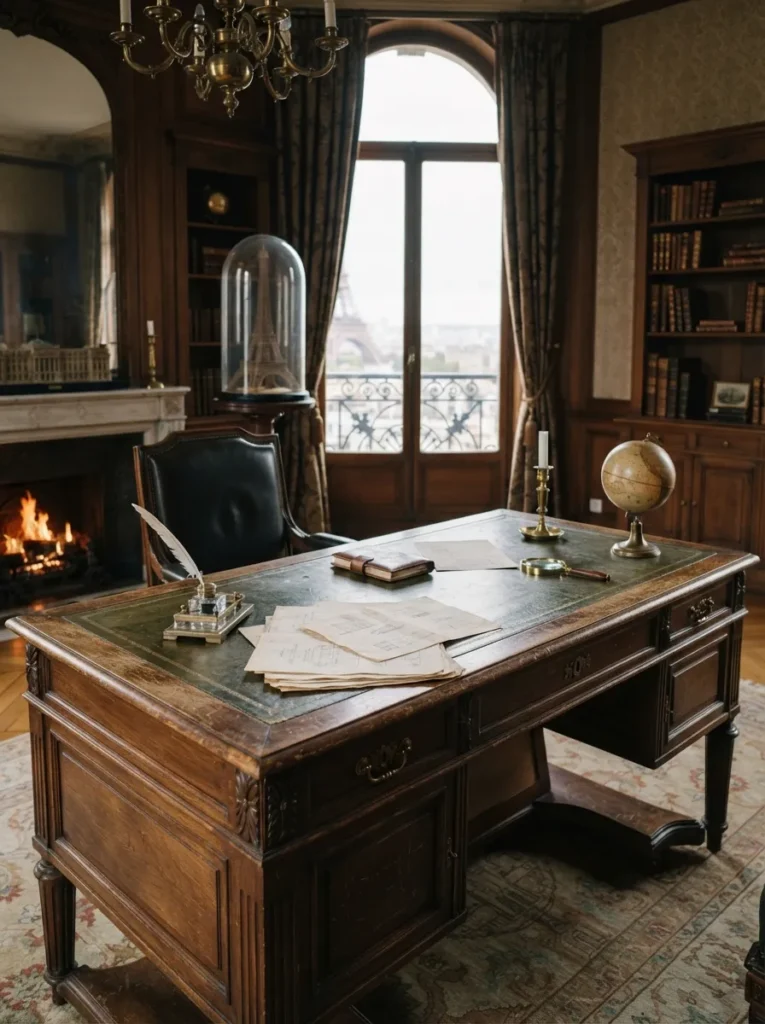
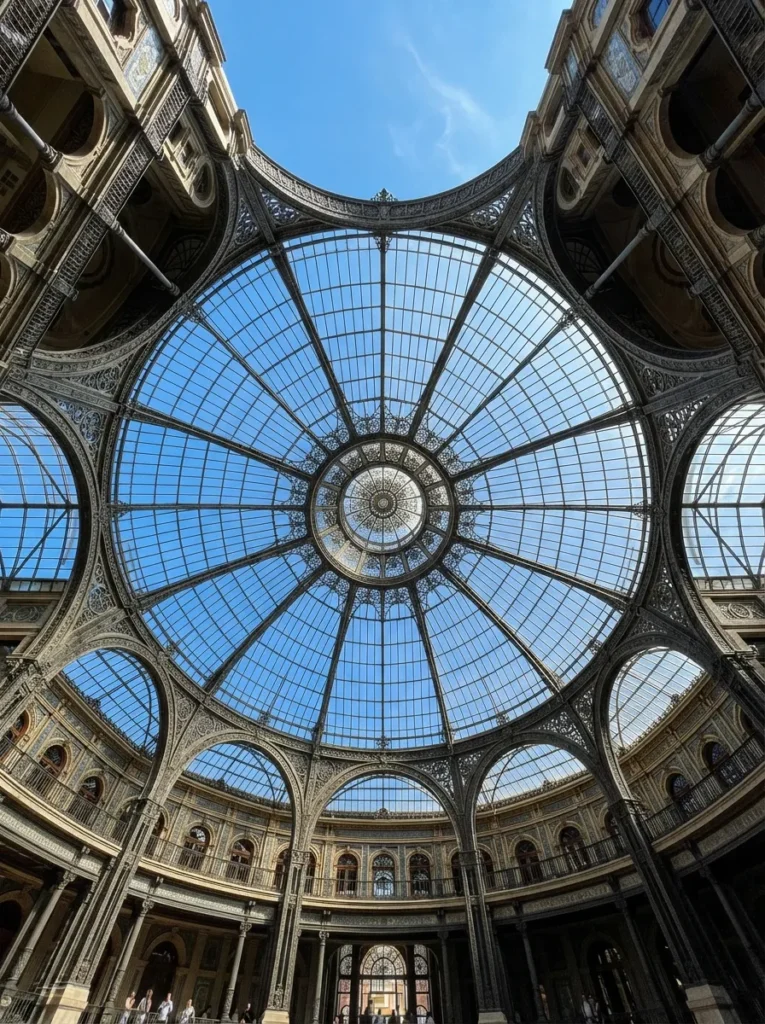
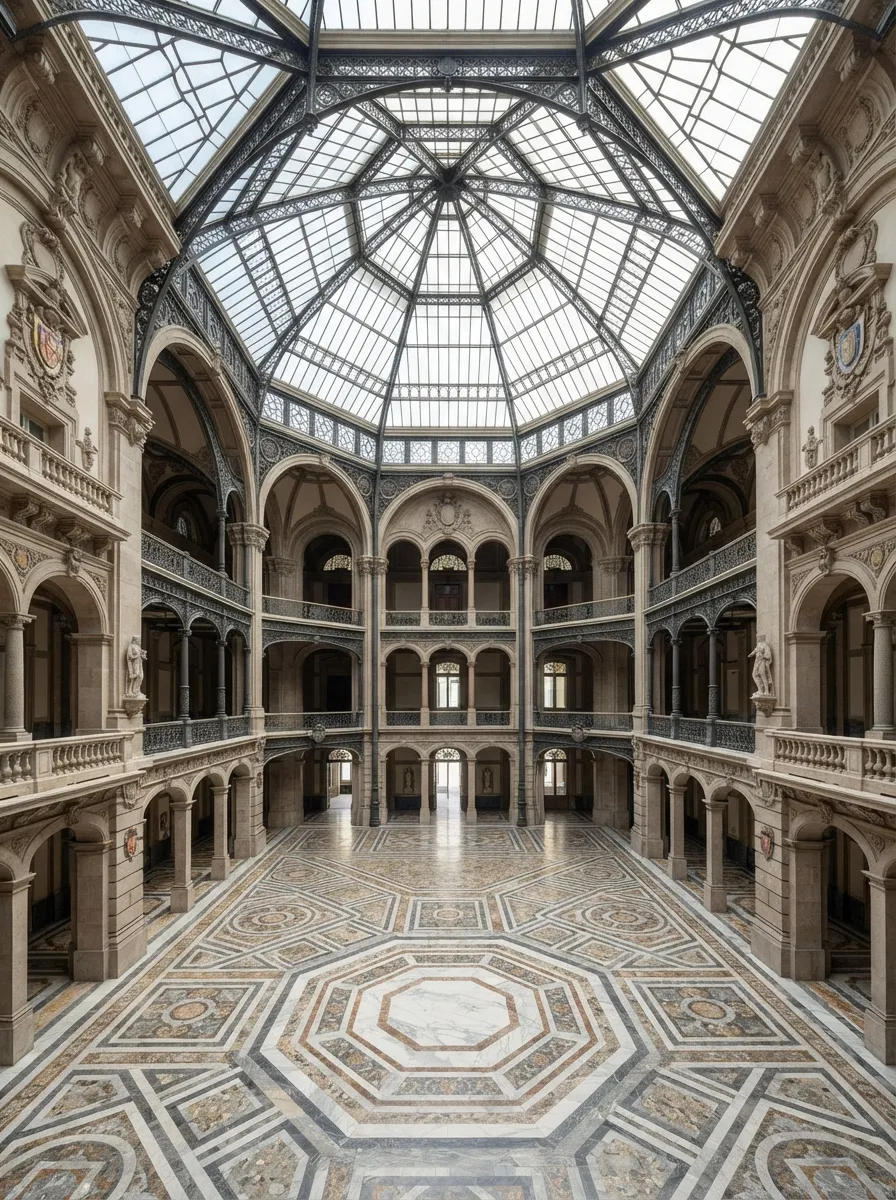
The visit typically opens in the Pátio das Nações (Patio of Nations), a soaring, glass-domed atrium originally an open-air courtyard. From there, the Noble Staircase leads up to the Sala dos Retratos (Portrait Room), decorated in a Louis XVI-inspired style with heavily textured parquet wood floors, followed by the more solemn Sala do Tribunal (Tribunal Room), hung with oil paintings and — in a genuinely unexpected detail — home to a desk once used by Gustave Eiffel, whose firm built the nearby Dona Maria Pia Bridge across the Douro. The General Assembly Room rounds out the sequence before the tour concludes in the Arab Room itself.
2026 Tickets, Hours and the Mandatory Guided Tour
Standard admission runs €14 per person, with a reduced €9.50 rate for students and seniors, and free entry for children under 12 accompanied by an adult. The palace is generally open daily from 9 a.m. to 6:30 p.m. Self-guided visits are not permitted — every visitor joins a guided tour, generally running 30 to 45 minutes, with groups organized by language (Portuguese, English, Spanish and French). Because tours run on limited daily slots, popular times — especially late morning through early afternoon in high season — sell out well before the day is over.
BOOKING TIP
Buy your ticket online in advance rather than showing up and hoping for same-day availability. Multiple visitor accounts describe arriving at the ticket office only to find every remaining tour slot for the day fully booked.
Best Time to Visit
Early in the day, shortly after opening, tends to offer the best odds of both a shorter wait and a more comfortable group size. Visiting on a weekday rather than a weekend also improves your chances of snagging a same-day slot if you haven’t booked ahead.
Is Palácio da Bolsa Worth the Price? An Honest Take
The Arab Room alone justifies the ticket price for most visitors, and the rooms leading up to it add real value beyond the finale. The caveat: this is a guide-paced tour, not a wander-at-your-leisure museum visit.
Getting the most out of a tightly guide-paced, high-demand attraction is a skill that transfers well to other famously crowded cities — this guide to experiencing Florence like a local, not a tourist covers that same booking-savvy approach for another European city.
Nearby Attractions
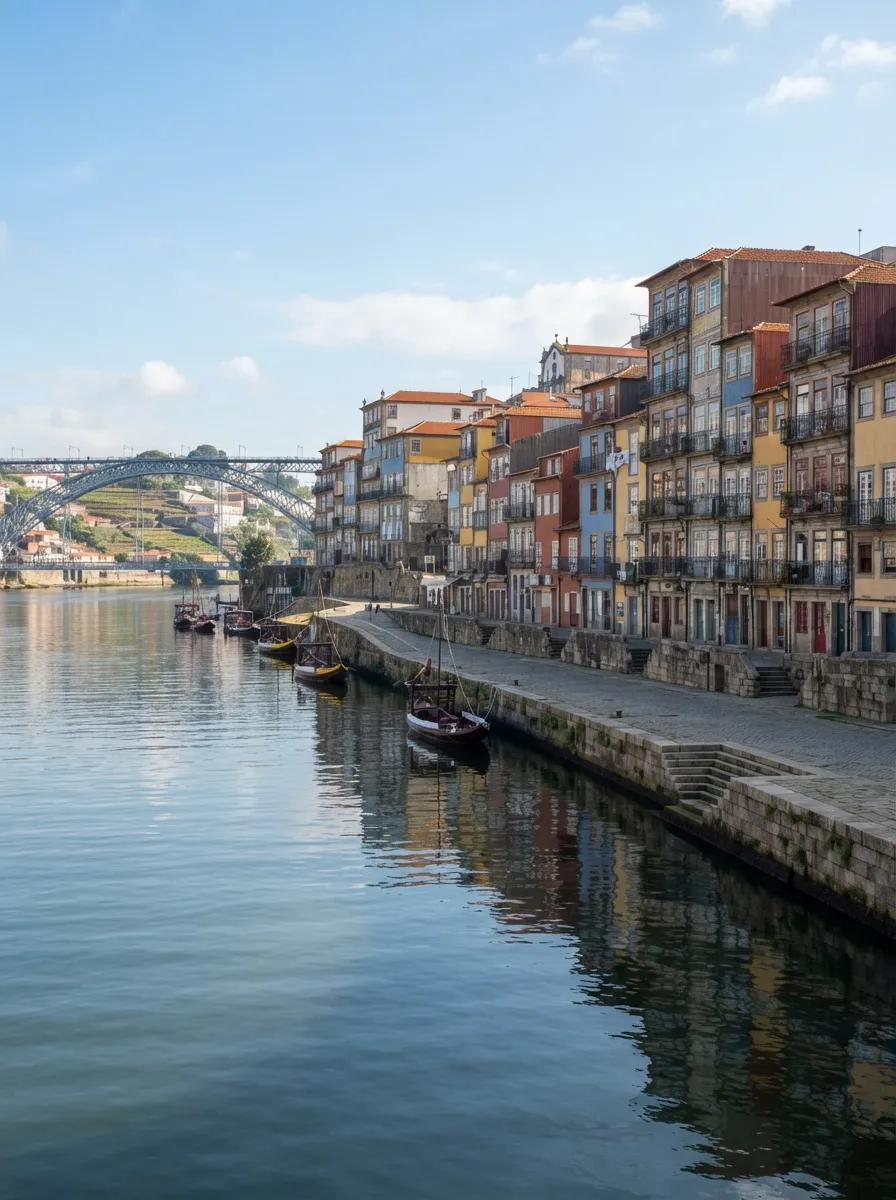
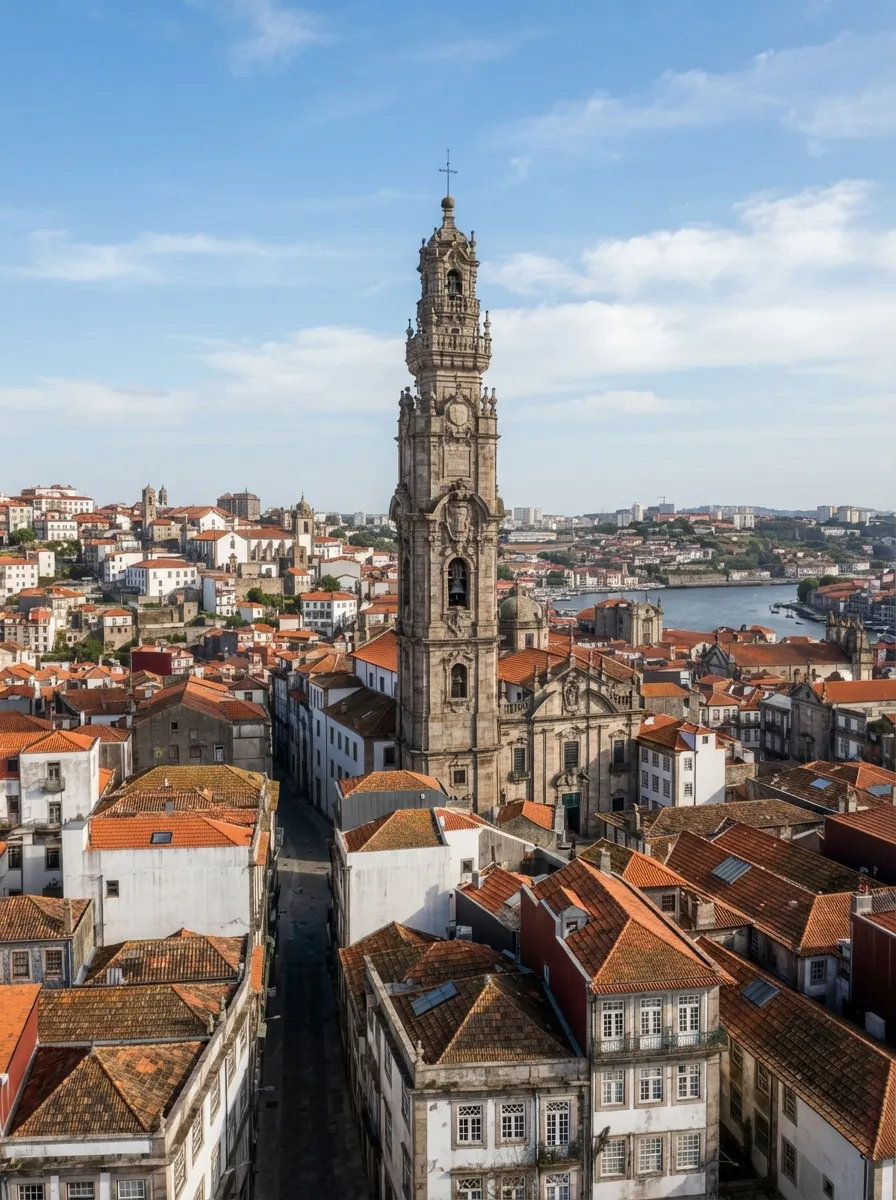
Palácio da Bolsa sits directly next to the Igreja de São Francisco, a Gothic church famous for its own extraordinarily ornate, gilded Baroque interior. From there, it’s roughly a three-minute walk down to the Ribeira district, and about ten minutes on foot up to the Torre dos Clérigos.
Notable Visitors and Events Hosted Here
Palácio da Bolsa has functioned as Porto’s official drawing room for well over a century, hosting formal receptions for a genuinely impressive list of visiting dignitaries, including Queen Elizabeth II among numerous other monarchs, presidents and ministers.
If You’d Rather Explore Somewhere Less Crowded
If wandering through grand, historic spaces without a ticketed tour group is more your travel style, this list of hidden gems in Italy rounds up underrated palaces and towns that deliver a similar sense of discovery without the scheduling logistics.
Planning Your Visit Around Porto’s Seasons
Shoulder-season travel is one of the most reliable ways to avoid this kind of sold-out attraction pressure — this roundup of 8 amazing places to visit in April in the USA is a useful reference for that same off-peak thinking on a future domestic trip.
Where to Stay Near Palácio da Bolsa
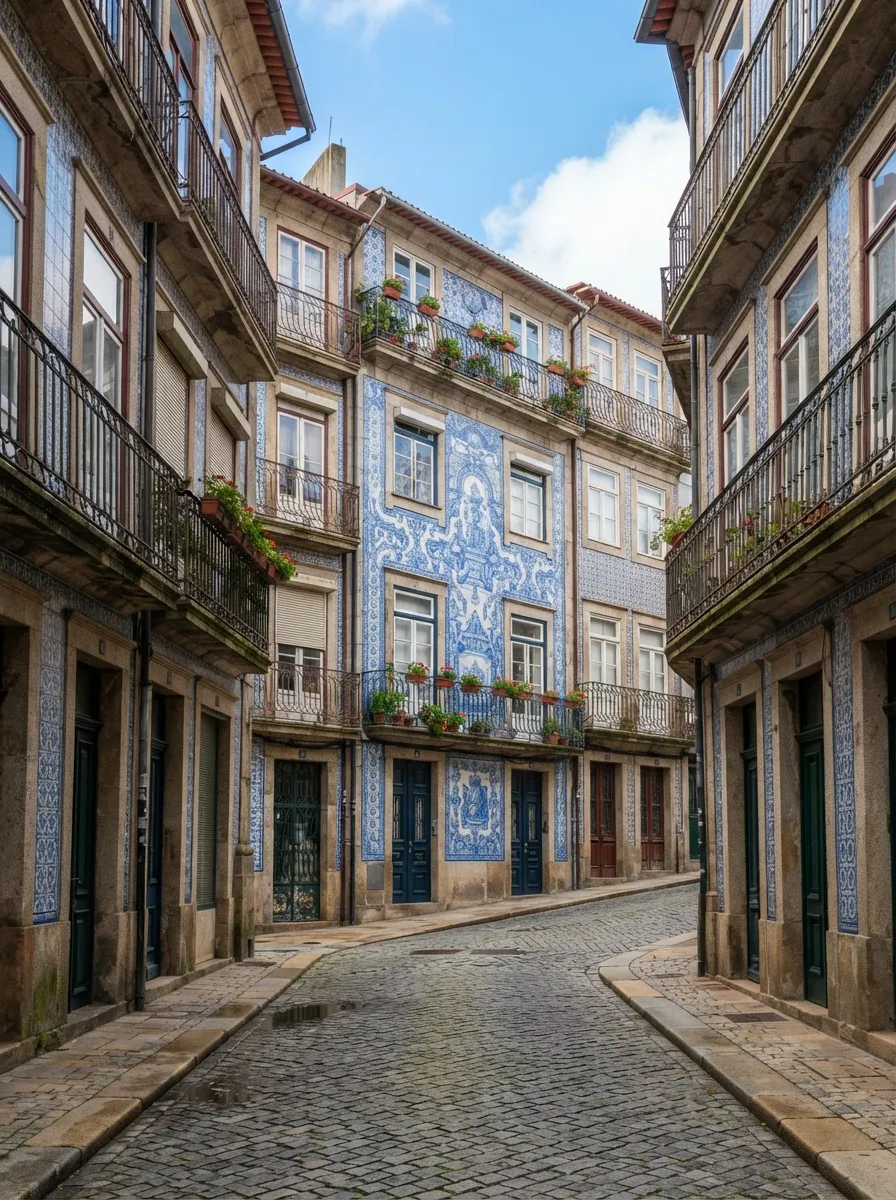
Ribeira: A three-minute walk from the palace, close to the colorful waterfront and riverside dining.
Baixa (downtown Porto): Central enough to reach Palácio da Bolsa, São Bento and the Torre dos Clérigos within a compact walking loop.
Near the Douro riverfront: Good for pairing a visit with an easy stroll along the water afterward.
After the formality of a guided palace tour, a slower, unstructured stretch of a trip can be exactly the reset a traveler needs — this Martha’s Vineyard travel guide covers a New England island escape built around precisely that kind of unhurried pace.
How to Get to Palácio da Bolsa
On foot: Central enough to reach easily from most downtown Porto neighborhoods, directly next to the Igreja de São Francisco.
By bus: Routes 500, 900, 901 and 906 all serve the area.
By Funicular: The Funicular dos Guindais connects the upper city to a point near the Ribeira waterfront, a short walk from the palace.
How Much Time Do You Need?
The guided tour runs 30 to 45 minutes; budget closer to an hour total once you factor in arrival and a look at the gift shop afterward.
Family Travel
Children under 12 enter free when accompanied by an adult, and the grand rooms tend to hold kids’ attention well, particularly once the Arab Room comes into view.
Budget Travel
At €14, this sits toward the higher end of Porto’s paid attractions relative to visit length, but the Arab Room is widely regarded as worth it. Students and seniors get a meaningful discount at €9.50.
Practical Tips
Book online in advance, arrive a few minutes before your scheduled slot, and bring a camera — photography is generally permitted throughout, including in the Arab Room.
Palácio da Bolsa Packing Checklist
- A pre-booked ticket and tour time confirmation
- A camera or phone with storage ready for the Arab Room
- Comfortable walking shoes for the surrounding downtown streets
- A few minutes of buffer time before your scheduled tour slot
- Cash or card for the ground-floor gift shop, if desired
Frequently Asked Questions
Can I visit without a guided tour?
No — self-guided visits aren’t permitted.
How much does it cost?
€14 standard, €9.50 reduced, free under 12.
What is the Arab Room?
A 300-square-meter reception hall (1862–1880), inspired by the Alhambra, covered in ~18 kg of gold leaf.
Should I book in advance?
Yes, strongly recommended — slots regularly sell out.
How long is the tour?
Generally 30–45 minutes.
What languages are offered?
Portuguese, English, Spanish and French.
Why is there an Eiffel desk inside?
His firm built the nearby Dona Maria Pia Bridge; the Tribunal Room displays a desk connected to that work.
What’s nearby?
Igreja de São Francisco next door, Ribeira three minutes away, Torre dos Clérigos about ten minutes on foot.
Is it worth the price?
Most visitors say yes, largely on the strength of the Arab Room alone.
Biggest mistake first-timers make?
Arriving without a pre-booked ticket and finding the day’s slots sold out.
Final Thoughts
Palácio da Bolsa delivers one of the most effective “wait, what?” moments in all of Porto — a plain exterior giving no hint of the golden, Alhambra-inspired hall waiting at the end of the tour. Book your ticket and tour time online well ahead, pair it naturally with the Igreja de São Francisco next door and a walk down to Ribeira afterward, and you’ll have one of the most genuinely jaw-dropping half-hours available anywhere in the city.