Things to Do in the Azores Islands: The Complete 2026–27 Travel Guide
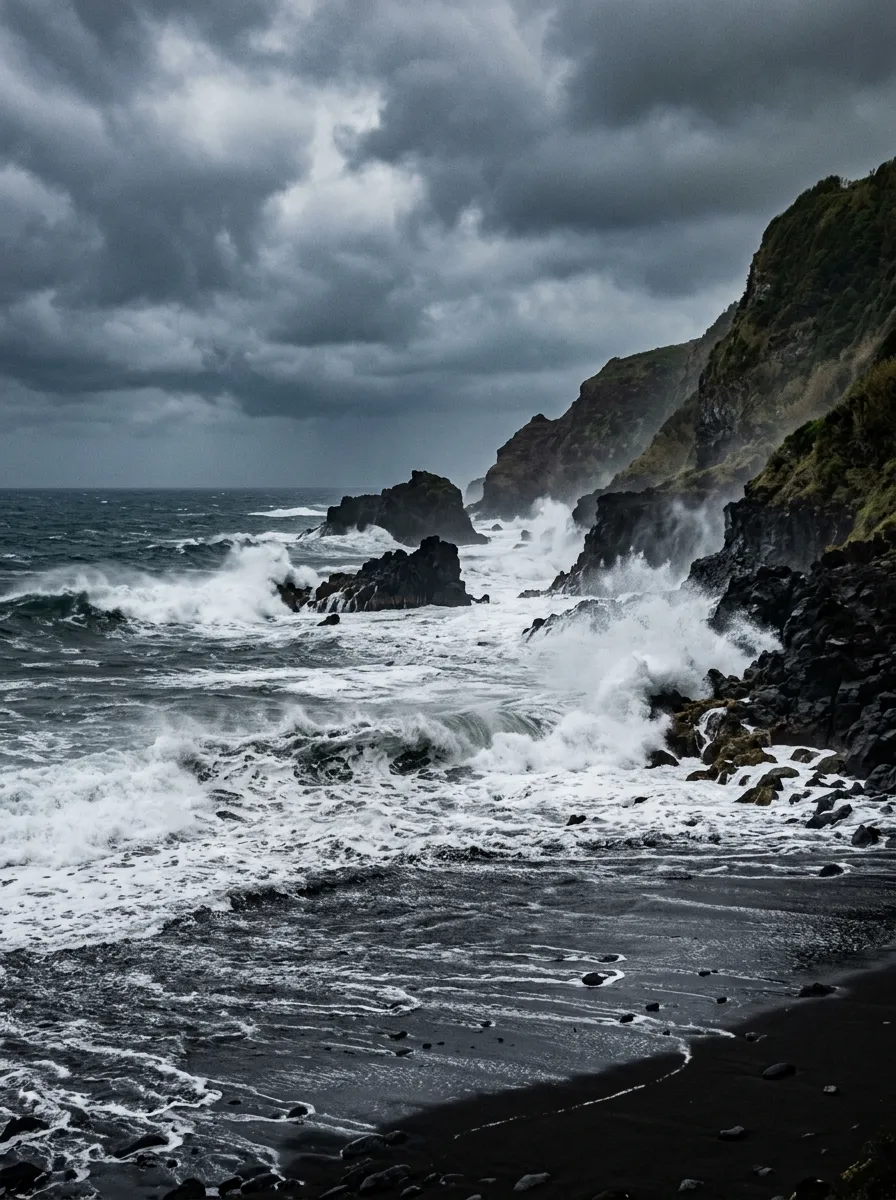
The Azores look like a place that shouldn’t exist in Europe — twin crater lakes in impossible shades of blue and green, hot springs steaming out of the ground in the middle of a village, black volcanic cliffs dropping into an Atlantic so deep and cold it produces some of the best whale watching anywhere in the world. Nine volcanic islands scattered roughly a thousand miles off the coast of Portugal, the Azores remain one of the least crowded, most genuinely wild corners of the entire continent, and the fact that they’ve stayed that way even as tourism to the archipelago grows is a big part of what makes them worth the trip.
This guide covers things to do in the Azores for the rest of 2026 and into 2027, and getting the logistics right matters more here than almost anywhere else in Europe. There’s no passenger ferry from the mainland — flying is genuinely the only practical way in — and once you’re on the islands, inter-island travel means booking flights or ferries well ahead, particularly for the central “Triangle” of Pico, Faial and São Jorge during peak summer months. Get that planning right, along with an honest sense of how much ground nine volcanic islands actually cover, and the Azores deliver one of the most rewarding, least-crowded trips available anywhere in Europe right now.
Whether you’re chasing the postcard crater lakes of São Miguel’s Sete Cidades, climbing mainland Portugal’s highest peak on Pico Island, or island-hopping the central Triangle for whale watching and volcanic country, this guide breaks down what’s actually worth your time, current 2026 flight and ferry logistics, and how to avoid the single biggest planning mistake: treating the Azores like one island instead of nine.
Recommended Travel Items for Your Trip
AT A GLANCE: AZORES ISLANDS
- Best overall time to visit: June through September for the driest, warmest weather and full ferry service
- Best island for first-time visitors: São Miguel, the largest and most accessible
- Best island for hiking: Pico, home to mainland Portugal’s highest peak
- Best island for whale watching: Pico (Lajes do Pico) and Faial
- Best crater lake viewpoint: Vista do Rei, overlooking Sete Cidades on São Miguel
- Main US gateway: Boston (BOS), with year-round direct flights via Azores Airlines
- Ideal trip length: 7–10 days for São Miguel and one other island; two weeks for a fuller island-hopping trip
The Azores at a Glance: Where to Focus Your Time
The nine islands split into three geographical groups, and few visitors attempt all of them in a single trip — picking a realistic combination matters more here than in almost any other archipelago in this guide series.
| Island Group | Islands | Best For | Suggested Stay | Main Consideration |
| Eastern Group | São Miguel, Santa Maria | First-time visitors, crater lakes, hot springs | 4–5 nights | Most developed infrastructure, still the busiest islands |
| Central Group (“The Triangle”) | Pico, Faial, São Jorge, Terceira, Graciosa | Hiking, whale watching, history | 4–6 nights | Requires inter-island flights or ferries |
| Western Group | Flores, Corvo | Remote, dramatic waterfall scenery | 2–3 nights | Least accessible, weather-dependent flights |
Why the Azores Feel Unlike Anywhere Else in Europe
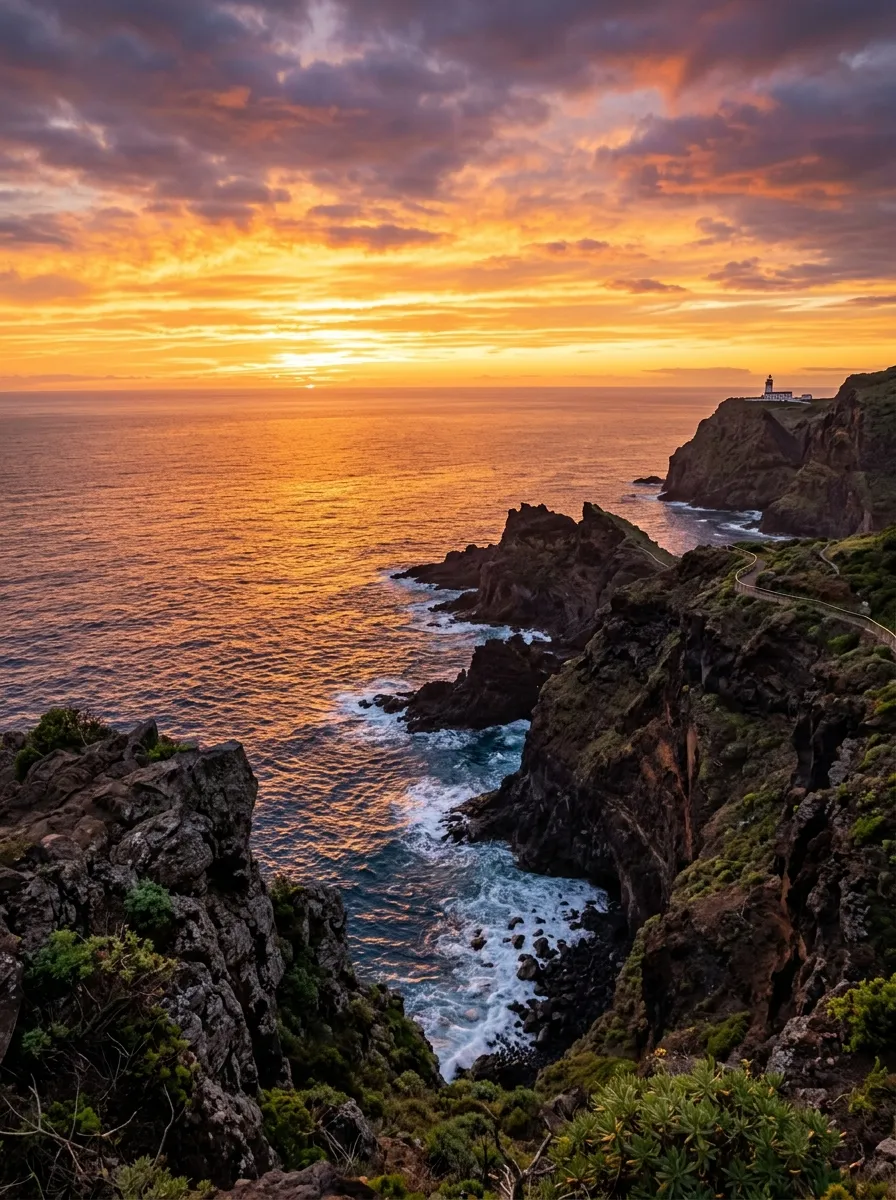
The Azores’ appeal comes from a genuinely rare combination: European infrastructure and safety with a landscape that feels closer to Iceland or Hawaii than mainland Portugal. Volcanic crater lakes, geothermal hot springs bubbling in the middle of villages, black-sand beaches and UNESCO-protected vineyards grown inside stone-walled enclosures called currais all sit within a short drive or ferry ride of each other on the right island. Tourism here grew roughly 10% in 2024, reaching record overnight stays, yet the archipelago has maintained a deep commitment to preservation that keeps it feeling wild and uncrowded compared to more heavily trafficked parts of Portugal and southern Europe.
When to Visit the Azores: Weather, Ferries and Seasons
Late 2026: What’s Left on the Calendar
September 2026 remains firmly within peak season — warm, dry weather continues, and inter-island ferries and flights run their fullest summer schedules. October brings a genuine shoulder-season shift: fewer crowds, still-mild temperatures, and noticeably lower accommodation prices, though some inter-island ferry frequency begins tapering as the season winds down. By November, the islands settle into a wetter, quieter winter stretch that suits travelers prioritizing a slower pace and lower prices over guaranteed sunshine.
2027 Planning: Peak Season and Booking Ahead
Peak season across the archipelago runs June through September, and this is when inter-island flights — particularly to Pico and Faial — book up fastest; local guidance suggests reserving these routes four to six weeks ahead for July and August travel. If a 2027 trip is in the works, this lead time is worth building into your planning calendar now rather than assuming availability will hold until closer to departure.
If you’re mapping a longer European trip around an Azores visit, it’s worth pairing this remote Atlantic escape with a very different kind of city break — this perfect 3-day Madrid itinerary covers a strong add-on for travelers routing through mainland Portugal or Spain on the way.
A Practical Note on Entry Requirements
As part of Portugal, the Azores fall under the same Schengen entry rules as the mainland. As of this writing, the EU’s ETIAS pre-travel authorization system — which will eventually require US, UK, Canadian and other visa-exempt travelers to apply online before entering — has not launched; its previously targeted late-2026 timeline has been removed from official communications, with a 2027 launch now considered more likely. Current visa-free entry rules for US passport holders remain in effect for stays under 90 days. Check official sources closer to your travel dates for the latest confirmed timeline.
São Miguel: The Essential First Stop
São Miguel is the Azores’ largest island and its main international gateway, and for good reason — it offers the archipelago’s most complete introduction in a single stop, from crater lakes to geothermal villages to whale watching, all connected by a manageable network of roads.
Sete Cidades
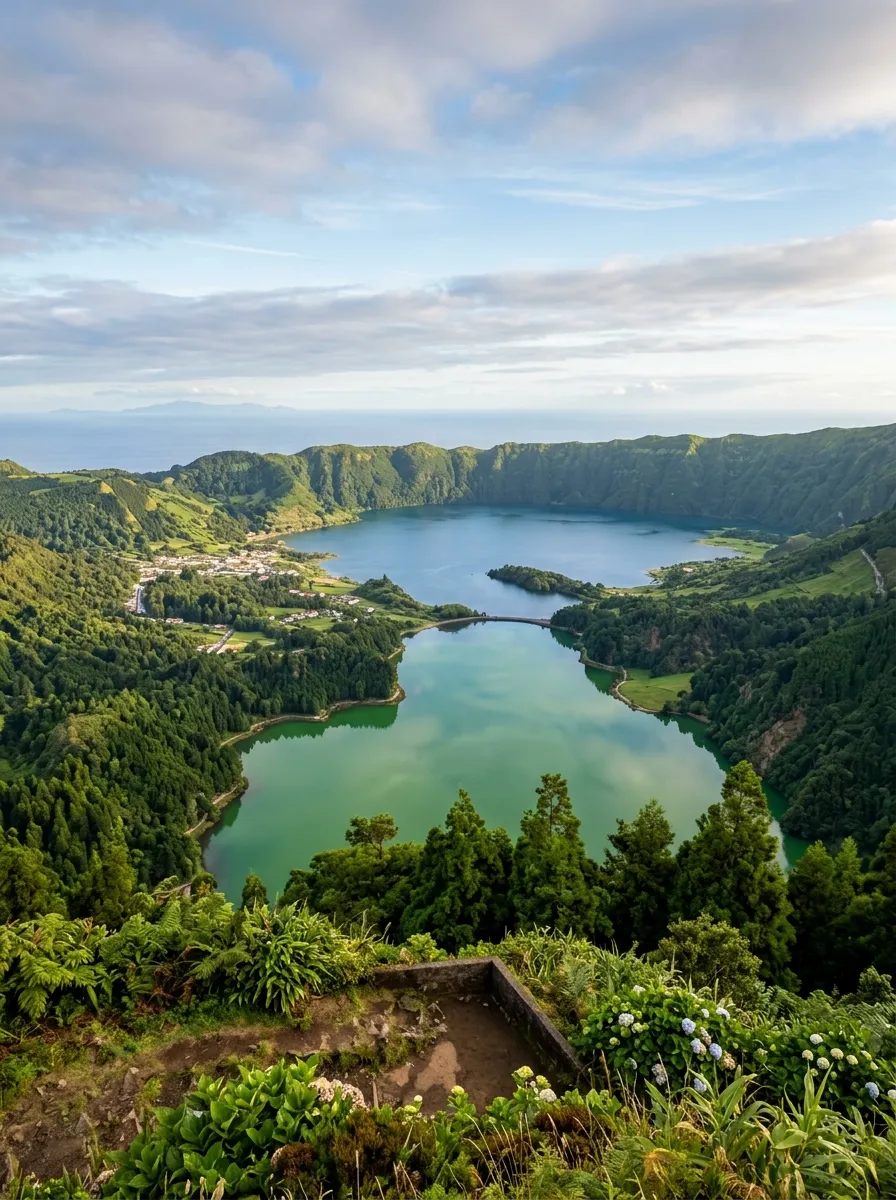
The single most photographed spot in the Azores, Sete Cidades holds twin crater lakes — one blue, one green — sitting inside a massive volcanic caldera, best viewed from the Vista do Rei viewpoint’s sweeping panorama. Trails wind through the surrounding greenery down to the lakeside village itself, where a small church and lakeside picnic spots round out a half-day or full-day visit depending on how much hiking you want to fold in.
Furnas
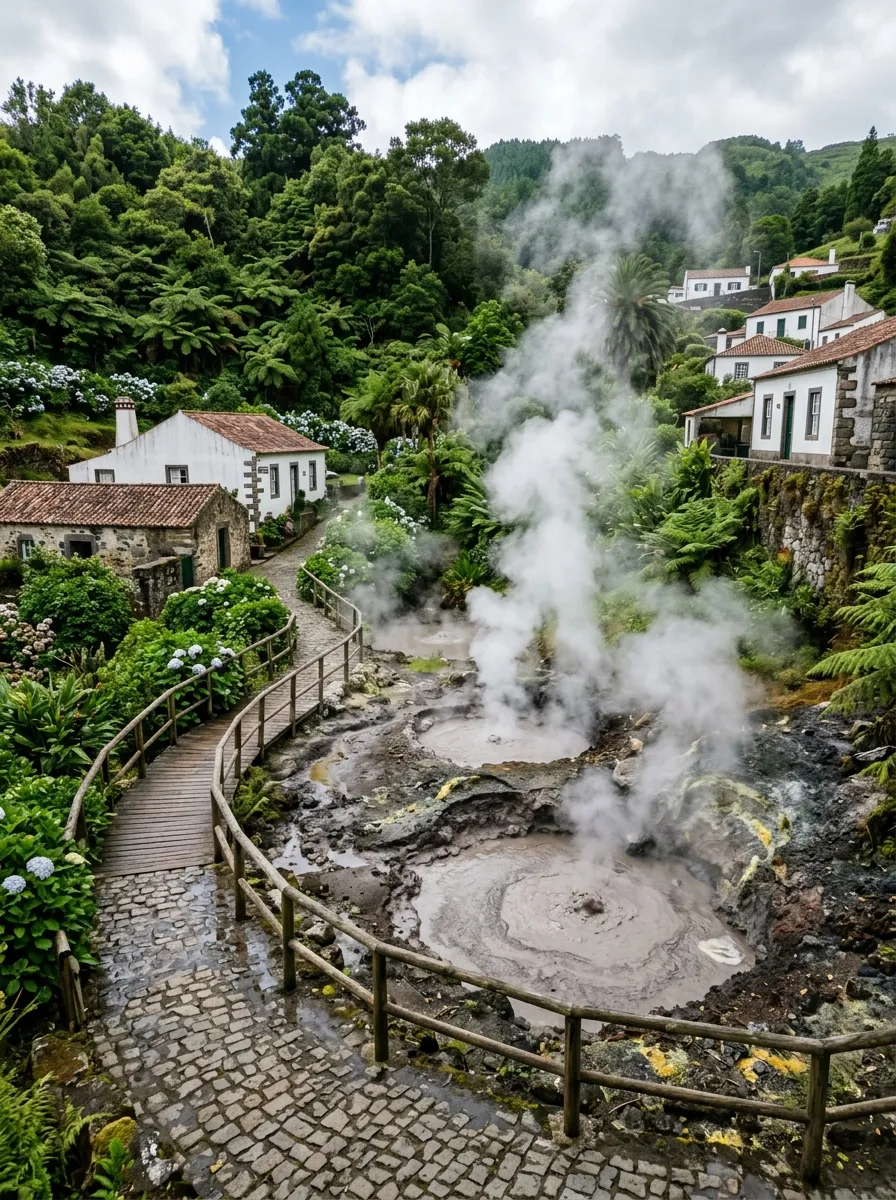
On the island’s east side, Furnas is built directly around active geothermal activity — steaming fumaroles, mineral-rich hot springs and a genuinely unusual local tradition of cozido, a slow-cooked stew buried in the ground to cook using the earth’s natural heat. It’s one of the best places in the Azores to combine relaxation (the hot springs) with a genuinely unique cultural experience (the cozido tradition) in a single stop.
Lagoa do Fogo
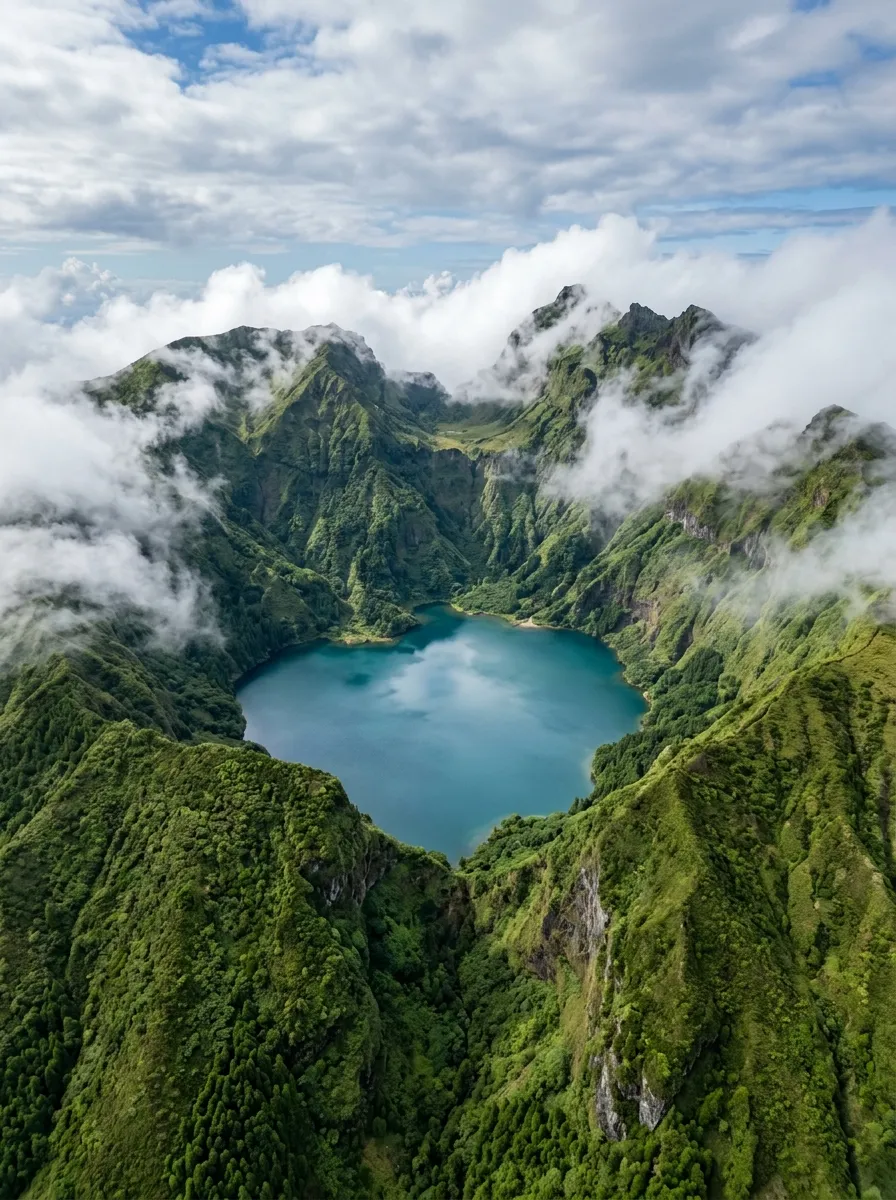
A dramatic crater lake ringed by steep, often cloud-wrapped slopes, Lagoa do Fogo rewards hikers with one of the island’s best viewpoints, though the easiest way to see it without committing to a full hike is via the Miradouro da Barrosa viewpoint, accessible by car.
Parque Terra Nostra
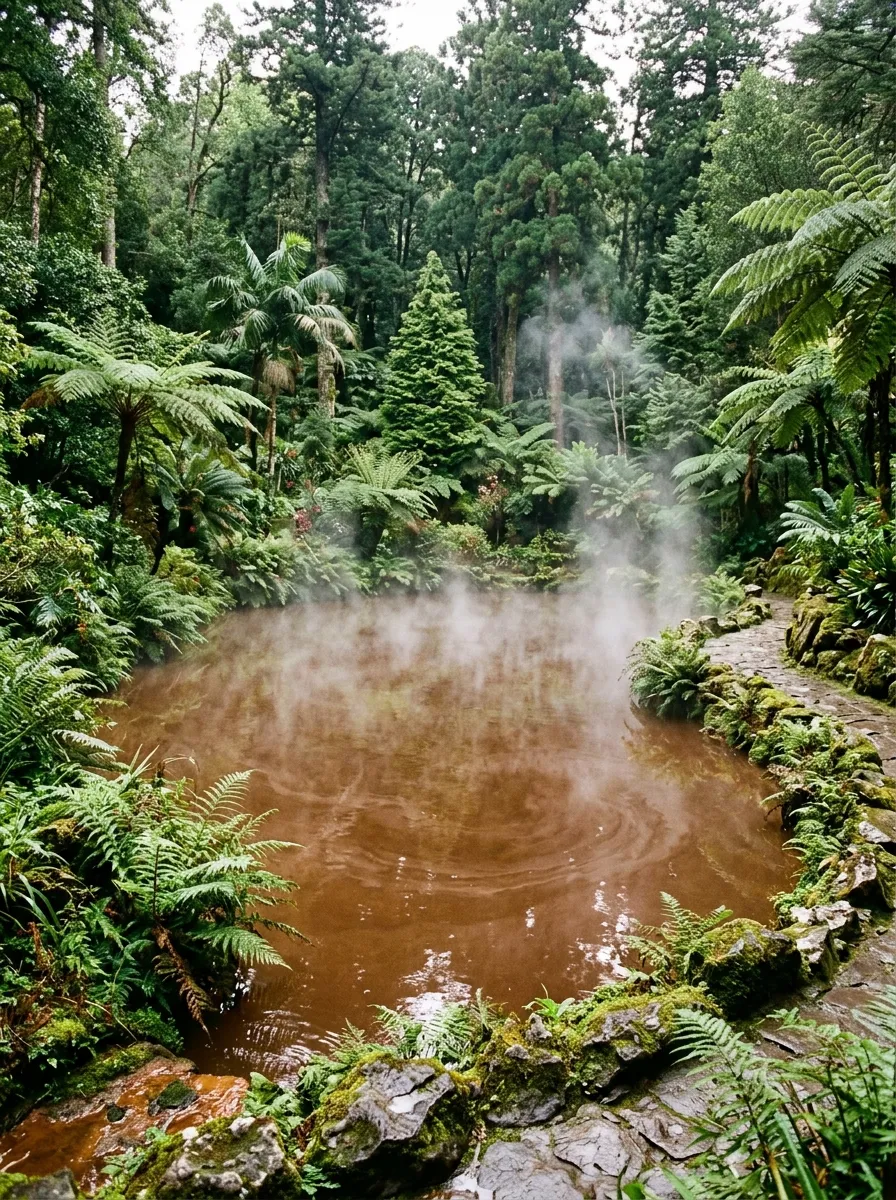
A historic, beautifully manicured botanical garden tucked into the São Miguel countryside near Furnas, Parque Terra Nostra combines exotic plant species from around the world with a naturally heated, mineral-rich thermal pool — a genuinely relaxing stop to pair with a broader Furnas day.
Pico: Mainland Portugal’s Highest Peak
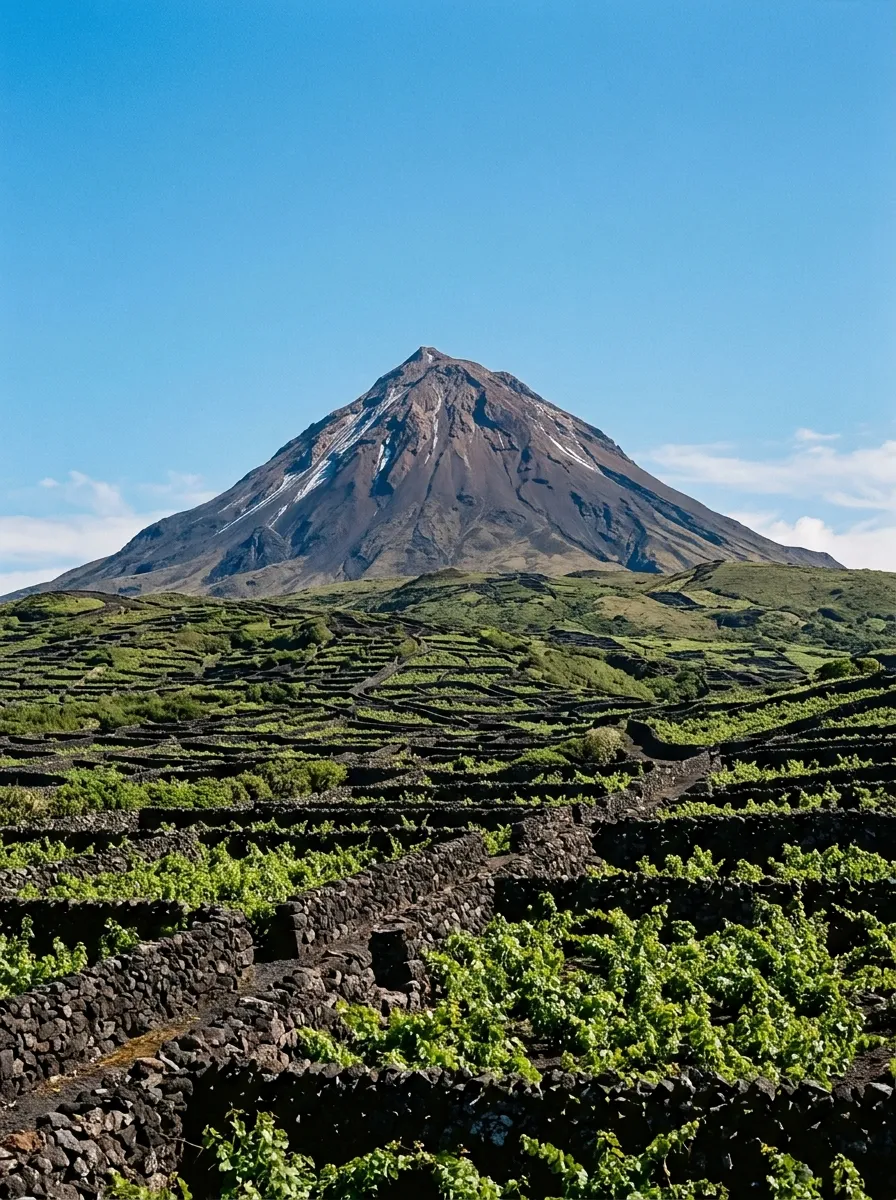
Pico Island is named for Pico Mountain, the highest point in Portugal and the third-largest volcano in the Atlantic, with the Piquinho summit cone offering panoramic views across the neighboring islands on a clear day. Serious hikers can arrange an overnight stay near the top to catch both sunset and sunrise from the summit — a genuinely memorable, if physically demanding, Azores experience. Beyond the mountain, Pico is home to a UNESCO World Heritage vineyard landscape, where volcanic wine grapes grow inside black stone-walled enclosures called currais, built specifically to shield the vines from Atlantic winds. Lajes do Pico, on the island’s south coast, ranks among the world’s best whale-watching destinations, with a whaling history now redirected entirely toward conservation and observation tours.
Faial and the Capelinhos Volcano
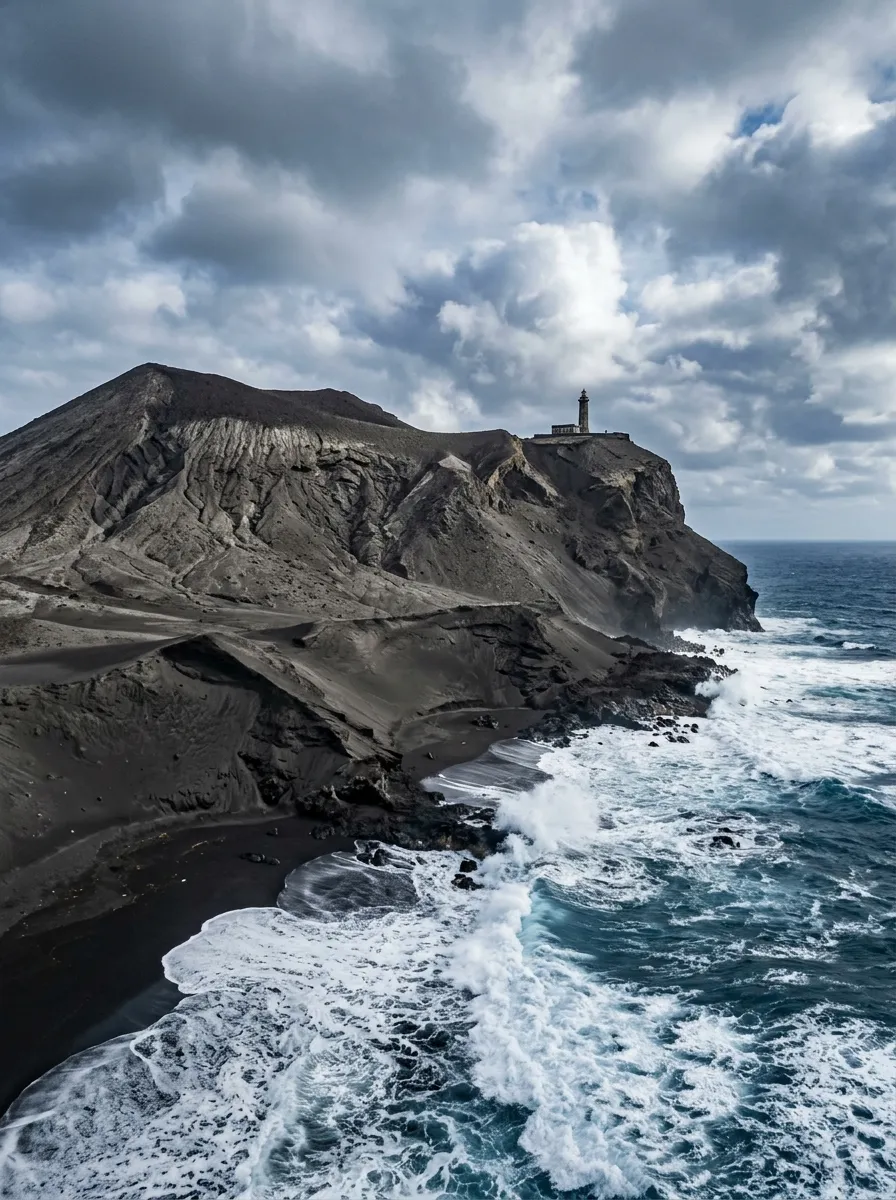
Faial’s Horta marina is one of the most storied stops in transatlantic sailing culture, its harbor walls covered in decades of paintings left by visiting sailors. The island’s standout natural attraction is Capelinhos Volcano, a genuinely otherworldly, lunar landscape created by a 1957 volcanic eruption that dramatically expanded the island’s coastline — walking among the ash-gray dunes here feels closer to visiting another planet than a European island.
São Jorge: Hiking and Artisanal Cheese

São Jorge is a hiker’s island first, known especially for the trail down to Fajã da Caldeira de Santo Cristo, a dramatic coastal lowland formed by a landslide, now home to a small fishing community and a lagoon. The island is equally known for its cured artisanal cheese, one of the most recognized Azorean food exports, worth seeking out on São Jorge itself rather than only in supermarket form elsewhere.
Terceira and Algar do Carvão
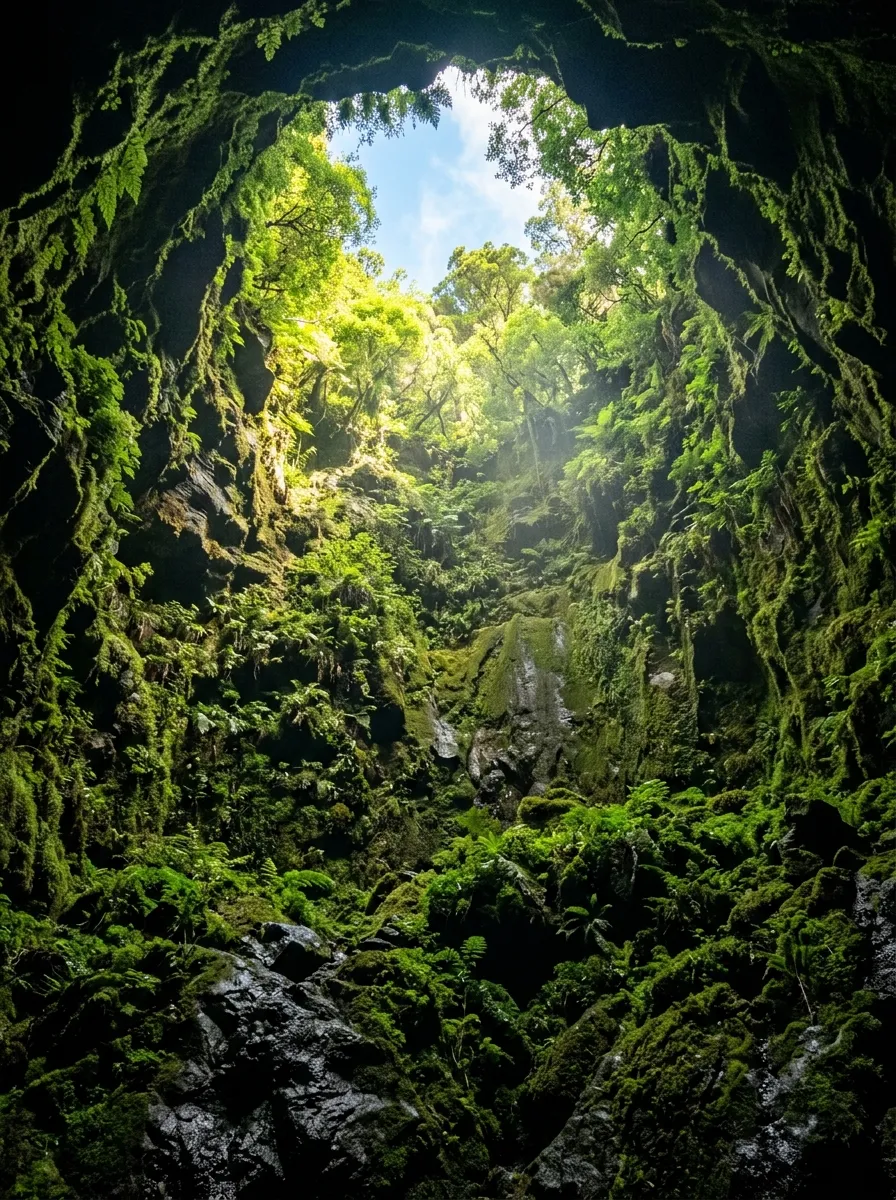
Terceira holds some of the richest history in the archipelago, centered on the UNESCO-listed historic center of Angra do Heroísmo. Algar do Carvão, a volcanic cave and lava tube reaching deep underground, remains one of the island’s most unusual natural attractions, though note that as of this writing, construction of a new Azorean Volcano Interpretation Center at the site is ongoing and expected to continue until June 2026 — check current access status before building a visit specifically around it.
If Angra do Heroísmo’s layered history has you in the mood for exploring another city’s lesser-known corners, this guide to amazing hidden places in London applies that same appetite for local streets and unexpected finds to a very different European capital.
Flores and Corvo: The Remote Western Group
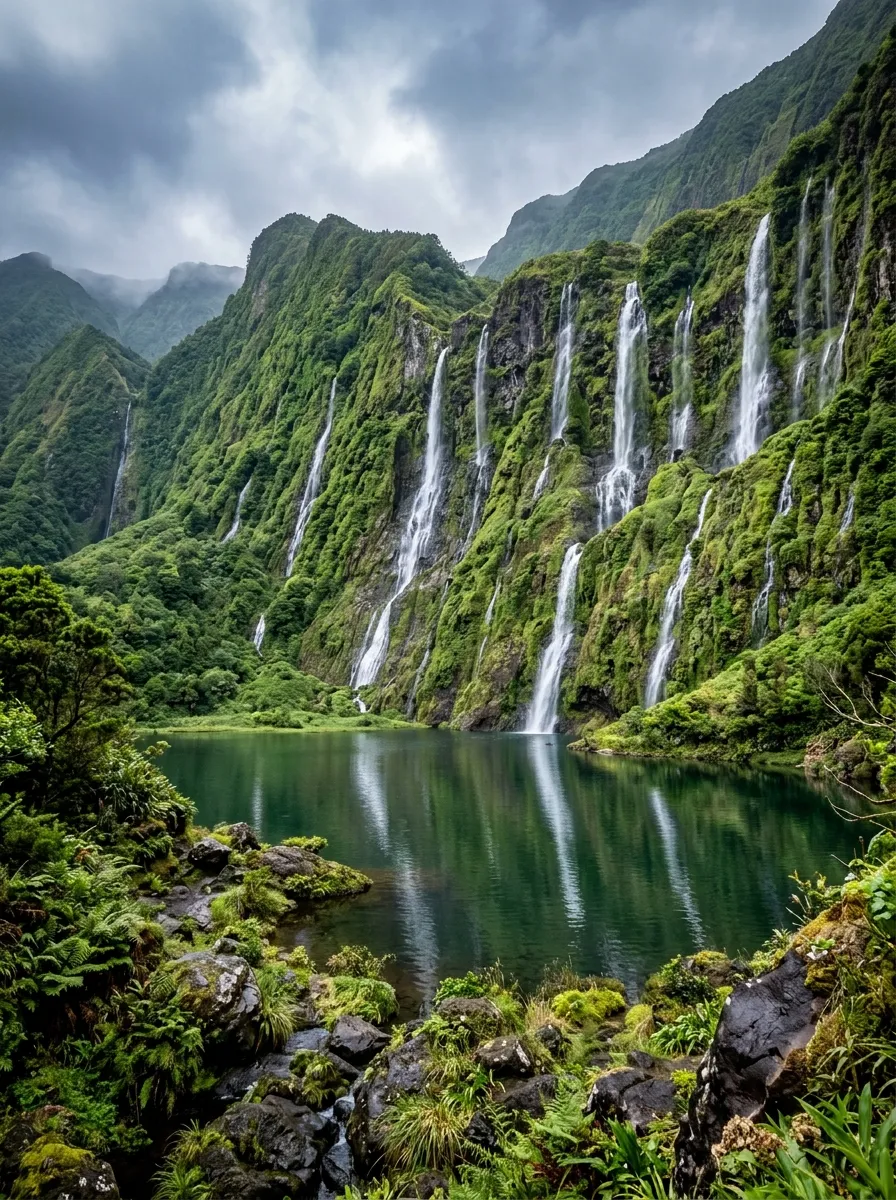
Flores lives up to its name (“flowers”) with some of the most dramatic, waterfall-heavy scenery in the entire archipelago, anchored by Poço da Ribeira do Ferreiro’s cascading falls. Tiny Corvo, the smallest and least populated island in the Azores, is reachable primarily from Flores and rewards travelers specifically seeking the most remote, untouched version of the archipelago — this isn’t a stop for a first-time visitor working with limited time, but a genuine reward for those extending a trip further.
Whale Watching in the Azores
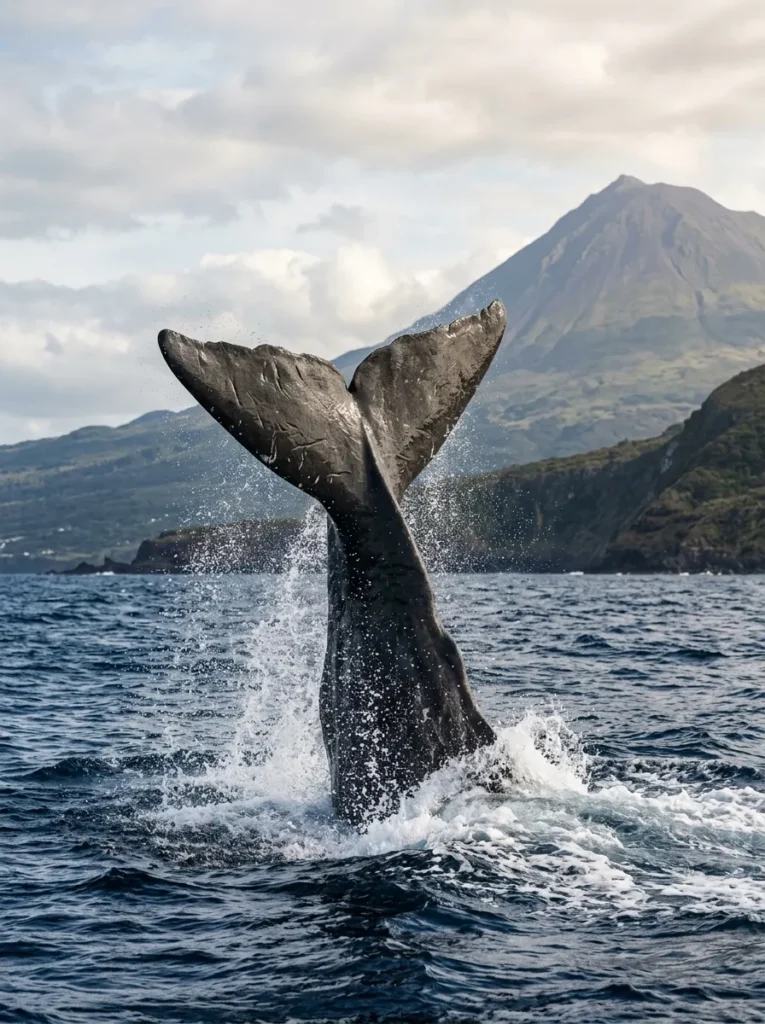
The deep, cold Atlantic waters surrounding the Azores support one of the richest concentrations of whale and dolphin species anywhere in the world, with more than two dozen species recorded in the archipelago’s waters across the year. Lajes do Pico and Faial both anchor strong, well-established whale-watching operations, many staffed by former whalers whose families shifted from hunting to conservation-focused tourism decades ago — a genuinely meaningful evolution that shapes how these tours are run today.
Island Hopping “The Triangle”: Pico, Faial and São Jorge
Pico, Faial and São Jorge sit close enough together to form what locals call “The Triangle,” and 2026’s ferry schedule makes hopping between all three in a single trip genuinely straightforward. The Madalena–Horta ferry connecting Pico and Faial is widely regarded as one of the best transport values in the Azores — a roughly 30-minute crossing costing a fraction of the equivalent inter-island flight, while also delivering a scenic approach to both islands that a short domestic flight simply can’t match.
BOOKING TIP
For Pico to Faial specifically, take the Madalena–Horta ferry rather than flying — it’s dramatically cheaper, comparable in total door-to-door time once you factor in airport logistics, and delivers a far better view of both islands on approach.
Where to Stay in the Azores
Ponta Delgada, São Miguel: The most practical first-night base, close to the international airport and central to day trips covering Sete Cidades, Furnas and Lagoa do Fogo.
Madalena, Pico: The natural base for Pico Mountain access, with easy ferry access to Faial.
Horta, Faial: A strong choice for sailing culture, whale-watching access and Capelinhos Volcano, with the marina itself worth a stay for the atmosphere alone.
Angra do Heroísmo, Terceira: The best base for history-focused travelers, centered on the UNESCO-listed historic core.
How to Get to the Azores and Around the Islands
By air from the US: Azores Airlines runs year-round direct flights from Boston (BOS) to Ponta Delgada (PDL), roughly six days a week, with a flight time of about 4 hours 55 minutes — currently the only reliable nonstop US route to the archipelago. Seasonal direct summer service from New York JFK is also available via Azores Airlines, alongside year-round routes from Toronto and seasonal service from Montreal.
By air from Europe: Ponta Delgada is well connected to mainland Portugal, with roughly 23 daily flights from Lisbon alone, plus a growing list of seasonal direct European routes to cities including Brussels, London, Düsseldorf, Madrid and Zürich.
Between islands: SATA Air Açores runs an extensive inter-island flight network — around 572 weekly flights across the archipelago in summer 2026 — with most routes connecting through Ponta Delgada and flight times of 30 to 50 minutes between islands. Book Pico and Faial routes especially early for July and August travel.
By ferry: Atlânticoline operates scheduled ferries between several islands, especially strong within the central “Triangle” of Pico, Faial and São Jorge; note these don’t run year-round on every route, so check schedules well ahead if ferry travel is central to your plan.
On each island: Renting a car is strongly advisable on every island you base yourself on — bus service is limited and irregular across the archipelago, and a car unlocks far more of each island’s remote viewpoints and trailheads than public transport realistically allows.
How Many Days Do You Need in the Azores?
Seven to ten days allows a genuinely satisfying visit to São Miguel plus one additional island, covering the archipelago’s highlights without feeling rushed. Two weeks opens up a fuller island-hopping trip across the central Triangle. For travelers with limited time, focusing entirely on São Miguel — or São Miguel plus a short Pico or Faial add-on — still delivers a fulfilling trip; trying to cover more than two or three islands in under a week tends to produce more transit time than actual exploring.
Ten-Day São Miguel and Pico Itinerary
Days 1–5 — São Miguel: Sete Cidades and the Vista do Rei viewpoint, Furnas hot springs and cozido, Lagoa do Fogo, Parque Terra Nostra, whale watching off Ponta Delgada.
Day 6: Fly to Pico, settle into Madalena.
Days 7–8 — Pico: Pico Mountain climb (with an overnight stay near the summit if pursuing sunrise), and currais vineyard country.
Day 9: Madalena–Horta ferry to Faial, Capelinhos Volcano, Horta marina.
Day 10: Whale-watching tour from Faial, return flight via Ponta Delgada.
Budget Travel in the Azores
The Azores are genuinely more affordable than mainland Portugal’s major cities, particularly for food and lodging outside peak-season Ponta Delgada. The Madalena–Horta ferry remains one of the best transport values in the archipelago, costing a fraction of the equivalent domestic flight, and many of the islands’ best natural attractions — crater lake viewpoints, hiking trails, black-sand beaches — cost nothing to visit beyond the price of a rental car or bus fare to reach them.
Family Travel in the Azores
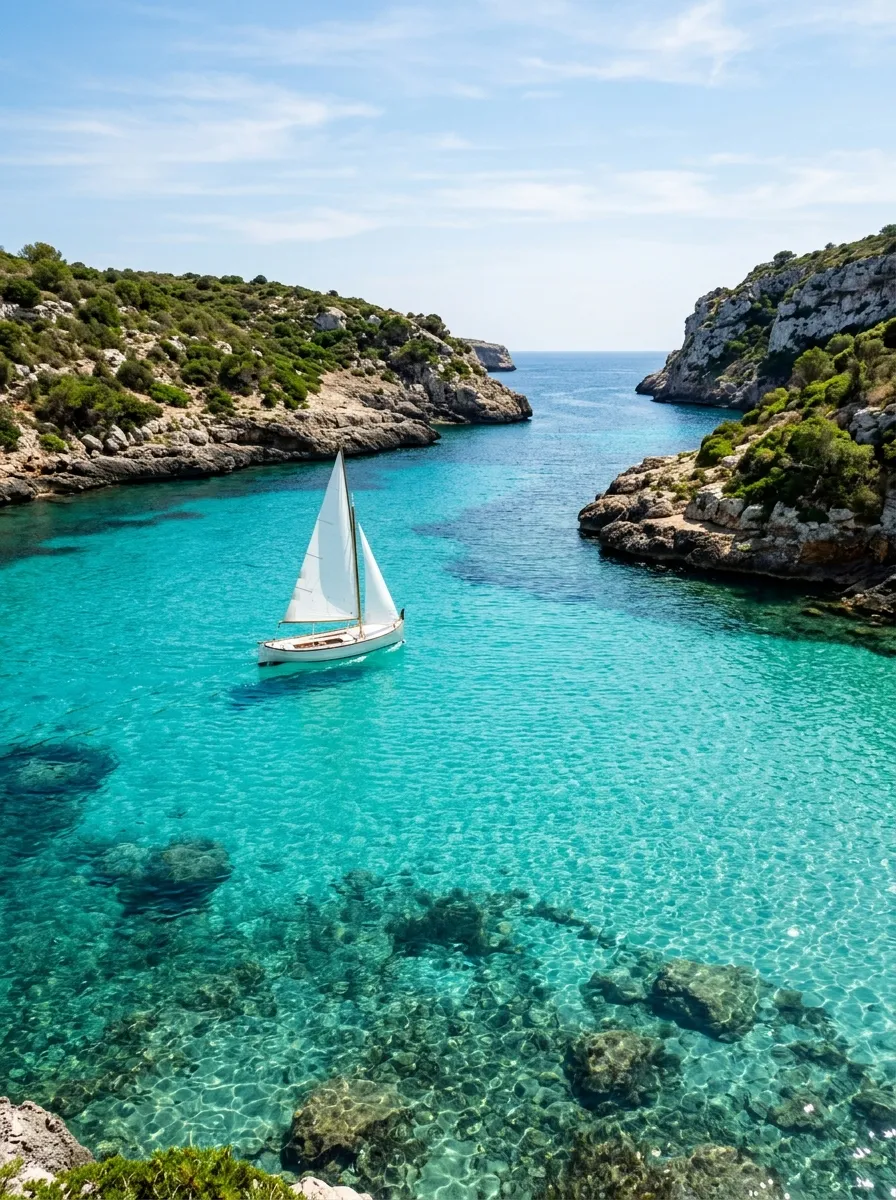
Parque Terra Nostra’s thermal pools and gardens work well for families, and Furnas’s hot springs offer a genuinely fun, low-effort natural attraction for kids. Whale-watching tours from São Miguel, Pico or Faial are also strong family options, though check operator age minimums and boat-motion tolerance before booking for younger children.
Solo Travel and Couples in the Azores
Solo travelers benefit from São Miguel’s manageable size and well-developed tourism infrastructure, making it a genuinely approachable first stop for independent exploring. Couples looking for a more romantic, remote angle should consider Pico’s summit overnight for a shared sunrise, or Faial’s Horta marina for an evening centered on the island’s storied sailing culture.
If the Azores’ quieter, less-touristed appeal is part of what draws you here, that instinct pays off well beyond Portugal too — this Ireland travel guide covers another green, dramatic, less-crowded corner of Europe worth bookmarking for a future trip with a similar spirit.
Azorean Food

Beyond Furnas’s cozido tradition, the Azores hold a genuinely distinct food identity: Pico’s volcanic wine, grown in UNESCO-protected stone-walled vineyards, remains the archipelago’s signature drink, while São Jorge’s artisanal cheese and bolo levedo — a slightly sweet, English-muffin-like bread found across the islands — round out a food scene worth building meals around rather than treating as an afterthought.
Bringing home something that actually reflects a destination — rather than a generic gift-shop trinket — is a skill worth building on any trip; this ultimate guide to Japan souvenirs covers that same principle for a very different part of the world, useful inspiration for choosing between things, like São Jorge cheese to bring home from the Azores too.
Practical Packing and Planning
The Azores’ weather shifts quickly and varies meaningfully by island and elevation — a sunny lowland morning can turn misty and cool at a crater rim within the same day, so layers matter more here than a single “right” outfit.
A trip built around hiking, ferries and shifting weather rewards thoughtful planning well beyond what to wear — if you’re pairing an Azores trip with camping or a longer outdoor stretch elsewhere, this guide to make-ahead one-pot meals for camping trips is a useful, practical companion for the more rugged legs of a bigger adventure.
Azores Packing Checklist
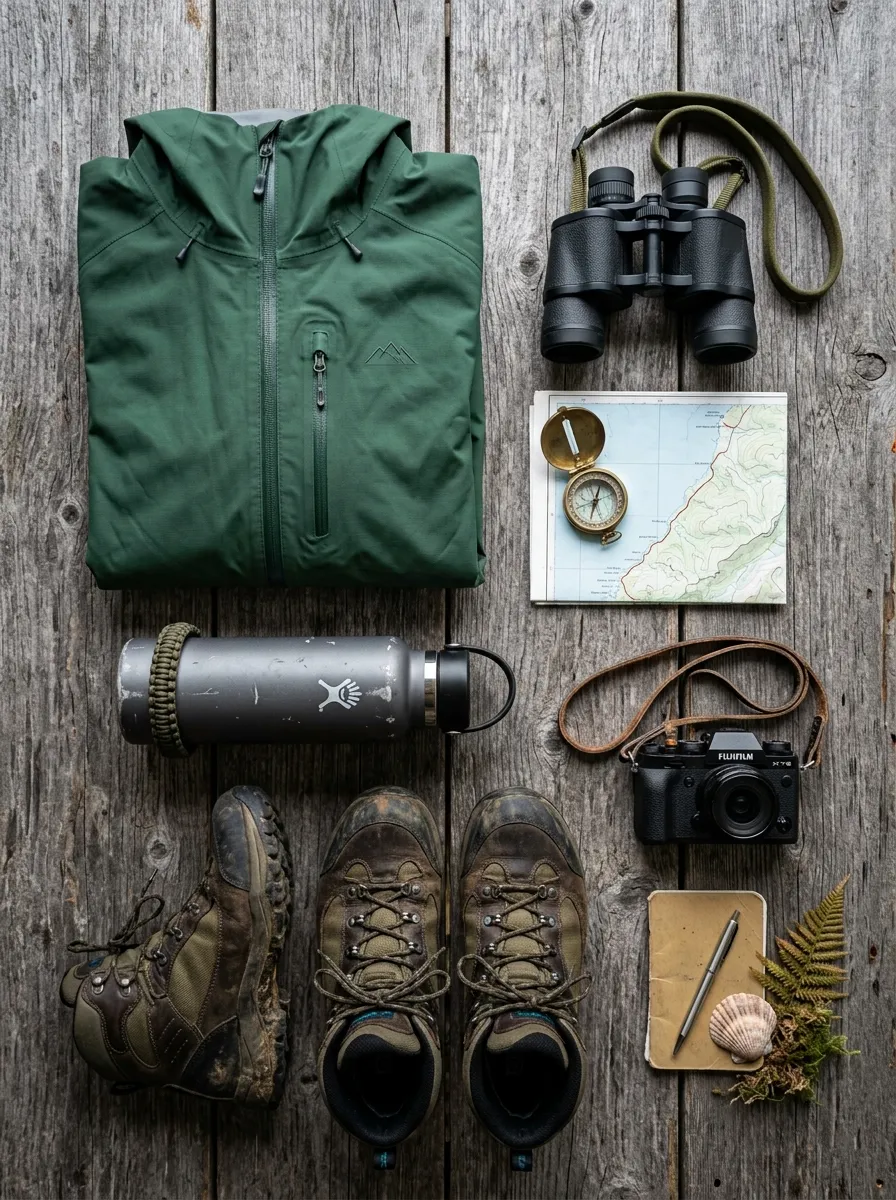
- [ ] Layers, including a waterproof outer shell for shifting island weather
- [ ] Sturdy hiking boots for Pico Mountain, Sete Cidades and São Jorge’s trails
- [ ] A rental car reservation for each island you base yourself on
- [ ] Binoculars for whale-watching tours
- [ ] A swimsuit for Furnas’s hot springs and Parque Terra Nostra’s thermal pools
- [ ] Inter-island flight or ferry tickets booked well ahead for July–August travel
- [ ] A valid passport with adequate validity beyond your departure date
- [ ] A reusable water bottle for hiking days
Frequently Asked Questions About Visiting the Azores
What is the best time of year to visit the Azores?
June through September offers the driest, warmest weather and the fullest ferry and flight schedules; shoulder-season October brings fewer crowds and lower prices with still-mild conditions.
How many days do I need in the Azores?
Seven to ten days covers São Miguel plus one additional island well; two weeks allows a fuller multi-island trip across the central Triangle.
How do I get to the Azores from the US?
Azores Airlines runs year-round direct flights from Boston to Ponta Delgada (about 4 hours 55 minutes), with seasonal direct service from New York JFK.
Is there a ferry from the mainland to the Azores?
No — flying is the only practical way to reach the archipelago from mainland Portugal or elsewhere; there is no passenger ferry service.
Do I need a car in the Azores?
Yes, essentially — bus service is limited and irregular across every island, and a rental car is strongly advisable for reaching trailheads and remote viewpoints.
Which island is best for first-time visitors?
São Miguel, the largest and most infrastructure-developed island, offering the most complete single-island introduction to the archipelago.
Is the Azores expensive?
It’s generally more affordable than mainland Portugal’s major cities, particularly outside peak-season Ponta Delgada, with strong value on ferries, food and many free natural attractions.
Do US travelers need a visa for the Azores?
No — as part of Portugal, the Azores fall under standard Schengen rules, and US passport holders can currently enter visa-free for stays under 90 days. The EU’s ETIAS system has not yet launched as of this writing; check official sources for the latest timeline.
How do I get between islands in the Azores?
Via SATA Air Açores inter-island flights (30–50 minutes between islands) or Atlânticoline ferries, particularly strong within the central “Triangle” of Pico, Faial and São Jorge.
Is the Madalena–Horta ferry better than flying?
Yes, for the Pico-to-Faial route specifically — it’s significantly cheaper, comparable in total travel time once airport logistics are factored in, and offers better scenic views on approach.
Can I climb Pico Mountain?
Yes — Pico Mountain, the highest point in Portugal, is climbable, and an overnight stay near the summit is a popular option for catching both sunset and sunrise from the top.
Is whale watching good in the Azores?
Yes — the archipelago is considered one of the world’s best whale-watching destinations, with Lajes do Pico and Faial anchoring the strongest, most established tour operations.
Should I book inter-island flights in advance?
Yes, particularly for Pico and Faial in July and August — local guidance suggests booking four to six weeks ahead during peak summer travel.
Is the Azores good for families?
Reasonably so, particularly São Miguel’s Furnas hot springs, Parque Terra Nostra’s thermal pools, and whale-watching tours, though check age and motion-sensitivity guidance for younger children before booking boat trips.
Is the Azores good for solo travelers?
Yes, particularly São Miguel, given its manageable size and well-developed tourism infrastructure for independent exploring.
What’s the biggest mistake first-time visitors make?
Trying to cover too many islands in too short a trip — the Azores reward focusing on one or two islands properly rather than rushing through several with heavy transit time in between.
Is Algar do Carvão on Terceira currently open?
Check current status before visiting — as of this writing, construction of a new Azorean Volcano Interpretation Center at the site is ongoing and expected to continue into mid-2026.
What food should I try in the Azores?
Cozido das Furnas (a stew slow-cooked using geothermal heat), São Jorge’s artisanal cheese, and bolo levedo, a slightly sweet local bread.
Final Thoughts on Visiting the Azores
The Azores reward travelers who resist the urge to see everything at once. São Miguel alone — Sete Cidades’ twin crater lakes, Furnas’s geothermal village, Lagoa do Fogo’s dramatic rim — delivers a genuinely complete introduction to what makes this archipelago unlike anywhere else in Europe, and pairing it with one additional island, whether that’s Pico’s mountain and wine country or Faial’s marina and volcano, rounds a trip out into something considerably richer without stretching logistics too thin.
If you’re building a first Azores itinerary, anchor it in São Miguel and decide early whether Pico’s hiking focus or Faial’s sailing-and-volcano character fits your remaining days better, booking any inter-island flights well ahead if your trip falls in peak summer season. However you build it, things to do in the Azores add up into one of the most genuinely wild, uncrowded trips available anywhere in Europe right now — nine volcanic islands scattered across the Atlantic that still, remarkably, feel like a discovery rather than a destination everyone already knows about.