The Colorful Ribeira Waterfront District: The Complete 2026–27 Guide to Porto’s UNESCO Riverside Quarter
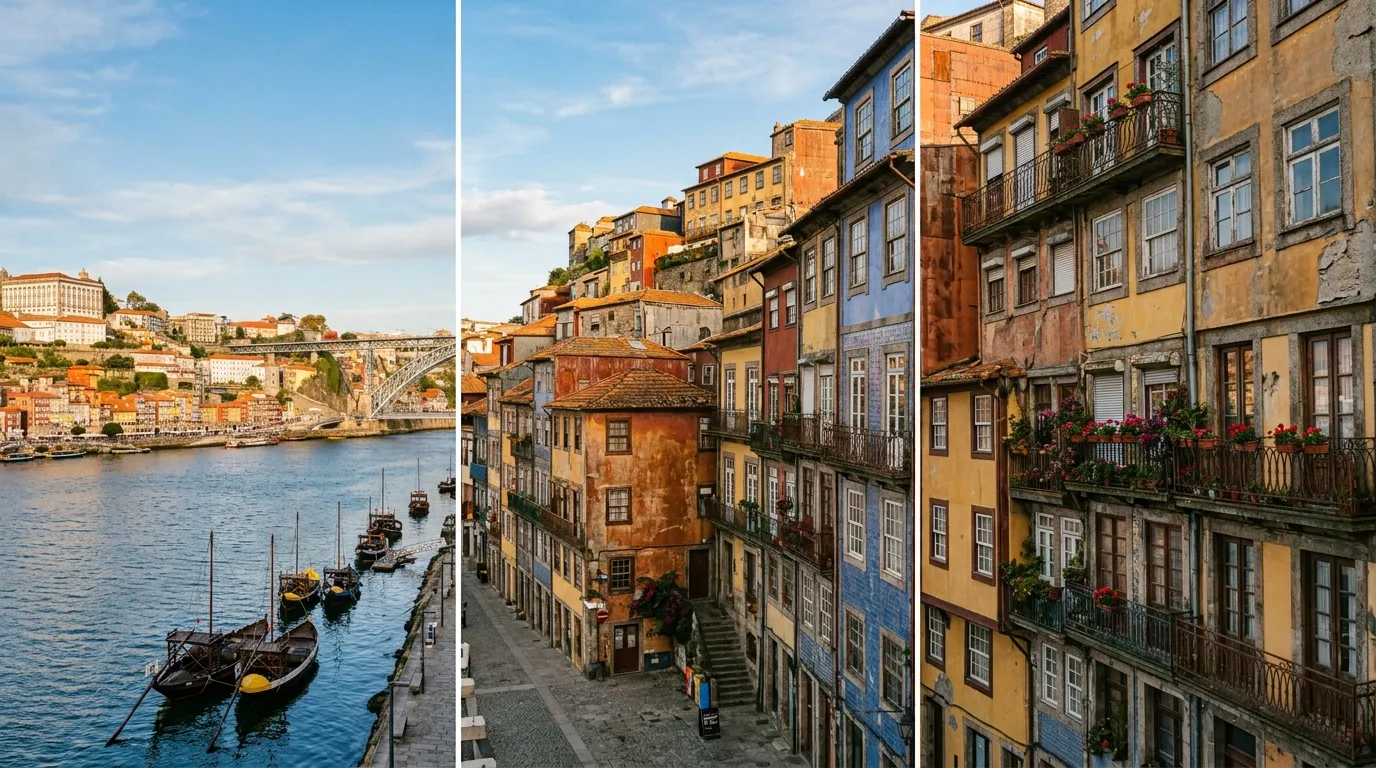
Ribeira doesn’t reveal itself all at once. You descend toward it through Porto’s steep, narrow lanes, and then the hillside opens up: a stack of centuries-old houses in ochre, rust, mustard and faded blue, tumbling down toward the Douro River in a jumble that looks almost too picturesque to be unplanned — except it is. This is Porto’s oldest neighborhood, a UNESCO World Heritage Site since 1996, and it remains the single image most people carry home from a Portugal trip: the colorful waterfront, the double-decked iron arc of the Dom Luís I Bridge, and the port wine cellars glowing across the river in Vila Nova de Gaia.
This guide covers the Ribeira waterfront district for the rest of 2026 and into 2027, and it’s built to go well beyond “walk along the river and take photos,” because Ribeira genuinely rewards a slower, more layered visit. This is a working historic quarter — a 700-year-old merchant’s house, a centuries-old fado tavern, a fountain marking a Napoleonic-era tragedy — sitting directly across the water from more than 50 port wine cellars that have aged Portugal’s most famous export since a royal decree in 1756. Get the logistics right (comfortable shoes are not optional here) and Ribeira delivers one of the most rewarding, walkable riverside districts in Europe.
Whether you’re planning a golden-hour stroll along Cais da Ribeira, a port wine cellar crawl across the river, or simply trying to time your visit around Porto’s raucous Festa de São João, this guide breaks down what’s actually worth your time, current 2026 pricing for the district’s cellar tours and river cruises, and how to navigate Ribeira’s genuinely steep, cobbled terrain without exhausting yourself before lunch.
Recommended Travel Items for Your Trip
AT A GLANCE: RIBEIRA WATERFRONT DISTRICT
- Best overall time to visit: March through October for warm weather; late June specifically for São João
- UNESCO status: Part of the Historic Centre of Porto, inscribed since 1996
- Signature landmark: The Dom Luís I Bridge, connecting Ribeira to the port wine cellars of Vila Nova de Gaia
- Best free experience: Walking Cais da Ribeira at golden hour
- Best paid experience: A Port wine cellar tour and tasting, generally €25–35 for a standard visit
- Biggest annual event: Festa de São João, June 23–24 each year, drawing over a million people
- Ideal visit length: Half a day for the waterfront itself; a full day to add Vila Nova de Gaia’s cellars and a river cruise
Ribeira and Its Surroundings at a Glance
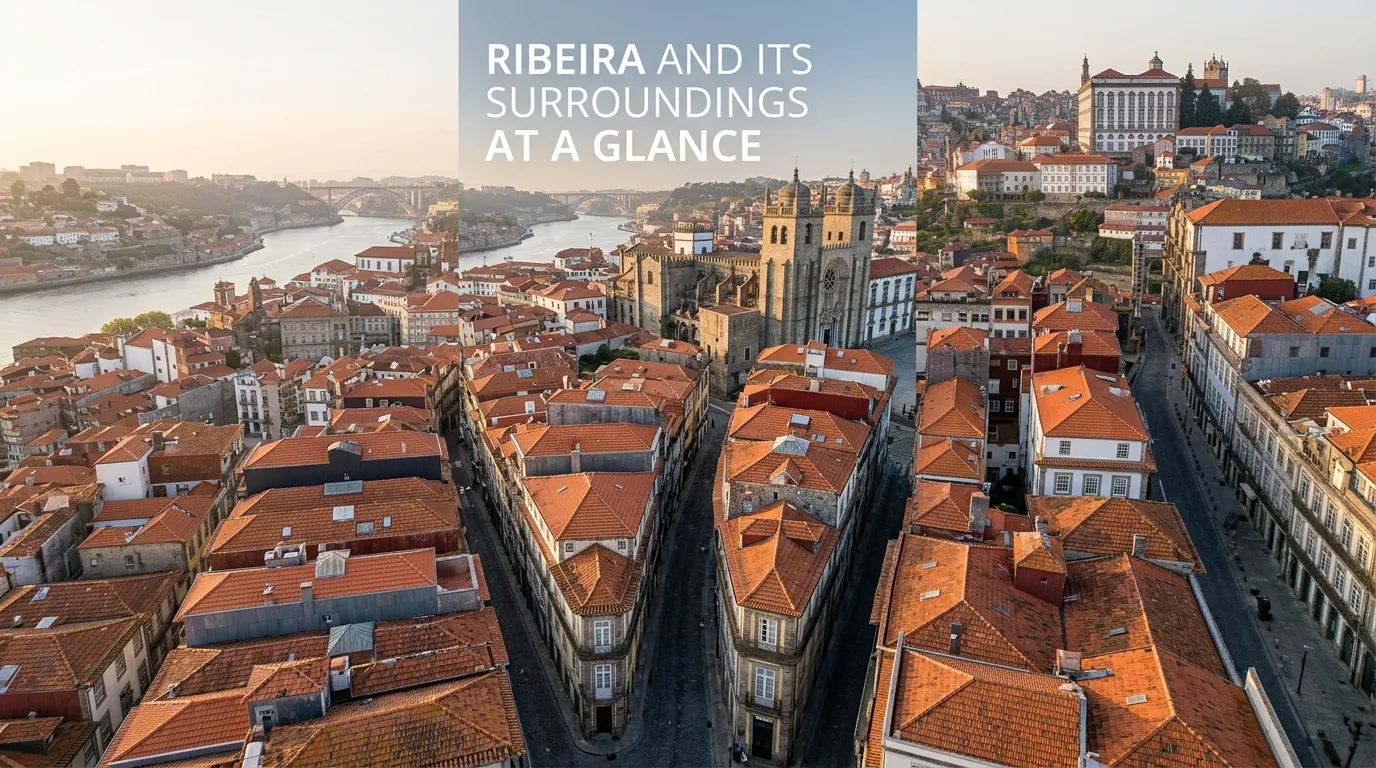
Ribeira sits at the heart of a small cluster of Porto neighborhoods, each offering a genuinely different angle on the same historic riverside setting.
| Area | Best For | Best Time to Visit | Suggested Time | Main Consideration |
| Cais da Ribeira (the waterfront) | Colorful houses, riverside dining, photography | Year-round, best at golden hour | 1–2 hours | Terraces can be pricey and service inconsistent right on the water |
| Vila Nova de Gaia (across the river) | Port wine cellar tours, panoramic views | Year-round | 3–5 hours for multiple cellars | 20-minute walk from the bottom of the Dom Luís I Bridge |
| Upper city (Batalha, Sé) | Porto Cathedral, connecting streets to Ribeira | Year-round | 1–2 hours | Reached via a steep climb or the Funicular dos Guindais |
| Foz do Douro | Where the river meets the Atlantic | Year-round | Half day | About 20 minutes from Ribeira by tram or taxi |
Why Ribeira Is Porto’s Soul
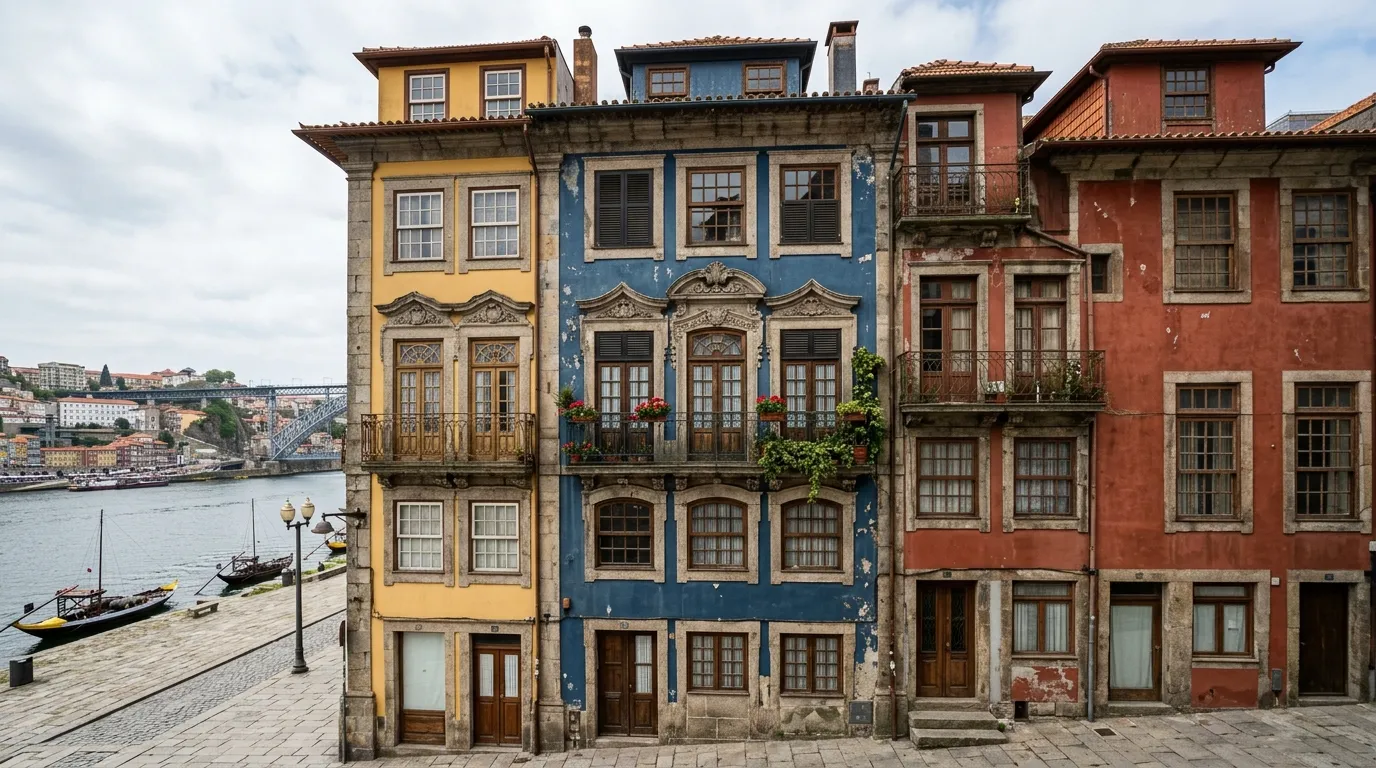
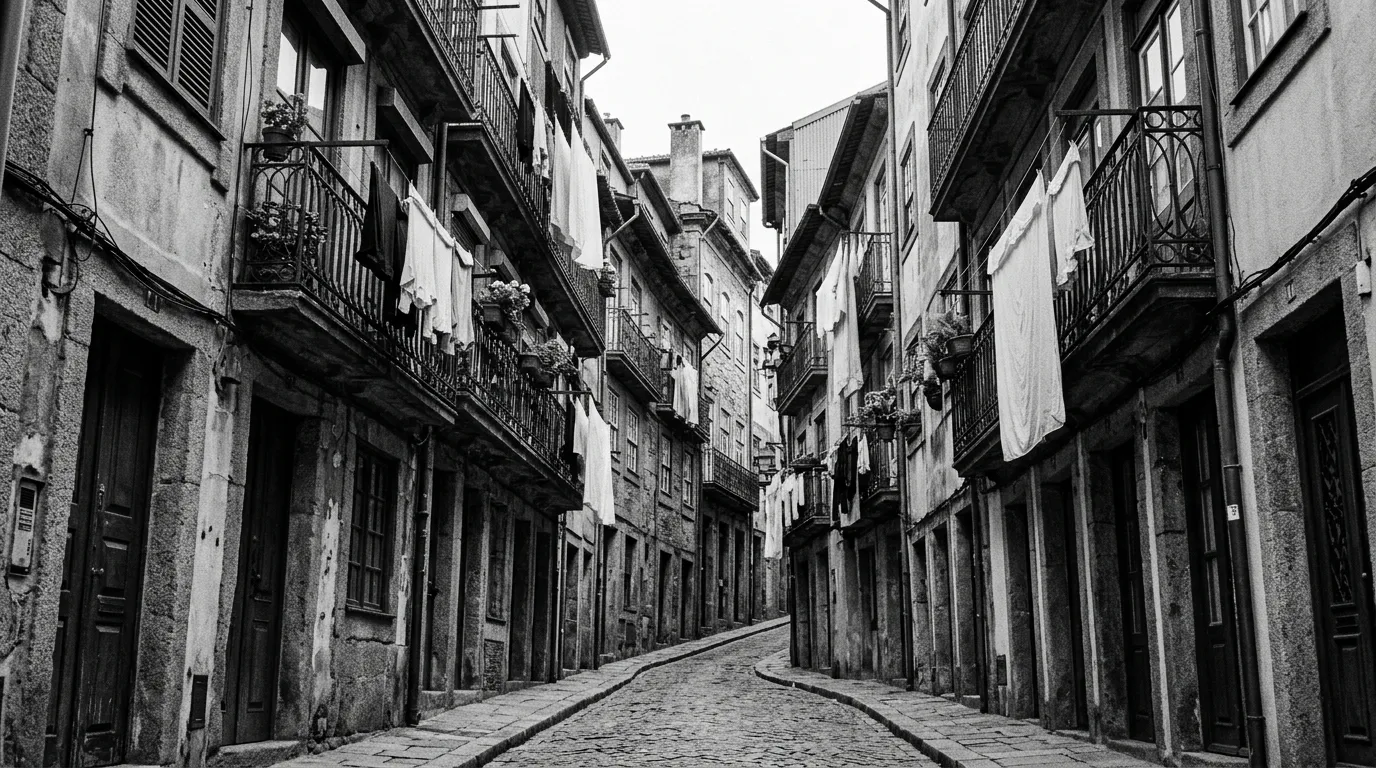
Ribeira earns its reputation as Porto’s defining neighborhood because it hasn’t been smoothed over for visitors the way parts of other European riverside districts have. The buildings lean at odd angles, laundry still hangs from some upper-floor windows, and the narrow lanes climbing away from the water still function as genuine residential streets rather than a curated backdrop. That authenticity, combined with a setting dramatic enough to have drawn painters and photographers for generations, is exactly why UNESCO inscribed Porto’s historic centre — anchored by Ribeira — as a World Heritage Site in 1996, and why the neighborhood remains the first stop for nearly every visitor to the city.
A Brief History of the Colorful Houses
Ribeira’s story stretches back to Porto’s earliest days as a riverside trading settlement, and the neighborhood’s layout still reflects centuries of maritime commerce — narrow houses built tall and thin to maximize river frontage, since property taxes were historically based on a building’s width along the water. The small square of Largo do Terreiro, near the Chapel of Nossa Senhora de Ó and the Fonte Taurina fountain, marks the traditional heart of the district’s restaurant scene, while a quieter, easy-to-miss detail along the riverfront wall — a metal plaque called Alminhas da Ponte — commemorates the Portuenses who died when the old pontoon bridge, the Ponte das Barcas, collapsed under the weight of people fighting and fleeing Napoleonic troops in 1809. It’s a sobering footnote easy to walk past without noticing, and a reminder that Ribeira’s charm sits on top of genuinely deep, sometimes difficult history.
When to Visit Ribeira: Seasons and the São João Festival
Late 2026: What’s Left on the Season
September and October 2026 bring Porto’s best weather for exploring Ribeira on foot — warm but no longer peak-summer hot, with noticeably thinner crowds than July and August along the waterfront terraces. This window also overlaps nicely with the start of the Douro Valley’s grape harvest season, adding an extra layer of relevance to a Vila Nova de Gaia wine cellar visit. Porto’s mild climate keeps Ribeira a viable year-round destination; even a December visit rewards visitors with quieter streets and Christmas lighting along the quay, though some riverside terraces reduce their outdoor seating in the coldest months.
Festa de São João: Porto’s Defining Night
If your trip overlaps with late June, know what you’re walking into. Porto’s Festa de São João, honoring the city’s patron saint, is one of the largest and most genuinely unfiltered street celebrations in Europe, and its epicenter is Ribeira itself. The 2026 festival ran its main night from Tuesday, June 23 into Wednesday, June 24 — the traditional pattern, since the celebration is fixed to Saint John’s Eve rather than a floating date — with more than a million people packing the Cais da Ribeira and the Vila Nova de Gaia quay for a midnight fireworks display launched from the Dom Luís I Bridge, illuminating both riverbanks simultaneously. Expect the 2027 festival to follow the same June 23–24 pattern. If a São João visit is the goal, arrive at your riverside viewing spot by 8–9 p.m. for a realistic shot at a good position; by 11 p.m., Ribeira’s waterfront is essentially at capacity, and taxis and rideshares become extremely difficult to find after midnight, so plan your route home before the fireworks even start.
BOOKING TIP
If large crowds aren’t your thing but you still want to experience some of the São João atmosphere, the neighborhood arraiais (open-air community street parties, generally running in the days leading up to June 23 across Porto’s parishes) offer a more intimate, still-genuine version of the celebration without the Ribeira waterfront’s full crush of people.
Cais da Ribeira
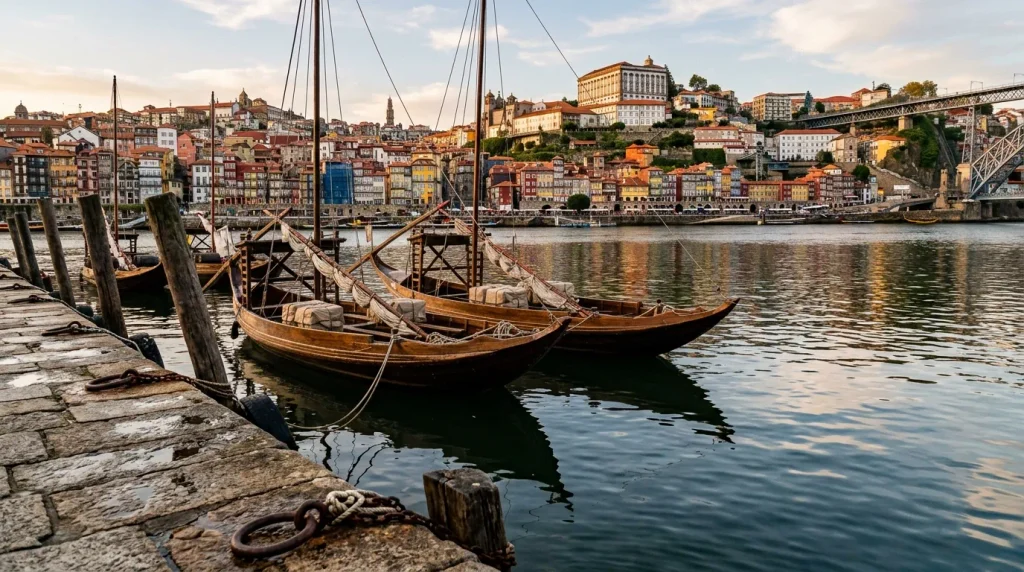
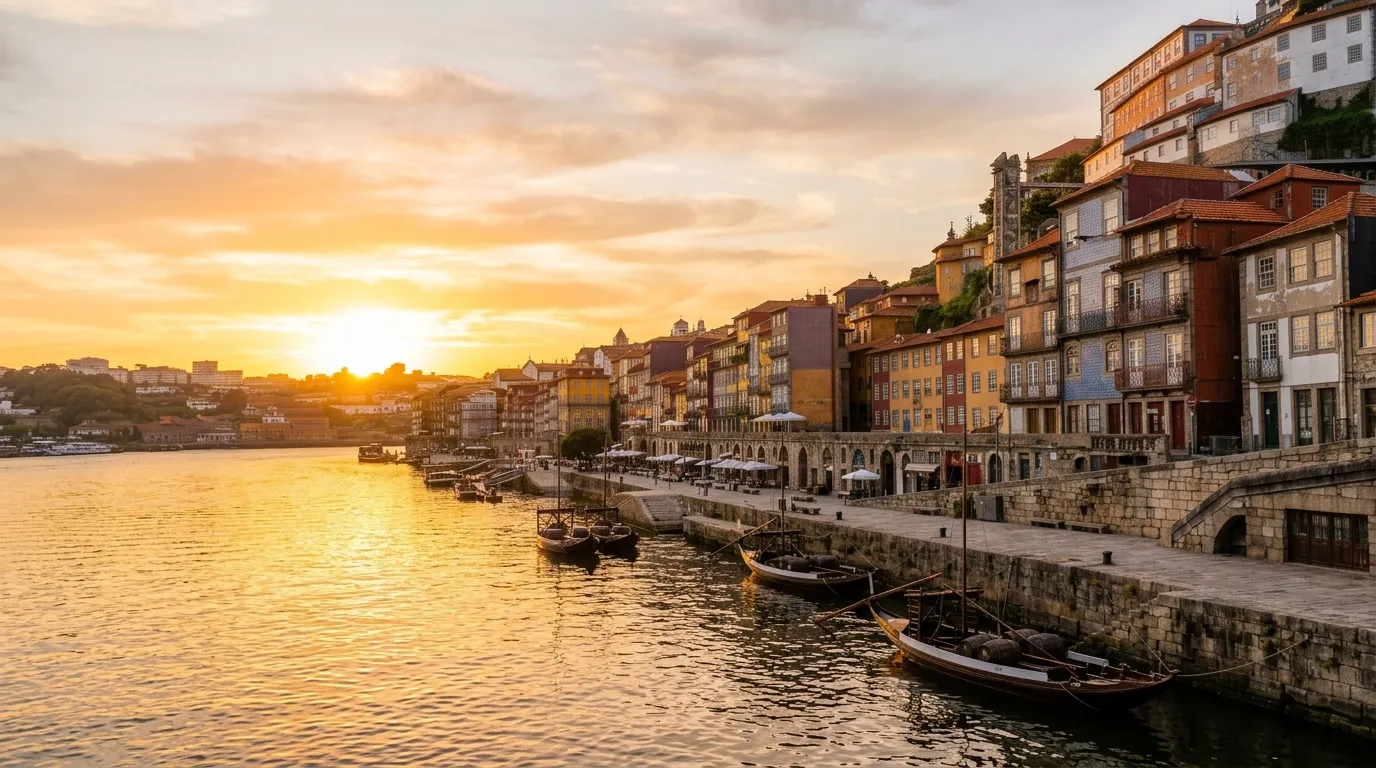
The waterfront promenade itself — Cais da Ribeira — is where most visits begin and end, a pedestrian quay lined with restaurant terraces, buskers, small shops selling Portuguese products, and views straight across to Vila Nova de Gaia’s cellars and the Dom Luís I Bridge. It rewards unhurried wandering more than a checklist approach: find a bench, watch the traditional rabelo boats drift past, and let the golden late-afternoon light hit the colorful facades before deciding where to eat.
Praça da Ribeira
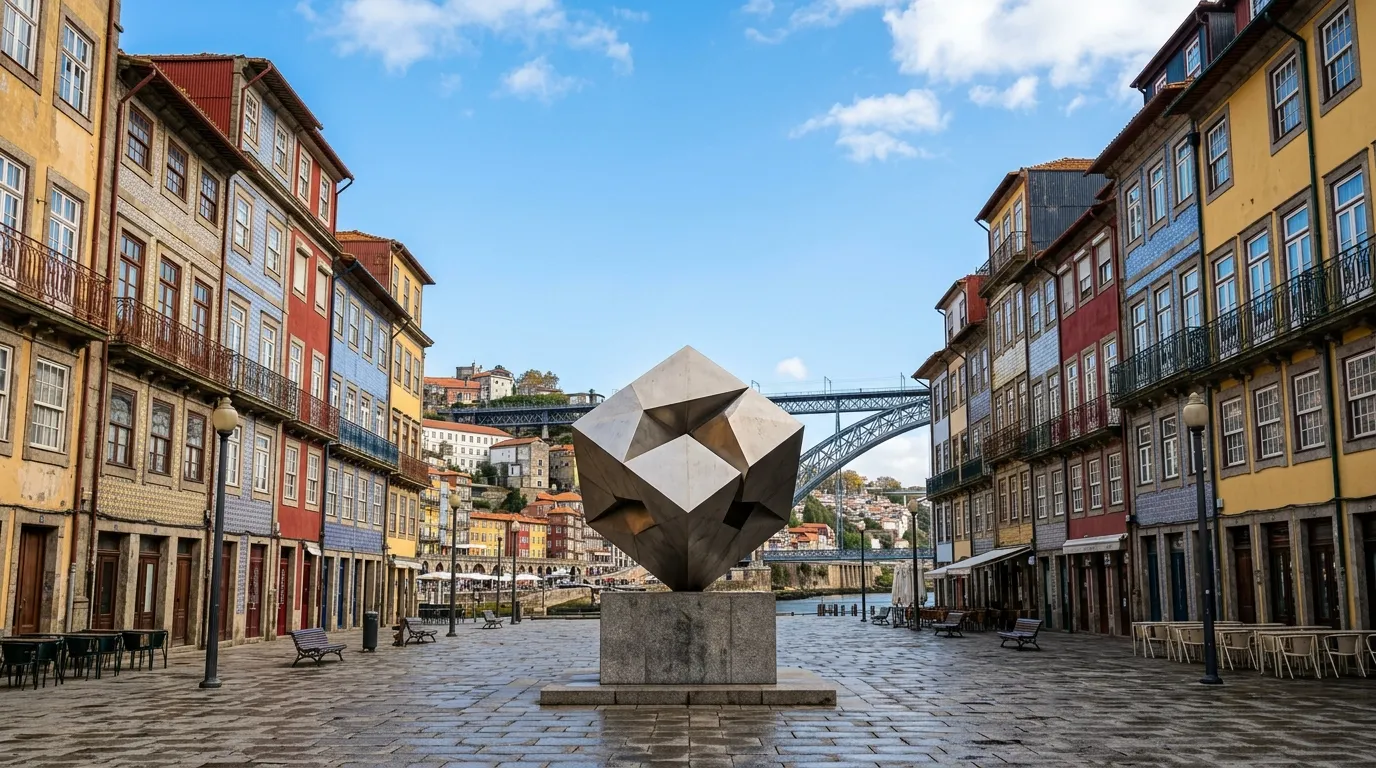
At the heart of the waterfront sits Praça da Ribeira, a square of medieval origins framed by colorful buildings and anchored by a distinctive cube-shaped sculpture, “O Cubo,” that’s become an informal meeting point and photo spot for visitors. It’s the most concentrated, photogenic single spot along the entire quay, and a natural stop before continuing toward the bridge.
The Dom Luís I Bridge
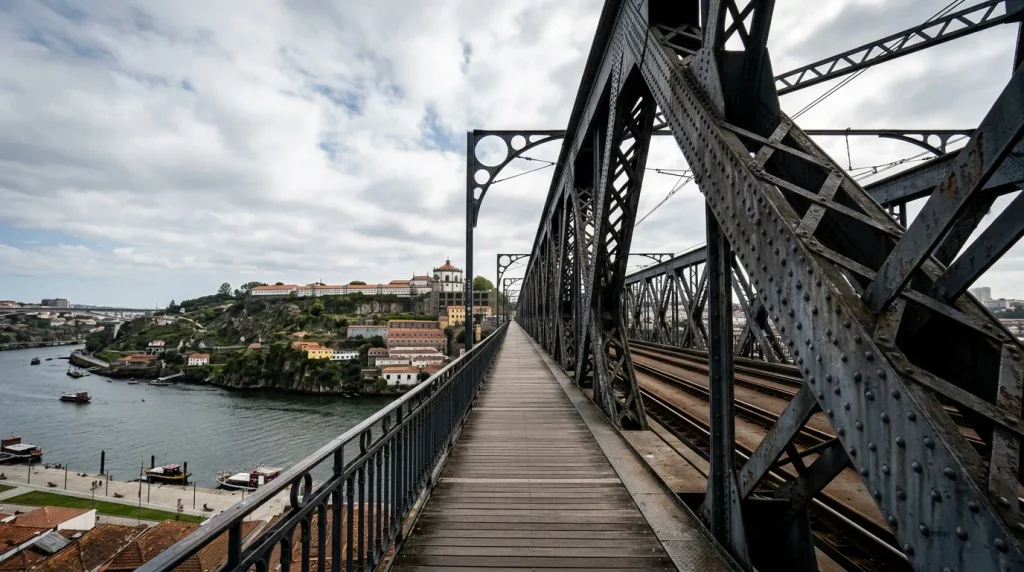
Porto’s most photographed structure, the double-decked iron Dom Luís I Bridge connects Ribeira to Vila Nova de Gaia across the Douro. The upper deck — originally built for vehicle traffic, now reserved for the metro and pedestrians — sits considerably higher and delivers the more expansive, unobstructed panorama of the river, the colorful rooftops and the wine cellars beyond; the lower deck carries both vehicles and pedestrians at a more intimate, closer-to-the-water level. Walking across on the upper deck, particularly near sunset, is one of the defining experiences of a Porto visit, and it’s entirely free.
Crossing to Vila Nova de Gaia: The Port Wine Cellars
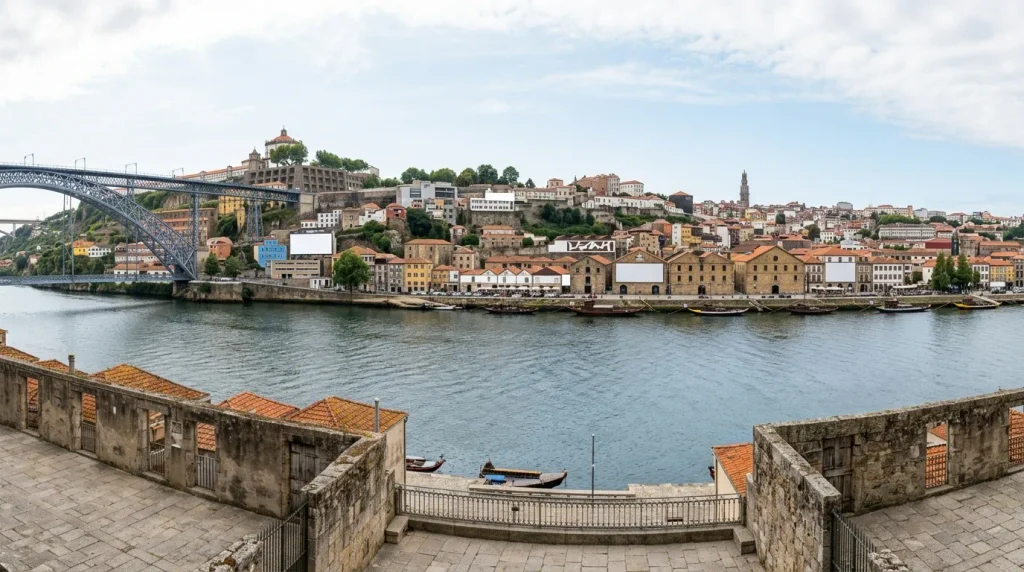
Just across the river, Vila Nova de Gaia has aged Port wine since a royal decree in 1756, and today more than 50 historic cellars line the riverbank, most within a 20-minute walk of the bottom of the Dom Luís I Bridge. Standard cellar tours with tasting generally run €25–35 per person for a 60 to 90-minute visit including 2–4 tastings, while premium tours featuring vintage ports and aged tawnies run €45–75 or more — worth it specifically for visitors who can genuinely appreciate the difference between a 10-year and a 30-year tawny, since the standard tour already teaches you what to look for. Taylor’s, Ferreira (the only major Port house that has remained Portuguese-owned throughout its history), and Cockburn’s (home to the largest cellar in Gaia, with more than 6,500 aging oak barrels) all rank among the most respected houses to visit, and given how close together the cellars sit, it’s genuinely possible to walk between half a dozen historic houses in under 20 minutes.
BOOKING TIP
Resist the temptation to book more than two or three cellar tours in a single day — tastings add up quickly, and the “over-touring” mistake (cramming in too many cellars back to back) is the most common way visitors end up remembering the tours as a blur rather than genuinely appreciating any single one.
Funicular dos Guindais
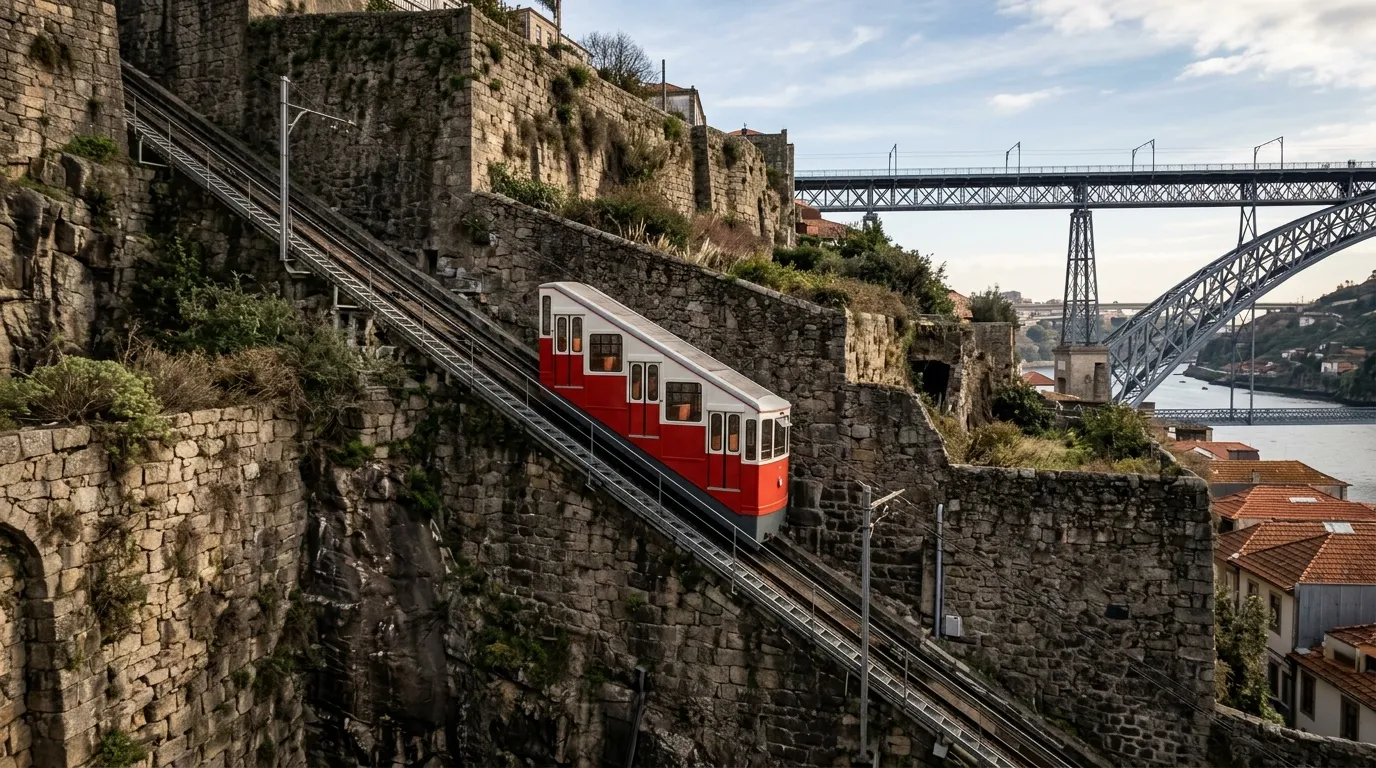
For visitors staying in the upper city near Batalha, the Funicular dos Guindais offers a genuinely charming, small-scale cliff railway connecting the Ribeira waterfront to the upper city in about two minutes, sparing you a brutal, steep stair climb. It runs on a single track, costs around €2.50 one way, and is by far the easiest way to move between river level and the upper city for anyone with mobility concerns or simply tired legs after a day of Ribeira’s hills.
Douro River Cruises
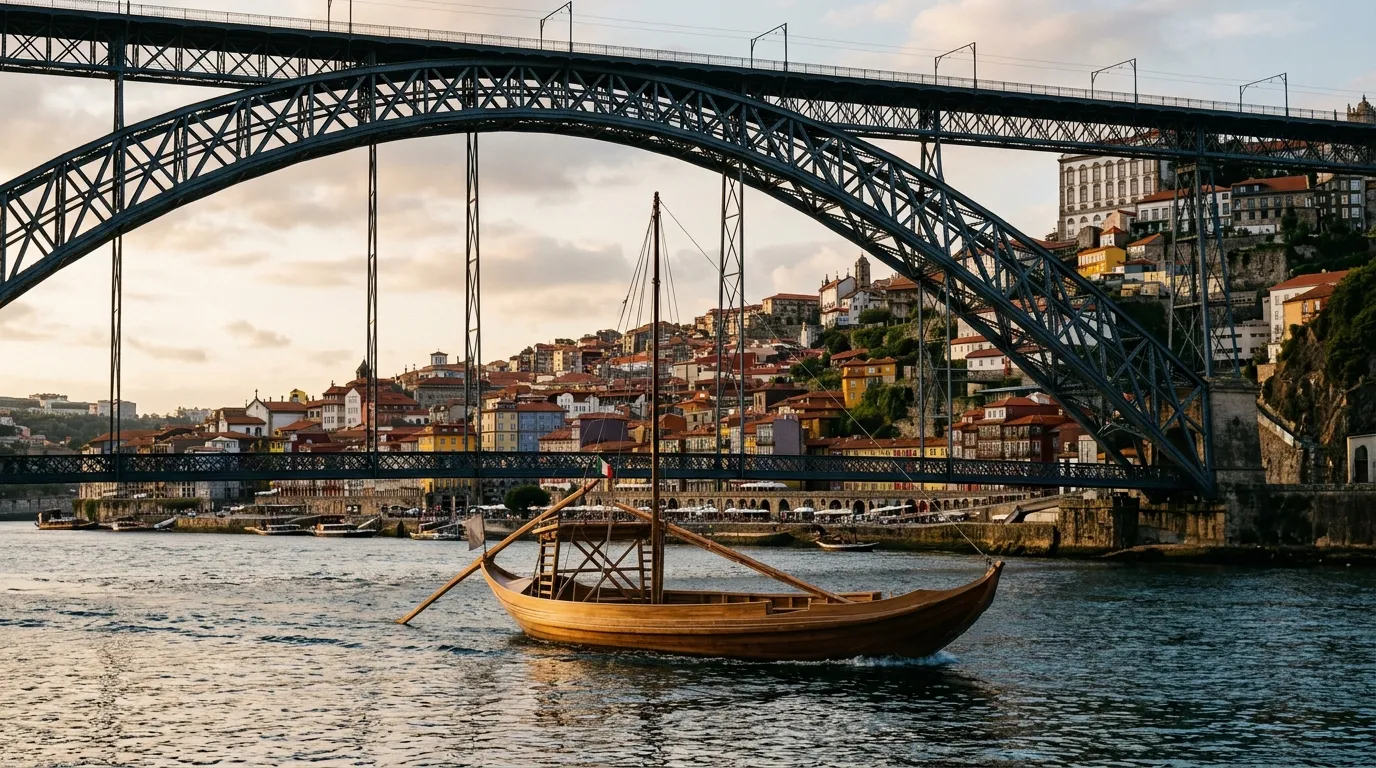
One of the most popular ways to experience Ribeira from a different angle is a traditional boat ride along the Douro, commonly marketed as the “six bridges cruise” — a roughly 50-minute trip passing beneath all six of Porto’s bridges, offering a water-level view of the colorful waterfront houses and the wine cellars that’s simply unavailable from land. It’s a relaxed, low-effort way to see the district after a day of walking its steep streets.
After a full day exploring Ribeira’s hills and a Port wine tasting or two, a slow boat ride along the Douro is exactly the kind of unwinding a trip like this calls for — if that appeals to your travel style more broadly, these easy summer detox drinks for your wellness vacation are a fitting, lighter counterpoint for balancing out a wine-heavy Porto itinerary.
Casa do Infante
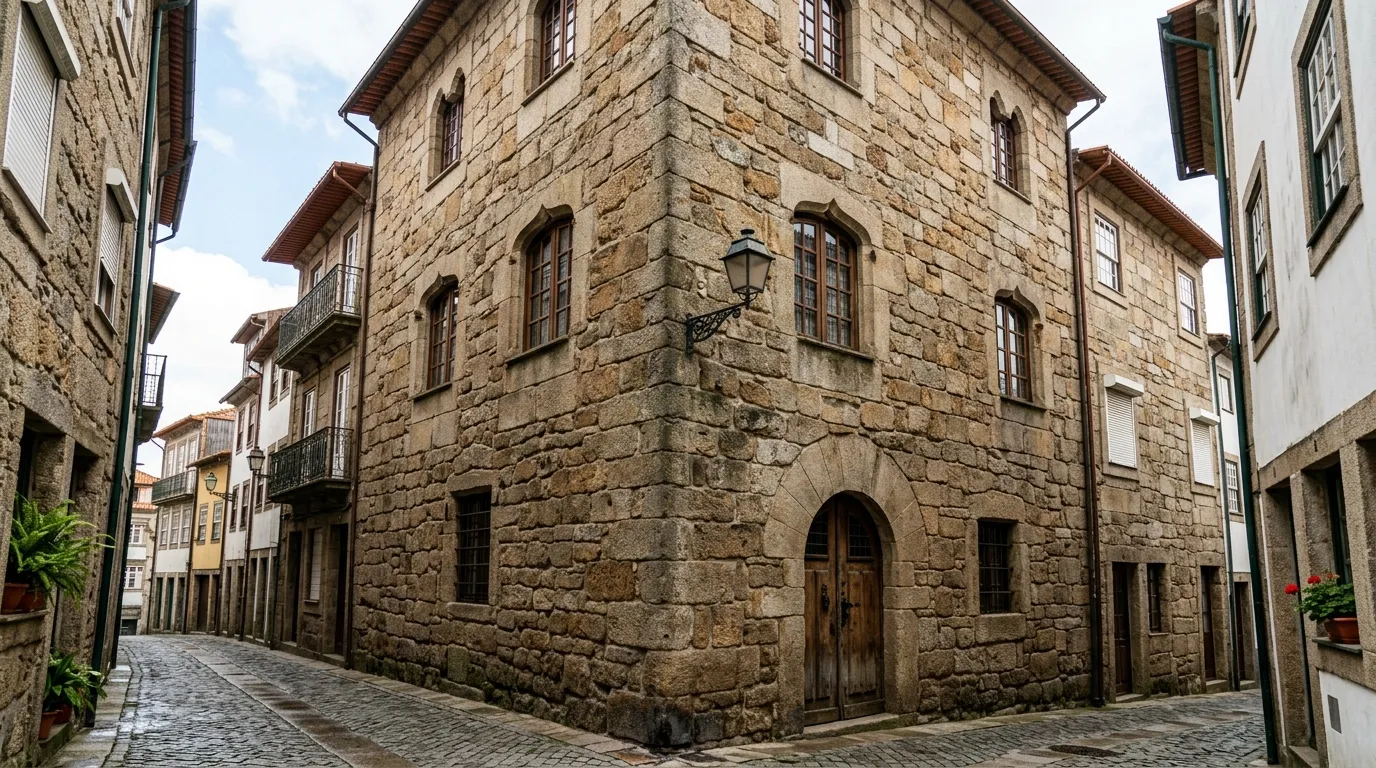
Built in 1325 and named for Infante Dom Henrique (Prince Henry the Navigator), who was born there, Casa do Infante now functions as both a museum and the headquarters of Porto’s historical archive. It’s a genuinely significant historical site tucked into Ribeira’s streets, worth a stop for visitors wanting more depth than the waterfront’s photogenic surface offers.
Fado in Ribeira
At the western end of Ribeira, in the historic Miragaia district, Fado Maior do Porto is a centenarian tavern hosting live fado — Portugal’s soulful, melancholic traditional music — every single night, and it’s the only fado house in the country with a dedicated space built specifically for the art form. Catching a live performance here adds a genuinely different, more intimate cultural layer to a Ribeira evening beyond dinner on the quay.
Porto Cathedral and Palácio da Bolsa
A short, steep climb above Ribeira, Porto Cathedral (Sé do Porto) and the ornate 19th-century Palácio da Bolsa (the city’s former stock exchange, known for its stunning Arab Room) both sit close enough to pair naturally with a Ribeira visit — either as a warm-up before descending toward the river or a cooldown stop on the way back up.
Food in Ribeira
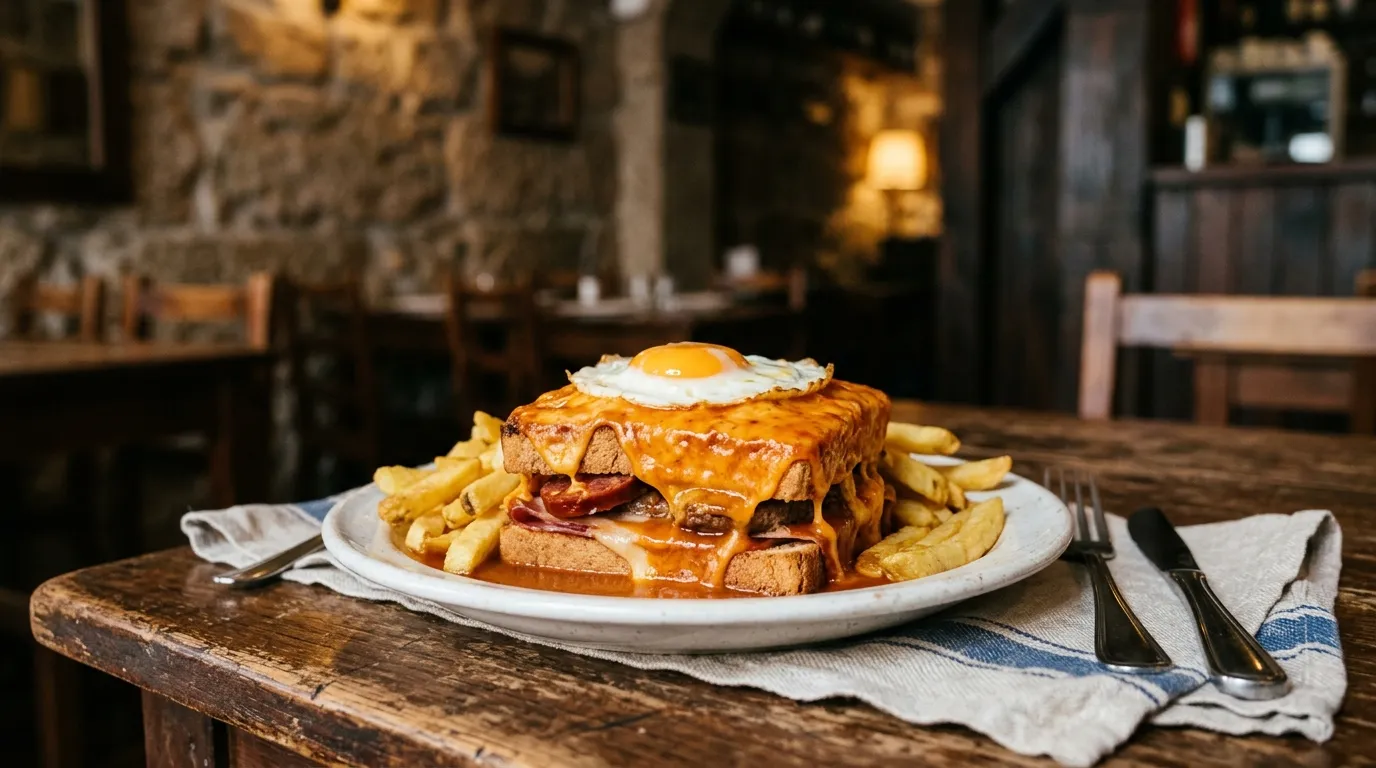
Ribeira’s restaurant scene ranges from tourist-facing riverside terraces to genuinely excellent traditional tascas tucked a block or two back from the water — a distinction worth knowing, since the direct waterfront tables often carry a premium for the view rather than the food itself. Traditional Porto dishes like francesinha, a genuinely indulgent, sauce-drenched sandwich, and fresh grilled fish are natural choices, especially when paired with the relaxed atmosphere of the neighborhood.
Photography Tips in Ribeira
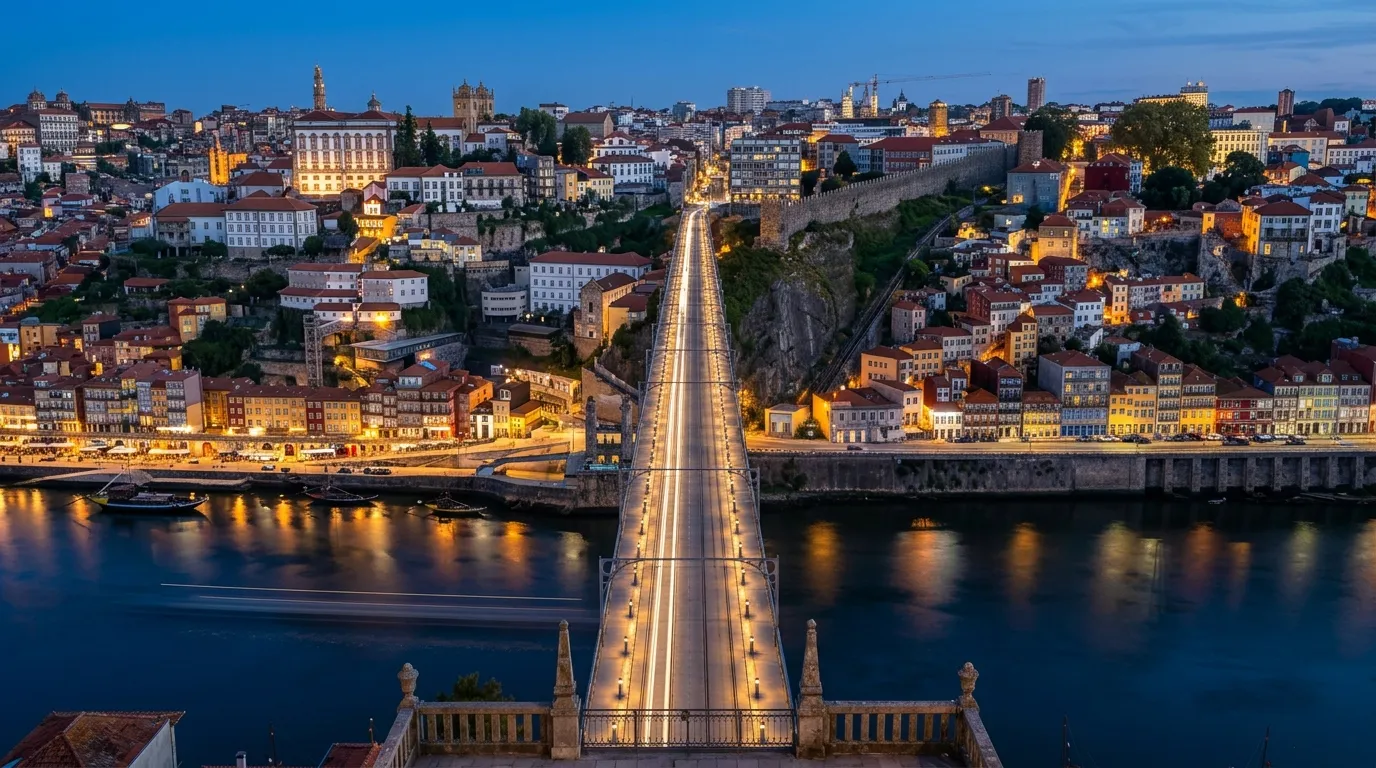
Late afternoon delivers the best light for photographing Ribeira’s colorful facades, with the sun angling warmly across the buildings and reflecting off the Douro; arriving specifically for golden hour is worth building into your schedule rather than treating the district as a midday stop. The upper deck of the Dom Luís I Bridge offers the single best elevated panorama of the whole waterfront, while a spot along the Vila Nova de Gaia quay looking back toward Ribeira captures the classic postcard composition most visitors are chasing.
Vivid, almost surreal color and texture have a way of pulling photographers back to certain landscapes again and again, and Ribeira’s stacked, painted houses are Porto’s version of that pull — for an entirely different kind of otherworldly, texture-driven landscape worth the same dedicated golden-hour planning, this account of the otherworldly landscapes of Cappadocia is worth bookmarking for a future trip.
Getting Around Ribeira: A Note on the Hills
Ribeira is genuinely pedestrian-friendly, but the charming cobblestone streets and the climb back up toward the city center are demanding — this is not a flat riverside stroll, and comfortable, sturdy footwear is essential rather than optional. Porto’s Metro system is accessible and useful for longer distances across the city, but most visitors doing Ribeira and the Gaia wine cellars together won’t need it at all, since the two areas connect directly via the bridge. The historic Tram Line 1 runs along the riverfront west toward Foz do Douro, worth doing once for the experience (around €4 one way) even though the route is limited and the tram moves slowly.
Where to Stay Near Ribeira
In Ribeira itself: The most atmospheric option, with narrow guesthouses and boutique hotels tucked into the district’s historic buildings, though rooms can be small and stairs are a given.
Vila Nova de Gaia: A genuinely strong alternative base, offering the classic postcard view looking back at Ribeira across the river, with easy access to the wine cellars right outside your door.
The upper city (Aliados, Baixa): A flatter, more convenient base for visitors prioritizing easier walking, with the Funicular dos Guindais offering a quick, low-effort connection down to the waterfront.
How to Get to Ribeira
By air: Porto’s Francisco Sá Carneiro Airport connects to the city center via the Metro (roughly 45 minutes) or a taxi (about 20–25 minutes).
Within Porto: Ribeira sits at the bottom of the city’s hills, reachable on foot from most central neighborhoods (expect a genuine climb on the return trip), via the Funicular dos Guindais, or by Metro to the nearby São Bento station followed by a short walk downhill.
How Much Time Do You Need in Ribeira?
Half a day (2–4 hours) covers the waterfront promenade, Praça da Ribeira, a walk across the Dom Luís I Bridge and a meal on the quay. A full day allows time to properly explore Vila Nova de Gaia’s wine cellars, take a Douro river cruise, and add Casa do Infante or a fado performance in the evening.
A Ribeira Day Itinerary
Morning: Coffee and a walk along Cais da Ribeira before the crowds build, Casa do Infante if history is a priority.
Midday: Cross the Dom Luís I Bridge’s upper deck to Vila Nova de Gaia, tour two or three Port wine cellars.
Afternoon: A Douro river cruise for a water-level view of the district, or the Funicular dos Guindais up to the Sé for a change of elevation.
Evening: Dinner at a traditional tasca a block or two off the main waterfront, followed by live fado in Miragaia.
Budget Travel in Ribeira
Porto remains one of Western Europe’s most affordable major cities, and Ribeira reflects that well — walking the waterfront, crossing the Dom Luís I Bridge and exploring Praça da Ribeira all cost nothing, and a standard Port wine cellar tour at €25–35 remains genuinely reasonable for the experience. The Porto Card (€13 for 24 hours, €20 for 48 hours, €25 for 72 hours) covers unlimited Metro and bus travel plus free or discounted entry to more than 90 museums and attractions, and it pays off quickly for visitors planning three or more paid sites during their stay.
A city this scenic staying this affordable is exactly the kind of travel value worth seeking out deliberately — this list of 15 cheap travel destinations that feel expensive rounds up more of that same instinct for a future trip.
Family Travel in Ribeira
Ribeira’s waterfront promenade and the traditional boat rides along the Douro both work well for families, and the novelty of the Funicular dos Guindais tends to delight kids more than the equivalent uphill walk ever would. The steep, uneven cobblestones elsewhere in the district are worth factoring in for families with strollers, where the Funicular or a taxi may be the more practical choice over a long uphill walk.
Solo Travel in Ribeira
Porto consistently ranks among Europe’s more approachable, walkable cities for solo travelers, and Ribeira’s genuinely social café and tasca culture makes solo dining feel entirely normal rather than conspicuous. The compact, pedestrian-friendly waterfront also means solo exploring here rarely requires much logistical planning beyond comfortable shoes and a general sense of direction.
If Ribeira’s ease and walkability as a solo destination appeals to you, it’s well worth adding to a broader list — this guide to the 25 best solo travel destinations for women in 2026 is a useful reference for planning where to go next with that same independent, exploratory spirit.
Safety and Practical Tips
Ribeira is a genuinely safe, well-touristed district, and standard urban precautions apply — keep an eye on belongings in the busiest waterfront areas, particularly during crowded events like São João. The bigger practical consideration here is physical rather than security-related: the district’s steep hills and uneven cobblestones present a real accessibility challenge, and even fit visitors should expect their legs to feel the cumulative climbing by the end of a full day.
If dramatic, elevation-heavy terrain is something you actually enjoy chasing rather than avoiding, Ribeira’s hills are a gentle introduction to that kind of travel — this guide to the fog-draped mountains of the Appalachian Trail covers a considerably more serious version of that same uphill instinct for a future adventure.
Ribeira Packing Checklist
- [ ] Comfortable, sturdy walking shoes for the steep cobblestone streets
- [ ] A camera for golden-hour shots of the colorful facades
- [ ] A light jacket, since evenings along the river can turn cool even in summer
- [ ] Cash or card for the Andante transit card and smaller riverside vendors
- [ ] A reusable water bottle, especially for a full day of hill-climbing
- [ ] Sunscreen and a hat for exposed riverside walking in warmer months
- [ ] A Porto Card if planning three or more paid attractions during your stay
- [ ] A plan for getting home well before midnight if visiting during São João
Frequently Asked Questions About Visiting Ribeira
What is the best time of year to visit Ribeira?
March through October offers the warmest, most pleasant weather for exploring on foot; late June specifically for the Festa de São João, one of Europe’s largest street celebrations.
Is Ribeira a UNESCO World Heritage Site?
Yes — it’s part of the Historic Centre of Porto, inscribed as a UNESCO World Heritage Site in 1996.
How do I get from Ribeira to the Port wine cellars?
Walk across the Dom Luís I Bridge (about 20 minutes from the bottom of the bridge to most cellars) or take the metro across, though walking is typically just as fast given the short distance.
How much does a Port wine cellar tour cost?
Standard tours with tasting generally run €25–35 per person for 60–90 minutes; premium tours featuring vintage or aged tawny ports run €45–75 or more.
What is the Funicular dos Guindais?
A short cliff railway connecting the Ribeira waterfront to the upper city near Batalha, taking about two minutes and costing around €2.50 one way — a practical alternative to a steep stair climb.
When is the Festa de São João in 2027?
Following the traditional pattern tied to Saint John’s Eve, expect the main celebration on the night of June 23–24, 2027, though confirm official dates closer to the event.
Is Ribeira walkable?
Yes, but genuinely demanding — the cobblestone streets and hills climbing away from the waterfront require comfortable, sturdy footwear.
How much time should I spend in Ribeira?
Half a day covers the waterfront and bridge; a full day allows time to properly add Vila Nova de Gaia’s wine cellars and a river cruise.
Is Ribeira expensive to visit?
No — Porto remains one of Western Europe’s most affordable major cities, and many of Ribeira’s best experiences (the waterfront walk, the bridge crossing, Praça da Ribeira) cost nothing.
Is Ribeira good for families?
Yes, particularly the waterfront promenade and Douro boat rides, though the steep cobblestones are worth factoring in for strollers.
Is Ribeira safe for solo travelers?
Yes — Porto is widely regarded as an approachable, walkable city for solo travelers, and Ribeira’s café culture makes solo dining easy.
What is the six bridges cruise?
A roughly 50-minute traditional boat ride along the Douro passing beneath all six of Porto’s bridges, offering a water-level view of Ribeira’s colorful houses.
What’s the best spot for photos in Ribeira?
The upper deck of the Dom Luís I Bridge for a panoramic view, or the Vila Nova de Gaia quay looking back at Ribeira for the classic postcard shot.
What’s the biggest mistake first-time visitors make?
Underestimating the hills and booking too many Port wine cellar tours in a single day, both of which turn an enjoyable visit into an exhausting one.
Is there live fado music in Ribeira?
Yes — Fado Maior do Porto in the nearby Miragaia district hosts live fado every night, in a space built specifically for the tradition.
What should I eat in Ribeira?
Traditional Porto dishes like francesinha and fresh grilled fish, paired with a glass of vinho verde or a Port wine tasting across the river.
Final Thoughts on Visiting Ribeira
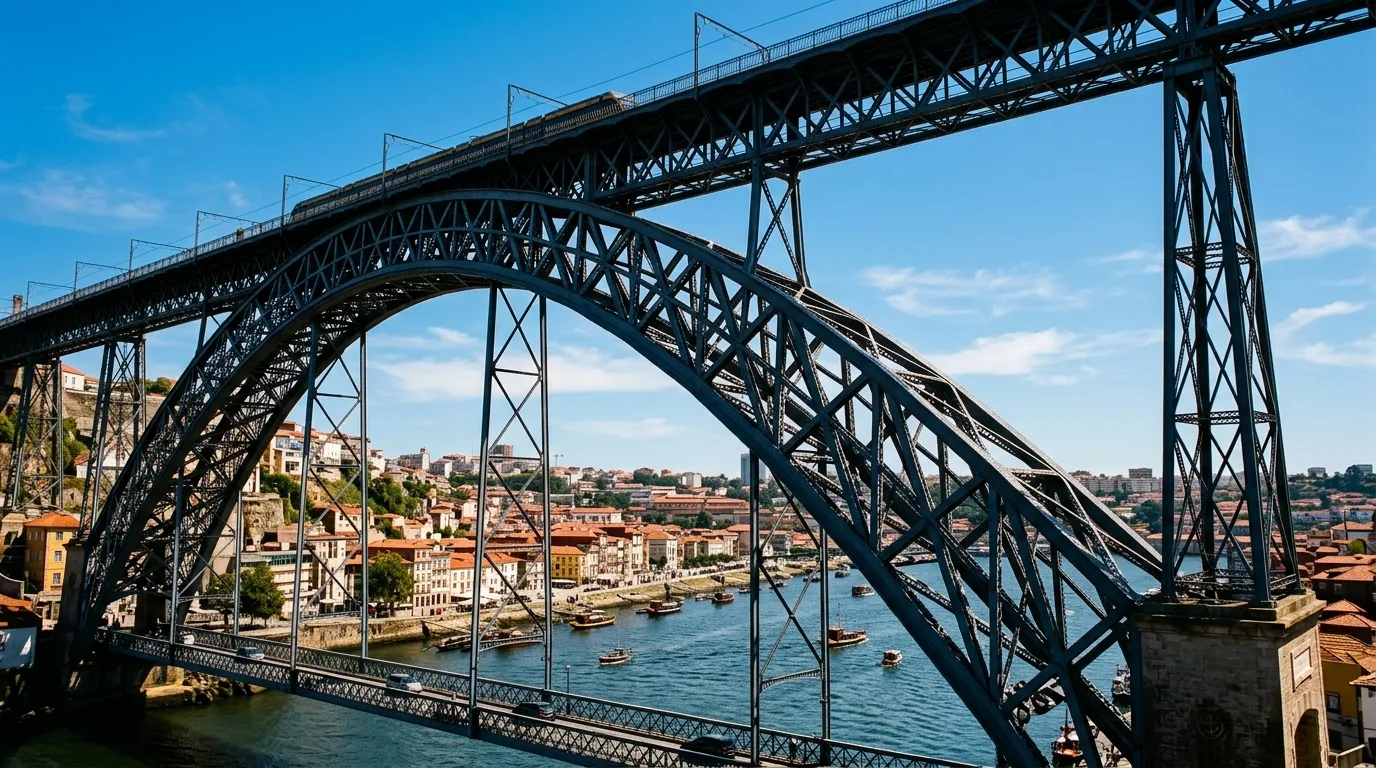
Ribeira earns its place as Porto’s most essential neighborhood through a combination that’s genuinely hard to find elsewhere: centuries of unpolished, still-lived-in history, one of Europe’s most photogenic riverside settings, and direct access across a single iconic bridge to one of the world’s most concentrated wine-tasting districts. It rewards both a rushed golden-hour photo stop and a full, unhurried day in equal measure.
If you’re building a Ribeira visit, budget more time than a quick walk-through suggests — the waterfront itself takes only an hour to see, but the wine cellars across the bridge, a river cruise, and the district’s quieter historical corners easily fill a full day. However you build it, the colorful Ribeira waterfront delivers exactly what draws so many visitors to Porto in the first place: a genuinely lived-in, centuries-old riverside quarter that still looks, at golden hour, almost too perfect to be real.