Besançon Travel Guide: Best Things to Do, Where to Stay, Food and Travel Tips
If you are looking for a French city that feels historic, beautiful, walkable, and a little outside the usual tourist circuit, put Besançon on your list.
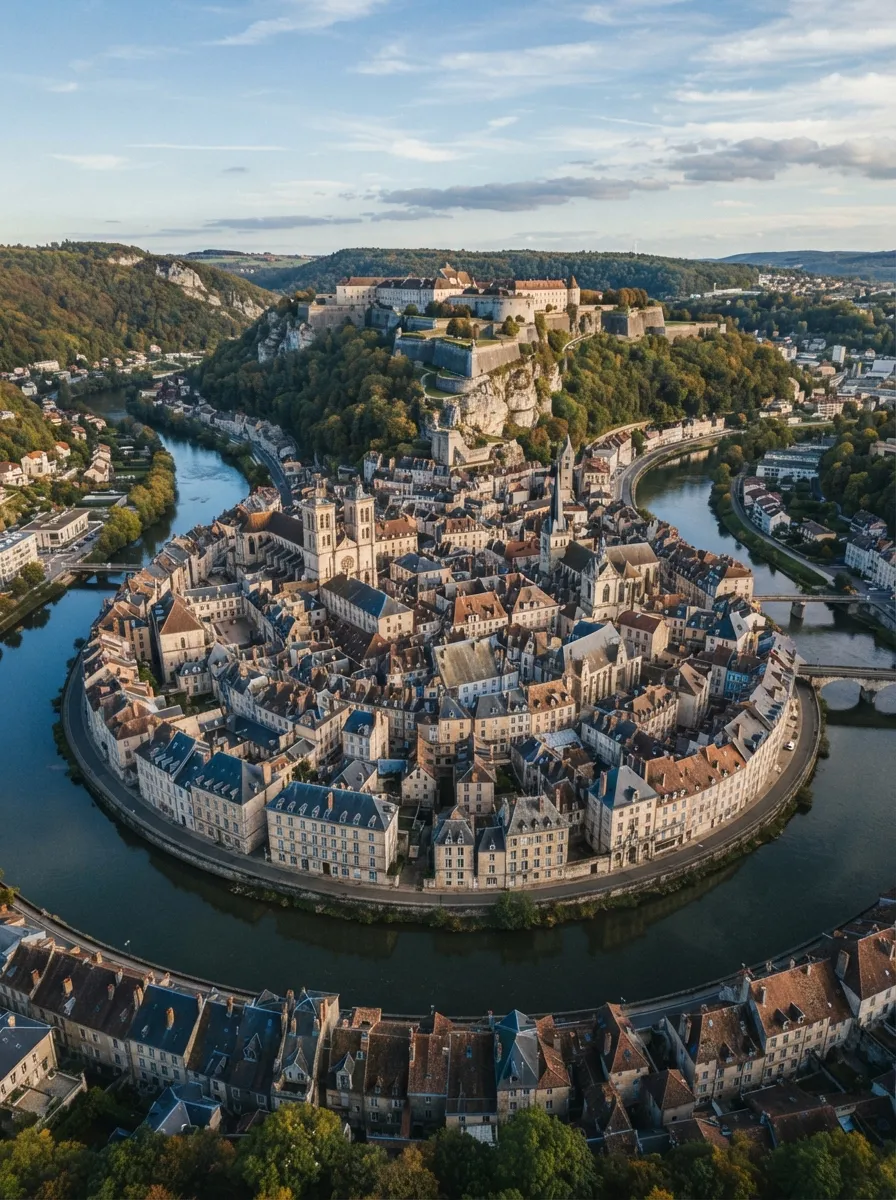
Tucked into eastern France near the Jura Mountains, Besançon wraps around a dramatic loop of the Doubs River. Its old streets are filled with elegant stone buildings, hidden courtyards, cafés, museums, and centuries-old monuments. Above it all sits the enormous Citadel of Besançon, one of Vauban’s great fortifications and a UNESCO World Heritage Site.
But the city is more than a fortress and a pretty old town.
Besançon has Roman history, a strong connection to Victor Hugo, an impressive watchmaking tradition, excellent regional food, and plenty of green space. The official tourism office describes it as a city with around 2,000 years of heritage and a strong connection between culture and nature.
It is also surprisingly easy to reach. Paris can be around 2 hours 5 minutes away by train to Besançon Viotte, while Lyon is around 2 hours 10 minutes and Strasbourg around 1 hour 50 minutes, depending on the service.
So, is Besançon worth visiting?
Absolutely.
Here is how to plan your trip.
Recommended Travel Items for Your Trip
Where Is Besançon?
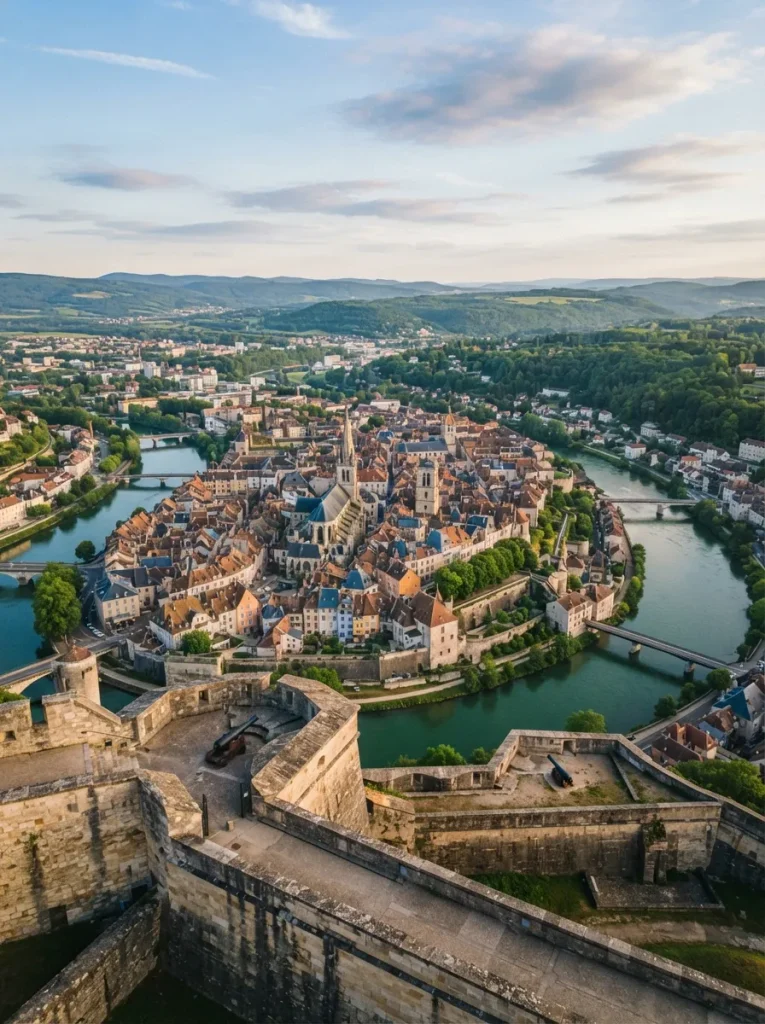
Besançon is in the Bourgogne-Franche-Comté region of eastern France, close to the Jura Mountains and not far from the Swiss border.
The city sits in a natural loop created by the Doubs River. This unusual geography is one reason Besançon is so visually distinctive.
The historic center, known as La Boucle, occupies much of this river loop. It is where you will find many of the city’s most important attractions, including:
- Besançon Citadel
- Porte Noire
- Saint-Jean Cathedral
- Astronomical Clock
- Victor Hugo’s birthplace
- Musée des Beaux-Arts et d’Archéologie
- Musée du Temps
- Quai Vauban
- Place de la Révolution
- Palais Granvelle
The historic center is compact enough to explore largely on foot, making Besançon a pleasant destination for a slower-paced city break.
Is Besançon Worth Visiting?
Yes, especially if you want to see a less predictable side of France.
Besançon works particularly well for travelers who enjoy:
- Historic architecture
- UNESCO World Heritage Sites
- Fortresses
- Museums
- French food
- Walkable city centers
- River scenery
- Smaller French cities
- Photography
- Slow travel
- Day trips and regional road trips
It also makes a good base for exploring parts of Franche-Comté and the Jura.
If this is your first trip to France, you can combine Besançon with larger destinations. If you have already visited the famous French cities, Besançon becomes even more interesting because it offers a different rhythm.
For more destination inspiration, our guide to the most beautiful places in France explores other cities, villages, coastlines, and countryside destinations worth adding to a French itinerary.
Best Things to Do in Besançon
1. Explore the Citadel of Besançon
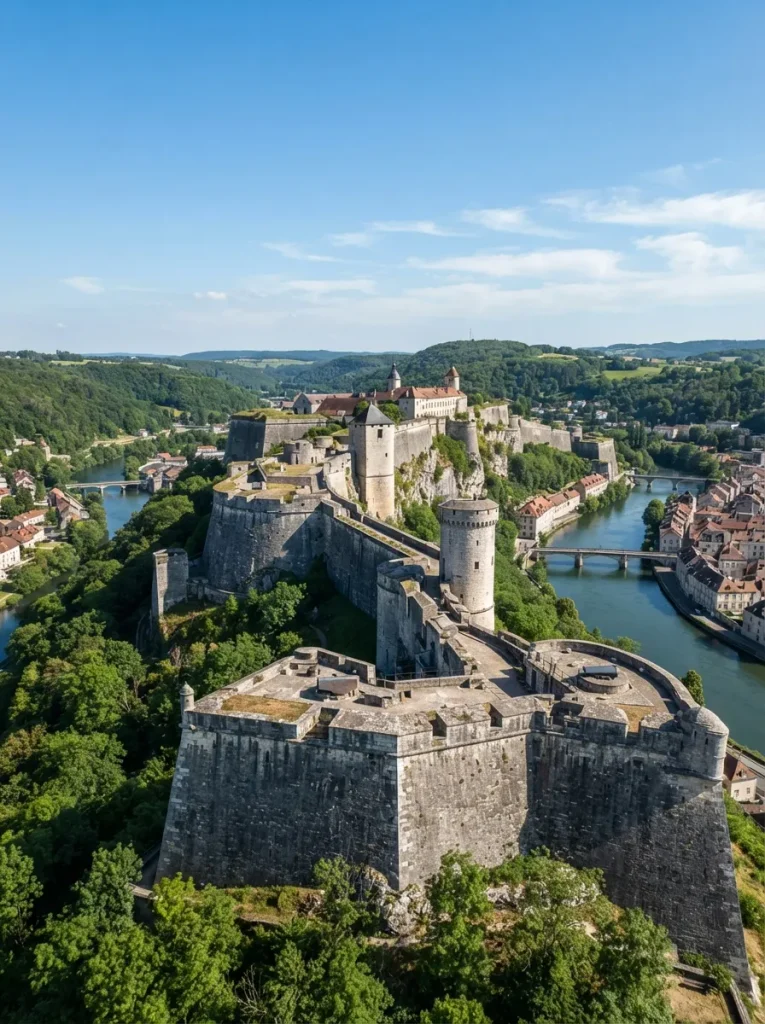
The Citadel should be your first stop.
Built under the direction of Sébastien Le Prestre de Vauban in the late 17th century, the fortress rises more than 100 meters above the old city. It occupies a strategic rocky promontory inside the Doubs loop and is part of the UNESCO World Heritage listing for Vauban’s fortifications.
The views alone make the visit worthwhile.
From the ramparts, you can look across the historic center, river, surrounding hills, and fortifications.
But do not treat the Citadel as simply a viewpoint.
Inside, you will find several museums and attractions, including the Musée Comtois, the Musée de la Résistance et de la Déportation, and natural-history facilities.
Give yourself several hours if you want to explore properly.
2. Walk Through La Boucle
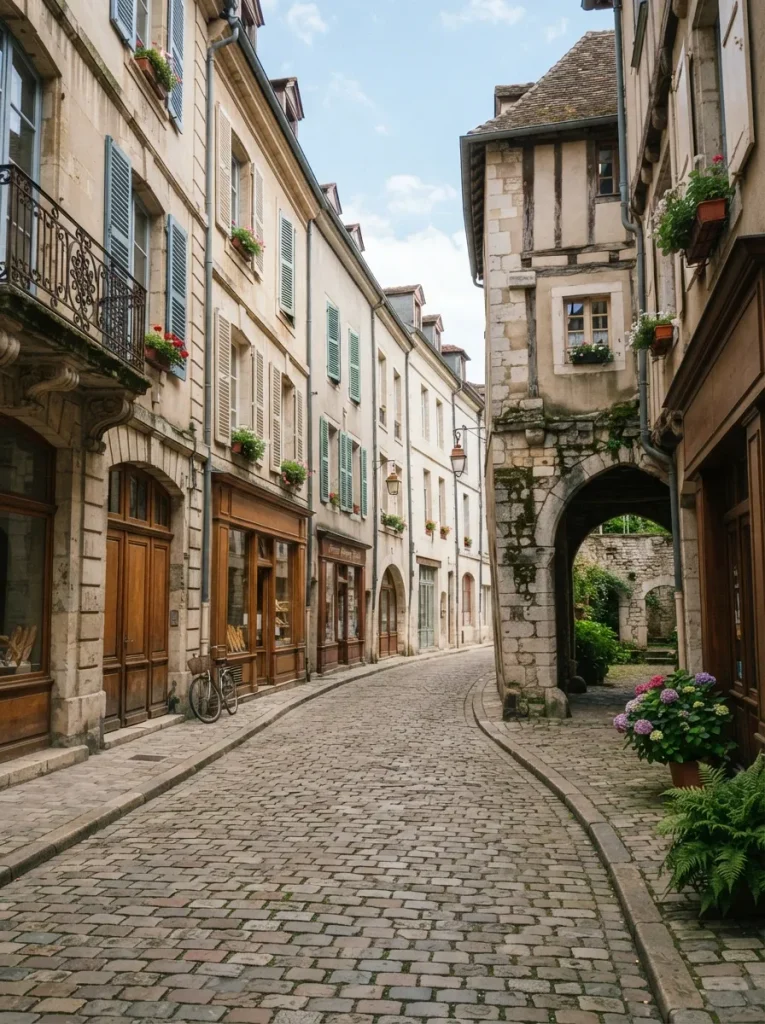
La Boucle is the historic heart of Besançon.
This is where you should slow down and wander rather than following a rigid checklist.
Look for:
- Old stone façades
- Courtyards
- Arcaded buildings
- Small squares
- Independent shops
- Cafés
- Historic doorways
- Riverfront views
The city tourism office describes the central area as a largely pedestrian historic district with a remarkable concentration of architecture and museums.
The best part is that you do not need to chase every attraction.
Walk.
Look up.
Follow an interesting street.
Then stop for coffee.
That is often when Besançon starts making sense.
3. See Quai Vauban
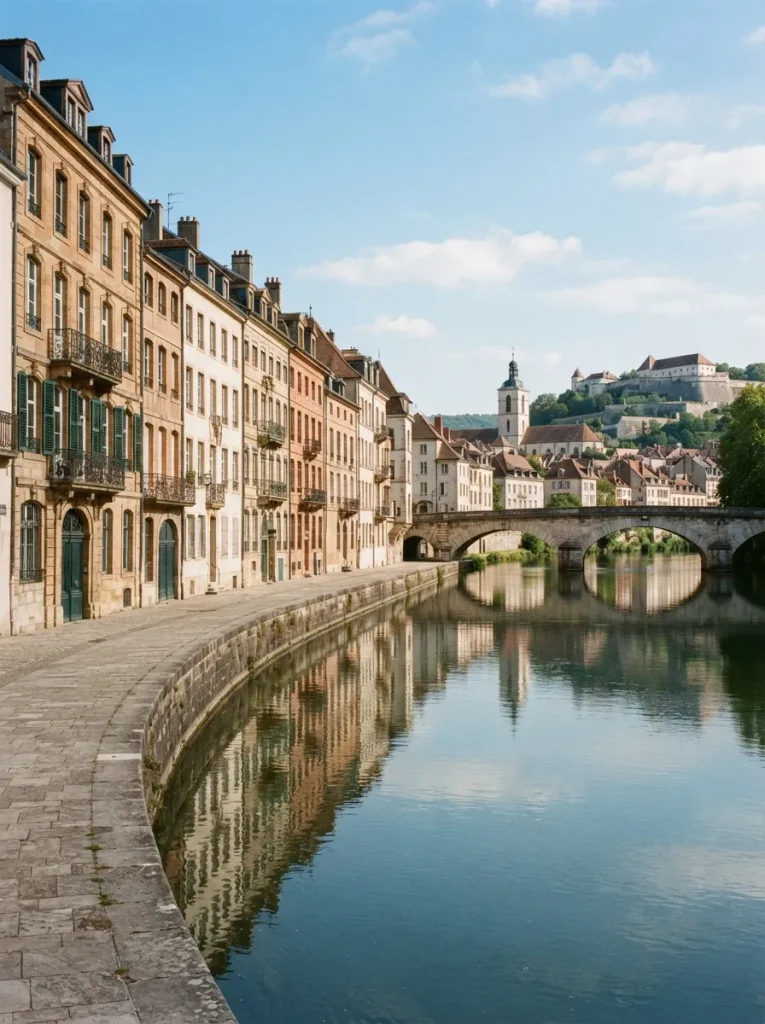
Quai Vauban is one of the most recognizable waterfront areas in the city.
The elegant buildings along the Doubs create a beautiful urban scene, especially when viewed from across the river.
It is a great location for photography because you get several elements together: historic architecture, water, bridges, and the city’s distinctive stonework.
The old center’s façades also show the characteristic blue and ochre tones of local Chailluz stone.
4. Visit Porte Noire
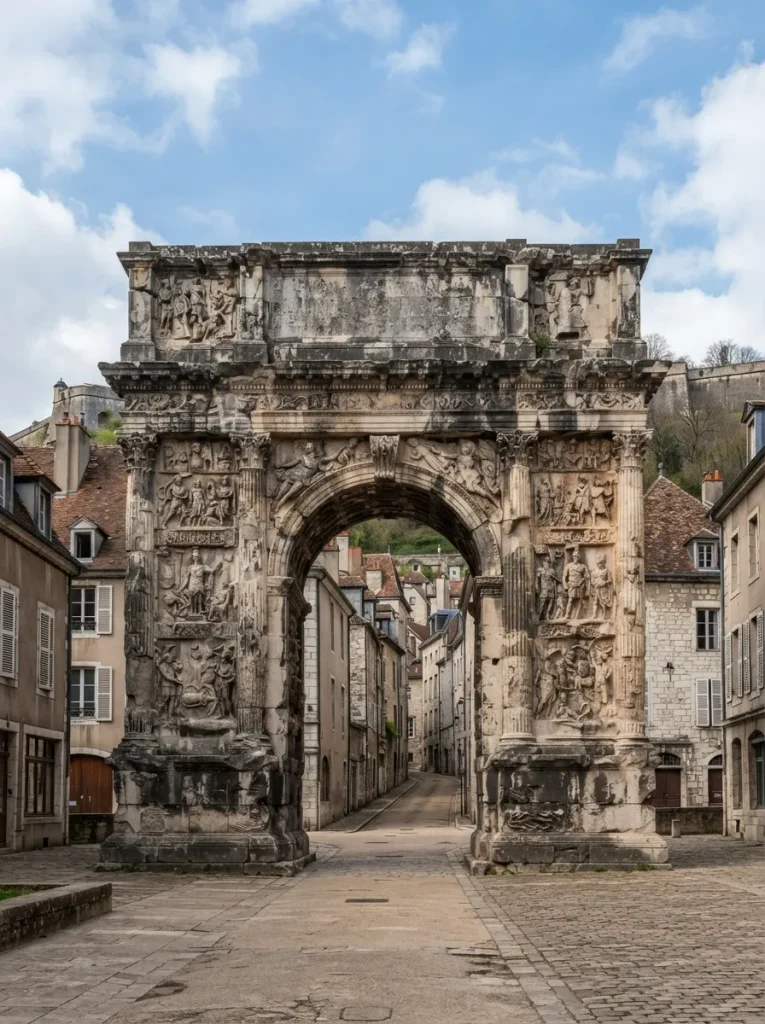
Porte Noire is a reminder that Besançon’s history goes much further back than the era of Vauban.
This Roman triumphal arch dates to the 2nd century and stands close to Saint-Jean Cathedral and the Citadel.
It is easy to include in a walking route through the historic center.
Nearby, Square Castan adds another interesting archaeological stop.
5. Visit Saint-Jean Cathedral
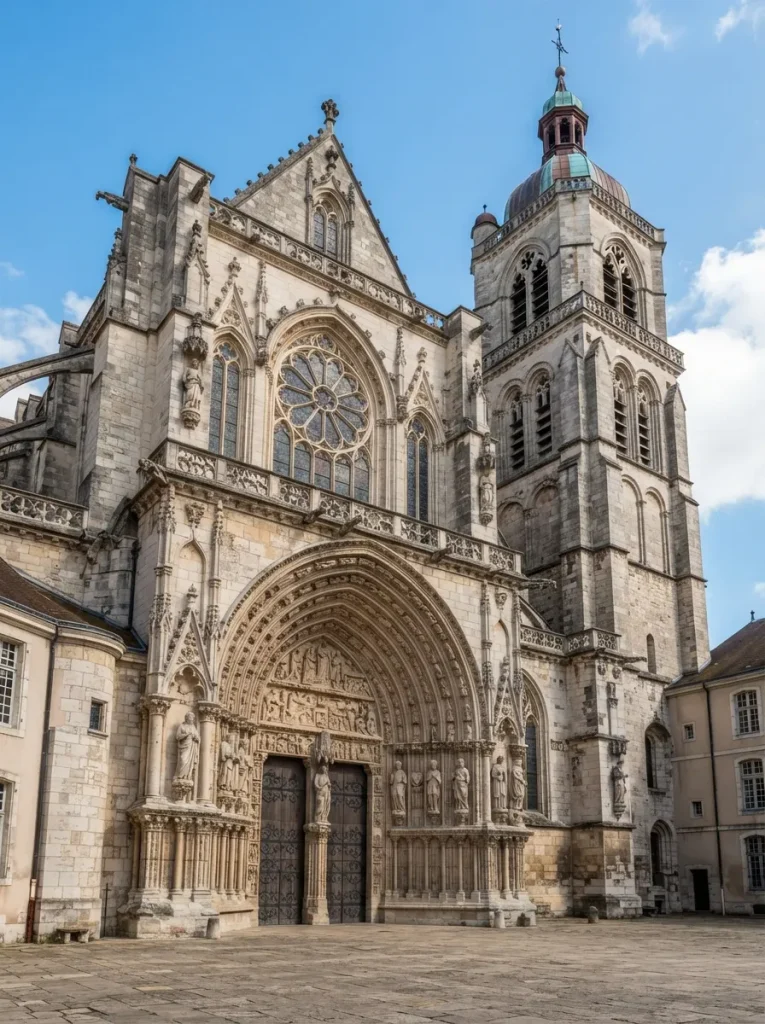
Saint-Jean Cathedral is one of the city’s important historic landmarks.
It is especially famous for the Astronomical Clock housed inside the cathedral complex.
Even if you are not normally interested in clocks, this is worth seeing.
6. See the Astronomical Clock
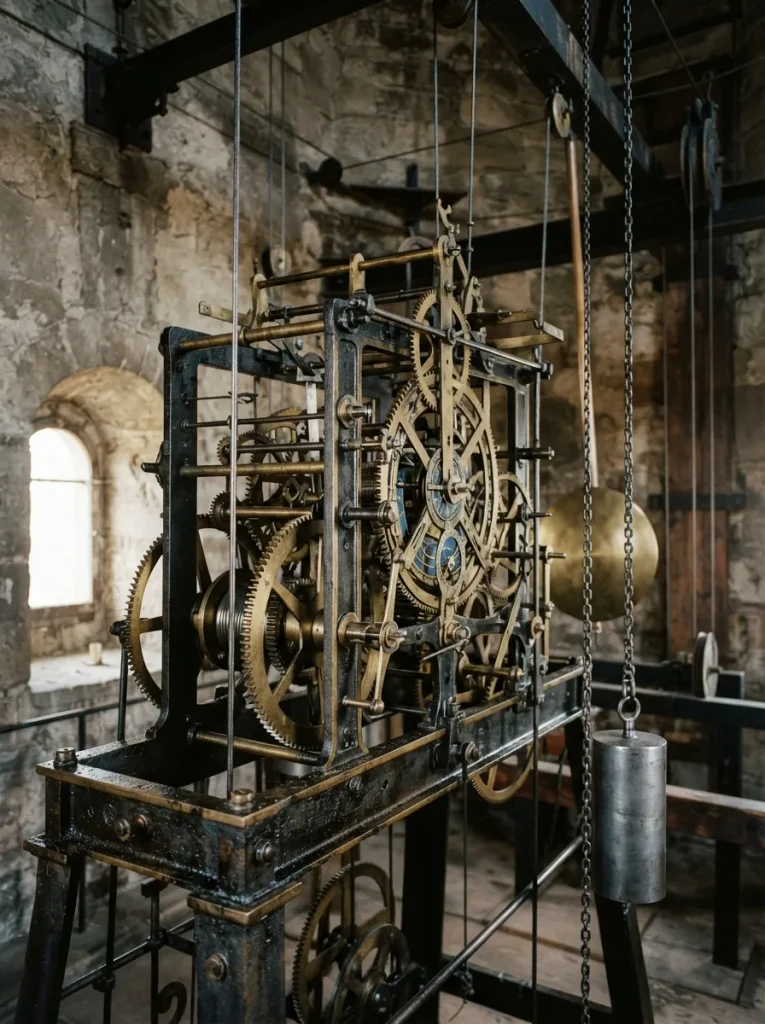
Besançon’s Astronomical Clock is one of the city’s most unusual attractions.
Created by clockmaker Auguste-Lucien Vérité between 1858 and 1860, the mechanism contains more than 30,000 parts and 57 dials. The displays cover subjects including calendars, planetary movements, eclipses, and tides.
The clock is currently at a standstill while restoration work is planned, so check the latest visitor information before your trip.
The tourism office currently lists guided visits and seasonal opening information, with advance booking sometimes required because the room is small.
7. Visit Victor Hugo’s Birthplace
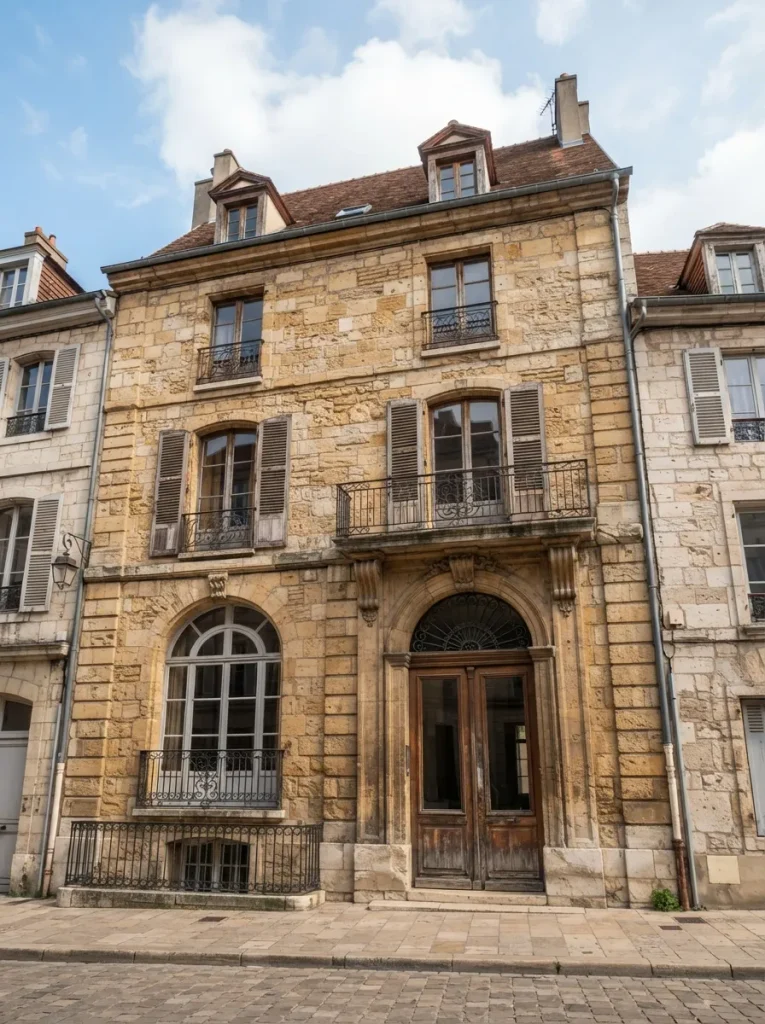
Victor Hugo was born in Besançon in 1802.
His birthplace has been turned into a museum dedicated to the famous French writer and his life.
It is located close to the cathedral and Citadel, so it is easy to combine with other historic attractions.
Even if you are not a huge literature fan, it is an interesting way to understand Besançon’s connection to one of France’s most famous writers.
8. Explore the Musée des Beaux-Arts et d’Archéologie
Art lovers should make time for this museum.
The Musée des Beaux-Arts et d’Archéologie is particularly important because its public collection dates back to 1694, making it the oldest public collection in France according to Besançon’s tourism office.
The collection includes paintings, sculptures, archaeological objects, and works spanning different periods.
It is also an excellent rainy-day attraction.
9. Visit the Musée du Temps
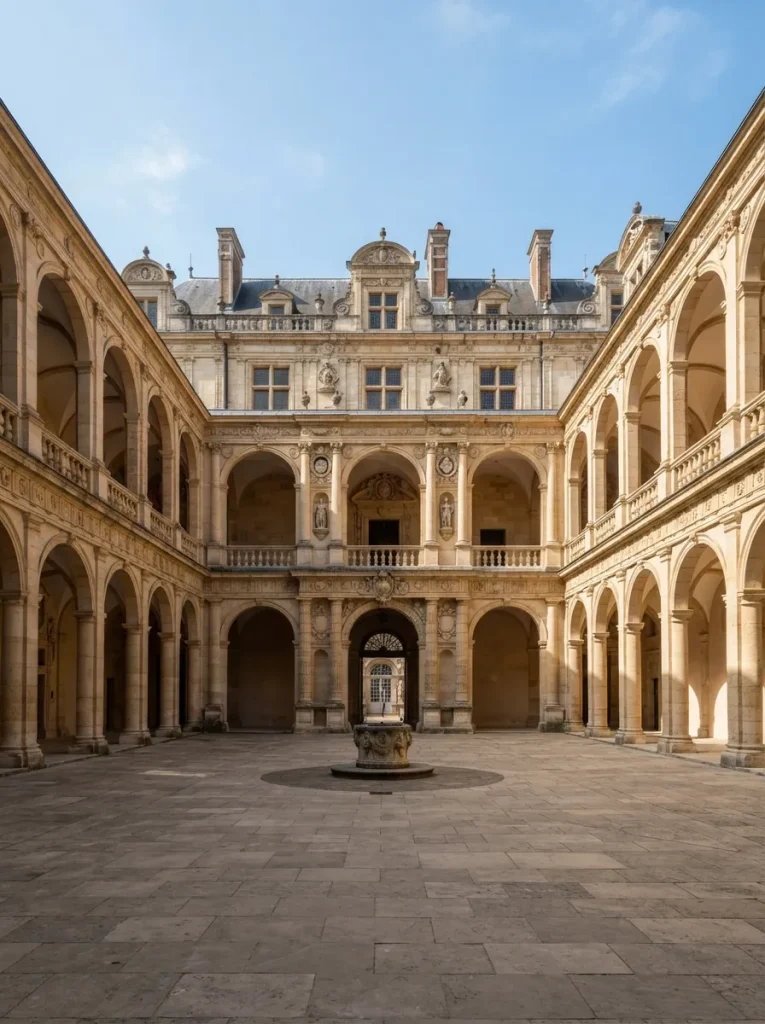
Besançon has a long relationship with watchmaking and precision engineering.
The Musée du Temps, housed in the Palais Granvelle, explores this heritage through clocks, watches, scientific instruments, and other objects connected with measuring time.
The city’s watchmaking and art-mechanics know-how was added to UNESCO’s Intangible Cultural Heritage list in 2020 as part of the French-Swiss Jura Arc tradition.
This gives Besançon a fascinating identity that goes beyond its architecture.
The city is not just old.
It is also a place where precision and engineering became part of the local culture.
10. Walk Along the Doubs River
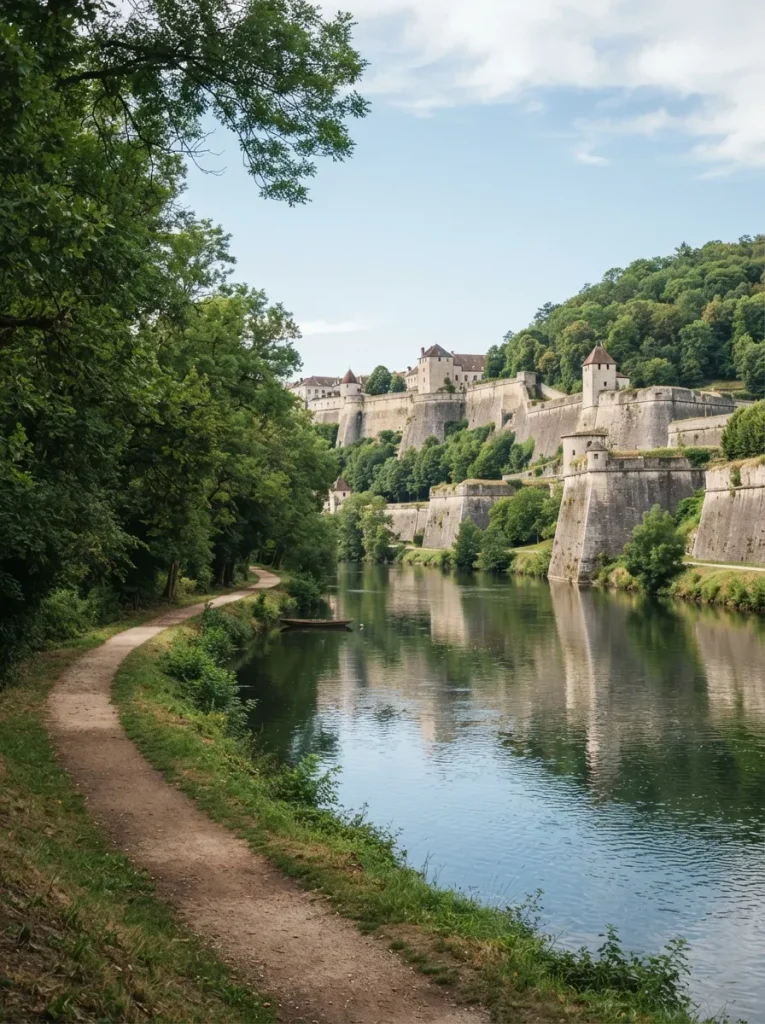
You do not have to spend your entire trip inside museums.
The Doubs gives Besançon a natural side that is easy to enjoy.
Walk along the river, cross its bridges, and look back toward the old city.
The surrounding area also offers hiking, cycling, and other outdoor activities, with the Jura Mountains providing a natural backdrop.
For travelers who like combining city breaks with nature, this is one of Besançon’s biggest advantages.
Best Places to Visit Near Besançon
If you have extra time, do not limit yourself to the city center.
The surrounding region offers plenty of opportunities for day trips.
Musée des Maisons Comtoises
In Nancray, this open-air museum showcases traditional buildings and architectural styles from the Franche-Comté region.
It is a useful stop if you want to understand how people historically lived in the surrounding countryside.
Osselle Cave
For something completely different, head underground.
Grotte d’Osselle is a cave system that offers an unusual contrast to Besançon’s historic streets and fortifications. The tourism office includes it among the region’s notable attractions.
The Jura Mountains
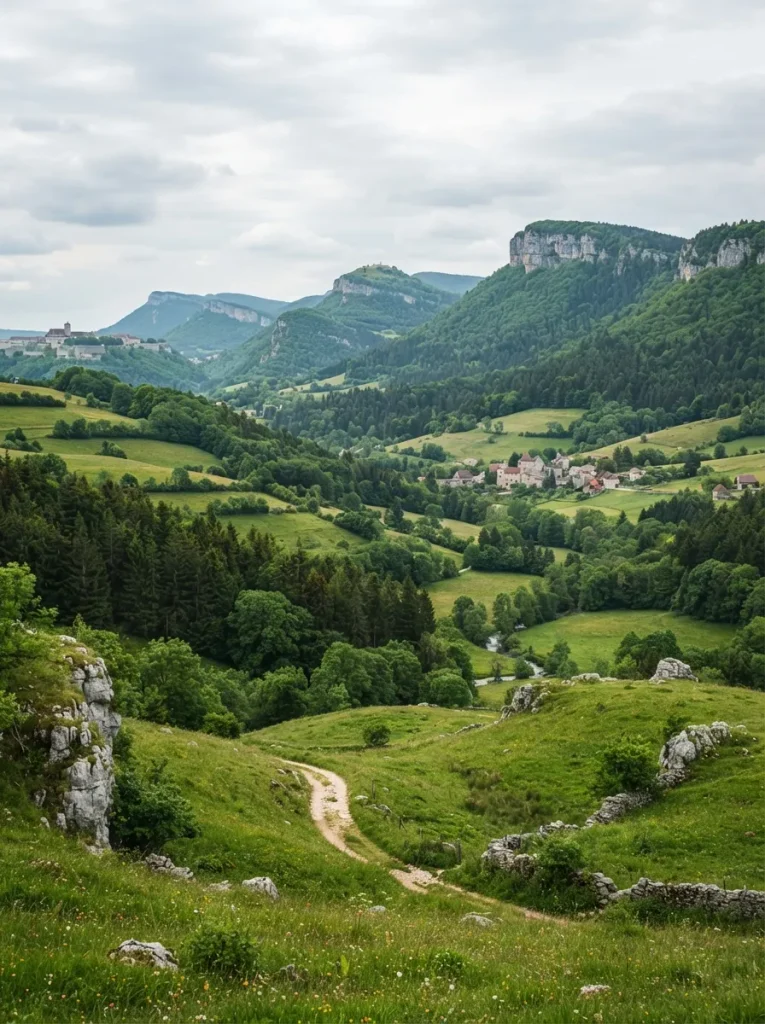
The Jura is the natural playground around Besançon.
Depending on the season, you can explore hiking trails, viewpoints, forests, cycling routes, and winter activities.
If your trip is longer than a weekend, this is where renting a car can become more useful.
What to Eat in Besançon

You should not visit Besançon without trying some Franche-Comté specialties.
The regional food is hearty, rustic, and wonderfully suited to colder weather.
Look for:
Comté
Comté is probably the region’s most famous cheese.
Try different ages of Comté because the flavor can change considerably with maturation.
Cancoillotte
This soft, creamy cheese is another local favorite.
It is particularly good when served warm.
Mont d’Or
Mont d’Or is a seasonal cheese traditionally sold in a spruce box.
The tourism office lists it as being available roughly from September 10 through May 10, although exact availability can vary.
Saucisse de Morteau
This smoked sausage from the region is a classic.
It is often served with potatoes and other hearty accompaniments.
Saucisse de Montbéliard
Another regional smoked sausage worth trying.
Local pastries and sweets
Keep some room for regional desserts and bakery specialties.
And if you prefer non-alcoholic drinks, look for Mortuacienne, a traditional artisanal lemonade associated with Morteau.
Best Time to Visit Besançon
There is no single best season.
It depends on what you want.
| Season | Why Visit | What to Expect |
| Spring | Green landscapes and sightseeing | Mild weather, fresh scenery |
| Summer | Outdoor activities | Longer days, warmer weather |
| Fall | Food and photography | Autumn colors, cooler temperatures |
| Winter | Cozy city break | Cold weather, seasonal atmosphere |
Spring
Spring is a great choice for combining historic sightseeing with outdoor walks.
The surrounding countryside becomes greener, and temperatures are generally comfortable for exploring on foot.
Summer
Summer gives you the longest days and more opportunities for outdoor activities.
It can also be the busiest period for major attractions.
Fall
Fall is particularly appealing if you like photography and food.
The surrounding landscapes become colorful, and the region’s hearty cuisine starts feeling even more appropriate.
Winter
Winter gives Besançon a quieter atmosphere.
It is also a good time to focus on museums, cafés, architecture, and food.
If you are planning a broader European Christmas trip, you may also want to compare Besançon with destinations in our guide to the best Christmas travel destinations.
How Many Days Do You Need in Besançon?
One day
You can see the highlights, but you will need to move efficiently.
Prioritize:
- Citadel
- Old town
- Quai Vauban
- Saint-Jean Cathedral
- Astronomical Clock
- One museum
Two days
Two days is much better.
You can explore the Citadel without rushing, walk through La Boucle, visit a museum, enjoy local food, and spend some time along the Doubs.
Three days
Three days gives you room for a slower experience and potentially a nearby attraction or countryside excursion.
For most travelers, two to three days is the sweet spot.
A Simple 2-Day Besançon Itinerary
Day 1: Citadel and Old Town
Morning
Start at the Citadel.
Explore the fortifications, museums, and viewpoints.
Lunch
Head back toward the historic center for a regional meal.
Try Comté, a local specialty, or a traditional Franche-Comté dish.
Afternoon
Explore La Boucle.
Walk along Quai Vauban and visit Porte Noire.
Evening
Have dinner in the historic center and enjoy an evening walk through the old streets.
Day 2: Museums and the River
Morning
Visit Saint-Jean Cathedral and the Astronomical Clock.
Then visit Victor Hugo’s birthplace.
Afternoon
Spend time at the Musée des Beaux-Arts et d’Archéologie or Musée du Temps.
Late afternoon
Walk beside the Doubs and enjoy a slower end to the day.
Evening
Have one final regional meal before leaving the next morning.
How to Get to Besançon
Train is one of the easiest ways to reach the city.
Besançon has two main railway stations:
- Besançon Viotte, located in the city center
- Besançon Franche-Comté TGV, outside the center
A TER shuttle connects the TGV station with the city center.
The tourism office lists approximate rail connections of:
- Paris: 2 hours 5 minutes
- Strasbourg: 1 hour 50 minutes
- Lyon: 2 hours 10 minutes
- Marseille: 3 hours 30 minutes
- Brussels: 4 hours 50 minutes
- London: 6 hours
Actual journey times and schedules vary, so check current SNCF schedules before booking.
By car
Besançon is also well connected by road through the A36 motorway.
A car becomes particularly useful if your plan includes rural areas, Jura villages, caves, hiking locations, or a wider road trip.
How to Get Around Besançon
For the historic center, walking is the easiest option.
You can combine walking with public transportation when needed. The city’s mobility network includes buses, trams, bike rental, park-and-ride facilities, and a special Citadel shuttle.
This is another reason Besançon works well as a short city break.
You do not need to spend half your vacation sitting in traffic.
Where to Stay in Besançon
For a first visit, staying near the historic center is usually the easiest choice.
Old Town
Best for:
- First-time visitors
- Sightseeing
- Restaurants
- Architecture
- Walking
You can step outside and immediately be surrounded by historic Besançon.
Around the train station
Best for:
- Short stays
- Train travelers
- Early departures
- Travelers carrying luggage
It may not have the same atmosphere as the old town, but convenience can win.
Near the Doubs
Best for:
- Scenic stays
- Couples
- Travelers who enjoy evening walks
- A quieter atmosphere
Is Besançon Expensive?
Compared with France’s biggest tourist destinations, Besançon can be a relatively manageable city break.
Your main costs will usually be:
- Accommodation
- Food
- Museum and attraction tickets
- Transportation
- Day trips
The Citadel and major museums are the attractions where you should check current admission prices before visiting.
A useful way to control your budget is to spend part of each day simply walking.
Besançon rewards that approach.
You can see historic architecture, river scenery, squares, bridges, and old streets without paying an entrance fee for every experience.
Besançon Travel Tips
Wear comfortable shoes
The historic center is made for walking.
You will encounter uneven surfaces, steps, slopes, and plenty of streets where comfortable footwear is more valuable than fashionable footwear.
Check attraction schedules
Museum and monument hours change seasonally.
Some attractions also close on Mondays or certain holidays. Check official opening times before building your itinerary. The Astronomical Clock, for example, has seasonal opening arrangements.
Book popular attractions ahead when required
The Astronomical Clock can have limited visitor capacity, and certain guided experiences require reservations.
Leave time for wandering
This is important.
Do not turn Besançon into a scavenger hunt where you rush from one attraction to another.
The city is at its best when you leave some space in your schedule.
Bring a jacket outside summer
Even when the city center feels comfortable, weather can change quickly, particularly when spending time near the river or heading into the surrounding hills.
Is Besançon Good for Families?
Yes.
The city offers a useful mix of museums, history, outdoor space, and attractions that can appeal to different ages.
The Citadel is particularly versatile because it combines history with natural-history attractions and family-oriented activities.
Families can also break up museum visits with walks along the river or outdoor activities.
Is Besançon Good for Couples?
Very much so.
Besançon is not a city that tries to overwhelm you with giant attractions.
Instead, it offers:
- Riverside walks
- Historic streets
- Scenic viewpoints
- Cozy restaurants
- Elegant architecture
- Museums
- Quiet evening walks
It is a good destination for couples who prefer exploring together rather than following a packed tour schedule.
Can You Combine Besançon With Other French Destinations?
Yes.
Besançon works particularly well as part of a broader eastern France itinerary.
You could combine it with:
- Dijon
- Dole
- Belfort
- Strasbourg
- Lyon
- Jura villages
- Swiss destinations across the border
The city also sits within easy reach of several major European routes.
If you are considering France not just for a vacation but as a place to spend more time, our guide to beautiful areas of France explores regions that offer very different lifestyles and landscapes.
Besançon vs Other French Cities
| If You Want… | Consider |
| Big-city energy | Paris |
| Mediterranean coast | Nice |
| Food and culture | Lyon |
| Wine and elegant architecture | Bordeaux |
| Medieval atmosphere | Strasbourg |
| A quieter historic city | Besançon |
| Mountains and outdoor activities | Besançon + Jura |
| Castles and countryside | Loire Valley |
Besançon is not trying to compete with Paris.
That is precisely why it works.
It gives you a more relaxed French experience while still delivering serious history and architecture.
A Perfect 3-Day Besançon Plan
If you have three days, this would be my general structure:
Day 1
- Citadel
- Citadel museums
- Panoramic views
- Old town
- Quai Vauban
- Dinner in La Boucle
Day 2
- Saint-Jean Cathedral
- Astronomical Clock
- Victor Hugo birthplace
- Musée du Temps
- Musée des Beaux-Arts
- Evening river walk
Day 3
Choose your personality:
History: More museums and fortifications
Nature: Jura or countryside excursion
Food: Markets, regional specialties and a slower restaurant-focused day
Photography: River, Citadel viewpoints, old streets and surrounding landscapes
If you enjoy national parks and dramatic scenery as much as historic cities, you could even use Besançon as part of a larger France-to-Europe itinerary before heading toward the Alps.
For a completely different landscape and travel experience, our guide to the best sights in Jasper National Park is a good contrast. Besançon’s fortified river loop and Jura landscapes are a very different kind of adventure from the Canadian Rockies.
Frequently Asked Questions About Besançon
Is Besançon worth visiting?
Yes. Besançon is worth visiting for its UNESCO-listed Vauban fortifications, historic center, museums, river scenery, watchmaking heritage, and regional food.
How many days are enough for Besançon?
Two days is ideal for the major attractions. Three days gives you more time for museums, food, walking, and a nearby excursion.
What is Besançon famous for?
Besançon is especially famous for its Citadel and Vauban fortifications, watchmaking heritage, Astronomical Clock, Victor Hugo connection, and Franche-Comté cuisine.
Is Besançon a walkable city?
Yes. Much of the historic center is compact and pedestrian-friendly, making walking one of the best ways to explore it.
Is Besançon expensive?
It can be less expensive than France’s biggest tourist destinations, particularly if you focus on walking, local restaurants, museums, and regional day trips. Prices vary considerably by accommodation and season.
What food should I try in Besançon?
Try Comté, Cancoillotte, Mont d’Or, Saucisse de Morteau, and Saucisse de Montbéliard. These are among the best-known specialties of Franche-Comté.
Can I visit Besançon in winter?
Yes. Winter is a good time for museums, historic architecture, regional food, and a quieter atmosphere. Just check attraction opening hours because some schedules change during the winter season.
Final Thoughts
Besançon is the kind of French destination that becomes more interesting the longer you look at it.
At first, you notice the Citadel.
Then you notice the river.
Then the old stone buildings.
Then the Roman arch, the cathedral, the clock, the museums, the watchmaking history, and finally the food.
That combination is what makes the city special.
It is historic without feeling frozen in the past, cultural without being overwhelming, and surrounded by enough nature to keep outdoor travelers interested.
If your idea of France goes beyond ticking famous cities off a list, give Besançon a place on your itinerary.
Spend two or three days here, walk without rushing, climb up to the Citadel, eat something made with Comté, follow the Doubs, and let the city reveal itself one street at a time.
That is the Besançon experience.