17 Most Beautiful Places to Visit in France: The Ultimate Journey Through Cities, Villages, Coastlines and Countryside
France has a talent for making ordinary moments feel carefully composed.
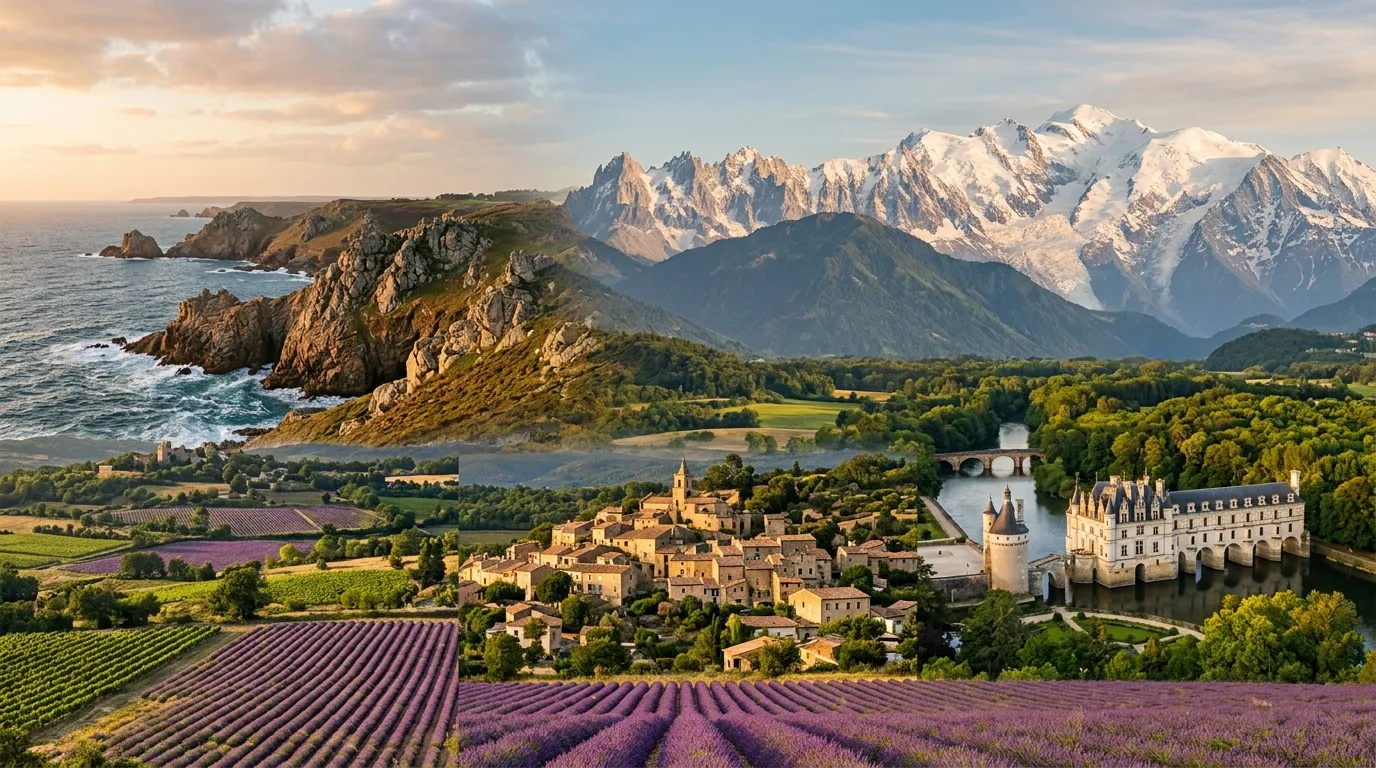
A waiter places coffee on a tiny metal table while morning light reaches a Parisian balcony. Church bells drift across a Provençal village. Waves strike the granite coast of Brittany, vineyards fold across Burgundy, and snow-covered mountains rise behind the rooftops of an Alpine town.
Then lunch arrives, and the entire itinerary loses authority.
France is one of those countries travelers think they already know. The Eiffel Tower, Riviera beaches and lavender fields have been photographed into familiarity. Yet the deeper pleasure of traveling through France comes from discovering how dramatically the country changes between regions.
Paris feels nothing like the fishing ports of Brittany. Provence trades northern stone and rain for ochre villages, olives and cicadas. Alsace looks toward Central Europe through timber-framed towns and vineyard roads. The French Alps deliver glaciers and high passes, while the Atlantic coast opens into dunes, islands and seafood markets.
This France travel guide covers the country’s most beautiful destinations, including iconic cities, romantic villages, historic regions, mountain escapes and coastal road trips. You will also find a practical itinerary, comparison table, seasonal advice, transportation guidance, safety notes and a packing checklist.
Recommended Travel Items for Your Trip
FRANCE AT A GLANCE
Best overall months: May, June and September
Best for Paris and cities: April through June and September through October
Best for Provence: May, June and September
Best for lavender: Usually late June through July, depending on location and weather
Best for the French Riviera: May, June and September
Best for skiing: December through March
Ideal first trip: 10 to 14 days
Best transport: High-speed train between cities, rental car in rural areas
Currency: Euro
Main gateways: Paris Charles de Gaulle, Paris Orly, Nice, Lyon, Marseille and Bordeaux
Why France Is Worth Exploring Beyond Paris
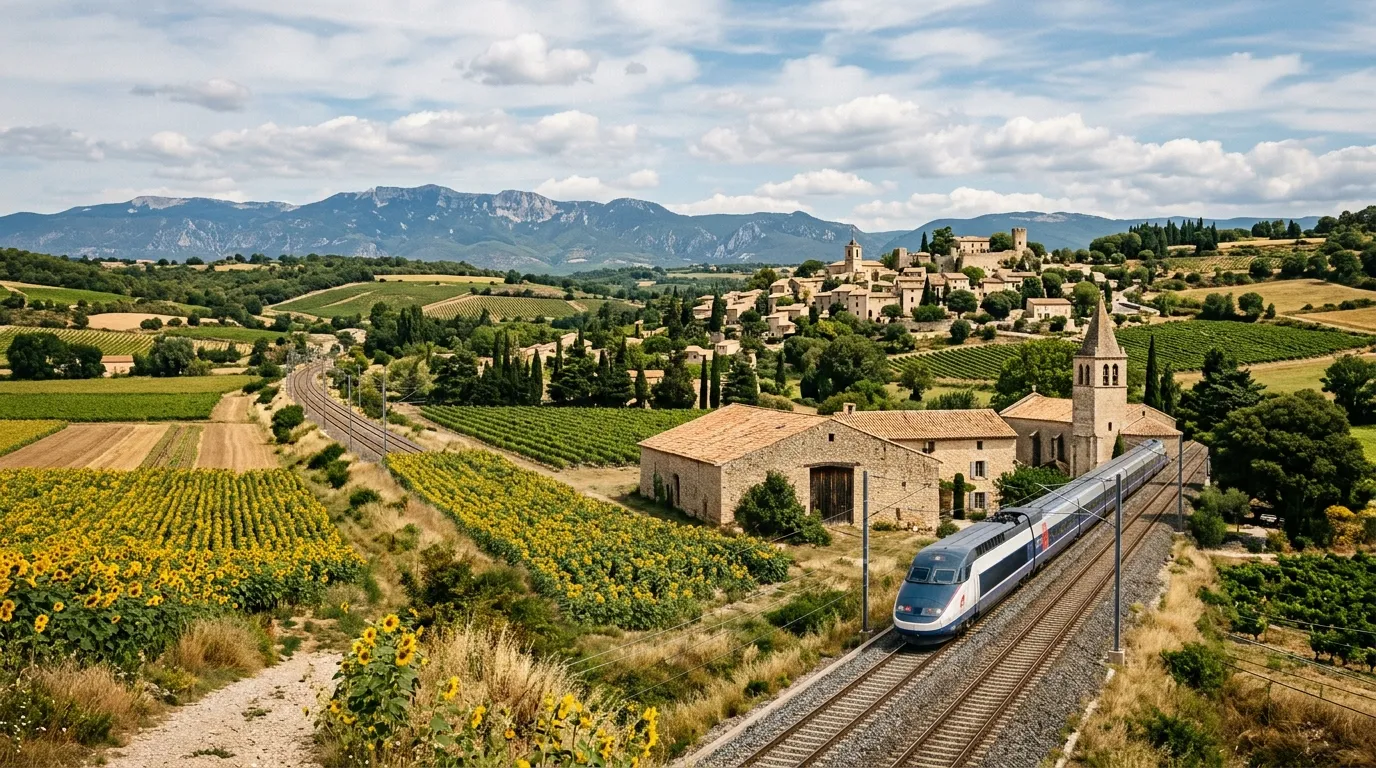
Paris deserves its reputation, but France becomes more memorable once the capital is no longer carrying the entire trip.
The official tourism board presents France as a collection of dramatically different regions, from Brittany and the Loire Valley to Provence, Bordeaux, the Alps and the Mediterranean coast.
France works particularly well for travelers who enjoy variety without constant flights. High-speed trains connect major cities, while regional rail services reach smaller towns and rural landscapes. SNCF Connect combines TGV INOUI, OUIGO, TER, Intercités and international rail services in one booking system.
A single journey can combine:
- World-class museums
- Medieval villages
- Mediterranean beaches
- Alpine hiking
- Vineyard roads
- Roman monuments
- Atlantic islands
- Hilltop castles
- Café culture
- Regional food traditions
Travelers enchanted by France’s landscapes may also enjoy these stunning areas in France, which explore beautiful regions that inspire visitors to imagine a much longer stay.
The Best Places to Visit in France
1. Paris
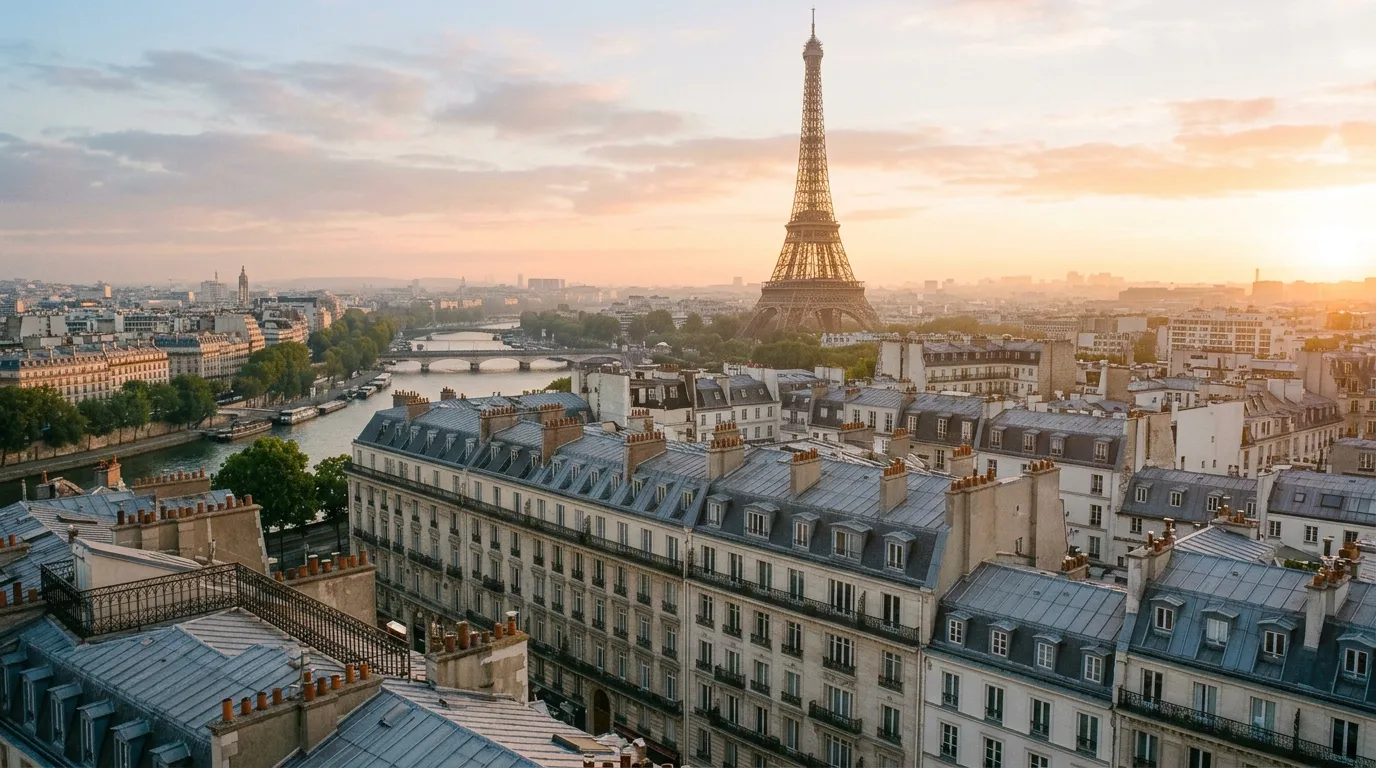
Paris is not merely the opening act of a France itinerary. It is a city capable of consuming the entire production.
The famous landmarks matter. The Eiffel Tower still commands the skyline. The Louvre contains centuries of art, Notre-Dame has returned to the heart of the city, and the Arc de Triomphe offers one of the most dramatic elevated views over Parisian avenues.
Yet Paris becomes most enjoyable when you stop treating it as a checklist.
Walk along the Seine before breakfast. Browse bookshops in the Latin Quarter. Sit beside the Canal Saint-Martin, wander through Montmartre after the day-trippers leave and spend an afternoon inside a smaller museum without trying to calculate its global importance.
France’s tourism authority highlights Paris’s neighborhoods as distinct worlds, from Montmartre and the Latin Quarter to the major monuments, gardens and museums.
Best Things to Do in Paris
- Visit the Eiffel Tower
- Explore the Louvre
- See Notre-Dame Cathedral
- Walk through the Marais
- Visit Musée d’Orsay
- Explore Montmartre early in the morning
- Walk beside the Seine
- Visit Sainte-Chapelle
- Relax in Luxembourg Gardens
- See Paris from the Arc de Triomphe
- Browse the covered passages
- Take an evening river cruise
How Long to Stay
Allow at least four full days.
Six days are better for travelers who enjoy art, food and neighborhood wandering. Paris rewards repetition. The second quiet coffee often reveals more than the sixth monument.
PARIS PLANNING TIP
Group attractions by neighborhood. Crossing the city repeatedly wastes time and turns a romantic day into an underground transport seminar.
2. Versailles
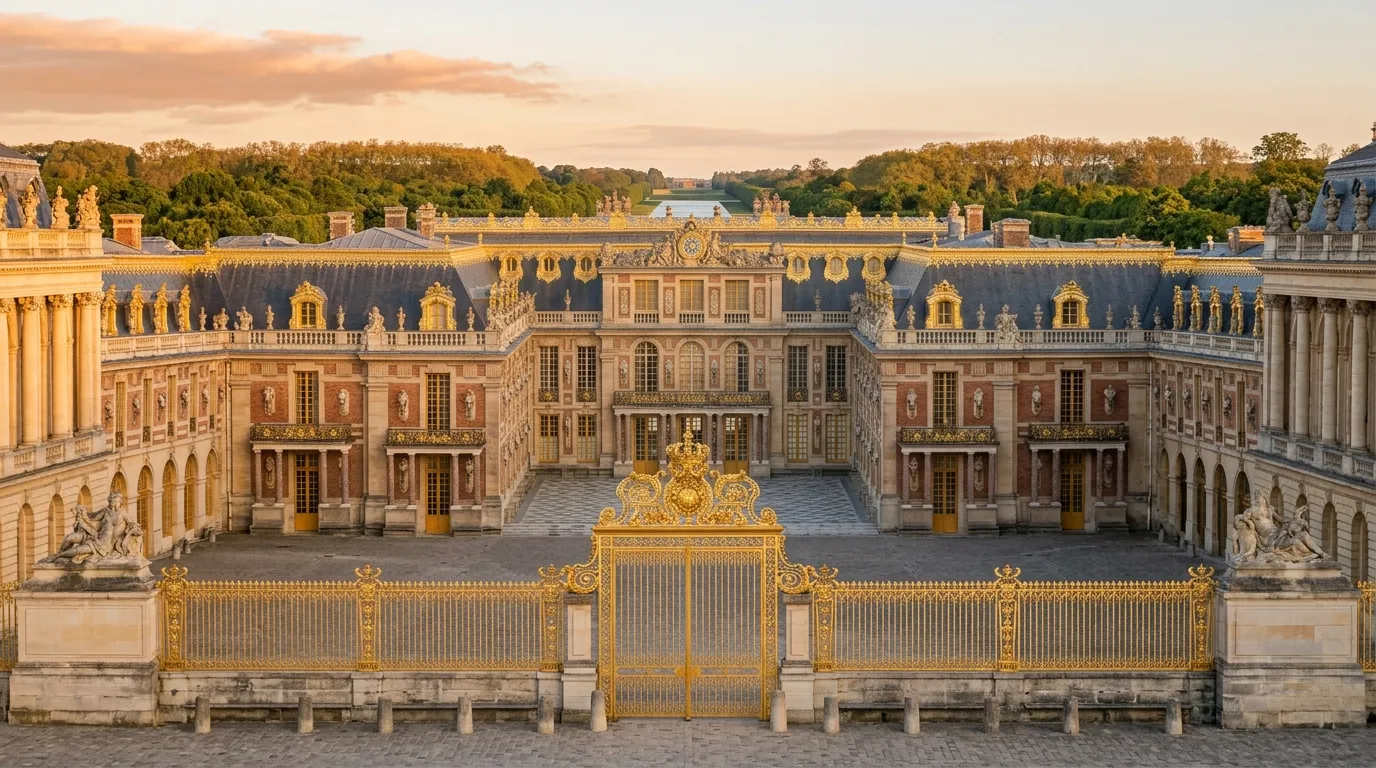
Versailles lies close enough to Paris for a day trip but feels like a separate world.
The palace embodies royal scale at its most confident. The Hall of Mirrors, grand apartments and formal gardens reveal the power and ceremony of the French monarchy, while the wider estate includes the Grand Trianon, Petit Trianon and the Queen’s Hamlet.
Many visitors see only the central palace and leave exhausted.
The estate deserves a full day. The gardens stretch much farther than they initially appear, and the quieter outer areas offer relief from the busiest rooms.
Best Strategy
- Arrive near opening time
- Visit the palace first
- Explore the gardens afterward
- Continue to the Trianon estate
- Wear comfortable shoes
- Check fountain-show dates before booking
Ideal Visit
One full day from Paris.
3. Mont Saint-Michel
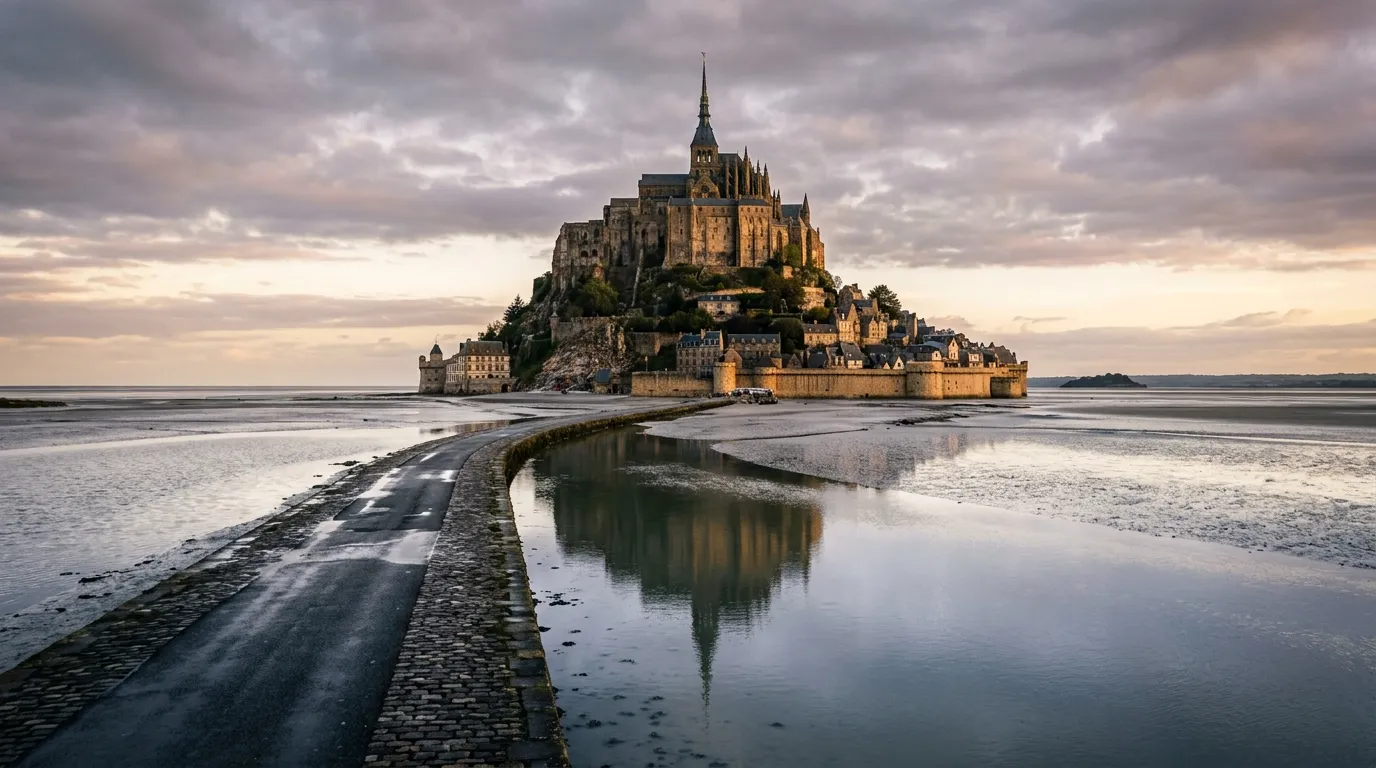
Mont Saint-Michel rises from tidal flats like architecture escaping from a dream.
A medieval village spirals upward beneath the abbey, with stone lanes, stairs and old buildings packed onto a rocky island off Normandy’s coast. As tides move across the bay, the setting shifts from wide silver flats to water surrounding the mount.
The distant approach is unforgettable, but the experience becomes richer after entering the walls and climbing toward the abbey.
Best Things to Do
- Walk the causeway
- Explore the abbey
- Wander the narrow lanes
- Photograph the mount from distant viewpoints
- Watch the changing tide
- Stay overnight nearby
- Join an authorized guided bay crossing
How Long to Stay
A full day is enough for the main site, but one overnight stay lets you experience the village after buses depart.
TIDE WARNING
Never walk independently across the tidal flats. Water, mud and channels can create dangerous conditions quickly. Use an authorized guide for bay crossings.
4. The Loire Valley
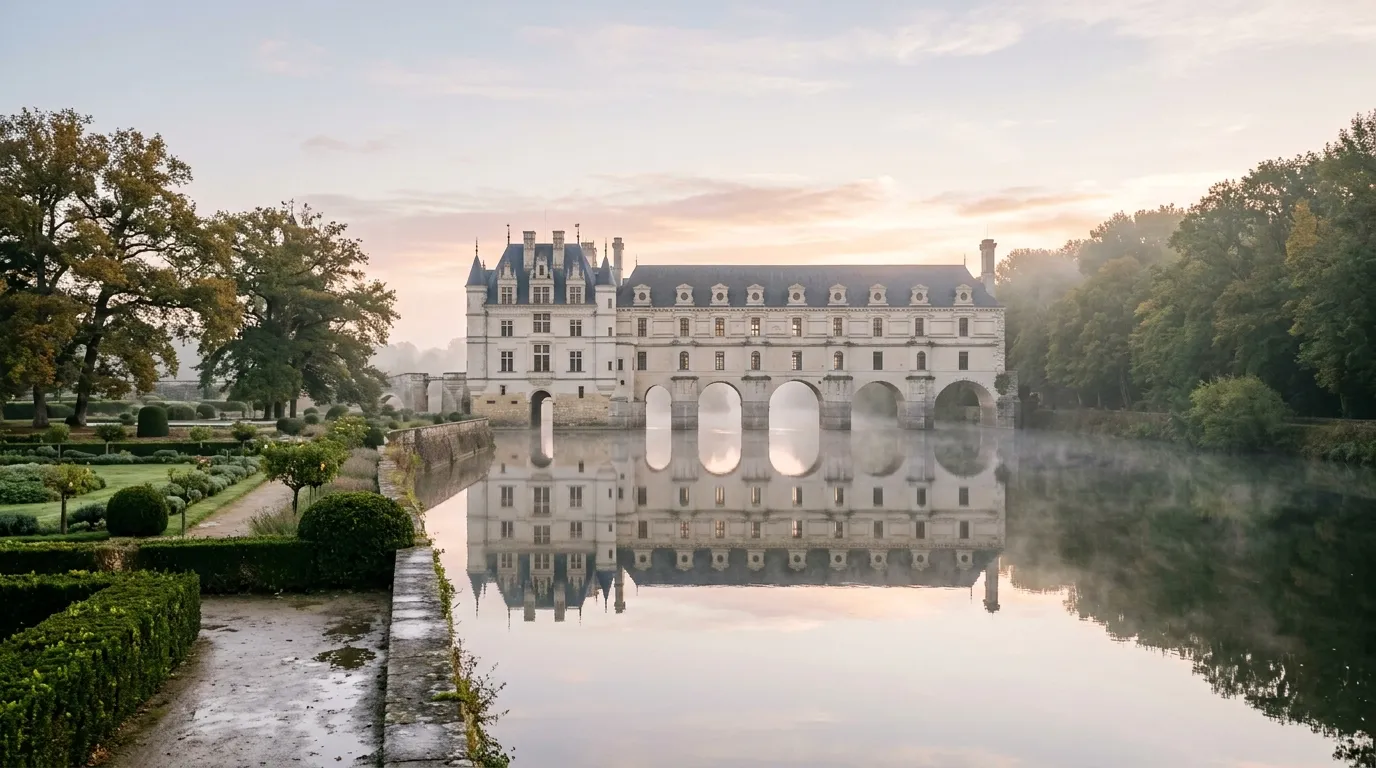
The Loire Valley is France’s great landscape of castles, rivers and formal gardens.
Elegant châteaux appear among forests, villages and farmland. Some resemble defensive fortresses, while others were created as grand statements of royal ambition and Renaissance refinement.
The region is easy to reach from Paris, but a car makes it far easier to connect multiple estates.
The Best Loire Valley Châteaux
Château de Chambord: Monumental architecture and vast grounds
Château de Chenonceau: A graceful château spanning the River Cher
Château de Villandry: Famous for geometric gardens
Château d’Amboise: Historic hilltop setting above the Loire
Château de Blois: Several architectural periods in one complex
Château d’Azay-le-Rideau: Reflected beautifully in surrounding water
Château de Chaumont-sur-Loire: Art, gardens and river views
France’s official cultural guide also highlights the Loire Valley’s relationship with Leonardo da Vinci through the Château du Clos Lucé at Amboise.
How Long to Stay
Three nights provide enough time for four or five major châteaux without becoming emotionally overfurnished.
5. Provence
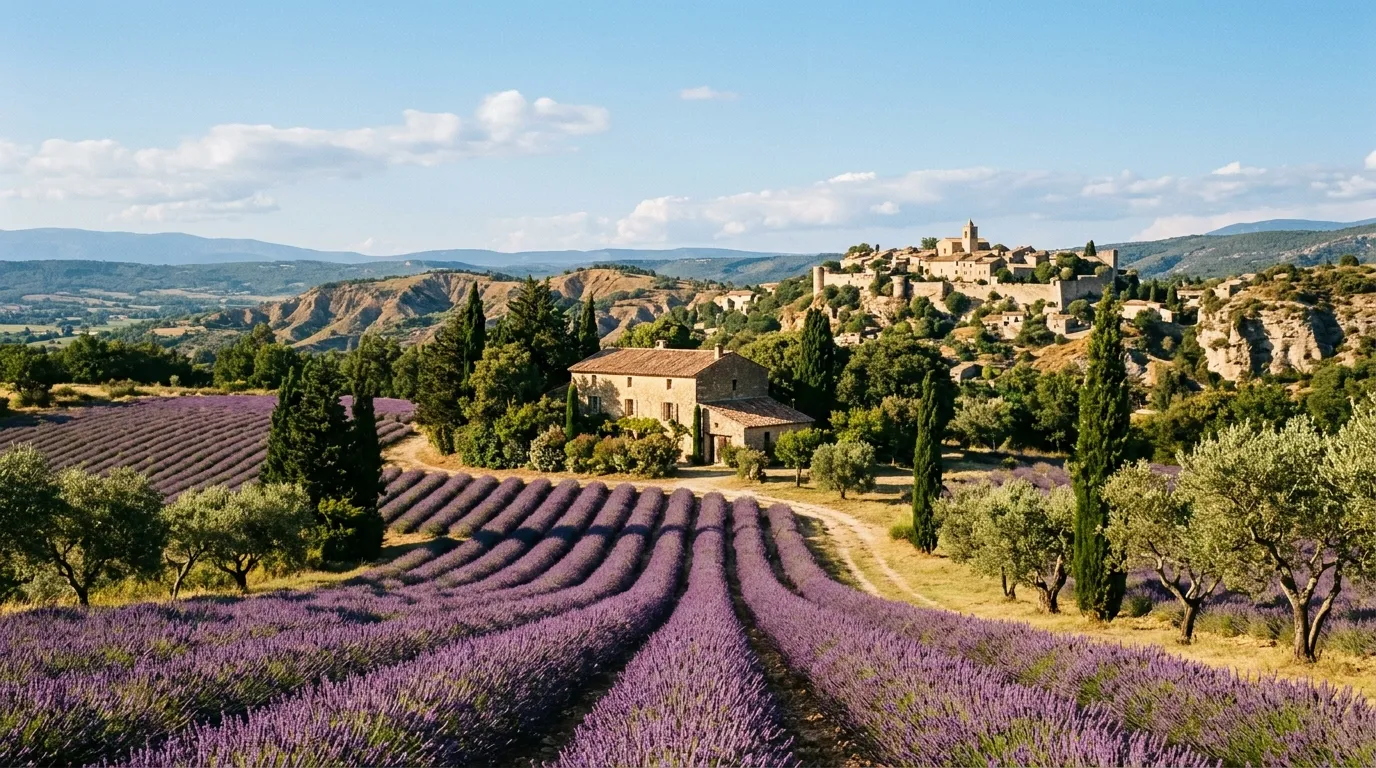
Provence is the France many travelers imagine while staring through office windows.
Lavender fields stretch beneath stone farmhouses. Markets fill village squares with herbs, fruit, soap and woven baskets. Cypress trees punctuate sunlit hills, while ochre villages rise above vineyards and olive groves.
The region stretches from the Rhône Valley toward the Alps and Mediterranean. Paris is connected with Avignon, Aix-en-Provence and Marseille by high-speed rail, with several journeys taking under three hours.
The Best Places in Provence
- Aix-en-Provence
- Avignon
- Arles
- Saint-Rémy-de-Provence
- Gordes
- Roussillon
- L’Isle-sur-la-Sorgue
- Les Baux-de-Provence
- Lourmarin
- Ménerbes
- The Camargue
- Verdon Gorge
The official tourism board highlights Gordes, Roussillon, Saint-Rémy, the Camargue, Verdon Gorge, Mont Ventoux and Aix-en-Provence among the region’s defining attractions.
When to See Lavender
Lavender usually blooms between late June and July, though exact timing varies by elevation, location and weather.
Do not build the entire trip around one social-media field. Provence remains beautiful outside lavender season, often with fewer visitors and lower prices.
PROVENCE ROAD TIP
Base yourself in one or two towns rather than changing hotels every night. Village roads are slower than they appear, and market mornings have a habit of consuming entire days.
6. The French Riviera
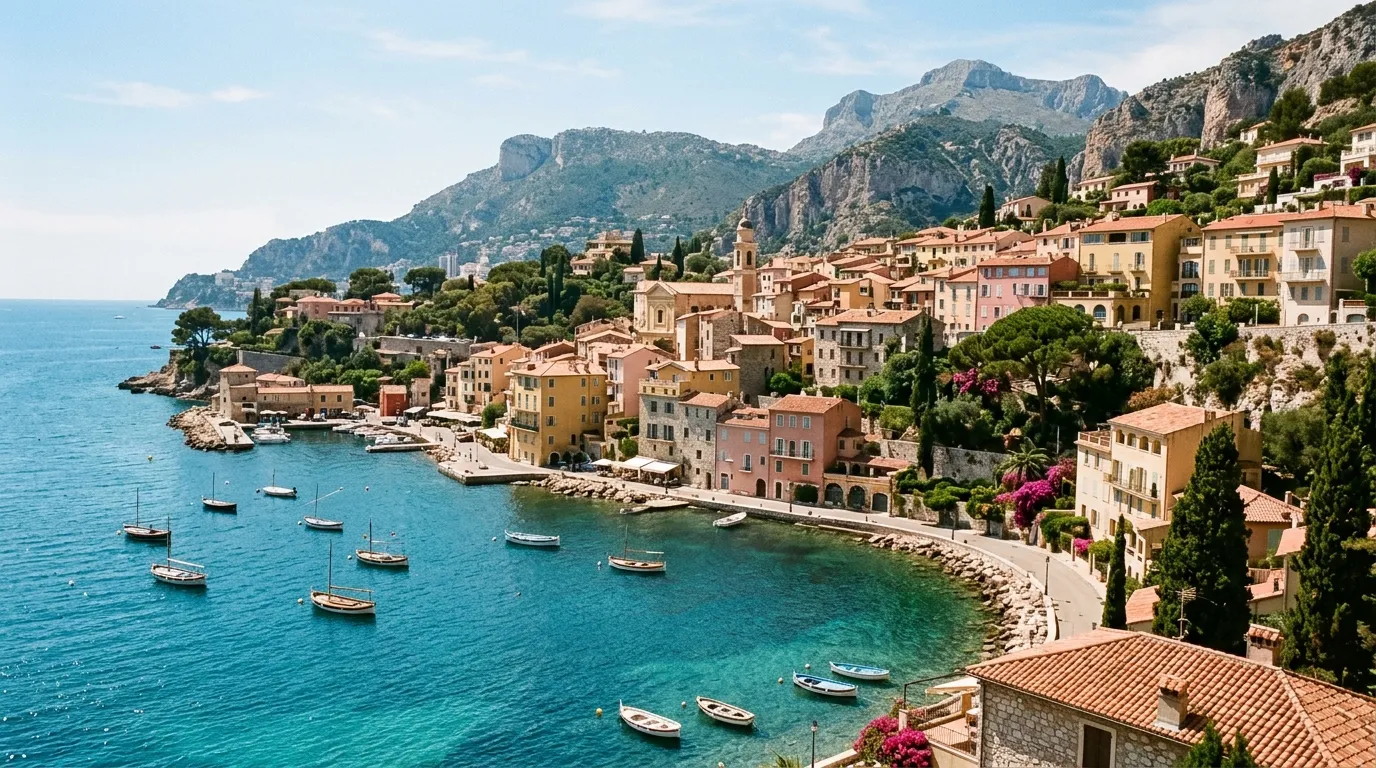
The French Riviera brings together blue water, elegant cities, cliffside roads and villages perched above the Mediterranean.
Nice makes the best transport base. Its long waterfront, old town and rail links allow visitors to explore much of the coast without renting a car.
Best Riviera Destinations
Nice: Markets, museums, beaches and city life
Èze: Hilltop lanes and dramatic coastal views
Menton: Colorful architecture near the Italian border
Antibes: Historic walls, harbor and old-town atmosphere
Cannes: Film glamour and sandy beaches
Saint-Paul-de-Vence: Art galleries and stone lanes
Villefranche-sur-Mer: Curving bay and colorful waterfront
Monaco: Palaces, gardens and concentrated extravagance
Saint-Tropez: Harbor glamour and surrounding beaches
Provence-Alpes-Côte d’Azur is framed by the Mediterranean, Italian border, Alps and Rhône Valley, creating an unusual mixture of beaches, mountains and historic towns.
Best Time to Visit
May, June and September offer warm weather with fewer crowds than July and August.
Beach Reality
Many Riviera beaches are pebbled rather than sandy. Water shoes can transform a graceful Mediterranean swim from a painful geological negotiation.
7. Nice
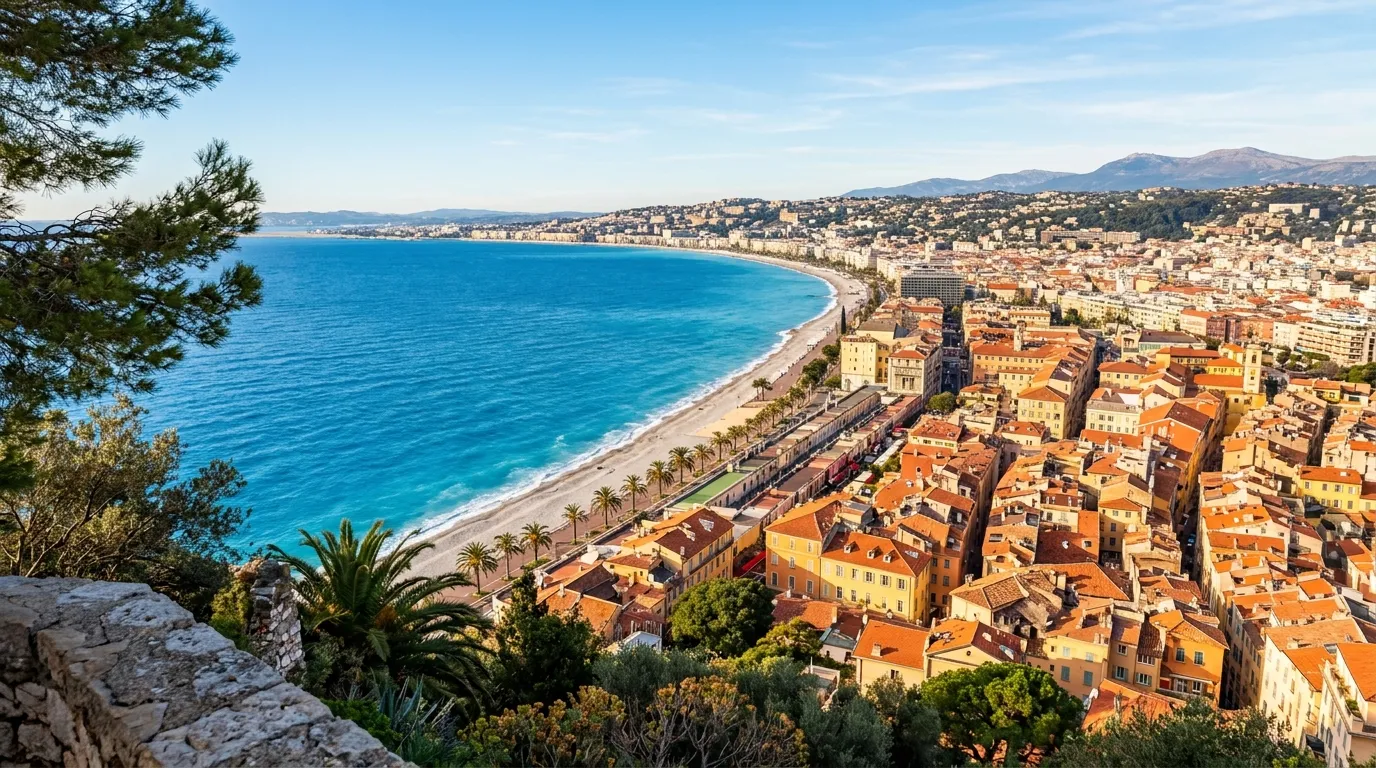
Nice deserves its own place beyond its role as a Riviera base.
The Promenade des Anglais runs beside intensely blue water, while Vieux Nice folds into narrow streets filled with markets, churches and painted façades. Castle Hill provides one of the best views over the city and coastline.
Best Things to Do
- Walk the Promenade des Anglais
- Explore Vieux Nice
- Visit Cours Saleya Market
- Climb Castle Hill
- Visit Musée Matisse
- Explore Cimiez
- Take the train to nearby coastal towns
- Eat local specialties such as socca
Ideal Stay
Three or four nights, especially when using Nice for day trips.
8. Bordeaux
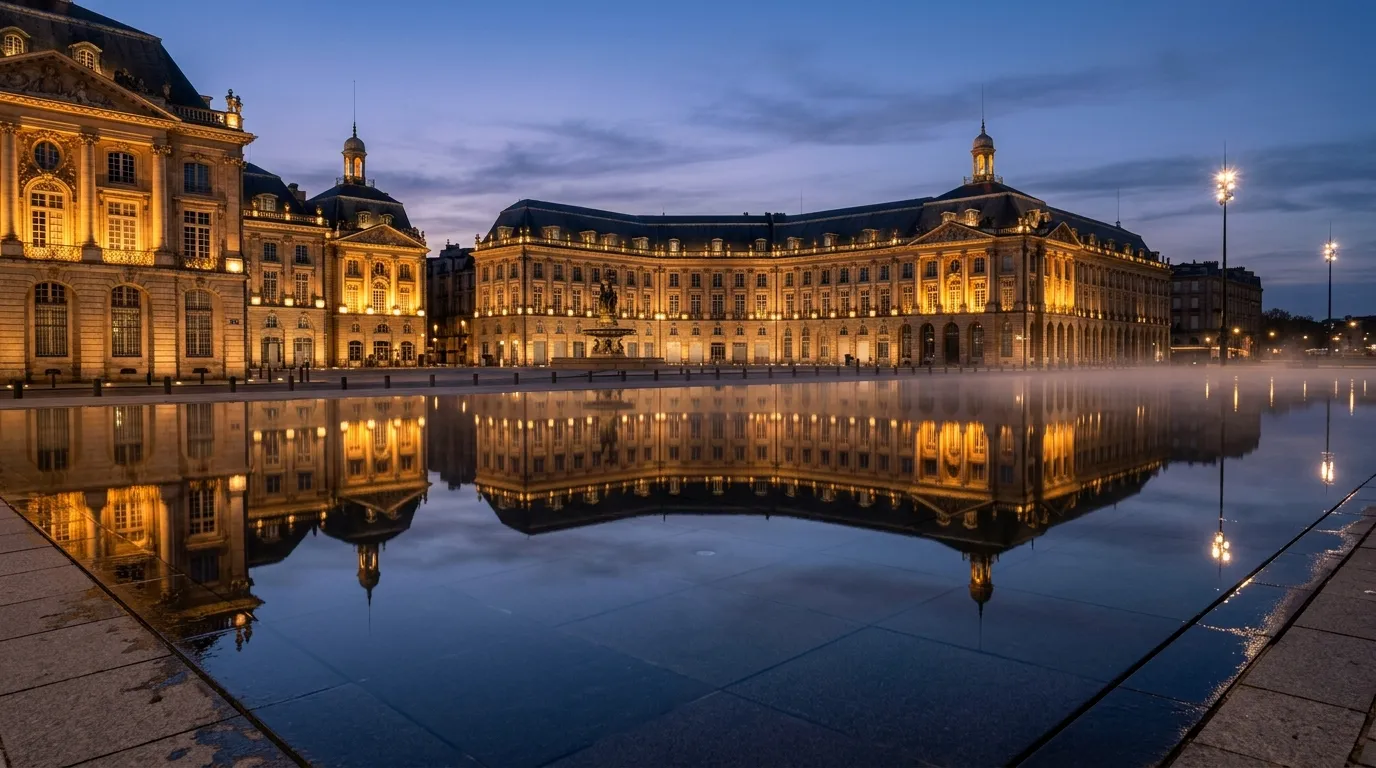
Bordeaux pairs grand architecture with one of the world’s most famous wine regions.
The city’s historic center contains elegant squares, riverfront promenades and beautifully restored 18th-century buildings. Place de la Bourse and the Miroir d’Eau create the classic image, but Bordeaux is more than a stop before vineyard tours.
Best Things to Do
- Walk along the Garonne
- Visit Place de la Bourse
- Explore the Chartrons district
- Visit Cité du Vin
- Browse food markets
- Take a day trip to Saint-Émilion
- Explore Médoc or Graves with a guide
Without Alcohol
Travelers who do not drink can still enjoy the architecture, history, countryside, markets and food traditions of the region. Vineyard landscapes and medieval villages remain worthwhile without tasting sessions.
9. Saint-Émilion
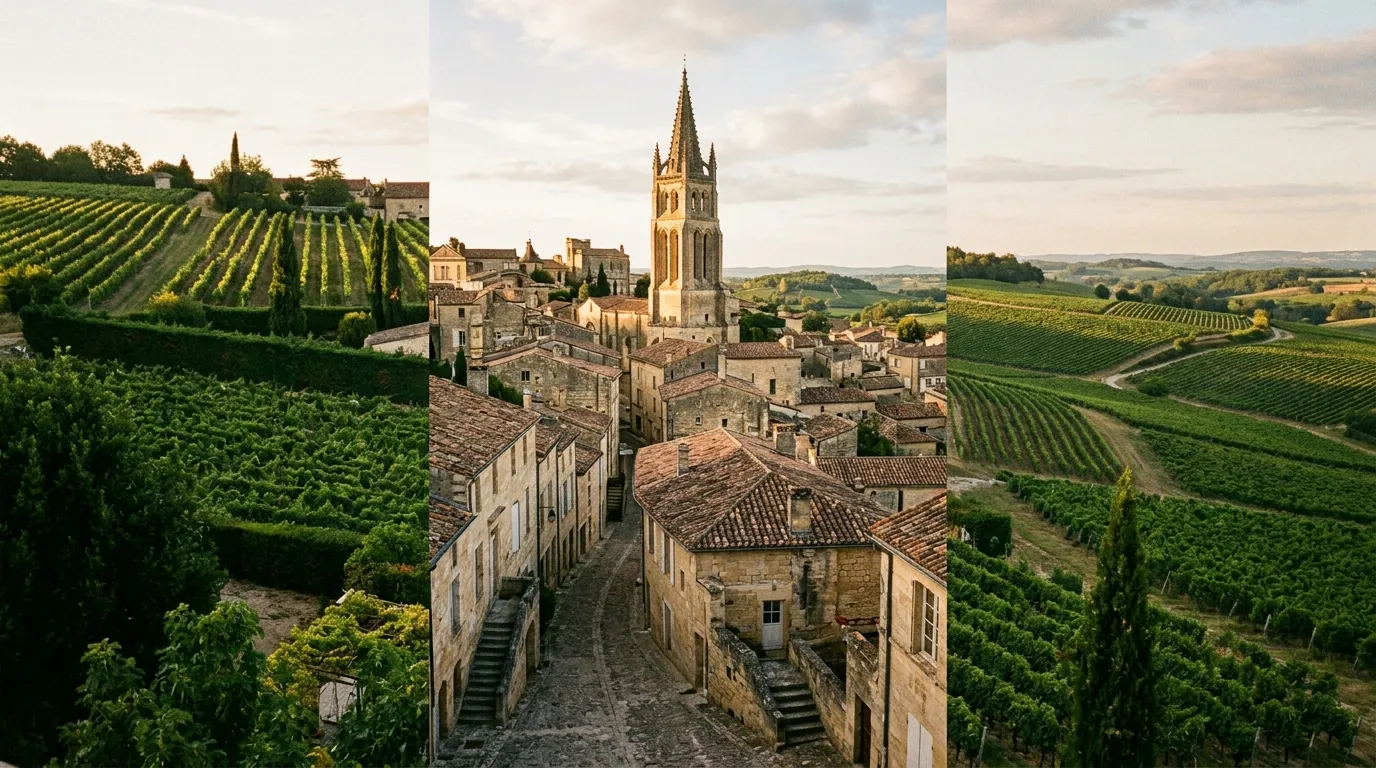
Saint-Émilion is a small medieval town surrounded by vineyards near Bordeaux.
Stone buildings descend along steep lanes, underground monuments lie beneath the town and wide views open across the countryside. It is among France’s most photogenic small towns, particularly early or late in the day.
What to Do
- Walk the medieval lanes
- Visit the monolithic church
- Explore underground heritage sites
- Enjoy countryside viewpoints
- Visit local food shops
- Walk through surrounding vineyard landscapes
Travelers drawn to places of this scale may also enjoy the prettiest small towns, where compact historic centers and distinctive landscapes make slowing down irresistible.
10. Strasbourg and Alsace
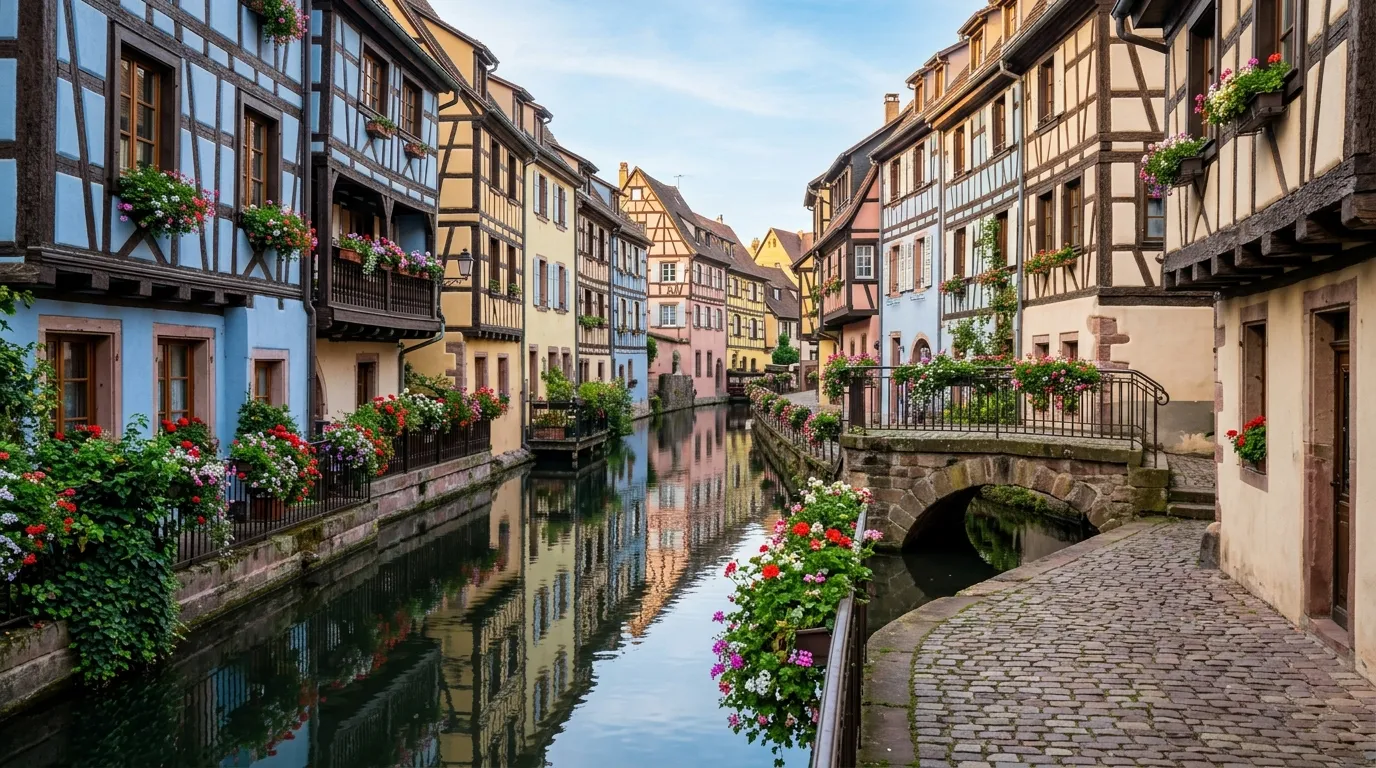
Strasbourg combines French and Germanic influences in architecture, food and atmosphere.
The city’s cathedral rises above a historic center of canals, timber-framed buildings and narrow streets. Petite France is the most famous district, but the city also contains European institutions, museums and quieter residential neighborhoods.
Best Things to Do in Strasbourg
- Visit Strasbourg Cathedral
- Explore Petite France
- Walk along the canals
- Visit Palais Rohan
- Explore the Neustadt district
- Take a boat tour
- Visit during Christmas-market season
Strasbourg works well as the gateway to the Alsace Wine Route and nearby villages.
11. Colmar and the Alsace Villages
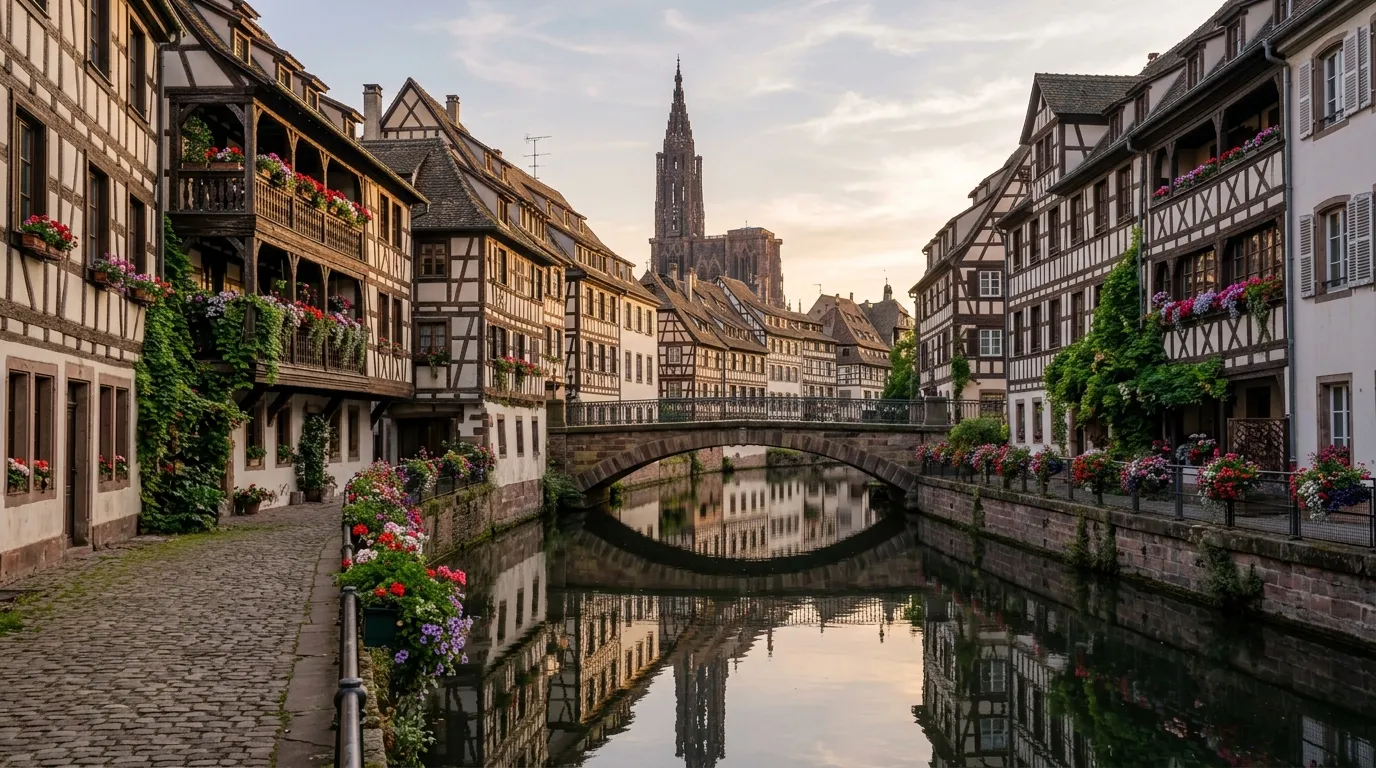
Colmar is a swirl of timber frames, canals, flowers and pastel façades.
Its beauty is real, though the historic center becomes extremely busy in summer and during Christmas-market season. Arrive early and stay overnight to experience quieter streets.
Nearby Villages Worth Visiting
- Eguisheim
- Riquewihr
- Kaysersberg
- Ribeauvillé
- Obernai
- Turckheim
The Alsace countryside is ideal for a short road trip or cycling journey, with vineyard roads linking compact villages and hilltop ruins.
12. Annecy
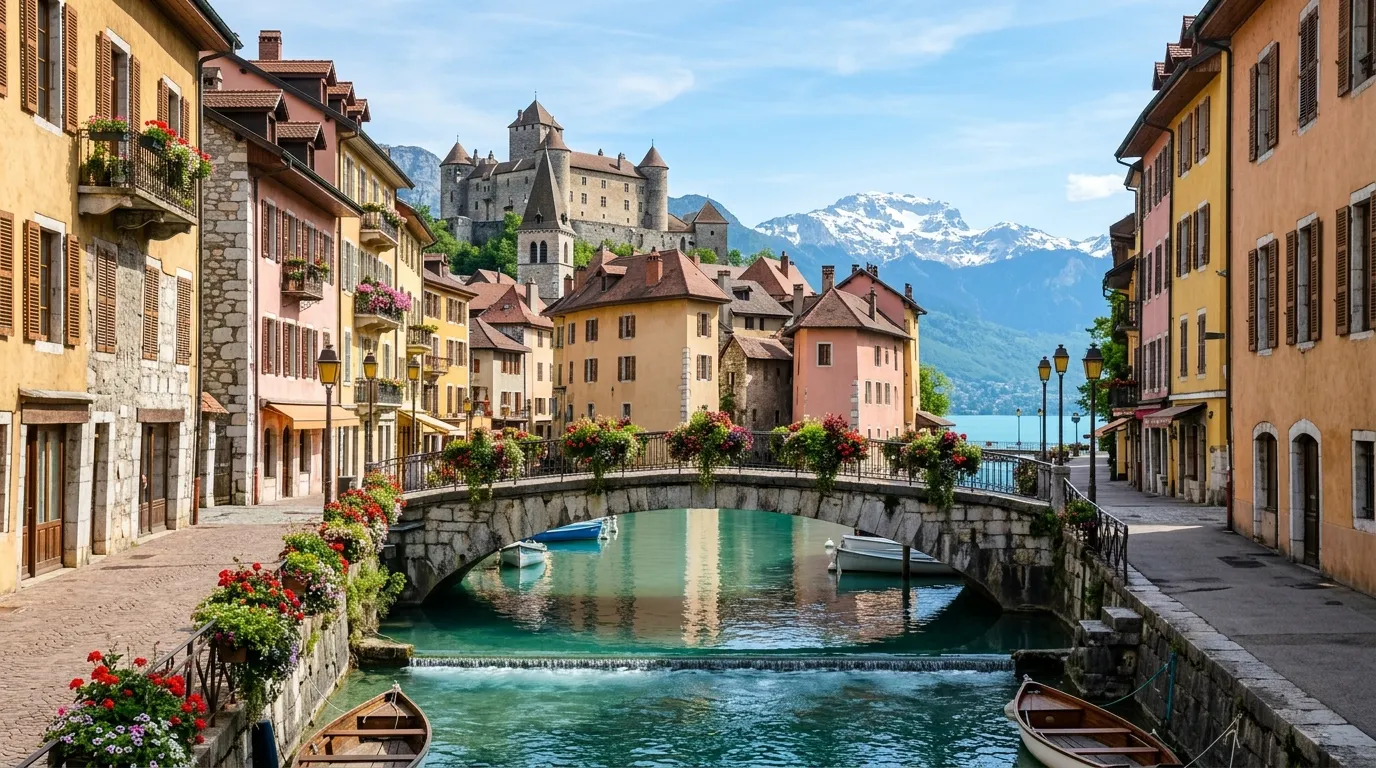
Annecy sits beside a clear Alpine lake beneath mountain ridges.
Canals pass through the old town, colorful buildings line the waterways and lakeside paths extend toward beaches and surrounding communities. The city is often called the “Venice of the Alps,” though it feels far more open once you reach the lake.
Best Things to Do
- Explore the old town
- Walk around the canals
- Cycle beside Lake Annecy
- Take a boat trip
- Visit Château d’Annecy
- Relax at lakeside beaches
- Hike in the surrounding mountains
Ideal Stay
Two to three nights.
Summer weekends become busy. Early mornings and shoulder season reveal a calmer side of the lake.
13. Chamonix and Mont Blanc
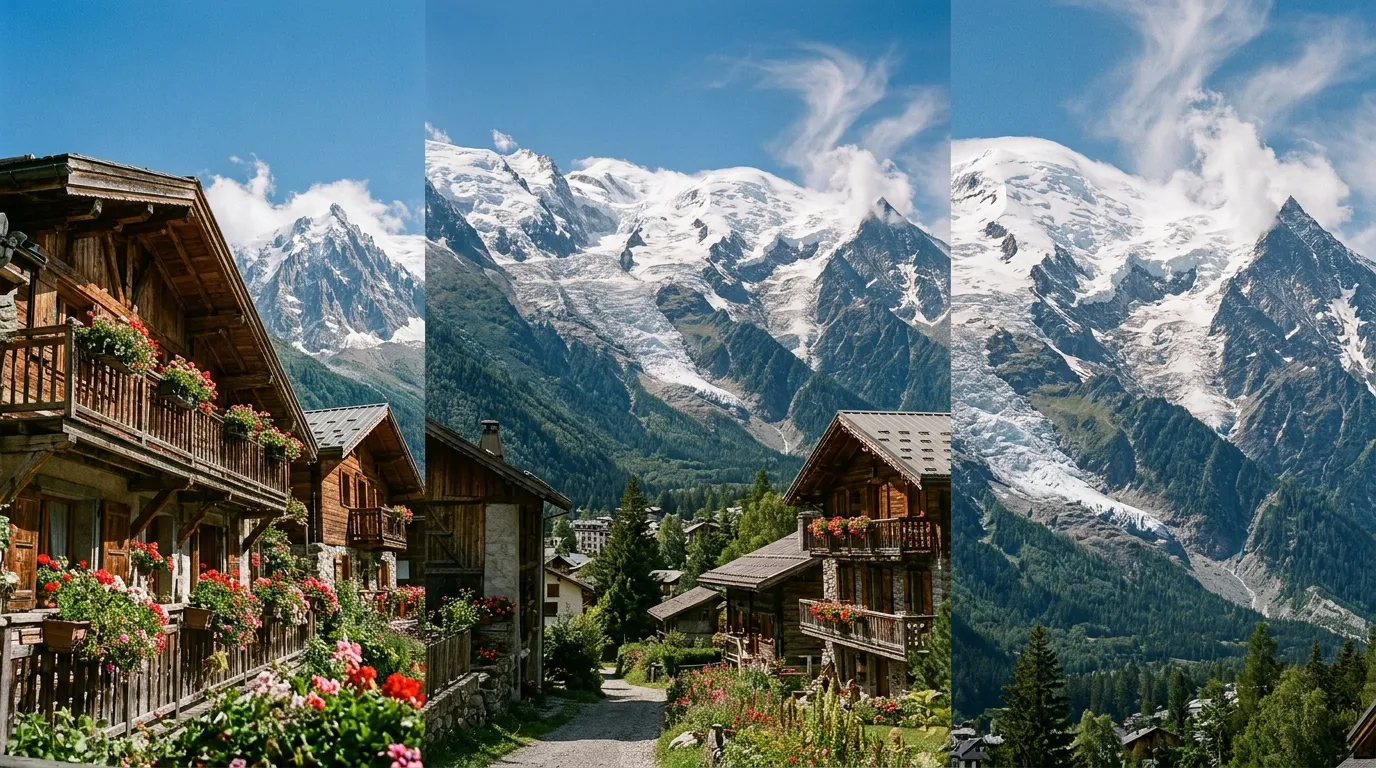
Chamonix sits beneath the Mont Blanc massif in the French Alps.
The town is one of Europe’s most famous mountain bases, with cable cars, hiking trails, glaciers and views that shift constantly with the weather.
Top Experiences
- Ride the Aiguille du Midi cable car
- Visit Mer de Glace
- Walk valley trails
- Hike sections of the Tour du Mont Blanc
- Explore nearby Alpine villages
- Ski during winter
- Visit panoramic viewpoints
Mountain conditions can change quickly, even in summer.
ALPINE WARNING
High-altitude viewpoints and hikes are not ordinary city attractions with colder air. Check weather, trail status and transport operations before departure. Use qualified guides for glacier or technical routes.
14. Lyon
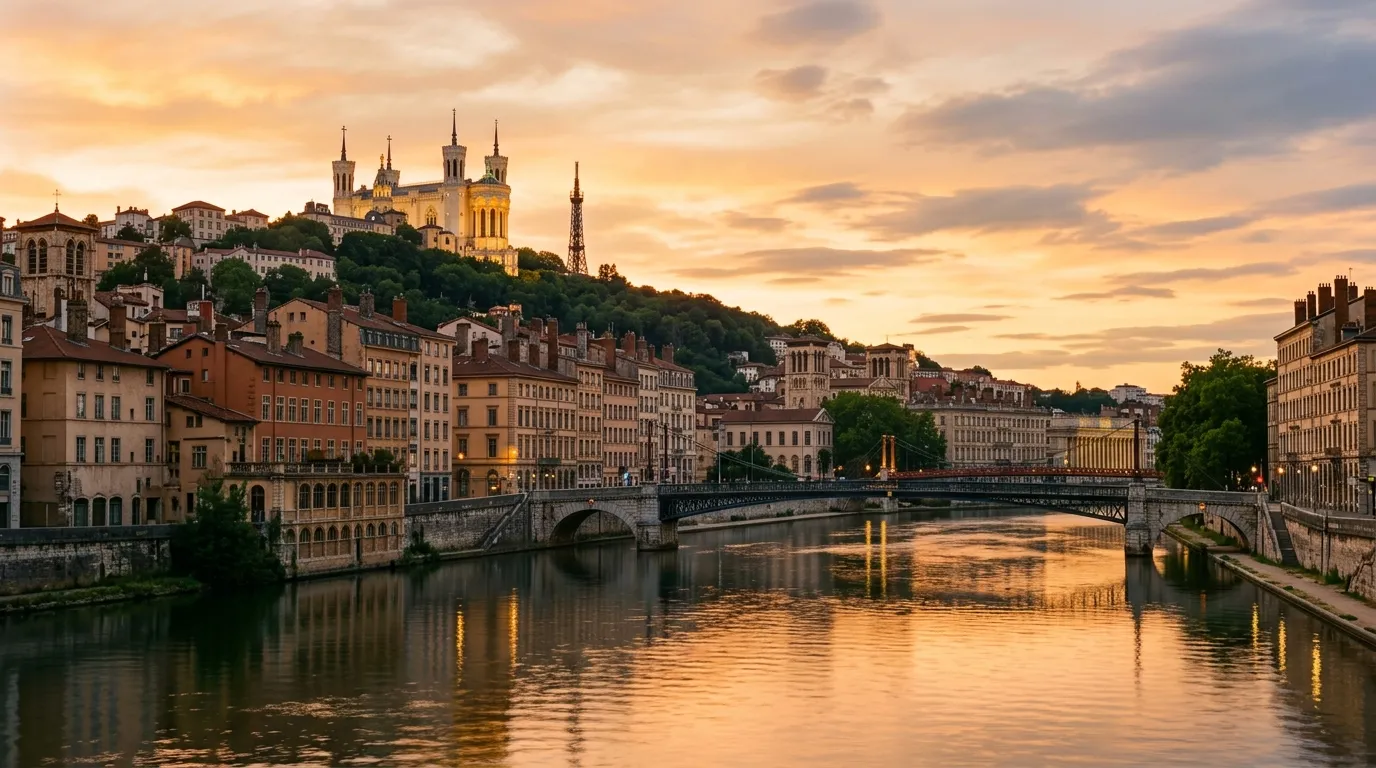
Lyon is one of France’s strongest city destinations for travelers interested in food, architecture and history.
The old town lies beneath Fourvière Hill, with Renaissance buildings, hidden passageways known as traboules and rivers framing the center. Beyond Vieux Lyon, neighborhoods such as Croix-Rousse and Presqu’île reveal a more contemporary city.
Best Things to Do
- Explore Vieux Lyon
- Visit Fourvière Basilica
- Walk through selected traboules
- Visit Musée des Confluences
- Explore Croix-Rousse
- Walk along the Rhône and Saône
- Browse Les Halles de Lyon Paul Bocuse
- Discover Roman ruins
Lyon makes an excellent two-night stop between Paris, the Alps and southern France.
15. Burgundy
Burgundy is a region of rolling vineyards, Romanesque churches, canals and handsome towns.
Dijon provides the easiest urban base, while Beaune offers historic architecture and access to the surrounding countryside. Village roads link stone houses, fields and vineyard slopes, creating one of France’s most satisfying slow-travel regions.
Best Places to Explore
- Dijon
- Beaune
- Vézelay
- Semur-en-Auxois
- Cluny
- Autun
- The Canal de Bourgogne
- Regional cycling routes
Even travelers who do not drink can enjoy Burgundy’s markets, architecture, cycling routes, gardens and regional cuisine.
16. Brittany
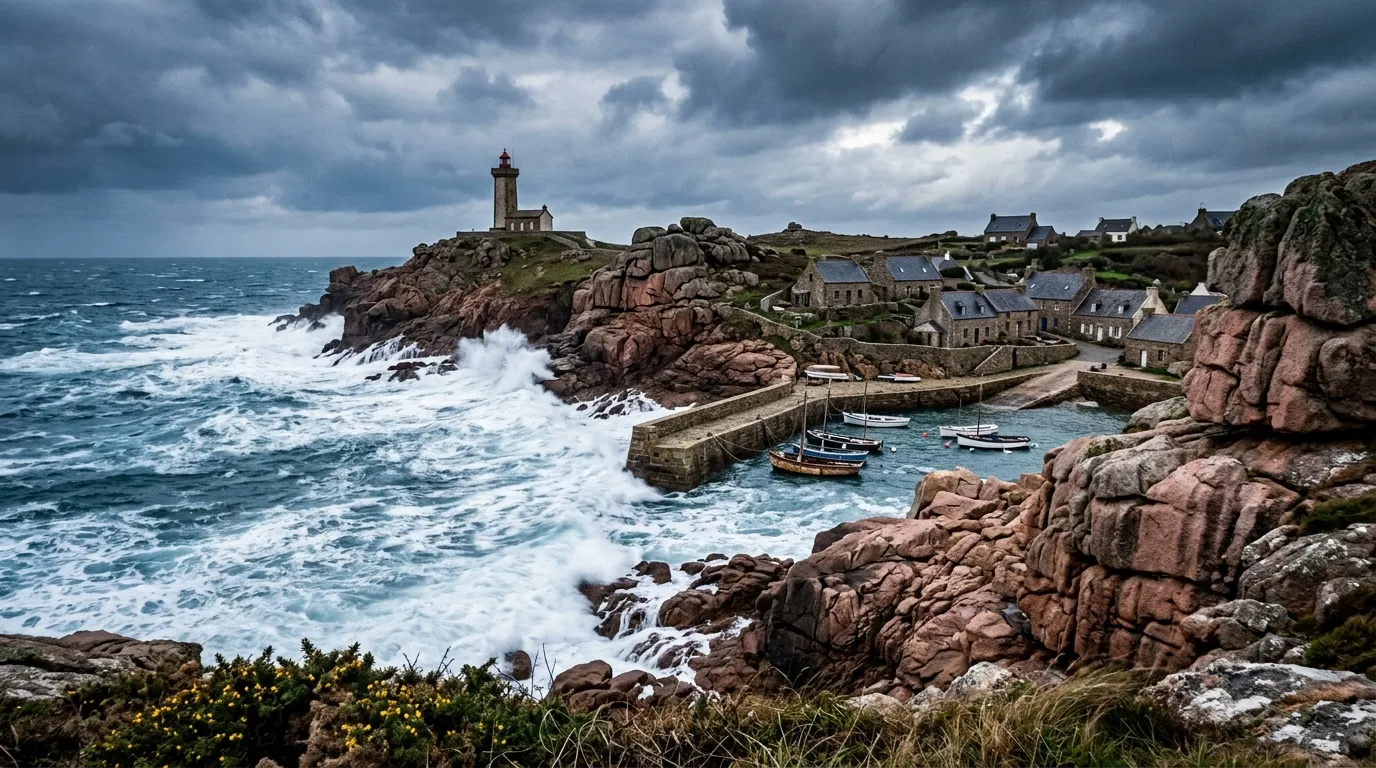
Brittany faces the Atlantic with granite cliffs, fishing ports, islands and villages shaped by maritime weather.
The region feels culturally distinct, with Celtic heritage, its own language traditions and landscapes that often appear rougher than the polished Mediterranean coast.
Best Places in Brittany
- Saint-Malo
- Dinan
- Cancale
- Quimper
- Vannes
- Carnac
- Belle-Île-en-Mer
- Côte de Granit Rose
- Pointe du Raz
- Locronan
Saint-Malo’s walled city is especially atmospheric when tides strike the surrounding seawalls. Dinan offers medieval lanes and a picturesque river port, while the Pink Granite Coast turns rock formations into sculptural coastal scenery.
Travelers fascinated by remote North Atlantic weather may also enjoy this Faroe Islands adventure, where cliffs and ocean shape everyday life even more dramatically.
17. The Dordogne Valley
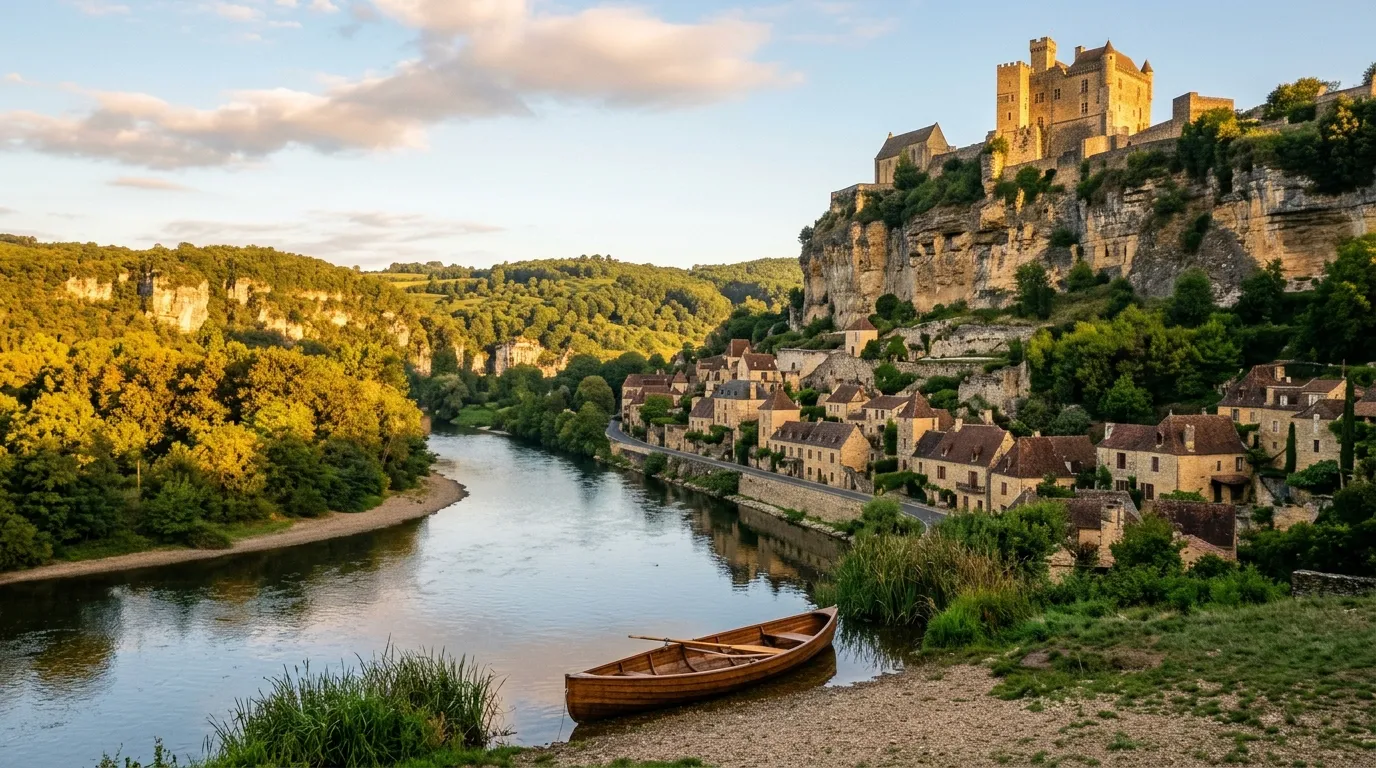
The Dordogne Valley combines river scenery, castles, prehistoric sites and villages built into golden limestone.
This is one of the best regions for a rural road trip. Roads pass walnut groves, wooded hills and dramatic villages overlooking the river.
Best Places in the Dordogne
- Sarlat-la-Canéda
- Beynac-et-Cazenac
- La Roque-Gageac
- Domme
- Château de Castelnaud
- Lascaux area
- Rocamadour
- Gardens of Marqueyssac
The region’s beauty comes from the combination rather than one landmark. A castle, village, market and canoe trip can easily share the same day.
France Destination Comparison Table
| Destination | Main Experience | Recommended Stay | Best Season | Car Needed? |
| Paris | Art, architecture and neighborhoods | 4–6 nights | Spring and autumn | No |
| Versailles | Palace and gardens | Full day | April–October | No |
| Mont Saint-Michel | Medieval abbey and tidal landscape | 1 night | May–September | Helpful |
| Loire Valley | Châteaux and countryside | 3–4 nights | May–October | Recommended |
| Provence | Villages, markets and landscapes | 4–6 nights | May–September | Recommended |
| French Riviera | Beaches and coastal towns | 4–6 nights | May, June, September | No in many areas |
| Bordeaux | Architecture and regional excursions | 2–3 nights | May–October | No |
| Saint-Émilion | Medieval village and countryside | 1–2 nights | May–October | Helpful |
| Strasbourg | Historic city and culture | 2 nights | Spring or December | No |
| Colmar and Alsace | Villages and vineyard roads | 3 nights | May–October | Helpful |
| Annecy | Lake and mountains | 2–3 nights | May–September | No |
| Chamonix | Alpine scenery and hiking | 3–4 nights | June–September | No |
| Lyon | Food, history and neighborhoods | 2–3 nights | Year-round | No |
| Burgundy | Villages, canals and cycling | 3–4 nights | May–October | Recommended |
| Brittany | Wild coast and historic towns | 4–6 nights | May–September | Recommended |
| Dordogne | Castles, villages and river scenery | 4–5 nights | May–October | Essential |
The Perfect 14-Day France Itinerary
This route balances Paris, the Loire Valley and southern France without turning every day into a suitcase relay.
Days 1–4: Paris
Explore the major landmarks, museums and at least three different neighborhoods.
Use one day for Versailles or keep all four days in Paris.
Days 5–6: Loire Valley
Travel to Tours, Blois or Amboise.
Visit Chambord, Chenonceau and one smaller château. Stay overnight in a town or countryside guesthouse.
Days 7–9: Provence
Take the train south to Avignon, Aix-en-Provence or Marseille.
Explore markets, Roman sites, villages and regional landscapes.
Days 10–12: French Riviera
Continue by train toward Nice.
Visit Nice, Èze, Menton, Antibes or Villefranche-sur-Mer.
Days 13–14: Lyon
Travel north to Lyon for historic neighborhoods, markets and river walks before returning to Paris or flying onward.
BETTER-PACED OPTION
Remove Lyon and add those nights to Provence or the Riviera. France rewards regional depth far more than heroic hotel changing.
A One-Week France Itinerary
For a shorter first visit:
Days 1–4: Paris
Day 5: Versailles
Days 6–7: Loire Valley or Strasbourg
Another strong option is:
Days 1–3: Paris
Days 4–5: Avignon or Aix-en-Provence
Days 6–7: Nice
The Ultimate France Road-Trip Route
One of the most varied routes begins in Lyon and continues south:
Lyon → Annecy → Chamonix → Avignon → Luberon villages → Verdon Gorge → Nice
Allow at least 10 to 14 days.
This journey combines cities, mountains, lakes, villages and Mediterranean coastline. It also avoids the difficulty and expense of driving inside Paris.
Travelers collecting future driving ideas can explore these amazing road-trip routes for scenic journeys across several continents.
Alternative Road Trips
Normandy and Brittany
Paris → Rouen → Honfleur → D-Day coast → Mont Saint-Michel → Saint-Malo → Dinan
Alsace and Burgundy
Strasbourg → Colmar → Alsace villages → Dijon → Beaune → Lyon
Southwest France
Bordeaux → Saint-Émilion → Dordogne → Rocamadour → Toulouse → Carcassonne
Best Time to Visit France
Spring: March to May
Spring is one of the best seasons for city travel.
Paris gardens bloom, village markets become livelier and temperatures remain comfortable for walking. March can be cool and wet, while May often brings warmer, more dependable conditions.
Late spring is excellent for the Loire Valley, Provence, Bordeaux and Dordogne.
Summer: June to August
Summer brings long days, festivals, beach weather and the broadest selection of outdoor activities.
It is also the busiest and most expensive period, particularly in Paris, Provence, the Riviera and famous coastal towns.
July and August can become extremely hot in southern and inland regions. Reserve accommodation, trains and rental cars well ahead.
Autumn: September to November
September may be France’s best overall travel month.
The Mediterranean remains warm, crowds thin and city temperatures become more pleasant. Vineyards change color through autumn, while food markets fill with seasonal produce.
October is excellent for Paris, Lyon, Burgundy and Alsace.
Winter: December to February
Winter suits Paris museums, Alpine skiing, Christmas markets and quieter city breaks.
Alsace becomes especially popular during Christmas-market season. Coastal resorts and rural destinations may operate reduced hours, while mountain weather affects roads and transport.
France also contains several cities included among Europe’s most romantic escapes. This guide to romantic European cities offers additional ideas for short trips from the UK.
Getting Around France
By Train
Train travel is the easiest way to connect major cities.
France’s rail system includes high-speed TGV services, lower-cost OUIGO trains, regional TER services and Intercités routes.
France’s tourism authority describes rail as a practical, scenic and lower-carbon way to explore the country, including special regional tourism routes.
Train Tips
- Book major high-speed routes early
- Compare TGV INOUI and OUIGO conditions
- Check which Paris station your train uses
- Allow time for station transfers
- Validate regional tickets where required
- Watch for service disruptions
- Pack light for easier boarding
SNCF normally opens many TGV INOUI and Intercités tickets around four months before departure, though specific seasonal sales periods vary.
By Car
A rental car is most useful in:
- Provence
- Dordogne
- Brittany
- Burgundy
- Loire Valley
- Alsace villages
- Rural Normandy
- Mountain regions
Avoid keeping a rental car in central Paris unless your idea of cultural immersion includes underground garages and medievally narrow exits.
By Bus
Regional buses fill gaps where trains do not reach, particularly around rural areas and villages.
Services may be infrequent on Sundays and public holidays.
By Bicycle
France has extensive cycling routes through river valleys, vineyards, canals and coastal regions.
The Loire, Burgundy, Alsace and Canal du Midi are especially appealing for multi-day cycling.
Where to Stay in France
In Major Cities
Choose accommodation near a metro or tram stop rather than automatically paying for the absolute center.
In Paris, neighborhoods such as the Marais, Latin Quarter, Saint-Germain, Montmartre and Canal Saint-Martin offer very different experiences.
In Rural Regions
Consider:
- Family-run guesthouses
- Countryside inns
- Farm stays
- Village apartments
- Small château hotels
- Converted stone houses
Staying in a smaller town often provides easier parking, calmer evenings and better access to local markets.
France Travel Budget
France can be expensive, but costs vary dramatically between regions.
Paris, the Riviera and famous Alpine resorts are usually the costliest. Smaller cities and rural areas can be more manageable.
Ways to Save Money
- Book trains early
- Stay near transit rather than landmarks
- Eat the main restaurant meal at lunch
- Use bakeries and markets
- Visit free churches, parks and neighborhoods
- Travel in May or September
- Choose regional cities over resort centers
- Use public beaches
- Stay several nights in one base
- Reserve attractions online when timed entry is available
Budget Snapshot
| Expense | Lower-Cost Approach | Higher-Cost Approach |
| Accommodation | Hostel, apartment or guesthouse | Boutique hotel or château |
| Breakfast | Bakery | Hotel breakfast |
| Lunch | Market or set menu | Fine dining |
| Transport | Advance trains | Flexible tickets and rental car |
| Attractions | Parks, churches and walks | Museums, palaces and guided tours |
| Riviera | Public beach | Private beach club |
France Packing Checklist
Year-Round Essentials
- Comfortable walking shoes
- Light waterproof jacket
- Reusable water bottle
- Portable charger
- Travel adapter
- Small daypack
- Sunglasses
- Secure crossbody bag
- Offline maps
- Copies of travel documents
Spring and Autumn
- Warm sweater
- Compact umbrella
- Layered clothing
- Water-resistant shoes
- Light scarf
Summer
- Breathable clothing
- High-SPF sunscreen
- Sun hat
- Swimwear
- Water shoes for pebbled beaches
- Light evening layer
- Insect repellent for rural stays
Winter and Alps
- Insulated coat
- Warm hat
- Gloves
- Waterproof boots
- Thermal layers
- Traction aids where needed
PACKING NOTE
France contains beaches, mountains and cities that heat themselves to different emotional temperatures. Check every region on your itinerary rather than packing for “Europe.”
Staying Safe in France
France is generally straightforward for visitors, but petty theft is a concern in busy transport hubs and major tourist zones.
In Cities
- Keep phones secure near metro doors
- Use bags with closed zippers
- Avoid displaying wallets in crowds
- Ignore distraction tactics
- Keep luggage close in stations
- Use official taxis or trusted apps
- Remain aware around major landmarks
- Do not leave phones on café tables beside sidewalks
During Demonstrations and Strikes
Transport strikes and public demonstrations can affect schedules.
Avoid confrontations and large gatherings, follow instructions from local authorities and check transport apps before making long journeys. France’s official tourism site recommends using current transit resources when planning travel, particularly during disruptions.
Emergency Numbers
The standard European emergency number is 112.
Travelers should also save their embassy or consulate contact information and travel-insurance details.
THEFT WARNING
A crowded train door is not the ideal time to hold your phone loosely while consulting directions. Step away from the flow, secure your belongings and then navigate.
Driving Safely in France
France is excellent for road trips, but city driving, toll roads and mountain routes require planning.
Before Driving
- Confirm license requirements
- Understand toll-payment methods
- Check low-emission zone rules
- Inspect the rental vehicle
- Download offline maps
- Avoid leaving luggage visible
- Check mountain and weather conditions
- Reserve automatic cars early
In small villages, trust road signs over the sudden courage produced by navigation software.
Responsible Travel in France
Popular French destinations experience heavy crowding, housing pressure and environmental stress.
Travel more thoughtfully by:
- Taking trains between major cities
- Traveling outside July and August
- Staying overnight in smaller communities
- Supporting independent markets and shops
- Respecting private doorways and gardens
- Avoiding crop damage in lavender fields
- Using marked trails
- Carrying reusable bottles
- Following fire restrictions
- Visiting famous sites early or late
Lavender fields are agricultural land, not public photography studios. Remain on designated paths and never pick plants without permission.
Frequently Asked Questions
What is the most beautiful place in France?
Provence is one of the strongest choices for villages and countryside. The French Riviera excels for coastal scenery, while Chamonix and Annecy offer the most dramatic Alpine landscapes.
How many days do you need in France?
Seven days are enough for Paris and one additional region. Ten to fourteen days allow a more rewarding combination of Paris, countryside and southern France.
Is France easy to explore without a car?
Yes. Paris, Lyon, Bordeaux, Strasbourg, Nice, Marseille, Avignon and many other cities are well connected by rail. A car becomes more useful for Provence villages, Dordogne, Brittany and rural château routes.
What is the best month to visit France?
May, June and September offer the best overall balance of weather, daylight and manageable crowds.
Is Paris enough for a first trip?
Paris alone can fill a week, but adding the Loire Valley, Normandy, Alsace or Provence reveals a much broader version of France.
Which region has the prettiest villages?
Provence, Alsace and Dordogne contain exceptional villages. Provence offers hilltop stone settlements, Alsace favors timber frames and flowers, while Dordogne combines medieval architecture with river landscapes.
Is the French Riviera expensive?
It can be, particularly in July and August. Costs drop when travelers stay in Nice or less famous towns, use trains and public beaches, and travel during May, June or September.
Is Provence possible without driving?
Major cities such as Avignon, Aix-en-Provence, Arles and Marseille are accessible by train. Smaller Luberon villages are significantly easier to explore by car or organized tour.
Is Mont Saint-Michel a day trip from Paris?
It is possible but tiring. Staying overnight in Normandy provides a more relaxed experience and lets you visit outside peak hours.
Which is better, Lyon or Bordeaux?
Lyon is stronger for food culture, layered neighborhoods and access to the Alps. Bordeaux is better for elegant architecture, Atlantic connections and excursions into surrounding countryside.
Is France suitable for solo travel?
Yes. The extensive rail network and walkable cities make independent travel practical. Standard precautions against theft and careful planning for rural transport are still important.
Can I combine France with another country?
Yes. France connects easily by rail with Belgium, the Netherlands, Germany, Switzerland, Italy, Spain and the United Kingdom.
Final Thoughts
France is too varied to summarize with one tower, one village or one perfect plate of food.
Paris supplies the grandeur. Provence adds scent, sun and stone. Brittany brings Atlantic wind, while Alsace layers timber-framed towns beneath vineyard hills. The Alps place glaciers above flowered balconies, and the Dordogne lets rivers carry you beneath castles.
The best France itinerary is not the one containing the most regions.
It is the one with enough space for a market to derail the morning.
Stay long enough to recognize the baker. Take a slower train. Walk beyond the famous square. Sit beside a river after the day-trippers leave, when windows begin glowing and restaurant tables return to local conversations.
France’s great pleasure is not simply beauty.
It is rhythm.
Meals take time. Villages reveal themselves gradually. Landscapes change between departments, and every region seems convinced it represents the most authentic version of the country.
They may all be right.