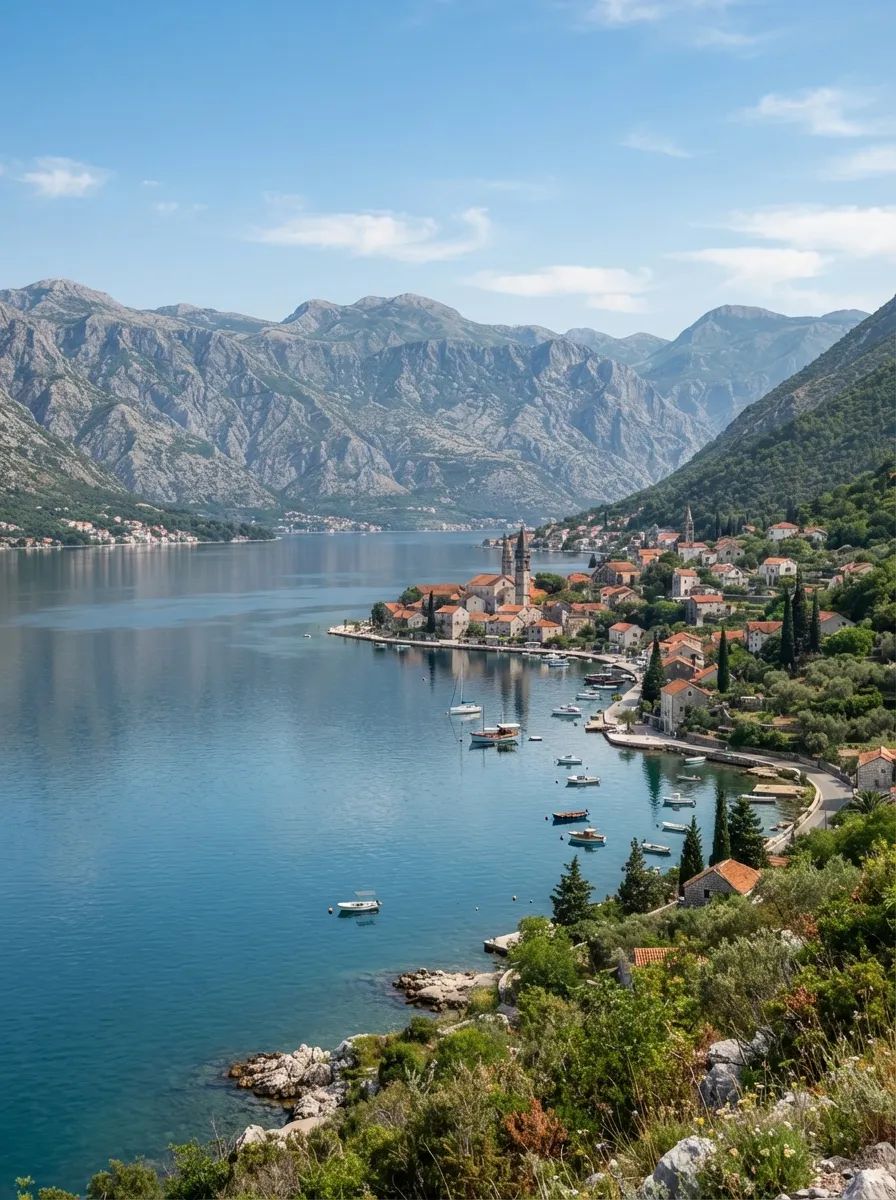
Montenegro Travel Guide: Best Places to Visit, Things to Do, Costs and Travel Tips
Montenegro is one of those European countries that can make you wonder why you did not visit sooner.
In one trip, you can wake up beside the Adriatic Sea, drive through dramatic mountain roads, explore a medieval walled town, hike around a glacial lake, and finish the day eating fresh seafood beside the water.
And you do not need weeks to experience it.
Montenegro is small enough to explore on a relatively short trip, but it packs an extraordinary amount of scenery into its borders. The Bay of Kotor, Durmitor National Park, Lake Skadar, Budva, Perast, Sveti Stefan, and the old town of Kotor all offer very different experiences.
The country is officially called Montenegro, or Crna Gora in Montenegrin, meaning “Black Mountain.” It sits along the Adriatic coast between Croatia, Bosnia and Herzegovina, Serbia, Kosovo, and Albania.
For travelers looking for a European destination that combines beaches, mountains, history, and outdoor adventure without the scale of some of Europe’s larger countries, Montenegro deserves serious attention.
This Montenegro travel guide covers where to go, what to see, how long to stay, transportation, costs, food, the best time to visit, and practical tips for planning your trip.
Recommended Travel Items for Your Trip
Is Montenegro Worth Visiting?
Yes, especially if you like variety.
Montenegro is a particularly good destination for travelers who enjoy:
- Coastal towns
- Mountain scenery
- Road trips
- Hiking
- Historic old towns
- Beaches
- National parks
- Photography
- Small European cities
- Outdoor adventures
- Scenic drives
- Slow travel
The country’s biggest advantage is its geography.
The Adriatic coast can feel Mediterranean, while the interior quickly changes into rugged mountains and deep valleys.
You can spend the morning exploring a centuries-old coastal town and the afternoon driving toward the mountains.
That contrast is what makes Montenegro so memorable.
Where Is Montenegro?
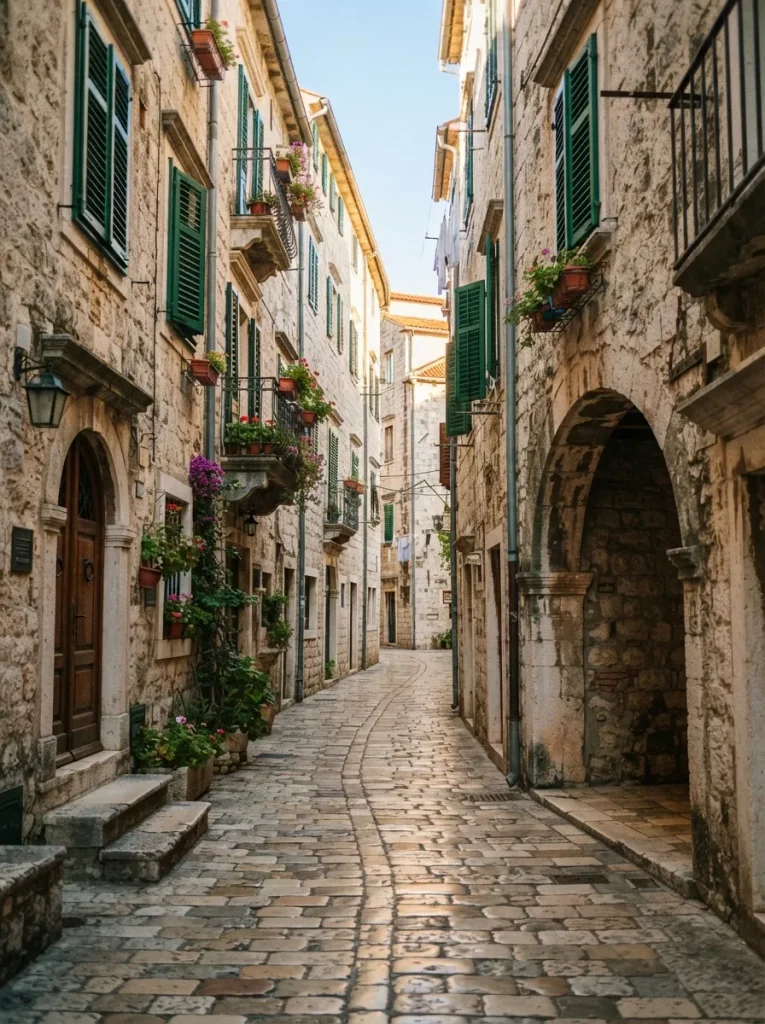
Montenegro is in southeastern Europe on the Adriatic Sea.
Its coastline stretches for roughly 293 kilometers and includes dramatic bays, beaches, fishing villages, historic towns, and resort areas.
The country is relatively small, covering about 13,800 square kilometers.
That means many of Montenegro’s major destinations can be combined into one itinerary.
Popular areas include:
- Kotor
- Perast
- Budva
- Sveti Stefan
- Herceg Novi
- Ulcinj
- Lake Skadar
- Cetinje
- Žabljak
- Durmitor National Park
- Biogradska Gora National Park
- Tara Canyon
Best Places to Visit in Montenegro
1. Kotor
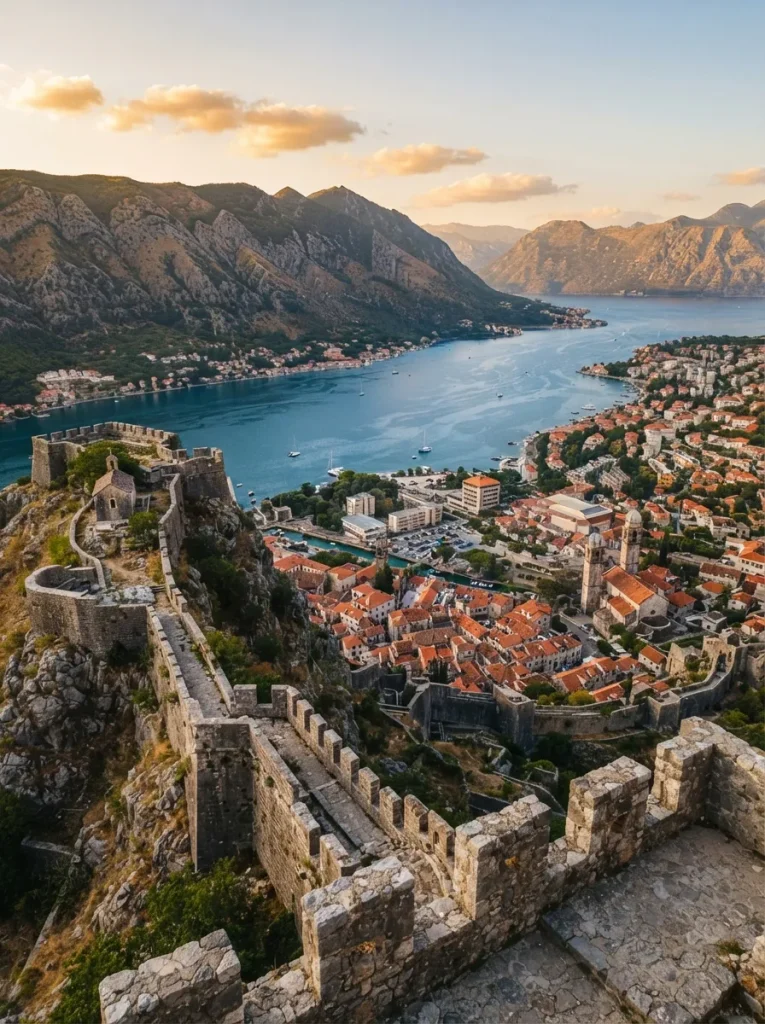
If you visit only one place in Montenegro, make it Kotor.
The UNESCO-listed natural and cultural region around Kotor is one of the country’s biggest attractions.
The old town sits at the end of the Bay of Kotor beneath steep limestone mountains.
Inside the walls, you will find:
- Medieval streets
- Stone houses
- Churches
- Squares
- Cafés
- Restaurants
- Historic gates
- Small shops
But the most rewarding experience is climbing toward the San Giovanni Fortress.
The hike is steep, but the views over Kotor and the bay are spectacular.
Go early if you are visiting during the busy summer months.
The combination of heat, crowds, and steep stone steps can make the climb harder than it looks.
2. Bay of Kotor
Do not treat Kotor as the entire bay.
The Bay of Kotor is a destination in its own right.
Driving around the water reveals dramatic mountains rising almost directly from the coast.
Stop frequently.
Some of the best moments are not famous attractions at all. They are small waterfront villages, roadside viewpoints, old stone houses, and quiet stretches of the bay.
You can explore the area by:
- Car
- Boat
- Bus
- Organized tour
- Bicycle for experienced riders
A boat trip is particularly useful because it gives you a completely different perspective of the mountains and waterfront towns.
3. Perast
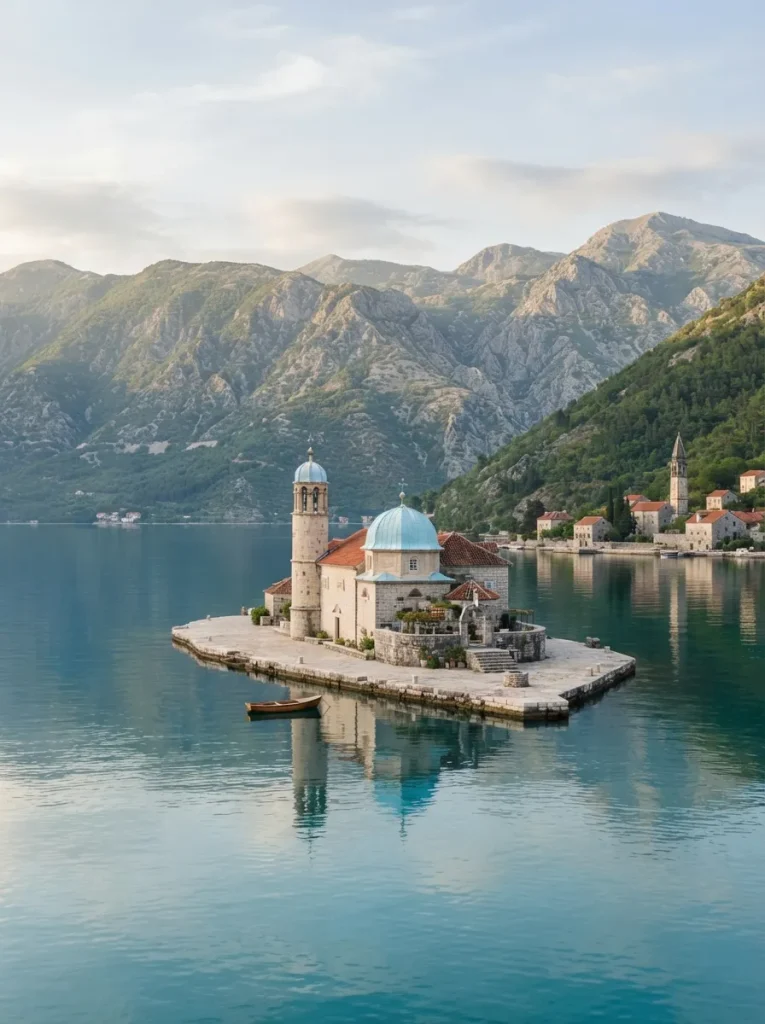
Perast is tiny compared with Kotor, but that is part of its appeal.
The historic settlement sits directly beside the Bay of Kotor and is famous for its stone architecture and two small islands.
The most famous is Our Lady of the Rocks, an artificial island topped by a church.
You can take a boat across the water to visit it.
Perast is an excellent half-day stop from Kotor.
4. Budva
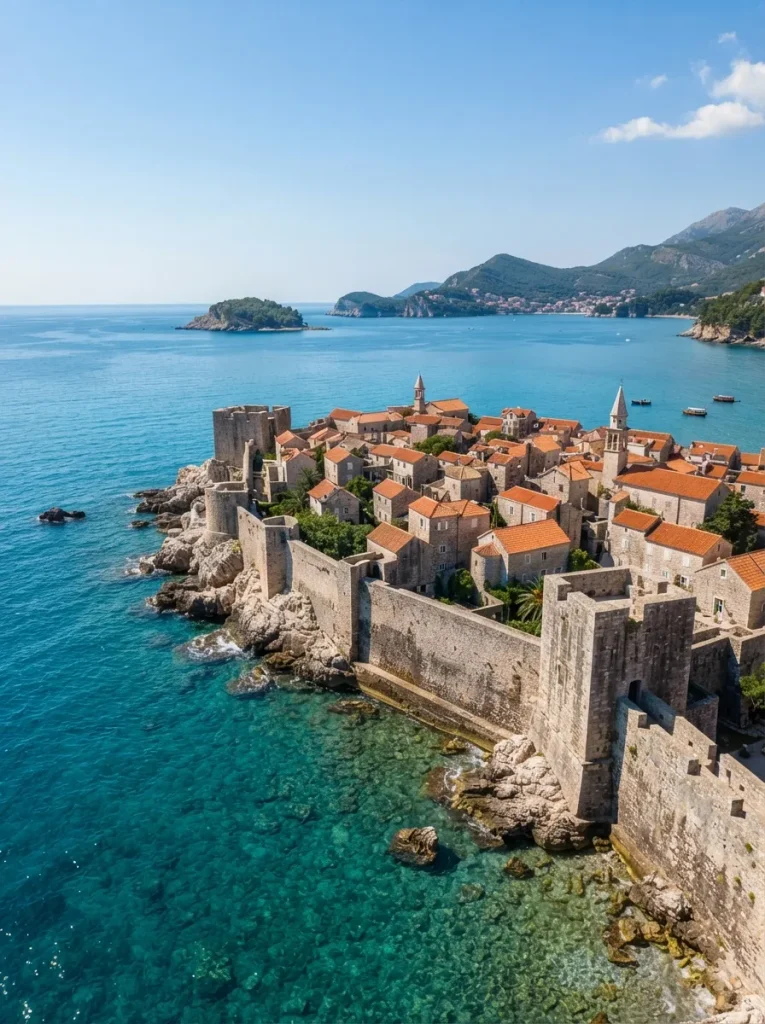
Budva is Montenegro’s major beach-and-nightlife destination.
The city combines:
- Beaches
- Restaurants
- Bars
- Resorts
- Historic architecture
- Boat trips
- Summer nightlife
The Old Town is surrounded by medieval walls and is worth exploring even if nightlife is not your thing.
Budva is livelier than Kotor, particularly during summer.
Choose Budva if you want a combination of beach time and entertainment.
Choose Kotor if history, scenery, and atmosphere are more important to you.
5. Sveti Stefan
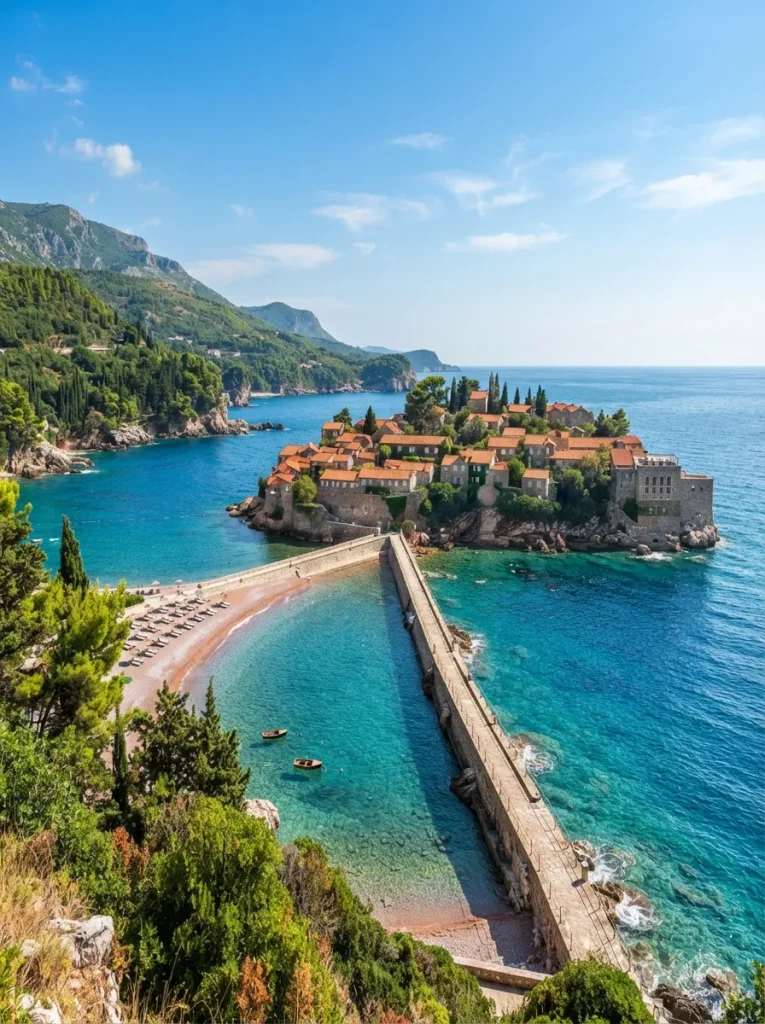
Sveti Stefan is one of Montenegro’s most photographed coastal scenes.
A small fortified island sits just offshore, connected to the mainland by a narrow causeway.
The island has historically operated as a luxury resort, and access arrangements can change, so check current conditions before planning a visit specifically to enter the island.
Even when you cannot access the resort itself, the viewpoint and surrounding coastline are worth seeing.
6. Herceg Novi
Herceg Novi sits near the entrance to the Bay of Kotor.
It is known for:
- Stone stairways
- Fortresses
- Mediterranean vegetation
- Waterfront promenades
- Old-town streets
It makes a good addition to a coastal road trip.
7. Cetinje
Cetinje is Montenegro’s historic royal capital.
It feels completely different from the coastal resorts.
Here you can explore museums, historic buildings, monasteries, and streets connected with Montenegro’s royal and political history.
Cetinje also works well as a stop between the coast and the mountains.
8. Lake Skadar
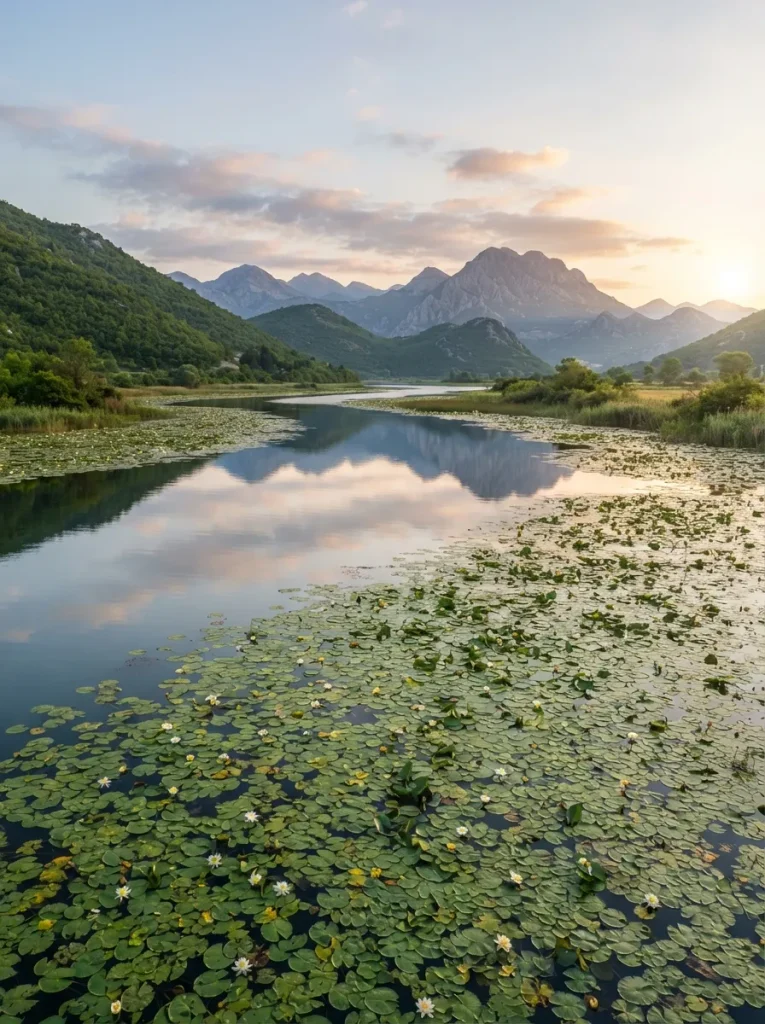
Lake Skadar is one of Montenegro’s great natural attractions.
The lake stretches across Montenegro and Albania and is surrounded by mountains, wetlands, villages, and scenic viewpoints.
It is especially popular with travelers interested in:
- Birdwatching
- Boat trips
- Photography
- Kayaking
- Nature
- Rural Montenegro
Virpazar is one of the main gateways for exploring the lake.
A boat trip can take you through quiet waterways and wetlands while giving you a chance to see birdlife.
9. Durmitor National Park
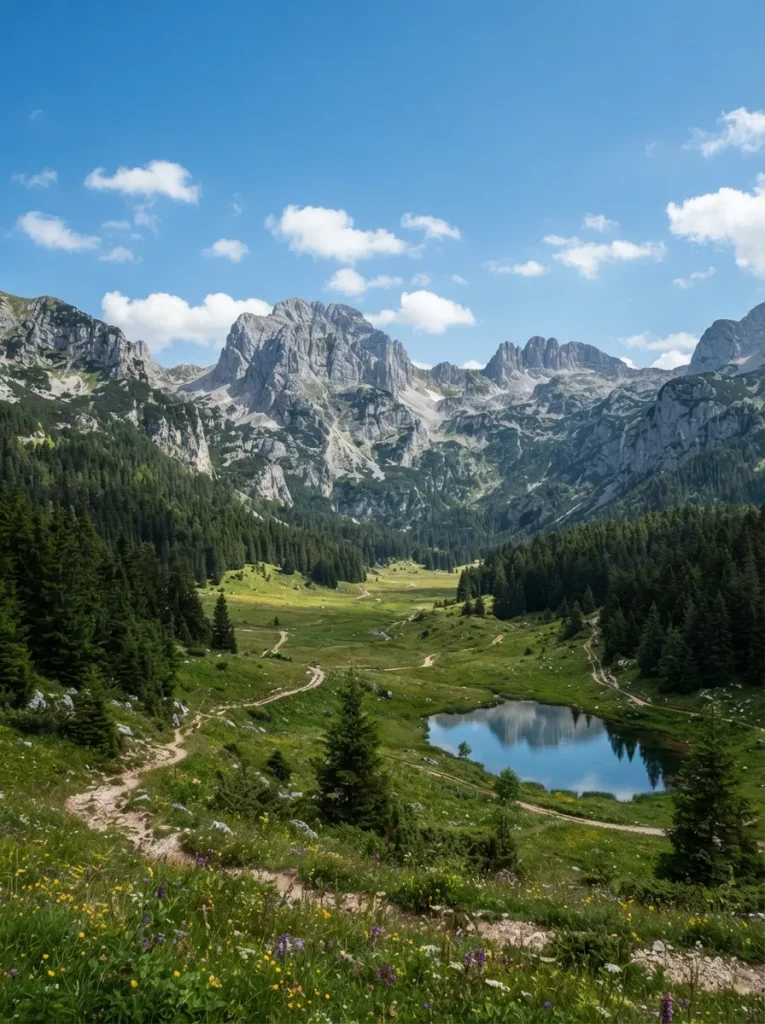
This is where Montenegro changes character completely.
Durmitor National Park is a spectacular mountain region in the north of the country.
It is known for:
- Dramatic peaks
- Glacial lakes
- Hiking trails
- Forests
- Deep valleys
- Tara Canyon
- Winter sports
Žabljak is the main base for exploring the park.
If you only visit Montenegro’s coast, you miss one of the country’s most impressive landscapes.
10. Black Lake
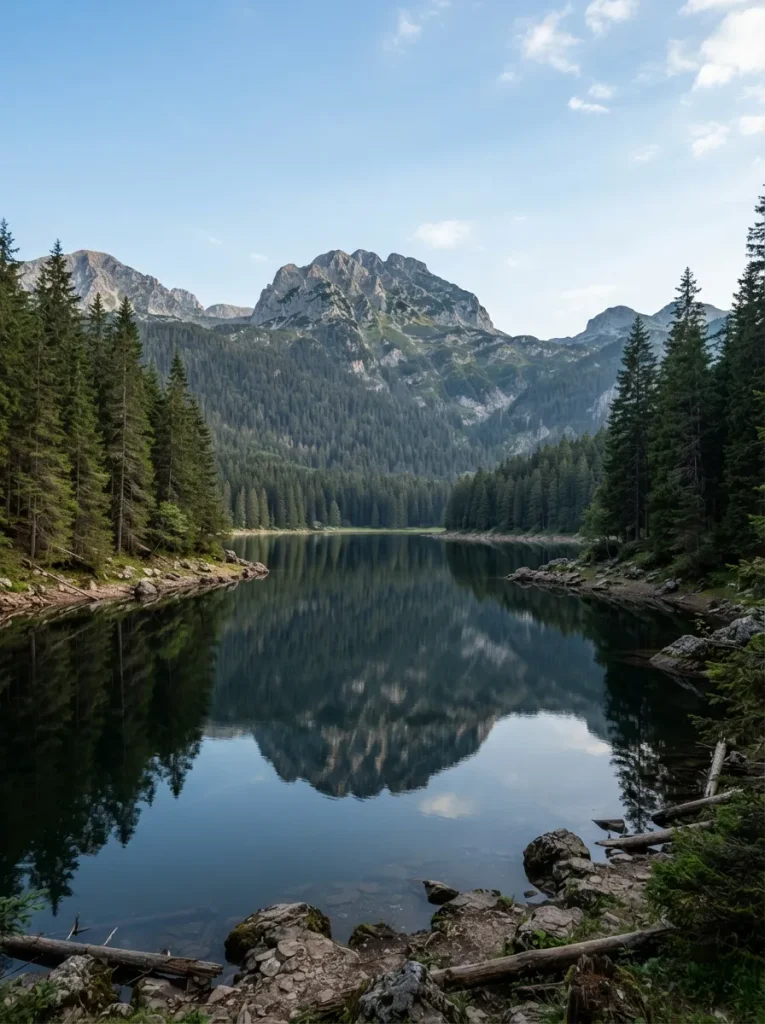
Black Lake, or Crno Jezero, is one of Durmitor’s best-known attractions.
It sits among forested mountains and is particularly beautiful when the surrounding peaks are reflected in the water.
The lake is easy to combine with a stay in Žabljak.
A walk around the lake is much easier than tackling some of Durmitor’s longer mountain hikes, making it a good choice for travelers who want dramatic scenery without committing to a full-day trek.
11. Tara Canyon
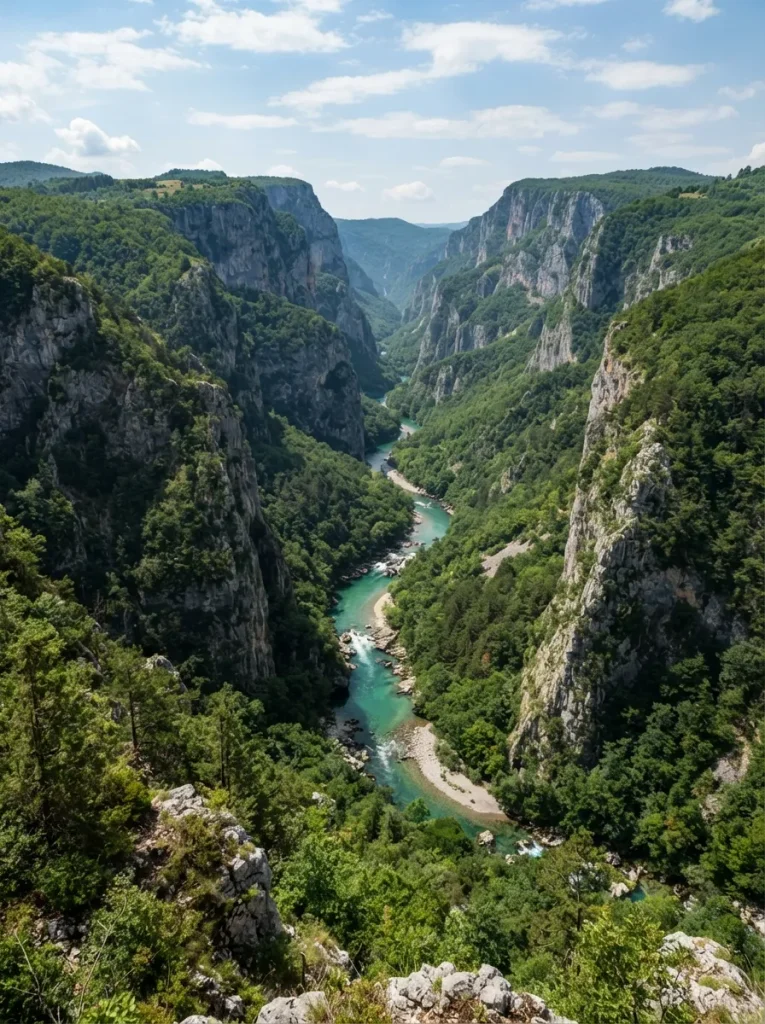
Tara Canyon is one of Europe’s great canyon landscapes.
The Tara River cuts through the mountains, creating dramatic cliffs and viewpoints.
The area is also famous for rafting.
If you enjoy adventure travel, rafting on the Tara is one of the experiences worth considering.
Conditions and rafting availability depend on the season, so check with licensed local operators before booking.
12. Biogradska Gora National Park
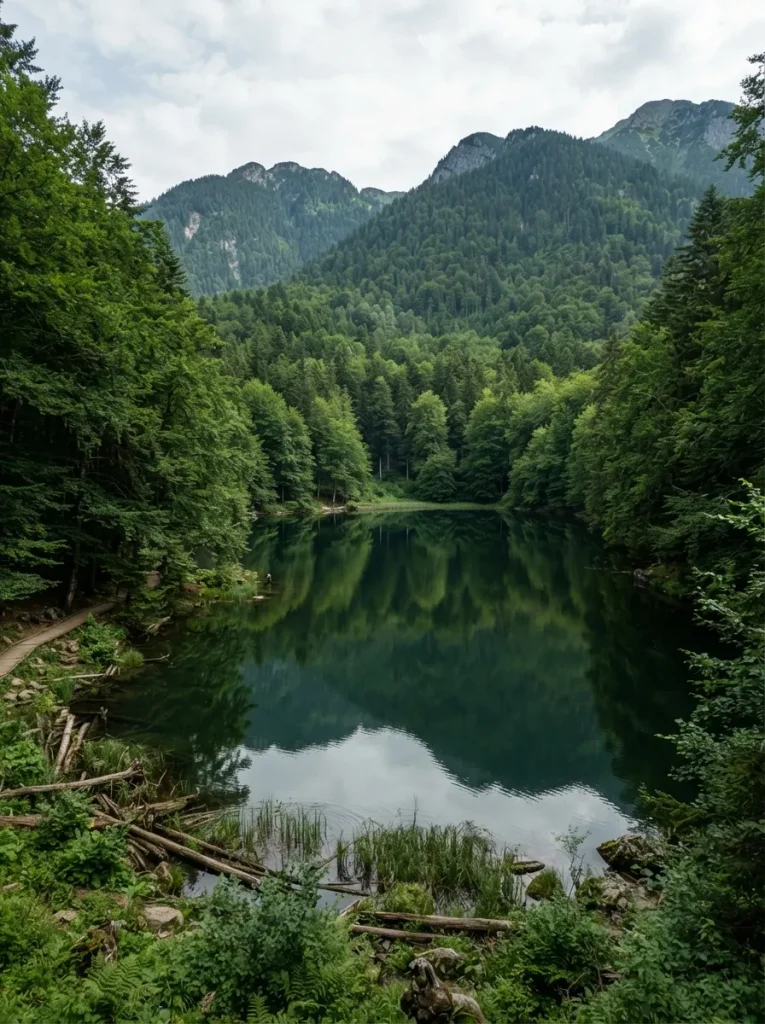
Biogradska Gora offers another side of Montenegro’s mountains.
The park is known for ancient forest, mountain scenery, and Biogradsko Lake.
It is an excellent destination if you prefer forest walks and peaceful landscapes over the busier coastal towns.
Montenegro Coast vs Mountains
One of the biggest decisions when planning Montenegro is how much time to spend on the coast versus inland.
| Area | Best For | Suggested Time |
| Kotor | History and scenery | 2 days |
| Perast | Small-town charm | Half day |
| Budva | Beaches and nightlife | 1–2 days |
| Lake Skadar | Nature and boats | 1 day |
| Durmitor | Hiking and mountains | 2–3 days |
| Žabljak | Mountain base | 1–2 days |
| Cetinje | History | Half day |
| Herceg Novi | Coastal exploration | 1 day |
For a first visit, try not to spend the entire trip on the beach.
Montenegro’s interior is where the country becomes genuinely surprising.
How Many Days Do You Need in Montenegro?
3 Days
Three days is enough for a coastal introduction.
Focus on:
- Kotor
- Perast
- Bay of Kotor
- Budva
5 Days
Five days gives you a better mix.
A possible itinerary:
Day 1: Kotor
Day 2: Perast and Bay of Kotor
Day 3: Budva and Sveti Stefan
Day 4: Lake Skadar
Day 5: Cetinje and return to the coast
7 Days
Seven days is much better for a first trip.
You can combine:
- Kotor
- Perast
- Budva
- Lake Skadar
- Cetinje
- Durmitor
- Žabljak
10 Days
Ten days allows you to slow down and include both the coast and mountains without turning the trip into a daily packing exercise.
You could also add Herceg Novi, Tara Canyon, and Biogradska Gora.
Best Montenegro Itinerary for 7 Days
Here is a balanced first-time itinerary.
Day 1: Kotor
Explore the Old Town and waterfront.
If you arrive early enough, climb toward San Giovanni Fortress.
Spend the night in Kotor.
Day 2: Perast and the Bay of Kotor
Visit Perast.
Take a boat toward Our Lady of the Rocks.
Continue exploring the bay before returning to Kotor.
Day 3: Budva
Drive toward Budva.
Explore the Old Town, spend time on the coast, and enjoy dinner by the sea.
Day 4: Sveti Stefan and Lake Skadar
Stop at Sveti Stefan before heading inland.
Spend the afternoon around Lake Skadar.
Stay near Virpazar or continue toward the mountains.
Day 5: Žabljak
Head north toward Žabljak.
The scenery becomes dramatically more mountainous.
Spend the afternoon around Black Lake.
Day 6: Durmitor and Tara Canyon
Dedicate the day to Durmitor National Park.
Choose a hike appropriate for your fitness and weather conditions.
Visit Tara Canyon if conditions and your itinerary allow.
Day 7: Return toward the coast
Allow plenty of driving time.
Montenegro’s roads can be slow because of mountains, curves, traffic, and summer congestion.
Do not assume that a short distance on the map equals a short journey.
Best Time to Visit Montenegro
Montenegro has several distinct travel seasons.
May and June
These are excellent months for travelers who want pleasant weather without the height of summer crowds.
The mountains are becoming accessible, while the coast is already warming up.
July and August
This is peak summer.
The Adriatic coast can be hot and busy.
Expect:
- Higher accommodation prices
- More traffic
- Crowded beaches
- Busy Kotor
- More cruise visitors
- Strong demand for popular tours
If you visit during this period, book accommodation and major activities ahead.
September and October
These can be fantastic months for Montenegro.
The sea may remain warm enough for swimming while the crowds begin to thin.
Mountain areas also become attractive for hiking and photography.
Winter
Winter transforms northern Montenegro.
The mountains become a destination for snow and winter sports, particularly around Žabljak and Kolašin.
The coast is much quieter.
If you are planning a Europe trip across multiple seasons, our Europe packing list can help you build a more adaptable suitcase rather than packing completely different luggage for every stop.
Montenegro in Winter
Do not assume the entire country shuts down in winter.
Instead, the travel experience changes.
Coastal towns become quieter, while northern mountain destinations become more important.
Kolašin and Žabljak are particularly relevant for winter sports.
However, mountain roads can be affected by snow and ice.
If driving in winter, check current road conditions and weather before setting out.
Does Montenegro Have Good Beaches?
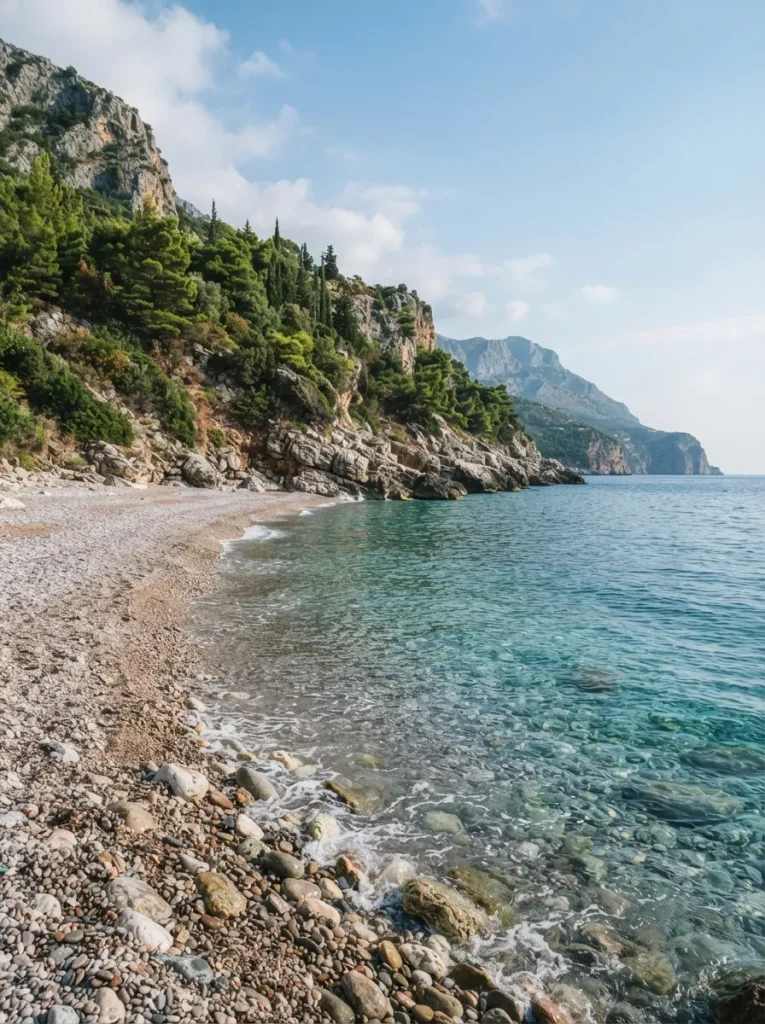
Yes, although the beaches may surprise travelers who expect huge stretches of sand.
Many Montenegro beaches are smaller and made of pebbles or gravel.
Popular coastal areas include:
- Budva
- Bečići
- Petrovac
- Sveti Stefan
- Ulcinj
- Bar
- Herceg Novi
Ulcinj, near the southern end of the coast, is particularly interesting because it offers longer sandy beaches and a different cultural atmosphere from Kotor and Budva.
Montenegro Food You Should Try
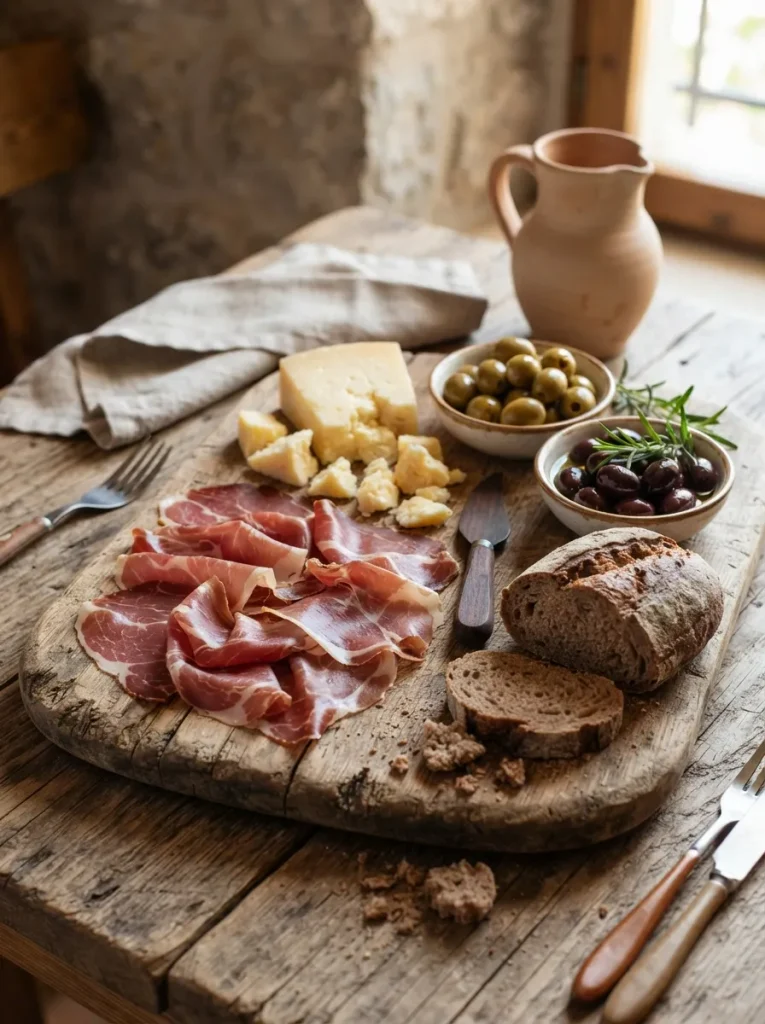
Montenegrin cuisine reflects its geography.
You will find Mediterranean influences along the coast and hearty mountain dishes inland.
Try:
Njeguški pršut
A famous smoked and cured ham from the Njeguši area.
Njeguški cheese
Often served alongside local cured meats.
Seafood
On the Adriatic coast, look for:
- Grilled fish
- Octopus
- Mussels
- Squid
- Shrimp
- Seafood risotto
Kačamak
A traditional hearty dish associated with the mountain regions.
Lamb
Mountain regions are known for traditional lamb dishes.
Burek
A Balkan pastry filled with ingredients such as meat, cheese, or spinach.
Fresh local produce
Tomatoes, peppers, olives, cheese, and seasonal vegetables appear frequently in coastal meals.
If you are staying in an apartment, shopping at local markets and preparing a few meals yourself can also help control your travel budget.
Is Montenegro Expensive?
Montenegro can be relatively affordable compared with some Western European destinations, but prices vary dramatically by location and season.
Kotor and Budva during July and August can be considerably more expensive than smaller inland towns.
Your budget will depend mainly on:
- Accommodation
- Car rental
- Season
- Restaurant choices
- Tours
- Outdoor activities
- Number of destinations
A rough planning framework is:
| Travel Style | Daily Budget |
| Budget | €40–€70 |
| Mid-range | €80–€150 |
| Comfortable | €150–€250+ |
These are planning ranges rather than fixed prices.
Accommodation and car rental can push the total considerably higher during peak summer.
Getting Around Montenegro
For a coastal city break, buses can work.
For a broader Montenegro itinerary, a rental car is usually much more convenient.
A car gives you the freedom to:
- Stop at viewpoints
- Explore mountain villages
- Visit Lake Skadar
- Drive through Durmitor
- Reach hiking trailheads
- Explore rural areas
But driving in Montenegro requires patience.
Mountain roads can be narrow and winding.
Distances that look short on Google Maps may take much longer than expected.
Do not build an itinerary that requires you to drive from one side of the country to another every day.
Is Montenegro Safe for Travelers?
Montenegro is generally considered a safe destination for tourists, but normal travel precautions still apply.
Take care of:
- Wallets and phones in crowded areas
- Belongings at beaches
- Rental-car documents
- Mountain weather
- Road conditions
- Hiking equipment
- Swimming conditions
The biggest practical risks for many adventure travelers are not crime-related.
They are weather, roads, heat, dehydration, and underestimating mountain terrain.
If hiking, always check the forecast and trail conditions.
Driving Tips for Montenegro
If you rent a car, keep these points in mind:
Do not rush
Mountain roads reward patience.
Avoid excessive night driving
This is particularly useful if you are unfamiliar with the roads.
Start early
Morning departures help you avoid some coastal traffic.
Fill up before remote areas
Fuel stations are less common in mountain regions.
Allow extra time
A 50-kilometer mountain drive can take much longer than expected.
Keep offline maps
Mobile coverage can be inconsistent in remote mountain areas.
What to Pack for Montenegro
Your packing list should depend heavily on the season.
For summer, bring:
- Lightweight clothing
- Comfortable walking shoes
- Sandals
- Swimwear
- Sun protection
- Hat
- Sunglasses
- Light jacket
- Reusable water bottle
- Small daypack
For hiking:
- Hiking shoes
- Breathable layers
- Rain shell
- Small first-aid kit
- Offline maps
- Extra water
- Headlamp
- Warm layer
For winter:
- Insulated jacket
- Warm base layers
- Waterproof footwear
- Gloves
- Hat
- Warm socks
- Waterproof outer layer
For a detailed year-round checklist, see our Europe trip packing list.
Montenegro for Couples
Montenegro is excellent for a romantic trip.
Kotor is the obvious choice, but do not stop there.
Couples can enjoy:
- Sunset in Kotor
- Boat trips around the Bay of Kotor
- Dinner in Perast
- Scenic coastal drives
- Wine and food experiences
- Lake Skadar
- Mountain cabins
- Quiet beaches
If you are looking for other romantic European destinations, our guide to romantic European cities explores several alternatives that can also work well for couples.
Montenegro for Digital Nomads
Montenegro has become increasingly interesting for remote workers and digital nomads because of its scenery, relatively compact geography, and coastal lifestyle.
Budva and Kotor are the obvious places to investigate.
Podgorica can also appeal to travelers who prioritize practical city infrastructure over postcard scenery.
But Montenegro is not perfect for every remote worker.
Before staying for several months, consider:
- Internet reliability
- Accommodation outside peak season
- Visa rules
- Cost fluctuations
- Coworking options
- Seasonal crowds
- Transportation
- Healthcare access
For a wider comparison of Europe’s digital-nomad scene, our best and worst European countries for digital nomads guide compares destinations beyond Montenegro.
Montenegro Christmas Travel
Montenegro is not usually the first country people mention when planning a European Christmas trip.
That can actually be an advantage.
The biggest Christmas-market destinations are generally found farther north and west, while Montenegro offers a quieter winter atmosphere.
Podgorica and coastal cities may have seasonal decorations and events, while the northern mountains offer a completely different snowy experience.
If Christmas markets are the main purpose of your trip, compare Montenegro with destinations in our guide to the best European Christmas markets.
Montenegro for Families
Montenegro can work well for families, particularly if you mix shorter sightseeing sessions with outdoor activities.
Good family-friendly ideas include:
- Boat trips
- Beaches
- Easy walks
- Lake Skadar
- Black Lake
- Scenic drives
- Old-town exploration
The main challenge is the terrain.
Some historic towns have stairs and uneven stone streets, while mountain destinations can require longer drives.
Families with young children should avoid creating an itinerary with a different hotel every night.
Choose two or three bases instead.
Montenegro for Hikers
If hiking is your priority, northern Montenegro should be high on your list.
Durmitor is the obvious starting point.
Other mountain areas include:
- Prokletije
- Biogradska Gora
- Komovi
- Bjelasica
Always research the exact trail before starting.
Mountain weather can change quickly, and trails that look straightforward on a map may be much more demanding in reality.
The Best Montenegro Road Trip
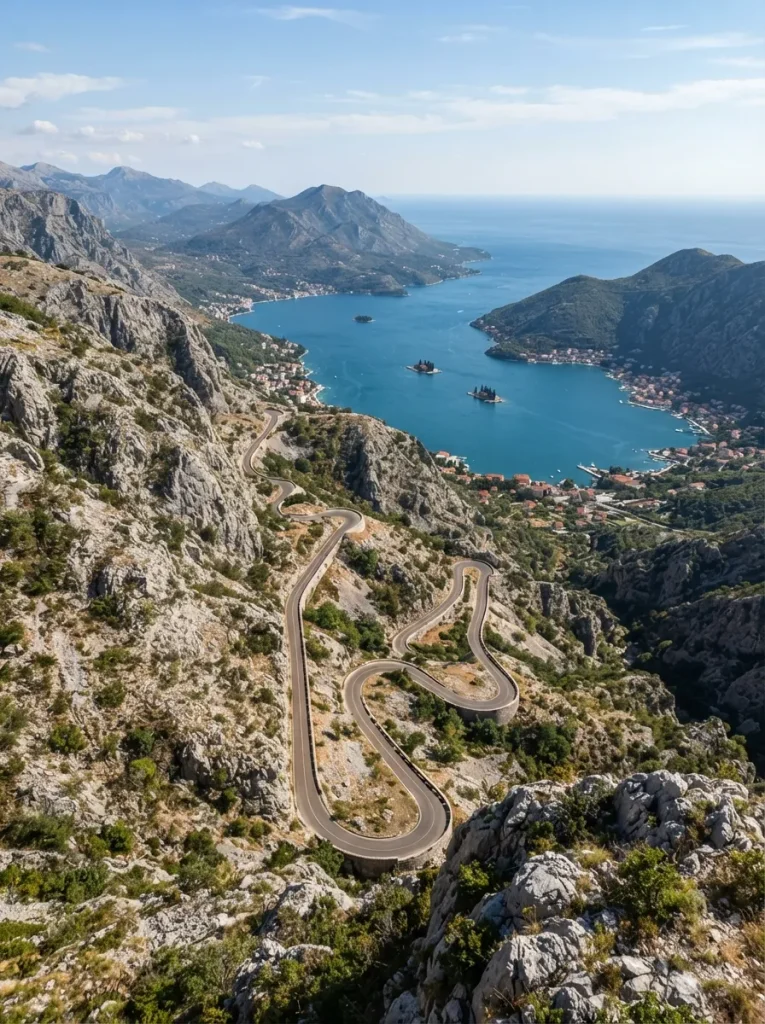
If you have seven to ten days and want to see a lot of the country, a road trip makes sense.
A possible route is:
Kotor → Perast → Budva → Sveti Stefan → Lake Skadar → Cetinje → Žabljak → Durmitor → Tara Canyon → Kolašin
You can then continue toward Podgorica or return toward the coast depending on your flight.
This route gives you an excellent mix of:
- Coast
- History
- Mountains
- Lakes
- National parks
- Villages
- Food
- Adventure
The important thing is not to drive every day.
Give yourself time to stop.
Montenegro is a country where the road itself can be part of the attraction.
Montenegro Travel Mistakes to Avoid
Trying to see everything
Montenegro is small, but mountains make travel slower.
Visiting only Kotor
Kotor is spectacular, but Montenegro is much bigger than its most famous bay.
Underestimating summer crowds
July and August can be extremely busy on the coast.
Ignoring mountain weather
A sunny coastal morning does not guarantee the same conditions in Durmitor.
Booking too many one-night stays
Constantly changing hotels gets exhausting.
Relying entirely on driving-time estimates
Mountain roads can add significant travel time.
Forgetting cash
Cards are widely used, but cash can still be useful in smaller businesses and rural areas.
Packing only for the coast
Even in summer, mountain evenings can be cool.
Frequently Asked Questions About Montenegro
How many days do you need in Montenegro?
Seven days is a good starting point for a first trip. Ten days is better if you want to combine the coast, Lake Skadar, and northern mountains without rushing.
What is the most beautiful place in Montenegro?
Kotor and the Bay of Kotor are among the country’s most spectacular destinations, but Durmitor National Park offers an entirely different type of beauty.
Is Montenegro cheap or expensive?
Montenegro can be relatively affordable compared with some Western European destinations, but prices rise significantly in popular coastal areas during July and August.
Is Montenegro good for a road trip?
Yes. A road trip is one of the best ways to experience the country’s combination of coastline, mountains, lakes, villages, and national parks.
What is the best month to visit Montenegro?
May, June, September, and early October are excellent choices for travelers who want a balance between pleasant weather and fewer peak-season crowds.
Is Montenegro good for a first trip to Europe?
Yes, particularly if you want nature, history, beaches, and outdoor activities rather than only major European capitals.
Is Montenegro good for digital nomads?
It can be, particularly in coastal destinations such as Kotor and Budva, but remote workers should research current visa rules, internet reliability, seasonal accommodation prices, and coworking options before committing to a longer stay.
Final Thoughts
Montenegro is small on the map but enormous in variety.
You can wander through the medieval streets of Kotor in the morning, take a boat across the Bay of Kotor, eat seafood beside the Adriatic, and then spend the next day driving into mountains that look like they belong to an entirely different country.
That is the magic of Montenegro. The coast gives you beaches and historic towns. Lake Skadar gives you wetlands and wildlife.
Cetinje gives you history. Durmitor gives you mountains. Tara gives you adventure. And the roads connecting them give you some of the best scenery in the country.
If you have only three days, stay around the Bay of Kotor. If you have five days, add Budva and Lake Skadar. If you have seven to ten days, go deeper into the mountains.
And if you can travel outside July and August, seriously consider it. Montenegro is at its best when you have enough time to stop the car, step outside, and simply look around.
Sometimes the most memorable part of the trip is not the attraction you planned to visit. It is the mountain you suddenly see around the next bend.