Big Island Hawaii: The Ultimate Travel Guide to Volcanoes, Beaches & Wild Adventures
There is Hawaii, and then there is Big Island Hawaii.
The largest island in the Hawaiian archipelago feels almost like several destinations stitched together. You can watch waves crash against black-lava beaches in the morning, drive through lush tropical forests in the afternoon, and find yourself surrounded by an almost otherworldly volcanic landscape before the day is over.
And despite its size, Big Island Hawaii doesn’t feel like a place you need to conquer all at once. That’s part of its charm.
From Hawaiʻi Volcanoes National Park and Mauna Kea to Kona’s sunny coastline, coffee farms, waterfalls, snorkeling spots, and dramatic scenic drives, the island offers a remarkable range of experiences.
If you’re planning your first visit, here’s everything you need to know to make the most of it.
Recommended Travel Items for Your Trip
Why Big Island Hawaii Is Worth Visiting
Big Island Hawaii is the youngest and largest of the main Hawaiian Islands, and its enormous size gives it a landscape unlike anywhere else in the state.
You can experience:
- Active volcanic landscapes
- Black-sand beaches
- Tropical rainforests
- Waterfalls
- Coral reefs
- Coffee farms
- Scenic coastal roads
- Mountain landscapes
- Stargazing
- Wildlife encounters
- Small towns and local communities
The island also has two very different sides.
Kona, on the western coast, is generally sunnier and drier, with beaches, resorts, restaurants, snorkeling, and coffee country.
Hilo, on the eastern side, is wetter and greener, with waterfalls, gardens, rainforest, and easy access to volcanic landscapes.
That contrast is one of the best reasons not to spend your entire vacation in one corner.
Best Things to Do on Big Island Hawaii
1. Explore Hawaiʻi Volcanoes National Park
This should be near the top of almost every Big Island itinerary.
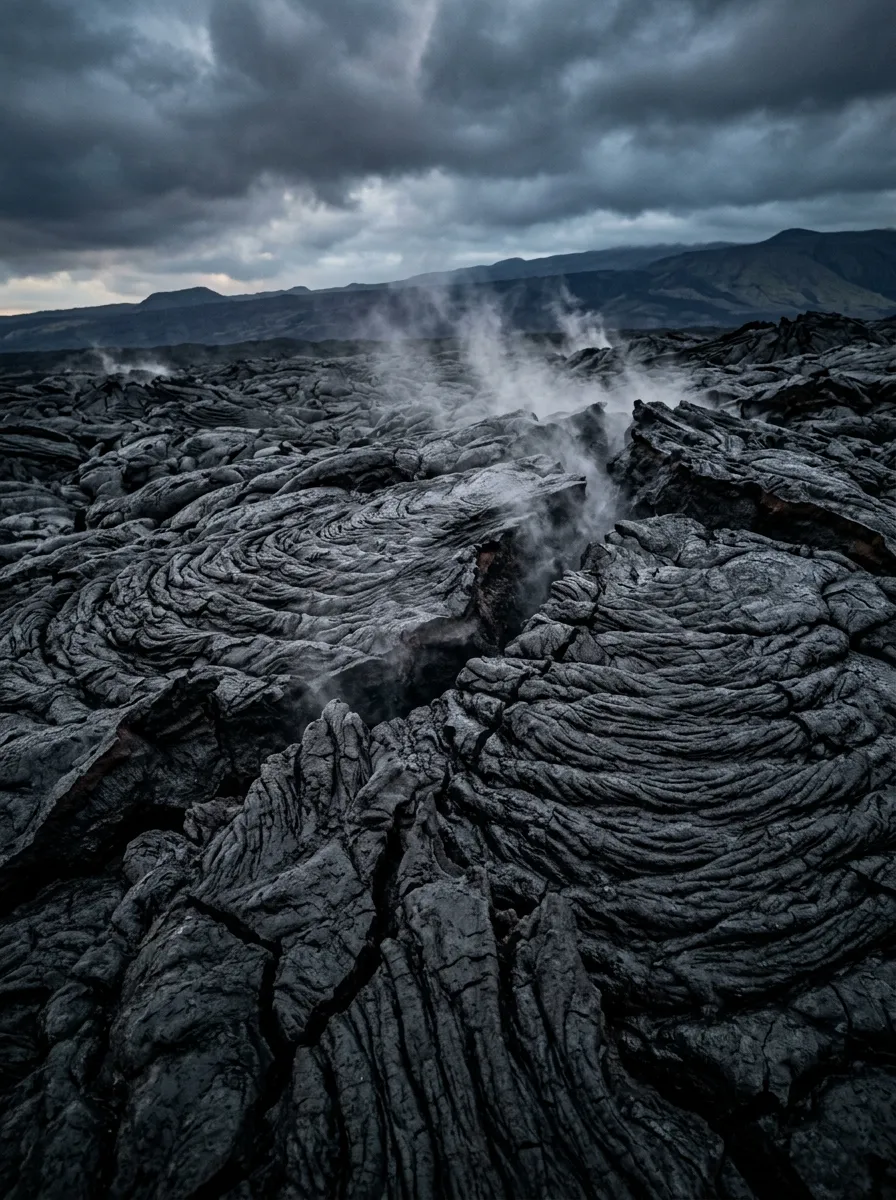
Hawaiʻi Volcanoes National Park is home to two of the island’s most famous volcanoes, Kīlauea and Mauna Loa.
The landscape can feel almost extraterrestrial, with enormous volcanic craters, hardened lava fields, steaming areas, forests, and roads winding through terrain that has been repeatedly reshaped by volcanic activity.
The exact volcanic conditions can change, so check current park information before visiting.
One of the best things about the park is that you don’t need to be an experienced hiker to appreciate it. There are viewpoints, short walks, scenic drives, and longer trails.
2. See the Black Sand at Punaluʻu Beach
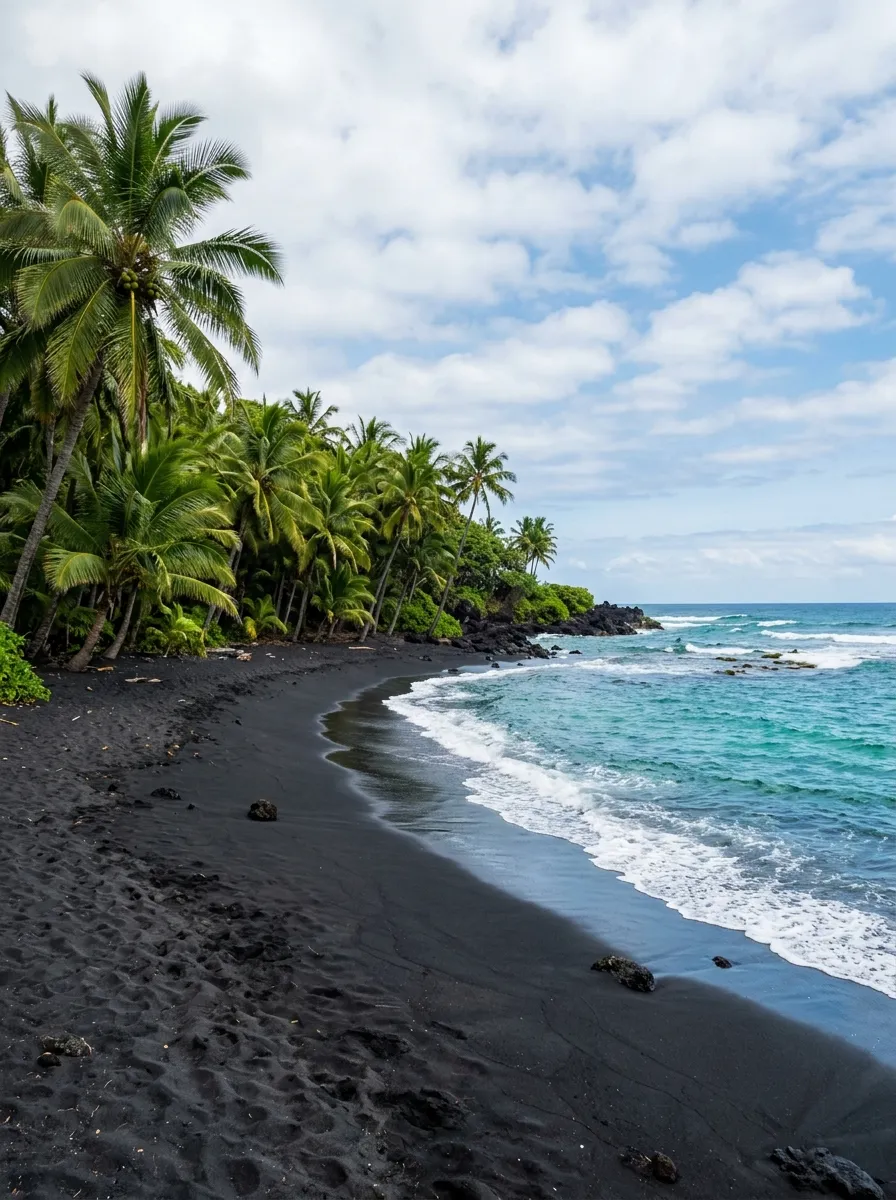
Forget white sand for a moment.
Punaluʻu Beach is famous for its striking black volcanic sand, created by lava interacting with the ocean.
The contrast between dark sand, turquoise water, green vegetation, and Hawaiian skies makes this one of the island’s most memorable landscapes.
You may also spot Hawaiian green sea turtles resting near the shoreline.
Give them plenty of space and never touch or disturb them.
3. Go Stargazing on Mauna Kea
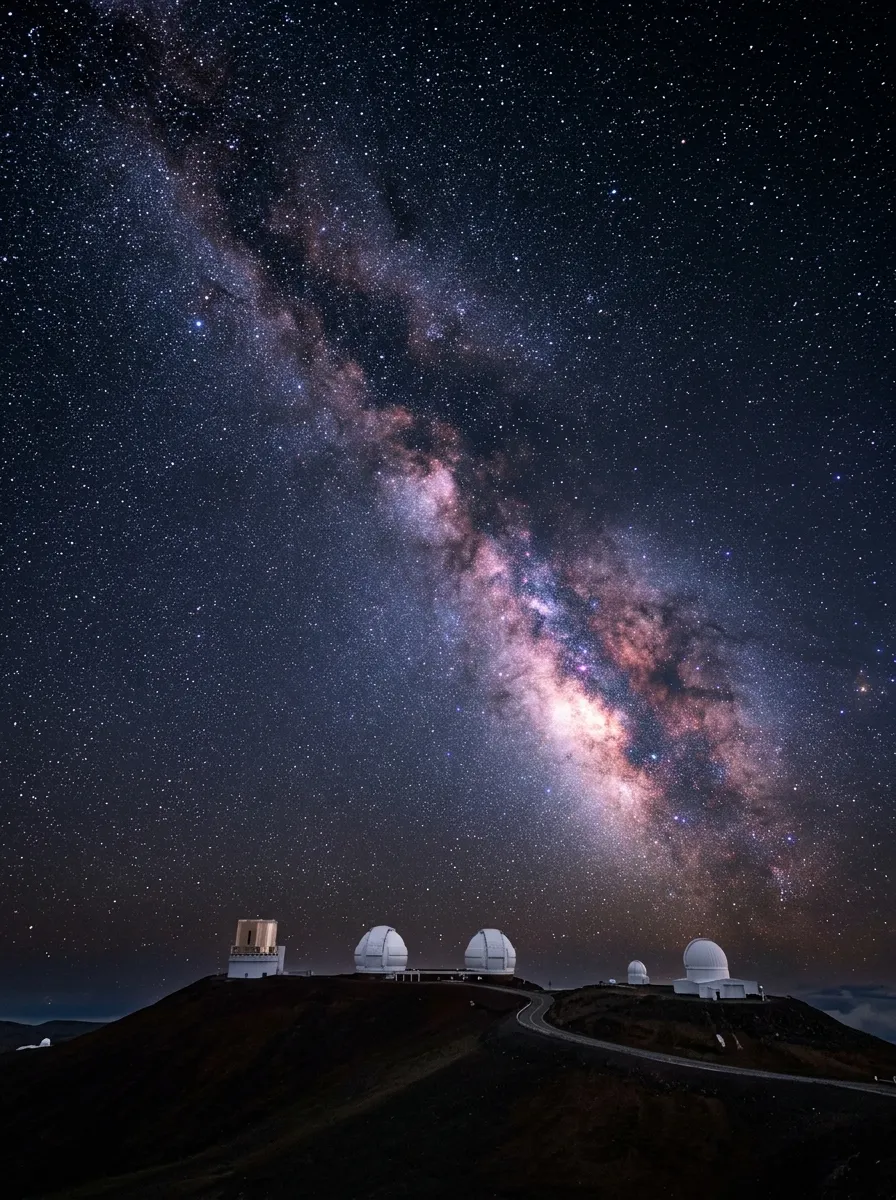
Big Island Hawaii is famous for its astronomical conditions, and Mauna Kea is one of the most extraordinary places on the island to experience the night sky.
At high elevations, the atmosphere can be exceptionally clear, creating spectacular opportunities for stargazing.
But this isn’t an ordinary mountain drive.
Weather can change quickly, temperatures drop dramatically at elevation, and altitude can affect visitors. Check current conditions and access requirements before heading upward.
If you’re lucky with the weather, the stars can completely change the character of your trip.
4. Chase Waterfalls Around Hilo
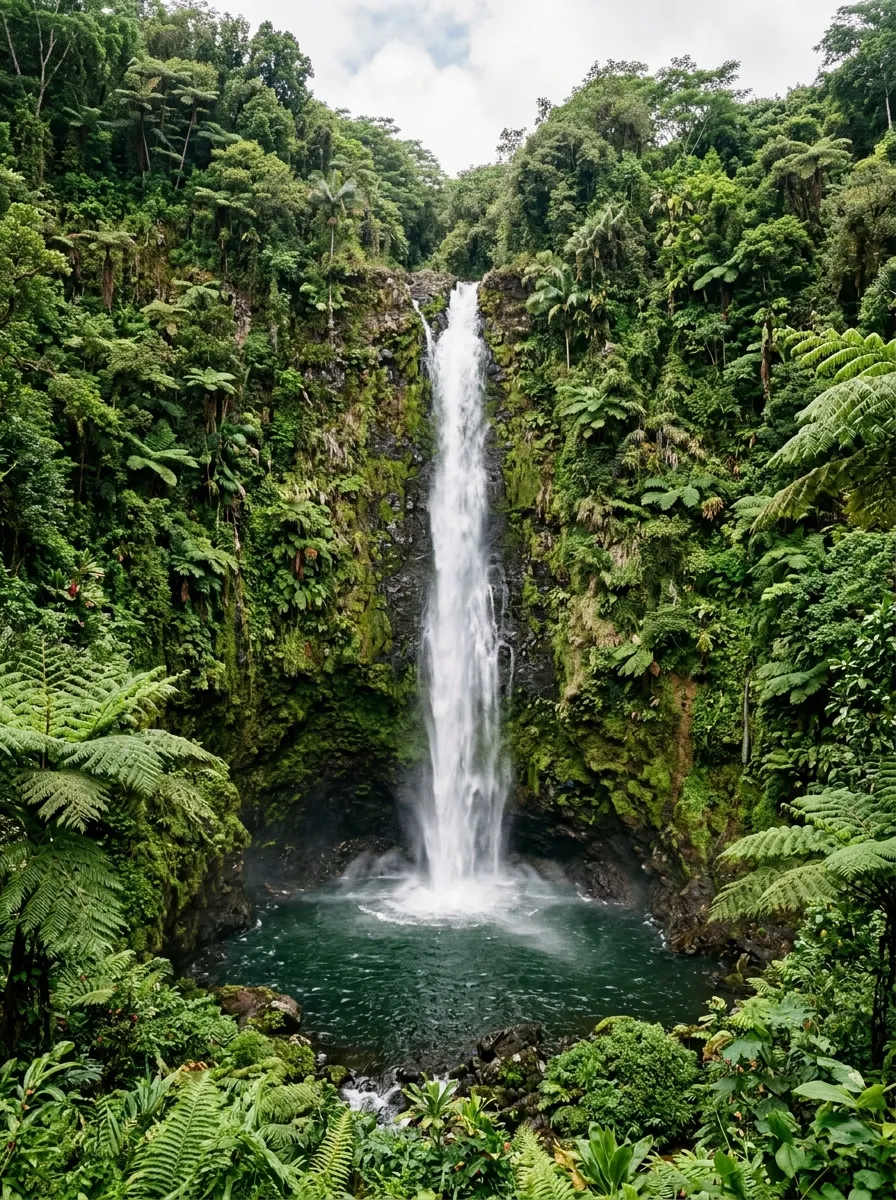
The Hilo side of the island is lush, green, and dramatically different from Kona.
Some of the area’s most popular waterfall stops include Rainbow Falls and ʻAkaka Falls.
ʻAkaka Falls State Park is particularly impressive, with a tall waterfall surrounded by dense tropical vegetation.
The Hilo area is also a great place to slow down and explore without constantly chasing major attractions.
5. Visit a Kona Coffee Farm
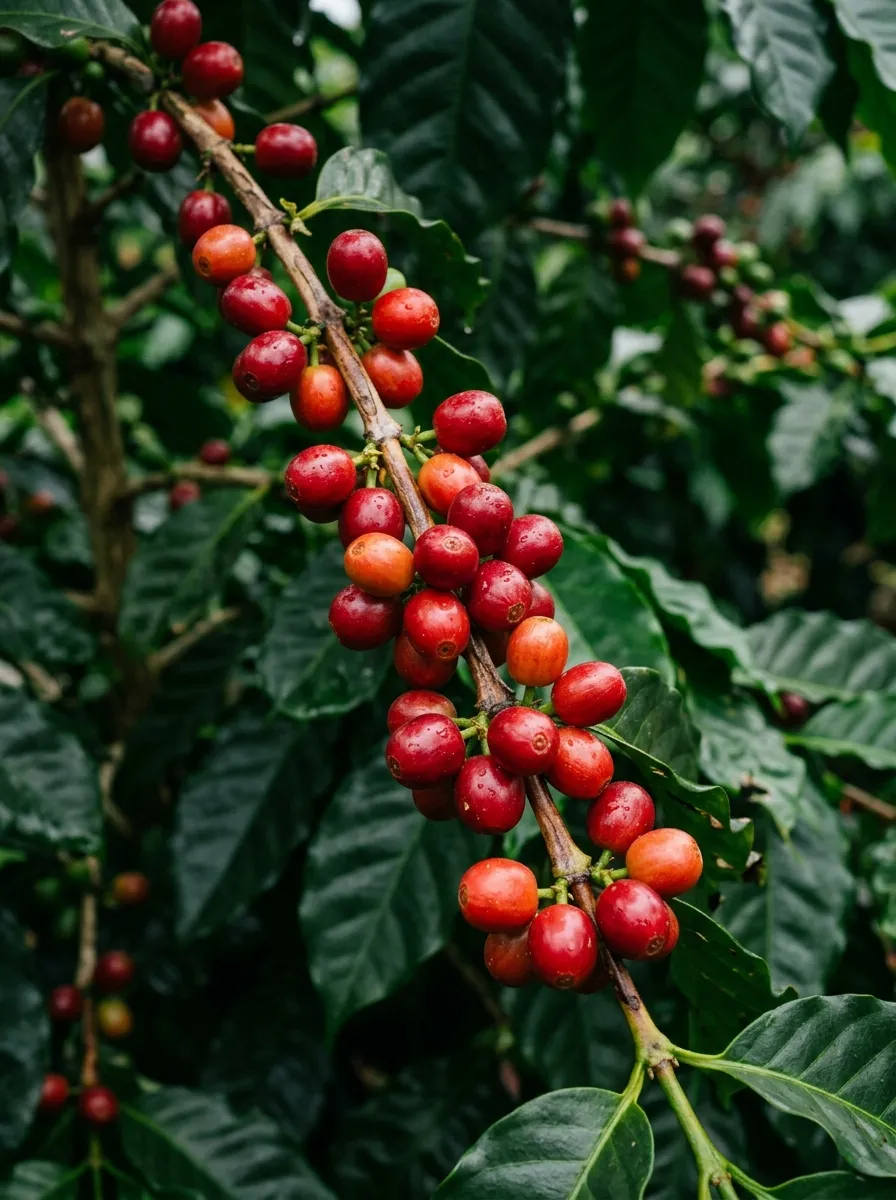
Big Island Hawaii produces some of the world’s most famous coffee, particularly in the Kona region.
A coffee farm visit gives you an opportunity to learn about how coffee is grown, harvested, processed, and roasted.
Many farms offer tours and tastings, making this an easy activity to combine with a Kona-area road trip.
And yes, bringing home coffee is practically part of the itinerary.
6. Snorkel in Crystal-Clear Water
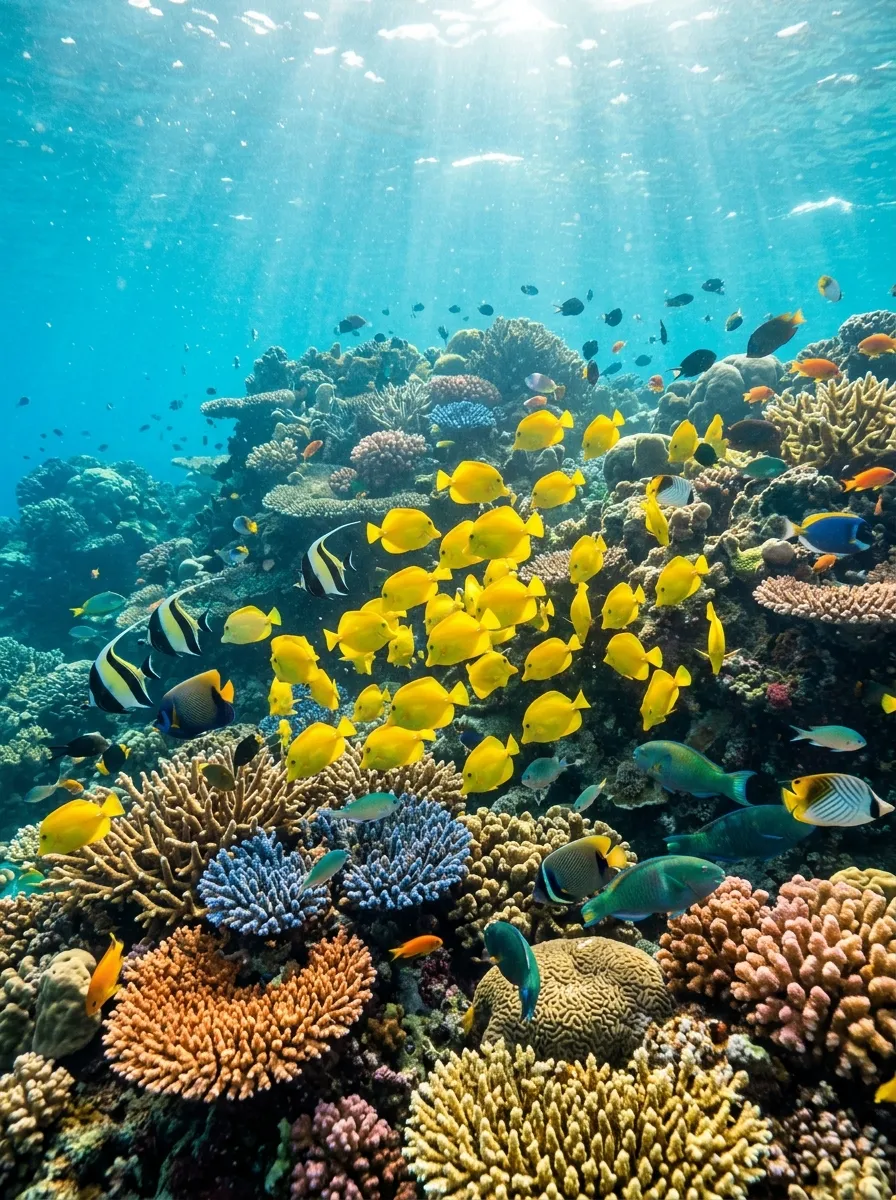
The waters surrounding Big Island Hawaii are packed with marine life.
Popular snorkeling areas can offer encounters with colorful reef fish, sea turtles, and other marine creatures.
Kealakekua Bay is particularly famous for its clear water and underwater scenery.
Morning conditions are often preferable because winds can increase later in the day, although conditions vary.
Always follow local guidance and avoid touching coral or marine life.
7. Visit the Pololū Valley Lookout
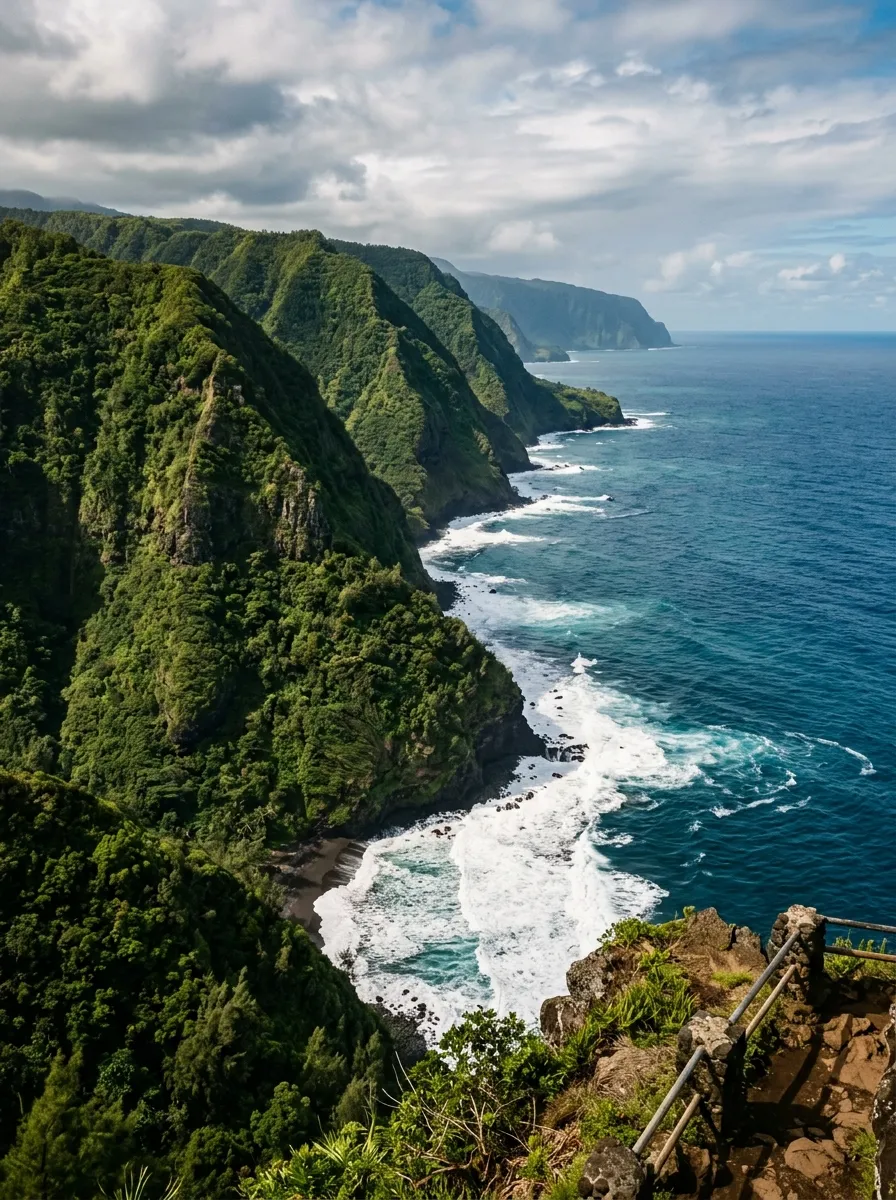
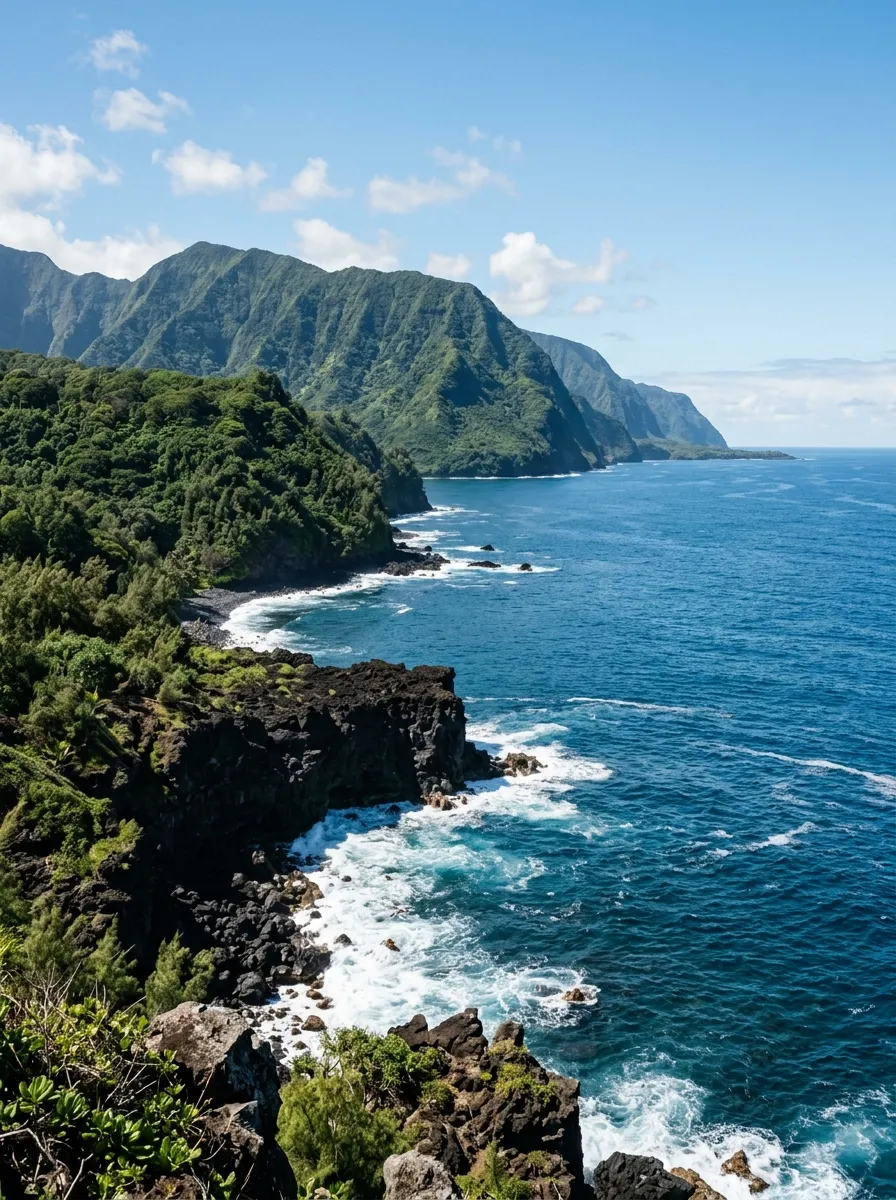
On the northern end of the island, the Pololū Valley viewpoint offers one of Big Island Hawaii’s most dramatic coastal scenes.
From above, you’ll see steep green cliffs descending toward the Pacific and a rugged valley framed by mountains.
The drive itself is part of the experience.
If you hike beyond the viewpoint, be prepared for a steep trail and changing conditions. Wear proper shoes and allow enough time for the return climb.
8. Drive the Hamakua Coast
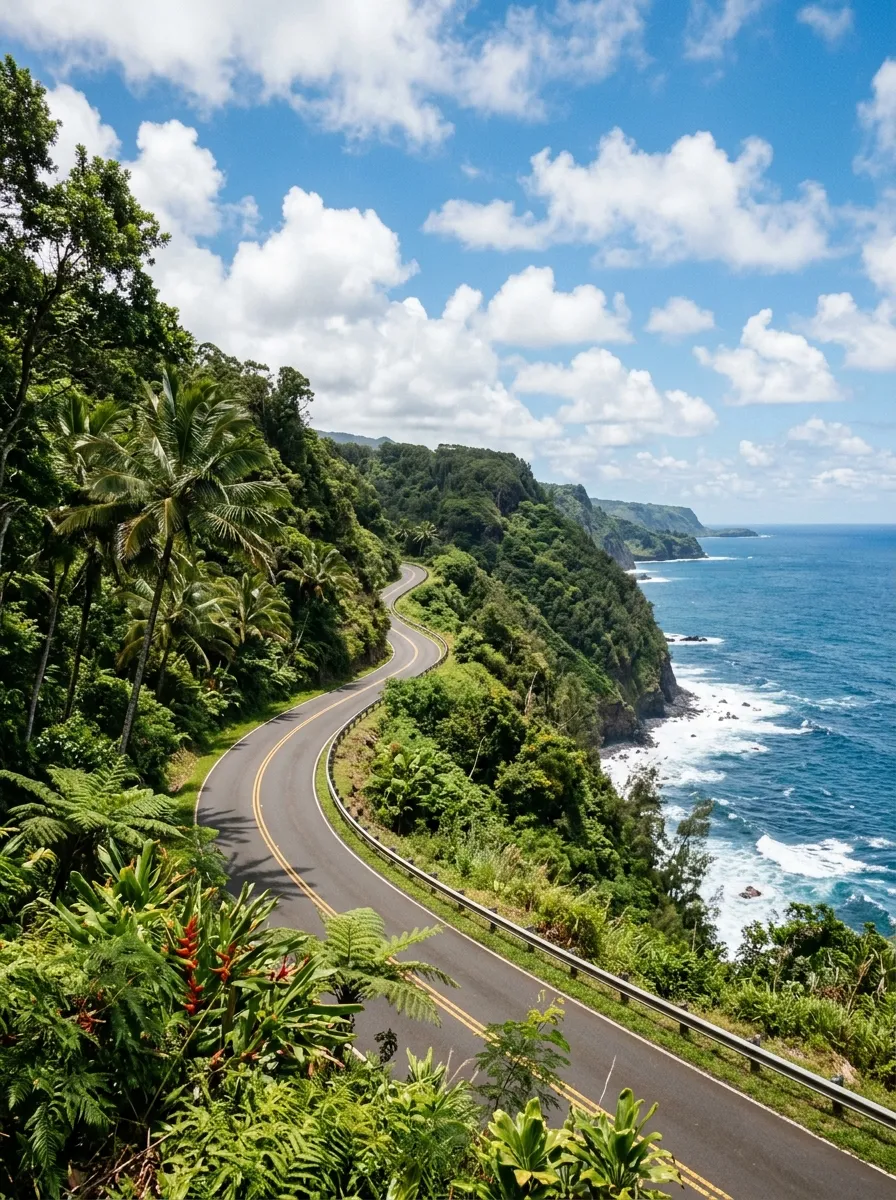
The Hamakua Coast is one of the island’s most enjoyable scenic drives.
Expect:
- Ocean viewpoints
- Green valleys
- Tropical vegetation
- Waterfalls
- Small communities
- Winding roads
Rather than racing from Hilo to another destination, give yourself time to stop along the way.
This is one of those parts of Big Island Hawaii where the journey is genuinely part of the attraction.
9. Relax on a Big Island Beach
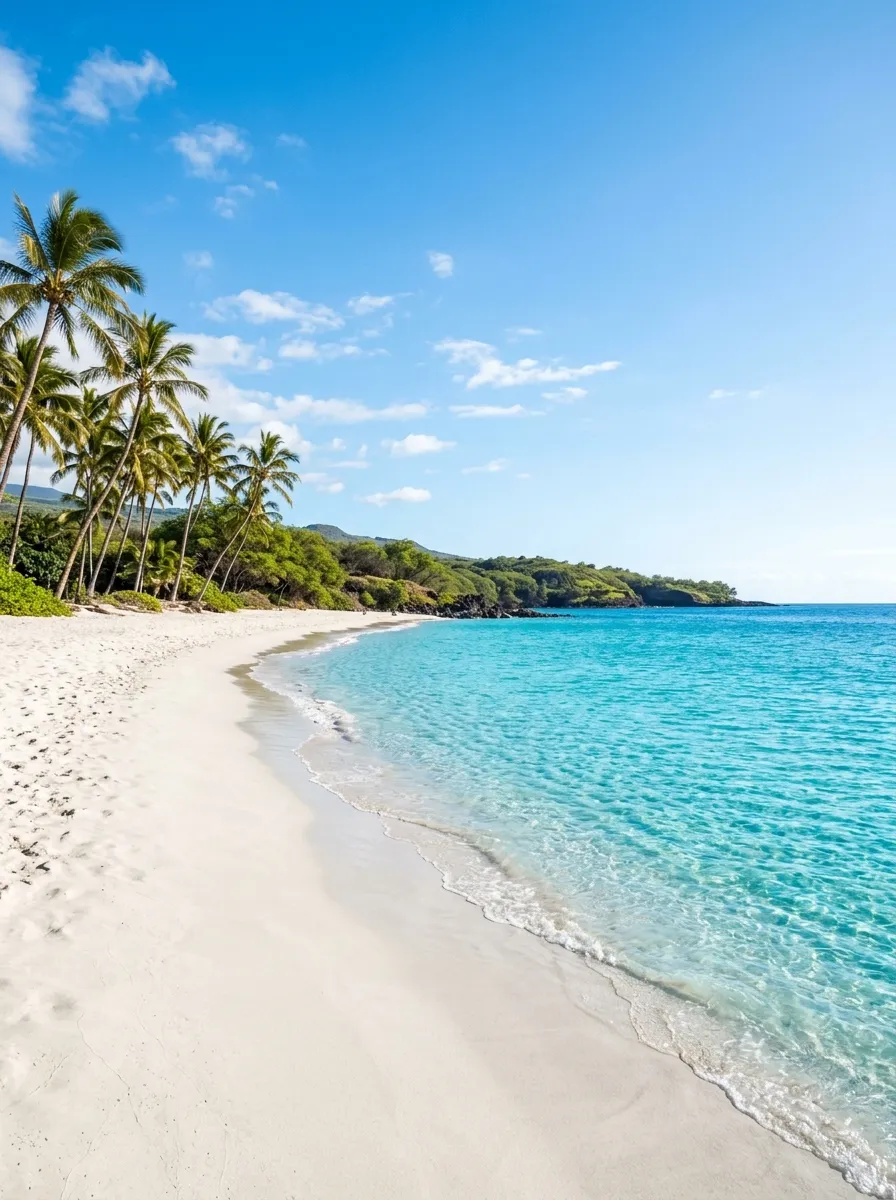
Big Island Hawaii isn’t known for having endless stretches of powder-soft white sand in the way some visitors might expect from a tropical island.
Instead, you’ll find a fascinating mixture of beaches.
There are:
- White-sand beaches
- Black-sand beaches
- Rocky coastlines
- Small coves
- Snorkeling beaches
- Remote coastal areas
That variety makes beach-hopping surprisingly fun.
10. Experience a Hawaiian Sunset
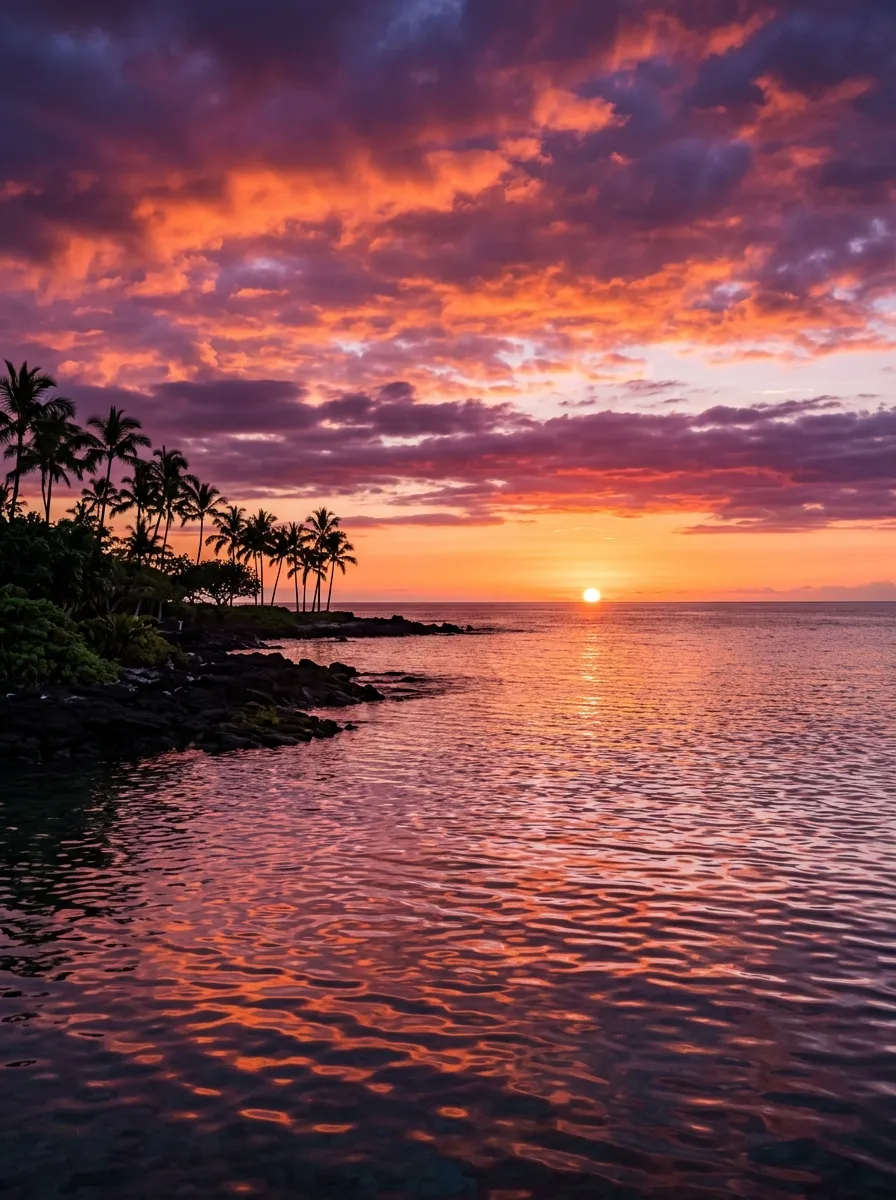
You don’t need an expensive excursion to have one of the island’s best evenings.
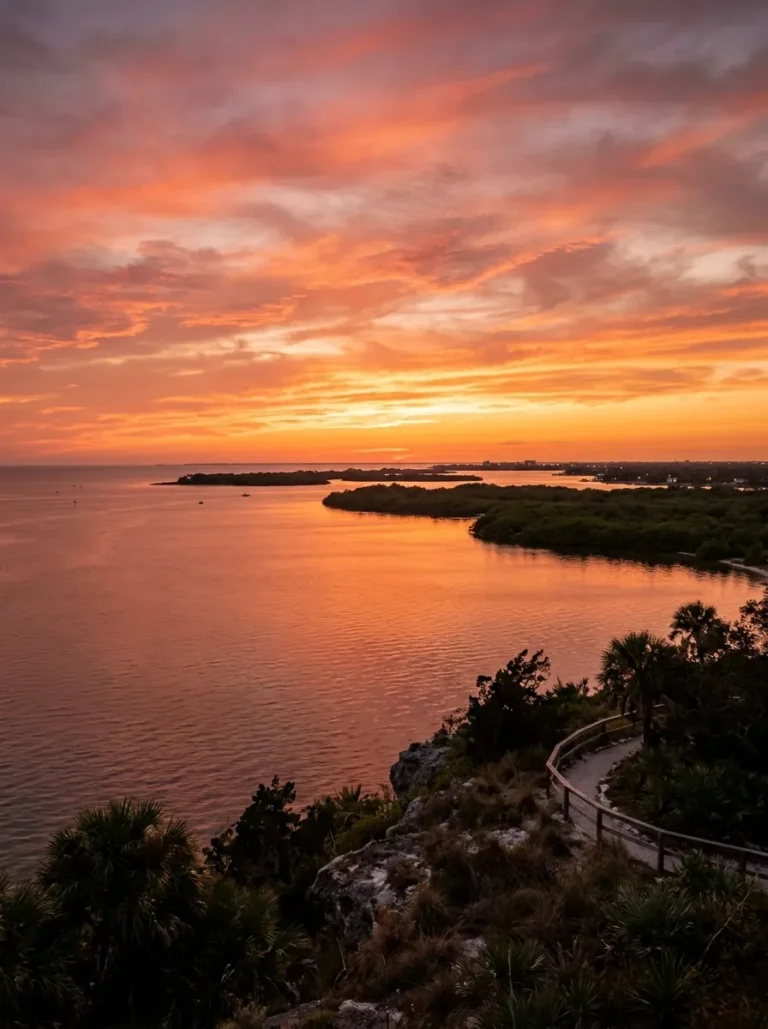
Find a good western-facing viewpoint, settle near the coast, and watch the sun disappear over the Pacific.
The Kona coast is particularly well suited to sunset experiences.
After spending the day hiking, snorkeling, or sightseeing, a quiet sunset can be the perfect way to slow everything down.
Big Island Hawaii: Kona vs. Hilo
One of the biggest planning decisions is where to stay.
| Kona | Hilo |
| Drier and sunnier | Wetter and greener |
| Beaches and resorts | Waterfalls and rainforest |
| Snorkeling | Gardens and nature |
| Coffee farms | Volcano access |
| Restaurants and nightlife | More relaxed atmosphere |
| Excellent sunsets | Lush scenery |
If you’re staying for several days, consider splitting your accommodation between Kona and Hilo.
That saves you from repeatedly driving across the enormous island.
Where to Stay on Big Island Hawaii
Kona
Choose Kona if you want:
- Beaches
- Resorts
- Restaurants
- Snorkeling
- Sunsets
- Easy access to coffee country
It’s particularly convenient for travelers who want a classic Hawaiian vacation atmosphere.
Hilo
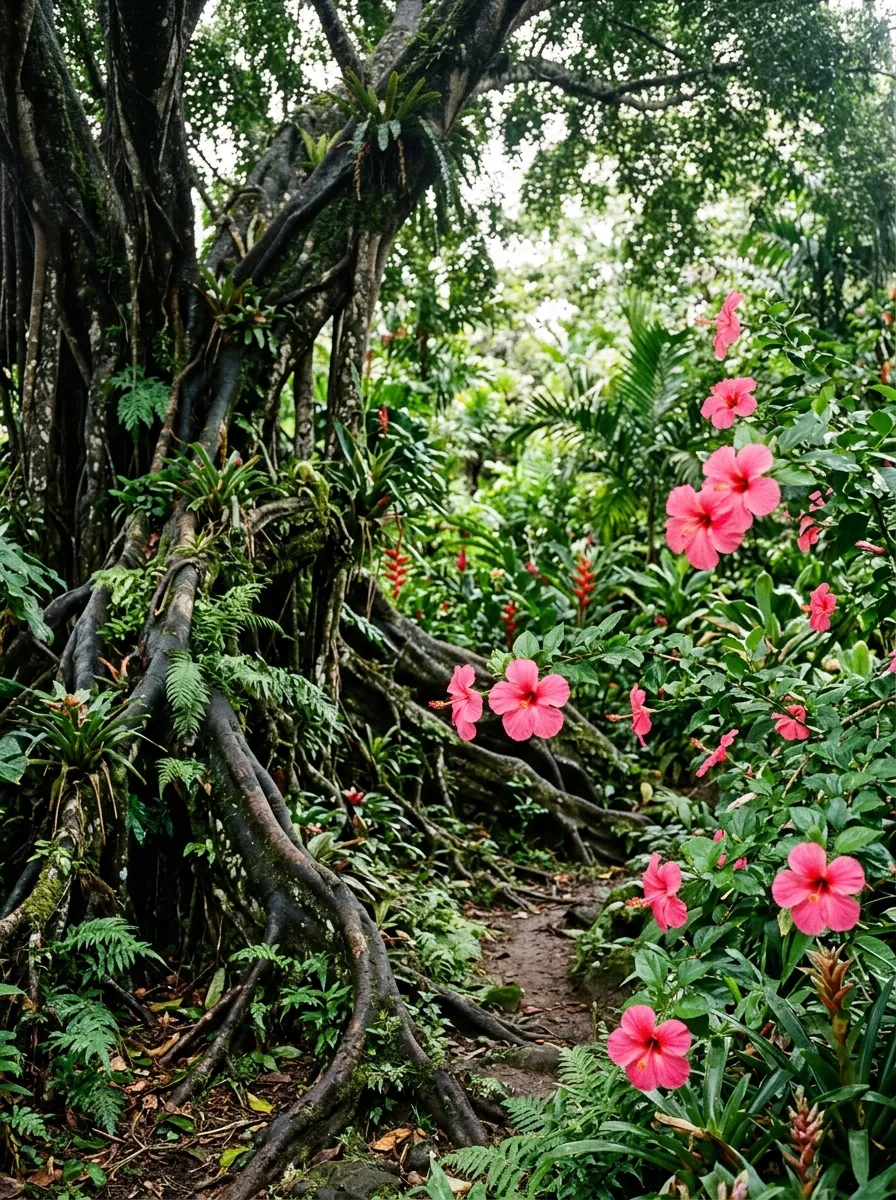
Choose Hilo if you prefer:
- Rainforest
- Waterfalls
- Gardens
- Local atmosphere
- Volcano access
- A quieter setting
Hilo can also be a useful base for exploring the eastern side of the island.
Waikōloa
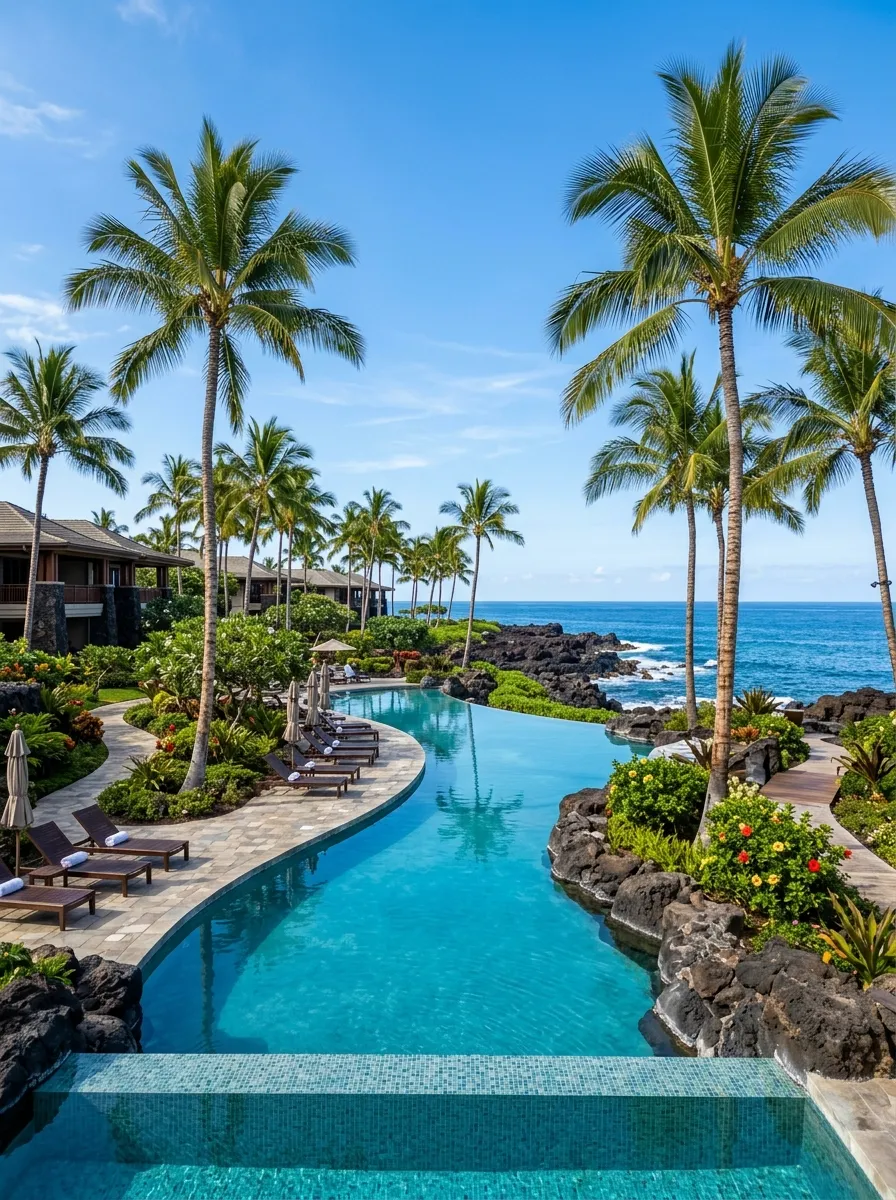
Waikōloa is another popular resort area on the western side.
It’s a good choice for travelers who want resort amenities, golf, beaches, pools, and a polished vacation environment.
How Many Days Do You Need?
For a first trip, I’d recommend at least 5 to 7 days.
With three or four days, you’ll have to choose between major parts of the island.
With a week, you can comfortably combine:
Days 1–2: Kona and beaches
Day 3: Coffee country and snorkeling
Day 4: Hawaiʻi Volcanoes National Park
Day 5: Hilo and waterfalls
Day 6: Hamakua Coast and northern scenery
Day 7: Relaxation, beach, or a final adventure
If you have longer, even better.
Big Island Hawaii is large enough that you won’t run out of things to explore.
Getting Around Big Island Hawaii
Renting a car is strongly recommended.
Public transportation isn’t designed around the kind of sightseeing most visitors want to do.
Distances can also be deceptive.
Something that looks close on a map may take much longer because of mountain roads, coastal routes, traffic, or weather.
Before driving, check:
- Road conditions
- Weather
- Volcano conditions
- Parking requirements
- Trail closures
- Fuel availability
Don’t build an itinerary that assumes you’ll drive from one side of the island and back every day without spending significant time in the car.
What to Pack for Big Island Hawaii
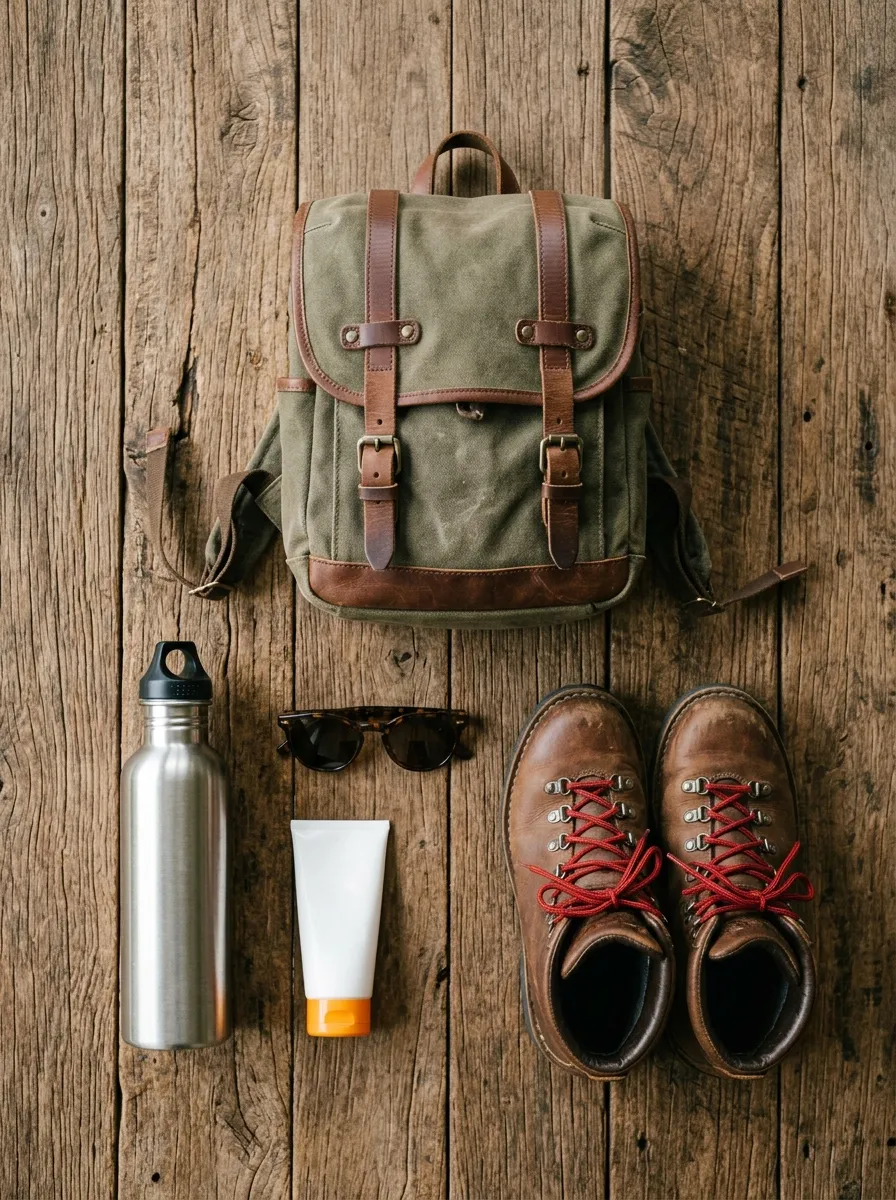
Pack for several climates rather than just “tropical weather.”
Essentials
- Lightweight clothing
- Swimsuit
- Comfortable walking shoes
- Hiking shoes
- Light rain jacket
- Sun protection
- Reusable water bottle
- Daypack
- Insect repellent
- Portable charger
For high elevations
If you’re visiting Mauna Kea or other high-elevation areas, bring warm layers.
Temperatures can be dramatically different from the coast.
And if photography is important to you, a good camera can make a huge difference. Our Ultimate Guide to the Best Travel Cameras of 2026 can help you choose the right setup before your trip.
Big Island Hawaii Travel Tips
Don’t underestimate the island’s size
This is probably the biggest mistake first-time visitors make.
Big Island Hawaii is enormous.
Plan by region rather than randomly jumping between attractions.
Start outdoor activities early
Morning often brings cooler temperatures and calmer conditions.
It can also make popular attractions more enjoyable before the day’s crowds arrive.
Respect the environment
Hawaiʻi’s ecosystems are incredibly fragile.
Stay on designated trails, avoid touching coral and wildlife, and follow local regulations.
Check volcanic conditions
Volcanic activity can change conditions around the national park.
Never assume an attraction is open simply because it was open when you planned your itinerary.
Don’t pack every day with activities
Give yourself at least one slower afternoon.
Hawaii isn’t somewhere you need to experience at maximum speed.
A Few Splurge-Worthy Experiences
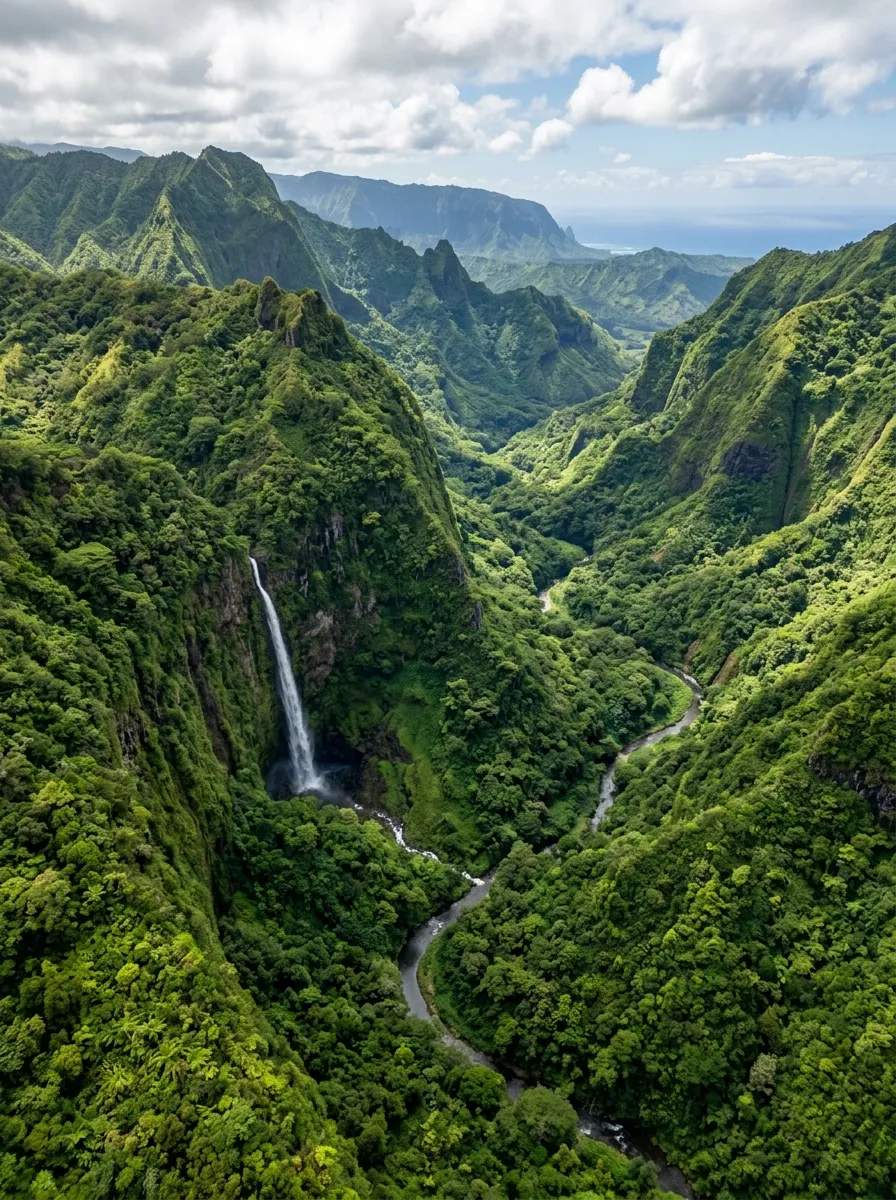
If your budget allows, Big Island Hawaii offers some memorable experiences worth considering.
You might book:
- A guided volcano experience
- A sunset cruise
- A snorkeling excursion
- A manta ray night experience
- A helicopter tour
- A premium coffee tour
- A stargazing experience
For travelers who enjoy upgrading their travel gear and experiences, you may also want to check out our guide to 10 Luxury Travel Gadgets Worth the Splurge.
Is Big Island Hawaii Expensive?
It can be.
Accommodation, rental cars, excursions, and dining can add up quickly.
But you don’t need to spend a fortune to enjoy the island.
Some of the best experiences are inexpensive or free:
- Beaches
- Scenic drives
- Hiking
- Waterfalls
- Sunset watching
- Exploring towns
- Visiting viewpoints
- Some natural areas
The trick is balancing a few paid experiences with plenty of outdoor adventures.
Best Time to Visit Big Island Hawaii
Big Island Hawaii can be visited throughout the year.
Generally:
Spring: Pleasant temperatures and fewer peak-season crowds.
Summer: Great for beach activities and outdoor adventures, though popular areas can be busier.
Fall: Often a quieter period with good weather.
Winter: A popular escape from colder mainland weather, with opportunities for seasonal whale watching.
However, weather varies dramatically across the island. Hilo’s climate can be much wetter than Kona’s, so don’t assume the forecast for one side represents the entire island.
Big Island Hawaii for First-Time Visitors
If it’s your first trip, don’t try to see everything.
Prioritize the experiences that make this island different from the others.
I’d put these near the top:
- Hawaiʻi Volcanoes National Park
- Kona coffee country
- A black-sand beach
- Hilo waterfalls
- Mauna Kea stargazing
- A snorkeling adventure
- Hamakua Coast
- Pololū Valley
- A Kona sunset
- Plenty of unplanned beach time
And if you’re combining Hawaii with other international destinations, our Complete Guide to Visiting Greece offers another great example of how to balance iconic attractions with slower travel.
Final Thoughts
Big Island Hawaii isn’t just another beach destination.
That’s what makes it so special.
One day you’re standing beside an enormous volcanic landscape. The next, you’re swimming above coral reefs, drinking freshly grown Kona coffee, walking through rainforest, or watching the stars from a mountain thousands of feet above the ocean.
The island feels less polished and predictable than some traditional resort destinations, and that’s exactly why it deserves time.
Give it a week if you can. Rent a car. Explore both sides. Leave gaps in your itinerary.
And most importantly, don’t spend your entire vacation trying to “finish” Big Island Hawaii.
Let the island set the pace. 🌺