Budget Travel Tips for Expensive Cities in the USA: The Complete 2026–27 Guide
New York, San Francisco, Los Angeles, Boston and Washington, D.C. show up on every “most expensive cities” list for good reason — hotel rates that regularly clear $250 a night, museum tickets pushing $30 a person, and a tipping culture that quietly adds 20% to every restaurant bill. It’s easy to look at those numbers and assume a trip to any of them requires a genuinely large budget. It doesn’t. The gap between what a first-time visitor spends and what an informed one spends in the exact same city is often several hundred dollars over a long weekend, and almost none of that gap comes down to luck — it comes down to knowing which museum nights are free, which neighborhoods have the same subway access for a third of the hotel price, and which of the country’s most-visited national parks just changed their fee structure entirely.
This guide covers budget travel tips for expensive US cities heading into the rest of 2026 and into 2027, and it’s built around real, current numbers rather than generic advice like “eat at local spots” or “book in advance.” America’s priciest cities remain some of its most visited for a reason — the Met, the Golden Gate Bridge, the Freedom Trail and the National Mall aren’t going anywhere, and none of them require a luxury budget to experience properly. What they require is knowing the system: the pay-what-you-wish museum windows, the free ferry with the best skyline view in New York, the city where a $2.50 transit fare beats a rental car every time.
Whether you’re planning a New York weekend around free museum nights, wondering whether San Francisco’s cable cars are worth the fare, or trying to figure out how a new national park surcharge affects a Yosemite add-on to a California trip, this guide breaks down what’s actually worth spending on, what to skip entirely, and how the savviest travelers make America’s most expensive cities work on a real budget.
Recommended Travel Items for Your Trip
AT A GLANCE: BUDGET TRAVEL IN EXPENSIVE US CITIES
- Most affordable “expensive” city: Chicago, with world-class attractions at meaningfully lower cost than NYC or SF
- Priciest city overall: San Francisco, where average hotels run around $250/night
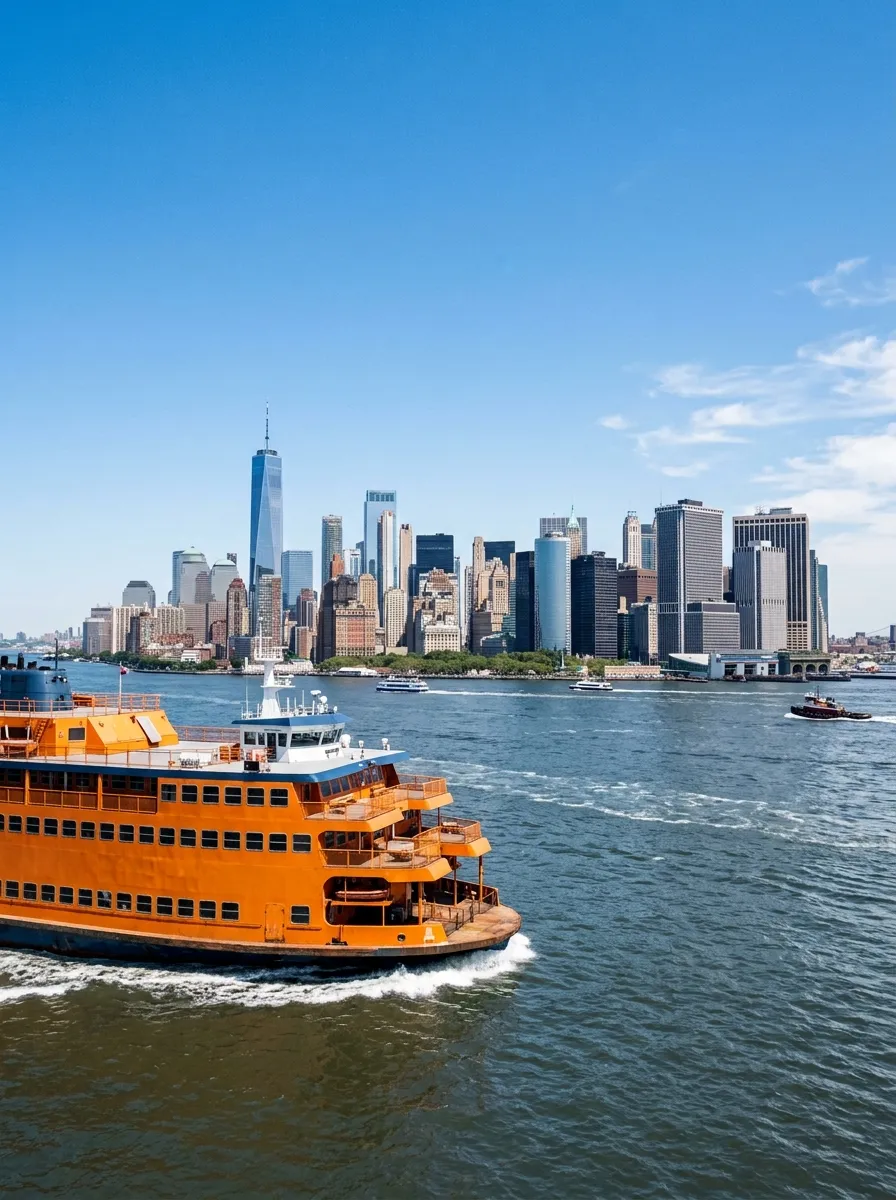
- Best free NYC experience: The Staten Island Ferry, with skyline and Statue of Liberty views at zero cost
- Best museum savings trick: New York State residents and NY/NJ/CT students pay-what-you-wish at the Met, any day
- Big 2026 change: A new $100/person surcharge for non-US residents at the 11 most-visited national parks, effective January 1, 2026
- Realistic daily budget: 80–150/day for a genuinely comfortable budget trip in most major US cities
- Best money-saving habit: Walking and transit day passes over rideshare in every city on this list
How America’s Priciest Cities Compare for Budget Travelers
Not all “expensive” cities are equally hard on a budget — some have far more free and low-cost infrastructure built in than others.
| City | Average Hotel/Night | Biggest Cost Driver | Best Budget Angle | Main Consideration |
| New York City | $250+ | Hotels and dining | Free/PWYW museum nights, subway flat fare | Tipping culture adds up fast on every bill |
| San Francisco | ~$250 | Hotels overall | Walkable core, free Golden Gate views | The single most expensive city in the country |
| Los Angeles | $180–220 | Attractions and driving | Metro rail for downtown/Hollywood/Santa Monica | Sprawl makes a car hard to avoid entirely |
| Boston | $200+ | Hotels and dining | The Freedom Trail is free and self-guided | Compact core keeps transit costs low |
| Washington, D.C. | $180–220 | Hotels | Nearly every Smithsonian museum is free | Cherry blossom season spikes prices sharply |
| Chicago | $150–190 | Moderate across the board | Free museum days, flat $2.50 CTA fare | The best value among the “big five” expensive cities |
| Honolulu | $200+ | Everything, especially food | Free beaches, hiking, sunset watching | Flights alone are a major budget factor |
Why America’s Big Cities Cost So Much
The math behind these prices is straightforward: high local demand, limited hotel inventory in walkable central neighborhoods, and attraction pricing that reflects genuinely enormous annual visitor numbers. San Francisco tops most 2026 cost-of-living rankings, driven by a median home price around $1.4 million and monthly one-bedroom rents averaging $3,500 — costs that inevitably filter into everything a visitor pays for, from a hotel room to a sandwich. None of that changes the fact that these cities’ headline attractions — a walk across the Brooklyn Bridge, a cable car ride, the National Mall’s full run of Smithsonian museums — cost little or nothing to actually experience. The expense comes from the choices layered on top: where you sleep, how you get around, and how many sit-down meals you book instead of grabbing something from a market.
The Real Numbers: What Budget Travelers Actually Spend
Average travelers to the US spend around $325 a day, and luxury travelers can easily clear $900 or more — but a genuinely comfortable budget trip in most major cities runs $80 to $150 per day per person, covering accommodation, food, local transit and one or two paid attractions. In New York specifically, a $80/day budget traveler typically allocates roughly $45–50 to a shared hostel or an Airbnb outside Manhattan, $20–25 to food (breakfast $5–8, lunch $7–10, dinner $8–10), and the remainder to transit and incidentals — proof that the headline “New York is impossibly expensive” framing doesn’t hold up against how budget-conscious travelers actually spend.
Booking Flights and Timing Your Trip Right
Setting price alerts on tools like Google Flights and Skyscanner remains one of the simplest, most effective budget habits, since fares to major hub cities fluctuate constantly and alerts catch dips most travelers miss by manually checking every few days. Flying into a secondary airport — Newark or Long Island MacArthur instead of JFK for New York, Oakland instead of SFO for San Francisco, Midway instead of O’Hare for Chicago — routinely saves meaningfully on both flights and the ground transportation into the city center. Shoulder-season travel (spring and fall rather than summer peak or major holiday weeks) also brings down both flight and hotel costs across nearly every city on this list, with Washington, D.C.’s cherry blossom season and New York’s December holiday weeks standing out as the sharpest, most predictable price spikes to plan around or deliberately avoid.
If flight-savings habits like these have you thinking beyond domestic trips, the same price-alert and routing logic applies well to international routes too — this cheap flights from NYC to London guide breaks down exactly how that translates to a transatlantic trip.
Where to Stay Without Overpaying
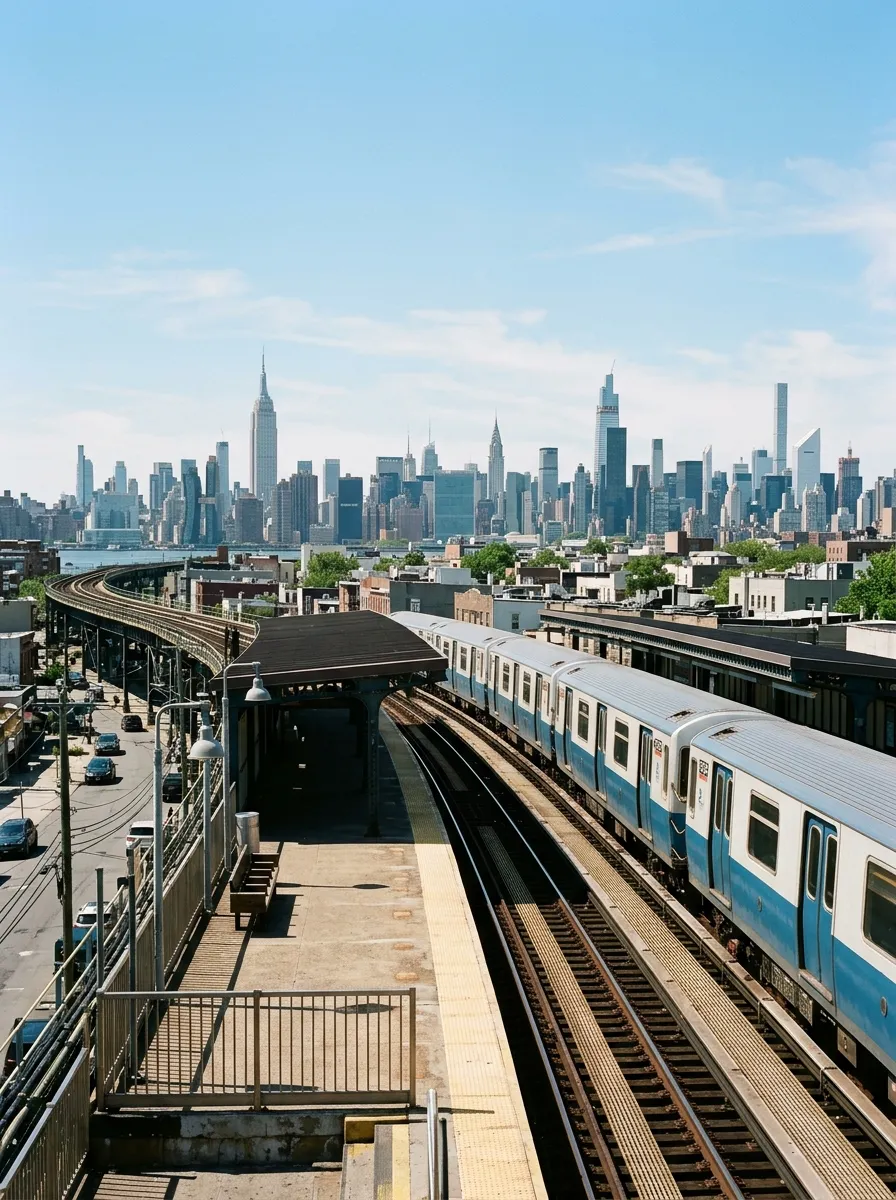
The biggest lever in any expensive-city budget is almost always accommodation, and the fix is consistent across every city on this list: stay just outside the most famous, most photographed core neighborhood rather than inside it. In New York, that means Brooklyn, Queens or Upper Manhattan instead of Midtown; in San Francisco, it means neighborhoods along BART lines rather than Union Square; in Los Angeles, it means basing in Koreatown, Los Feliz or Silver Lake, all still well within Metro rail reach of Downtown, Hollywood and Santa Monica. A shared hostel bed or an Airbnb a few subway stops from the center routinely costs half what an equivalent hotel room in the tourist core does, with the transit savings from being near a rail line more than making up the difference in commute time.
A well-chosen, budget-friendly base matters just as much on an international trip — this guide to the best hotels in London for families applies that same neighborhood-over-name-recognition logic to a very different city, useful reading if a London leg is part of your travel plans too.
Eating Well Without the Markup

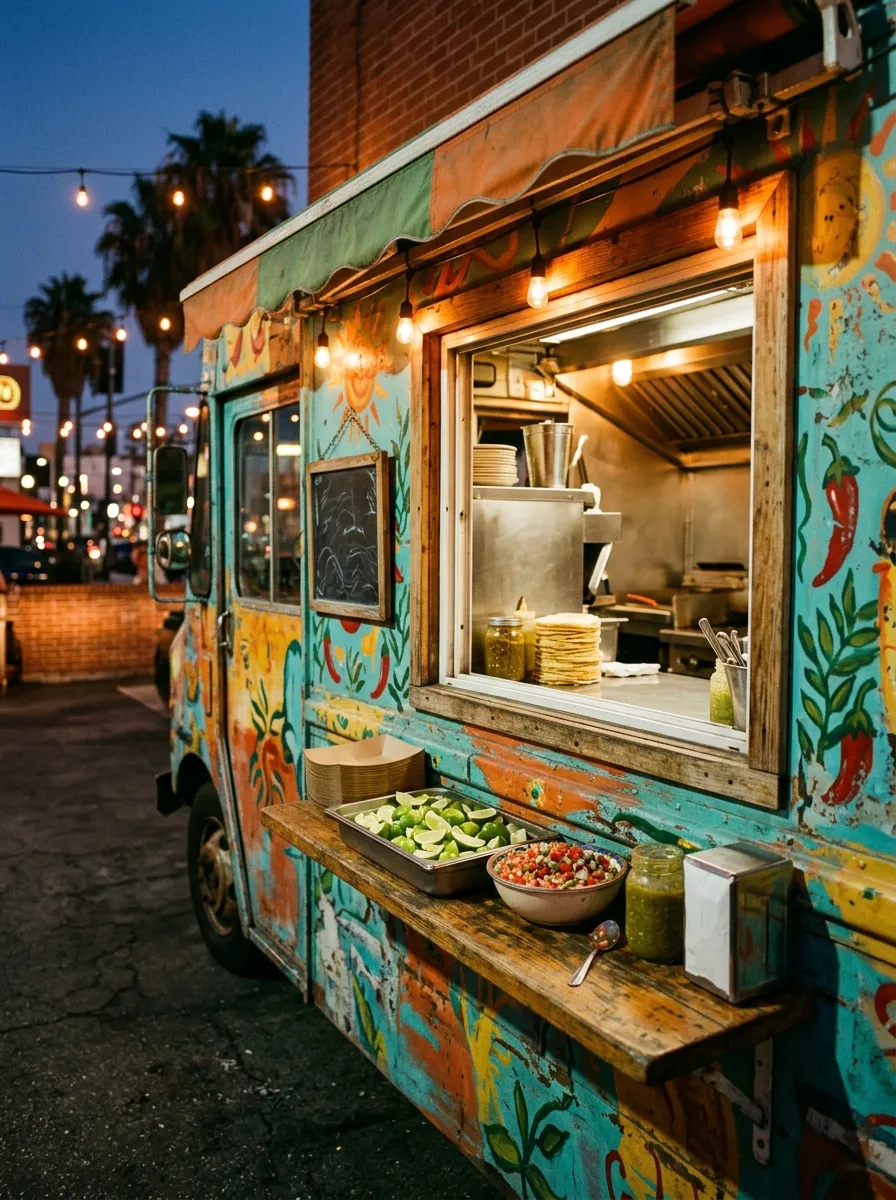
Restaurant markups in tourist-dense neighborhoods are real, but every one of these cities has a genuinely strong budget food scene once you know where to look. Los Angeles is a standout here — food trucks like Kogi serve Korean-Mexican fusion for $10–12, and neighborhood taco spots in areas like Little Tokyo run $2–3 per taco, both delivering a more memorable meal than a tourist-district sit-down restaurant at triple the price. The broader rule holds across every city on this list: eat breakfast from a grocery store or bodega rather than a hotel restaurant, treat one or two dinners as the trip’s genuine restaurant splurges, and fill the rest of the week with food trucks, markets and counter-service spots that locals actually eat at.
Getting Around: Transit Passes and Walking Over Rideshare
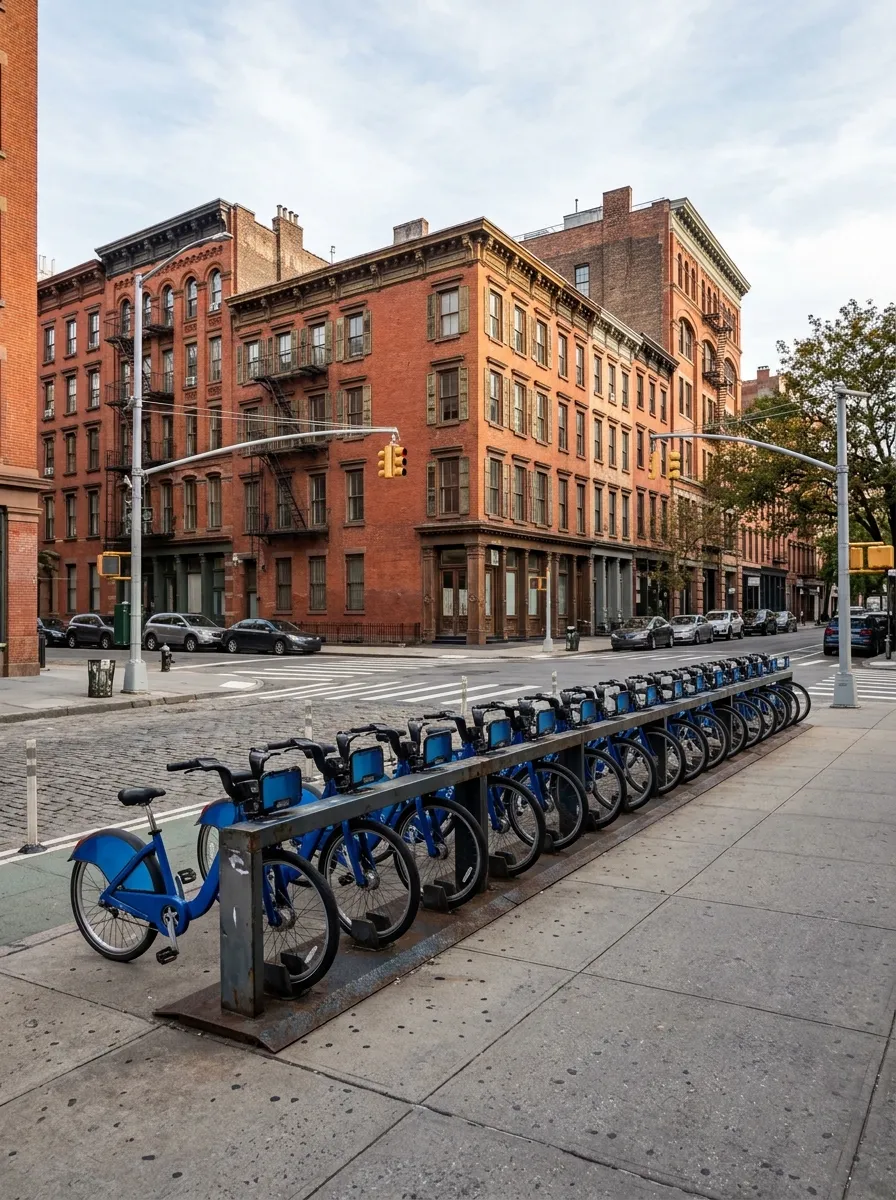
Every city on this list has a genuinely walkable central core, and combining that with a transit day pass beats rideshare on cost every time once you’re taking more than two or three rides in a day. Chicago’s CTA runs a flat $2.50 fare regardless of distance, Washington, D.C.’s Metro covers the entire National Mall and surrounding neighborhoods efficiently, and bike-share programs — Citi Bike in New York, Bay Wheels in San Francisco, Divvy in Chicago, Capital Bikeshare in D.C. — typically price a day pass at roughly the cost of a single rideshare trip, but with unlimited rides for the full day. The practical rule: walk or bike when the distance allows it, buy a transit day pass the moment you’re taking three or more rides, and save rideshare for late-night trips when transit options thin out.
Free and Pay-What-You-Wish Museums: The NYC Deep Dive
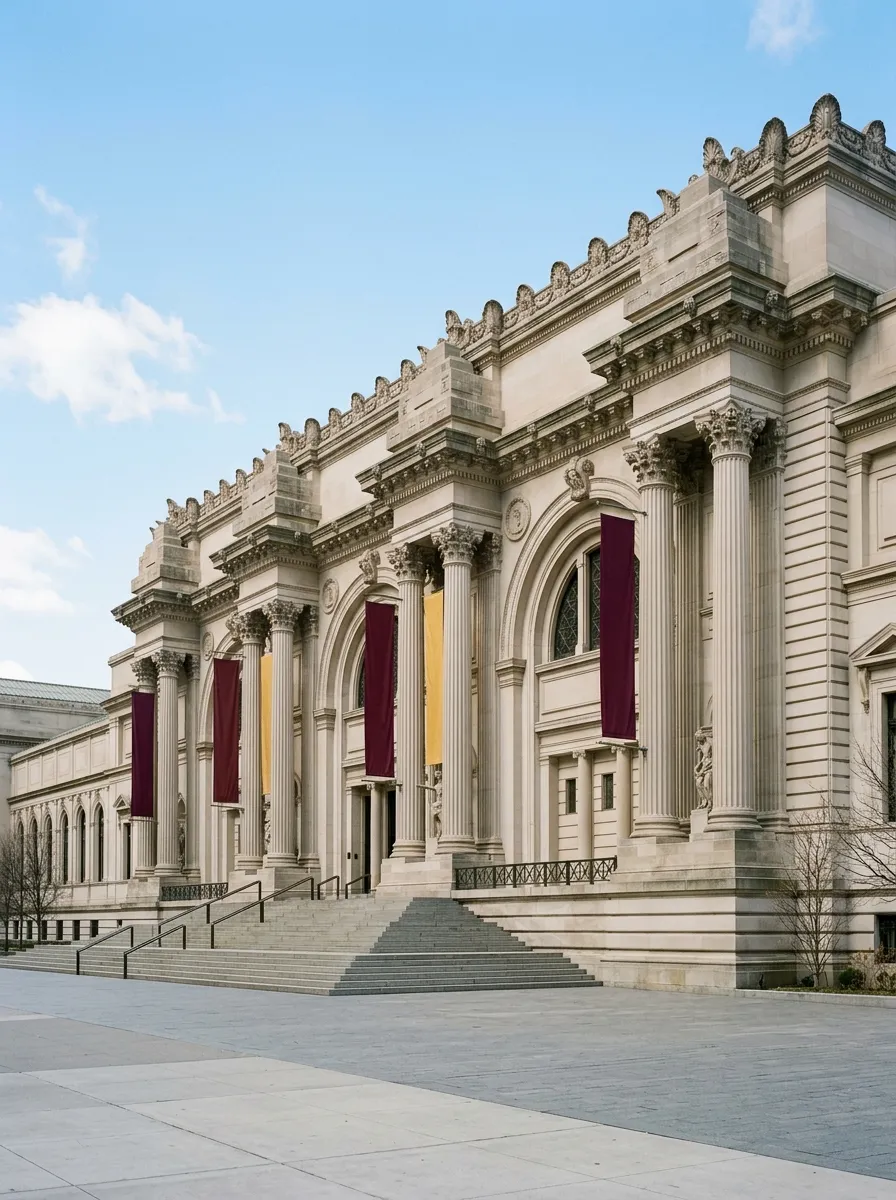
New York’s major museums look expensive at first glance — the Met, MoMA, the Guggenheim and the Whitney all charge $30 standard admission, meaning a day hitting three museums can run close to $90 before lunch. But New York also runs some of the most generous free-admission scheduling of any American city, and knowing the calendar changes the math entirely.
The Met offers pay-what-you-wish admission every single day for New York State residents and students from NY, NJ and CT — any amount, including a single dollar, accepted in person at the admissions desk (this doesn’t work through online booking, and a valid ID is required). The Guggenheim extends pay-what-you-wish to everyone, not just residents, on Saturday evenings from 5–8 p.m., with a genuinely low minimum. MoMA offers free admission for New York state residents on the first Friday of each month from 5:30–8:30 p.m. through its Uniqlo partnership, though lines regularly stretch around the block, so early arrival matters. The Whitney is free for anyone under 25 every single day, plus free for all visitors on Friday evenings from 5–10 p.m. and all day on the second Sunday of each month.
Beyond the scheduled free windows, several major New York institutions are simply free every day of the year: the National Museum of the American Indian, the Bronx Museum of the Arts, the Queens Museum, and Socrates Sculpture Park all charge nothing, no suggested donation required. MoMA PS1, the museum’s Long Island City offshoot, went fully free for everyone as of January 1, 2026 — a genuinely significant, recent change worth knowing about if your last New York trip predates it.
BOOKING TIP
The Staten Island Ferry remains one of New York’s best-kept budget secrets despite being anything but secret — it’s completely free, runs 24 hours a day, and delivers a close-up view of the Statue of Liberty and the full Manhattan skyline that rivals paid boat tours costing $40 or more.
City-by-City Budget Breakdown
New York City
Beyond the museum strategy above, New York’s subway runs a flat $2.90 fare per ride regardless of distance, and a weekly unlimited MetroCard or OMNY cap makes frequent riders’ costs predictable. Central Park, the Brooklyn Bridge walk, and the High Line all cost nothing and rank among the city’s most memorable experiences regardless of budget.
San Francisco
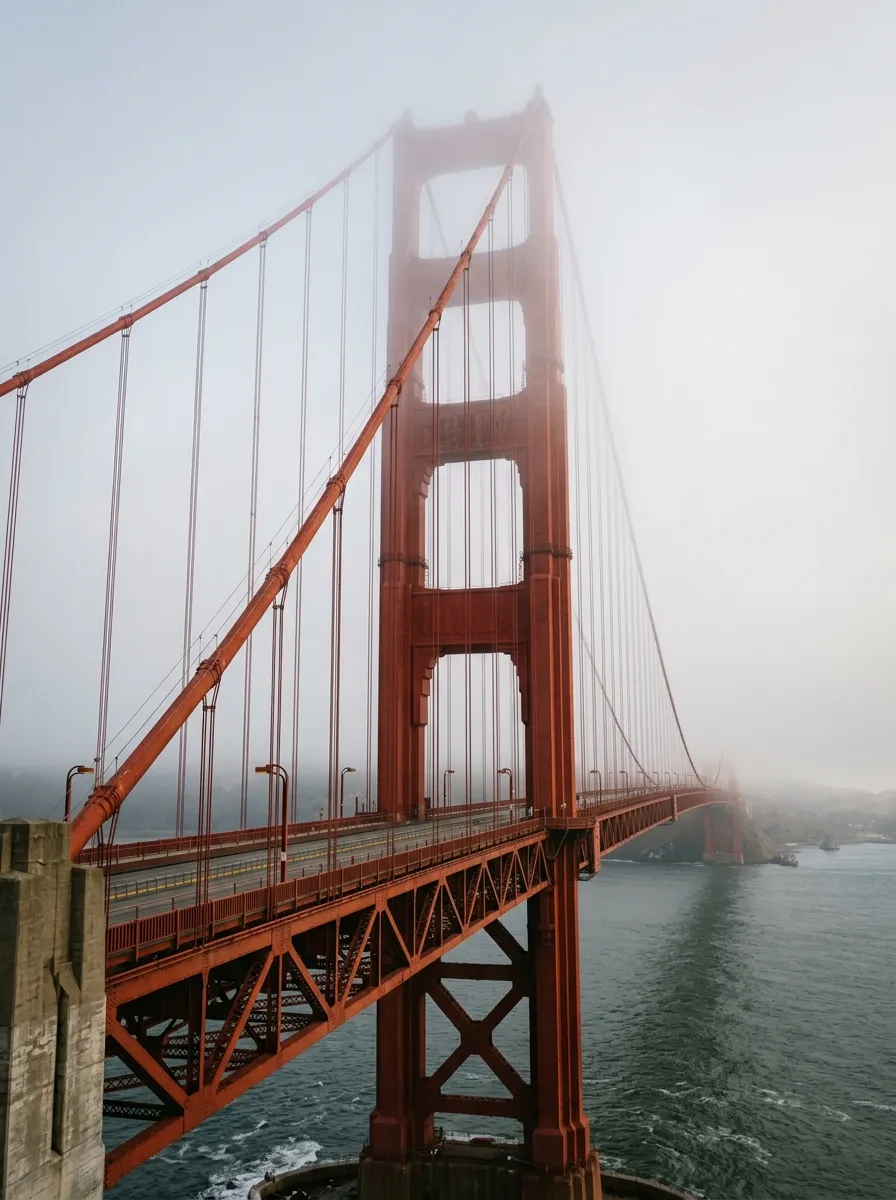
The single most expensive city on this list by cost-of-living measures, San Francisco still offers a genuinely walkable core and free experiences that rival its paid ones — walking across the Golden Gate Bridge costs nothing, while the cable car ride up and over Nob Hill, while not free, remains a reasonably priced, iconic experience worth the splurge. Basing yourself along a BART line rather than directly in Union Square or Fisherman’s Wharf cuts accommodation costs meaningfully.
Los Angeles
LA’s sprawl makes a car tempting, but the Metro rail genuinely covers Downtown, Hollywood and Santa Monica well enough that a car isn’t necessary for the first few days of most itineraries — renting one for a single day specifically to reach the beach or the Valley is often the more cost-effective approach than a multi-day rental. Food trucks and neighborhood taco spots, as covered above, offer some of the best food-per-dollar value of any city on this list.
Boston
Boston’s compact, historic core keeps transit costs low, and the Freedom Trail — a self-guided, red-brick-marked walking route past 16 historically significant sites — costs nothing to follow at your own pace, making it one of the best free full-day activities among any city in this guide.
Washington, D.C.

D.C. is the standout for free museums in this entire list — nearly every Smithsonian museum along the National Mall, including the National Air and Space Museum and the National Museum of Natural History, charges no general admission at all, a policy unmatched by any other major US city. The Capital Bikeshare system and Metro both cover the Mall and surrounding neighborhoods efficiently. The one sharp cost spike to plan around is cherry blossom season each spring, when hotel rates rise significantly with demand.
Chicago
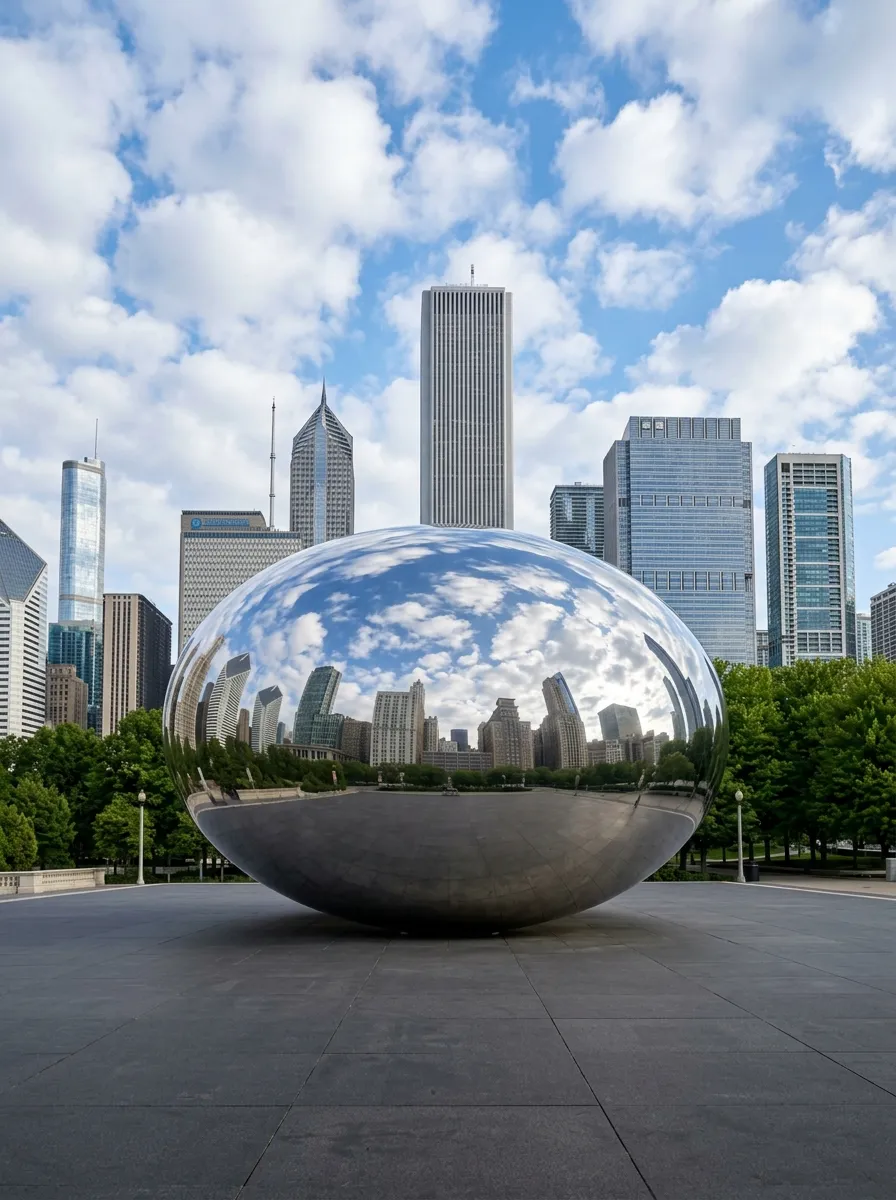
Widely considered the best value among America’s top-tier expensive cities, Chicago delivers world-class experiences — Cloud Gate (“The Bean”), Crown Fountain, free summer concerts at the Jay Pritzker Pavilion, and free architecture tours through the Chicago Architecture Center — at meaningfully lower cost than New York or San Francisco. The CTA’s flat $2.50 fare makes budgeting transit costs simple and predictable.
Honolulu
Honolulu’s expense comes almost entirely from flights and food rather than activities — the beaches themselves, hiking trails like Diamond Head, and sunset watching from nearly anywhere on the island all cost nothing, meaning the real budget strategy here is minimizing flight costs through advance booking and treating dining as the trip’s main controllable expense.
Miami
Staying in Fort Lauderdale and taking the Brightline train into Miami, or relying on the free downtown Metromover, both meaningfully cut accommodation and transit costs compared to staying directly in South Beach. The beaches and the Art Deco district cost nothing to enjoy, leaving dining and nightlife as the trip’s real controllable expenses.
National Parks Near Expensive Cities: The New 2026 Fee Rules

If a national park is part of a broader trip built around one of these cities — Yosemite from San Francisco, for instance — a significant fee change took effect January 1, 2026: the eleven most-visited national parks now charge a $100 per-person surcharge for non-US residents, on top of the standard roughly $35 per-vehicle entry fee. The annual pass for non-residents also rose to $250 (US residents still pay $80), and fee-free days no longer apply to international visitors. This is a genuinely significant, recent change that catches international travelers off guard if they’re working from older trip-planning guides, so budget for it explicitly if a national park add-on is part of your itinerary and you’re visiting from outside the US.
City Tourist Passes and City Cards: Are They Worth It?

Bundled attraction passes — CityPASS, Go City and similar programs — can offer real savings, but only for travelers planning to hit three or more major paid attractions in a short window; for a slower, more budget-conscious trip leaning on free museums and walking tours, buying attractions individually (or skipping the priciest paid ones entirely in favor of free alternatives) is usually the better value. Run the math on your specific planned attraction list before buying — a pass is a savings tool for an ambitious, attraction-dense itinerary, not a default budget strategy.
Timing Your Trip for Maximum Savings

Beyond general shoulder-season advice, each city on this list has its own predictable price spikes worth avoiding if budget is the priority: New York’s Thanksgiving-through-New-Year stretch, D.C.’s cherry blossom season each spring, and Boston’s fall foliage weekends all drive hotel rates up sharply with demand. Conversely, January and February (outside major holidays) tend to bring the lowest hotel rates of the year in nearly every city on this list, trading warmer weather for genuinely significant savings.
Packing Smart to Avoid Extra Costs

A well-packed bag avoids two of the sneakiest expensive-city costs: checked baggage fees on the flight in, and impulse purchases once you realize you forgot something essential. Comfortable walking shoes matter more in these cities than almost any other packing item, given how much of a genuinely budget-conscious visit depends on walking rather than paying for transport.
Packing the right gear from the start avoids a lot of these avoidable costs — this best travel accessories guide for 2026 rounds up genuinely useful carry-on essentials worth having before you land in any of these cities.
A Sample Budget Day in New York City
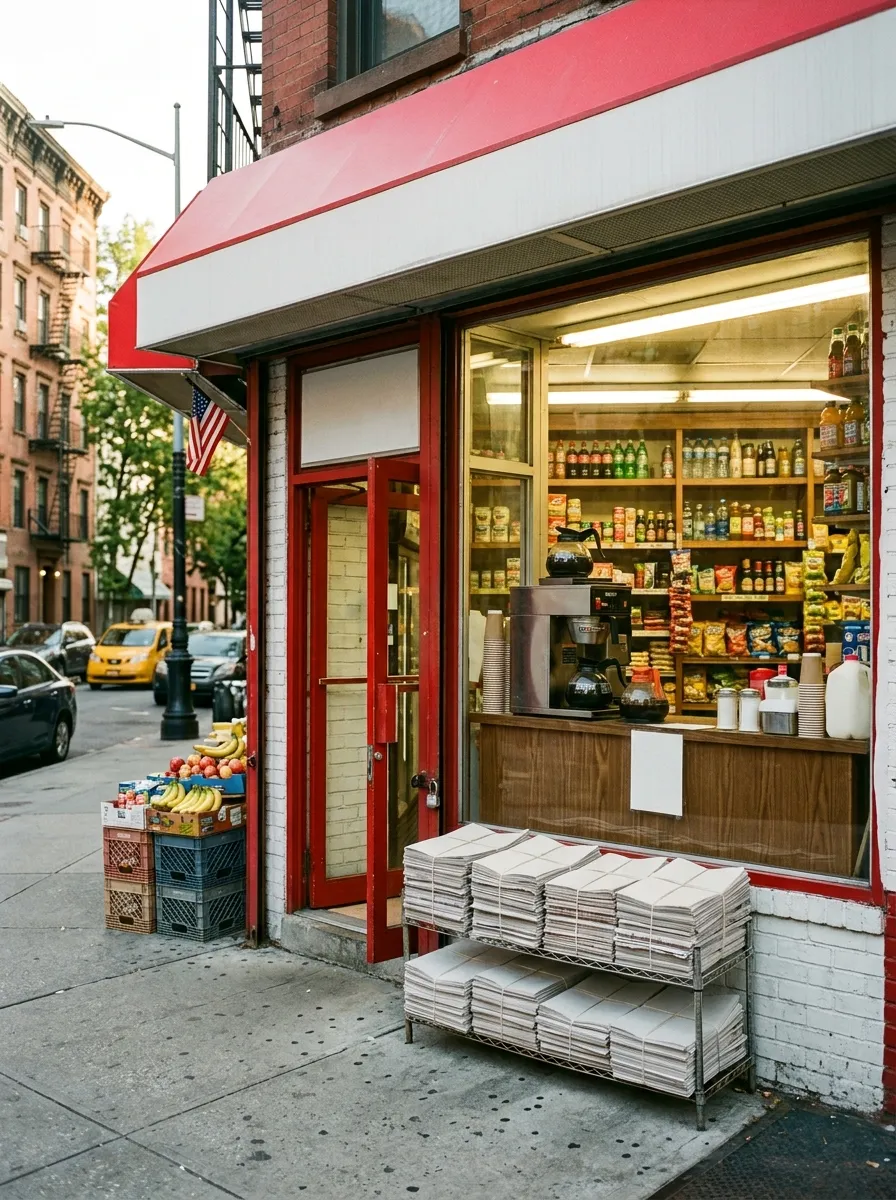
Morning: Free walk across the Brooklyn Bridge, breakfast from a bodega or grocery store ($5–8).
Midday: Pay-what-you-wish entry to the Met if you qualify, or a walk through Central Park if not; lunch from a food cart or counter-service spot ($8–12).
Afternoon: Free ride on the Staten Island Ferry for skyline and Statue of Liberty views.
Evening: Free Friday-night entry to the Whitney (5–10 p.m.) or MoMA (first Friday of the month), dinner at a casual, non-tourist-district restaurant ($15–20).
This kind of day delivers several of New York’s genuine highlights for well under $50 in activities and food combined, transit fares aside.
When to Splurge Instead of Save
Not every cost is worth cutting. A single well-chosen paid attraction or restaurant per city — the top of the Empire State Building, a proper Boston seafood dinner, a Napa day trip from San Francisco — often defines the trip more than a dozen free activities stacked together. The smartest budget travelers aren’t the ones who spend nothing; they’re the ones who cut costs aggressively on accommodation, transit and everyday meals specifically to free up room for the one or two experiences that actually matter to them.
Comparing Costly US Cities to Equally Rewarding, Cheaper Alternatives
Sometimes the best budget move isn’t optimizing a trip to an expensive city at all — it’s choosing a different, equally rewarding destination entirely. If the appeal of a big American city is really about walkable historic charm, several European alternatives deliver that at a fraction of the cost.
If small-town charm and photogenic streets are really what you’re after, it’s worth comparing the cost of chasing that in an expensive US city against 15 charming villages in Spain that deliver arguably more atmosphere for meaningfully less money. And if the choice really comes down to two iconic, historically dense cities, this Paris vs. Rome travel expert interview is worth reading before assuming a US mega-city is the only option that fits the bill.
Common Mistakes That Blow an Expensive-City Budget
The most common budget-killers across every city in this guide are remarkably consistent: booking a hotel directly in the most famous, most photographed neighborhood instead of a short transit ride away; defaulting to rideshare for every trip instead of a transit day pass; eating every meal at a sit-down restaurant in a tourist-dense area; and skipping the research on free museum nights and pay-what-you-wish windows entirely. None of these mistakes are expensive on their own, but stacked across a four- or five-day trip, they’re routinely the difference between an $80-a-day trip and a $300-a-day one in the exact same city.
Budget Travel Checklist for Expensive US Cities
- Set price alerts on Google Flights or Skyscanner before booking
- Check whether a secondary airport offers a meaningfully cheaper fare
- Book accommodation a few transit stops outside the main tourist core
- Research free and pay-what-you-wish museum nights before you arrive
- Buy a transit day pass rather than defaulting to rideshare
- Plan one or two genuine restaurant splurges rather than eating out every meal
- Confirm whether a bundled city pass actually pencils out for your planned attractions
- Budget for the new $100/person national park surcharge if you’re a non-US resident visiting one of the 11 most-visited parks
- Pack comfortable walking shoes to minimize transit costs
- Check each city’s specific seasonal price spikes (cherry blossoms, foliage, holidays) before choosing travel dates
Frequently Asked Questions About Budget Travel in Expensive US Cities
Which major US city is the most affordable of the “expensive” cities?
Chicago is widely considered the best value among the top-tier expensive US cities, offering world-class attractions at meaningfully lower cost than New York or San Francisco.
What’s a realistic daily budget for a major US city?
$80 to $150 per day per person covers a genuinely comfortable budget trip, including accommodation, food, local transit and one or two paid attractions.
How can I visit expensive museums for free in New York?
The Met offers pay-what-you-wish daily for NY State residents and NY/NJ/CT students; the Whitney is free under 25 and on Friday evenings and second Sundays; MoMA is free for residents on first Fridays; and several museums, including MoMA PS1 as of 2026, are free for everyone at all times.
Is a city tourist pass like CityPASS worth buying?
Only if you’re planning to visit three or more major paid attractions in a short window — for a slower, budget-conscious trip leaning on free options, buying individually or skipping paid attractions often works out cheaper.
What changed with national park fees in 2026?
As of January 1, 2026, the 11 most-visited national parks charge a $100 per-person surcharge for non-US residents, on top of the standard vehicle entry fee, with the non-resident annual pass rising to $250.
Is it cheaper to fly into a secondary airport?
Often, yes — airports like Newark, Oakland or Midway routinely offer lower fares and cheaper ground transportation than the primary hub airport in the same metro area.
What’s the biggest expense to cut first in an expensive city?
Accommodation — staying a few transit stops outside the main tourist neighborhood typically cuts hotel or Airbnb costs significantly with minimal added commute time.
Is Washington, D.C. good for a museum-focused budget trip?
Yes — nearly every Smithsonian museum along the National Mall offers free general admission, an unmatched policy among major US cities.
When are hotel rates lowest in most US cities?
January and February, outside major holidays, tend to bring the lowest rates of the year across nearly every city in this guide.
Should I rent a car in Los Angeles?
Not necessarily for the whole trip — Metro rail covers Downtown, Hollywood and Santa Monica well, and renting a car for a single day to reach the beach or the Valley is often more cost-effective than a multi-day rental.
What’s the best free activity in each major city?
New York’s Staten Island Ferry, San Francisco’s Golden Gate Bridge walk, Boston’s self-guided Freedom Trail, D.C.’s Smithsonian museums, and Chicago’s Cloud Gate and free architecture tours all rank among the best free experiences in their respective cities.
How much does tipping add to a US restaurant bill?
Typically 18–25% on top of the listed price, a cost first-time international visitors in particular often forget to budget for.
Final Thoughts on Budget Travel in Expensive US Cities
America’s most expensive cities earn their reputation honestly, but that reputation is built on the cost of doing everything the default, unresearched way — full-price hotels in the busiest neighborhood, rideshare for every trip, and paid admission at every museum door. None of that is required to genuinely experience what makes New York, San Francisco, Boston, D.C. or Chicago worth visiting in the first place.
The real budget strategy across every city in this guide is remarkably consistent: sleep a few transit stops outside the tourist core, learn each city’s free and pay-what-you-wish schedule before you arrive, default to walking and transit over rideshare, and save the real spending for one or two experiences that actually matter to you rather than spreading it thin across a dozen forgettable ones. Handled that way, budget travel tips for expensive US cities aren’t really about doing less — they’re about spending deliberately enough that the trip feels just as rich as the full-price version, for a fraction of the cost.