Lava Island: A Complete Guide to This Fiery, Otherworldly Destination
There are islands that feel tropical, islands that feel ancient, and then there are places where the landscape looks as though Earth has left the oven door open.
Lava Island belongs firmly in the third category.
The phrase can refer to volcanic islands and lava-formed landscapes in different parts of the world, but the appeal is remarkably consistent: black volcanic rock, rugged coastlines, dramatic geological formations, steaming landscapes, and scenery that feels almost extraterrestrial.
If you’re searching for lava island photos, researching lava island reviews, or simply wondering whether a volcanic island deserves a place on your travel list, this guide will help you understand what makes these destinations so fascinating.
Quick Take: Lava islands are best for travelers who enjoy unusual landscapes, geology, hiking, photography, and experiences that feel very different from a traditional beach vacation.
Recommended Travel Items for Your Trip
What Is a Lava Island?
A lava island is an island formed largely through volcanic activity.
When molten rock erupts from a volcano beneath or near the ocean, it can cool and solidify. Repeated eruptions may gradually build volcanic land above sea level.
Over time, lava flows can create:
- Black-sand beaches
- Basalt cliffs
- Lava fields
- Volcanic caves
- Crater landscapes
- Rocky coastlines
- Geothermal features
- Unusual rock formations
Some volcanic islands eventually develop forests, grasslands, towns, and fertile agricultural areas.
Others retain a much more dramatic volcanic appearance.
That contrast is part of the magic.
Why Are Lava Islands So Fascinating?
A conventional island vacation usually promises turquoise water and palm trees.
Lava islands can give you turquoise water plus a landscape that looks like another planet.
The contrast between dark volcanic rock and bright ocean water is particularly striking.
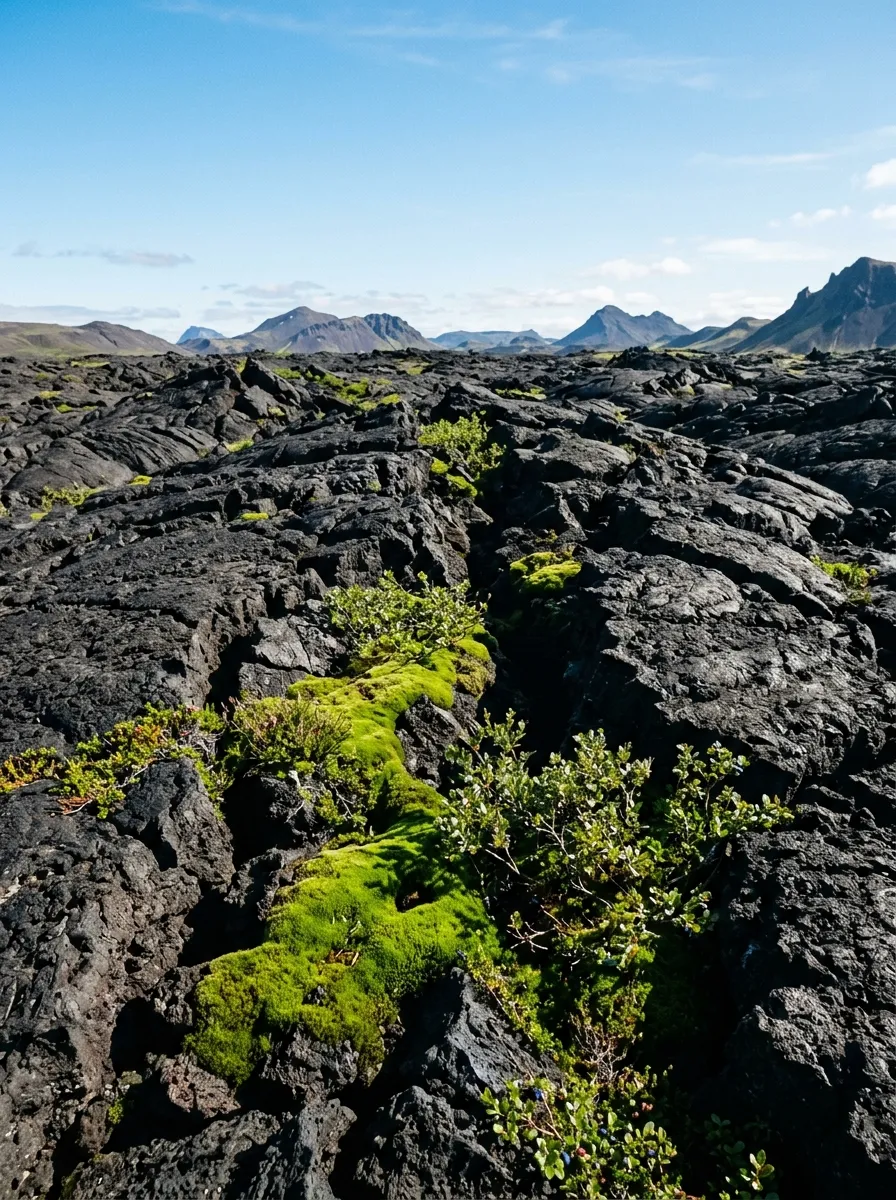
You may find yourself walking across a landscape that appears almost completely barren, only to discover moss, grasses, wildflowers, or forests slowly reclaiming the volcanic ground.
It’s a reminder that geological landscapes are not static.
They’re still changing.
Lava Island Photos: What Makes Them So Dramatic?
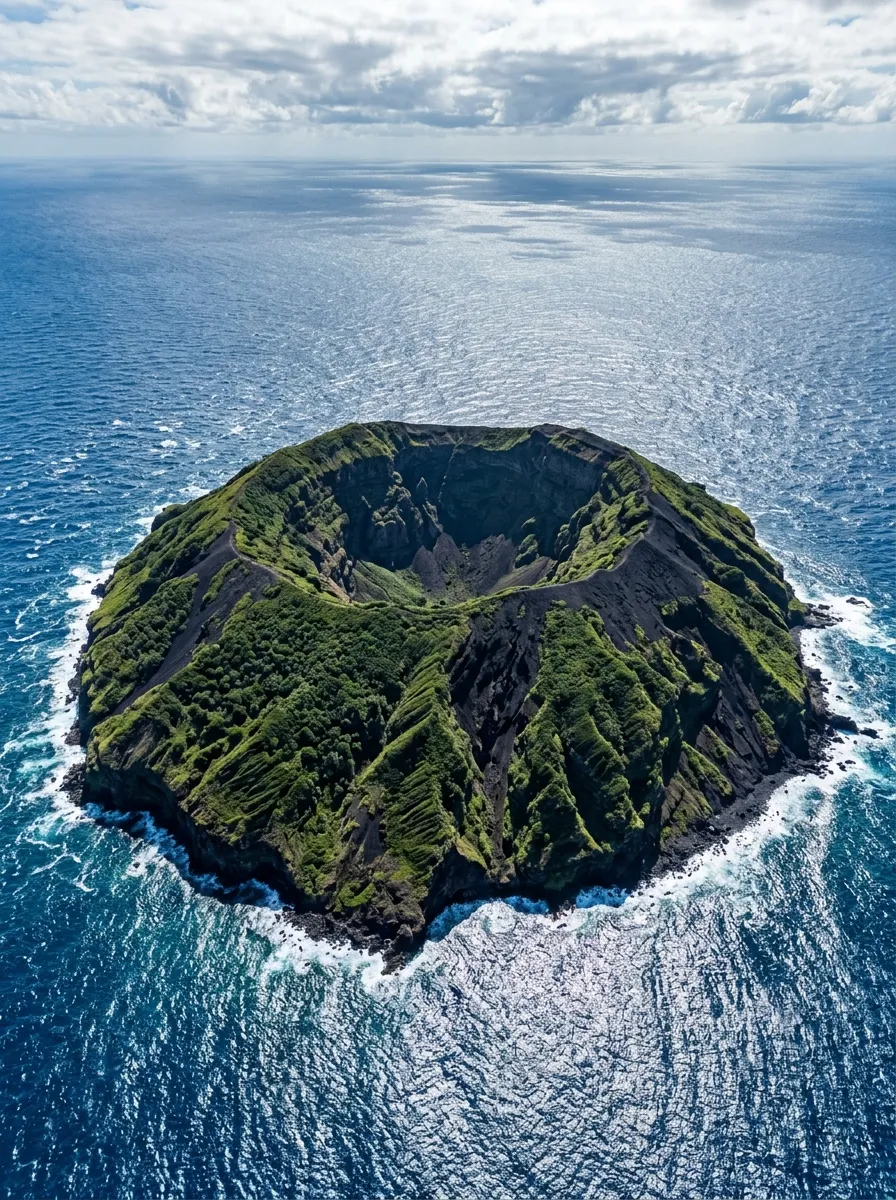
If you’re looking for lava island photos, you’re likely to encounter some seriously unusual scenery.
The most compelling photographs often feature strong contrasts.
Black Lava Against Blue Water
Dark basalt rocks meeting deep blue or turquoise water create naturally dramatic compositions.
Early morning and late afternoon can make the textures of the rocks particularly pronounced.
Volcanic Craters
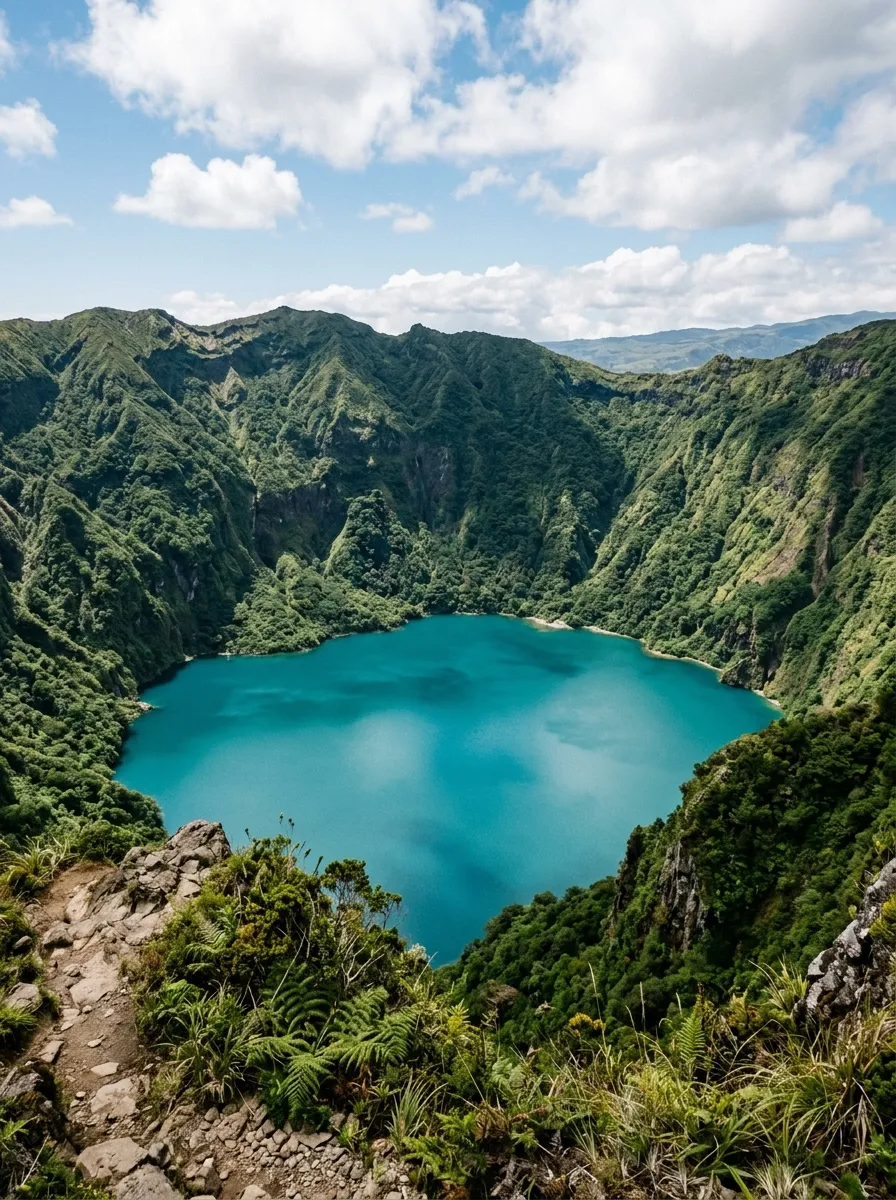
Craters provide another spectacular subject.
Their unusual shapes and colors can reveal the geological history of the landscape.
Lava Fields
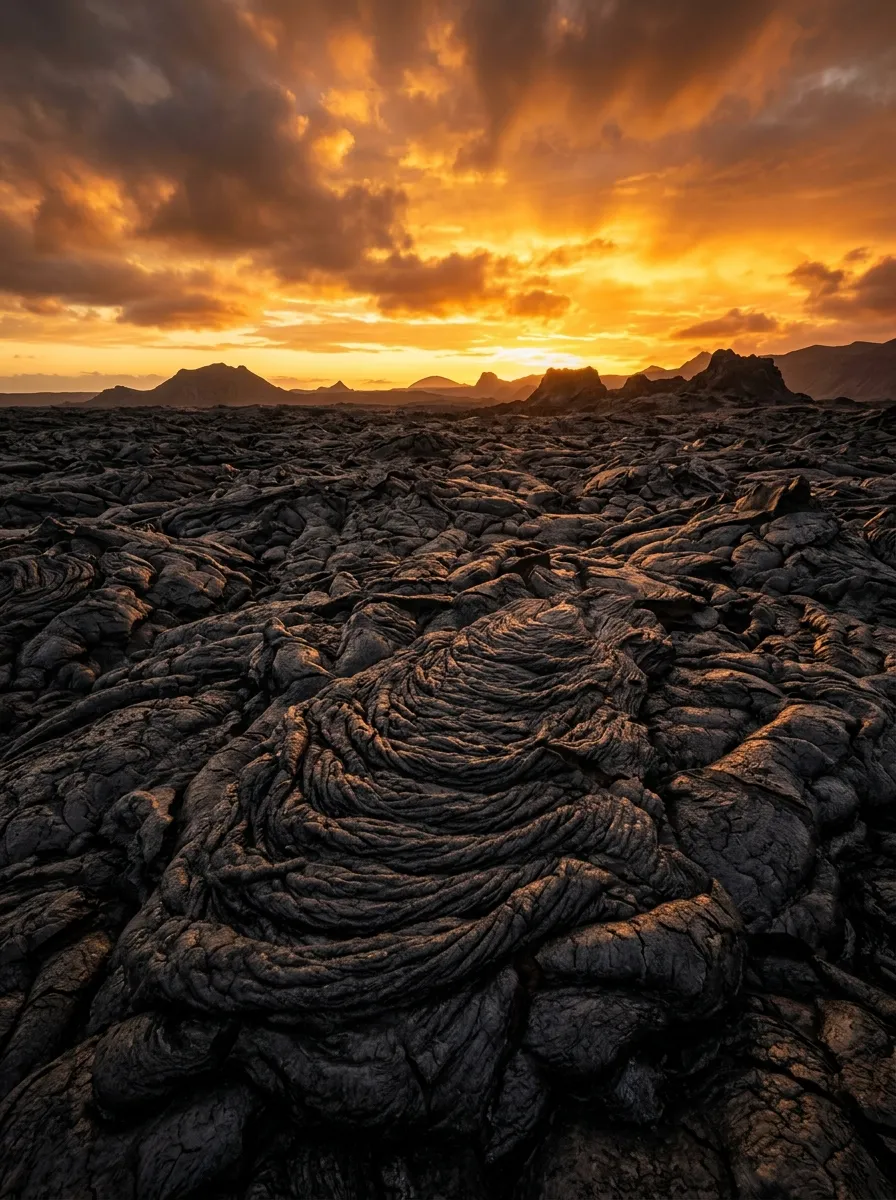
Fresh-looking lava fields can resemble enormous rivers of frozen black or reddish rock.
From above, their patterns can be even more impressive.
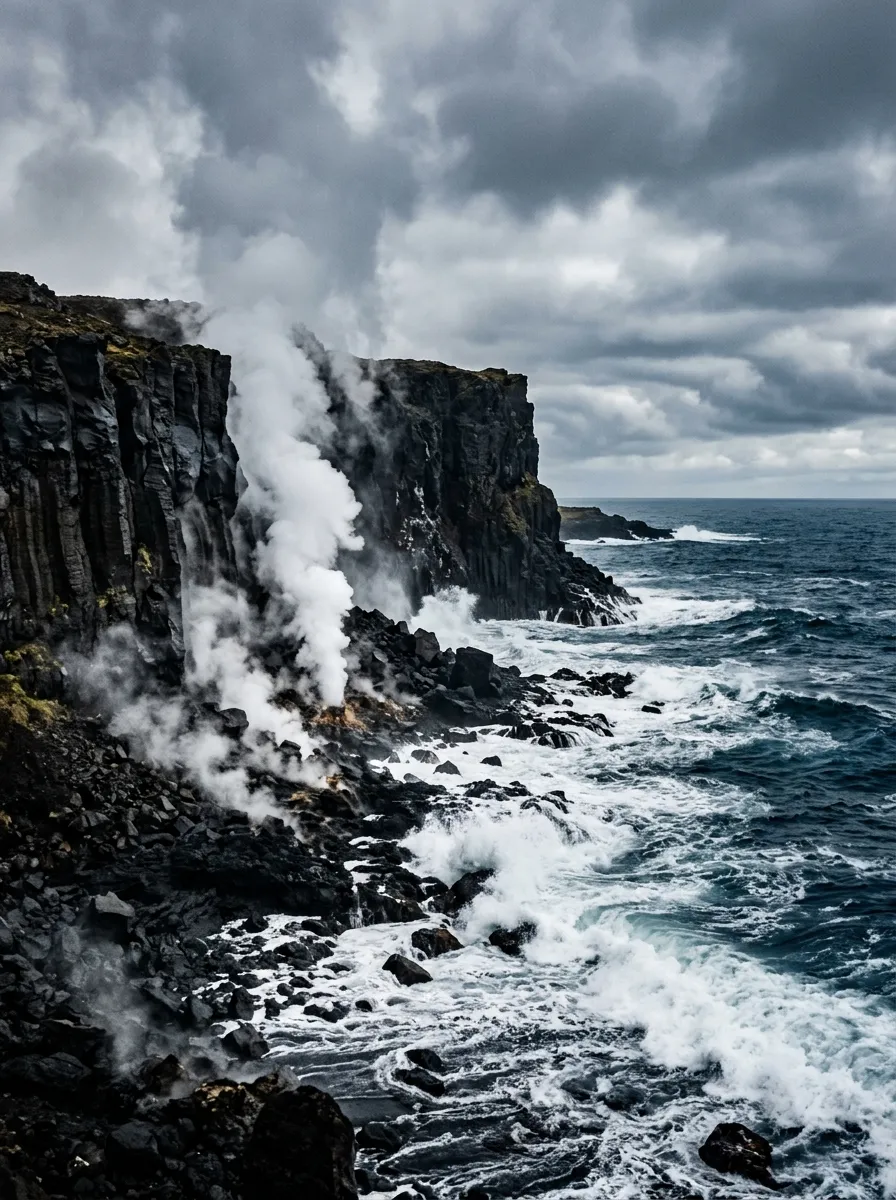
Volcanic Cliffs
Some lava islands have towering coastal cliffs created by ancient eruptions and erosion.
These are especially dramatic when waves crash against the rocks below.
Lava Caves
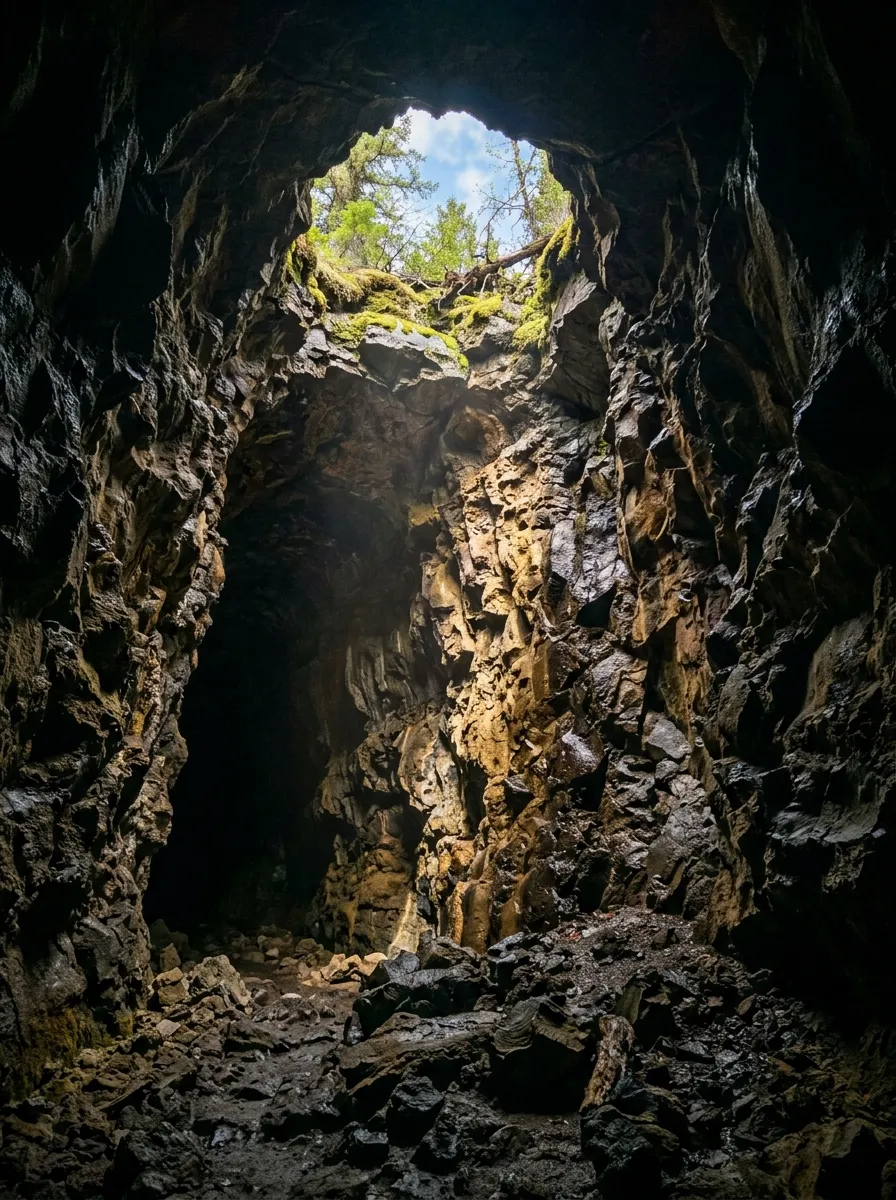
Where volcanic rock cooled around flowing lava, tunnels and caves could form.
Exploring them can feel like entering a completely different environment.
Things to Do on a Lava Island
The activities available depend heavily on the specific volcanic island you’re visiting, but several experiences are common.
1. Explore Lava Landscapes
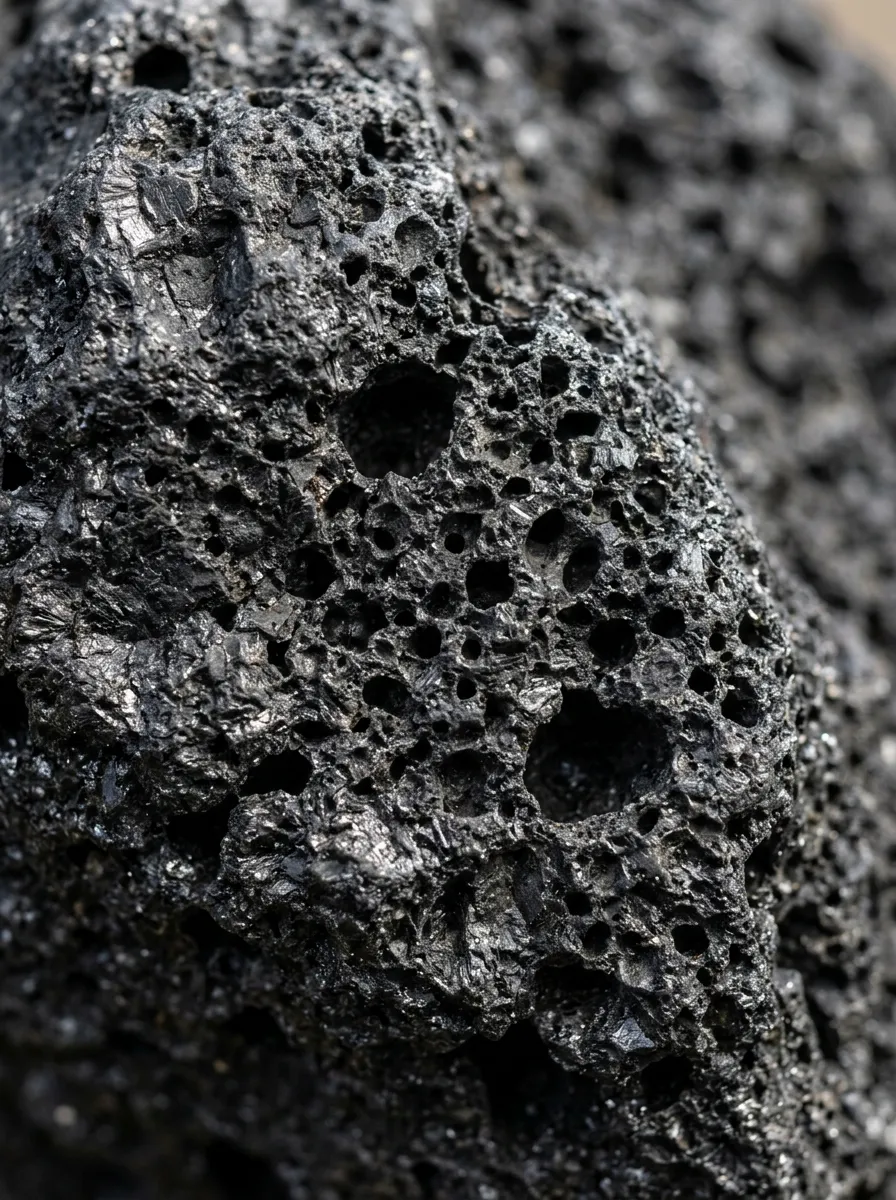
Walking through volcanic terrain is one of the simplest ways to appreciate the geology.
Look closely at the rocks.
Lava isn’t simply one uniform material. Different eruptions and cooling conditions can produce different textures, shapes, and colors.
2. Hike Volcanic Trails
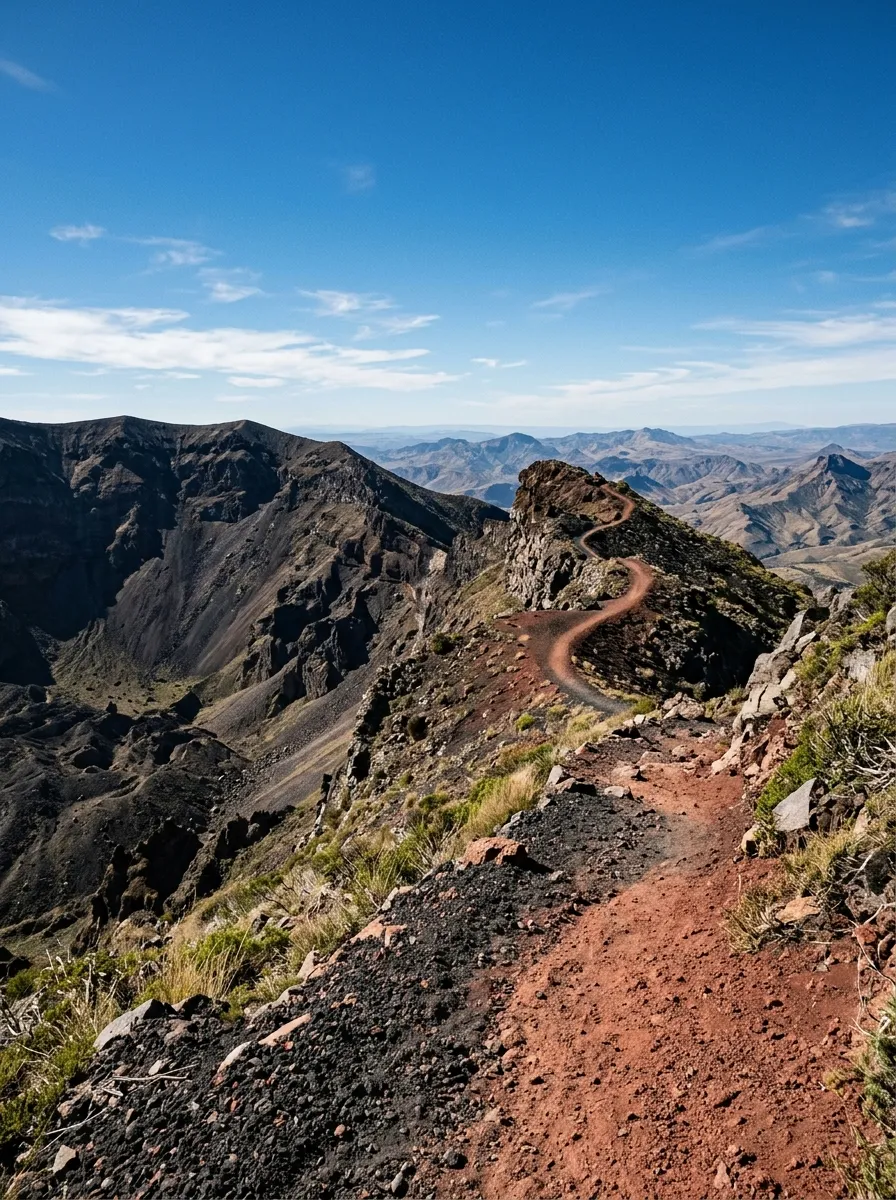
Many volcanic destinations have hiking routes crossing:
- Lava fields
- Crater rims
- Mountain slopes
- Coastal cliffs
- Volcanic valleys
Some trails are relatively easy.
Others require serious preparation.
Always follow local trail conditions and closures because volcanic environments can contain unstable ground and other hazards.
3. Photograph the Landscape
A lava island is essentially a giant outdoor photography studio.
Wide-angle shots work beautifully for dramatic landscapes, while close-up photographs can reveal fascinating textures in the volcanic rock.
For the best results, don’t photograph everything in the middle of the day.
Sunrise and sunset can transform an already unusual landscape.
4. Visit Volcanic Beaches
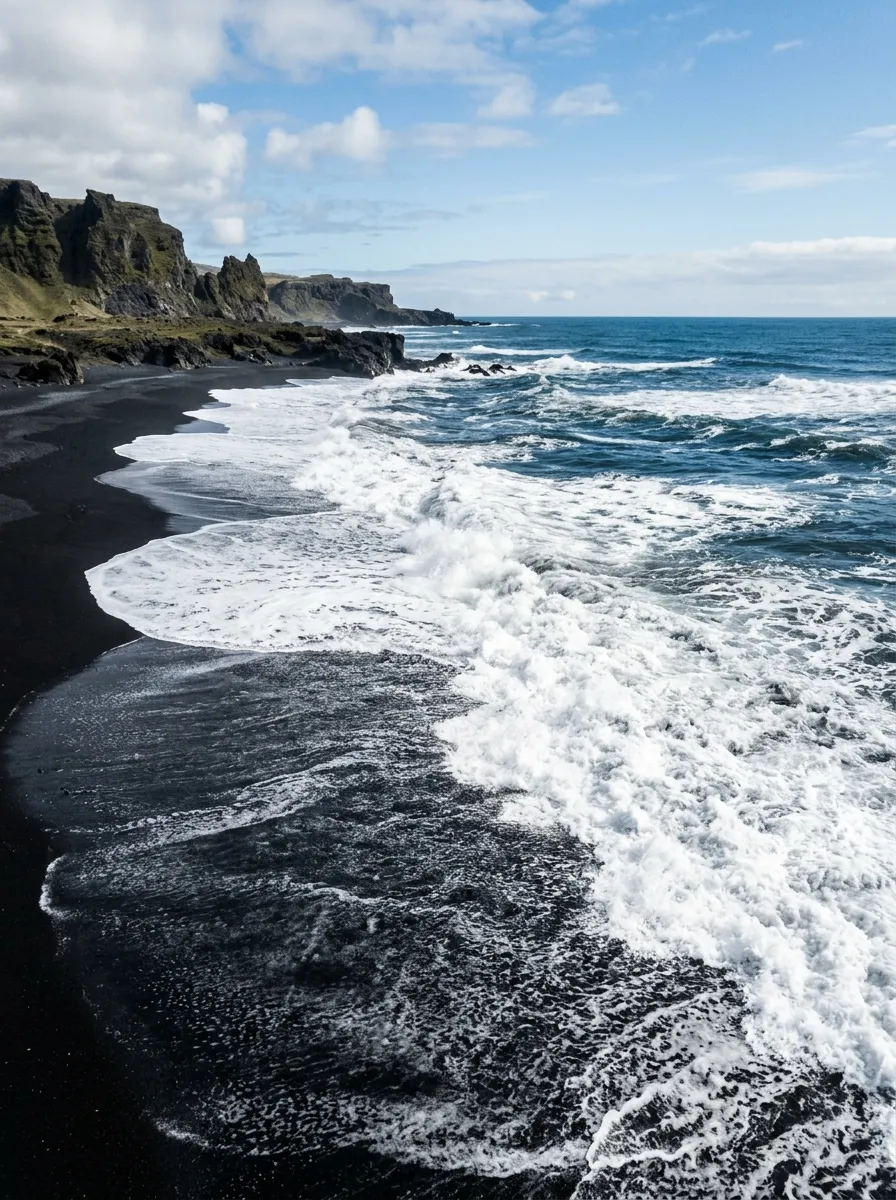
Not every volcanic island has black sand, but where it occurs, it’s worth experiencing.
The dark sand creates a completely different beach atmosphere from the classic white-sand Caribbean scene.
Just remember that dark volcanic surfaces can become extremely hot under strong sunlight.
5. Explore Volcanic Caves
If caves are open to visitors, guided exploration can be an unforgettable experience.
Never enter unstable or restricted volcanic areas simply because they look interesting from a photograph.
The planet doesn’t need much encouragement to remind us who’s in charge.
6. Look for Geothermal Features
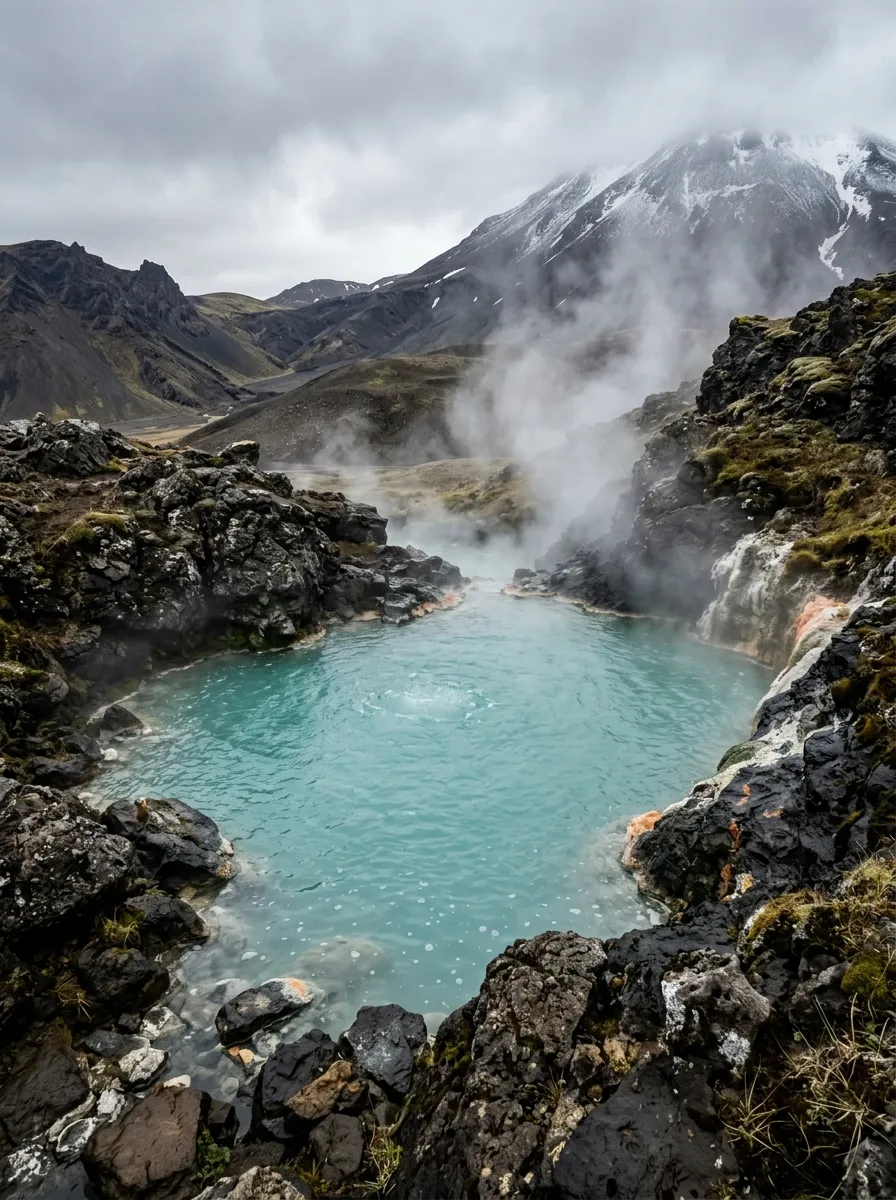
Some volcanic regions have:
- Hot springs
- Steam vents
- Geothermal pools
- Fumaroles
- Sulfur deposits
These features reveal that the geological processes responsible for creating the island may still be active beneath the surface.
Lava Island Reviews: Is It Worth Visiting?
When looking at lava island reviews, you’ll notice that volcanic destinations tend to appeal strongly to a particular type of traveler.
They’re especially rewarding if you enjoy:
- Hiking
- Photography
- Geology
- Adventure travel
- Dramatic landscapes
- Nature
- Remote destinations
- Unusual travel experiences
They may be less appealing if your perfect vacation means spending every day beside a resort pool with minimal walking.
A lava island vacation can involve uneven terrain, changing weather, long hikes, limited services, and sometimes considerable travel distances.
The payoff is scenery that you simply can’t recreate in an ordinary resort destination.
What to Expect From a Lava Island Trip
Don’t approach a volcanic destination expecting a conventional island holiday.
Instead, expect variety.
One moment you may be looking across an apparently lifeless lava field.
A few miles later, you could be standing beside a lush valley or dramatic coastline.
Weather can also change quickly in volcanic environments, particularly at higher elevations.
Pack accordingly.
Your Lava Island Essentials
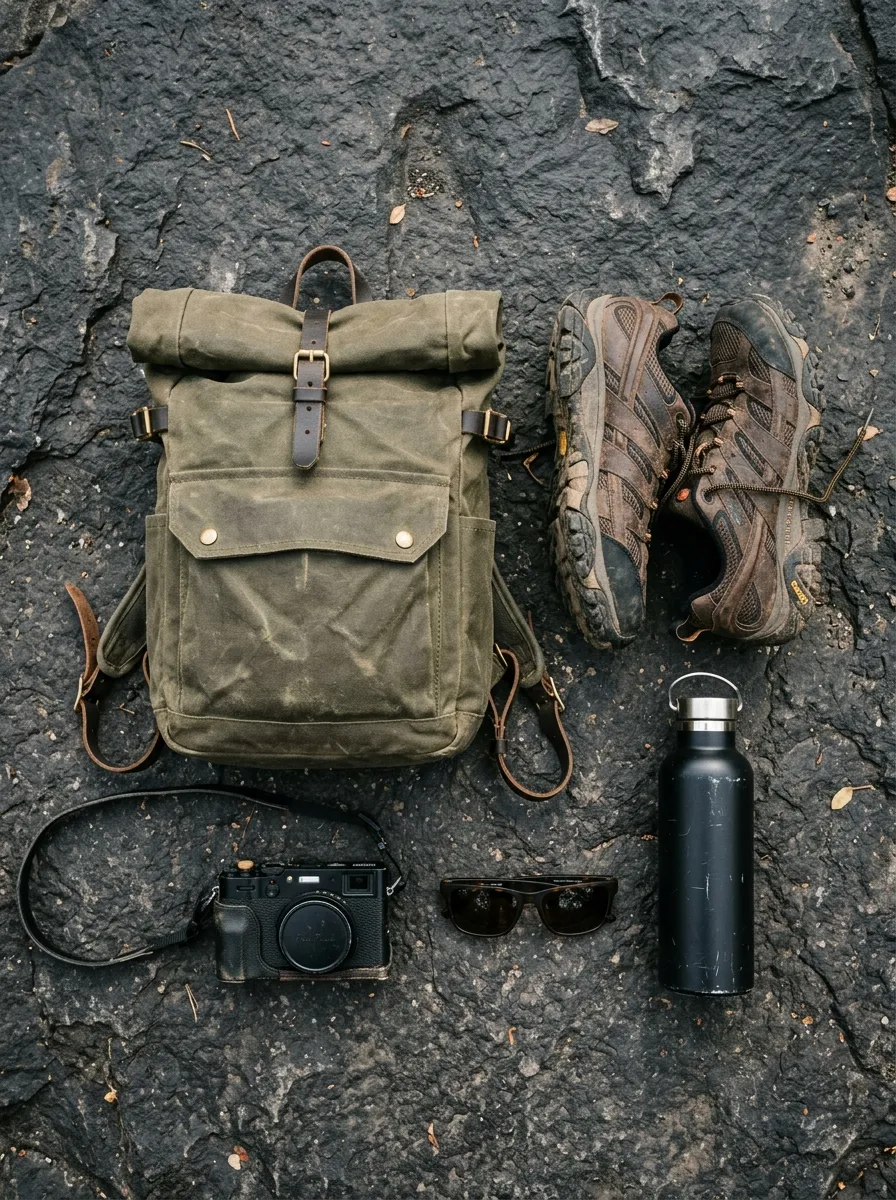
- Comfortable hiking shoes
- Lightweight layers
- Waterproof jacket
- Sun protection
- Sunglasses
- Reusable water bottle
- Small backpack
- Camera
- Portable power bank
- First-aid basics
If you’re planning serious hikes, add appropriate navigation equipment and check local conditions before setting out.
For road-trip travelers, our ultimate road trip checklist can help you organize the rest of your gear.
Best Time to Visit a Lava Island
There isn’t one universal best season because volcanic islands exist in very different climates.
In general, consider:
Spring
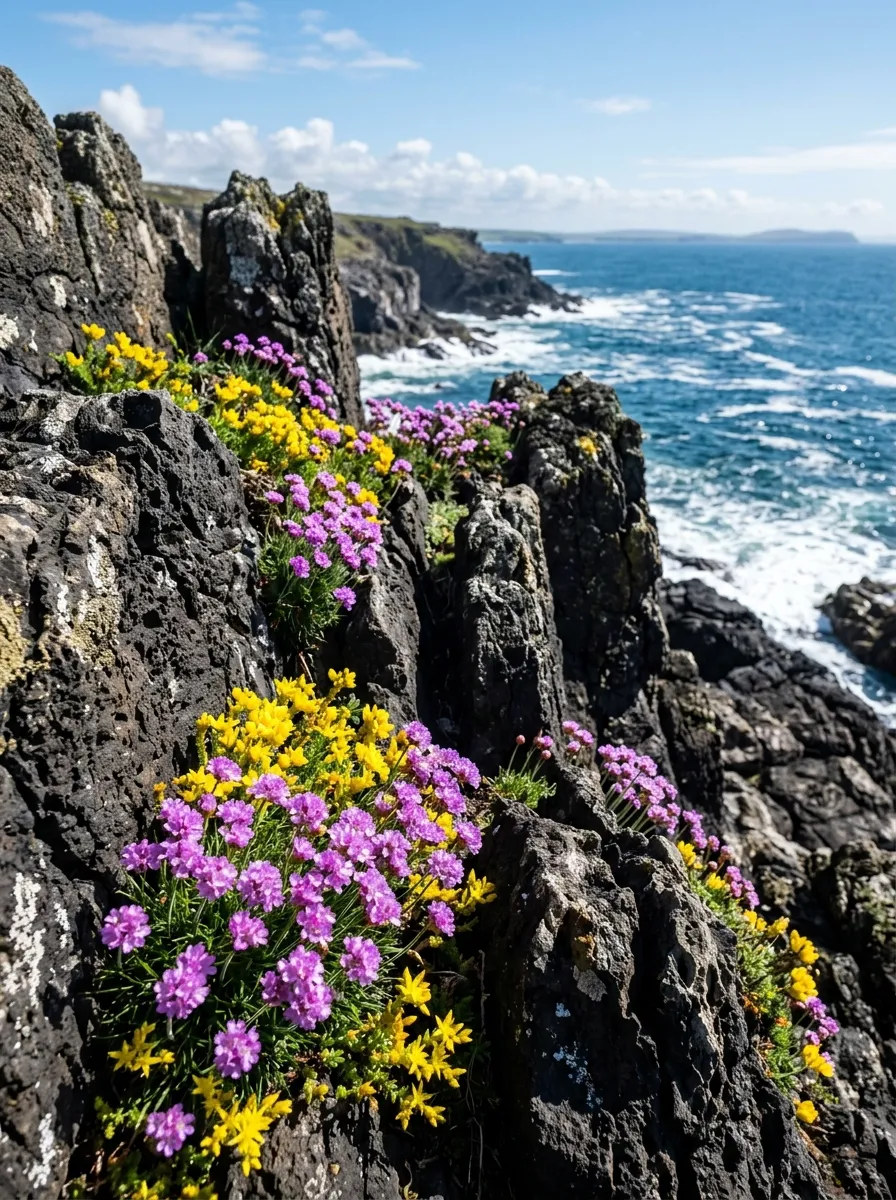
Spring can offer comfortable temperatures and changing landscapes, particularly where vegetation is beginning to return after winter.
Summer
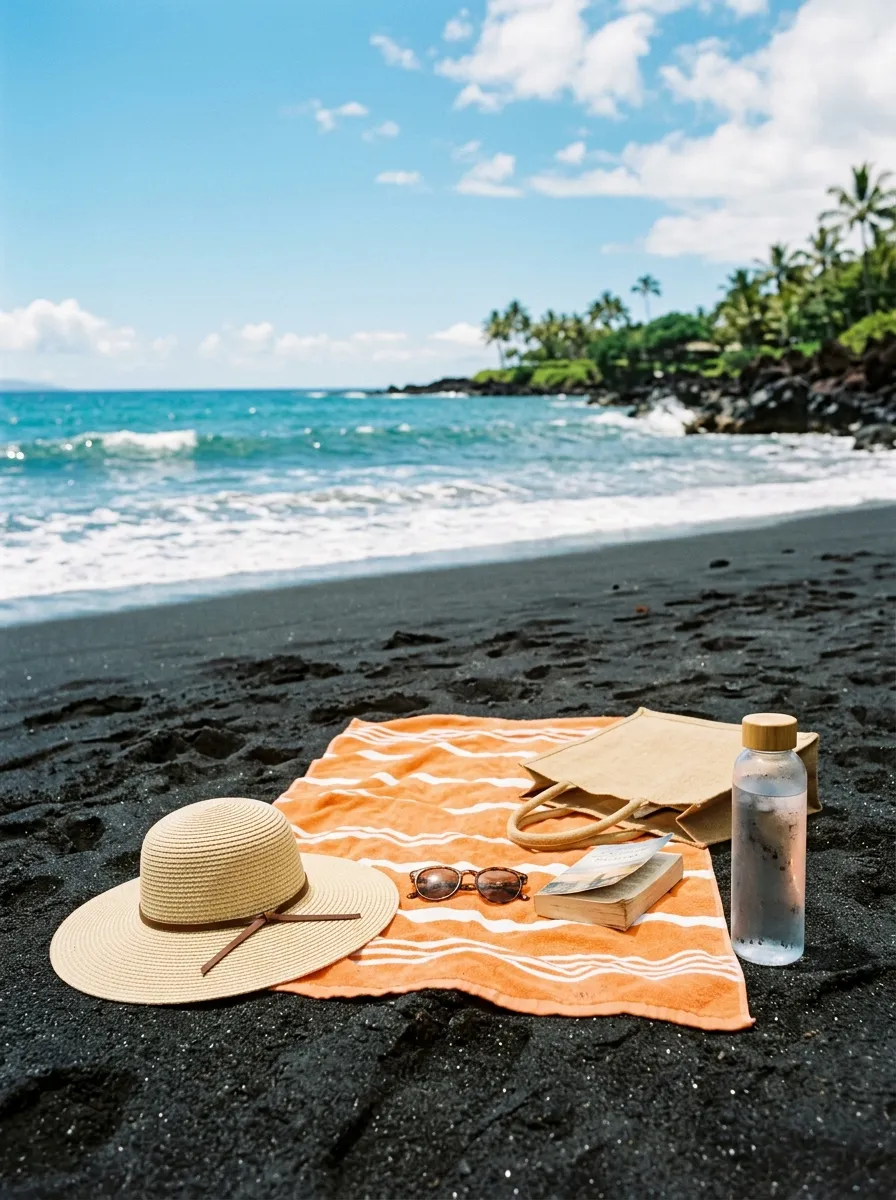
Summer usually provides longer daylight hours and can be excellent for hiking.
However, popular destinations may also be considerably busier.
Fall
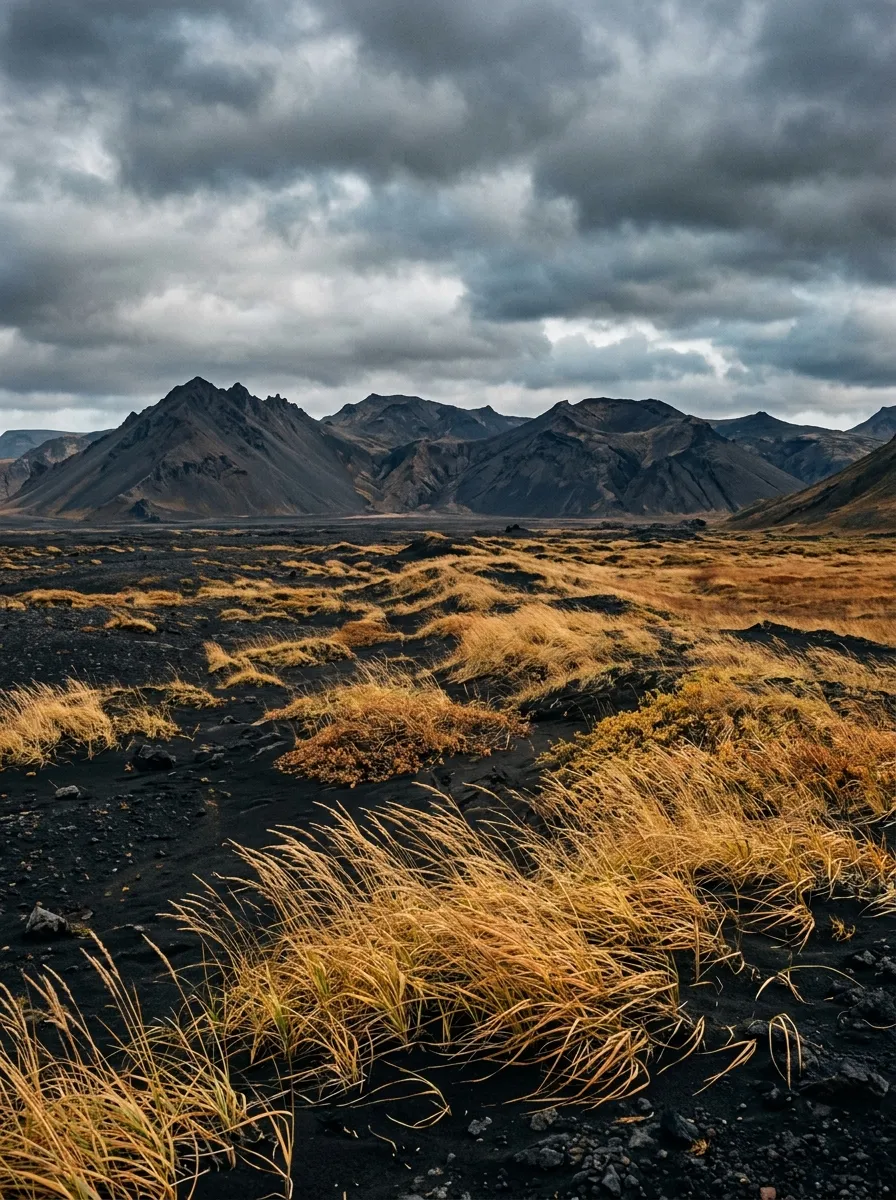
Fall can offer dramatic weather and fewer visitors in some destinations.
It’s also a wonderful season for photography.
Winter
Winter can be spectacular but may bring snow, storms, shorter daylight hours, or trail closures depending on the location.
Always research the specific island before booking.
Lava Island vs. a Traditional Beach Vacation
The difference comes down to what you want from your trip.
| Lava Island | Traditional Beach Destination |
| Volcanic landscapes | Sandy beaches |
| Hiking | Swimming |
| Geology | Water sports |
| Dramatic cliffs | Tropical scenery |
| Lava fields | Palm-lined resorts |
| Adventure focused | Relaxation focused |
| Photography | Beach photography |
| Often rugged | Often developed |
Of course, many volcanic islands offer both.
That’s what makes them especially interesting.
You can hike through ancient lava landscapes in the morning and sit beside the ocean later.
Photography Tips for Lava Island Landscapes
If you’re specifically traveling for lava island photos, think beyond the obvious postcard shot.
Use texture
Get close to the lava.
The rough, cracked, folded, and porous surfaces can create fascinating abstract images.
Include scale
A person, trail, vehicle, or building in the distance can demonstrate how enormous a volcanic landscape really is.
Photograph during golden hour
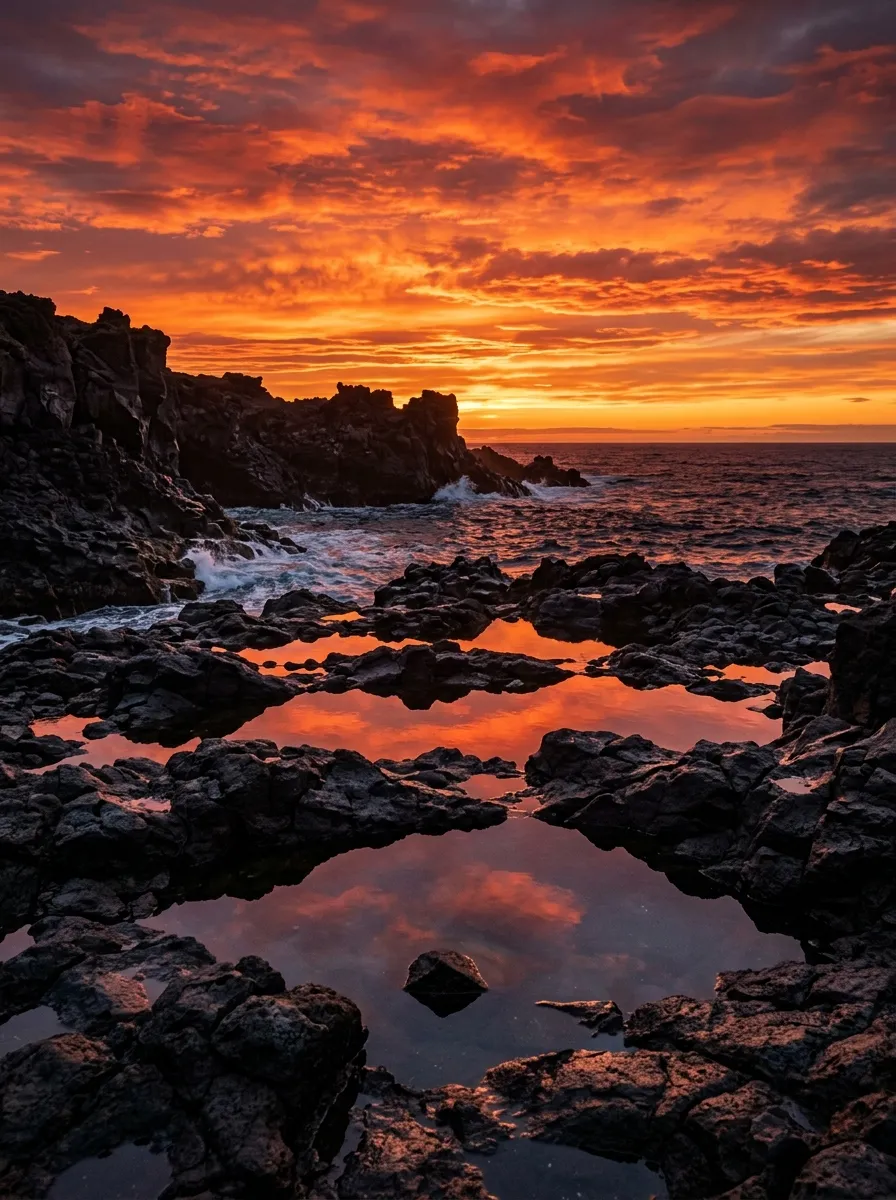
Warm low-angle sunlight can emphasize every ridge and crack in the rock.
Look for contrast
Dark lava against:
- Blue ocean
- Green vegetation
- White clouds
- Red volcanic rock
- Snow
can produce particularly powerful photographs.
Don’t ignore the sky
Volcanic landscapes often look even more dramatic when clouds gather around mountains and peaks.
Is a Lava Island Vacation Good for Families?
It can be, but the destination matters.
Some volcanic islands offer easy trails, visitor centers, scenic drives, and family-friendly attractions.
Others have difficult terrain and potentially dangerous volcanic areas.
Families should prioritize:
- Clearly marked trails
- Guided excursions
- Visitor centers
- Safe viewpoints
- Reliable transportation
- Weather information
Don’t assume a spectacular landscape is automatically safe to explore.
Lava Island Safety Tips
Volcanic landscapes deserve respect.
Stay on marked trails
Loose rocks and unstable surfaces can be dangerous.
Follow closures
If authorities close a trail or volcanic area, don’t attempt to bypass the restriction.
Keep away from active vents
Steam and volcanic gases can be hazardous even when an area appears calm.
Wear proper footwear
Lava rock can be sharp and uneven.
Bring water
Remote volcanic landscapes may have few places to refill.
Check weather conditions
Mountain and volcanic environments can experience rapid weather changes.
Don’t rely on photographs alone
A location that looks easy in a photograph may involve a difficult hike, unstable terrain, or restricted access.
How Long Should You Spend on a Lava Island?
For a destination where volcanic landscapes are the main attraction, three to five days is a useful starting point.
A shorter trip can work if you’re focusing on one specific area.
A longer stay makes sense if the island offers:
- Multiple hiking regions
- Volcano excursions
- Coastal exploration
- Wildlife
- Villages and towns
- Scenic drives
- Beaches
- Geothermal attractions
If you’re combining the island with a larger journey, even two days can provide a memorable introduction.
What Makes Lava Islands Different From Other Destinations?
The biggest attraction isn’t necessarily a single landmark.
It’s the feeling of standing inside a landscape that was created by forces far larger and older than anything humans have built.
The rocks tell a story.
A lava field may represent an eruption from centuries ago. A cliff may have been shaped by repeated volcanic activity and ocean erosion. Vegetation growing through cracks demonstrates nature slowly reclaiming the ground.
That makes a volcanic island more than a scenic destination.
It’s a geological storybook with the pages scattered across the landscape.
Final Thoughts
Lava Island is an intriguing choice for travelers who want something beyond the usual beach escape.
Whether you’re chasing incredible lava island photos, reading lava island reviews before planning your trip, or simply fascinated by volcanic landscapes, these destinations offer an unusual combination of adventure, nature, geology, and photography.
You can hike across black volcanic terrain, explore caves, photograph dramatic cliffs, discover geothermal features, and watch vegetation slowly reclaim ancient lava.
And when the day’s adventure is finished, you can return to the coast and watch the ocean roll against the very rocks that helped create the island.
For travelers who prefer their vacations with a little geological drama, that’s a pretty compelling itinerary. 🌋🌊
If you enjoy landscapes that look almost unreal, you may also enjoy our Lauterbrunnen Valley hiking guide and our guide to slow travel in Lucca, Italy.