Pemaquid Point Lighthouse: The Complete 2026–27 Guide to Maine’s Most Photographed Coastal Icon
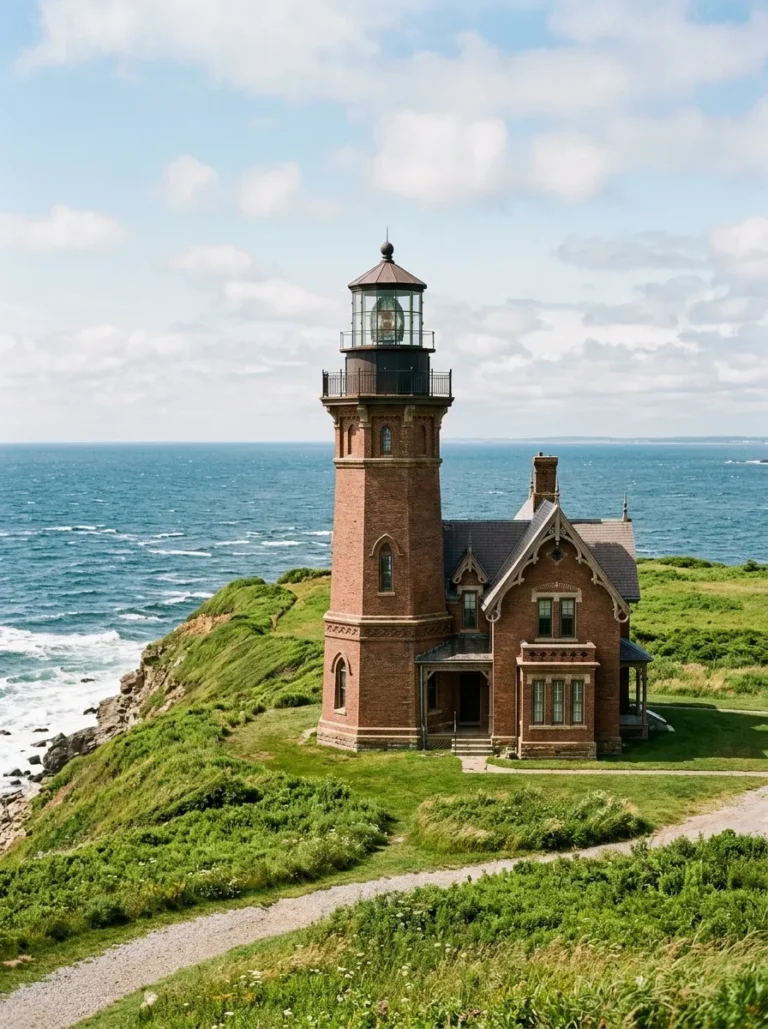
Some lighthouses are famous for their height, their history, or their remote, hard-to-reach setting. Pemaquid Point is famous for what’s underneath it. The 38-foot white tower, standing watch since 1827, sits on a promontory of metamorphic rock unlike anything else on the Maine coast — parallel bands of gray, white and rust-striped granite that angle into the Atlantic like waves frozen mid-motion, carved and polished by millions of years of geological pressure and heat, then endlessly reshaped by the surf. It’s the exact image on Maine’s state quarter, the subject of Edward Hopper’s famous 1929 watercolor now hanging in the Portland Museum of Art, and by most estimates the single most photographed lighthouse in the entire state.
This guide covers Pemaquid Point Lighthouse for the rest of 2026 and into 2027, and it’s worth treating as its own destination rather than a five-minute photo stop, because the surrounding Pemaquid Peninsula holds genuinely more depth than its famous lighthouse alone. A working lobster harbor, a 17th-century colonial archaeological site older than most New England cities, a rare sand beach that actually glitters, and a ferry to Monhegan Island all sit within a few minutes of the lighthouse itself — a peninsula that draws roughly 100,000 visitors a year to the lighthouse specifically, yet somehow avoids the crowds of Boothbay Harbor or Camden further up the coast.
Whether you’re planning a quick photo stop on a Midcoast Maine road trip, timing a visit around the best light for photography, or building a full day around the peninsula’s lighthouse, lobster village and colonial ruins, this guide breaks down what’s actually worth your time, current 2026 hours and admission, and the geology and history that make this stretch of granite genuinely unlike anywhere else in New England.
Recommended Travel Items for Your Trip
AT A GLANCE: PEMAQUID POINT LIGHTHOUSE
- Built: 1827, commissioned under President John Quincy Adams; rebuilt in 1835
- What it’s known for: Its striped metamorphic rock ledges, its appearance on the Maine state quarter, and Edward Hopper’s 1929 watercolor of the site
- Park hours: Dawn to dusk, year-round; tower and museum open seasonally, Memorial Day through Columbus Day
- 2026 admission: Around $4 for adults and $1 for children to enter the park; a small additional donation to climb the tower
- Best light for photography: Early morning for dramatic backlighting, late afternoon for warm western light on the granite
- Nearby ferry: Monhegan Island and Eastern Egg Rock puffin tours depart from nearby New Harbor, late May through September
- Ideal visit length: 30–60 minutes for the lighthouse alone; a half or full day to properly explore the Pemaquid Peninsula
Pemaquid Peninsula at a Glance
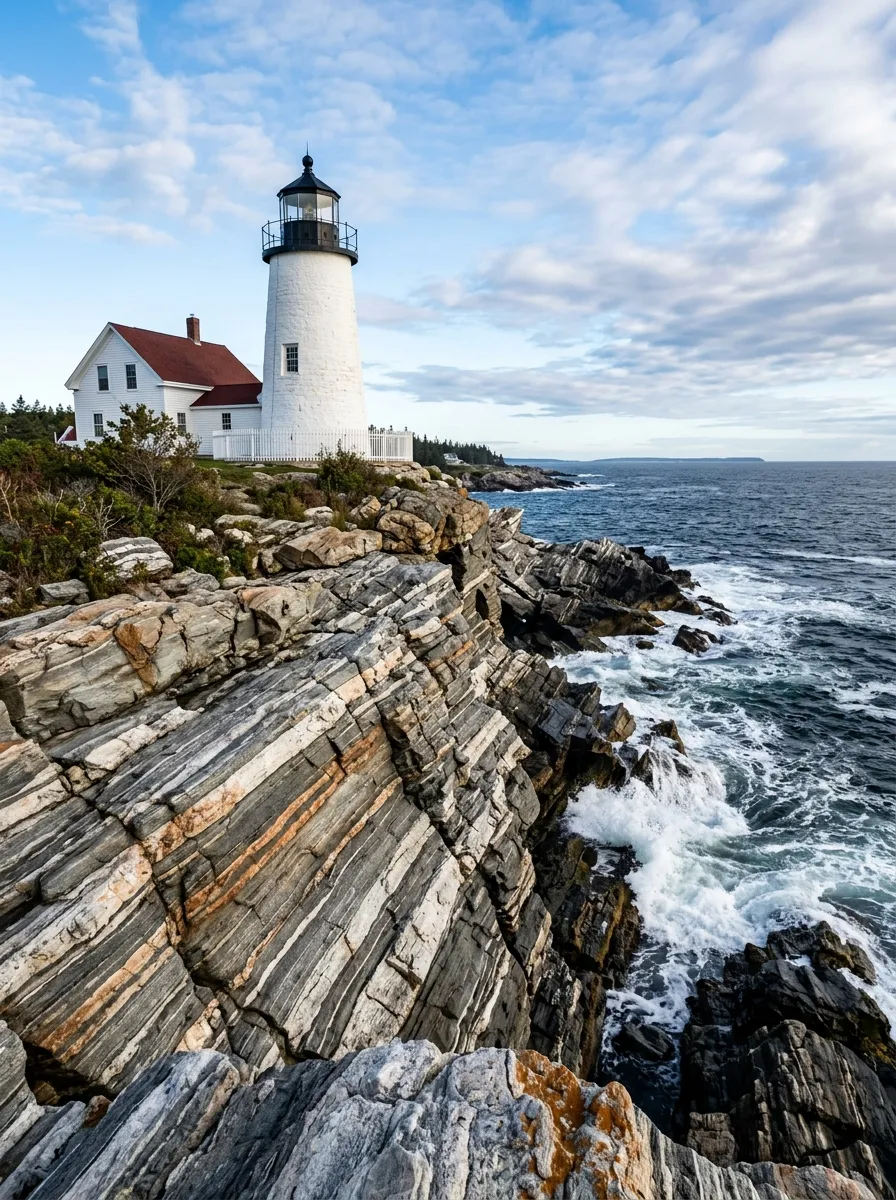
Pemaquid Point sits at the tip of a peninsula holding several worthwhile stops, each within a short drive of one another.
| Area | Best For | Best Time to Visit | Suggested Time | Main Consideration |
| Pemaquid Point Lighthouse Park | The lighthouse, tower climb, Fishermen’s Museum | Year-round (grounds); seasonal (tower/museum) | 30–60 minutes | Parking fills early on sunny weekends |
| New Harbor | Working lobster village, Monhegan ferry, lobster shacks | May–Sep for full services | 1–2 hours | Quiet outside the late-May-to-September window |
| Colonial Pemaquid / Fort William Henry | 17th-century archaeology, reconstructed fort | Memorial Day–early September | 1–2 hours | Museum has more limited seasonal hours than the lighthouse |
| Pemaquid Beach Park | Swimming, sand beach, tide pools | May–Sep | 1–3 hours | One of the only real sand beaches on this stretch of coast |
Why Pemaquid Point Is Maine’s Most Photographed Lighthouse
Pemaquid’s fame comes down to a genuinely rare combination: a historically significant, still-active lighthouse standing directly on top of some of the most visually striking rock formations on the entire Eastern Seaboard. The ledges here aren’t ordinary granite — they’re metamorphic rock, transformed by heat and pressure millions of years ago into a distinctive banded pattern that slopes into the sea at dramatic angles, with parallel stripes so regular they look almost artificial. Add a lighthouse tower you can actually climb, a keeper’s house turned museum, and a location easily reached by paved road (a genuine rarity among Maine’s more remote light stations), and you get a spot that rewards both a five-minute drive-by photo and a slow, multi-hour exploration in equal measure.
The Geology Behind the Rocks
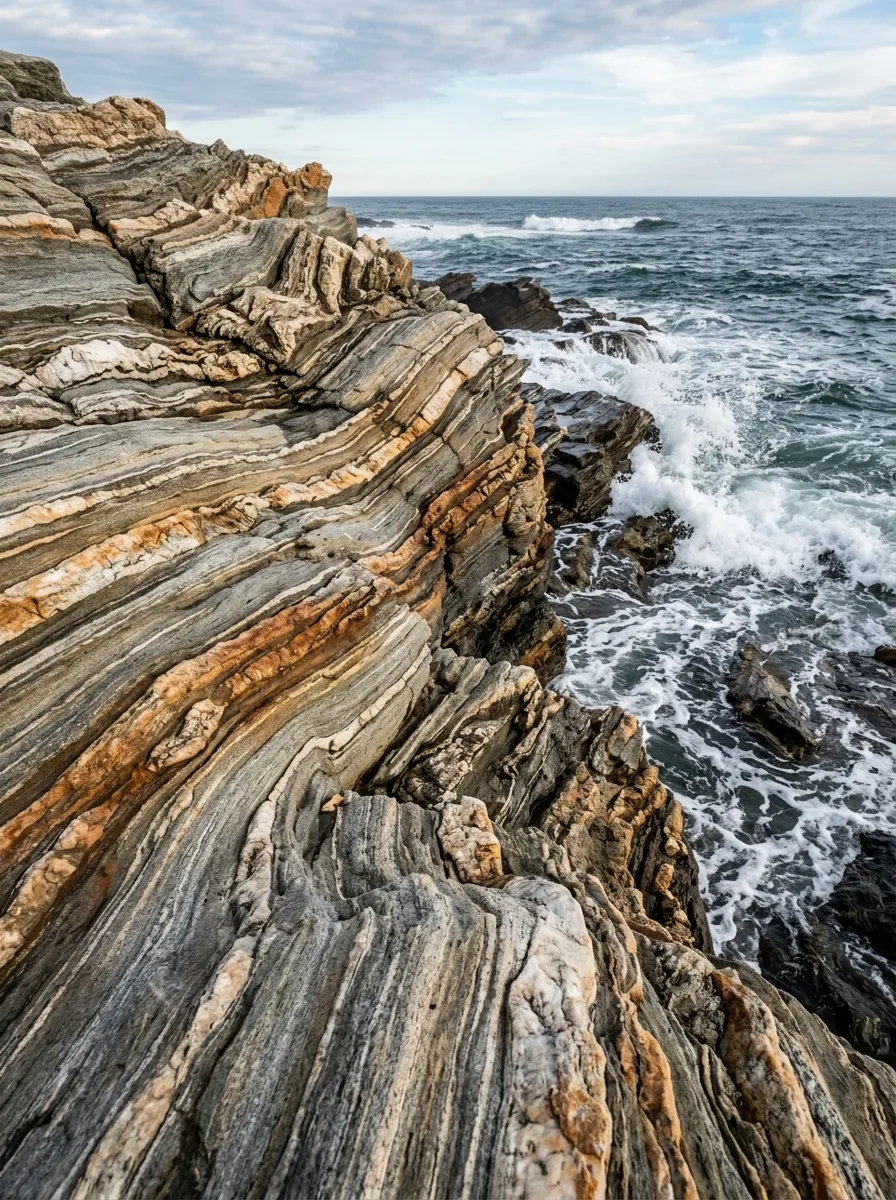
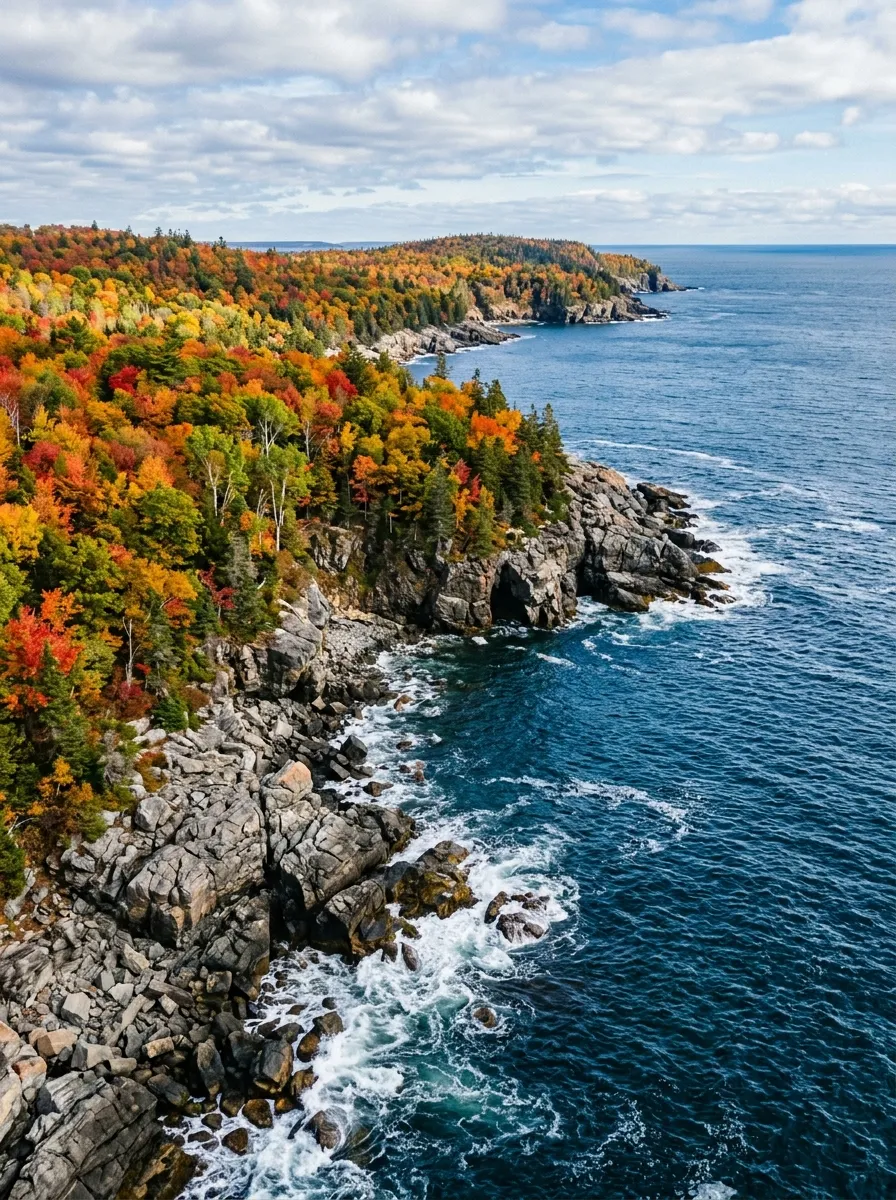
The real star of Pemaquid Point, according to many repeat visitors, isn’t the lighthouse at all — it’s the rock beneath it. These metamorphic ledges flow in parallel bands of gray, white and rust, smooth in some places and rough in others, carved by millennia of relentless wave action into a pattern that looks almost engineered. It’s a genuinely different geological story from the granite found elsewhere along the Maine coast, and it’s worth spending real time simply walking the ledges (carefully — more on safety below) to appreciate how unusual this particular stretch of shoreline actually is.
The History of Pemaquid Point Lighthouse
The first lighthouse here was constructed in 1827 under an act of Congress that provided $4,000 for a rubblestone tower and keeper’s house, commissioned during President John Quincy Adams’ administration. Built with corners cut by the original contractors, it fell into disrepair quickly and was rebuilt in 1835 — the tower that still stands today. In March 1940, Bristol residents voted to purchase the lighthouse property (minus the tower itself, which remained with the Coast Guard) for $1,639, paid over four years, and renamed the site Bristol’s Lighthouse Park. The Pemaquid Group of Artists added an art gallery in 1960, and the keeper’s house opened as the Fishermen’s Museum in 1972. In May 2000, the Coast Guard licensed the tower itself to the American Lighthouse Foundation, and today the tower is opened to visitors by the Friends of Pemaquid Lighthouse, a local chapter of that foundation.
When to Visit Pemaquid Point: Seasons and Hours
Late 2026: What’s Left on the Season
If you’re visiting for the remainder of 2026, the tower and Fishermen’s Museum remain open daily through Columbus Day, meaning a September or early October visit still gets you full access to both. September and early October bring noticeably thinner crowds than summer, along with cooler, crisper weather well suited to a longer walk on the ledges. After Columbus Day, the tower and museum close for the season, though the park grounds themselves remain open year-round from dawn to dusk for sightseeing.
2027 Planning
Expect the 2027 season to follow the same reliable pattern: the park itself open dawn to dusk year-round, with the tower and Fishermen’s Museum opening for the season in mid-May and running daily through Columbus Day in October. Confirm exact opening dates and current hours at bristolparks.org or thefishermensmuseum.org as the season approaches, since hours can shift slightly year to year and are subject to weather-related adjustments even within the season.
Fall: An Underrated Window
Fall specifically deserves a mention on its own — fewer visitors, spectacular late-season light, and the option to combine a visit with the peninsula’s broader fall foliage. Just be aware the tower and museum may run reduced hours later in the season as staffing tapers before the Columbus Day closing.
2026 Admission and Hours
Pemaquid Point Lighthouse Park charges a per-person entrance fee, generally cited around $4 for adults and $1 for children (figures shift periodically, so check current rates before visiting). Climbing the tower itself typically asks for a small additional donation, around $1, to support ongoing repairs — well worth it for the panoramic Atlantic views from the top. The park is open 7 days a week, generally 9 a.m. to 5 p.m. during the operating season (hours may adjust for weather), with the tower’s specific hours running 10 a.m. to 5 p.m. and the museum 9 a.m. to 5 p.m.
BOOKING TIP
The parking lot at Pemaquid Point fills quickly on sunny summer weekends, and there’s no real overflow option once it’s full. Arrive early — ideally before mid-morning — both to guarantee parking and to catch the best photography light before midday crowds and harsher overhead sun set in.
Climbing the Tower
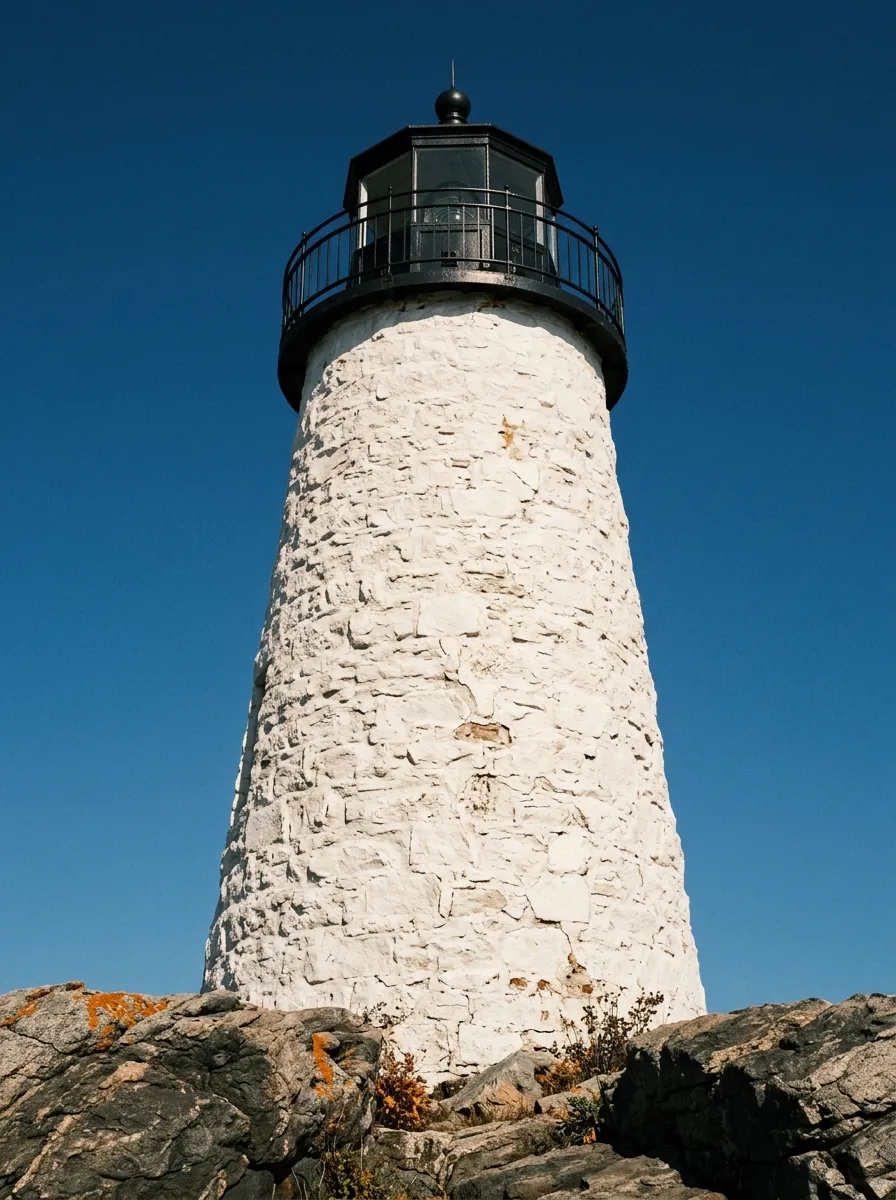
Climbing to the top of the 38-foot tower delivers a genuinely rewarding panoramic view over the Atlantic and the surrounding ledges, and it remains one of the more accessible lighthouse-climbing experiences in Maine given how easily the site is reached by paved road. Wear sturdy, non-slip shoes — both for the tower’s stairs and for exploring the rocky grounds afterward.
The Fishermen’s Museum
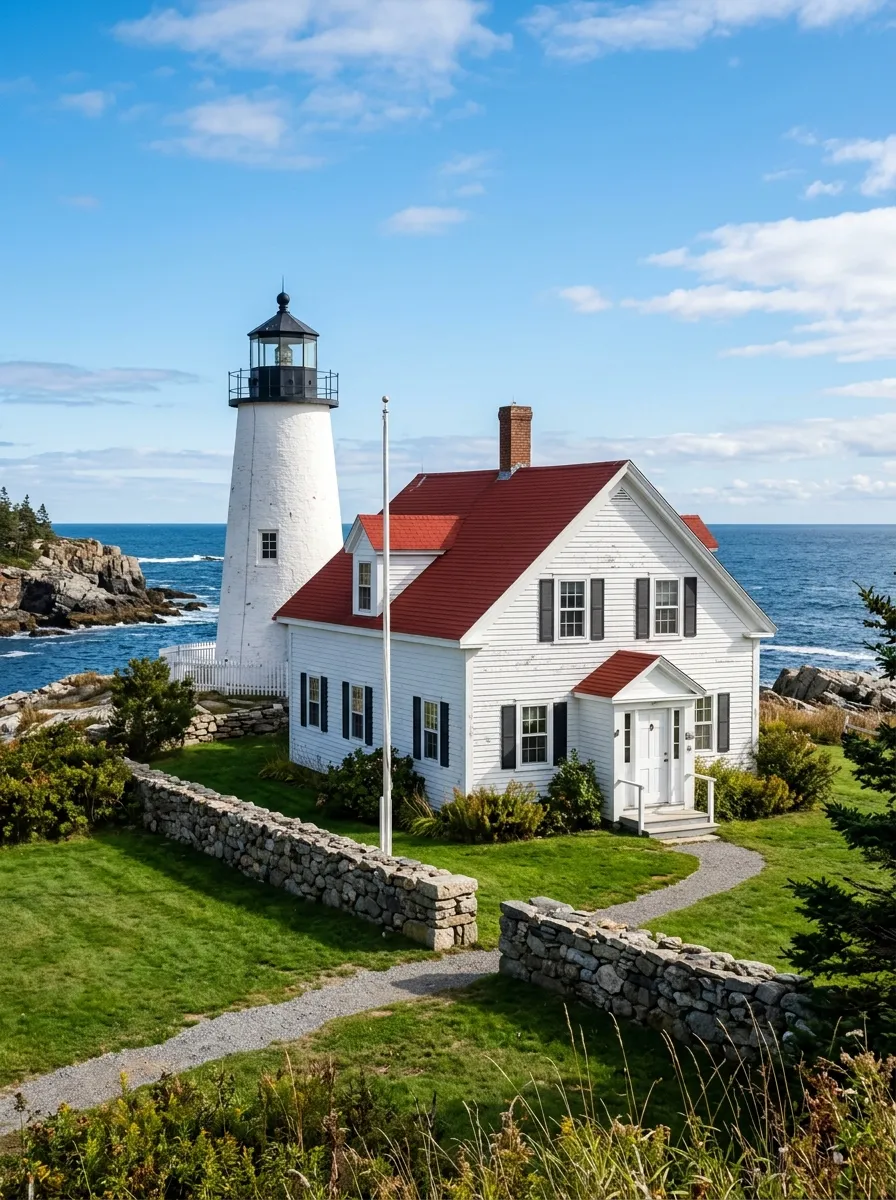
Housed in the former keeper’s quarters dating to 1827, the Fishermen’s Museum presents the working history of Maine’s fishing industry alongside the story of the lighthouse and its keepers, with an adjacent Learning Center offering additional educational exhibits and hands-on programming — including, on select days, demonstrations of traditional net weaving. Among its holdings is the Fresnel lens originally used at Maine’s Baker Island Lighthouse, a genuinely significant piece of maritime history on display for visitors.
Pemaquid Art Gallery
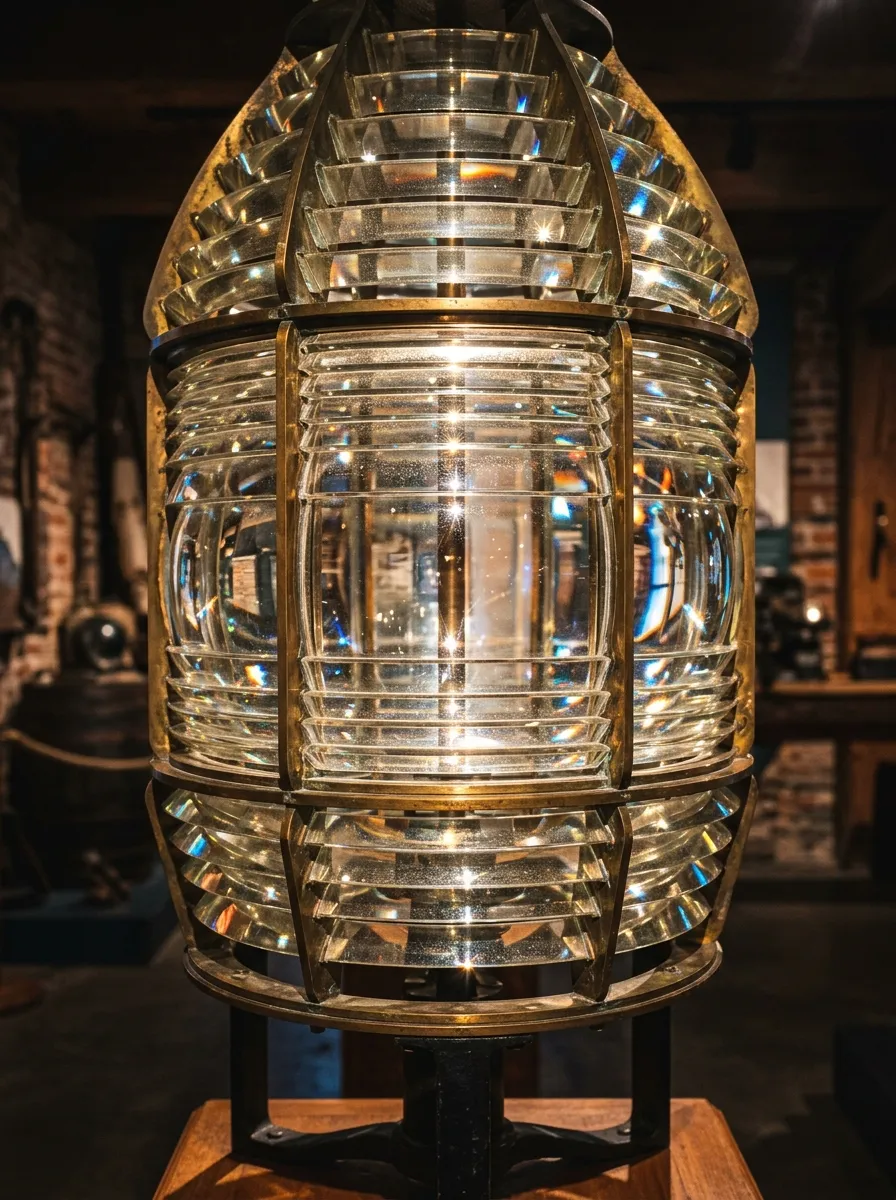
Adjacent to the museum, the Pemaquid Art Gallery features rotating works for sale by members of the Pemaquid Group of Artists, adding a creative counterpoint to the site’s maritime and geological focus — a fitting complement given how many painters and photographers, Edward Hopper among them, have been drawn to this exact spot over the decades.
Photography Tips at Pemaquid Point
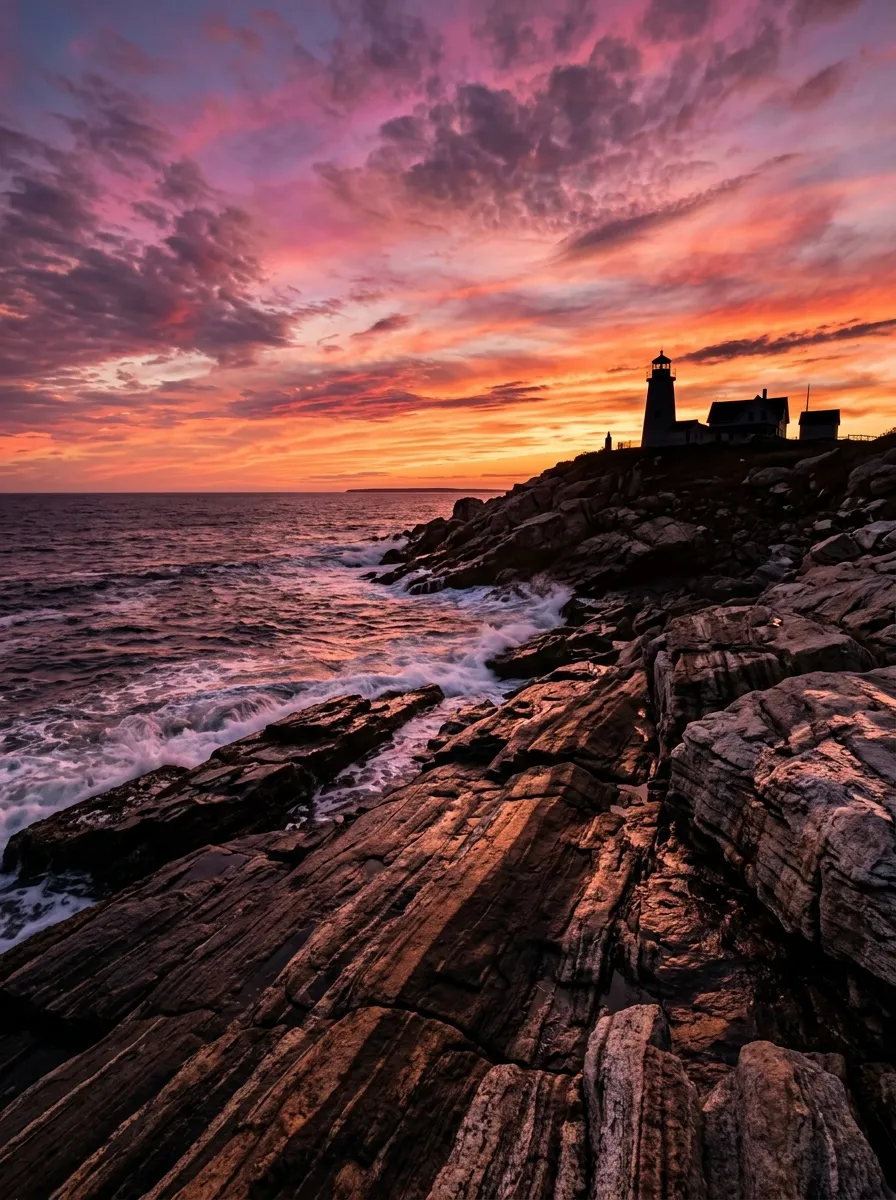
Early morning delivers dramatic backlighting across the striped ledges, while late afternoon brings warm, golden western light onto the granite — both meaningfully better than the flat, harsh light of midday. In a northeast storm, Pemaquid Point becomes one of the most dramatic wave-watching and photography spots on the entire Maine coast, though storm visits demand real caution given the sea conditions (see the safety note below).
Sunset photography over dramatic rock formations is a particular kind of travel reward, and Pemaquid Point delivers its own version of that magic — if you’re chasing that same feeling on a different continent, this account of a sunset over Pamukkale’s Cotton Castle in Turkey covers an entirely different kind of dramatic, otherworldly rock formation worth bookmarking for a future trip.
Safety on the Rocks
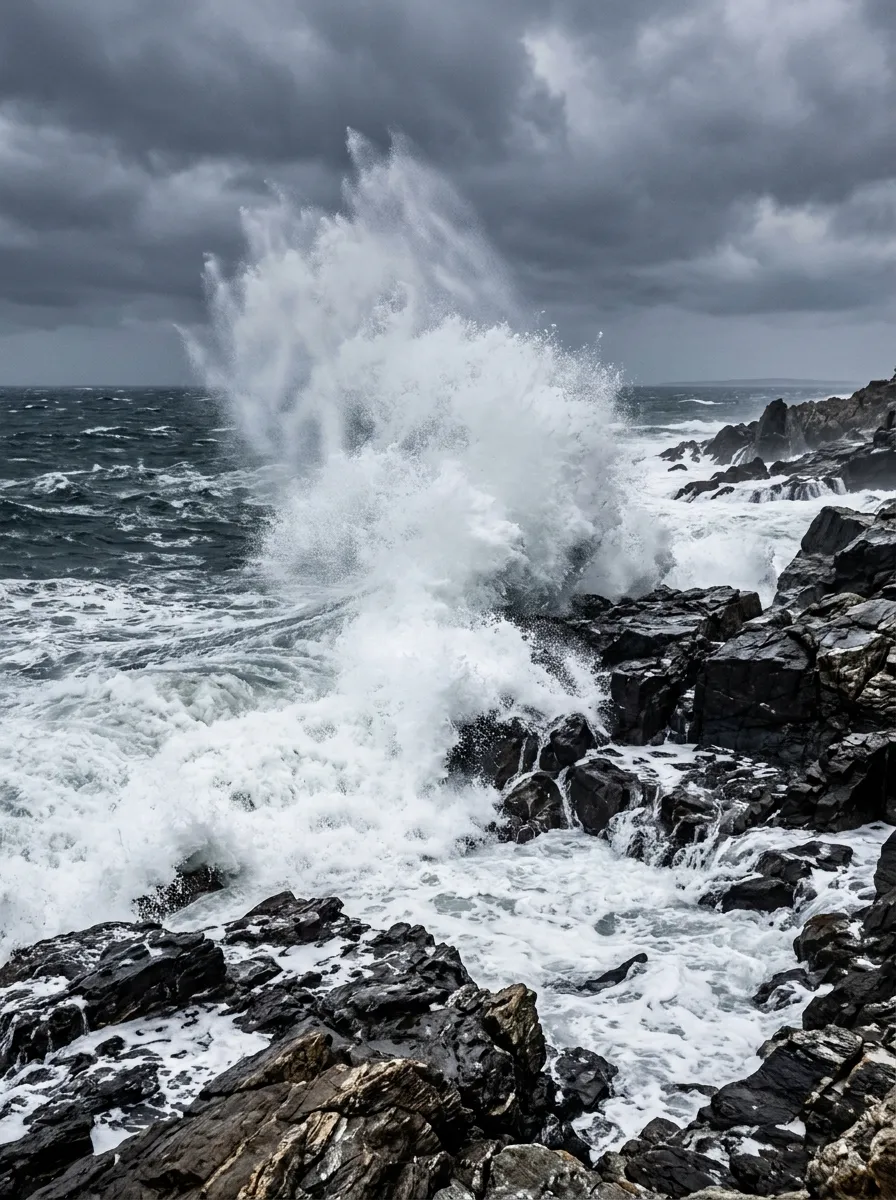
The single most important safety guidance at Pemaquid Point is simple and worth repeating exactly as locals say it: never turn your back on the ocean. Rogue waves have swept visitors off the ledges here, as they have at other exposed rocky points along the Maine coast, and the same storm that once damaged the site’s bell tower also moved very large boulders a considerable distance across the ledges — a genuine demonstration of how much force this stretch of coastline regularly absorbs. Stay well back from the water’s edge, especially during or after storms, and keep a close eye on children exploring the tide-carved rock.
New Harbor: A Working Lobster Village
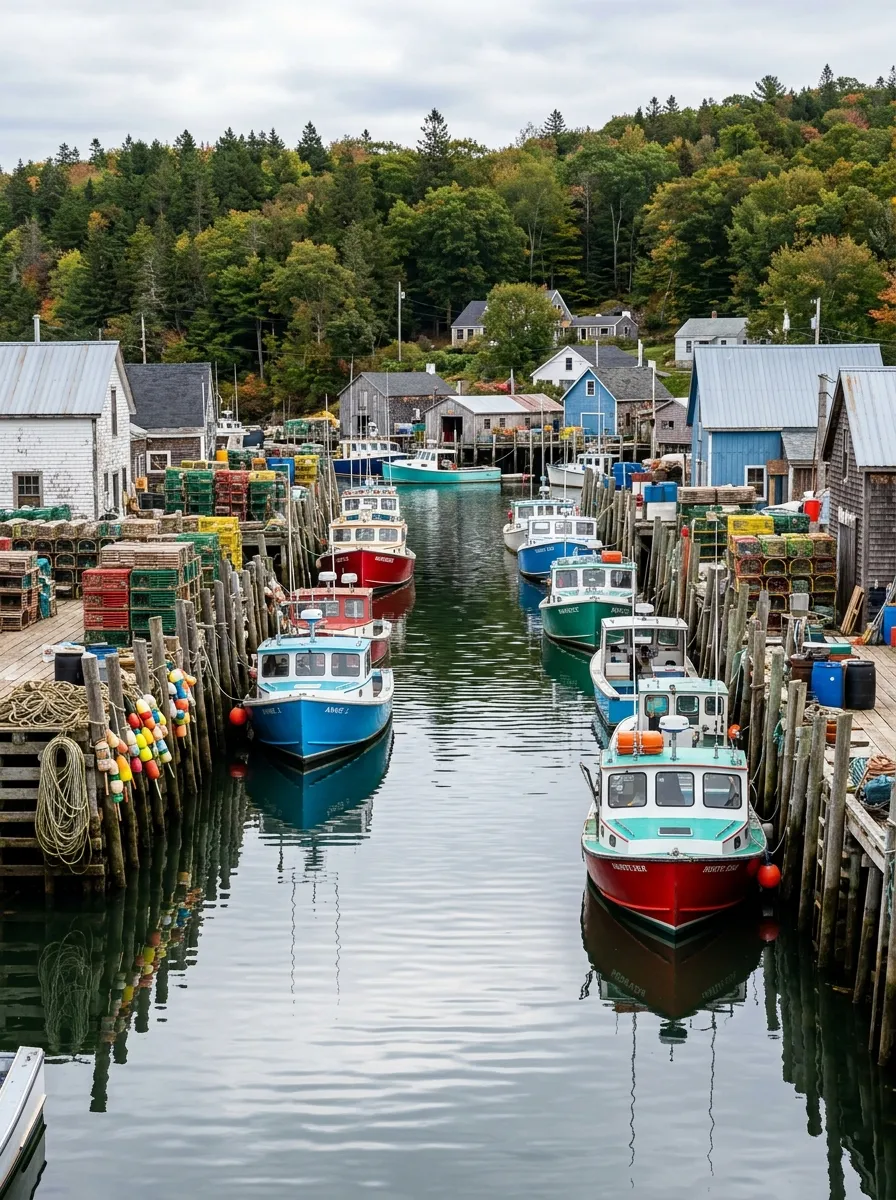
A few minutes north of the lighthouse, New Harbor is one of the more genuinely photogenic working harbors in Maine, precisely because nothing about it was arranged for visitors — lobster boats, stacked traps on the wharves, and a narrow inlet barely wide enough to turn a boat around. It’s also the departure point for trips to Monhegan Island and puffin-watching tours, giving the small village a steady trickle of visitors passing through en route to somewhere else. Eating lobster on a New Harbor wharf remains one of the most genuinely unstaged versions of that classic Maine experience available anywhere on the coast, and the Monhegan boat and puffin trips generally run late May through September — outside that window, the village turns quiet, and most visitor-facing businesses close for the season.
Monhegan Island and Puffin Watching
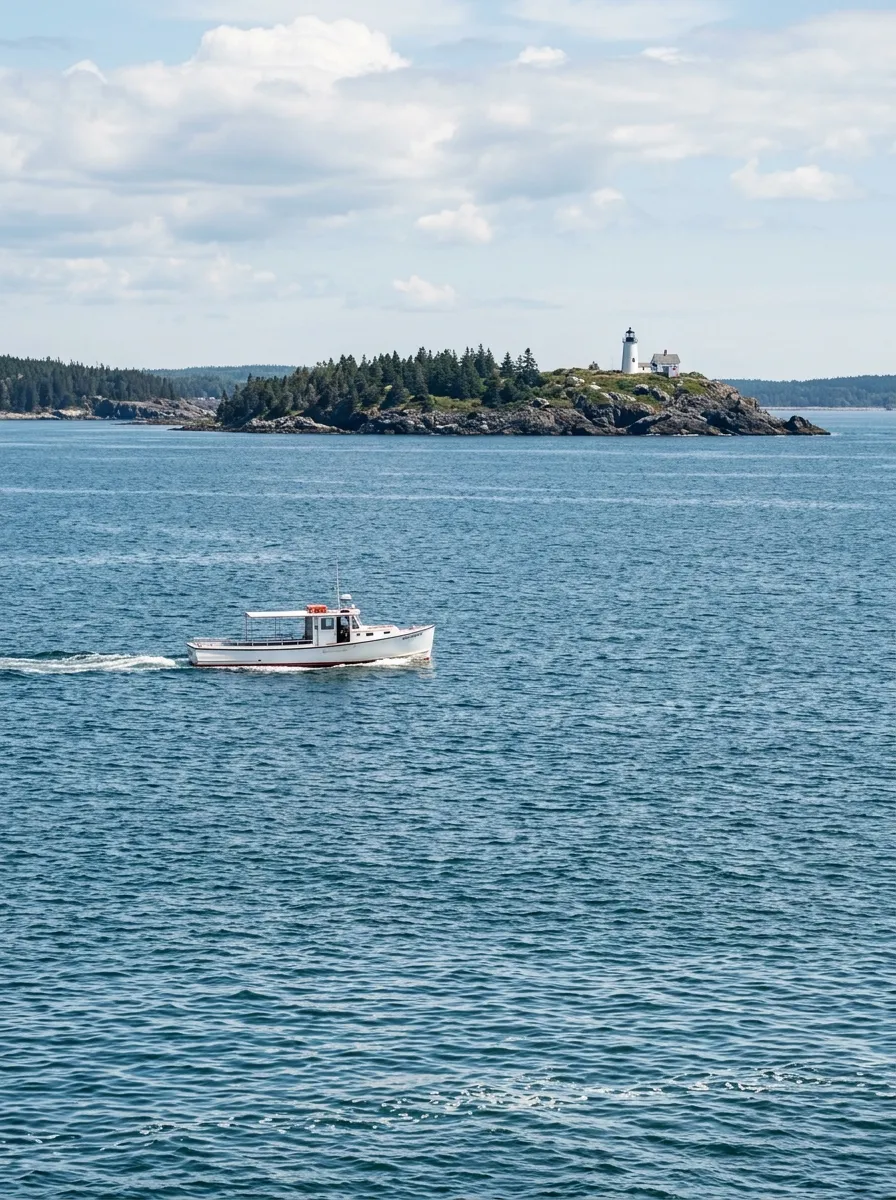
From New Harbor, Hardy Boat Cruises and similar operators run trips out to Monhegan Island, a remote artist colony roughly 10 miles offshore, alongside shorter puffin-watching excursions to Eastern Egg Rock, one of several restored puffin colonies along this stretch of Maine’s coast. Both trips add a genuinely different, more remote dimension to a Pemaquid Peninsula visit for travelers with an extra half-day to spare.
If offshore island escapes are part of what draws you to a place like Monhegan, it’s worth knowing there’s a whole world of similarly rewarding, budget-friendly island destinations beyond New England’s coast — this list of 10 surprisingly affordable islands to visit that are absolutely stunning in 2026 is worth bookmarking for a future trip built around exactly that instinct.
Colonial Pemaquid State Historic Site and Fort William Henry
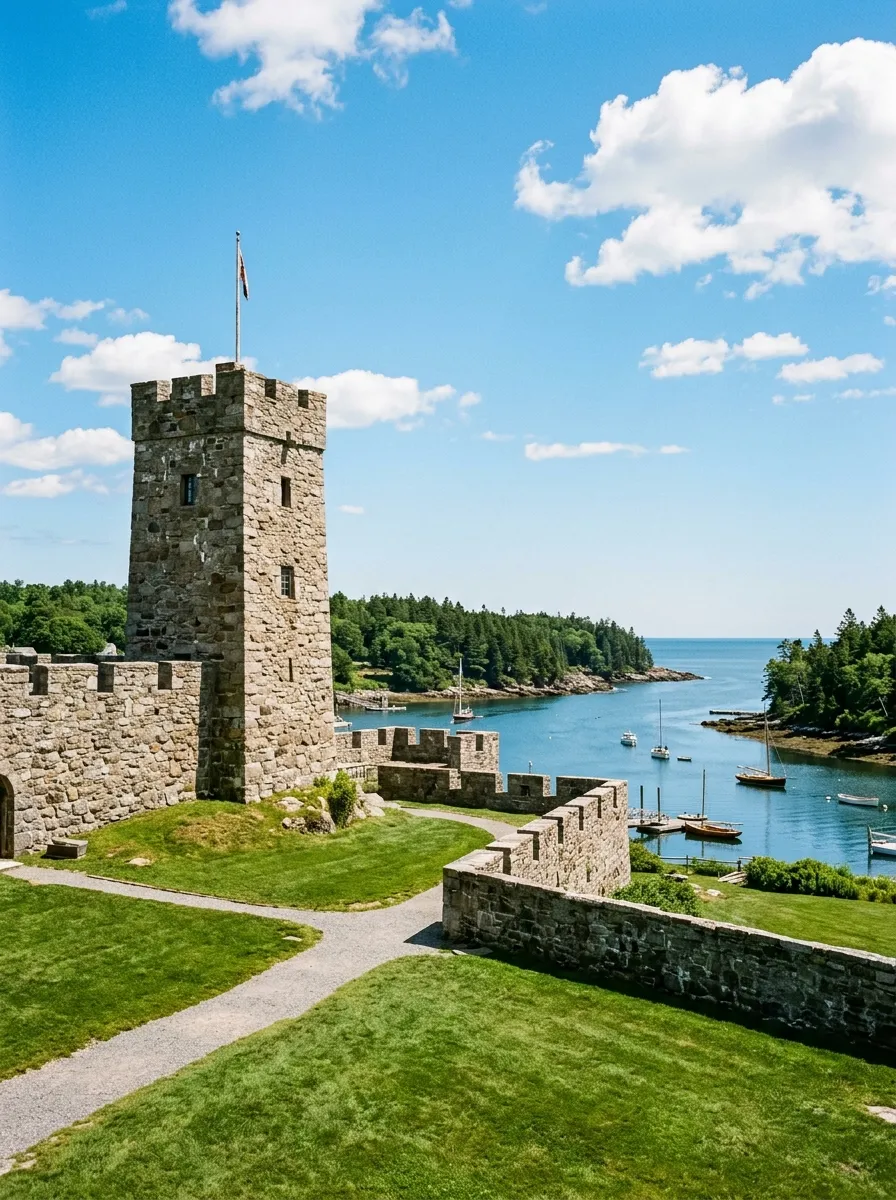
On the peninsula’s western side, Colonial Pemaquid preserves one of the earliest English settlement sites in New England, dating to a seasonal fishing community established by 1610 and a permanent settlement by the late 1620s that became a genuine international trading hub, with connections reaching the Caribbean, Europe and West Africa before Wabanaki war parties destroyed the village’s main settlement in 1676 and again in 1698. Today, visitors first encounter a partial reconstruction of the 1692 Fort William Henry (rebuilt in 1907), climbable for wide views over Pemaquid Harbor, followed by a museum presenting artifacts uncovered during ongoing archaeological digs — musket balls, coins, pottery and early hardware among them — alongside a video overview of the site’s history. One admission ticket covers the fort, the museum and the full archaeological grounds. The museum typically operates Memorial Day weekend through early September, with a small day-use fee (visitors over 65 free).
The idea of centuries-old ruins hiding in plain sight along an otherwise quiet coastline has its own particular pull — if that appeals to you well beyond Maine, this account of exploring ancient ruins and Caribbean dreams in Belize covers a very different, considerably older kind of layered history worth bookmarking for a future trip.
Pemaquid Beach Park
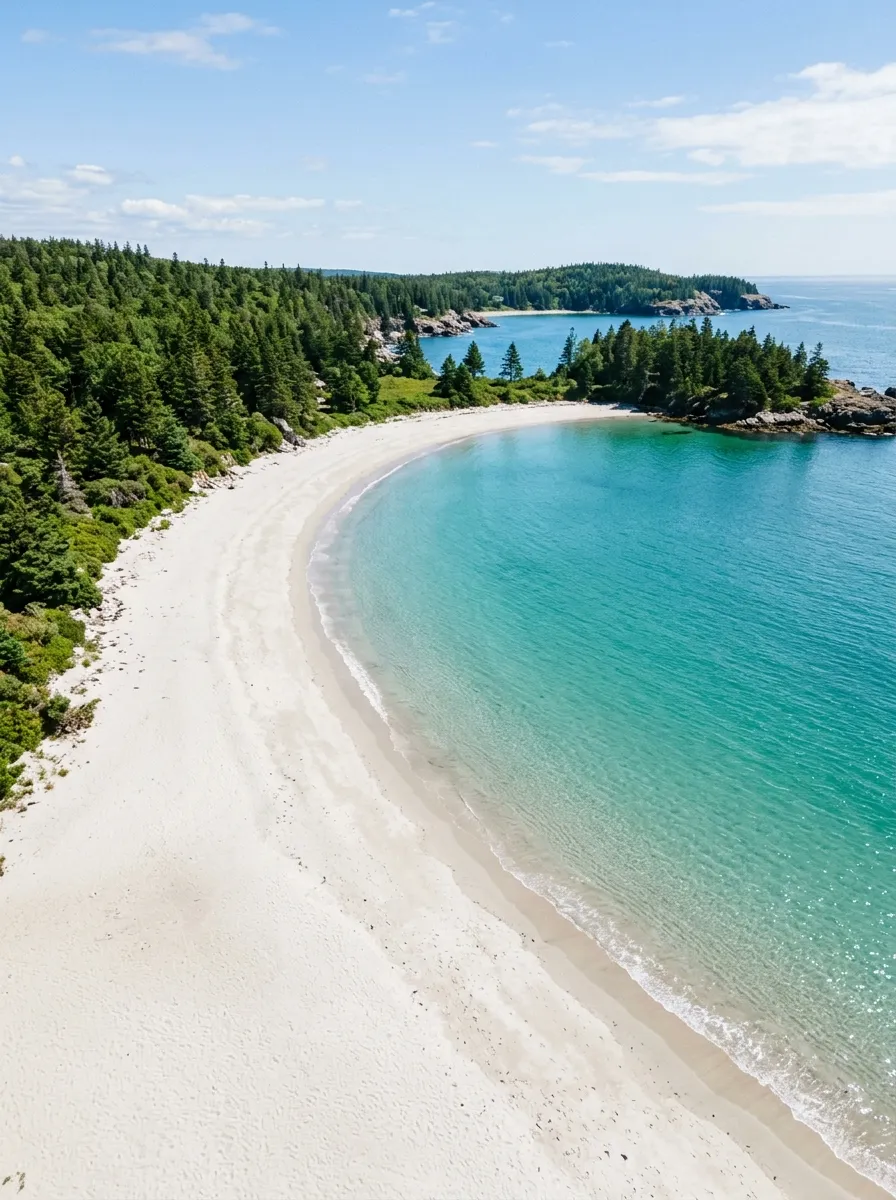
Maine’s coastline runs mostly rock, which makes Pemaquid Beach Park’s quarter-mile crescent of fine white sand a genuine standout. Sitting in a sheltered cove where the water stays calm and gentle, it’s particularly well suited to families with younger kids who’d rather wade than fight open-ocean waves. The sand itself contains mica, a mineral that catches the light and gives the beach a subtle, glittering quality unlike most other Maine beaches. Facilities include restrooms, changing rooms, outdoor showers, a snack bar, and chair and umbrella rentals, along with the Beachcombers’ Rest nature center covering local coastal ecology. A small admission fee applies (children under 11 free).
A calm, sheltered stretch of sand is the perfect place to actually finish a book rather than just bring one along — this guide to the best beach vacations for book lovers is a fitting companion for planning a slower, read-in-the-sun afternoon at Pemaquid Beach Park or your next beach destination.
Rachel Carson Salt Pond Preserve and La Verna Preserve
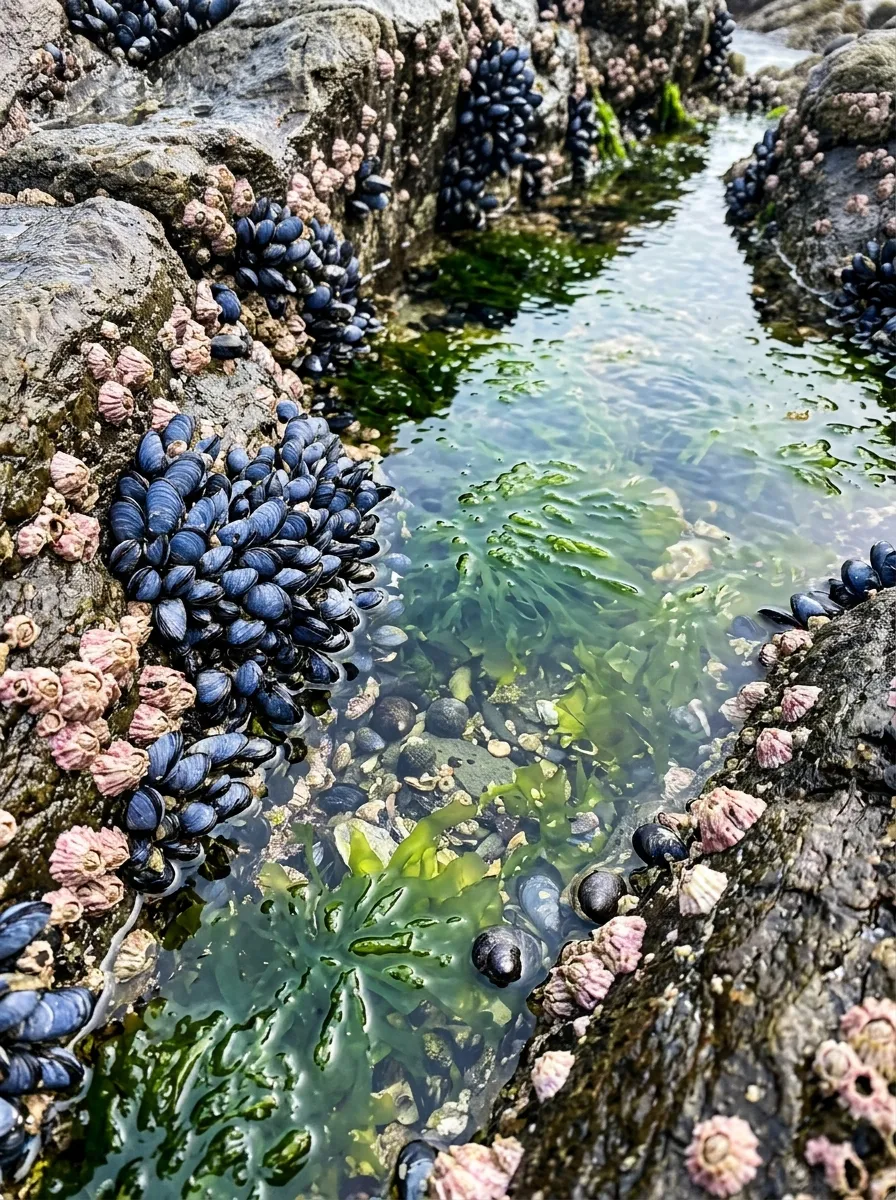
For visitors wanting to add hiking and tide-pooling to a Pemaquid visit, the Rachel Carson Salt Pond Preserve, dedicated in 1970 to honor the environmentalist’s love of tide pools, offers excellent low-tide exploration for kids and nature enthusiasts alike. Nearby, La Verna Preserve covers 120 acres with 3,600 feet of rugged shoreline along Muscongus Bay and 2.4 miles of hiking trails managed by the Coastal Rivers Conservation Trust — a strong, genuinely peaceful add-on for hikers looking to explore the peninsula beyond its more famous stops.
If forested trails ending at dramatic, raw coastline is a combination you love, it’s worth knowing an equally striking (if very different) version of that pairing exists at a much larger scale — this account of the Lauterbrunnen Valley walk in Switzerland covers a fairytale-like alpine hike worth bookmarking for a future trip on an entirely different scale of dramatic landscape.
Local Food on the Pemaquid Peninsula

The peninsula holds a genuinely strong, unpretentious food scene built around fresh seafood: the Cupboard Café serves hearty breakfasts (its cinnamon and sticky buns have a dedicated local following) along with lunch sandwiches and burgers; The Contented Sole, housed in a converted dockside cannery at Colonial Pemaquid, serves fresh seafood, sandwiches and pizza with harbor views; and Pemaquid Seafood, overlooking the opposite side of the harbor, offers classic lobster rolls and dinners. For a more upscale option, the Bradley Inn near the lighthouse rounds out the peninsula’s dining scene.
Where to Stay Near Pemaquid Point

New Harbor: The most central base for exploring the peninsula, close to the lighthouse, the Monhegan ferry and several lobster shacks.
Bristol / Pemaquid: A quieter, more residential option a short drive from both the lighthouse and Colonial Pemaquid, with several cottage and inn rentals scattered throughout.
Damariscotta: About 25 minutes north on Route 1, offering a fuller range of hotels and restaurants for visitors who’d rather base themselves off the peninsula itself.
How to Get to Pemaquid Point
By car: The only practical way to reach the peninsula — from Route 1, take Route 130 south through Damariscotta and Bristol to the very tip of the peninsula, where Route 130 ends at the lighthouse. It’s about 90 minutes north of Portland.
Around the peninsula: A car remains the most practical way to connect the lighthouse, New Harbor, Colonial Pemaquid and Pemaquid Beach Park, all a short drive apart from one another but not realistically walkable between stops.
How Much Time Do You Need at Pemaquid Point?
A quick stop (30–60 minutes) covers the lighthouse, a walk on the ledges, and a photo — genuinely worthwhile even as a brief detour on a broader Midcoast Maine road trip. A half day (2–4 hours) allows time to add the Fishermen’s Museum, a lobster lunch in New Harbor, and a walk on Pemaquid Beach. A full day lets you properly explore Colonial Pemaquid’s archaeological grounds, hike a stretch of La Verna Preserve, and consider a puffin-watching or Monhegan Island excursion if your dates fall within the late-May-to-September operating window.
A Pemaquid Peninsula Day Trip Itinerary
Morning: Arrive early at Pemaquid Point Lighthouse for the best light and lightest crowds, climb the tower, explore the Fishermen’s Museum and Art Gallery.
Midday: Drive to New Harbor for a lobster lunch on the wharf, browse the working harbor.
Afternoon: Colonial Pemaquid and Fort William Henry, or Pemaquid Beach Park if a swim or a slower beach afternoon appeals more.
Evening: Dinner at The Contented Sole or Pemaquid Seafood before heading back to your base.
Budget Travel at Pemaquid Point
This is a genuinely affordable destination regardless of budget — the lighthouse park’s admission runs just a few dollars per person, the tower climb asks only a small donation, and the peninsula’s beaches and preserves (Rachel Carson Salt Pond Preserve, La Verna Preserve) cost nothing to explore. Packing a picnic for the lighthouse grounds, as many repeat visitors recommend, avoids restaurant costs entirely for at least one meal of the day.
Family Travel at Pemaquid Point
Pemaquid Beach Park’s sheltered, calm cove makes it one of the better family swimming spots on this stretch of coast, and the Rachel Carson Salt Pond Preserve’s tide pools offer genuinely engaging, hands-on exploration for kids at low tide. The lighthouse tower climb and Fishermen’s Museum both work well for families, though supervise children closely on the open, uneven rock ledges near the water.
Pemaquid Point Packing Checklist
- Sturdy, non-slip shoes for the tower stairs and the rocky ledges
- A camera for the striped rock formations and lighthouse views
- Cash or card for park admission and the tower donation
- A picnic to enjoy on the grounds
- Sunscreen and a hat, given how exposed the ledges are
- A swimsuit if pairing the visit with Pemaquid Beach Park
- A light jacket, since coastal wind picks up quickly at the point
- Binoculars if adding a puffin-watching excursion from New Harbor
Frequently Asked Questions About Visiting Pemaquid Point Lighthouse
What is the best time of year to visit Pemaquid Point Lighthouse?
The tower and museum are open daily from mid-May through Columbus Day in October; September and early October bring the best combination of thinner crowds and crisp, clear light.
How much does it cost to visit Pemaquid Point Lighthouse?
Park admission runs around $4 for adults and $1 for children, with a small additional donation (around $1) suggested to climb the tower.
Can I climb the lighthouse tower?
Yes, when the tower is open for the season (generally mid-May through Columbus Day), typically 10 a.m. to 5 p.m.
What is Pemaquid Point Lighthouse known for?
Its dramatic setting on striped metamorphic rock ledges, its appearance on the Maine state quarter, and Edward Hopper’s 1929 watercolor of the site, now in the Portland Museum of Art.
Is Pemaquid Point Lighthouse Park open year-round?
The grounds are open dawn to dusk year-round for sightseeing; the tower and Fishermen’s Museum operate seasonally, Memorial Day through Columbus Day.
How far is Pemaquid Point from Portland?
About 90 minutes by car.
Is Pemaquid Point safe to visit during a storm?
The wave-watching can be genuinely dramatic during a northeast storm, but exercise real caution — rogue waves have swept visitors off these rocks before, and the guidance to never turn your back on the ocean applies especially during rough conditions.
What else is there to see near Pemaquid Point?
New Harbor’s working lobster village, Colonial Pemaquid’s 17th-century archaeological site and Fort William Henry, Pemaquid Beach Park, and Rachel Carson Salt Pond Preserve’s tide pools.
Can I take a ferry to Monhegan Island from near Pemaquid Point?
Yes — boats depart from nearby New Harbor, generally late May through September, along with shorter puffin-watching trips to Eastern Egg Rock.
Is Pemaquid Point good for families?
Yes, particularly when paired with Pemaquid Beach Park’s calm, sheltered swimming cove and the tide pools at Rachel Carson Salt Pond Preserve.
How long should I spend at Pemaquid Point?
A quick visit takes 30 to 60 minutes; a fuller exploration of the peninsula, including New Harbor and Colonial Pemaquid, is best budgeted as a half or full day.
What’s the best time of day for photography?
Early morning for dramatic backlighting, or late afternoon for warm western light on the granite — both better than the flat light of midday.
Is there food available near the lighthouse?
Yes — New Harbor and the Colonial Pemaquid area both hold several seafood restaurants and lobster shacks, including The Contented Sole and Pemaquid Seafood.
What’s the biggest mistake first-time visitors make?
Treating Pemaquid Point as a five-minute photo stop rather than budgeting time to explore the rock ledges, the museum, and the wider peninsula’s genuinely worthwhile additional stops.
Is the beach near Pemaquid Point a real sand beach?
Yes — Pemaquid Beach Park is a genuine quarter-mile crescent of fine, mica-flecked sand, a rarity on Maine’s mostly rocky coastline.
Final Thoughts on Visiting Pemaquid Point Lighthouse
Pemaquid Point earns its reputation as Maine’s most photographed lighthouse through a genuinely rare combination: a historically significant tower you can actually climb, sitting atop rock formations unlike anything else on the coast, all reachable by a paved road that most of Maine’s more remote light stations simply don’t offer. But the lighthouse is really just the entry point into a peninsula that rewards a slower look — a working lobster harbor at New Harbor, colonial ruins predating most of New England at Colonial Pemaquid, and a glittering sand beach that stands out precisely because the rest of this coastline is made of rock.
If you’re building a Pemaquid Point visit, arrive early for the best light and the guaranteed parking spot, and budget more than a quick photo stop if your schedule allows — the striped ledges alone reward a slow, careful walk, and the surrounding peninsula holds enough genuine history and character to fill an entire day. However you build it, Pemaquid Point Lighthouse delivers exactly what Edward Hopper saw worth painting nearly a century ago: a spot where Maine’s rugged coastal beauty reaches about as full an expression as it gets anywhere on the Atlantic seaboard.