Mackinac Island Travel Guide 2026–27: Best Things to Do, Where to Stay and a Perfect 3-Day Itinerary
Mackinac Island does something rather unusual for an American vacation destination: it makes your car completely irrelevant.
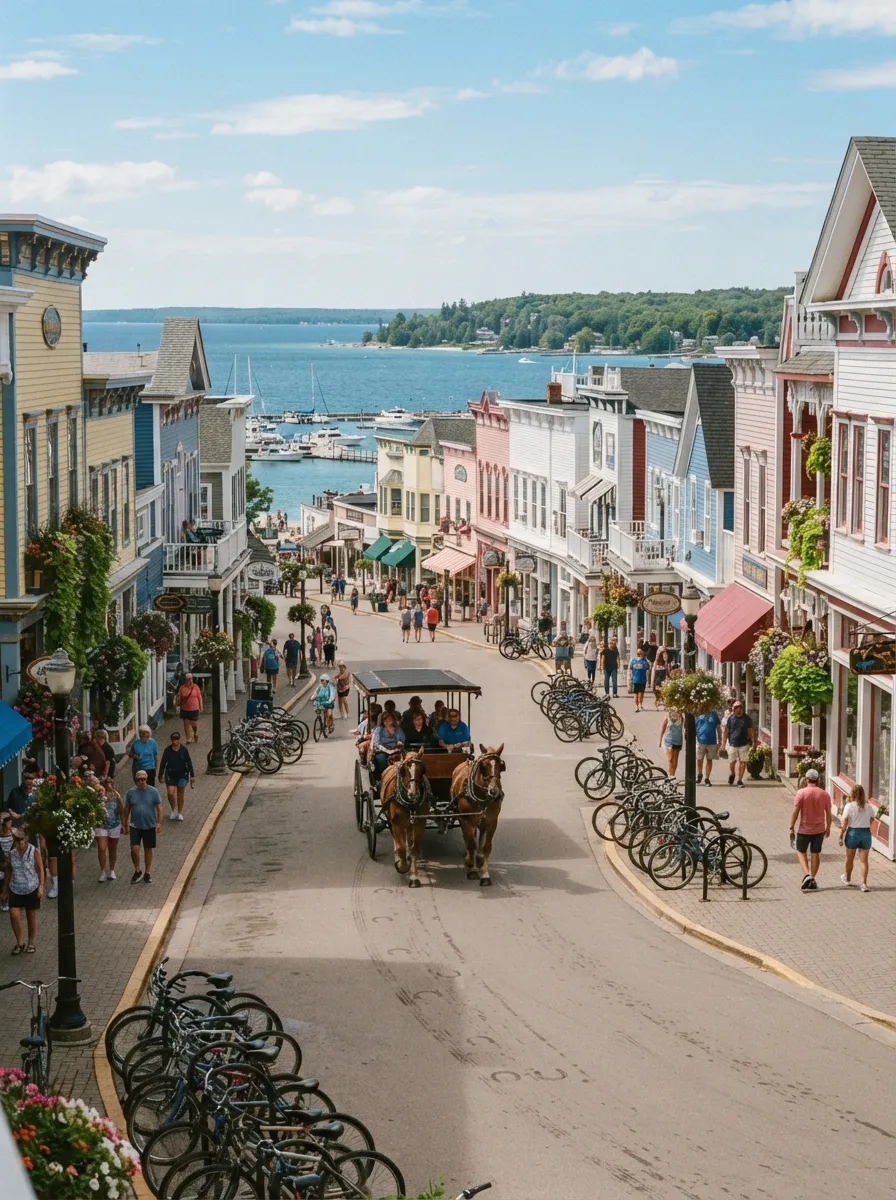
Step off the ferry and the usual soundtrack disappears. There are no engines rumbling down Main Street, no rideshare drivers circling hotels and no parking garages tucked behind the historic buildings. Instead, you hear bicycle bells, footsteps and the steady clip-clop of horses pulling carriages past Victorian hotels and fudge shops.
Located in Lake Huron between Michigan’s Upper and Lower peninsulas, Mackinac Island has been largely car-free for more than a century. Visitors travel by foot, bicycle or horse-drawn carriage, while much of the island is protected as Mackinac Island State Park. The island has about 70 miles of hiking, biking and horseback-riding trails, and the famous M-185 shoreline road forms an approximately 8.2-mile loop around the island.
That combination makes Mackinac feel part historic town, part outdoor escape and part elaborate experiment in whether a vacation becomes better when nobody has to search for a parking space.
Most tourism operates from May through October. As of August 2026, the island is fully within its main visitor season, with hotels, attractions and ferry services operating. September and early October are particularly attractive upcoming periods for travelers who want cooler temperatures and fewer peak-summer crowds.
This Mackinac Island travel guide covers ferries, biking, Fort Mackinac, Arch Rock, Grand Hotel, beaches, fudge, where to stay, costs, transportation and a realistic three-day itinerary.
Recommended Travel Items for Your Trip
MACKINAC ISLAND AT A GLANCE
Best for: Couples, families, history and cycling
Ideal stay: 2–4 nights
Best first-time stay: Downtown or nearby historic district
Best activity: Bicycle loop around the island
Best historic attraction: Fort Mackinac
Best natural landmark: Arch Rock
Best iconic hotel: Grand Hotel
Best broad season: May through October
Best upcoming 2026 period: September to early October
Do you need a car? No, cars are generally prohibited
Main transportation: Walking, bicycles and horse-drawn carriages
Main planning challenge: Ferry schedules and peak-season hotel prices
Is Mackinac Island Worth Visiting?
Mackinac Island is absolutely worth visiting if you want a destination that feels genuinely different from a standard Great Lakes beach town.
It works particularly well for:
- Couples
- Families
- Multi-generational trips
- Cyclists
- History lovers
- Weekend escapes
- Photographers
- Travelers who enjoy Victorian architecture
- Visitors seeking a car-free vacation
- Michigan road trips
It is less suitable for travelers seeking nightlife-heavy vacations, huge sandy beaches or bargain accommodation.
The island is also more outdoors-oriented than its fudge-shop reputation suggests. Mackinac Island State Park covers more than 80% of the island, while roads and trails disappear into forests and limestone formations only minutes from busy downtown streets.
For travelers who enjoy historic architecture, Mackinac’s Victorian atmosphere offers a fascinating contrast with the extravagant homes covered in this guide to Fifth Avenue mansions.
Best Things to Do on Mackinac Island
| Experience | Best For | Time Needed | Main Consideration |
| Bike around M-185 | Almost everyone | 1.5–3 hours | Busy near downtown |
| Fort Mackinac | History and families | 2–3 hours | Paid admission |
| Arch Rock | Nature and photography | 30–60 minutes | Stairs/elevation depending on route |
| Horse carriage tour | First-time visitors | 1.5–2 hours | Popular in summer |
| Grand Hotel | Architecture and history | 1–2 hours | Some areas restricted to guests/visitors |
| Downtown | Shopping and food | 2–4 hours | Crowded midday |
| State Park trails | Hiking and quiet scenery | 1–4 hours | Carry water |
| Fudge tasting | Everyone with a sweet tooth | Flexible | Sugar diplomacy required |
| Sunset | Couples and photographers | 30–60 minutes | Weather dependent |
| Historic downtown sites | History | 1–2 hours | Seasonal operations |
1. Bike the 8.2-Mile Loop Around Mackinac Island
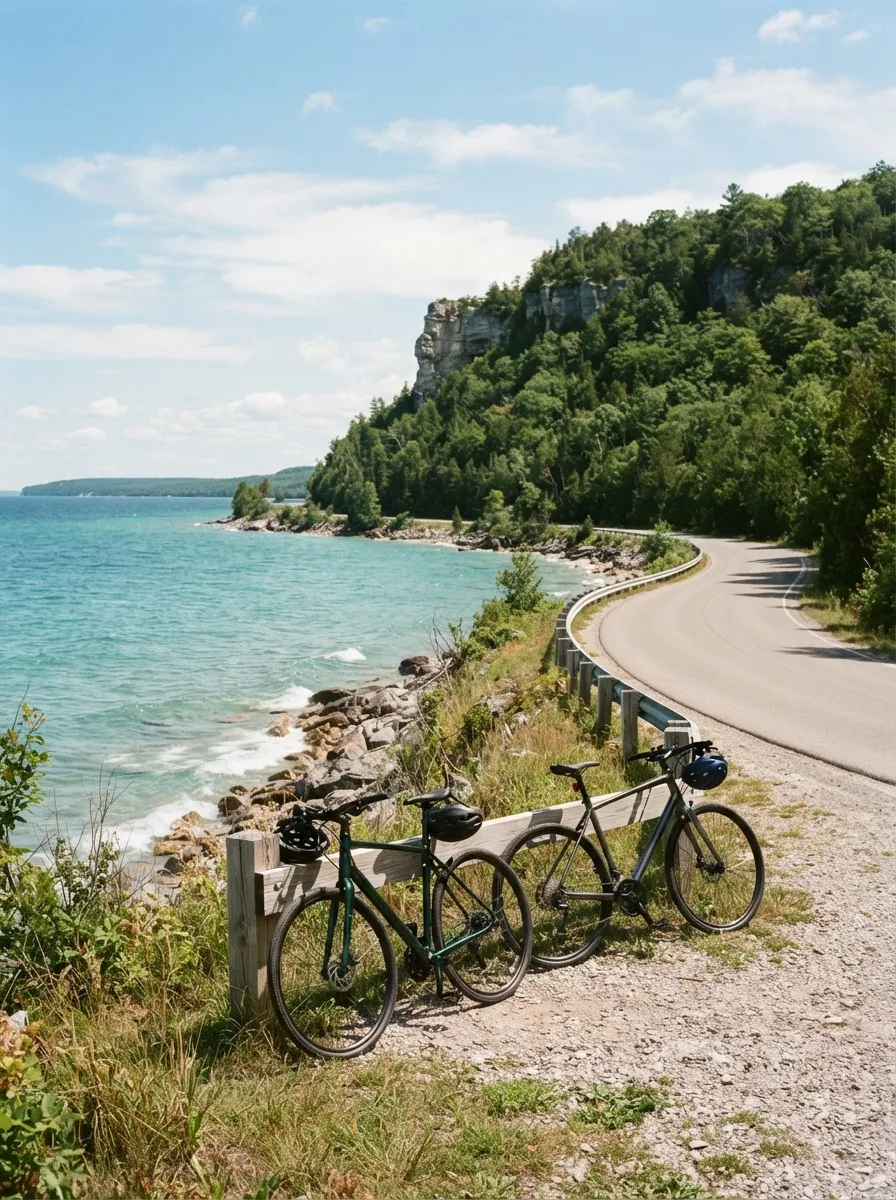
If you do only one major activity, make it the shoreline bicycle loop.
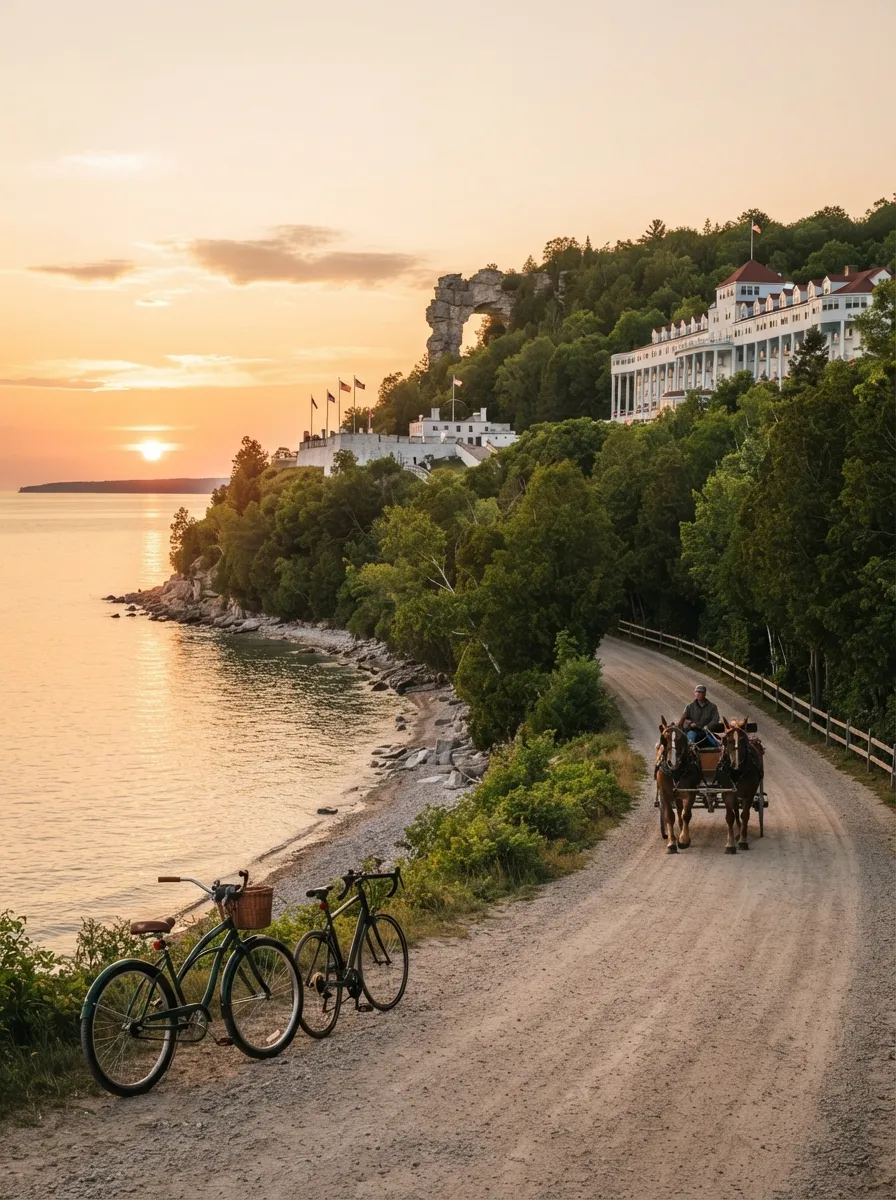
M-185 circles the island for approximately 8.2 miles and is famously the only state highway in the United States where regular motor vehicles are not used. The route stays relatively flat compared with many interior roads, making it suitable for families and casual cyclists.
Along the way, you can stop at:
- Arch Rock access
- British Landing
- Shoreline viewpoints
- Small rocky beaches
- Forest trails
- Picnic areas
A fast cyclist could complete the route in less than an hour, but that rather misses the point.
Allow two to three hours so you can stop for photographs, walk by the water and explore viewpoints.
More than 1,500 rental bicycles are available around the island, including tandems and family-oriented options. You can also bring your own bicycle on the ferry for an additional transportation fee.
Bicycle safety
Downtown can become busy with pedestrians, bikes and horse-drawn vehicles.
Ride predictably, use a bell when needed and give horses plenty of space because they cannot stop as quickly as a bicycle.
Electric bicycles are restricted. As of 2026, e-bikes are generally permitted only for people with qualifying mobility disabilities who complete the island licensing process.
BIKING TIP
Start early in the morning. You will encounter fewer cyclists, cooler temperatures and a far calmer Main Street before the ferry crowds arrive.
2. See Arch Rock
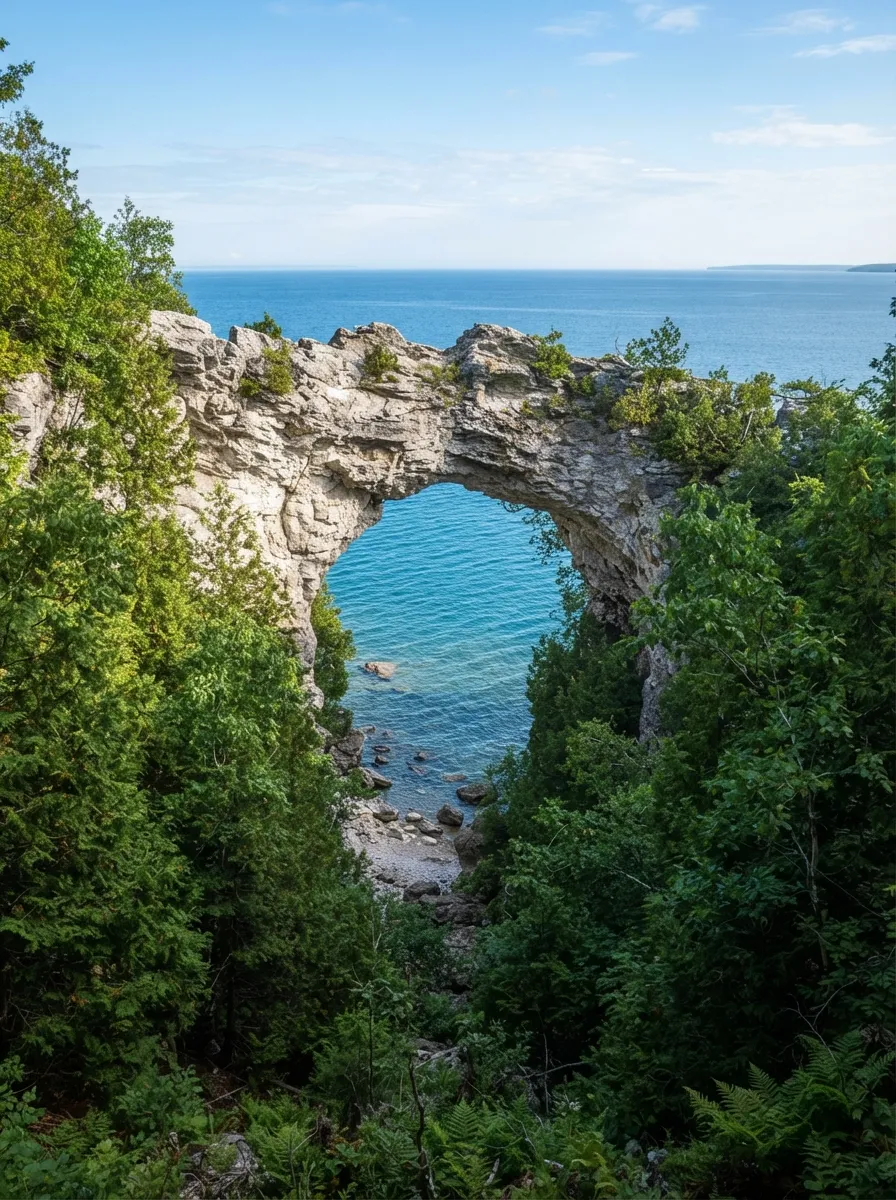
Arch Rock is Mackinac Island’s most famous natural landmark.
The limestone formation rises above the eastern shoreline, framing brilliant blue Lake Huron through a large natural opening. It is located within Mackinac Island State Park and can be reached by bicycle, carriage tour or hiking routes.
The bicycle loop provides access from below, while paths and roads lead toward higher viewpoints.
Visit earlier in the day for lighter crowds.
Arch Rock is particularly worthwhile for:
- Photography
- Families
- Cyclists
- Short nature walks
- First-time visitors
Do not climb onto the formation or cross protective barriers.
If landscapes are a major reason you travel, pack a capable but manageable camera rather than turning the bike basket into a mobile photography studio. This guide to the best travel cameras can help you choose lighter equipment.
3. Visit Fort Mackinac
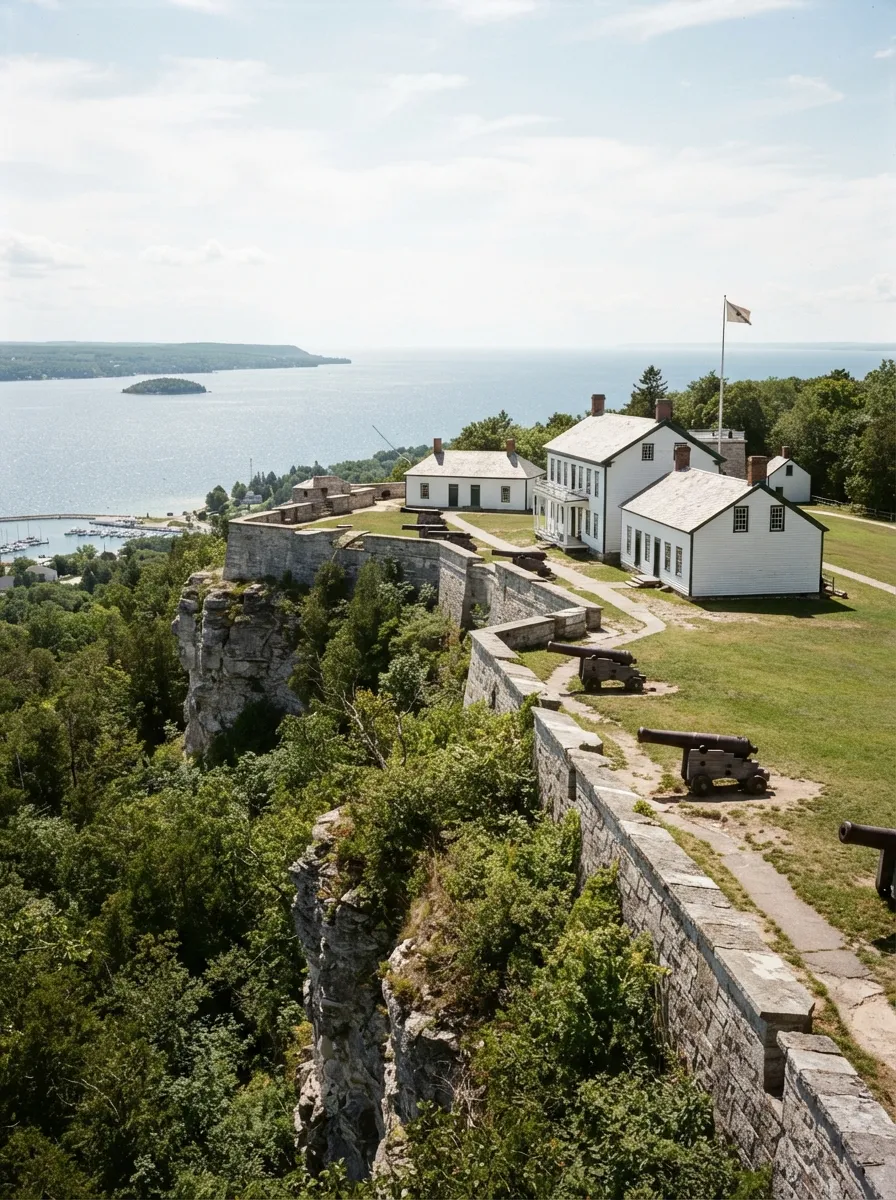
Fort Mackinac sits high above downtown and provides one of the best combinations of history and island views.
The fort includes 14 historic buildings, including Michigan’s oldest surviving building, with exhibits covering military history, battles, medicine and daily life. Demonstrations during the main season include cannon firings, rifle demonstrations and military drills.
For 2026, adult admission is $17.50, while children ages 5–12 pay $10.50. Children four and younger enter free. Admission also includes several Historic Downtown Mackinac attractions during their operating periods.
2026 Fort Mackinac hours
For the remainder of the 2026 season:
- Through September 6: 9:30 a.m.–7 p.m.
- September 7–October 4: 9:30 a.m.–5 p.m.
- October 5–24: 9:30 a.m.–4 p.m.
Last admission occurs one hour before closing.
Allow two to three hours if you want to see exhibits and demonstrations rather than merely sprinting through the fort between bicycle rentals and lunch.
4. Take a Horse-Drawn Carriage Tour
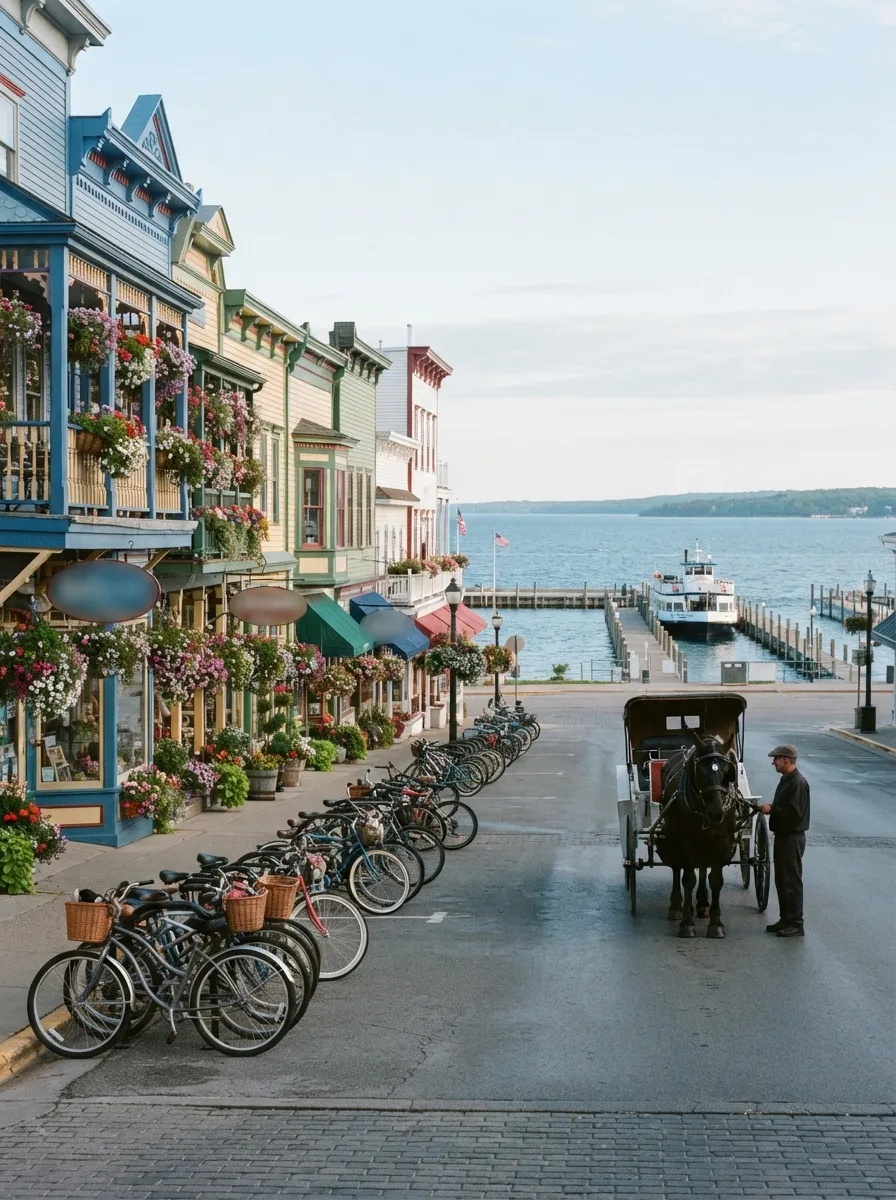
A horse-drawn carriage tour may sound dangerously close to tourist theater, but on Mackinac Island it makes perfect sense because horses genuinely form part of the transportation network.
Carriage tours typically combine downtown streets, historic landmarks and state park scenery.
They are particularly valuable for:
- First-time visitors
- Families
- Older travelers
- Visitors with limited time
- Travelers who do not want to cycle
The narrated public carriage tour is one of the island’s most popular activities, while horses are also used for taxi transportation and private carriage services.
Book ahead during summer weekends.
And remember that downtown streets are shared space. Horse-drawn carriages have momentum. Do not step casually in front of one while examining a fudge sample.
5. Explore the Grand Hotel
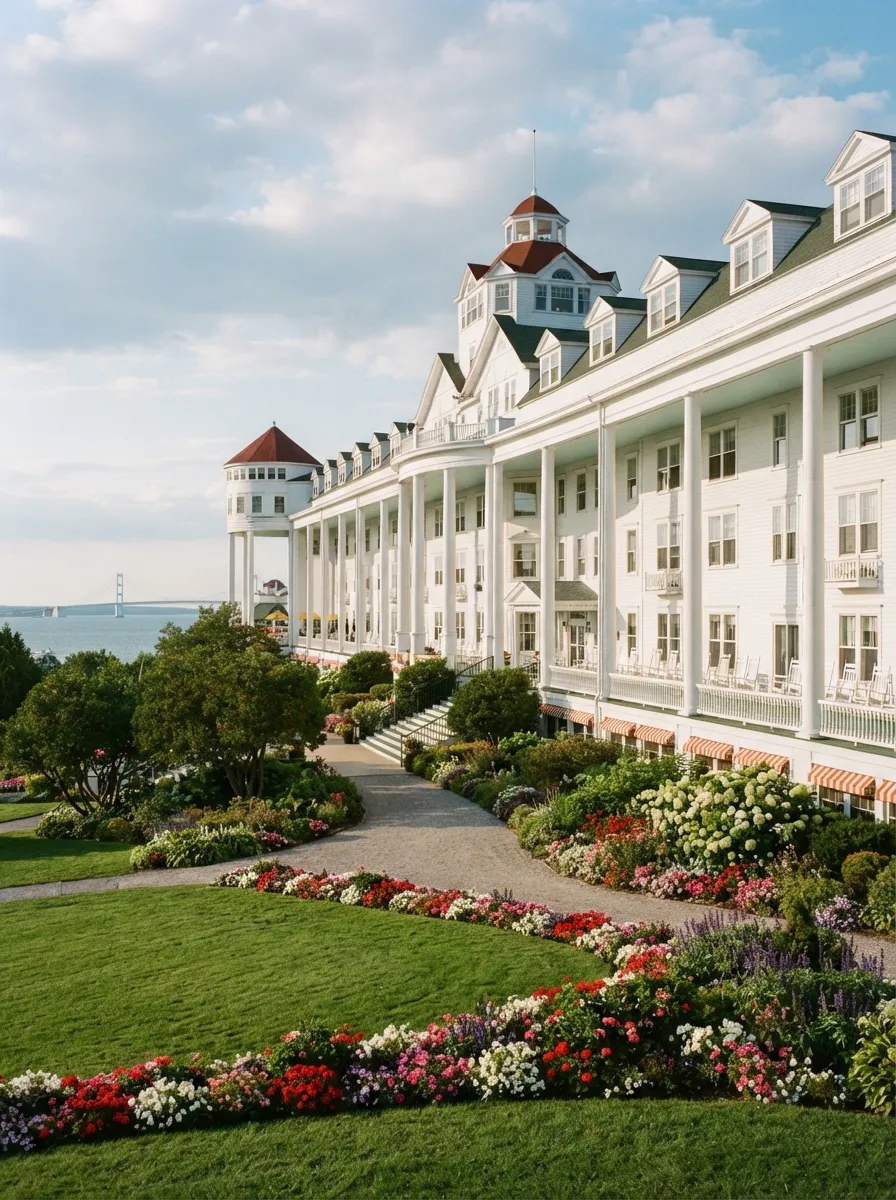
Few hotels in America possess a silhouette as recognizable as Mackinac Island’s Grand Hotel.
The enormous white building opened in the 19th century and is famous for its long porch, formal interiors, gardens and hilltop position overlooking the Straits.
Even if you are not staying there, the hotel is worth seeing for its architecture and historical atmosphere.
The building belongs to a period when grand resort hotels were destinations in themselves, complete with sprawling verandas and elaborate social spaces.
Spend time around:
- The porch
- Gardens
- Main public areas where visitor access is permitted
- Cadotte Avenue
- Scenic viewpoints
Visitor policies and non-guest fees can change, so check Grand Hotel’s current rules directly before walking uphill.
The atmosphere will especially appeal to travelers fascinated by historic luxury, much like the architectural excess explored in the Gilded Age mansions.
6. Walk Through Downtown Mackinac Island
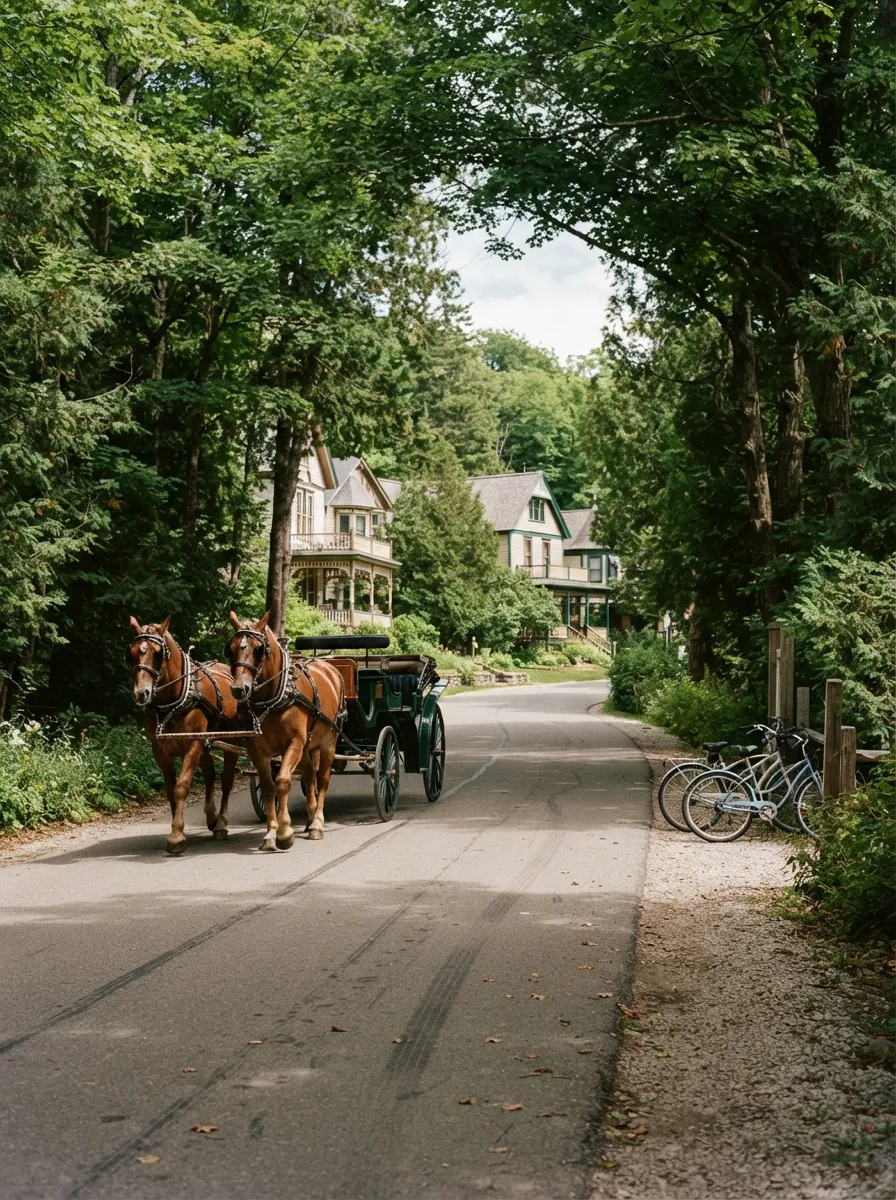
Downtown is where ferry passengers first meet Mackinac Island, and during summer it can feel delightfully chaotic.
Main Street contains:
- Fudge shops
- Restaurants
- Bicycle rentals
- Hotels
- Gift shops
- Historic buildings
- Ferry docks
- Horse-drawn taxis
The best time to explore is early morning or evening.
Midday brings the largest wave of day-trippers.
A good strategy is to spend peak daytime hours cycling or exploring the state park, then return downtown later for dinner and shopping.
7. Try Mackinac Island Fudge
Mackinac Island and fudge are inseparable enough that visitors have historically earned the affectionate nickname “fudgies.”
During peak season, island fudge production consumes astonishing quantities of sugar and butter. The tourism bureau reports roughly ten tons of sugar being brought to the island each week during the busiest period.
You will find numerous shops producing fudge in front of visitors.
Rather than buying a giant box immediately, sample several flavors first.
Popular choices include:
- Chocolate
- Chocolate peanut butter
- Maple
- Turtle
- Chocolate walnut
- Seasonal varieties
Fudge travels reasonably well, making it one of the easiest souvenirs to bring home.
8. Explore Mackinac Island State Park
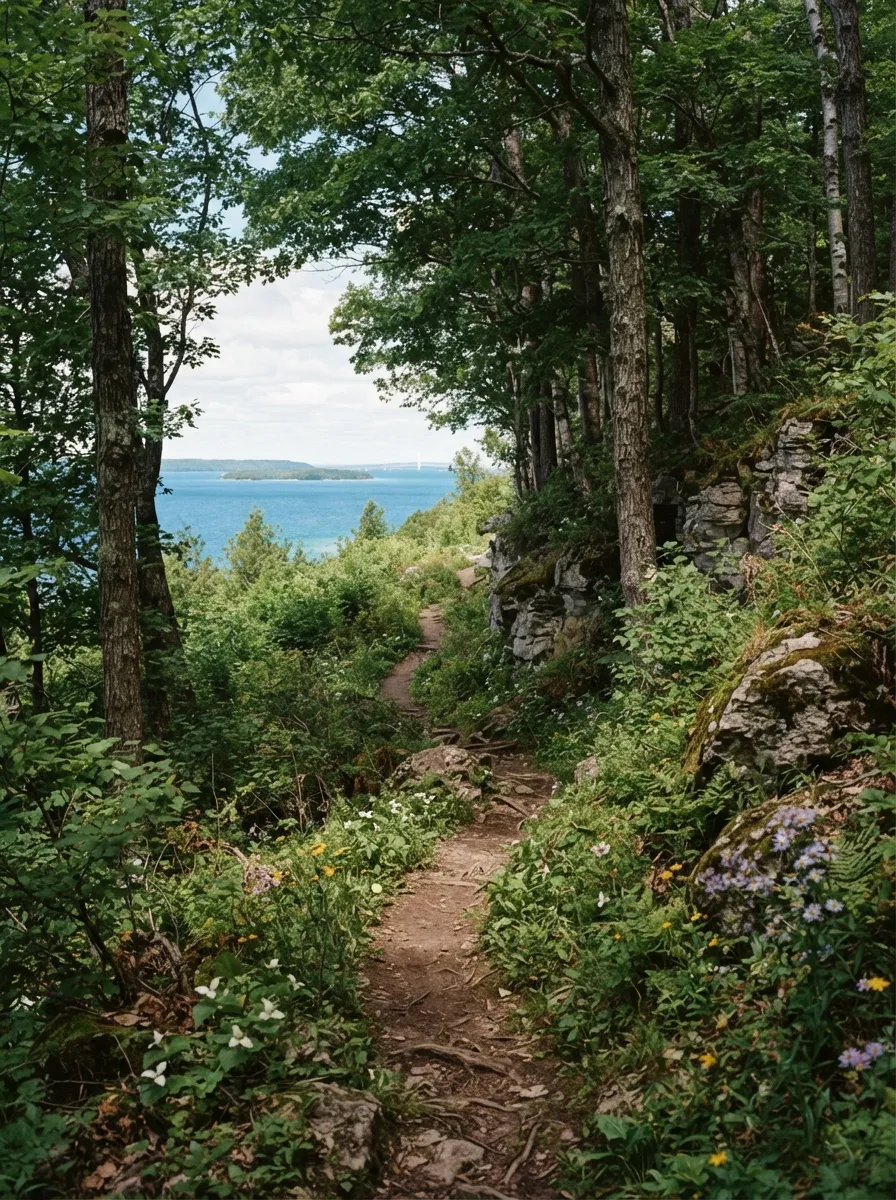
More than 80% of Mackinac Island lies within Mackinac Island State Park.
Once you leave downtown, crowds thin rapidly.
Explore:
- Forest roads
- Limestone formations
- Interior trails
- Historic sites
- Elevated viewpoints
- Quiet picnic areas
The island has roughly 70 miles of hiking, cycling and horseback-riding trails, enough to fill several days beyond the standard shoreline loop.
For a short trip, combine Arch Rock with one inland trail.
For a longer visit, dedicate half a day to exploring roads and trails away from Main Street.
Carry water because services become much more limited inland.
9. Visit the Mackinac Island Native American Museum
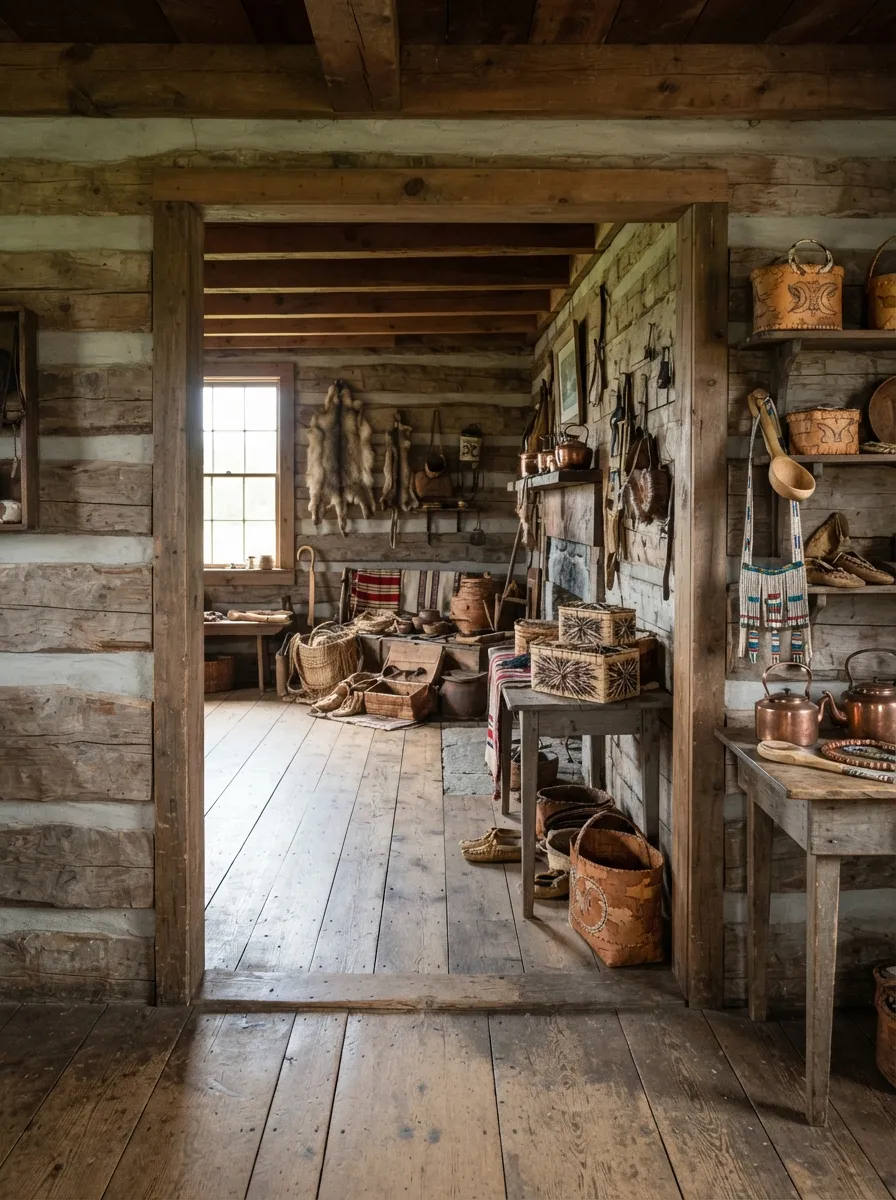
The Biddle House now includes the Mackinac Island Native American Museum, developed in collaboration with tribal partners.
The exhibit explores the history of Indigenous people on Mackinac Island and the continuing importance of that story to northern Michigan.
In 2026, the Biddle House operates through August 22, so travelers visiting immediately can still include it. Admission is also included with a Fort Mackinac ticket.
The museum adds valuable historical depth to a destination too easily presented only through Victorian hotels, horses and tourism.
10. Watch Sunset Over the Straits
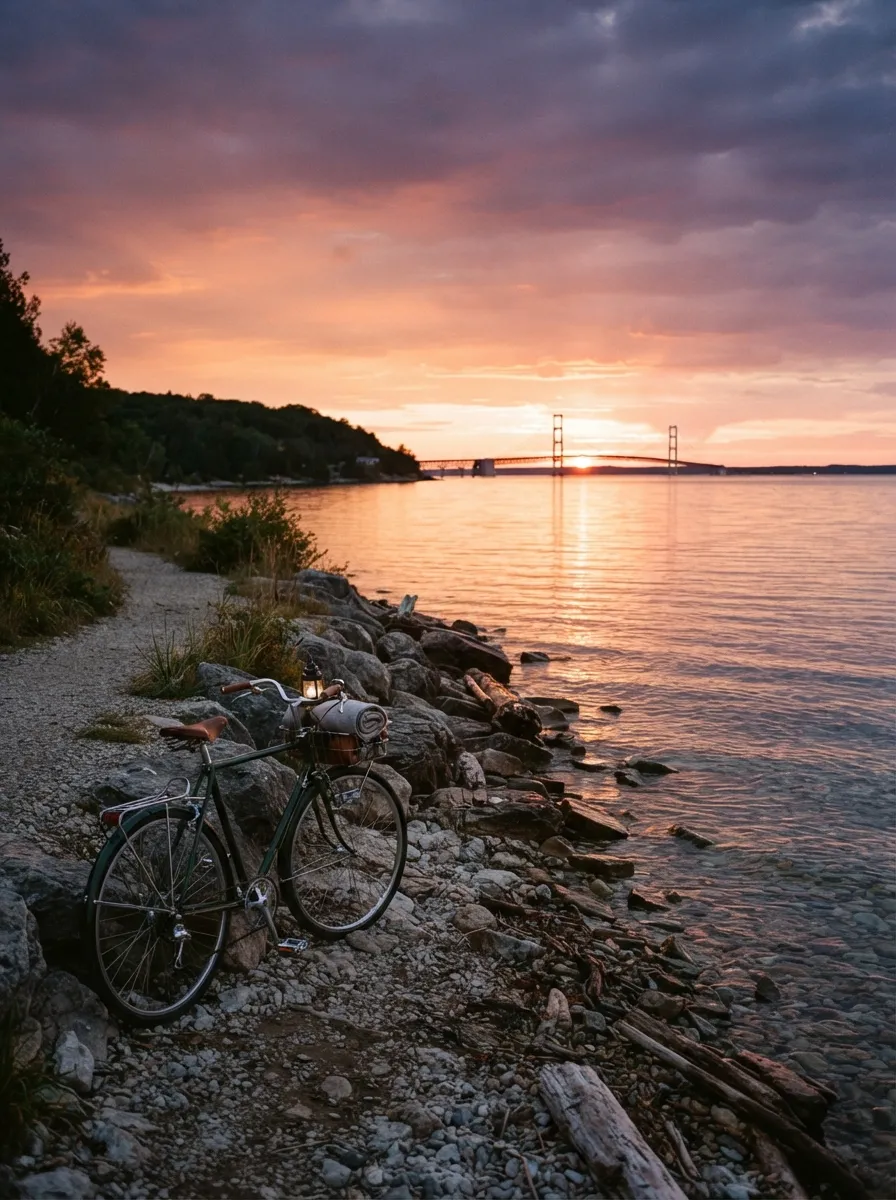
Mackinac sunsets can be spectacular when the sky cooperates.
Good locations include:
- West side shoreline
- British Landing area
- Grand Hotel viewpoints
- Waterfront areas near downtown
- Elevated park roads
Bring a light layer even during summer because evenings beside the water can become cool.
Stay until after the sun disappears. The most interesting color sometimes develops ten or fifteen minutes later.
11. Go Horseback Riding
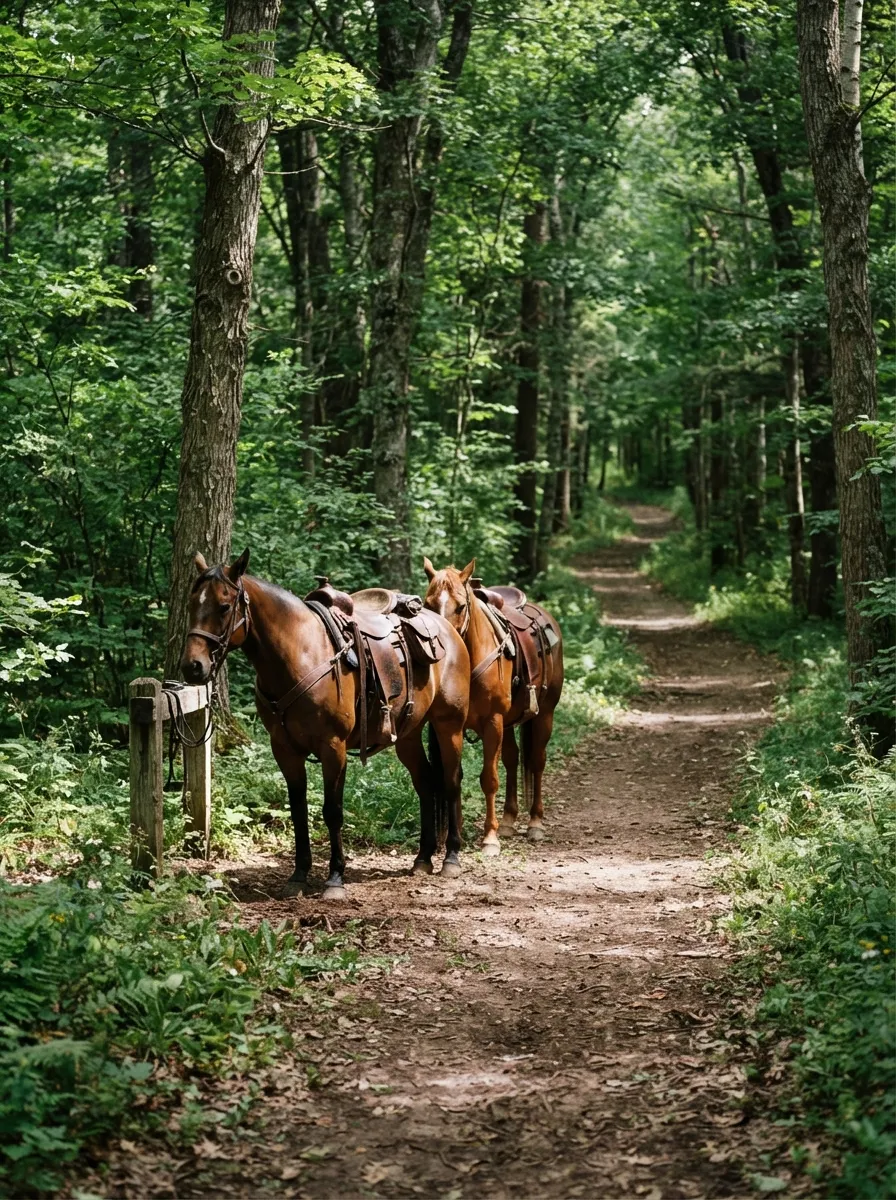
Visitors who prefer riding rather than sitting behind horses can book horseback excursions through island stables.
Trails extend into Mackinac Island State Park and provide a completely different way to experience the interior.
Experience requirements and age restrictions vary.
Wear:
- Closed-toe footwear
- Comfortable pants
- Weather-appropriate layers
Follow stable instructions and never approach unfamiliar horses from directly behind.
12. Explore Mackinac Island After the Day-Trippers Leave
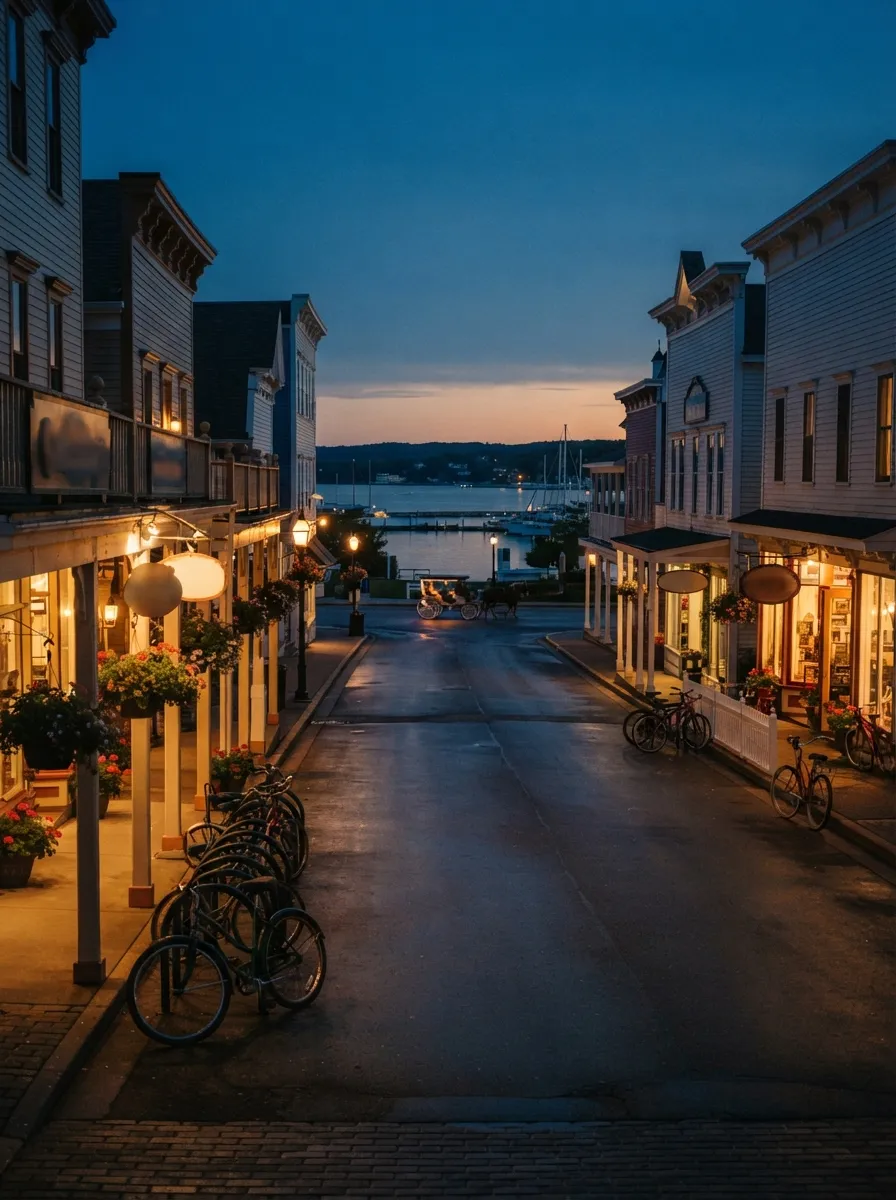
This may be the island’s most underrated experience.
Thousands of visitors arrive and depart by ferry during the day. As evening departures begin, Main Street becomes calmer and the atmosphere changes.
Staying overnight gives you:
- Quiet morning streets
- Less crowded biking
- Evening waterfront walks
- Sunset
- Relaxed dining
- More time for state park trails
This is why I recommend at least two nights rather than visiting solely as a mainland day trip.
How to Get to Mackinac Island
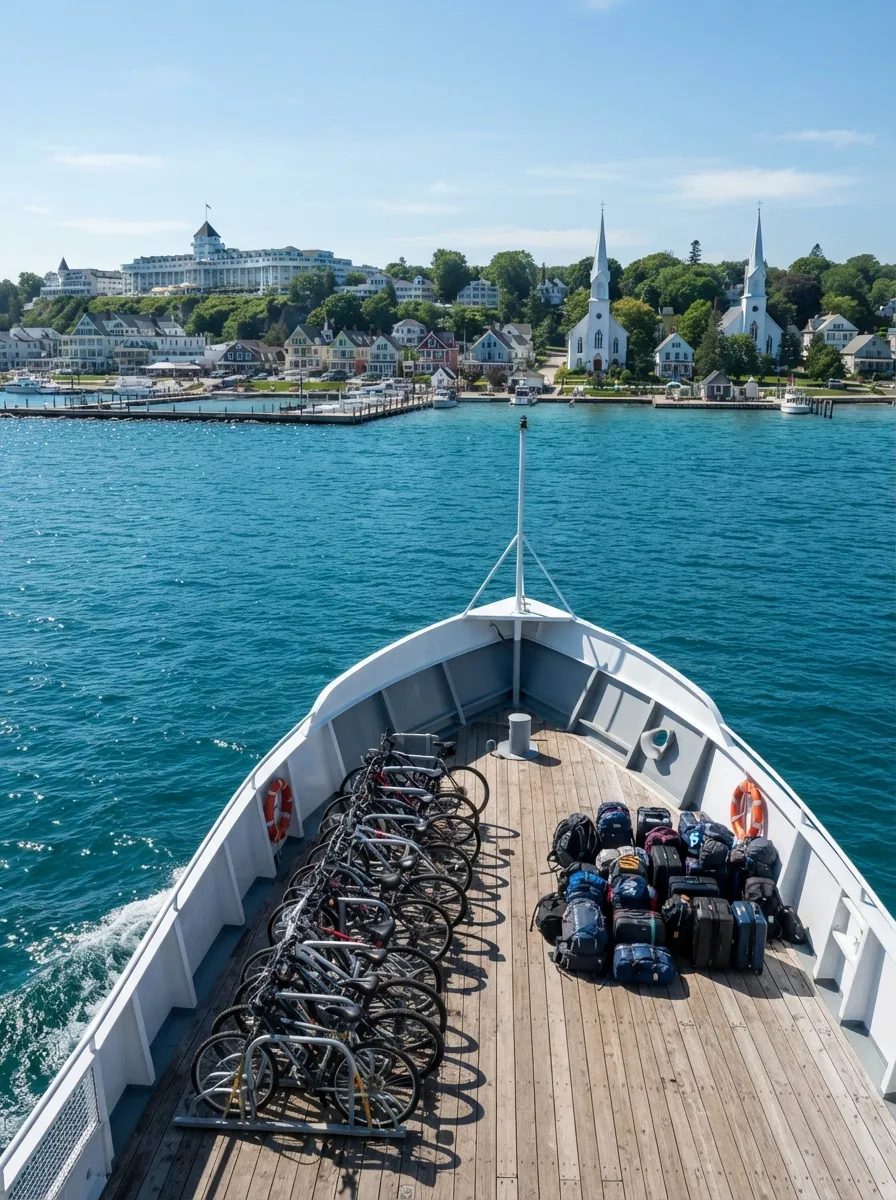
Most visitors arrive by ferry from either:
- Mackinaw City in Michigan’s Lower Peninsula
- St. Ignace in Michigan’s Upper Peninsula
Passenger ferries operate frequently during the main tourism season, commonly every 30 minutes or so from late April through the end of October.
Two companies currently provide regular service:
- Shepler’s Mackinac Island Ferry
- Arnold Transit Company
Park your car on the mainland and board as a passenger.
2026 ferry cost example
Shepler’s currently charges $39 round trip for adults and $27 for children ages 5–12, plus a $2 booking fee per ferry ticket. Children younger than five travel free but still require a boarding ticket.
Bringing a standard bicycle currently costs an additional $21.
Prices differ by operator and can change, so check both ferry companies when booking.
What happens to your luggage?
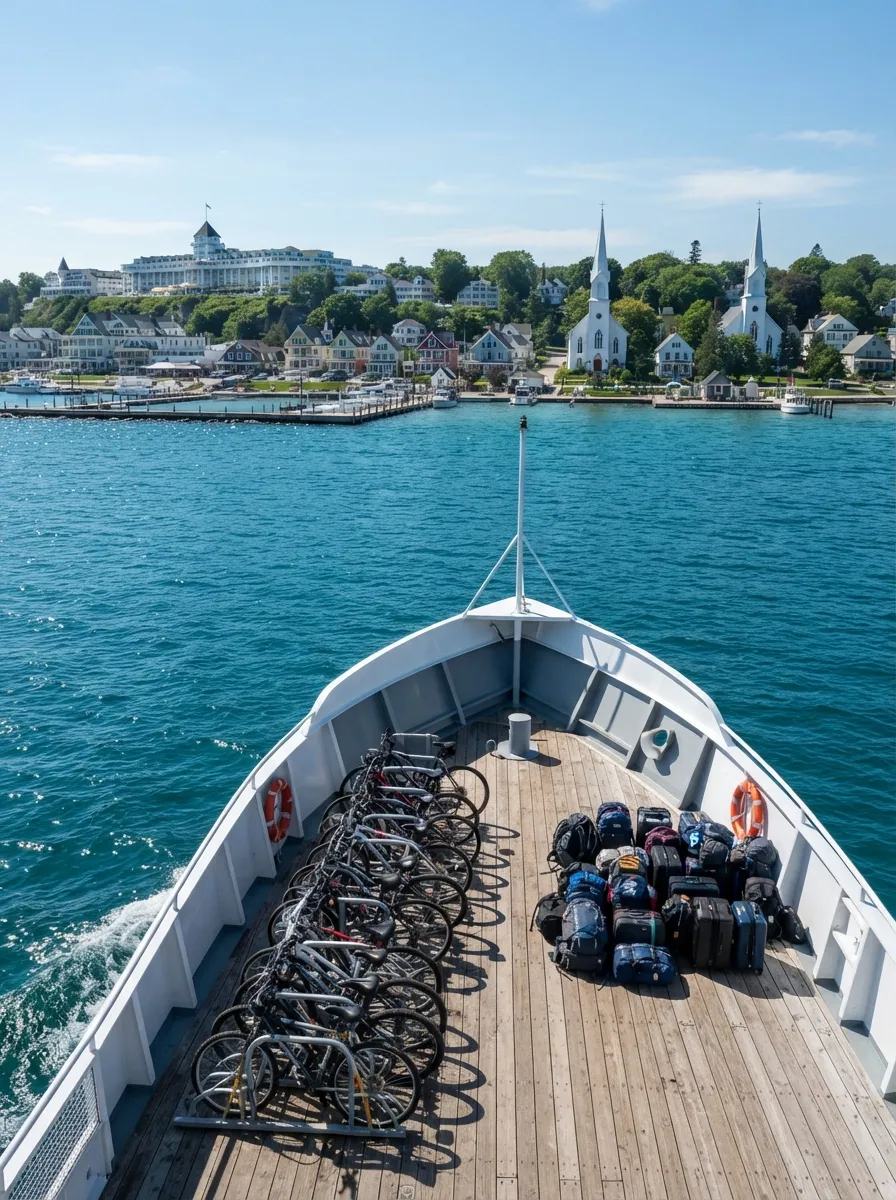
Luggage travels on the ferry with you.
Some island hotels provide dock porter service that transfers luggage from the ferry dock directly to your accommodation. Horse-drawn taxis are also available.
Can You Bring a Car to Mackinac Island?
For ordinary tourism, no.
Cars have been prohibited for well over a century, which is one of Mackinac Island’s defining characteristics.
You leave your vehicle in Mackinaw City or St. Ignace.
Once on the island, use:
- Walking
- Bicycles
- Horse-drawn taxis
- Horse-drawn carriage tours
- Mobility options where eligible
That absence of traffic is not merely a novelty. After several hours, it changes how the entire place feels.
Where to Stay on Mackinac Island
Downtown: Best for First-Time Visitors
Stay downtown for:
- Ferry convenience
- Restaurants
- Shops
- Bicycle rentals
- Minimal transportation needs
The disadvantage is daytime crowding and possible street noise.
Near Grand Hotel: Best for Historic Atmosphere
The area uphill from downtown offers:
- Victorian character
- Views
- Quieter evenings
- Access toward state park roads
Expect additional walking and hills.
Mission Point Area: Best for Families and Space
The eastern side of town offers waterfront lawns and easier access toward the shoreline loop and Arch Rock.
This can be a strong choice for families who want more space than downtown provides.
Interior or Cottage Stays: Best for Quiet
Cottages and properties farther from Main Street provide greater tranquility but may require bicycles, walking or horse-drawn taxis.
Best Time to Visit Mackinac Island
May: Best for Spring Calm
May brings cooler temperatures, flowers and smaller crowds.
Not every seasonal business necessarily opens at the same time, so check individual operating dates.
June: Best for Lilacs
The famous Mackinac Island Lilac Festival took place June 5–14 in 2026. The 2027 dates should be confirmed when the official calendar is published.
June combines spring flowers with increasingly warm weather.
July and August: Best for Full Summer Experience
These months provide:
- Warmest conditions
- Full attraction schedules
- Long daylight
- Heavy ferry frequency
They also bring the largest crowds and highest hotel rates.
September: Best Overall Balance
September may be the strongest month for many visitors.
Expect:
- Cooler cycling weather
- Fewer families after school resumes
- Most attractions still operating
- Pleasant hiking conditions
The Mackinac Island Eight Mile Run is scheduled for September 12, 2026.
October: Best for Fall Atmosphere
October brings autumn color, cooler weather and a quieter island.
Upcoming 2026 events include:
- Fall Fudge Festival: October 2–3
- Halloween Weekend: October 23–25
- Great Turtle Trail Run: October 24
Many seasonal businesses gradually close toward late October.
Winter: Beautiful but Limited
Mackinac Island remains inhabited year-round, but winter is a completely different trip.
Many hotels, restaurants and attractions close, while ferry service depends on ice conditions. Flying may become necessary when the Straits freeze heavily.
Winter is better for experienced visitors seeking snowshoeing, skiing and extraordinary quiet than for a first visit.
Mackinac Island Travel Costs
Mackinac Island is not particularly cheap, especially when staying overnight during summer.
| Expense | Budget Estimate | Mid-Range Estimate |
| Ferry round trip | About $39 adult | Upgraded tickets cost more |
| Hotel | $150–$250 | $275–$500+ |
| Casual meal | $15–$25 | $30–$60 |
| Bicycle rental | $15–$25 hourly | Daily rentals vary |
| Fort Mackinac | $17.50 adult | $10.50 child |
| Carriage tour | $40–$60+ | Depends on tour |
| Fudge | $10–$25 | Box size dependent |
| Horse taxi | Distance dependent | Passenger/luggage costs vary |
These are planning estimates apart from cited 2026 prices.
Save money by:
- Visiting Sunday through Thursday
- Traveling in May or September
- Taking a day trip if lodging exceeds your budget
- Bringing your own bicycle
- Eating one picnic meal
- Booking accommodation early
- Exploring free state park trails
- Walking instead of taking taxis
Luxury travelers will also find plenty of ways to expand the budget, from historic resort stays to upgraded experiences. If that is your travel style, these luxury travel gadgets may be useful for future trips, although Mackinac itself rewards packing lightly.
A Perfect 3-Day Mackinac Island Itinerary
Day 1: Ferry, Downtown and Fort Mackinac
Take a morning ferry from Mackinaw City or St. Ignace.
Leave luggage with your hotel or dock porter.
Spend the morning exploring downtown, then visit Fort Mackinac.
Later:
- Walk toward Grand Hotel
- Explore historic streets
- Have dinner downtown
- Watch sunset
Enjoy Main Street after the day-trip crowd thins.
Day 2: Bicycle Around the Island
Rent bicycles early.
Ride clockwise or counterclockwise around M-185, stopping at:
- Arch Rock
- Rocky shoreline areas
- British Landing
- Picnic spots
Return downtown for lunch.
Spend the afternoon exploring interior state park trails or take a carriage tour.
Finish with another waterfront evening.
Day 3: History and Slow Island Time
Start with an early walk before ferry crowds arrive.
Then choose:
- Historic downtown museums
- Horseback riding
- State park hike
- Additional cycling
- Relaxed shopping and fudge tasting
Take a late-afternoon ferry to the mainland.
If your next vacation needs sunshine rather than Great Lakes breezes, this guide to the best of Antalya offers a completely different coastal escape.
Mackinac Island With Kids
Mackinac Island is exceptionally family-friendly because the absence of ordinary automobile traffic removes one major source of stress.
Strong family activities include:
- Bike loop
- Fort Mackinac
- Carriage tour
- Fudge tasting
- Arch Rock
- Butterfly attractions
- Horseback experiences
- Easy state park walks
Families can bring strollers on the ferry without an additional passenger fee.
When biking with younger children, choose suitable trailers or family bicycles and avoid the busiest downtown period.
Remember that car-free does not mean traffic-free. Main Street can contain hundreds of bicycles, pedestrians and horse-drawn vehicles simultaneously.
Accessibility
Mackinac Island’s lack of cars creates unusual accessibility considerations.
Wheelchairs and mobility equipment are available through selected providers, while horse-drawn transportation can help visitors cover longer distances. The Tourism Bureau notes that electric mobility scooters and accessible bicycle options are available.
Some historic buildings contain stairs or older architecture, so visitors needing step-free access should confirm individual attractions and hotels before booking.
E-bikes may be permitted for visitors with qualifying mobility disabilities after completing the licensing process.
What to Pack for Mackinac Island
- Comfortable walking shoes
- Lightweight layers
- Rain jacket
- Sunglasses
- Sunscreen
- Refillable water bottle
- Small daypack
- Portable battery
- Bicycle-friendly clothing
- Light gloves for cool spring/fall rides
- Warm evening layer
- Camera
- Hotel confirmations
- Ferry tickets
- Small backpack for ferry arrival
- Medication
- Swimwear during summer
- Insect repellent
Travelers photographing historic architecture, horses and lake scenery can use the 2026 travel camera guide to choose equipment without turning a casual bike ride into a documentary production.
Frequently Asked Questions About Mackinac Island
Where is Mackinac Island?
Mackinac Island lies in Lake Huron between Michigan’s Upper and Lower peninsulas, near the Straits of Mackinac.
Are cars really banned?
Yes. Ordinary motor vehicles have been prohibited for more than a century. Visitors travel by bicycle, foot or horse-drawn transportation.
How do you get to Mackinac Island?
Most visitors take a passenger ferry from Mackinaw City or St. Ignace.
How much is the ferry?
Shepler’s basic 2026 round-trip fare is $39 for adults and $27 for children ages 5–12, plus a $2 booking fee per ticket. Other operators and ticket types may differ.
How many days do you need?
Two nights is enough for major sights. Three nights provides a much more relaxed trip.
Can you visit as a day trip?
Yes, but staying overnight is considerably better because downtown becomes quieter after ferry crowds leave.
How long does it take to bike around Mackinac Island?
The loop is approximately 8.2 miles. Most visitors should allow around two hours including stops.
Can you walk around the entire island?
Yes, but the 8.2-mile shoreline route makes it a substantial walk. Allow several hours and bring water.
What is Mackinac Island famous for?
It is famous for its car-free streets, horses, bicycles, fudge, Grand Hotel, Fort Mackinac, Arch Rock and Victorian atmosphere.
Is Mackinac Island expensive?
It can be, particularly during July and August. May, September and midweek dates generally provide better value.
When is the best month to visit?
September offers an excellent balance of weather, lower crowds and open attractions.
Is Mackinac Island open in winter?
Yes, but the experience is dramatically different. Many businesses close and transportation becomes weather dependent.
Are e-bikes allowed?
Generally only for visitors with qualifying mobility disabilities who follow the island licensing process.
Is Fort Mackinac worth visiting?
Yes, particularly for first-time visitors and families. Admission in 2026 is $17.50 for adults and $10.50 for children ages 5–12.
What should you not miss?
Bike the shoreline loop, visit Fort Mackinac, see Arch Rock and spend at least one evening on the island after day-trippers leave.
Is Mackinac Island good for photographers?
Very. Victorian buildings, Lake Huron, Arch Rock, horses and car-free streets create unusually varied subjects in a compact area.
For travelers who enjoy discovering cities on foot as much as photographing them, this New York walking tour offers a decidedly faster-paced urban counterpart.
Conclusion: Is Mackinac Island Worth the Trip?
Mackinac Island is one of the rare American destinations where the absence of something becomes one of the main reasons to visit.
Without ordinary cars, the island changes speed. People walk farther. Bikes become transportation instead of exercise equipment. Horses still move luggage and passengers. A journey of one mile becomes part of the vacation instead of dead time between attractions.
For your first visit, spend two or three nights on the island rather than treating Mackinac as a hurried ferry excursion.
Begin with Fort Mackinac and downtown, dedicate the second day to the 8.2-mile bicycle loop and Arch Rock, then use the final morning for state park trails, historical attractions or simply wandering before the day-trip crowds arrive.
For the remainder of 2026, September and early October are particularly attractive. Most attractions remain operating, summer crowds decline and cooler weather makes biking and hiking more comfortable. October also brings the Fall Fudge Festival and Halloween Weekend before much of the seasonal tourism economy closes for winter.
Come prepared for ferry schedules, variable Great Lakes weather and prices that reflect the logistical challenge of operating an island without trucks pulling directly up to every business.
But also leave part of the itinerary blank.
Mackinac Island works beautifully when you stop trying to optimize it: ride until you see somewhere worth stopping, buy fudge from a shop because the smell wins the argument, sit beside Lake Huron longer than intended and return downtown while horses carry evening passengers beneath buildings that appear to have misplaced the modern century.
That slight feeling of temporal confusion is precisely the point.