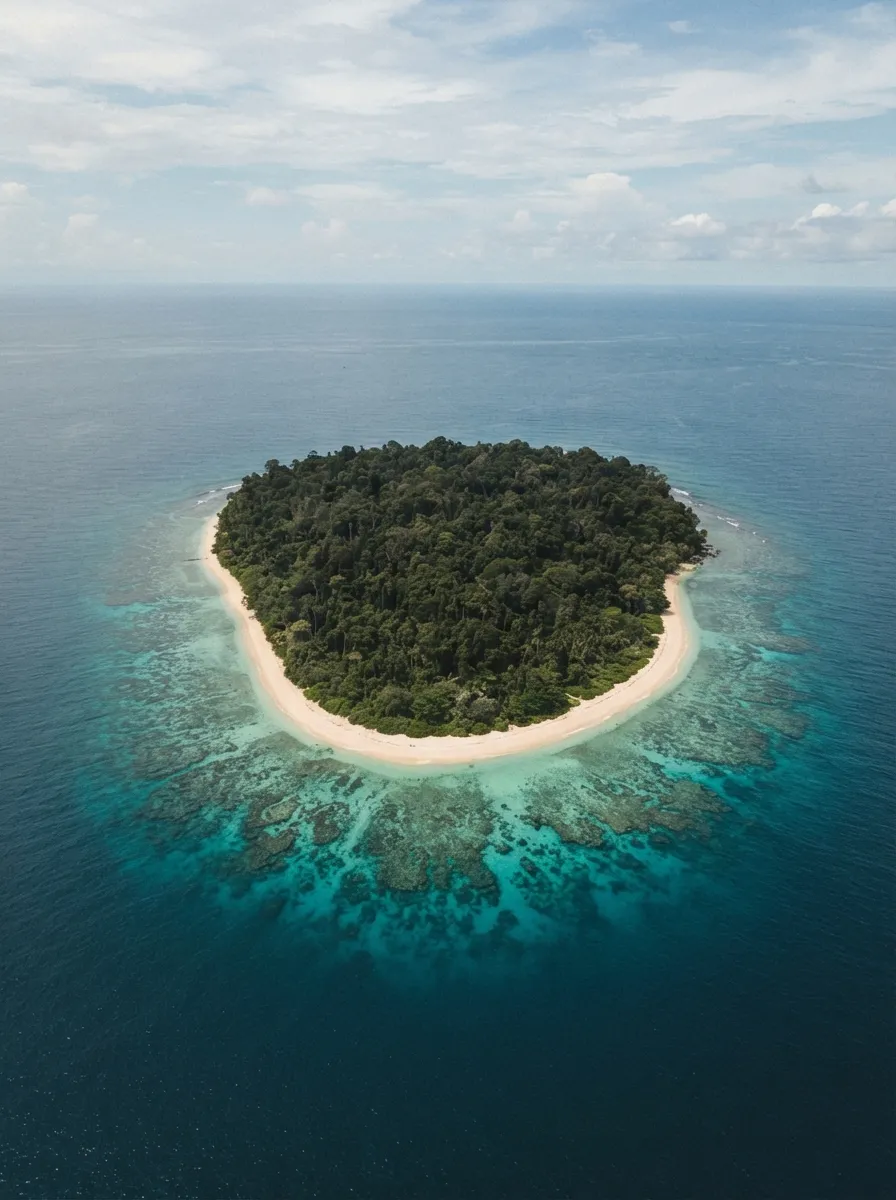
North Sentinel Island: Inside the World’s Most Forbidden Island and Why You Cannot Visit
There are islands people dream of visiting, islands people struggle to reach, and then there is North Sentinel Island, a place where the responsible travel itinerary has exactly one instruction:
Do not go there.
Hidden in the Bay of Bengal within India’s Andaman and Nicobar Islands, North Sentinel Island is home to the Sentinelese, an Indigenous people who have consistently resisted sustained outside contact. Their language, population, beliefs and much of their everyday life remain largely unknown to outsiders.
That mystery has made the island internationally famous. It has also produced a dangerous misconception that North Sentinel is some sort of ultimate adventure destination.
It isn’t.
The Government of India protects the entire island and the surrounding 5 kilometers of coastal sea as a tribal reserve. Entry by outsiders, including foreign visitors and tourists, is prohibited under the Andaman and Nicobar Islands (Protection of Aboriginal Tribes) Regulation, 1956.
The restriction exists not only because outsiders could be attacked. Contact could expose the Sentinelese to infectious diseases against which an isolated population may have little immunity. Indian authorities therefore follow an approach centered on protecting their isolation rather than developing the island for tourism.
So this is not a conventional destination guide. There will be no hotel recommendations, secret beaches or three-day itinerary.
Instead, this guide explains where North Sentinel Island is, who the Sentinelese are, why visiting is prohibited, what happened to previous outsiders, what we actually know about the island, and where travelers can legally experience the extraordinary Andaman Islands instead.
Recommended Travel Items for Your Trip
NORTH SENTINEL ISLAND AT A GLANCE
Country: India
Region: Andaman and Nicobar Islands
Location: Bay of Bengal
Inhabitants: Sentinelese
Can tourists visit? No
Can foreigners visit? No
Can you land on the island? No
Protected waters: 5 km from the high-water mark
Tourist accommodation: None
Tours: None legally operating onto the island
Photography visits: Not permitted inside the protected reserve
Why protected: Indigenous rights, isolation, disease risk and visitor safety
Best travel advice: Respect the exclusion zone completely
Where Is North Sentinel Island?
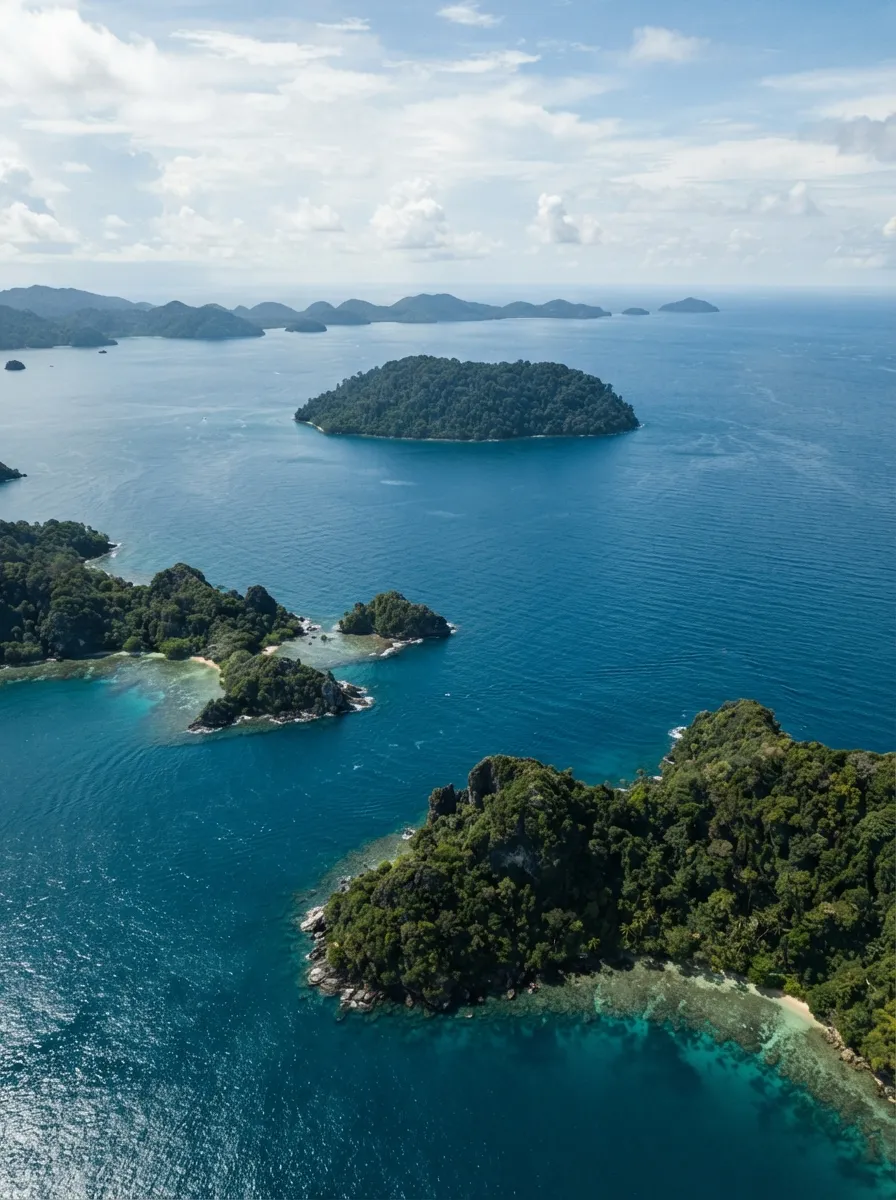
North Sentinel Island belongs to India’s Andaman and Nicobar archipelago, which stretches through the Bay of Bengal between the Indian subcontinent and Southeast Asia.
It is west of the main populated parts of the Andaman Islands and geographically isolated by surrounding sea.
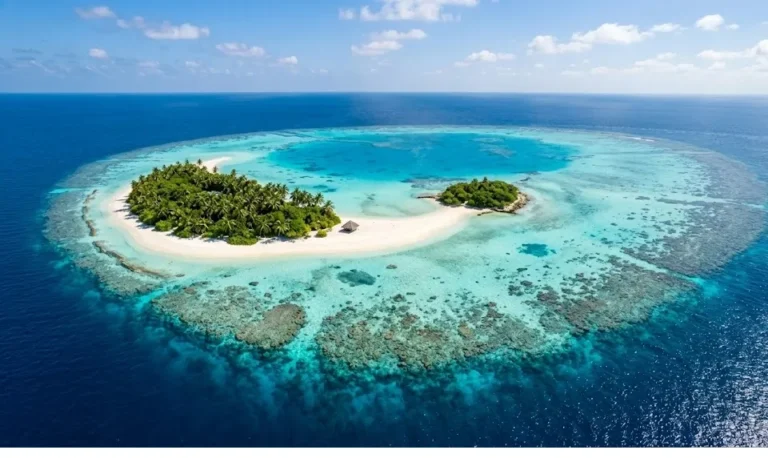
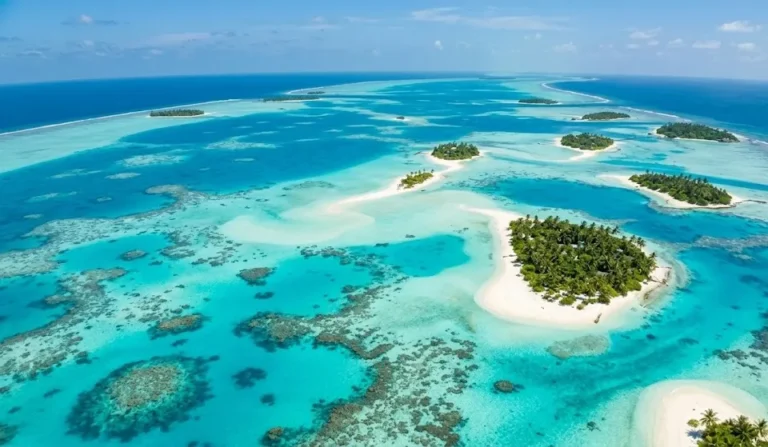
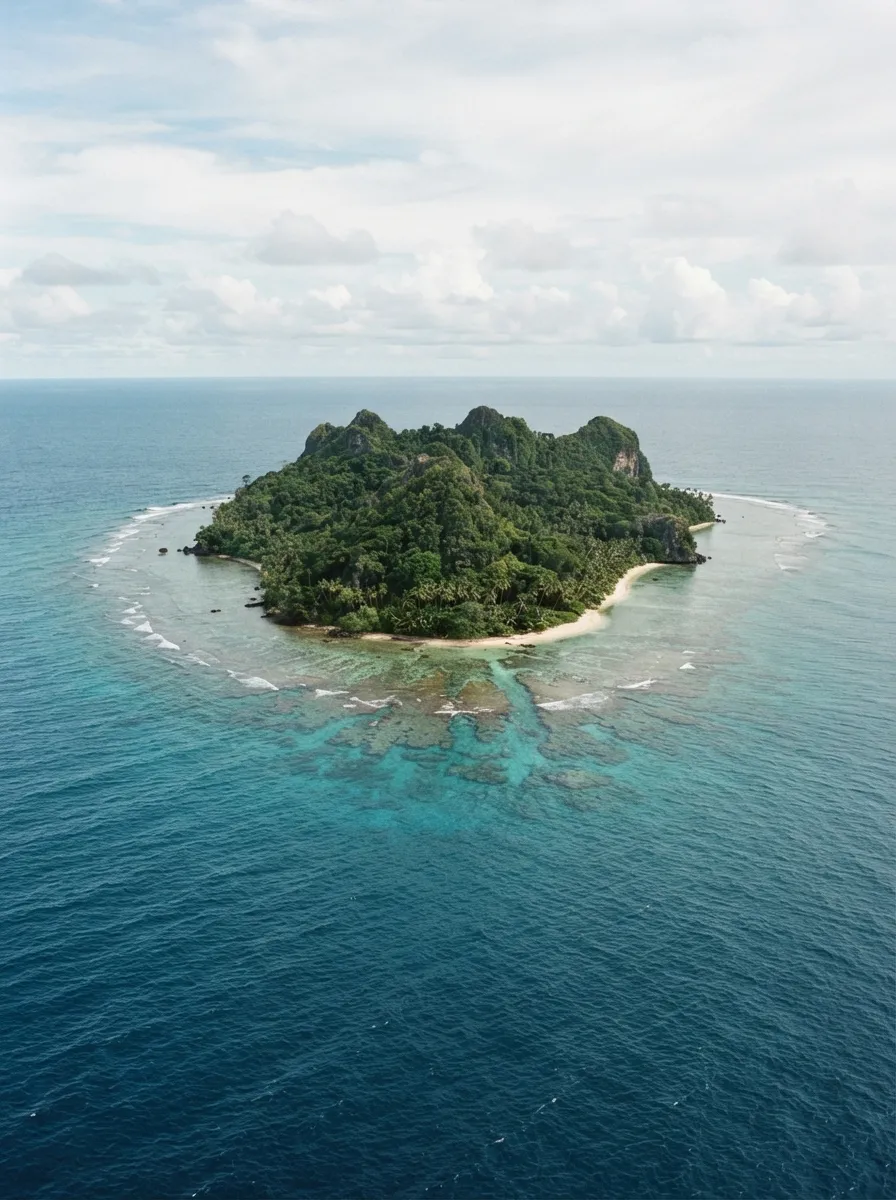
On a satellite image, the island looks deceptively inviting.
There is:
- Dense tropical forest
- A pale sandy shoreline
- Coral reef
- Brilliant blue-green water
- Almost no visible modern development
But appearance is misleading.
North Sentinel Island is not an undiscovered tropical vacation spot waiting for adventurous travelers. It is the homeland of a people who have repeatedly demonstrated that they do not consent to ordinary outside contact.
If remote places fascinate you, this collection of mysterious places worldwide offers destinations you can actually research as potential trips.
Who Are the Sentinelese?
The Sentinelese are one of the Indigenous peoples of the Andaman Islands.
They are often described as one of the world’s most isolated communities because sustained interaction with outsiders has been extremely limited.
Much of what is commonly claimed about them should therefore be treated cautiously.
We do not reliably know:
- Their exact population
- What they call themselves
- Their language
- Their religious beliefs
- Their social structure in detail
- Their oral history
- How they understand the outside world
That uncertainty matters.
The absence of information sometimes encourages sensational descriptions of the Sentinelese as mysterious, primitive or frozen in time. Those descriptions tell us more about outsiders’ imaginations than about the people themselves.
They are a living community, not an anthropological attraction.
How Many Sentinelese Live on North Sentinel Island?
Nobody has a reliable current population figure.
Older government material has contained estimates, but counting an isolated community without establishing intrusive contact is inherently difficult.
For example, India’s National Commission for Scheduled Tribes cited a 2001 Census figure of 39 Sentinelese, while also discussing the special protections needed for vulnerable Indigenous communities in the Andaman and Nicobar Islands.
That number should not be interpreted as a precise current population.
Modern estimates reported elsewhere vary substantially because observers cannot conduct an ordinary census by entering households and interviewing residents.
The most accurate answer is therefore:
We do not know exactly how many Sentinelese there are.
And respecting their isolation is more important than obtaining a perfect number.
Why Is North Sentinel Island Forbidden?
There are several interconnected reasons.
1. The Sentinelese Have Rejected Outside Contact
The Sentinelese have repeatedly responded defensively to people approaching their territory.
From their perspective, strangers arriving by boat or helicopter are entering their homeland without invitation.
Their behavior should be understood in that context rather than packaged as a tourist spectacle.
2. Disease Could Be Catastrophic
Isolation can make contact with outside populations medically dangerous.
Common illnesses carried by visitors could potentially have devastating consequences for a small community with limited exposure to them.
India’s Ministry of Home Affairs has explicitly recognized that contact could introduce bacteria and viruses capable of threatening the Sentinelese population.
3. Visitors Could Be Seriously Injured or Killed
The Sentinelese have defended the island against unauthorized approaches.
This is not somewhere to test whether an exclusion zone is merely a suggestion.
4. Their Territory Is Legally Protected
India has designated the entire island and the sea extending 5 kilometers from its high-water mark as a tribal reserve.
Outsiders, including tourists and foreigners, are prohibited from entering.
The current U.S. State Department guidance for India also specifically warns that the Indian government strictly forbids visits to North Sentinel Island and says travelers violating the law may be arrested.
IMPORTANT
There is no legitimate loophole for adventurous tourists. Approaching secretly, hiring a private boat or attempting to land without authorization does not turn the journey into an expedition. It turns it into an illegal intrusion into protected Indigenous territory.
Can You Visit North Sentinel Island in 2026?
No.
For ordinary travelers, the answer is unambiguous.
You cannot legally:
- Land on North Sentinel Island
- Wander its beaches
- Enter the tribal reserve
- Approach residents
- Conduct a tourist expedition
- Hire a legitimate operator to take you ashore
India’s restrictions protect both the Sentinelese and outsiders.
This is important because internet searches sometimes produce misleading discussions about Andaman permits.
Foreign visitors can travel to certain approved areas within the Andaman and Nicobar Islands, subject to applicable immigration and restricted-area rules. Government documentation specifically distinguishes accessible locations from tribal reserves, which remain excluded.
A permit to visit another part of the Andamans is not permission to approach North Sentinel Island.
Can You Take a Boat Around North Sentinel Island?
You should not attempt to approach the island.
The protected tribal reserve includes the surrounding coastal sea extending 5 km from the high-water mark.
A legitimate Andaman sightseeing trip should therefore not be marketed as an opportunity to sail up to Sentinelese beaches.
Be particularly skeptical of anyone advertising:
- Secret Sentinel tours
- Close-up tribal encounters
- Private landings
- Drone expeditions
- Photography missions
- Fishing trips inside the protected zone
A company willing to ignore protections designed for an isolated Indigenous community is not offering an exclusive travel experience. It is advertising a spectacularly bad decision.
Why Don’t Authorities Simply Contact the Sentinelese?
Because contact itself creates risks.
For generations, governments, anthropologists and other outsiders experimented with different forms of contact with isolated peoples. The results worldwide were often disastrous.
Outside contact can introduce:
- Respiratory illnesses
- Influenza
- Measles
- Other infections
- Social disruption
- Exploitation
- Dependency
- Loss of territory
- Cultural disruption
The Sentinelese have also repeatedly indicated through their actions that outsiders are unwelcome.
Modern protection therefore focuses much more heavily on preventing unauthorized intrusion.
There is an important philosophical shift here:
We do not need to know everything about another society simply because technology makes reaching it possible.
What Happened to John Allen Chau?
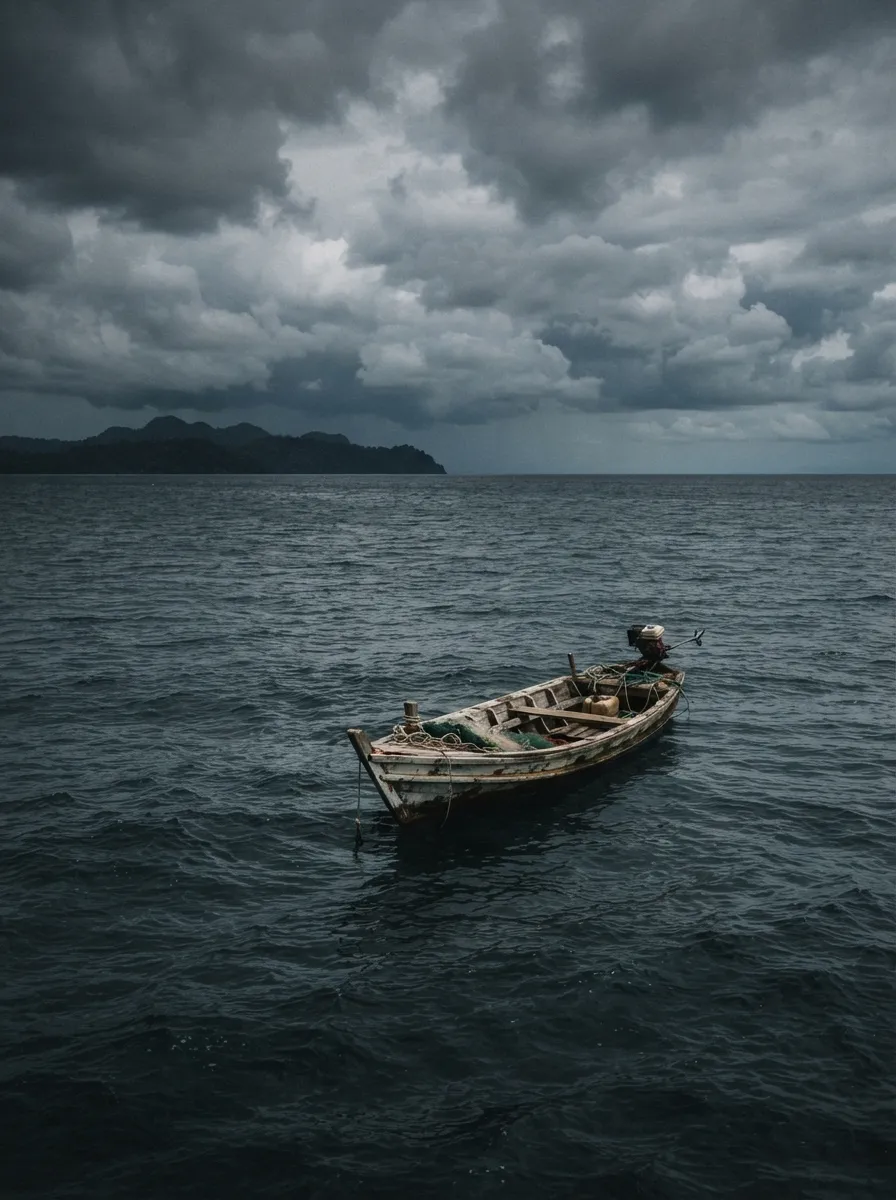
North Sentinel Island received enormous international attention in 2018 after American missionary John Allen Chau illegally traveled to the island.
According to the Government of India, Chau reached the area with assistance from local fishermen and attempted to contact the Sentinelese. He was subsequently killed. Indian authorities registered cases relating to violations of legal restrictions surrounding the island.
The incident became a stark demonstration of why the restrictions exist.
It endangered Chau, exposed the Sentinelese to potential disease and violated their protected territory.
The lesson is not that visitors need better equipment or a cleverer approach.
The lesson is that visitors should not attempt contact.
Have Other Outsiders Reached North Sentinel Island?
There have been encounters over many decades involving colonial officials, anthropologists, shipwreck survivors, government teams and others.
Some were peaceful at a distance.
Others were hostile.
But these encounters should not be stitched together into a fantasy that the Sentinelese are gradually becoming a tourist-accessible community.
They aren’t.
Past contact also occurred under historical circumstances and government policies that do not provide permission for modern travelers to imitate those expeditions.
What Happened After the 2004 Indian Ocean Tsunami?
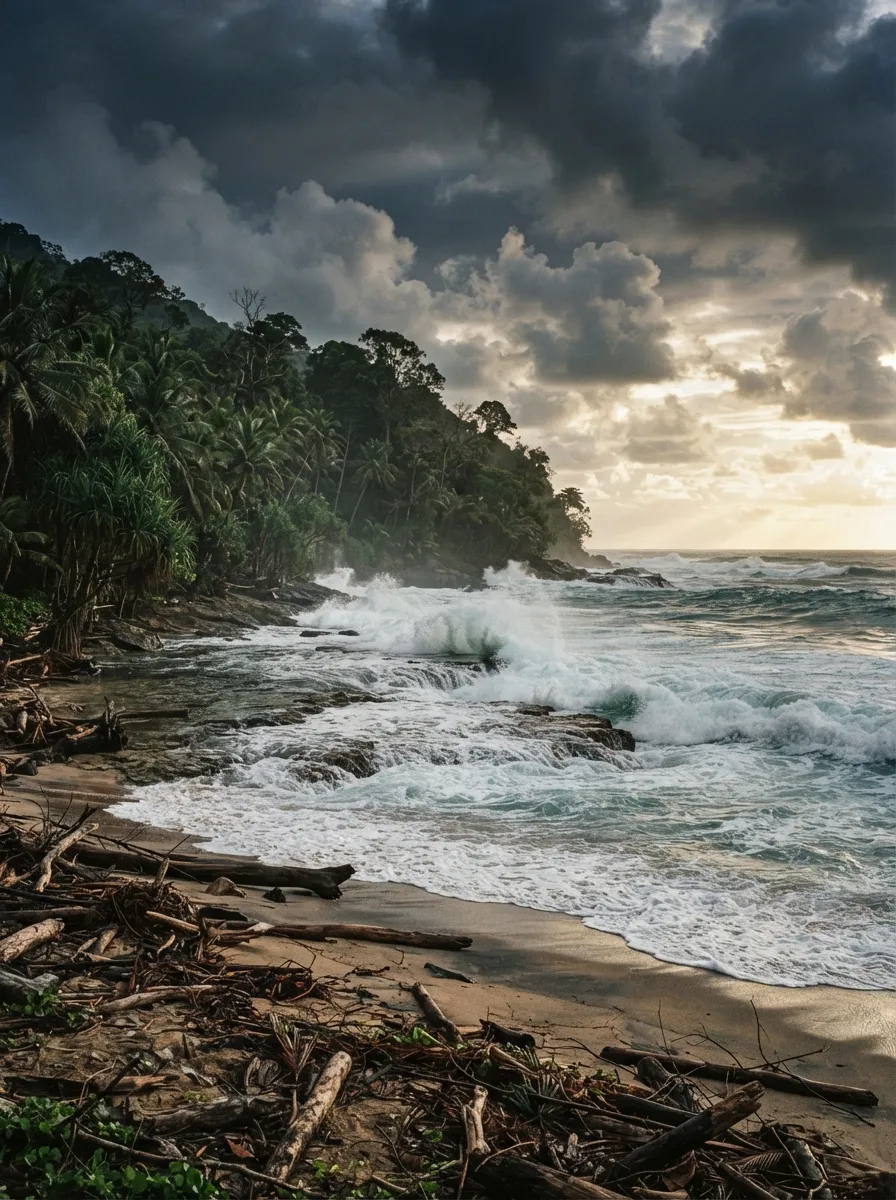
The 2004 Indian Ocean earthquake and tsunami devastated communities across the region and created concern about North Sentinel Island.
Authorities later observed Sentinelese survivors.
One widely reported encounter involved a Sentinelese man firing arrows toward a helicopter conducting an assessment.
The image became symbolic of the community’s continued independence after the disaster.
But there is another important point.
The Sentinelese survived a catastrophic natural event using knowledge of an environment they have inhabited for generations.
Their isolation should not automatically be confused with helplessness.
Are the Sentinelese Dangerous?
This question is usually framed incorrectly.
A more useful question is:
Are outsiders welcome on their territory?
Evidence overwhelmingly suggests they are not.
The Sentinelese have used bows, arrows and spears when defending their island from approaches.
That makes unauthorized contact extremely dangerous.
But labeling an entire Indigenous society “dangerous” removes the territorial context. Imagine strangers repeatedly landing at your home despite every possible signal that they should leave.
North Sentinel is their home, not international public property.
The practical travel conclusion remains exactly the same:
Stay away.
Do the Sentinelese Know About the Modern World?
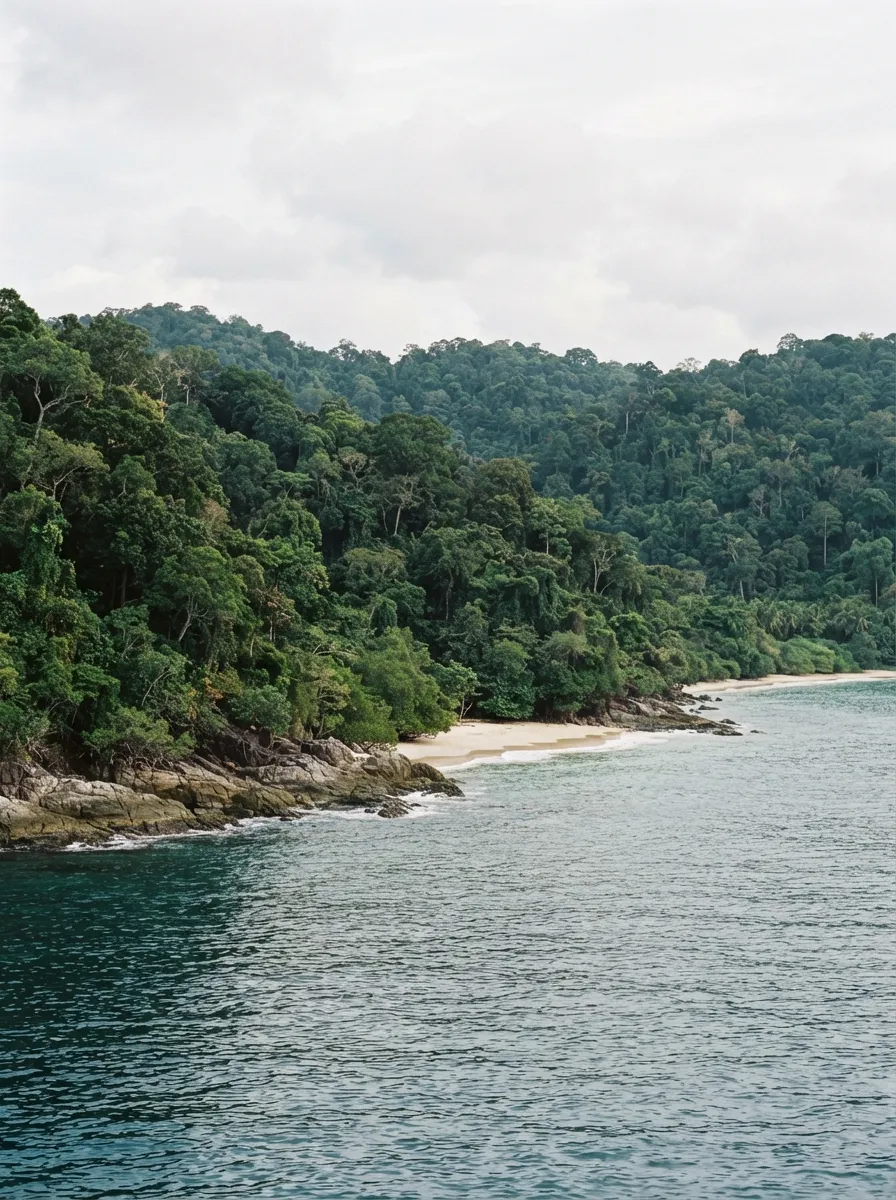
We cannot know precisely what the Sentinelese understand about global society.
They have seen:
- Boats
- Ships
- Aircraft
- Helicopters
- Outside visitors
- Manufactured objects
They therefore clearly know that people exist beyond their island.
What they think about those people is another matter entirely.
Claims that the Sentinelese “believe they are the only humans on Earth” or have “never seen modern technology” should be treated skeptically unless supported by strong evidence.
The mystery surrounding North Sentinel attracts myths faster than a beach attracts footprints.
What Language Do the Sentinelese Speak?
The Sentinelese language has not been adequately documented by outsiders.
It is generally associated with the Indigenous languages of the Andaman region, but outsiders cannot simply assume mutual intelligibility with neighboring peoples.
Attempts to understand the language are limited by the obvious fact that responsible researchers cannot conduct normal interviews with people who reject contact.
So when websites confidently translate Sentinelese words or describe detailed conversations, skepticism is warranted.
What Do the Sentinelese Eat?
Direct knowledge is limited.
Based on observations and the island environment, the community has been associated with hunting, gathering and coastal food resources.
Potential resources include:
- Fish
- Shellfish
- Wild plants
- Fruits
- Tubers
- Other forest and coastal resources
But detailed claims about diet, agriculture or daily routines should be approached cautiously.
North Sentinel Island is a perfect example of an uncomfortable truth for travel writers:
Sometimes “we don’t know” is the most accurate sentence available.
Do the Sentinelese Have Modern Technology?
They do not live according to the technological systems familiar to industrialized societies.
However, that does not mean they exist in some perfectly preserved Stone Age bubble.
Reports over the years have indicated that metal recovered from shipwrecks and other external sources has been incorporated into tools.
Human cultures adapt materials when useful.
That does not mean the Sentinelese are becoming integrated into mainstream society.
It simply demonstrates why simplistic labels such as “Stone Age tribe” can be misleading.
Why Doesn’t India Arrest the Sentinelese for Attacking Outsiders?
Because the legal and ethical context is fundamentally different from an ordinary criminal encounter.
North Sentinel Island is protected territory where outsiders are prohibited from entering.
The purpose of Indian policy is to protect the Sentinelese and prevent unauthorized contact, not to compel them into mainstream society because outsiders ignored the boundary.
The 2018 incident involving John Allen Chau illustrates this clearly. Authorities investigated those who helped facilitate the illegal journey rather than launching an operation to seize Sentinelese residents.
Could North Sentinel Island Ever Open to Tourism?
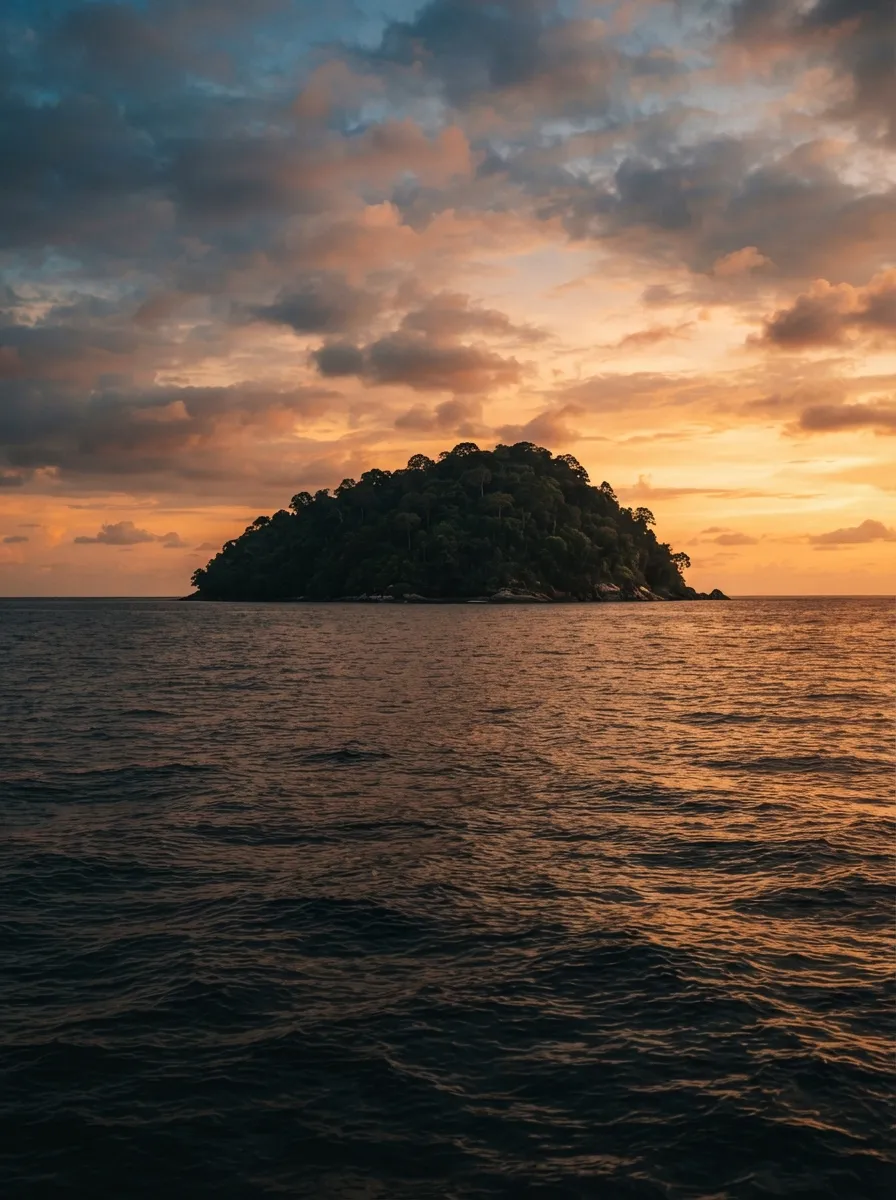
There is no responsible reason to expect that.
Tourism would introduce precisely the pressures current protections are designed to prevent:
- Disease exposure
- Waste
- Photography
- Commercial exploitation
- Habitat disturbance
- Cultural intrusion
- Increased boat traffic
Some destinations become more valuable when tourism infrastructure expands.
North Sentinel Island is the opposite.
Its protection depends on people not visiting.
North Sentinel Island vs Regular Remote Destinations
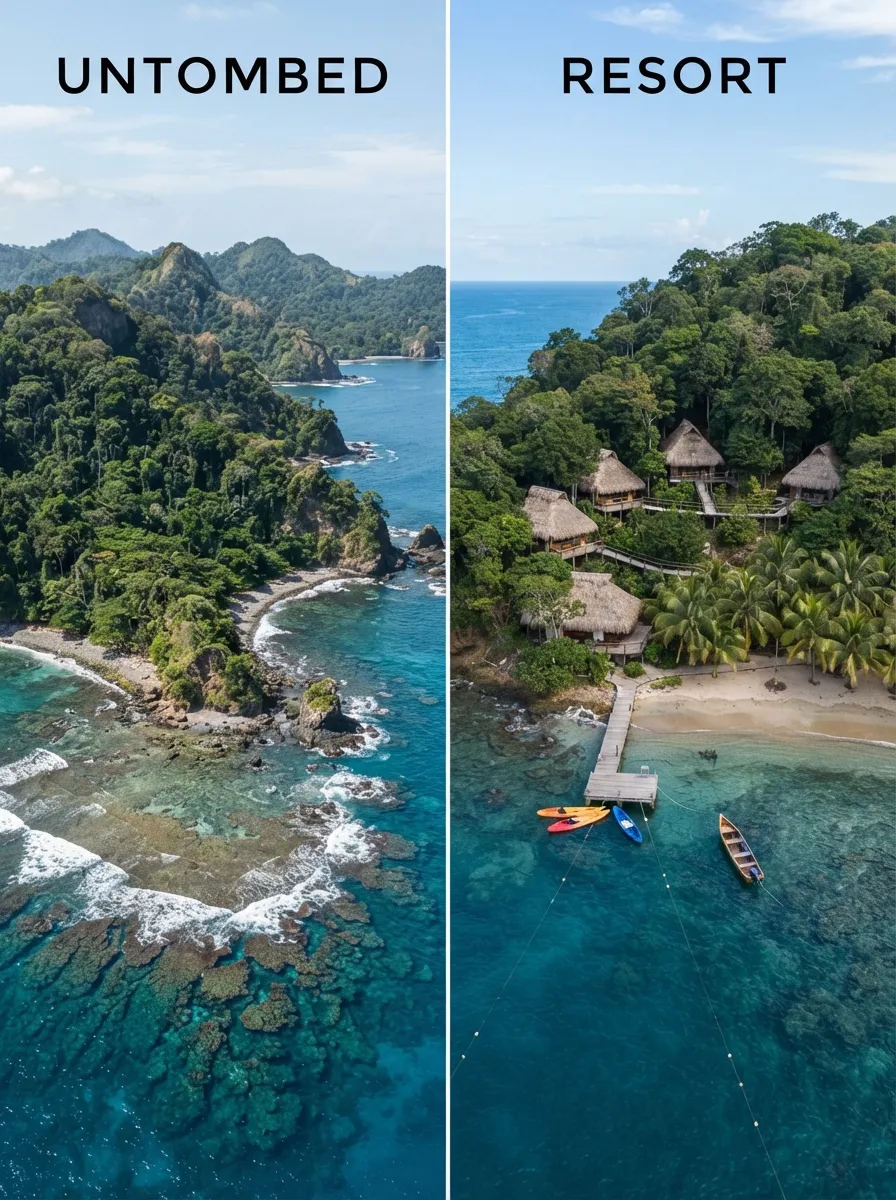
| Feature | North Sentinel Island | Remote Tourist Island |
| Tourism allowed | No | Usually yes |
| Accommodation | None | Available |
| Local guides | No tourist guides | Usually available |
| Legal landing | Prohibited for tourists | Usually possible |
| Residents consent to tourism | No evidence of consent | Tourism established |
| Medical services | Not accessible to visitors | Usually available |
| Tourist infrastructure | None | Some |
| Photography expedition | Not permitted within reserve | Often possible |
| Recommended visit | Never | Depends on destination |
That distinction is crucial.
“Remote” does not automatically mean “available.”
What Can Travelers Visit Instead?
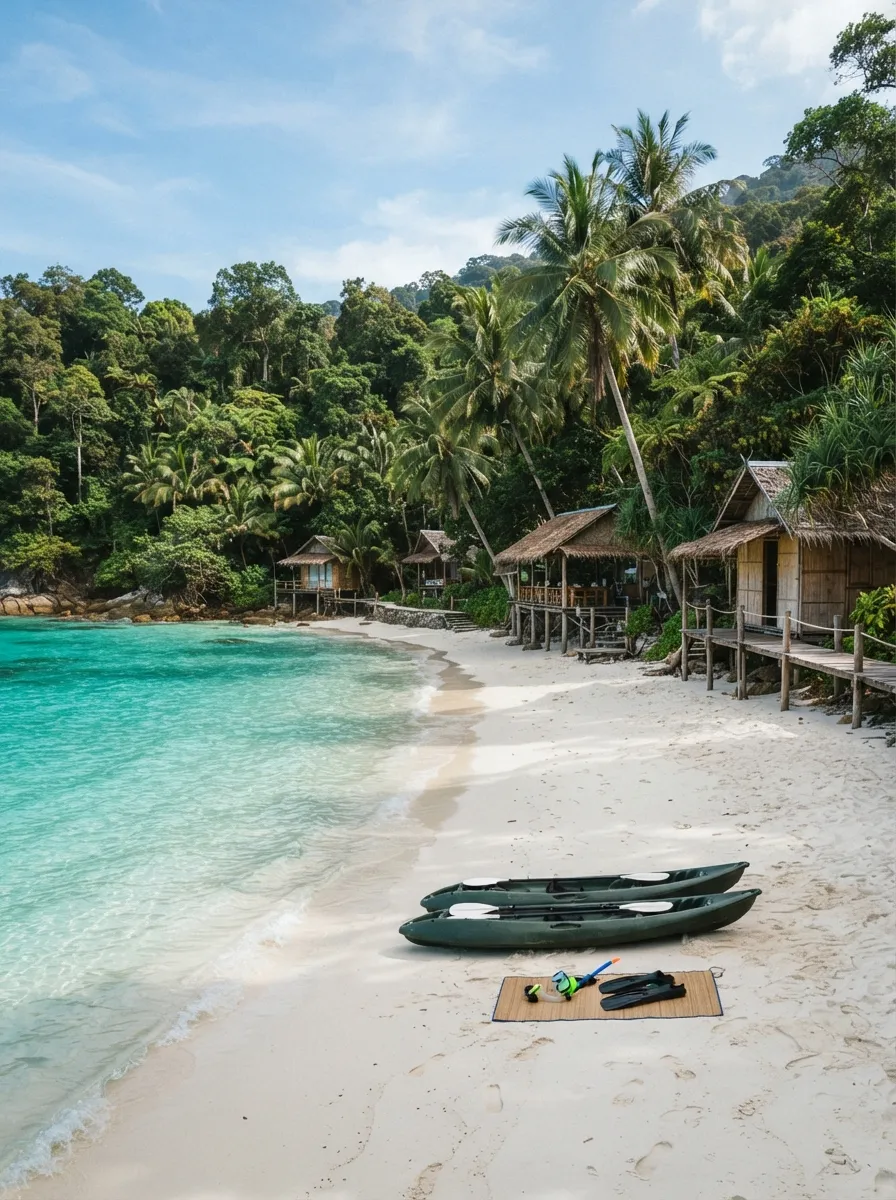
Fortunately, North Sentinel Island sits within a region containing extraordinary places that travelers can visit subject to India’s current entry and local access rules.
The Andaman Islands offer tropical forests, reefs, beaches and fascinating history without violating protected tribal territory.
Port Blair and Sri Vijaya Puram
The Andaman capital is the primary transport hub.
Visitors can explore museums, waterfront areas and historic attractions before traveling to other permitted islands.
Swaraj Dweep
Formerly widely known as Havelock Island, Swaraj Dweep is one of the region’s most popular tourism destinations.
It offers:
- Beaches
- Diving
- Snorkeling
- Resorts
- Forest scenery
Shaheed Dweep
Formerly known as Neil Island, this smaller destination offers a slower atmosphere with beaches, reefs and cycling.
Approved Marine Areas
Parts of the Andaman archipelago can be explored through legitimate snorkeling and diving operators, subject to current permits and environmental regulations.
India’s published restricted-area guidance identifies numerous Andaman locations where foreign visitors may be permitted while specifically excluding tribal reserves.
RESPONSIBLE TRAVEL RULE
Book only established tourism destinations and licensed operators. Never ask boat operators to take you toward tribal reserves, even “just for photographs.”
Travelers fascinated by extraordinary landscapes can also explore these unbelievable places on Earth without crossing a protected Indigenous boundary.
How to Plan an Andaman Islands Trip Instead
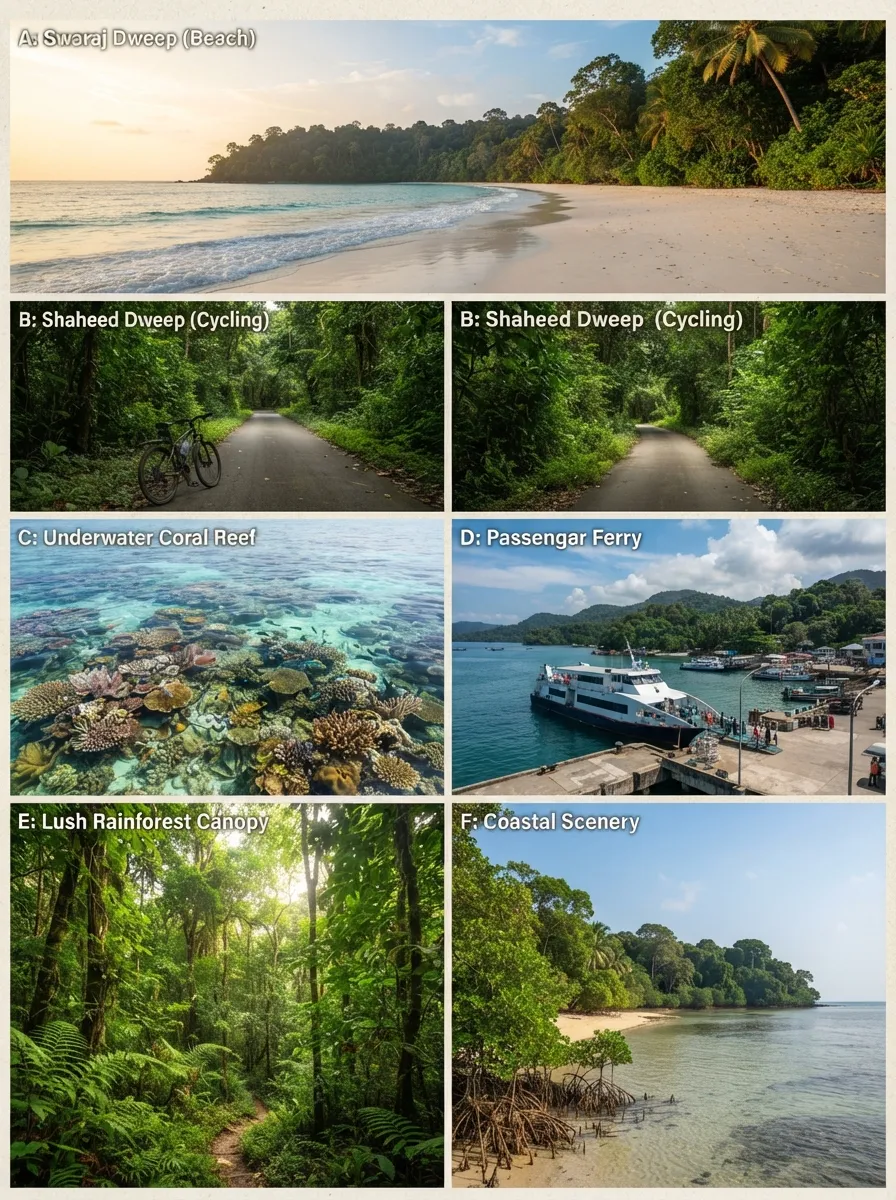
For most international travelers, the sensible journey is:
Mainland India → Andaman Islands → legally accessible islands → return
A typical itinerary could include:
Day 1: Arrival
Arrive in the Andamans and explore the main urban area.
Days 2–4: Swaraj Dweep
Spend several days enjoying:
- Beaches
- Snorkeling
- Scuba diving
- Forest walks
- Sunsets
Days 5–6: Shaheed Dweep
Slow the pace with quieter beaches and cycling.
Day 7: Return
Travel back to the main hub and continue to mainland India.
This gives travelers the tropical-island experience many imagined when searching for North Sentinel, without turning somebody else’s protected homeland into an attraction.
Responsible Photography in the Andamans
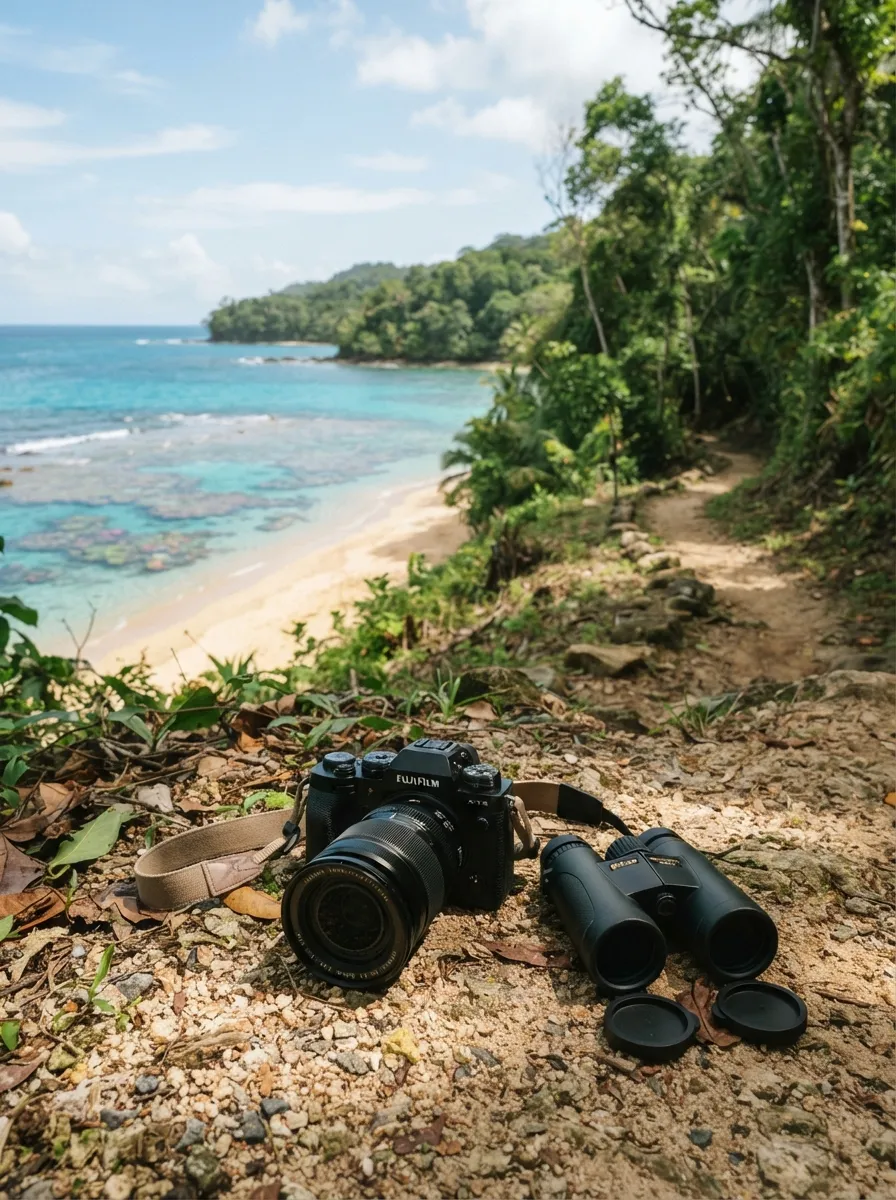
The urge to photograph unfamiliar cultures can become problematic very quickly.
Never:
- Photograph protected Indigenous people as a spectacle
- Encourage guides to break access laws
- Fly drones toward tribal reserves
- Attempt long-range surveillance
- Share precise information facilitating illegal contact
- Pay someone for an unauthorized approach
Photography should document your journey, not erase another person’s right to privacy.
For ordinary destinations where photography is welcome, carrying suitable equipment can transform a trip. This travel camera guide can help with future adventures.
North Sentinel Island Myths vs Reality
Myth: Nobody knows where the island is.
Reality: Its location is known. Access is restricted.
Myth: The Sentinelese have never seen outsiders.
Reality: There have been numerous documented encounters.
Myth: Tourists can visit with special permission.
Reality: Ordinary tourism is prohibited.
Myth: A private boat can legally approach.
Reality: The protected reserve includes surrounding coastal waters.
Myth: The Sentinelese are unaware that the outside world exists.
Reality: They have encountered boats, aircraft, and outsiders.
Myth: Visiting respectfully makes it acceptable.
Reality: Respect begins by obeying the boundary.
Myth: North Sentinel Island is simply dangerous because the residents are hostile.
Reality: Outsiders are prohibited from entering their protected homeland, and contact creates serious risks for both sides.
Why North Sentinel Island Fascinates Us
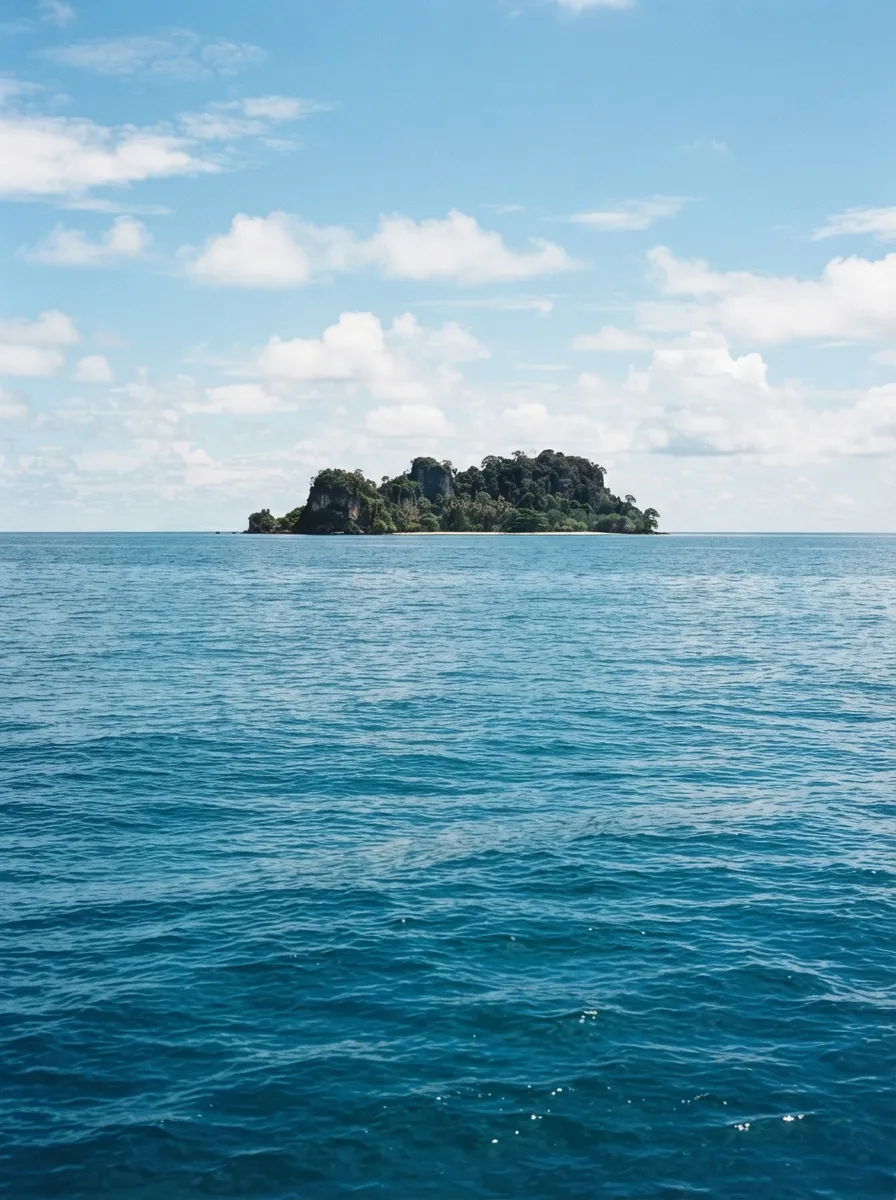
Perhaps the most interesting thing about North Sentinel Island is not what lies there; it is what we cannot know. Modern travel has made enormous parts of Earth searchable, photographable and bookable.
Want to see the Scottish Highlands? You can plan a route using this Scottish Highlands guide.
Want to experience New England wilderness and coastline? Start with this complete Maine travel guide.
Want to photograph Washington in spring? Use this cherry blossom festival guide.
North Sentinel offers none of that.
There is no reservation page.No TripAdvisor ranking. No sunset tour. No “10 Secret Spots Locals Don’t Want You to Know.” And perhaps that is exactly why the island occupies such an enormous space in the global imagination.
Frequently Asked Questions About North Sentinel Island
Where is North Sentinel Island?
North Sentinel Island is part of India’s Andaman and Nicobar Islands in the Bay of Bengal.
Can tourists visit North Sentinel Island?
No. The island is a protected tribal reserve and entry by outsiders, including tourists and foreigners, is prohibited.
How close can tourists get?
The protected reserve includes coastal waters extending 5 kilometers from the high-water mark, so tourists should not attempt to approach the island.
Who lives on North Sentinel Island?
The island is inhabited by the Sentinelese, an Indigenous community that has maintained substantial isolation from outside society.
How many Sentinelese are there?
The current population is unknown. Precise estimates are impossible without intrusive contact.
Why can’t people visit?
The restrictions protect the Sentinelese from disease and unwanted intrusion while also protecting outsiders from potentially deadly encounters.
Is North Sentinel Island dangerous?
Unauthorized approaches are dangerous because the Sentinelese have repeatedly defended their territory. The appropriate response is to respect the exclusion zone.
Are the Sentinelese hostile?
“Hostile” oversimplifies the situation. They have repeatedly resisted outsiders entering their protected homeland.
What happened to John Allen Chau?
The American missionary illegally attempted to contact the Sentinelese in 2018 and was killed. Indian authorities subsequently investigated people involved in facilitating his journey.
Can you fly over North Sentinel Island?
Tourists should not attempt aerial sightseeing, drone operations or other methods designed to circumvent the purpose of the protected reserve. Aviation and photography restrictions may also apply in protected and restricted areas.
Can you see North Sentinel Island from another island?
Its geographic location is known, but travelers should not organize excursions intended to approach or observe the Sentinelese. Visit legally accessible Andaman destinations instead.
Are there hotels on North Sentinel Island?
No.
Are there restaurants?
No tourist restaurants or other tourism infrastructure exist.
Are there North Sentinel Island tours?
There are no legitimate tourist tours that legally take visitors onto the island or inside its protected coastal reserve.
Can journalists or researchers visit?
Access is tightly controlled by Indian authorities. Ordinary travelers should not assume professional status creates permission to enter.
What language do the Sentinelese speak?
Their language has not been sufficiently documented for outsiders to understand it reliably.
Do the Sentinelese know about modern civilization?
They have encountered boats, helicopters, ships and outsiders, so they clearly know people exist beyond their island. Their understanding of wider global society is unknown.
Can foreigners visit other Andaman Islands?
Yes, foreigners can visit approved parts of the Andaman Islands subject to India’s current visa, immigration and restricted-area requirements. Tribal reserves remain excluded.
Will North Sentinel Island ever become a tourist destination?
There is no reason travelers should expect or advocate for that. Maintaining the Sentinelese people’s autonomy and safety is far more important than creating another destination.
Conclusion: The Most Important Thing About North Sentinel Island Is Leaving It Alone
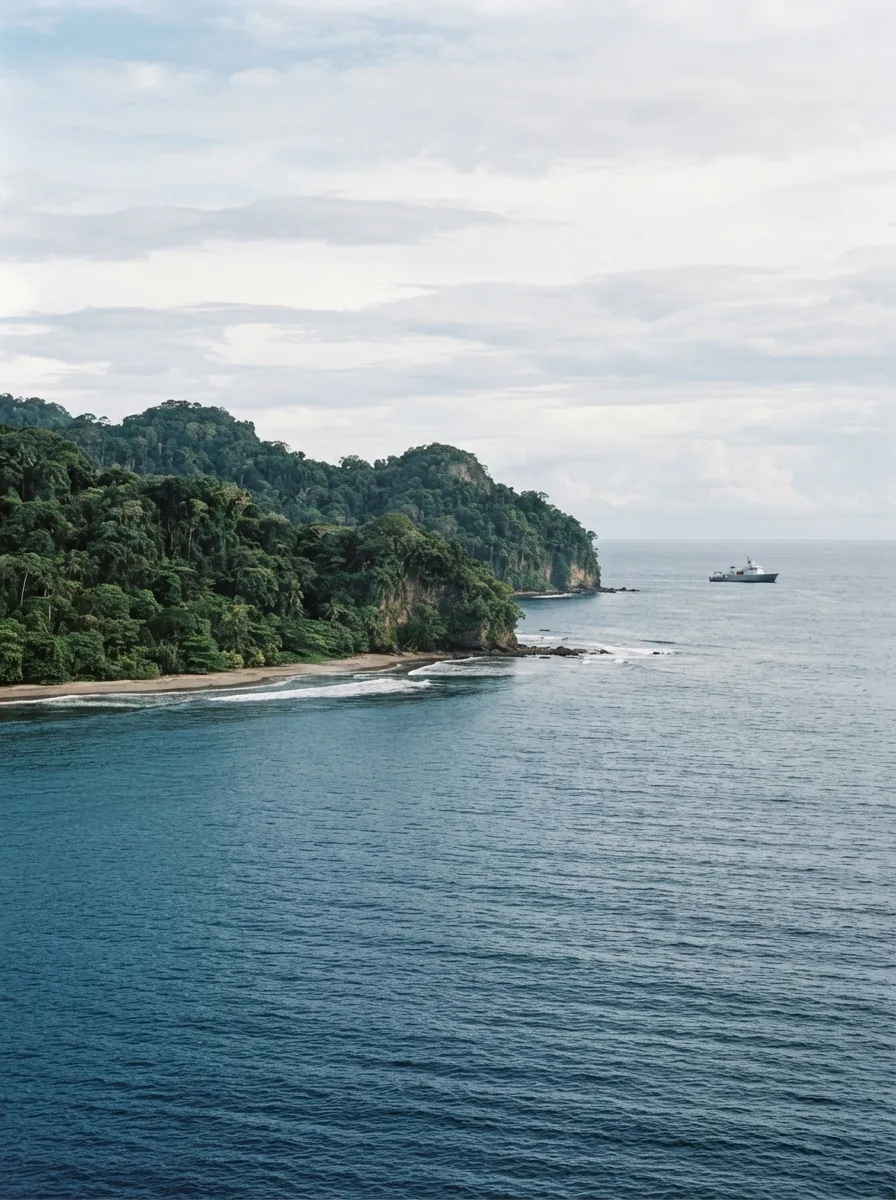
North Sentinel Island challenges one of modern travel’s strangest assumptions: that every beautiful or mysterious place should eventually become somewhere we can visit.
It shouldn’t.
The island belongs to the Sentinelese.
They have repeatedly resisted sustained outside contact, and Indian law protects their territory by prohibiting outsiders from entering North Sentinel Island and the surrounding five-kilometer coastal reserve.
Those protections are not an obstacle waiting for a determined traveler to overcome. They are the point.
There are thousands of extraordinary islands where visitors are welcomed. The wider Andaman region itself offers beaches, forests, diving and marine adventures in areas where tourism is legally established.
Choose those.
North Sentinel Island can remain what very few places on Earth still are: a place whose inhabitants get to exist without becoming somebody else’s bucket-list experience.