Things to Do in Manchester, England: The Complete 2026–27 City Guide
Most American itineraries treat Manchester as a footnote — a stadium tour bolted onto a London trip, or a connecting-flight city you never actually leave the airport in. That’s a mistake. Manchester is the city that industrialized the modern world, invented the football culture two Premier League giants still export globally, and produced more influential bands per square mile than almost anywhere in Britain, from Joy Division and The Smiths to Oasis. It’s also, by British standards, refreshingly easy to navigate: a compact city center, a tram system that actually makes sense, and a rare density of world-class free museums packed into a walkable core.
This guide covers things to do in Manchester for travelers planning a trip for the rest of 2026 or into 2027, with an emphasis on what’s actually bookable right now rather than vague seasonal advice. Manchester rewards a specific kind of planning: its football tours close on home matchdays without much warning, its most famous annual event — the Christmas Markets — hasn’t had 2026 dates confirmed as of this writing, and its weather is genuinely unpredictable enough that “check before you go” isn’t a cliché here; it’s a packing strategy.
Whether you’re coming for the football pilgrimage to Old Trafford or the Etihad, the music history that runs through the Northern Quarter, or simply because it’s one of the best-value city breaks in the UK, Manchester delivers more depth than its reputation suggests. It’s rainier than London on average and less polished at the edges, and that’s part of the appeal — this is a working city that happens to have extraordinary museums, not a museum city playing at being a working one.
One practical note before you start planning: Manchester is genuinely a year-round destination, unlike beach or hiking-focused trips elsewhere in this guide series. Its museums, football tours and music venues run indoors and on schedule regardless of season, which makes it one of the more forgiving cities to book on short notice — the main variables are what’s happening (a match, a market, a festival) rather than whether the city itself is “in season.”
Recommended Travel Items for Your Trip
AT A GLANCE: MANCHESTER, ENGLAND
- Best overall time to visit: May through September for weather; November through December for Christmas Markets
- Best city for football fans: Manchester, hands down — home to both Manchester United and Manchester City
- Best neighborhood base: Northern Quarter or City Centre/Deansgate
- Best for families: City Centre, near the Science and Industry Museum and National Football Museum
- Best budget choice: Manchester’s museums — most major ones are free
- Typical stadium tour length: 70–90 minutes
- Best station: Manchester Piccadilly, for arrivals from London and connections across the North
- Ideal trip length: 3–4 days for the city; 5–7 days with day trips to the Peak District or North Wales
Manchester at a Glance: Where to Focus Your Time
Manchester’s city center is compact enough to cover mostly on foot, but each neighborhood has a distinct character worth knowing before you book a hotel.
| Area | Best For | Best Upcoming Time | Suggested Stay | Main Consideration |
| Northern Quarter | Street art, indie shops, nightlife | Year-round | 2–3 nights | Can be loud on weekend nights |
| City Centre / Deansgate | Museums, shopping, central transport hub | Year-round | 2–4 nights | Busiest and priciest hotel zone |
| Castlefield | Canals, industrial history, quieter pace | Apr–Oct | 1–2 nights | Fewer late-night dining options |
| Ancoats | Restaurants, canal-side bars | Year-round | 1–2 nights | Limited budget hotel stock |
| Salford Quays / MediaCityUK | Imperial War Museum North, modern waterfront | Year-round | 1 night | 20-minute tram ride from city centre |
Why Manchester Deserves More Than a Day Trip from London
Manchester sits roughly two hours from London by direct train, which is exactly why so many visitors compress it into a single rushed day. That’s enough time for one stadium tour and not much else. Give it three days and a different city opens up: a Victorian Gothic library that rivals anything in Oxford, an art gallery collection punching well above what a city this size usually holds, and a canal network from the original Industrial Revolution that’s now lined with some of the best restaurants in the North of England. Manchester isn’t trying to be London in miniature — it has its own identity, built on manufacturing history, music and football, and that identity is what makes it worth the extra nights.
When to Visit Manchester: Weather, Seasons and Events
Late 2026: What’s Left on the Calendar
From late August through December 2026, Manchester moves through its most changeable stretch of weather — mild, often wet early autumn giving way to a cold, frequently gray winter. Average highs run in the mid-60s Fahrenheit in September, dropping into the low 40s by December. Rain is a near-constant possibility in any month, so this isn’t a season defined by sunshine so much as by events: autumn brings a full calendar of Premier League fixtures at both Old Trafford and the Etihad, and the city’s beloved Christmas Markets typically launch in early-to-mid November and run into late December or early January.
Manchester Christmas Markets 2026
As of this writing, official 2026 dates for the Manchester Christmas Markets had not yet been confirmed by the city — historically, dates are announced only a few months ahead, typically around August. Based on recent years’ patterns, expect the main markets across Albert Square, Cathedral Gardens, St Ann’s Square, Exchange Square, King Street and Piccadilly Gardens to run from early-to-mid November through late December, with Cathedral Gardens and Albert Square’s ice rink often extending into early January. Check the official Visit Manchester and Manchester City Council sites closer to your travel dates for confirmed opening days.
If your travel style leans toward warmer, food-market-driven city breaks the rest of the year, this guide to the ultimate Belize bucket list is worth bookmarking for when you’re ready to trade mulled wine for something a little more tropical.
2027: Planning Ahead
Spring 2027 (April–May) is an underrated window — daylight hours stretch out, temperatures climb into the comfortable 50s and 60s, and the football season’s closing stretch tends to bring extra energy to the city. Summer 2027 (June–August) offers Manchester’s warmest, driest stretch, with highs typically in the upper 60s to low 70s — still a light-jacket climate by American standards, but the best odds for dry days if you’re planning canal walks or day trips to the Peak District.
WEATHER WARNING
Manchester’s reputation for rain is earned — the city sees precipitation on close to half the days in a typical year, and it rarely announces itself with a full-day downpour. Expect short, unpredictable showers even on days that start sunny. A packable rain jacket does more work here than an umbrella, especially on windy days around Deansgate and the canal paths.
Manchester Neighborhoods to Know
Northern Quarter
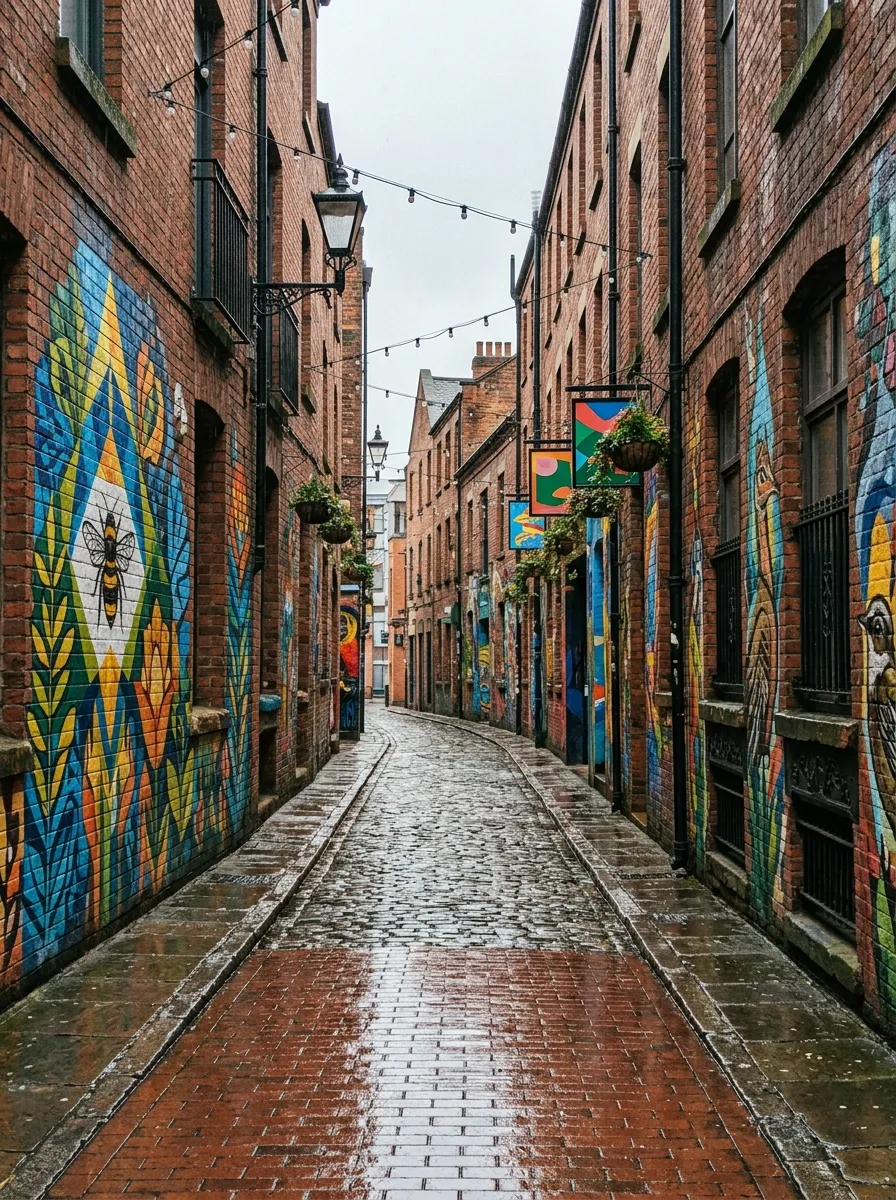
Manchester’s arts-and-independents district, packed with street art, vintage shops, record stores and a nightlife scene that runs from craft beer bars to late-night clubs. It’s also the neighborhood most tied to the city’s music heritage — walking tours through here trace the streets that shaped bands from Joy Division to Oasis.
City Centre and Deansgate
The commercial and transport core, home to Manchester Cathedral, the John Rylands Library, the main shopping streets and the highest concentration of hotels. Deansgate specifically has become a dining and cocktail-bar destination in its own right in recent years.
Castlefield
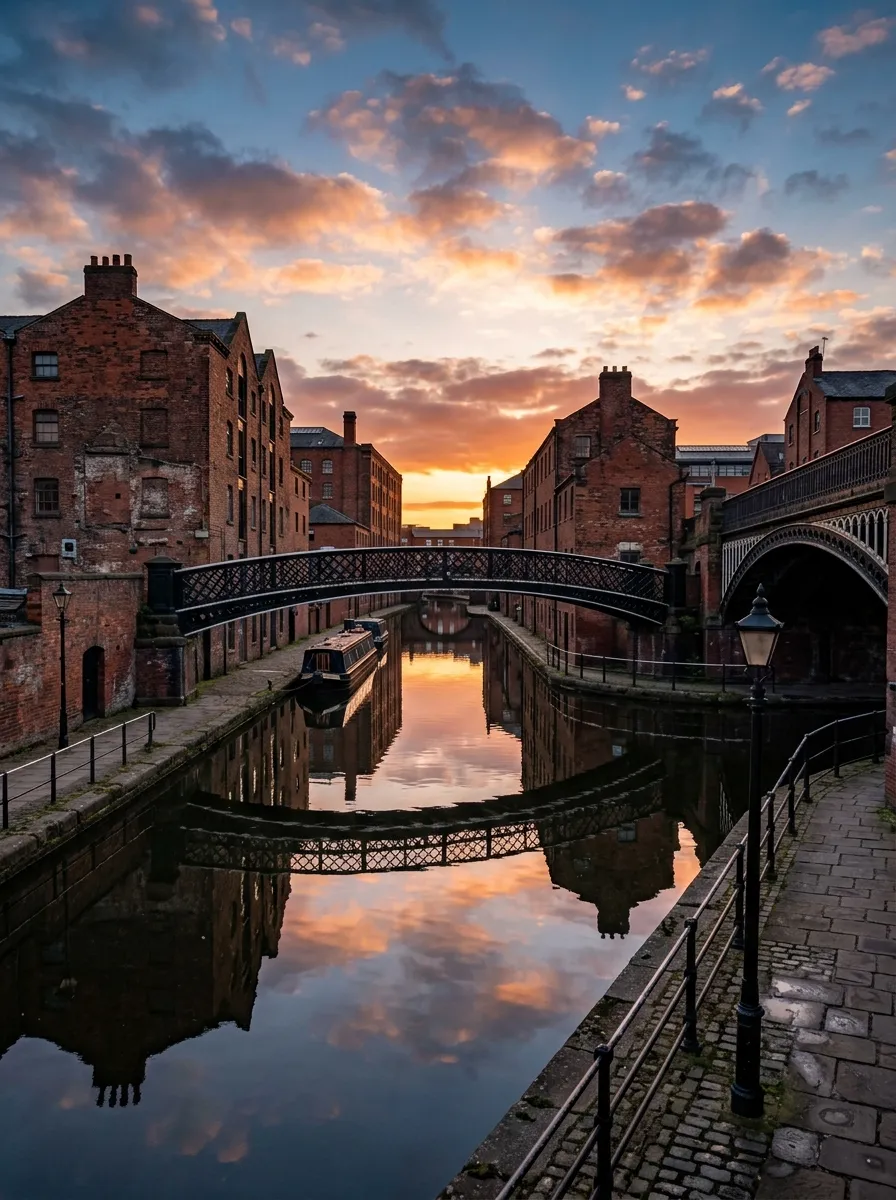
Manchester’s original Roman-era settlement site, now a quieter canal-side neighborhood with restored Victorian ironwork, waterside pubs and some of the city’s best photo spots. It connects on foot to both the city centre and the Science and Industry Museum.
Ancoats
Once the world’s first industrialized suburb, Ancoats has been reborn as one of Manchester’s best restaurant neighborhoods, with converted mill buildings now housing some of the city’s most talked-about kitchens.
Salford Quays and MediaCityUK
Roughly 20 minutes from the city centre by tram, this modern waterfront redevelopment is home to the BBC’s northern headquarters, the Imperial War Museum North and the Lowry arts centre — worth a half-day even though it feels architecturally like a different city entirely.
Old Trafford: Manchester United Museum and Stadium Tour
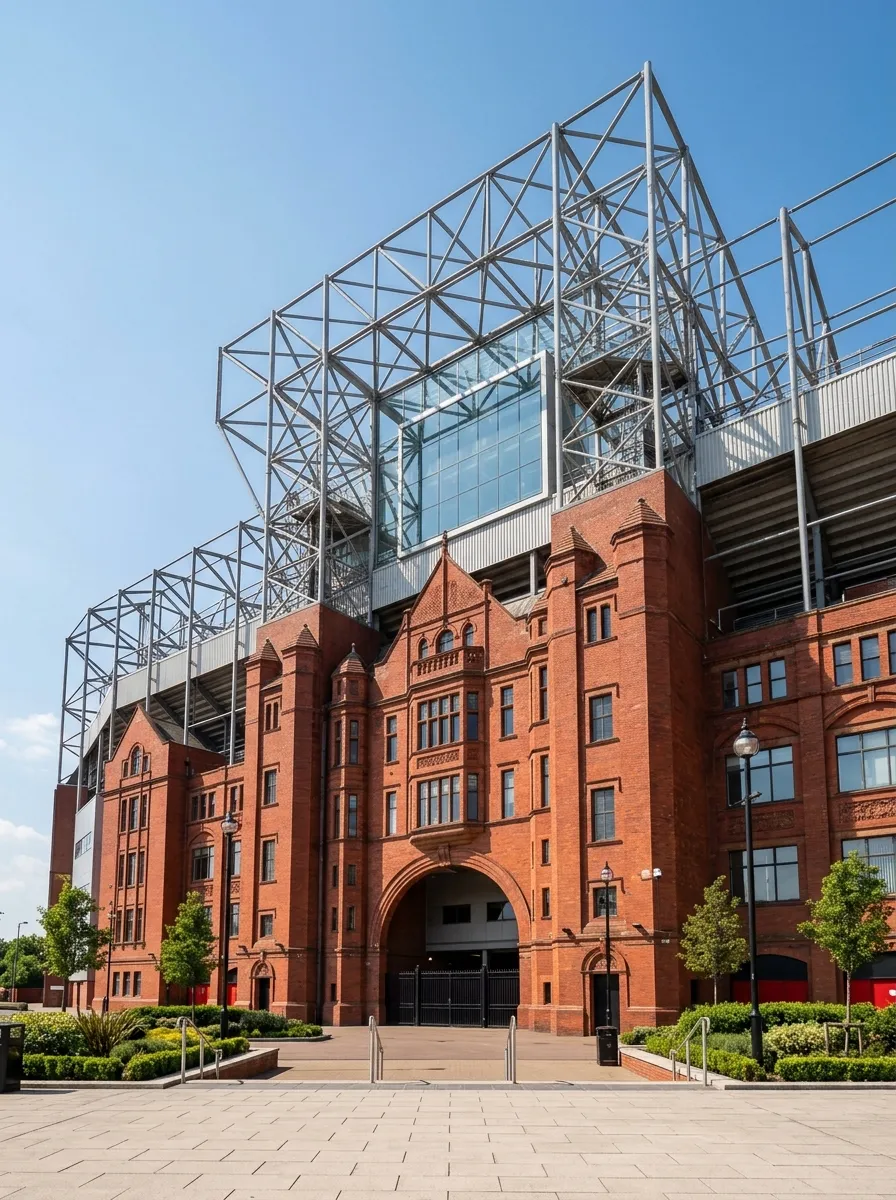
Old Trafford is the largest club football stadium in the United Kingdom and one of the most recognizable sporting venues in the world, and the tour and museum experience here is genuinely worth the ticket price even for a lukewarm fan. The standard tour runs about 70 minutes and includes the players’ tunnel, home and away dressing rooms, the dugouts and pitchside access, followed by self-guided time in the three-level museum, which holds more than 1,000 exhibits including the trophy room, the Munich Room and a full history of the club’s kits and matches. Adult tickets run around £28–29 off-peak, rising to roughly £39 during peak periods, with family and child pricing available; official members get discounts up to 50%.
BOOKING TIP
Old Trafford’s tour and museum are closed on Manchester United home matchdays, and hours run 9:30 a.m.–4 p.m. Sunday through Thursday and 9:30 a.m.–5 p.m. Friday and Saturday. Book online in advance and double-check the fixture list before choosing your date — arriving to a closed tour on matchday is one of the most common visitor mistakes.
Note also that Old Trafford is set for a major rebuild later in the decade, with club plans pointing toward an eventual 100,000-seat successor stadium; if walking through the original, century-old ground built by Sir Matt Busby and Sir Alex Ferguson’s era matters to you specifically, that’s a reason to prioritize a visit in the next few years rather than pushing it indefinitely.
Etihad Stadium: Manchester City Tour
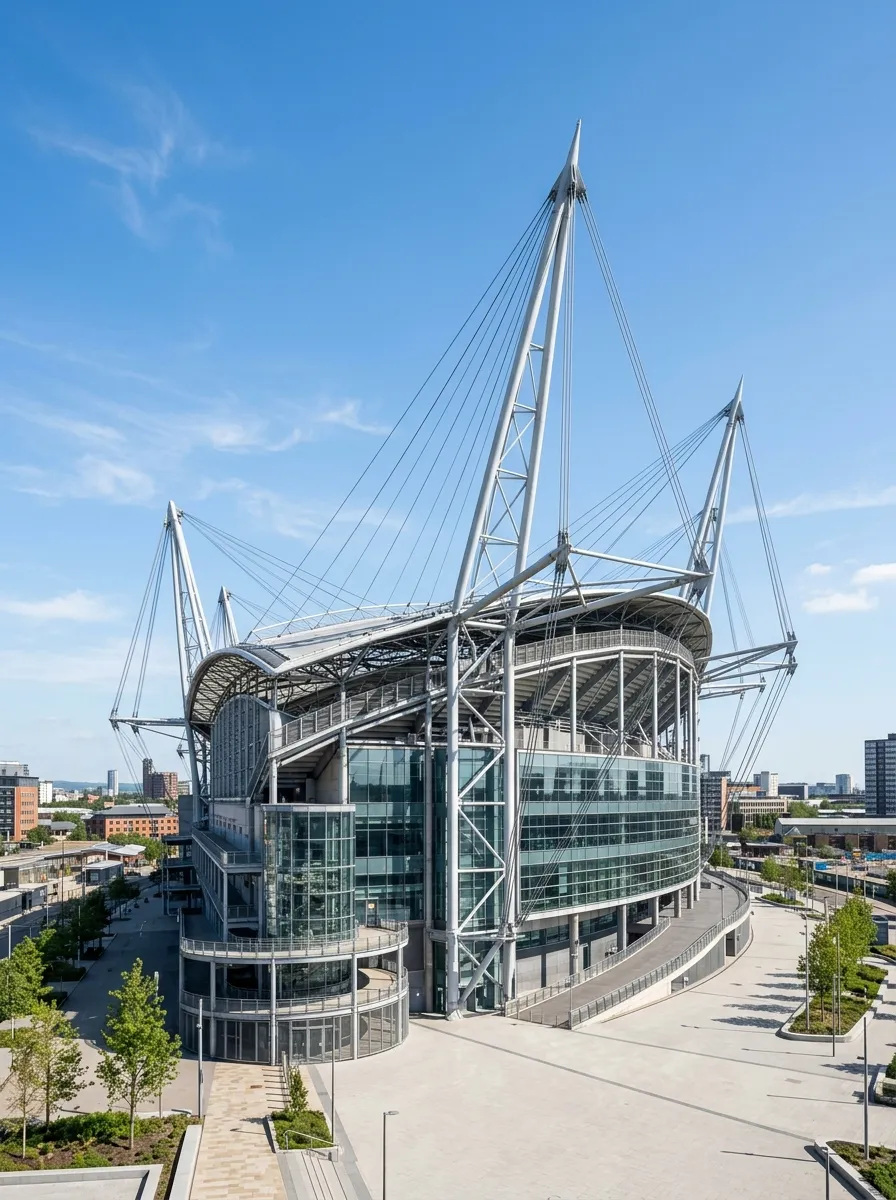
Across town, the Etihad Stadium offers its own behind-the-scenes tour of Manchester City’s home ground, covering the players’ tunnel, dressing rooms, dugouts and press conference room, plus access to the on-site City Football Museum. The standard stadium tour runs about 75–90 minutes and starts around £20–45 depending on tour type, with premium options including a VIP 120-minute tour and a “Walk With a Legend” experience featuring a former player. As with Old Trafford, tours are restricted or unavailable on Manchester City home matchdays, so check the fixture calendar before booking.
National Football Museum
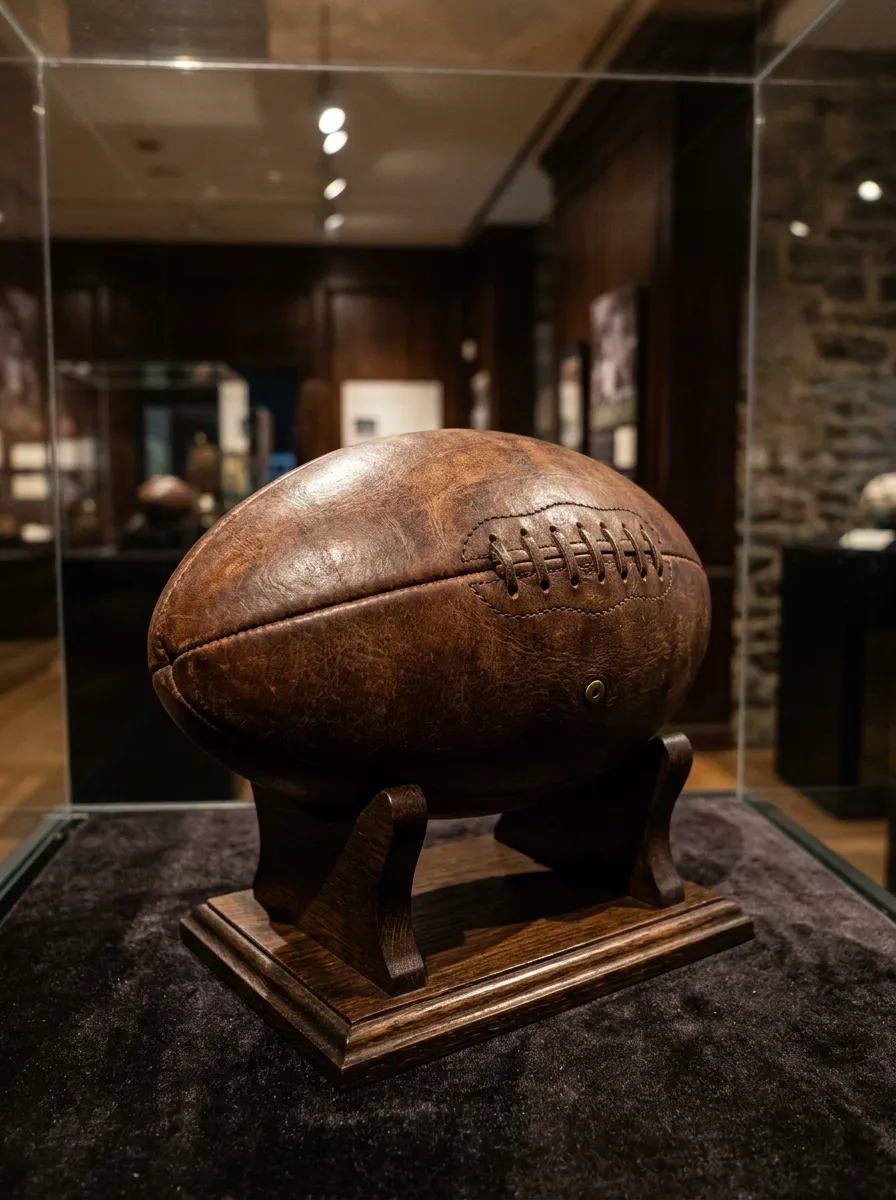
For visitors who want football history without picking a side, the National Football Museum in the city centre covers the sport’s full 150-year story in England, from its Victorian origins to the modern Premier League era, with interactive exhibits that work well for both die-hard fans and casual visitors. General admission runs roughly £20, and it pairs naturally with a Northern Quarter afternoon given its central location.
John Rylands Library
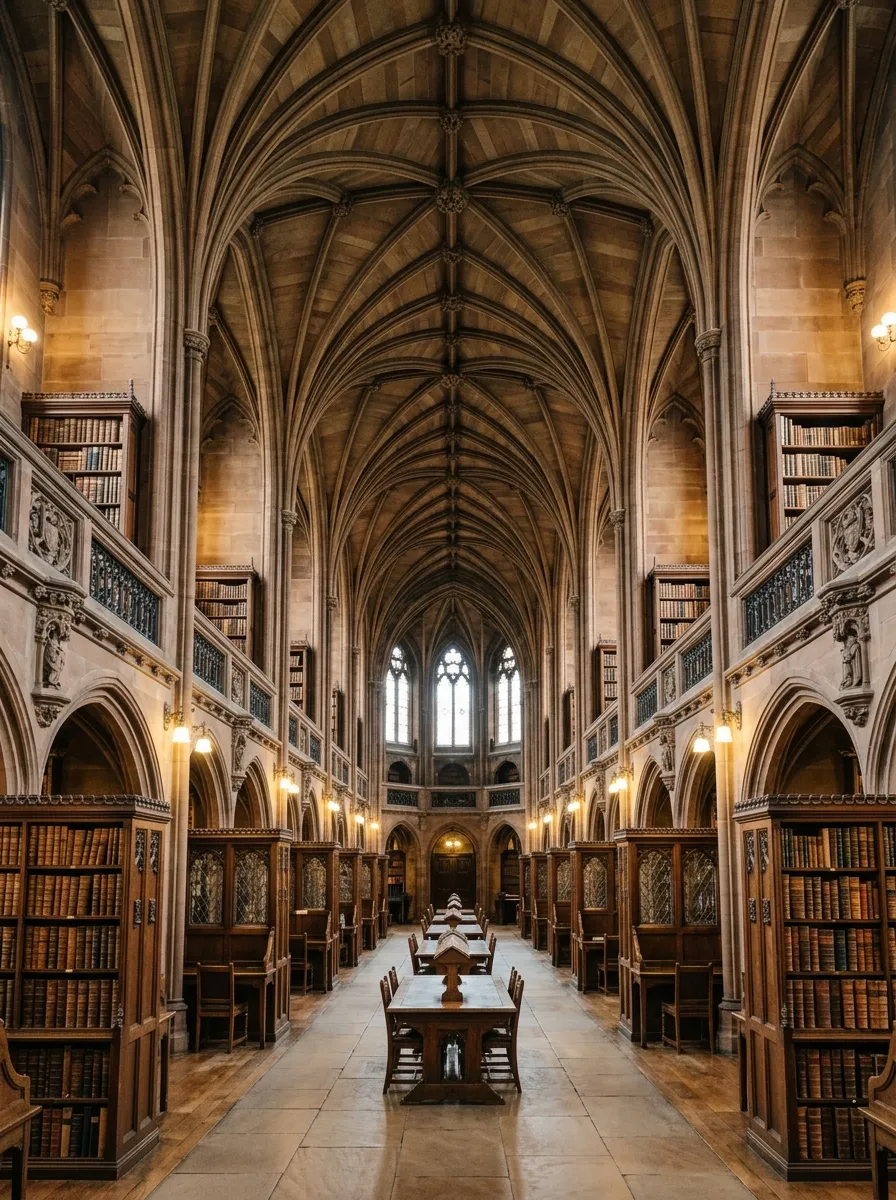
Widely considered one of the most beautiful libraries in the world, the John Rylands Library on Deansgate is a Victorian neo-Gothic landmark built in 1900, with a vaulted entryway, ornate reading rooms and a rotating collection that includes rare manuscripts and one of the world’s earliest known fragments of the New Testament. Entry is free, and the building alone — regardless of what’s on display — justifies a stop.
Science and Industry Museum
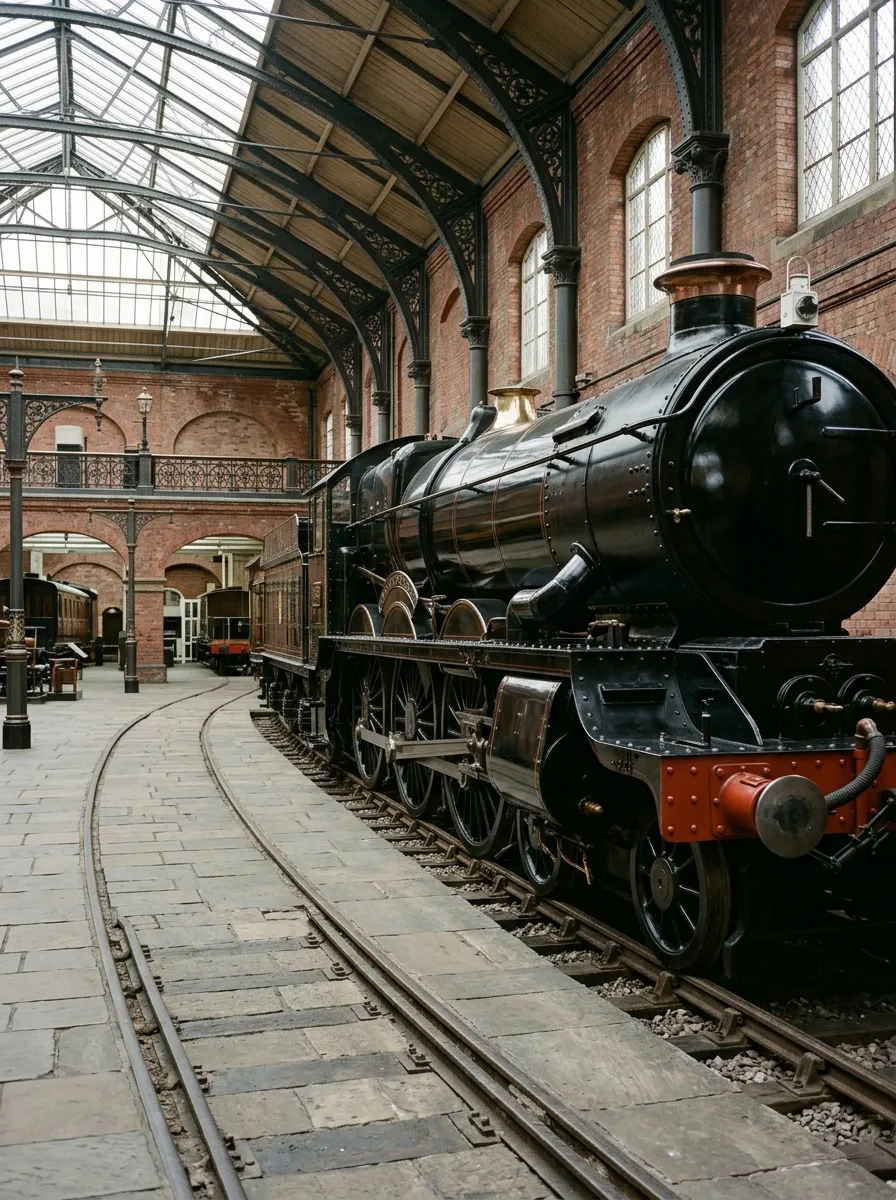
Housed partly in the world’s oldest surviving passenger railway station, the Museum of Science and Industry traces Manchester’s role as the birthplace of the Industrial Revolution, with steam engines, historic locomotives and hands-on exhibits that work well for families. Admission to the main galleries is free, with some special exhibitions ticketed separately.
Manchester Art Gallery and The Whitworth

Manchester punches well above its weight for a city its size when it comes to art. Manchester Art Gallery, in a neoclassical building on Mosley Street, holds a strong Pre-Raphaelite collection alongside a contemporary program, while The Whitworth, set inside Whitworth Park a short tram ride from the centre, focuses on modern and contemporary work with a well-regarded café attached. Both offer free general admission.
Manchester Cathedral
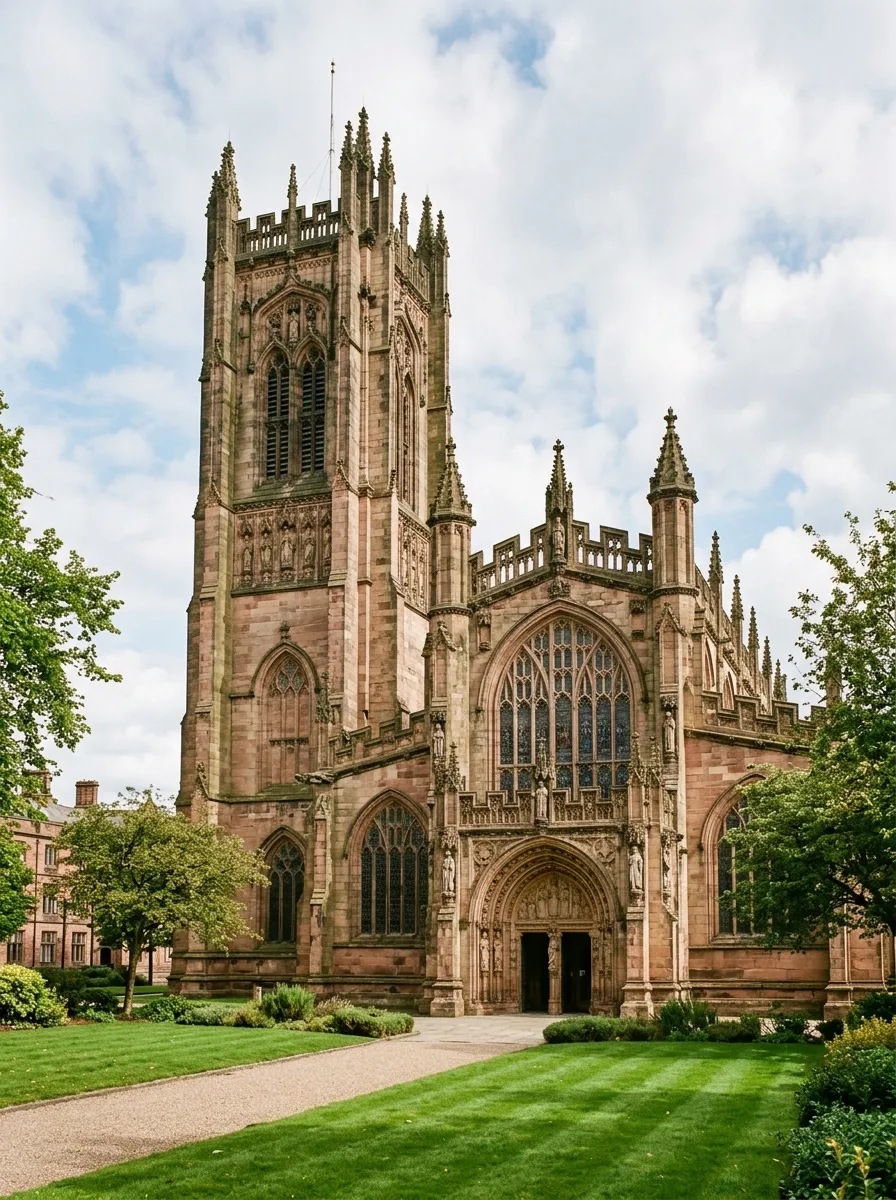
A Grade I listed building with origins dating back to 1421, Manchester Cathedral blends English Gothic architecture with later Victorian and post-WWII restoration work. It’s a quieter, contemplative counterpoint to the football-and-music energy that defines most of a Manchester visit, and it sits directly on the edge of the city centre.
Northern Quarter Street Art and Independent Shops
Beyond its role as a neighborhood base, the Northern Quarter deserves dedicated exploration time: multi-story murals covering entire building facades, independent record shops still selling vinyl to a city that helped define British music culture, and a concentration of vintage clothing stores and café-bars that reward slow wandering more than a checklist approach. Guided walking tours focused specifically on Manchester’s music heritage — tracing the streets and venues connected to Joy Division, The Smiths and Oasis — run regularly through this district.
Castlefield and the Industrial Canals
Manchester’s canal network, built to move raw cotton and coal during the Industrial Revolution, is now one of the most pleasant places in the city for an unhurried walk, especially through Castlefield’s restored Victorian ironwork and waterside pubs. Canal boat cruises run from here along the Ship Canal and the River Irwell, offering a different angle on the city’s industrial history than the museums provide on foot.
Imperial War Museum North
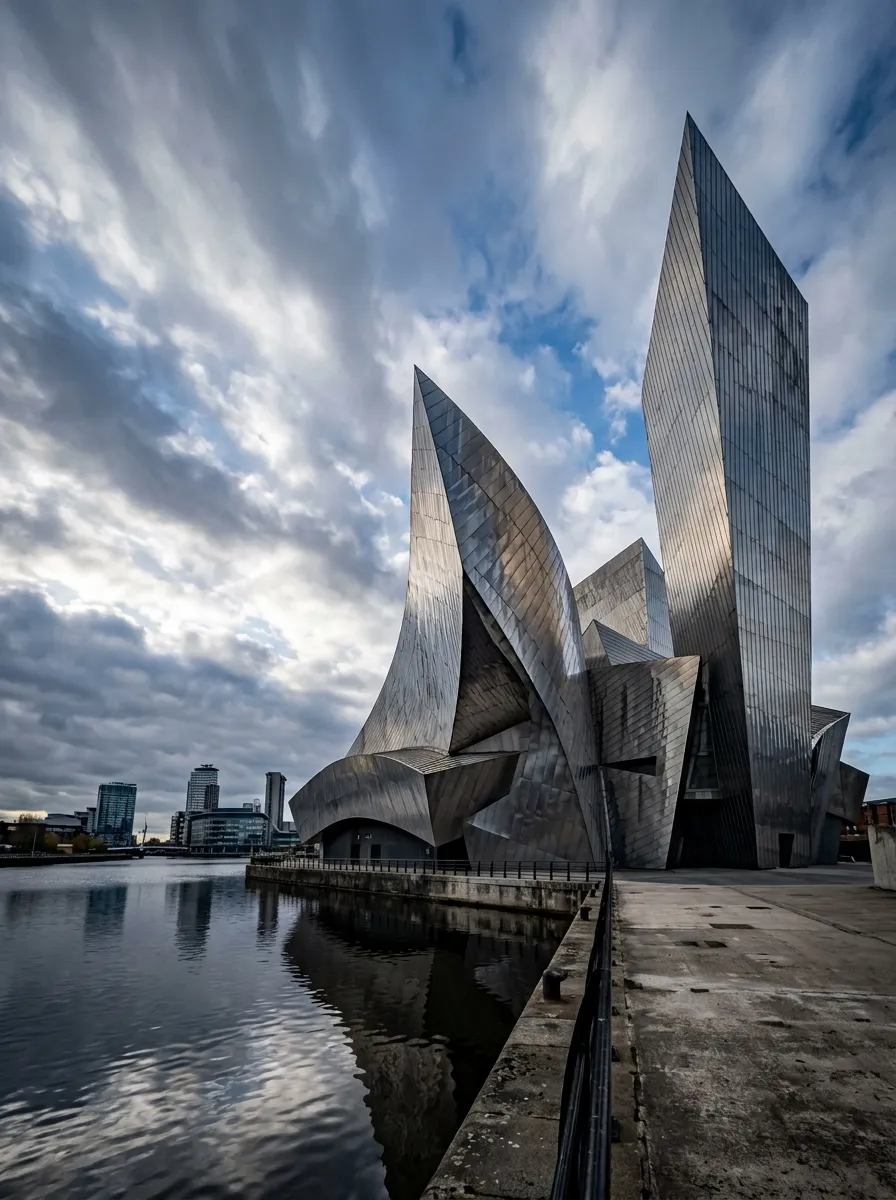
Designed by architect Daniel Libeskind to resemble a globe shattered into shards, the Imperial War Museum North in Salford Quays is one of five Imperial War Museum branches in England and covers the major conflicts of the 20th and 21st centuries through a distinctive, disorienting building that’s as much a reason to visit as the exhibits themselves. Admission is free.
Coronation Street Experience
For fans of Britain’s longest-running soap opera, a guided tour of the Coronation Street set offers a walk through the actual working production location, with insight into how the show is filmed. It’s a niche pick, but a genuinely popular one among UK and international visitors alike, running about 90 minutes.
Music Heritage: Manchester’s Sound

Few cities this size have shaped global music culture as heavily as Manchester, home to the “Madchester” scene of the late 1980s and early ’90s, plus Joy Division, The Smiths and Oasis. Dedicated walking tours cover the neighborhoods, former venues and recording studios tied to this history, and several are specifically built around individual bands — an Oasis-focused walk is a particularly popular current option. The Northern Quarter’s record shops and live venues remain the best places to feel a living version of that scene rather than just its history.
Salford Quays and MediaCityUK
Beyond the Imperial War Museum North, Salford Quays is worth a half-day for its modern waterfront architecture, the Lowry arts and theatre complex, and MediaCityUK, home to BBC and ITV production studios. It’s a useful contrast to the Victorian core of the city centre — Manchester’s industrial past and broadcast-era present sitting a short tram ride apart.
Chinatown Manchester
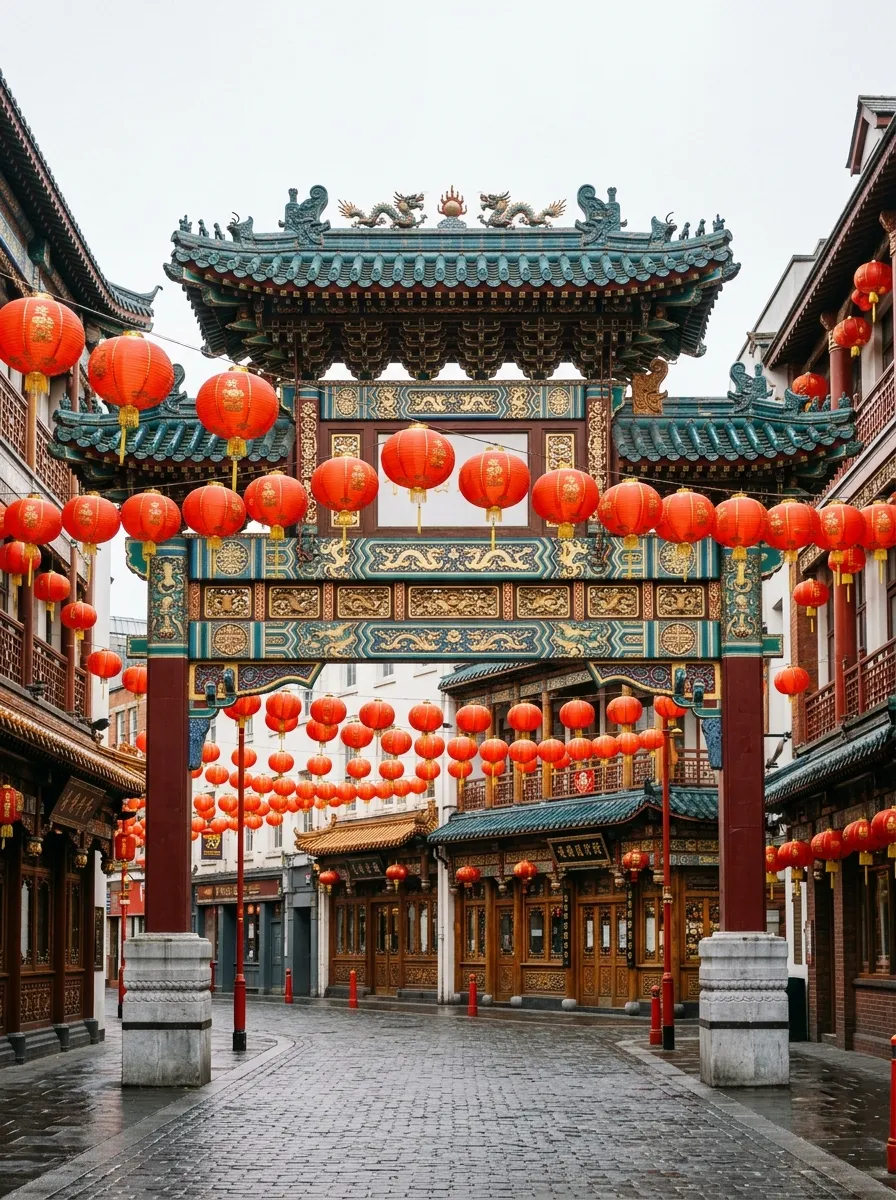
The second-largest Chinatown in the UK and third-largest in Europe sits right in the city centre, anchored by an ornate ceremonial arch and a dense concentration of restaurants spanning Cantonese, Sichuan and broader East and Southeast Asian cuisine. It’s a strong dinner stop after a day of museum-hopping in the core.
Day Trips from Manchester
The Peak District
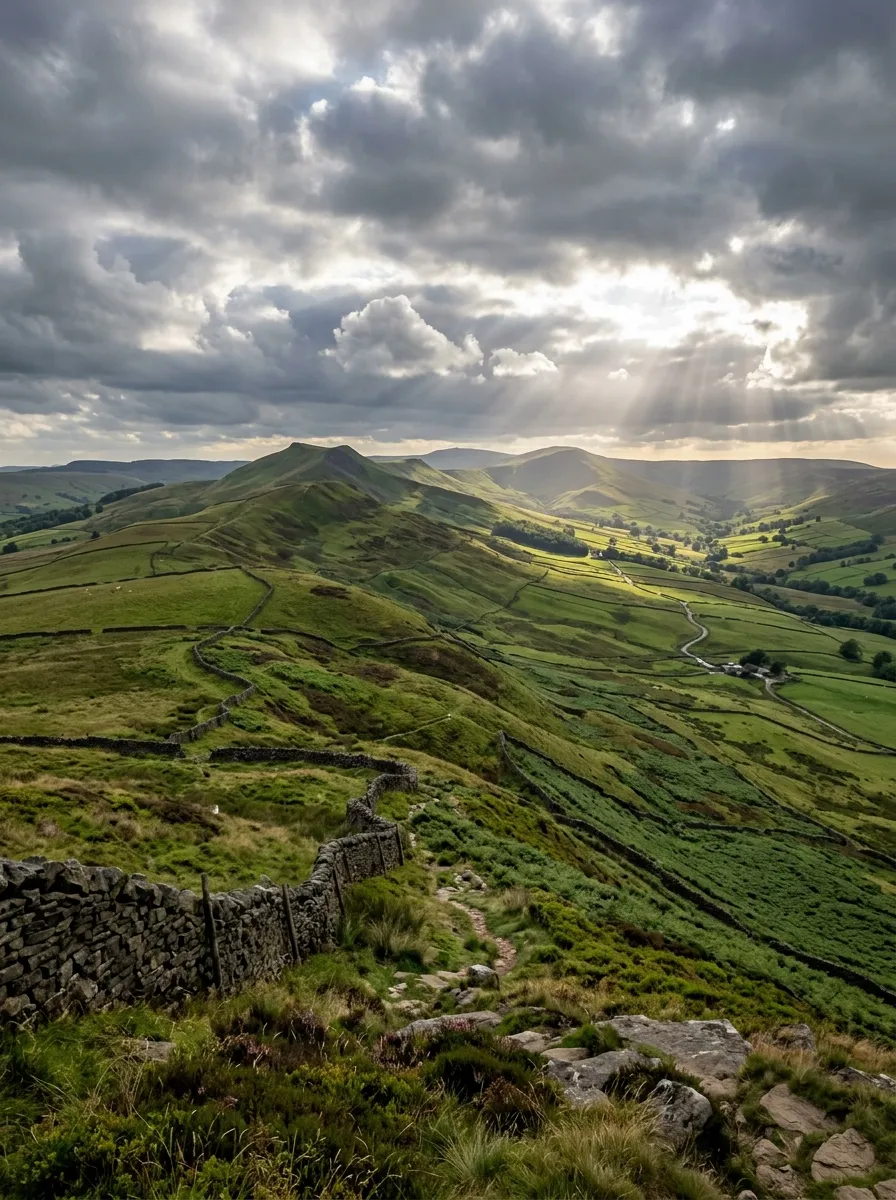
England’s first national park, established in 1951, sits under an hour from central Manchester and offers everything from gentle valley walks to serious hill-walking terrain, including the start of the Pennine Way. It’s the most accessible genuine countryside escape from the city and works well as a half-day or full-day trip depending on how far into the park you go.
If dramatic hiking terrain is what draws you to a destination, the Peak District’s rolling hills are a gentler cousin to something far more vertical — this list of jaw-dropping Switzerland hiking trails is worth saving for when you’re ready to scale up the ambition on a future trip.
Chester and North Wales
Guided day tours run from Manchester into Chester’s Roman and medieval old town and onward into North Wales, taking in Conwy Castle, Snowdonia’s mountain scenery and the Pontcysyllte Aqueduct, a UNESCO World Heritage Site carrying a canal high above the River Dee valley. This is a full-day commitment, typically 10–11 hours door to door.
If castles set against dramatic landscapes are the draw, it’s worth knowing North Wales isn’t the only place that delivers that feeling — these breathtaking, fairytale-worthy places in Portugal offer a similarly striking castle-and-landscape combination for a future European trip.
Liverpool and The Beatles Story
Roughly 45 minutes from Manchester by train, Liverpool makes an easy add-on day trip, particularly for Beatles history — The Beatles Story museum and the Cavern Club district are the main draws, alongside Liverpool’s own distinct waterfront and football culture.
Where to Stay in Manchester
City Centre and Deansgate: The most convenient base for first-time visitors, within walking distance of the John Rylands Library, Manchester Cathedral and the main shopping streets, with the widest range of hotel price points.
Northern Quarter: The best pick for travelers prioritizing nightlife, independent food and a younger, artier atmosphere — expect a livelier, noisier hotel environment on weekend nights.
Castlefield and Ancoats: Slightly quieter, still walkable to the centre, and increasingly the choice for travelers who want strong restaurants without the Northern Quarter’s noise.
How to Get to Manchester and Around the City
By air: Manchester Airport (MAN) is the UK’s third-busiest and the largest outside London, with direct flights from numerous U.S. cities including New York, Boston, Chicago and Atlanta. It connects to the city centre in about 20 minutes via a direct rail link.
By train: Manchester Piccadilly is the main station, with direct services from London (roughly two hours), Liverpool, Leeds and much of the North of England.
By tram: The Metrolink tram network is Manchester’s best transport asset for visitors, connecting the city centre to Salford Quays, the airport and outlying neighborhoods efficiently and affordably — day passes are the simplest option if you’re covering multiple areas in one day.
On foot: The city centre itself, including the Northern Quarter, Deansgate, Castlefield and Chinatown, is compact enough to cover almost entirely on foot.
How Many Days Do You Need in Manchester?
A weekend (two to three days) comfortably covers one stadium tour, the free museum circuit in the city centre, and a Northern Quarter evening. Four to five days lets you add a Peak District day trip and a slower pace through Castlefield and Salford Quays. A full week allows a North Wales or Liverpool add-on without feeling rushed.
Weekend Manchester Itinerary
Day 1: Arrive, John Rylands Library and Manchester Cathedral in the afternoon, Northern Quarter dinner and evening.
Day 2: Morning stadium tour (Old Trafford or the Etihad, depending on allegiance), afternoon at the National Football Museum or Science and Industry Museum, Chinatown dinner.
Day 3: Castlefield canal walk, Manchester Art Gallery or The Whitworth, departure.
If a tightly-packed, single-day-deep-dive city break is more your style, this guide to spending 24 perfect hours in Porto follows a similar compress-the-highlights approach for a European city on a similar scale.
Five-Day Manchester and Peak District Itinerary
Day 1: Arrive, city centre orientation, John Rylands Library, Northern Quarter evening.
Day 2: Old Trafford tour and museum, afternoon at the National Football Museum.
Day 3: Etihad Stadium tour, Castlefield canal walk, Ancoats dinner.
Day 4: Full-day Peak District trip — hiking, valley villages, return by early evening.
Day 5: Salford Quays and Imperial War Museum North in the morning, Manchester Art Gallery or The Whitworth in the afternoon, departure.
Budget Travel in Manchester
Manchester is one of the better-value major UK cities for budget-conscious travelers, largely because its best museums — the Science and Industry Museum, Manchester Art Gallery, The Whitworth, the John Rylands Library and the Imperial War Museum North — are all free general admission. The Metrolink tram and walkable city centre keep transport costs low, and the biggest expenses are typically the football stadium tours and match tickets, which are worth budgeting for specifically rather than assuming they’re covered by a general sightseeing budget.
Stretching a travel budget is a mindset that pays off well beyond one trip — for a completely different kind of value-focused getaway, this seven-day Jamaica itinerary is worth keeping in your back pocket for a future beach-and-waterfall escape.
Family Travel in Manchester
Manchester works well for families thanks to the Science and Industry Museum’s hands-on exhibits, the National Football Museum’s interactive displays, and SEA LIFE Manchester for younger children. Stadium tours at both Old Trafford and the Etihad also run family ticket pricing and tend to hold younger visitors’ attention better than a standard museum, given the tunnel-and-dugout format.
Solo Travel and Couples in Manchester
Solo travelers benefit from Manchester’s walkable core, reliable tram network and a genuinely social pub and café culture that makes eating alone easy rather than awkward. Couples looking for a quieter, more romantic pace should lean toward Castlefield’s canal-side restaurants over the Northern Quarter’s louder nightlife scene.
Safety and Practical Tips
Manchester is a major city and standard urban precautions apply — stay alert around Piccadilly Gardens and busy nightlife areas late at night, and keep valuables secure on trams and in crowded market areas during the Christmas season. Weather is the more constant practical concern: check the forecast daily rather than trusting a single morning check, since conditions shift quickly. On matchdays for either club, expect significant crowds and transport delays around Old Trafford and the Etihad Stadium, even if you’re not attending the game.
Manchester Packing Checklist

- [ ] Packable rain jacket (a better investment here than an umbrella)
- [ ] Comfortable walking shoes for cobblestones and canal paths
- [ ] Layers — Manchester’s temperature can shift several degrees within a single day
- [ ] A portable phone charger for long museum and walking days
- [ ] Confirm stadium tour dates against the match fixture calendar before booking
- [ ] Reusable water bottle (tap water is safe and free refill points are common)
- [ ] A day pass or contactless card ready for the Metrolink tram
- [ ] Cash or contactless card for Christmas Market stalls, if visiting in season
Frequently Asked Questions About Visiting Manchester
What is the best time of year to visit Manchester?
May through September offers the driest, warmest weather, while November and December bring the Christmas Markets — both are strong options depending on what you’re prioritizing.
How many days do I need in Manchester?
Three to four days covers the city well; five to seven allows for day trips to the Peak District or North Wales.
Is Manchester walkable?
Yes — the city centre, Northern Quarter, Deansgate and Castlefield are all comfortably covered on foot, with the Metrolink tram handling longer distances like Salford Quays.
Do I need to choose between the Old Trafford and Etihad tours?
Not necessarily — many visitors do both, since they’re on opposite sides of the city and each takes around 90 minutes including museum time. Budget a separate half-day for each.
Are the football stadium tours open every day?
No — both Old Trafford and the Etihad close their tours (or restrict access) on home matchdays for their respective clubs. Always check the fixture list before booking.
Is Manchester expensive?
It’s moderate by UK standards and notably cheaper than London, helped by the fact that most of its best museums are free.
Is Manchester safe for tourists?
Yes, with normal urban precautions — the areas covered in this guide are well-trodden by visitors and generally safe, though standard awareness applies at night around nightlife districts.
When are the Manchester Christmas Markets in 2026?
Official dates hadn’t been confirmed as of this writing; based on recent years, expect an early-to-mid November opening running into late December, with some sites extending into early January. Confirm on the official Visit Manchester site closer to your trip.
Is Manchester good for a rainy-day trip?
Very much so — the city’s best attractions, including the Science and Industry Museum, the John Rylands Library and both major art galleries, are entirely indoors and free.
Can I day-trip to the Peak District without a car?
Yes, guided tours and public transport both run from Manchester into the Peak District, making it accessible without renting a vehicle.
Is Manchester good for solo travelers?
Yes — the compact, walkable centre and reliable tram network make it one of the easier UK cities to navigate alone.
Is Manchester family-friendly?
Yes, with strong hands-on options at the Science and Industry Museum, National Football Museum and SEA LIFE Manchester.
What’s the best neighborhood to stay in?
City Centre or Deansgate for first-time visitors and walkability; the Northern Quarter for nightlife and music culture; Castlefield for a quieter, still-central alternative.
How do I get from Manchester Airport to the city centre?
A direct rail connection runs from the airport to Manchester Piccadilly in about 20 minutes.
Is a Liverpool day trip from Manchester worth it?
Yes — at roughly 45 minutes by train, it’s one of the easiest and most rewarding add-on day trips, especially for Beatles history.
What should I book in advance?
Football stadium tours, especially during peak season and around fixture dates, along with any Christmas Market season hotel if visiting in November or December.
Is the John Rylands Library really free?
Yes, general admission is free, making it one of the best-value stops in the city given the scale of the architecture and collection.
What’s the biggest mistake first-time visitors make?
Booking a stadium tour without checking the home fixture calendar first, and underestimating how often Manchester’s weather can shift within a single day.
Is Manchester good for a music-history trip?
Yes — dedicated walking tours cover the neighborhoods and venues tied to Joy Division, The Smiths, Oasis and the broader “Madchester” scene, concentrated largely around the Northern Quarter.
Does Manchester have a Chinatown?
Yes, the second-largest in the UK, located centrally and dense with restaurant options.
Is Old Trafford or the Etihad the better tour?
Both are strong, well-run tours covering similar ground — tunnel, dressing rooms, dugouts and pitchside access — so the better pick usually comes down to which club you support, though Old Trafford’s larger museum and century-plus history give it a slight edge for neutral visitors.
Final Thoughts on Visiting Manchester
Manchester works because it doesn’t try to be a smaller London — it’s a city with its own industrial, musical and footballing identity, dense enough to cover most of its highlights in three or four days without needing a car. If football is the priority, budget separate half-days for Old Trafford and the Etihad and check the fixture calendar before you book anything. If it’s the free museum circuit and Northern Quarter wandering that appeals more, you can build a genuinely rich few days here without spending much beyond meals and a tram pass.
Weather is the one variable worth planning around rather than fighting — pack for rain regardless of season, and treat any sunny forecast as a bonus rather than a guarantee. Whether you’re timing a visit around the Christmas Markets, a specific match fixture, or simply the best odds of dry weather in summer, things to do in Manchester add up quickly once you look past its reputation as a London day trip. This is a city built on making things — cotton, music, football clubs that now command a global following — and three days here is enough to feel exactly why that history still shapes the place today.