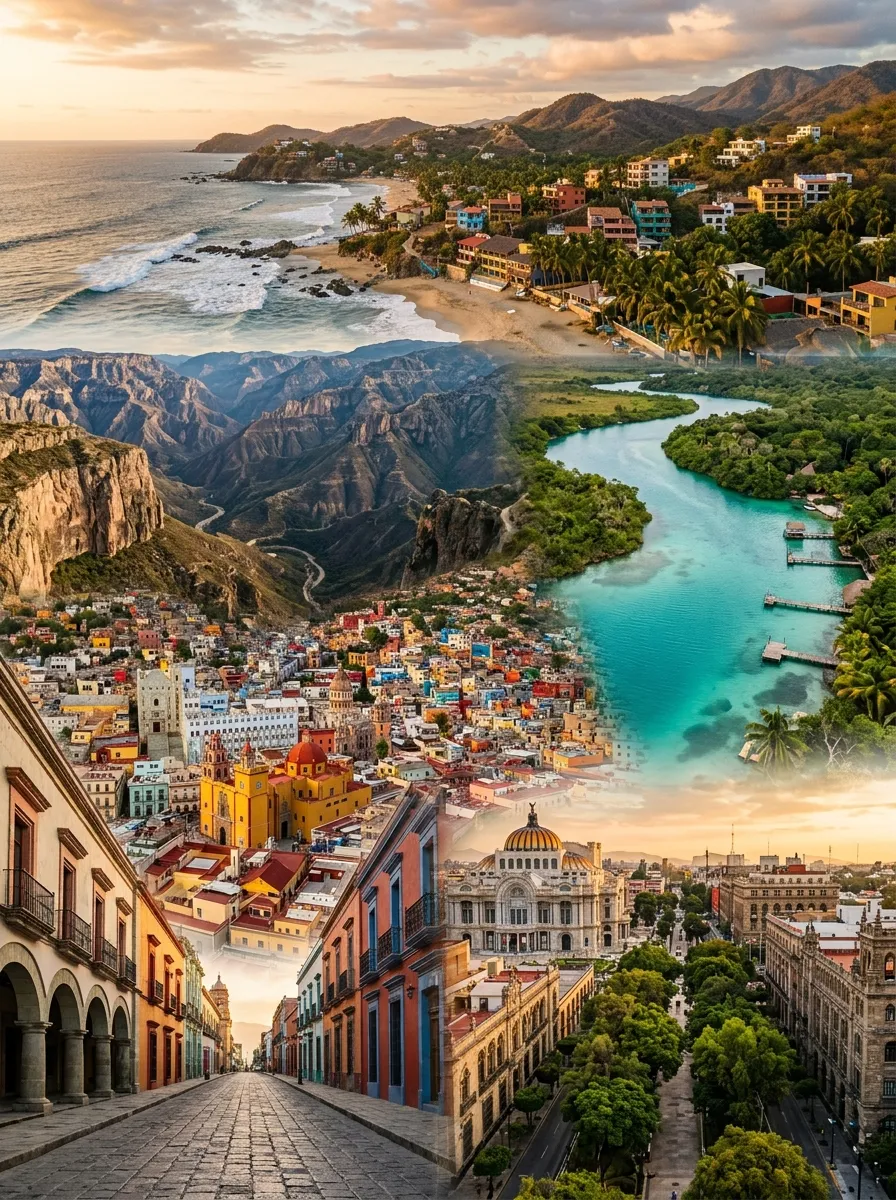
17 Best Mexico Travel Destinations for Culture, Beaches and Adventure in 2026–27
Mexico does not fit neatly into a single vacation category. It can be a food-centered city break, a quiet Caribbean escape, a high-altitude train journey, a road trip through colonial towns, or a week spent moving between Maya ruins and freshwater swimming holes. That range is precisely what makes choosing among the best Mexico travel destinations surprisingly difficult.
Cancún may be the country’s most familiar international gateway, but it represents only one thin ribbon of a vast and geographically complicated nation. Beyond the resort zone, Mexico City unfolds through museums, markets and leafy neighborhoods. Oaxaca combines monumental architecture with one of the country’s strongest culinary identities. Guanajuato hides roads beneath its colorful hills, while Copper Canyon turns the journey itself into the attraction. On the Pacific coast, Puerto Vallarta balances beaches with an established city center, and farther south, Puerto Escondido offers surf culture without pretending the ocean is always gentle.
This guide compares 17 destinations rather than simply declaring them all “must-see.” Some work brilliantly without a car; others require careful transportation planning. Some suit first-time visitors, while others reward travelers who have already completed the classic Mexico route. You will also find honest guidance about heat, hurricanes, altitude, crowds, safety and realistic trip lengths.
For travel during the remainder of 2026, August through October generally brings hotter, wetter conditions to many regions, while November and December provide more comfortable weather in several inland and coastal destinations. For 2027 trips, late winter and spring can be excellent, but popular beach resorts and archaeological sites become crowded around U.S. school breaks and Easter. Exact weather cannot be predicted this far ahead, so use the seasonal guidance below as a planning framework rather than a promise from the clouds.
U.S. travelers should also evaluate safety state by state, not treat Mexico as one uniform risk zone. The U.S. Department of State currently places Mexico overall at Level 2, “Exercise Increased Caution,” but assigns different recommendations and restrictions to individual states. Review the advisory again shortly before departure because conditions and government guidance can change.
Recommended Travel Items for Your Trip
MEXICO DESTINATIONS AT A GLANCE
Best first-time destination: Mexico City
Best cultural destination: Oaxaca City
Best Caribbean water: Bacalar
Best classic beach resort: Cancún and the Riviera Maya
Best Pacific beach city: Puerto Vallarta
Best colorful colonial city: Guanajuato
Best small-city escape: San Miguel de Allende
Best archaeological base: Mérida
Best rail adventure: Copper Canyon
Best surf destination: Puerto Escondido
Best trip length for a first visit: 7–10 days
Best upcoming period in 2026: November to early December for many regions
Best broad period in 2027: February to April, outside major holiday weeks
Mexico Travel Destinations Compared
| Destination | Best For | Best Upcoming Time | Suggested Stay | Main Consideration |
| Mexico City | Museums, food and neighborhoods | October–November 2026; February–April 2027 | 4–6 days | High altitude and heavy traffic |
| Oaxaca City | Food, crafts and culture | October–November 2026; February–March 2027 | 3–5 days | Festival dates bring crowds |
| Guanajuato | Architecture and photography | October–November 2026; February–April 2027 | 2–3 days | Steep streets and stairs |
| San Miguel de Allende | Design, dining and relaxed stays | November 2026; February–April 2027 | 2–4 days | Higher prices than nearby cities |
| Mérida | Yucatán culture and day trips | November–December 2026; January–March 2027 | 3–5 days | Intense heat outside winter |
| Cancún and Riviera Maya | Resorts, beaches and family trips | Late November–early December 2026; February–March 2027 | 4–7 days | Crowds, seaweed and resort pricing |
| Bacalar | Lagoon scenery and slower travel | November 2026–March 2027 | 2–4 days | Fewer urban attractions |
| Puerto Vallarta | Beach plus walkable old town | November–December 2026; February–April 2027 | 4–6 days | Busy winter high season |
| Los Cabos | Resorts, desert scenery and boating | November 2026–April 2027 | 4–6 days | Expensive transport and dining |
| Puerto Escondido | Surf, beaches and casual atmosphere | November 2026–April 2027 | 4–6 days | Strong surf at several beaches |
| Huatulco | Quieter bays and nature | November 2026–March 2027 | 4–6 days | Spread-out resort areas |
| Copper Canyon | Scenic rail travel and hiking | October–November 2026; March–April 2027 | 4–7 days | Long distances and temperature shifts |
| Chiapas | Ruins, waterfalls and landscapes | November 2026–March 2027 | 5–8 days | Road conditions and long transfers |
| Puebla | Food, architecture and easy city break | October–November 2026; February–April 2027 | 2–3 days | Some sights close on Mondays |
| Morelia | Colonial architecture and regional food | October–November 2026; February–April 2027 | 2–4 days | Check current state-level safety advice |
| Isla Holbox | Car-free island atmosphere | November 2026–April 2027 | 3–5 days | Flooded streets and mosquitoes after rain |
| Campeche | Fortifications and a quieter historic center | November 2026–February 2027 | 2–3 days | Hot, humid afternoons |
How to Choose the Right Mexico Destination
The most useful starting point is not “Which Mexican destination is best?” but “What kind of trip am I actually trying to take?”
Choose Mexico City, Oaxaca, Puebla or Mérida when food, museums and architecture matter more than lying beside a pool. Pick Cancún, Los Cabos or Huatulco when convenient resorts and organized excursions are the priority. Consider Bacalar or Isla Holbox for a slower waterfront stay, but expect fewer museums, evening activities and backup plans during poor weather.
For landscapes and active travel, Copper Canyon and Chiapas deliver far more than a standard beach vacation, though both demand additional time and logistical patience. Guanajuato and San Miguel de Allende work well together as a central Mexico pairing, while Puerto Vallarta is one of the easiest choices for travelers who want an established city and swimmable beach options within the same trip.
Mexico’s official tourism portal organizes destinations by interests including arts and culture, food, the Maya world, nature, adventure, romance, and sun-and-beach travel, which reflects just how different two trips within the country can feel.
PLANNING TIP
Avoid combining distant destinations merely because they appear on the same map. Mexico City and Cancún, for example, are better connected by a domestic flight than by trying to force them into an overland itinerary. Build each trip around one region unless you have at least two weeks.
1. Mexico City: Best Overall Destination for First-Time Visitors
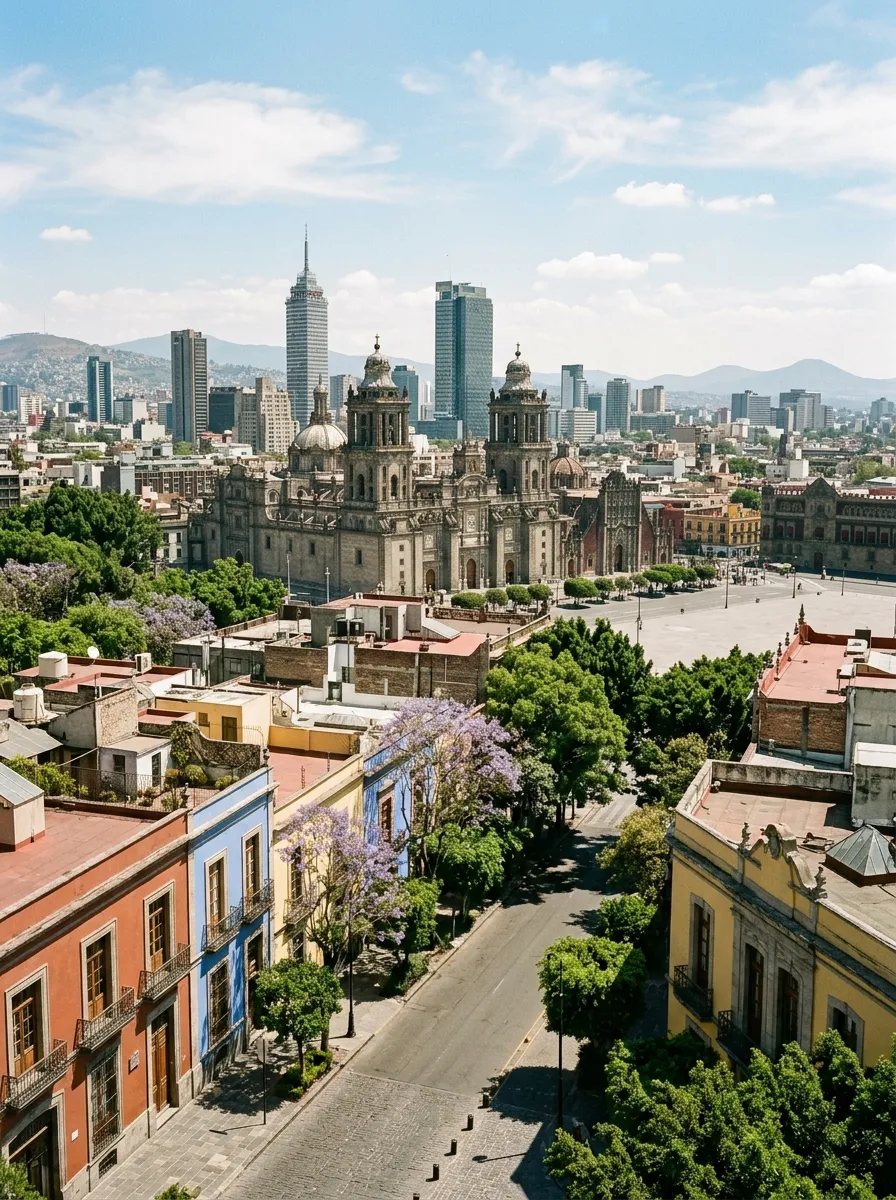
Mexico City is the strongest introduction to Mexico because it provides culture, food, archaeology, design and neighborhood life without requiring a multi-city itinerary. It is enormous, occasionally chaotic and rarely boring. A morning can begin among the murals of the historic center, move through a market lunch, and end beneath the trees of Condesa or Roma Norte.
The historic center and Xochimilco are recognized by UNESCO, while the broader city contains pre-Hispanic, colonial and modern landmarks within the same urban landscape.
What to do in Mexico City
Begin with the Zócalo, Metropolitan Cathedral and the remains of the Templo Mayor. The National Museum of Anthropology deserves at least half a day, not a hurried lap before lunch. Chapultepec Park can easily occupy another day when combined with the museum, castle and surrounding neighborhoods.
Art-focused travelers should consider the Palacio de Bellas Artes, Museo Frida Kahlo and Museo Soumaya, but reserve timed-entry museums in advance when possible. For a change of pace, explore Coyoacán’s plazas or take a carefully selected trip to Xochimilco. The trajineras are lively rather than tranquil, particularly on weekends, so travelers seeking silence may find the experience more floating party than dreamy canal ride.
Teotihuacán is the essential day trip. Leave early, carry sun protection and avoid scheduling a late-night activity afterward. The site involves more walking and exposure than photographs suggest.
Where to stay
Roma Norte is convenient for restaurants, cafés and nightlife. Condesa feels greener and slightly calmer. Polanco works for upscale hotels and luxury dining but can feel detached from the historic center. Centro Histórico places major monuments nearby, although some streets become quiet after businesses close.
First-time visitors usually find Roma Norte or Condesa the easiest compromise between atmosphere, food and transportation.
Weather, altitude and crowds
Mexico City sits at high elevation, so some visitors notice headaches, fatigue or shortness of breath during their first day. Keep the arrival schedule light, drink water and moderate alcohol. Even physically fit travelers can be surprised when a staircase suddenly feels personally insulting.
Rain is common during the summer wet season, often arriving later in the day. August and September 2026 can still work, especially for travelers who prioritize museums, but pack a compact umbrella and leave flexibility around outdoor plans. October and November generally offer a more comfortable combination of weather and cultural events, though Día de Muertos celebrations significantly increase demand.
Who should choose it?
Mexico City is ideal for first-time visitors, solo travelers, couples, art lovers and anyone whose vacation plans are shaped partly by lunch. Families can also do well here, provided daily schedules are not overloaded.
Allow at least four full days. Five or six days are better when including Teotihuacán, Xochimilco or a slower neighborhood day.
Travelers who enjoy planning culturally rich city trips may also appreciate these magical Irish villages when building a future European itinerary, though Mexico City’s scale and intensity could hardly be more different.
SAFETY NOTE
Use official taxi stands, reputable ride-hailing services or transportation arranged by your hotel. Keep phones and wallets secure in crowded areas, avoid displaying expensive equipment unnecessarily and ask local accommodation staff about streets best avoided after dark.
2. Oaxaca City: Best Mexico Destination for Food and Living Culture
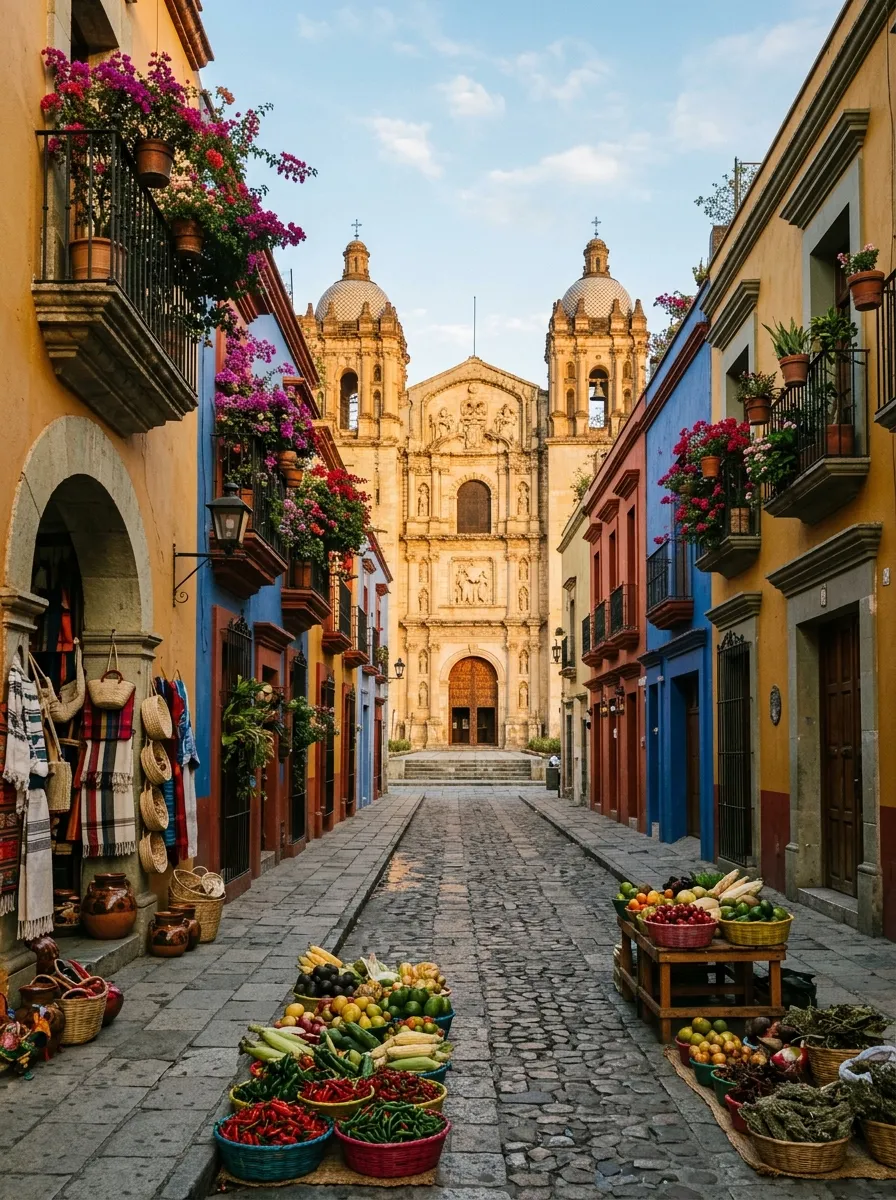
Oaxaca City is one of Mexico’s most rewarding destinations for travelers who want more than a checklist of monuments. The historic center is handsome, but the city’s appeal comes equally from markets, workshops, kitchens, mezcalerías, festivals and nearby communities.
UNESCO recognizes the historic center of Oaxaca together with the archaeological site of Monte Albán. The official Mexico tourism portal highlights the architecture and culture of the central streets alongside the surrounding Oaxaca Valley.
Why Oaxaca feels different
Oaxaca rewards curiosity at street level. You may enter a market for breakfast and emerge an hour later having compared several moles, watched tortillas puff on a comal and reconsidered every mediocre lunch you have ever accepted.
The city is known for dishes and ingredients including mole, tlayudas, memelas, chocolate and regional corn varieties. Food tours can be useful on a short visit, but look for guides who explain producers, ingredients and local context rather than merely escorting a group between photogenic bites.
Craft traditions are closely tied to surrounding towns. Teotitlán del Valle is associated with weaving, San Bartolo Coyotepec with black pottery, and communities around Oaxaca produce alebrijes, textiles and other work. Buy directly from makers when possible and ask before photographing people or workshops.
Best things to do
Spend time around Santo Domingo, the botanical garden and the historic center, then visit Mercado Benito Juárez and Mercado 20 de Noviembre. Monte Albán is the major archaeological excursion and deserves an early start before the sun grows fierce.
A second day trip can focus on Mitla, weaving villages, Hierve el Agua or a combination tour. Avoid cramming every valley attraction into a single day merely because a van operator says it fits. It may fit in the vehicle; it may not fit comfortably into a human day.
For mountain landscapes, the Sierra Juárez offers forests, misty scenery and community-based activities including hiking, cycling and birdwatching. Mexico’s tourism authority identifies the region as an ecotourism area with pine and oak forests and a cooler climate than the valley.
Best time to visit Oaxaca
August and September 2026 remain viable but can be rainy. October becomes busier around Día de Muertos, especially from late October into early November. This is an extraordinary cultural period, but it is not a secret season. Reserve accommodation well ahead and behave respectfully around cemeteries, altars and family observances.
February and March 2027 should provide generally dry, warm conditions based on historical patterns. Exact forecasts will only become meaningful close to departure.
Where to stay and how long
Stay in or near the historic center for a first visit. The northern edge around Santo Domingo is attractive and convenient, while Jalatlaco offers colorful streets and boutique lodging. Some popular areas have become heavily visitor-oriented, so support neighborhood businesses and keep noise low in residential streets.
Plan four nights if you want the city plus two day trips. Three nights can work, but Oaxaca is not improved by sprinting.
3. Guanajuato: Best for Colorful Streets and Dramatic Architecture
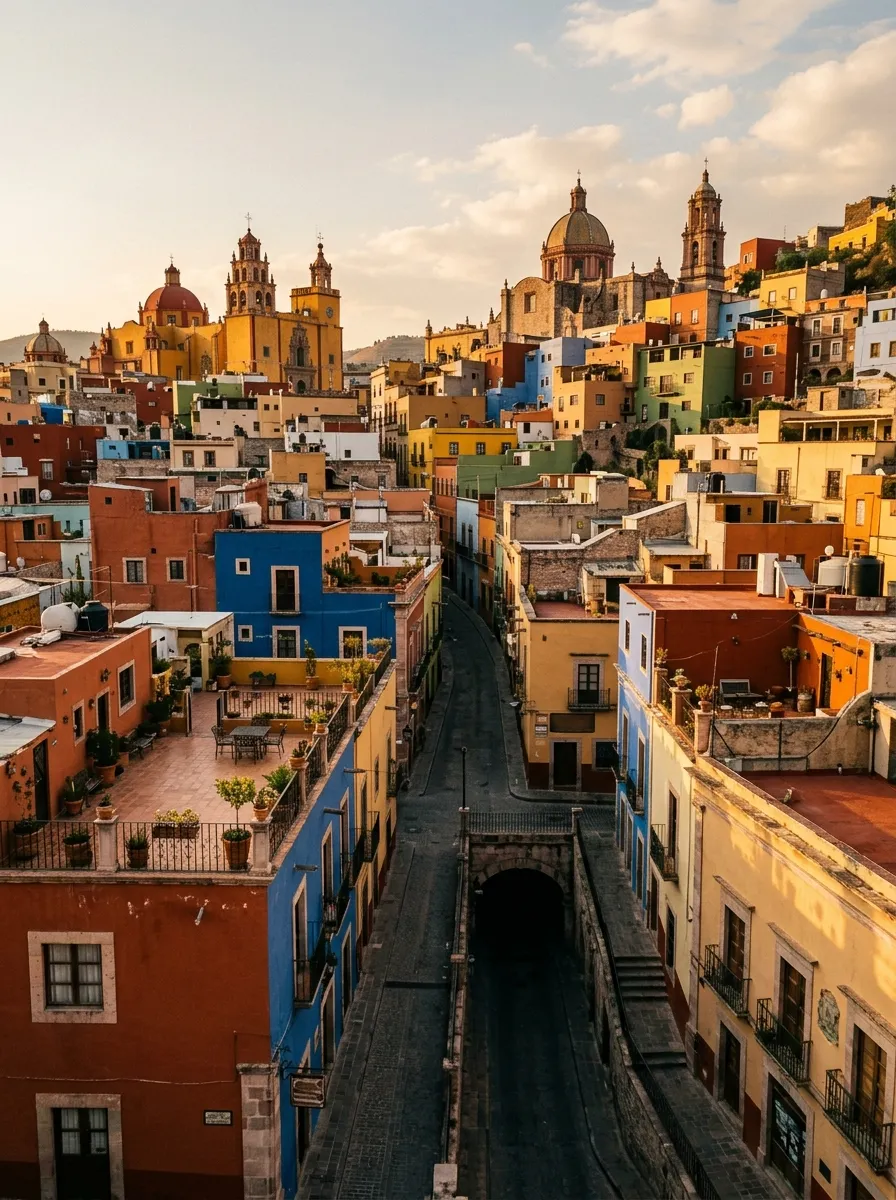
Guanajuato climbs through a narrow valley in a jumble of painted houses, domes, plazas, staircases and tunnels. It is among Mexico’s most visually distinctive cities, but its beauty comes with a practical warning: the streets are steep enough to turn a casual walk into leg day.
The city’s historic wealth grew from mining, and UNESCO notes that Guanajuato became a leading center of silver extraction in the 18th century. Its mining history remains visible in underground streets, shafts and ornate Baroque and neoclassical buildings.
What makes Guanajuato worth visiting
The historic center feels theatrical even on an ordinary afternoon. Small plazas open unexpectedly between alleys, university steps fill with students, and mariachi music drifts through the Jardín de la Unión.
Take the funicular or walk to the El Pípila viewpoint for the classic panorama. Visit the Teatro Juárez, Alhóndiga de Granaditas and at least one former mine. The Callejón del Beso is famous, but the surrounding alley network is more enjoyable than waiting in a line for one very specific balcony photograph.
The Museo de las Momias attracts many visitors, though it is not a universally comfortable experience. Read about the collection before deciding whether it fits your interests and ethical expectations.
Festival crowds and timing
The annual Festival Internacional Cervantino transforms Guanajuato into a major performing-arts destination. Exact future programming and dates should be checked through official festival channels before booking. During festival periods, accommodation costs rise and the compact center becomes crowded.
For a calmer visit, consider November 2026 after major events, or February through April 2027. Evenings can feel cool outside summer, so carry a light layer.
Where to stay
Choose the historic center when walkability matters, but confirm whether the hotel involves steep stairs or nighttime noise. Travelers with mobility concerns may prefer accommodation near flatter roads with reliable vehicle access. Guanajuato’s romantic staircases lose some poetry when you are carrying a large suitcase uphill.
Two full days cover the main city attractions. Add a third for mines, museums and an unhurried evening of plaza-hopping.
ACCESSIBILITY NOTE
Guanajuato can be challenging for wheelchair users and travelers with limited mobility because of steep grades, stairs, cobblestones and irregular sidewalks. Contact hotels directly about step-free access rather than relying only on booking-platform filters.
4. San Miguel de Allende: Best for Design, Dining and a Slower Pace
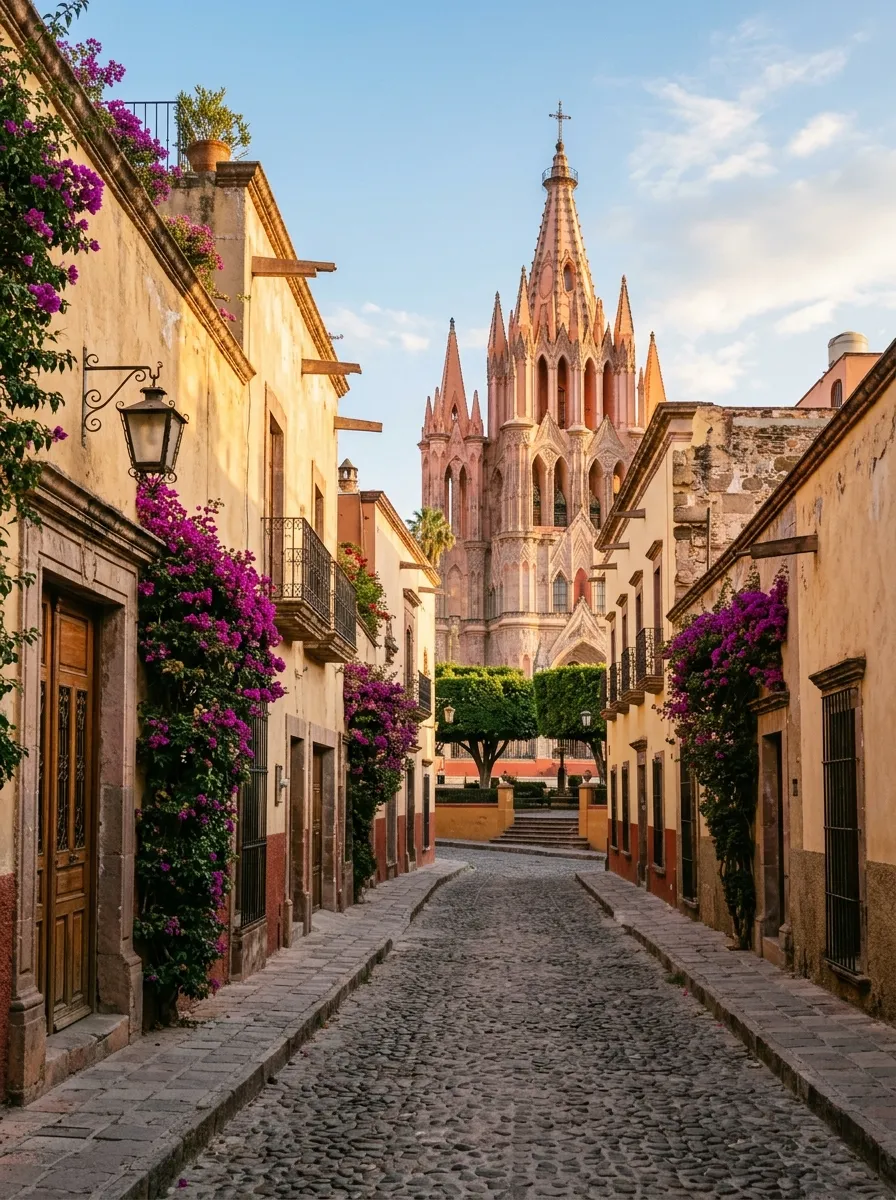
San Miguel de Allende is polished, photogenic and highly international. Its pink neo-Gothic parish church dominates the center, while courtyards conceal galleries, restaurants and boutique hotels. Compared with Guanajuato, the city feels less dramatic geographically but more curated.
It is a strong choice for couples, art-focused travelers and visitors who prefer slow mornings over aggressive sightseeing. It also works well as part of a central Mexico route with Guanajuato, Querétaro or Mexico City.
What to do
Begin around El Jardín and the Parroquia de San Miguel Arcángel, then walk outward through side streets rather than limiting yourself to the central square. Visit craft markets, contemporary galleries and cultural centers such as Fábrica La Aurora.
El Charco del Ingenio provides a natural counterpoint to the urban center, with botanical landscapes and walking paths. Travelers interested in cooking can join market visits or classes, but compare group size and whether the experience genuinely involves local ingredients and techniques.
San Miguel is also a place to schedule less. A long breakfast, a gallery visit and sunset from a rooftop may produce a better day than trying to complete ten attractions.
Costs and drawbacks
San Miguel de Allende is not the obvious choice for a low-budget Mexico trip. Boutique accommodation, internationally oriented restaurants and rooftop venues can cost considerably more than equivalents in smaller central Mexican cities. Budget travelers can still manage by staying outside the immediate center and eating at markets and neighborhood restaurants.
The historic streets are cobbled and hilly. Comfortable shoes matter more here than the elegant outfit you imagined while booking the hotel.
Best time and ideal stay
November 2026 and February through April 2027 should generally provide comfortable sightseeing conditions, though nights can be cool. Holiday weekends and popular wedding dates create demand spikes.
Spend two or three nights. Four nights suit travelers taking classes, visiting spas or treating the trip as a retreat rather than a sightseeing campaign.
5. Mérida: Best Base for Yucatán Culture, Cenotes and Maya Sites
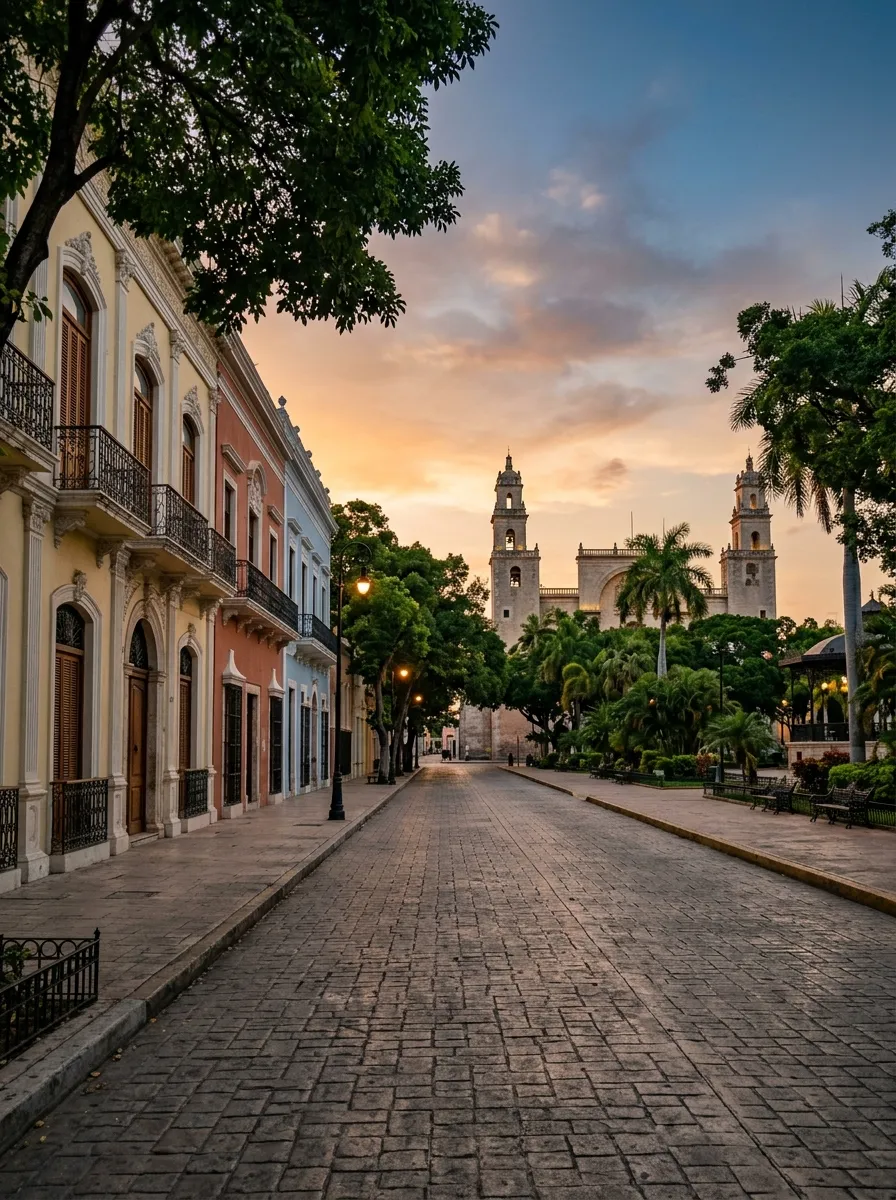
Mérida is the most practical cultural base on the Yucatán Peninsula. The city offers colonial architecture, regional cuisine, museums and evening activity, while surrounding roads lead toward cenotes, haciendas, archaeological sites and smaller towns.
It is especially valuable for travelers who want to experience the peninsula beyond the resort corridor. You can build an entire week around Mérida without setting foot in Cancún.
What to do in Mérida
Explore Plaza Grande, the cathedral, Casa de Montejo and the broad Paseo de Montejo. Visit markets for regional dishes and ingredients, then leave room for contemporary museums and evening cultural programs.
Common excursions include Uxmal, Izamal, cenotes near Homún, Celestún and restored haciendas. Uxmal is often a more relaxed archaeological experience than Chichén Itzá, though any major site is best visited early for cooler temperatures.
Chichén Itzá can also be reached from Mérida. INAH currently lists the archaeological zone’s standard visiting hours as 8:00 a.m. to 4:00 p.m. and displays a general federal admission component of MXN 105, with additional third-party or state charges potentially applying. Verify the complete price and operating status directly before travel because access and fee arrangements can change. The site temporarily closed and reopened during May and June 2026, illustrating why same-week verification matters.
Heat and seasonal planning
Mérida is hot for much of the year, and humidity can make midday sightseeing exhausting. August and September 2026 fall within the wet and hurricane-prone part of the year. Trips remain possible, but travel insurance, flexible plans and heat-conscious scheduling are sensible.
November and December 2026 should be more comfortable. January through March 2027 usually offers the most pleasant broad window for outdoor exploration, although exact conditions vary.
Plan archaeological visits early, retreat indoors or rest during the hottest hours, and return outside in late afternoon. This is not laziness. It is intelligent diplomacy with the sun.
Where to stay
The historic center is convenient for first-time visitors and travelers without cars. Areas near Paseo de Montejo provide access to restaurants and a somewhat more open urban feel. Confirm whether your hotel has reliable air-conditioning, particularly outside winter.
Allow three full days for Mérida itself and nearby excursions. Five nights creates a better rhythm, with two city days and three day trips.
Travelers comparing tropical island seasons for a future vacation can use this Mauritius month-by-month guide to understand how rainfall, humidity and peak-season pricing can reshape an itinerary.
HEAT WARNING
At ruins and cenotes, carry more water than you expect to need, use reef- or ecosystem-conscious sun protection where appropriate, and avoid planning the most exposed walking between noon and mid-afternoon.
6. Cancún and the Riviera Maya: Best for Easy Resort Vacations
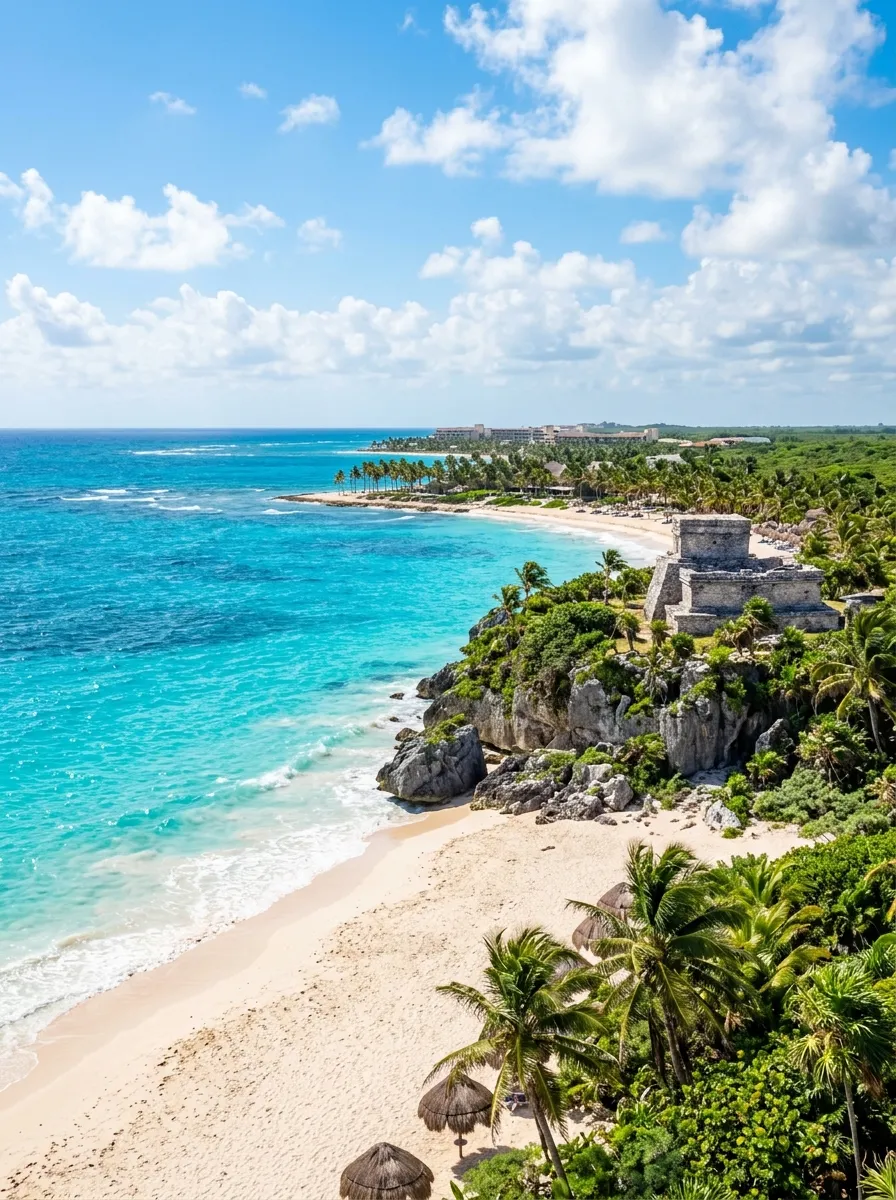
Cancún is efficient. International flights, large resorts, organized tours and established tourism infrastructure make it one of the easiest Mexico travel destinations for first-time beach visitors. That convenience is its greatest advantage and, for some travelers, its principal weakness.
The Riviera Maya extends south through Puerto Morelos, Playa del Carmen and toward Tulum, creating a long corridor of resorts, beaches, cenotes and archaeological excursions. It should not be treated as one compact destination. Traffic and transfer times can consume more of the day than maps suggest.
Cancún or Playa del Carmen?
Choose Cancún’s Hotel Zone for large resorts, broad beaches, nightlife and straightforward airport access. Stay in downtown Cancún for lower-cost restaurants and a more local urban environment, though you will need transportation to most beaches.
Choose Playa del Carmen for a more walkable base, ferry access to Cozumel and a central position for regional excursions. The central area can be noisy and highly commercial, so travelers seeking quiet should stay away from the busiest nightlife streets.
Choose Puerto Morelos for a smaller-scale atmosphere between Cancún and Playa del Carmen. Choose Tulum mainly when the ruins, boutique properties or specific wellness venues justify its higher prices and transportation complications.
Best things to do
Beyond resort days, popular excursions include Isla Mujeres, Cozumel, cenotes, Chichén Itzá, Cobá and the coastal ruins of Tulum. Do not attempt to visit several distant sites in one day. A tour advertised as “all highlights” can become an endurance contest with a buffet stop.
The Maya Train now links multiple destinations across southeastern Mexico, with official information listing stations and routes throughout the Yucatán Peninsula. Puerto Morelos station, for example, provides access toward the Cancún–Mérida corridor. Check the official system for current timetables, ticket availability and transfers, as station locations may require onward road transportation.
Sargassum, storms and beach expectations
Caribbean beaches can be affected by seasonal sargassum, with conditions varying by beach and day. No hotel can guarantee a seaweed-free shoreline months in advance. Before booking, check recent local reports, resort webcams and whether the property actively manages its beachfront.
August through October 2026 fall within Atlantic hurricane season and can bring heat, heavy rain or storm disruption. November is generally a more attractive upcoming option, though early November can still carry weather risk. February and March 2027 usually offer a stronger balance of comfortable temperatures and lower rainfall, but prices rise during winter escapes and spring break.
Who should choose the Riviera Maya?
This region works well for families, resort travelers, first-time international visitors and groups with different interests. It is less compelling for travelers who dislike packaged tourism, long resort corridors or prices shaped heavily by international demand.
Allow at least five nights. Seven nights works better when including two major excursions.
BOOKING TIP
Compare the total trip cost rather than the room rate alone. Airport transfers, resort fees, restaurant pricing, excursions and taxis can turn an apparently affordable stay into an expensive one.
7. Bacalar: Best for Lagoon Scenery and a Quieter Caribbean Alternative
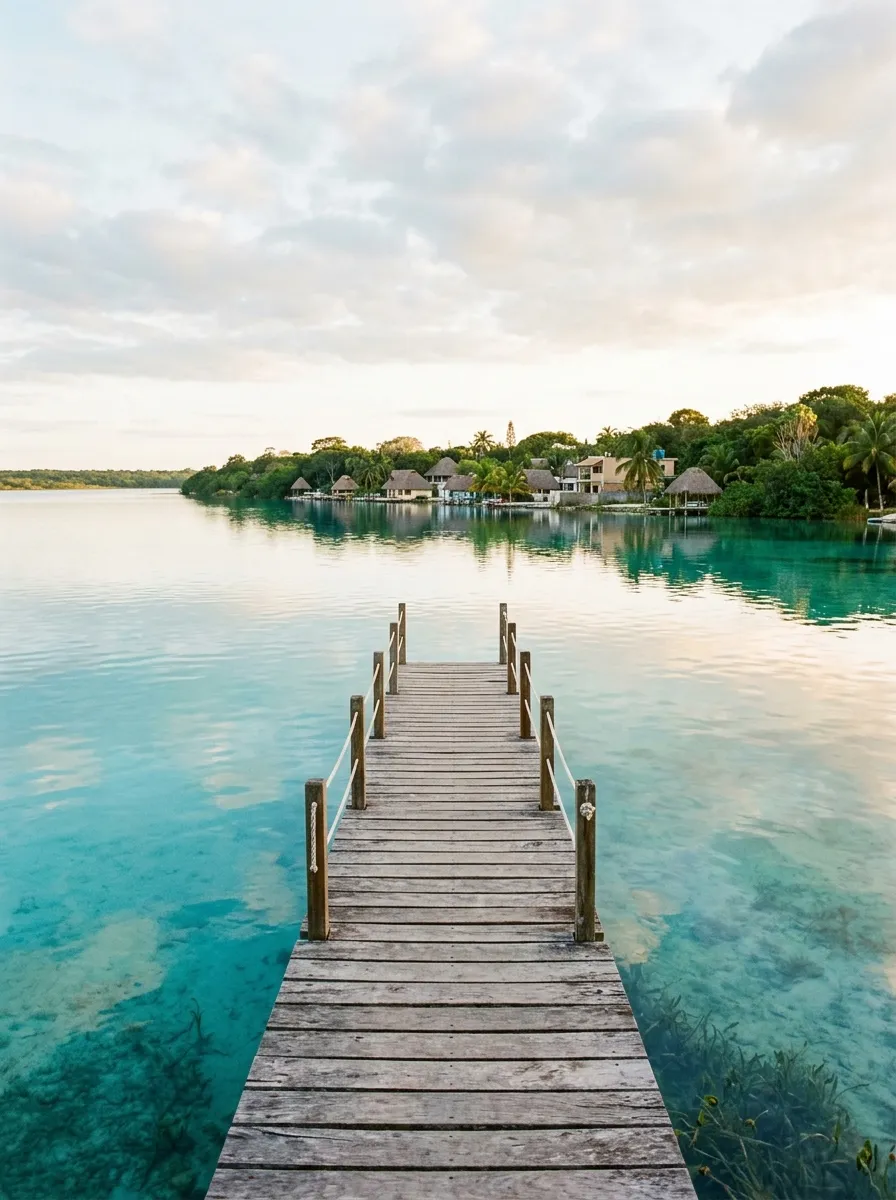
Bacalar is centered on a long freshwater lagoon famous for shifting shades of blue. It lacks the broad entertainment infrastructure of Cancún and Playa del Carmen, which is exactly why many travelers choose it.
Mexico’s official tourism portal presents Bacalar as a walkable town built around its striking freshwater setting.
What to do at Bacalar Lagoon
Most visits revolve around sailing, kayaking, swimming and watching the water change color as clouds and depth alter the surface. Choose low-impact operators that respect restricted areas, avoid damaging stromatolites and explain local conservation concerns.
Visit the San Felipe Fort for historical context and lagoon views. Los Rápidos is popular for clear water and gentle currents, but it can become crowded. Early visits are more pleasant and reduce pressure on heavily used areas.
Bacalar also works as a recovery stop within a longer Yucatán route. After several days of archaeological sites and road transfers, a morning spent doing very little can feel like an attraction in its own right.
Where to stay
Lagoonfront properties provide direct water access but usually charge more. Town-center lodging is better for restaurants and budget travelers, though not every street is equally polished or quiet. Check whether a property offers a private dock, shared access or no lagoon access at all. Photographs can be strategically aquatic.
Drawbacks and ideal trip length
Bacalar is not a full replacement for a beach resort. The lagoon is freshwater, nightlife is limited and rain can remove much of the destination’s main appeal. Travelers who need constant activities may feel restless after two days.
Two nights is the minimum. Three nights allows a boat trip, a kayaking morning and weather flexibility. November 2026 through March 2027 offers the strongest broad seasonal window, although rain remains possible.
For travelers who enjoy nature-heavy regional trips, this one-week Costa Rica itinerary offers a useful model for balancing wildlife, landscapes and realistic travel times on a future Central American journey.
8. Puerto Vallarta: Best Combination of Pacific Beaches and City Life
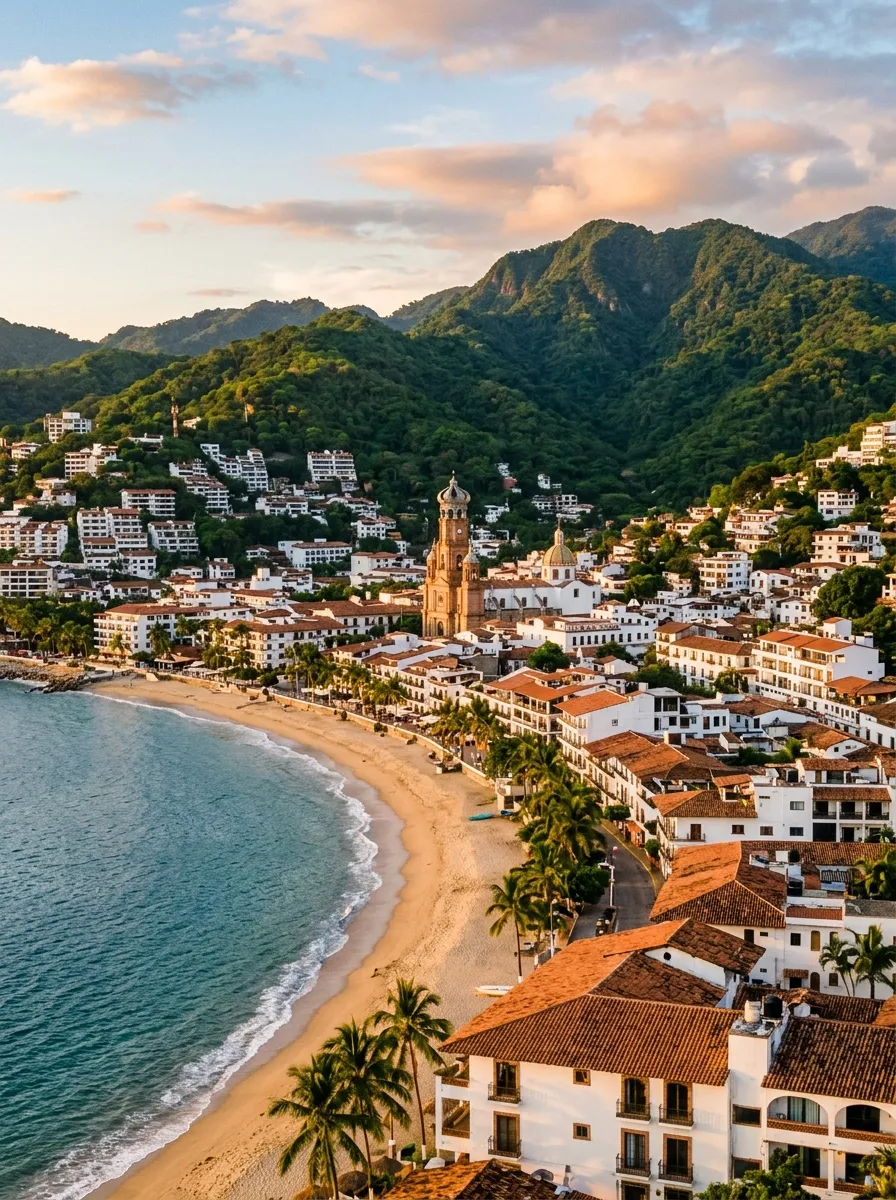
Puerto Vallarta succeeds where many resort destinations struggle: it feels like a functioning city as well as a vacation center. The historic core, hillside neighborhoods, beaches, restaurants and marina offer enough variety for a week without requiring constant organized tours.
The official Mexico tourism site includes Puerto Vallarta among the country’s major destinations and highlights Mexico’s Pacific coast alongside cultural and nature-focused options.
Choosing the right area
Zona Romántica is best for walkability, restaurants, nightlife and easy access to Los Muertos Beach. It is lively and can be noisy.
Centro places you near the Malecón, churches and traditional streets. Marina Vallarta suits travelers seeking resorts, golf and a quieter planned environment. Nuevo Vallarta, farther north in Nayarit, consists largely of larger resorts and is not interchangeable with central Puerto Vallarta.
Travelers booking by hotel name alone sometimes discover that their “Puerto Vallarta” resort is a lengthy drive from the city they imagined visiting each evening.
Best things to do
Walk the Malecón, explore the historic center and climb into hillside streets for views. Take a boat trip to smaller coastal communities or beaches that are difficult to reach by road. Food tours can introduce taco stands, seafood and regional specialties beyond resort menus.
From roughly winter into spring, boat excursions may focus on humpback whales, but sightings should never be presented as guaranteed. Choose operators that follow wildlife-distance rules, avoid crowding animals and provide clear safety instructions.
Day trips can reach Sayulita, San Sebastián del Oeste or botanical gardens, though each offers a very different experience. Sayulita is energetic and visitor-heavy; San Sebastián provides mountain scenery and a slower historic-town atmosphere.
Weather and best upcoming dates
August and September 2026 are hot, humid and rainy. Tropical systems can disrupt flights and sea activities. October begins a transition, while November and early December generally provide a more comfortable combination of weather and manageable crowds.
January through March 2027 will likely be popular and comparatively dry based on historical patterns. Reserve early for winter, especially around holidays and major events.
Costs, crowds and who will enjoy it
Puerto Vallarta can be moderately priced when staying away from luxury resorts and eating locally, but beachfront areas and high season are not cheap. Taxis and ride-hailing costs accumulate when accommodation is far from the center.
It suits couples, LGBTQ+ travelers, food-focused visitors, solo travelers comfortable in established tourism areas and families who want both beach days and city activities.
Stay four nights for a compact visit or six nights for a balanced beach-and-excursion trip.
Travelers preparing for an itinerary that mixes cities, beaches and short transfers may find this practical one-bag packing guide useful, especially when domestic flights or ferry connections make oversized luggage more cumbersome.
OCEAN WARNING
Pacific conditions vary sharply between beaches and seasons. Ask local lifeguards about currents, obey warning flags and never assume a beautiful beach is safe for swimming. Some beaches are better suited to surfing or scenery than casual bathing.
9. Los Cabos: Best for Desert Scenery, Resorts and Boat Trips
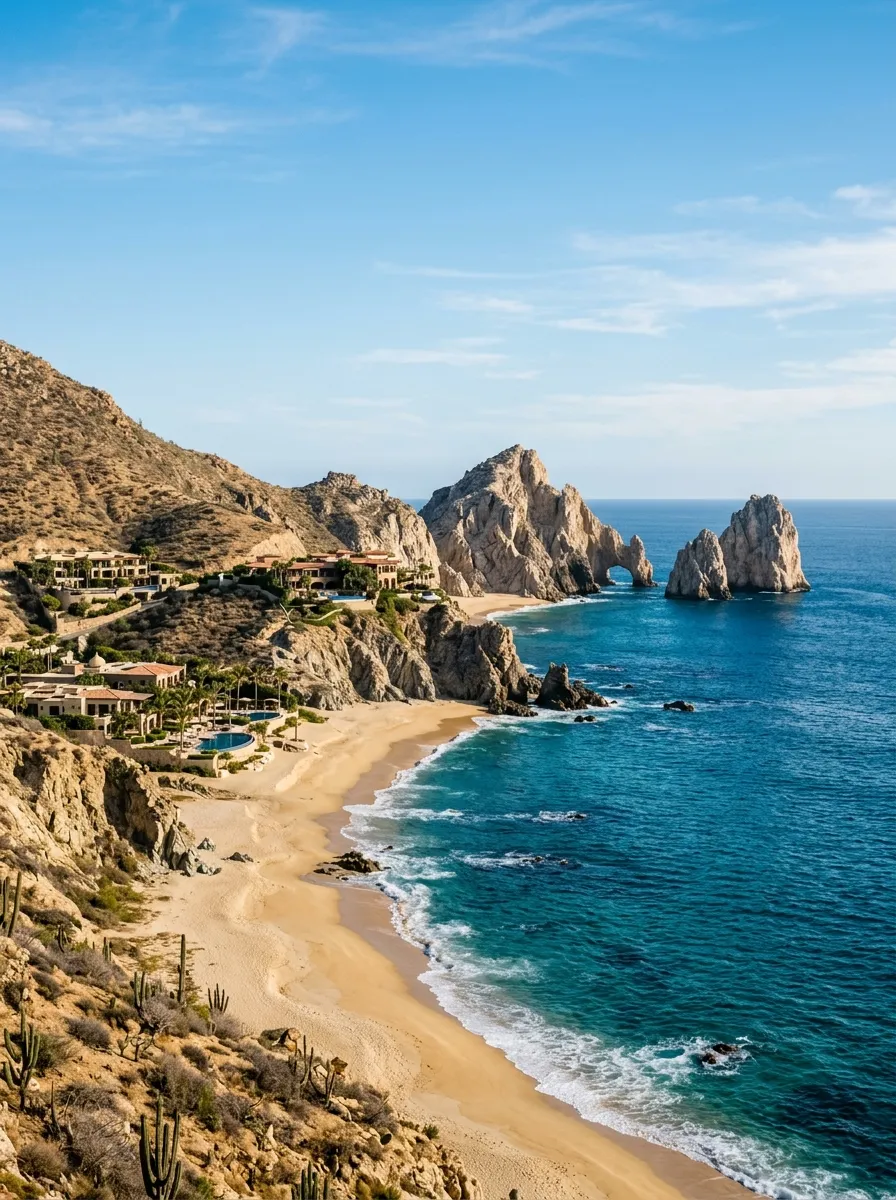
Los Cabos sits at the southern end of the Baja California Peninsula, where desert hills meet the Pacific Ocean and the Gulf of California. The destination is divided mainly between Cabo San Lucas, known for nightlife, marina activity and large resorts, and San José del Cabo, which has a calmer historic center, galleries and a more traditional town atmosphere.
The corridor between them contains many luxury properties, golf courses and beaches. It is visually dramatic, but spread out. Choosing the wrong hotel location can leave you dependent on taxis for nearly every meal and activity.
Mexico’s official tourism portal identifies Los Cabos as one of Baja California Sur’s principal destinations, alongside La Paz and other coastal areas.
Cabo San Lucas or San José del Cabo?
Choose Cabo San Lucas when you want marina excursions, nightlife, beach clubs and easy access to the famous rock formations around Land’s End.
Choose San José del Cabo for galleries, restaurants, a walkable central plaza and a quieter evening atmosphere. It is generally better suited to couples and travelers who want some independence from a resort.
Choose the tourist corridor when the hotel itself is the destination. Many corridor resorts have impressive facilities, but some are isolated from restaurants and town centers.
Best things to do in Los Cabos
Boat trips around El Arco are the classic excursion. Depending on conditions and the operator, trips may include snorkeling, sailing, sunset cruises or seasonal wildlife watching. Choose licensed operators, confirm the boat’s safety equipment and avoid companies that chase or crowd marine animals.
The region also offers desert hikes, off-road excursions, golf, sport fishing and day trips to Todos Santos. Todos Santos is attractive, but increasingly visitor-oriented. Its galleries, historic streets and restaurants work best as a relaxed day rather than a hurried photo stop.
Snorkeling and diving are often better around protected or calmer Gulf of California locations than at exposed Pacific beaches.
Swimming safety
Many Los Cabos beaches have powerful shore breaks, rip currents or steep underwater drop-offs. Some resort beaches are designed for scenery rather than swimming. Ask the hotel or local lifeguards which nearby beaches are currently suitable.
Chileno Bay and Santa Maria Bay are commonly chosen for swimming and snorkeling when conditions permit. Medano Beach is one of the most active swimmable areas near Cabo San Lucas, though it can feel busy and commercial.
BEACH WARNING
Never judge swimming safety from the number of lounge chairs. A beautifully maintained resort beach may still have dangerous surf. Follow flags and local instructions, even when the water appears calm.
Best time to visit
August and September 2026 can be extremely hot, humid and vulnerable to tropical-storm disruption. October is transitional and still carries storm risk.
November and early December 2026 should provide more comfortable temperatures. January through April 2027 is likely to be the strongest broad season for outdoor activities, though winter is also expensive and busy.
Wildlife seasons vary. Boat companies often promote whale-watching during winter and early spring, but sightings are never guaranteed and exact seasonal conditions change annually.
Costs and length of stay
Los Cabos is among the more expensive Mexico travel destinations. Resort meals, taxis, private transfers and organized tours can quickly raise daily spending. Travelers renting a car should compare parking charges and insurance carefully.
Four nights is enough for a resort break with one or two excursions. Six nights allows time to divide between Cabo San Lucas, San José del Cabo and a day trip without turning the vacation into a sequence of pickup times.
10. Puerto Escondido: Best Mexico Destination for Surf and Casual Beach Life
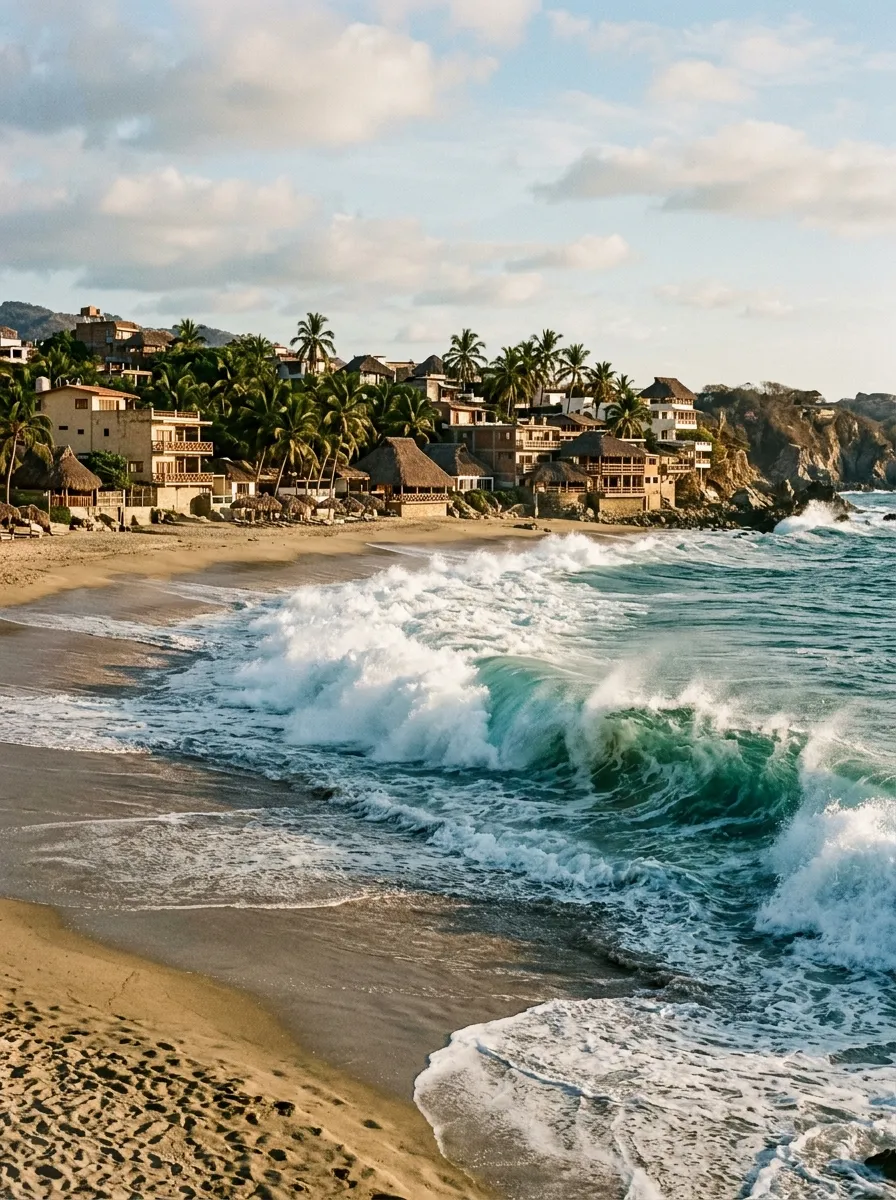
Puerto Escondido has grown from a low-key Oaxacan coast town into one of Mexico’s best-known surf destinations. It remains more informal than Los Cabos or Cancún, though the town is no longer an undiscovered bargain.
Mexico’s tourism authority describes Puerto Escondido as an important surfing and beach center on the Oaxaca coast, originally developing as an alternative to the more exclusive Huatulco resort area.
Understanding Puerto Escondido’s beaches
Puerto Escondido is not built around one continuous beach experience. Each area has a different character.
Zicatela is internationally associated with powerful surf. It is excellent for watching experienced surfers but often dangerous for casual swimming.
La Punta has cafés, guesthouses and a youthful atmosphere. It can become crowded and dusty, and road infrastructure may feel rough after rain.
Carrizalillo is a smaller cove reached by a long staircase. It often offers gentler conditions than Zicatela, but visitors should still follow lifeguard advice.
Puerto Angelito and Manzanillo are commonly chosen for easier swimming, especially by families, though both become busy.
What to do beyond surfing
Surf lessons are widely available, but beginners should choose schools that use suitable beaches rather than placing inexperienced students in strong conditions.
Boat trips may focus on dolphins, turtles or coastal scenery. Wildlife encounters are never guaranteed, and ethical operators should not surround, feed or touch animals.
The Manialtepec Lagoon is known for mangroves, birdlife and, under certain conditions, bioluminescence. The effect varies according to weather, moonlight, water conditions and season. Marketing photographs often make the glow appear stronger than it looks to the human eye.
Puerto Escondido also has one of Mexico’s most interesting casual dining scenes. You can move between Oaxacan cooking, seafood, tacos and internationally influenced restaurants without dressing for a luxury resort.
Best area to stay
Stay near Rinconada for a practical selection of restaurants and access to several beaches. Choose La Punta for cafés, surf culture and social atmosphere, but expect noise and uneven roads. Stay near Zicatela for nightlife and surfing, not dependable swimming.
Weather and crowds
November 2026 through March 2027 should offer the most comfortable broad window for beach travel. December and the New Year period can be crowded, while February and March often provide a good balance of drier weather and activity.
Mexico’s tourism site has previously promoted month-long November festivities in Puerto Escondido, but schedules vary annually. Check whether a 2026 program has been officially confirmed rather than assuming past dates will repeat exactly.
Who will enjoy it?
Puerto Escondido suits surfers, solo travelers, younger couples, food-focused visitors and travelers who prefer independent hotels to all-inclusive compounds.
It is less suitable for visitors expecting perfectly maintained sidewalks, extensive museums or calm water at every beach.
Four nights is comfortable. Six nights works well when adding surf lessons, lagoon trips and slower beach days.
Travelers planning their first independent trip in Asia after Mexico may also find these essential Thailand travel tips useful for managing transport, cultural expectations and tropical weather.
11. Huatulco: Best for Quieter Bays and Nature-Focused Beach Trips
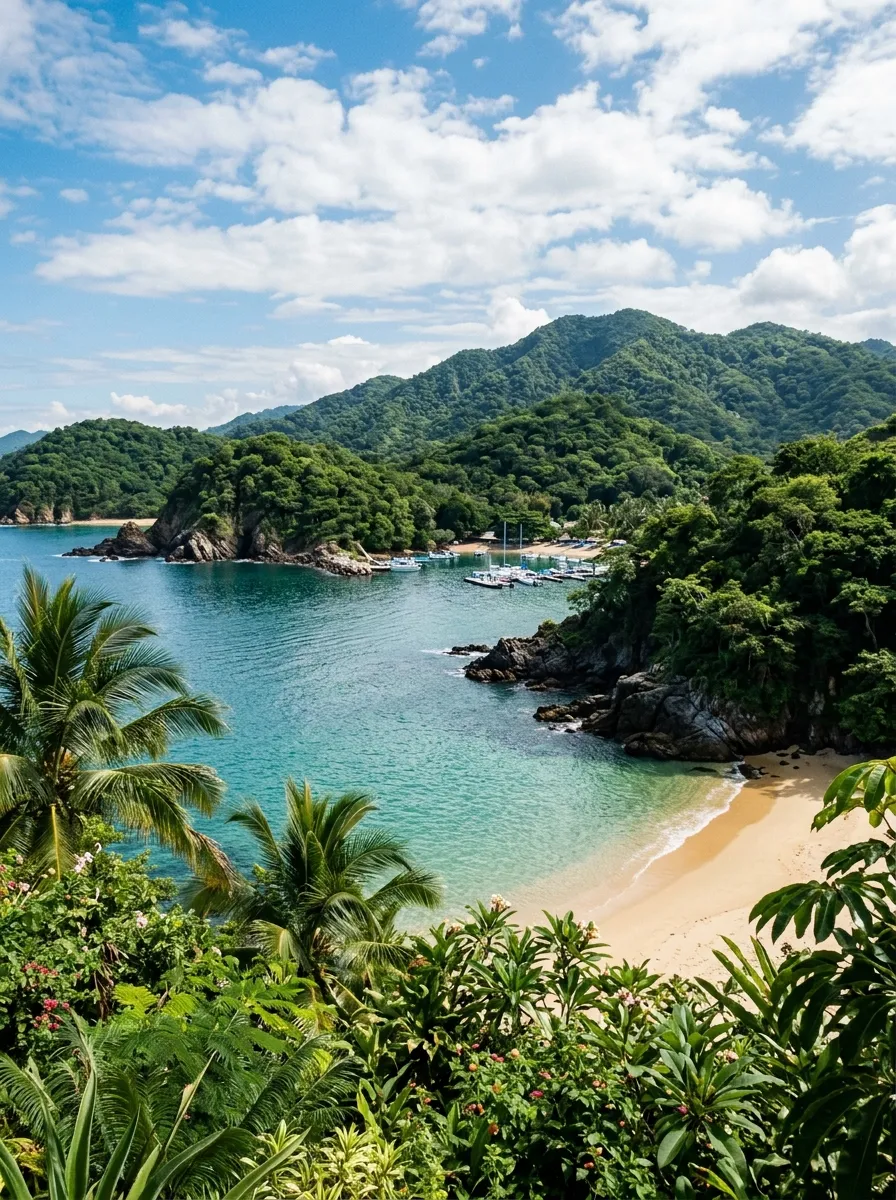
Huatulco is a planned coastal destination spread across several bays and communities rather than concentrated in one dense resort strip. The wider area includes La Crucecita, Santa Cruz, Chahué and Tangolunda, each with a different balance of local life, beaches and resorts.
The official Mexico tourism portal describes Huatulco as approximately 35 kilometers of coastline with nine bays, numerous beaches, jungle and biodiversity.
Why choose Huatulco over Puerto Escondido?
Choose Huatulco when you want organized resorts, calmer bays, family-friendly excursions and less nightlife.
Choose Puerto Escondido when surfing, casual restaurants and a stronger independent-traveler atmosphere matter more.
Huatulco’s geography can make a car or frequent taxis useful. Staying in La Crucecita provides access to restaurants and town life, while Tangolunda is better for full-service resorts. Santa Cruz combines a marina, beach activity and cruise-ship infrastructure.
Best things to do
Boat tours visit multiple bays and snorkeling stops, though itineraries vary with sea conditions. National park areas provide opportunities for hiking, birding and lower-impact nature excursions.
The region’s coffee-growing foothills can be visited on inland day trips. Ask operators how much time is spent driving, whether the farm visit is genuine and whether producers receive direct benefit.
Playa Santa Cruz has a cruise pier and water activities, while smaller coves may feel quieter outside holiday periods.
Best time and weather
November 2026 through March 2027 should provide the most comfortable broad window. April can remain attractive but becomes hotter.
August through October falls within the wetter season and can bring heavy rain or tropical weather. Some boat trips and remote beach access may be disrupted.
Trip length and drawbacks
Huatulco works well for four to six nights. It is not ideal for travelers seeking a major historic center, extensive nightlife or easy day trips to Oaxaca City. The road journey between the coast and Oaxaca’s interior has improved in recent years, but travelers should still confirm current driving times and road conditions.
The destination is especially suitable for families, couples and travelers who want a beach vacation with ecological excursions rather than constant entertainment.
12. Copper Canyon: Best for Scenic Rail Travel and Mountain Landscapes
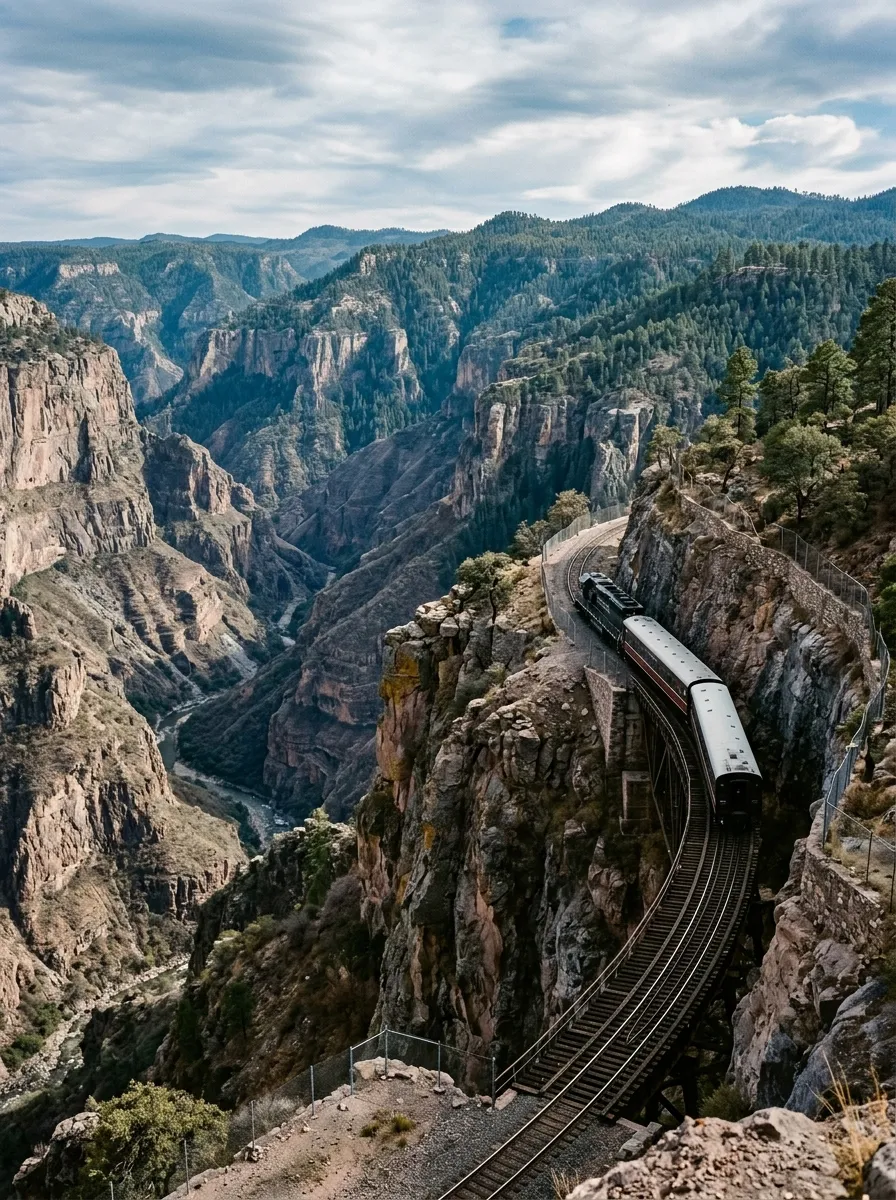
Copper Canyon, or Barrancas del Cobre, is not a single canyon but a vast system of gorges across the Sierra Tarahumara in northern Mexico. Its scale, altitude changes and railway access make it one of the country’s most distinctive journeys.
Mexico’s tourism authority lists the Chepe Express among the country’s principal passenger rail experiences, connecting Chihuahua and Sinaloa through the Copper Canyon region.
The Chepe train experience
The scenic rail route connects highland communities and canyon viewpoints with lower-elevation Sinaloa. Many travelers begin or finish through Los Mochis, which the official tourism portal identifies as a gateway to Copper Canyon.
Key stops often include:
- El Fuerte, a colonial town that works well as an overnight starting point
- Bahuichivo, used for access toward Cerocahui and Urique Canyon
- Divisadero, known for canyon viewpoints
- Creel, a mountain town used for excursions and onward road travel
Current schedules, classes, stopping patterns and fares should be checked directly with the operator. Do not build a tight itinerary around an old timetable copied from a travel forum.
How long is needed?
A rushed trip can be completed in three or four days, but the canyon deserves five to seven days. Rail schedules may not allow daily departures in every direction, and weather or operational changes can affect plans.
A practical journey might include:
- One night in El Fuerte
- Two nights near Bahuichivo or Cerocahui
- One night at Divisadero
- Two nights in Creel
- Departure through Chihuahua City
The reverse route also works.
Weather and altitude
Copper Canyon crosses several elevation zones. Conditions can change from warm lowlands to cold mountain nights within the same itinerary.
October and November 2026 should offer generally comfortable hiking conditions. March and April 2027 can also work, though nights remain cool at elevation.
Winter may bring snow, icy roads and transport complications around Creel and higher areas. Summer brings greener landscapes but also rain and possible road disruption.
Cultural responsibility
The Sierra Tarahumara is home to Rarámuri communities. Avoid photographing people without permission, do not treat residents as tourist props and choose community-led experiences where possible.
Tour operators sometimes market staged encounters without explaining local context. Ask where fees go and whether communities control the experience.
Safety considerations
The U.S. travel advisory evaluates security by state and imposes specific restrictions on government employees in some parts of Mexico. Review the latest guidance for Chihuahua and Sinaloa before booking because recommended routes and permitted travel areas can change.
Use established rail, hotel and tour operators. Avoid improvising remote road routes at night.
13. Chiapas: Best for Ruins, Waterfalls and Dramatic Landscapes
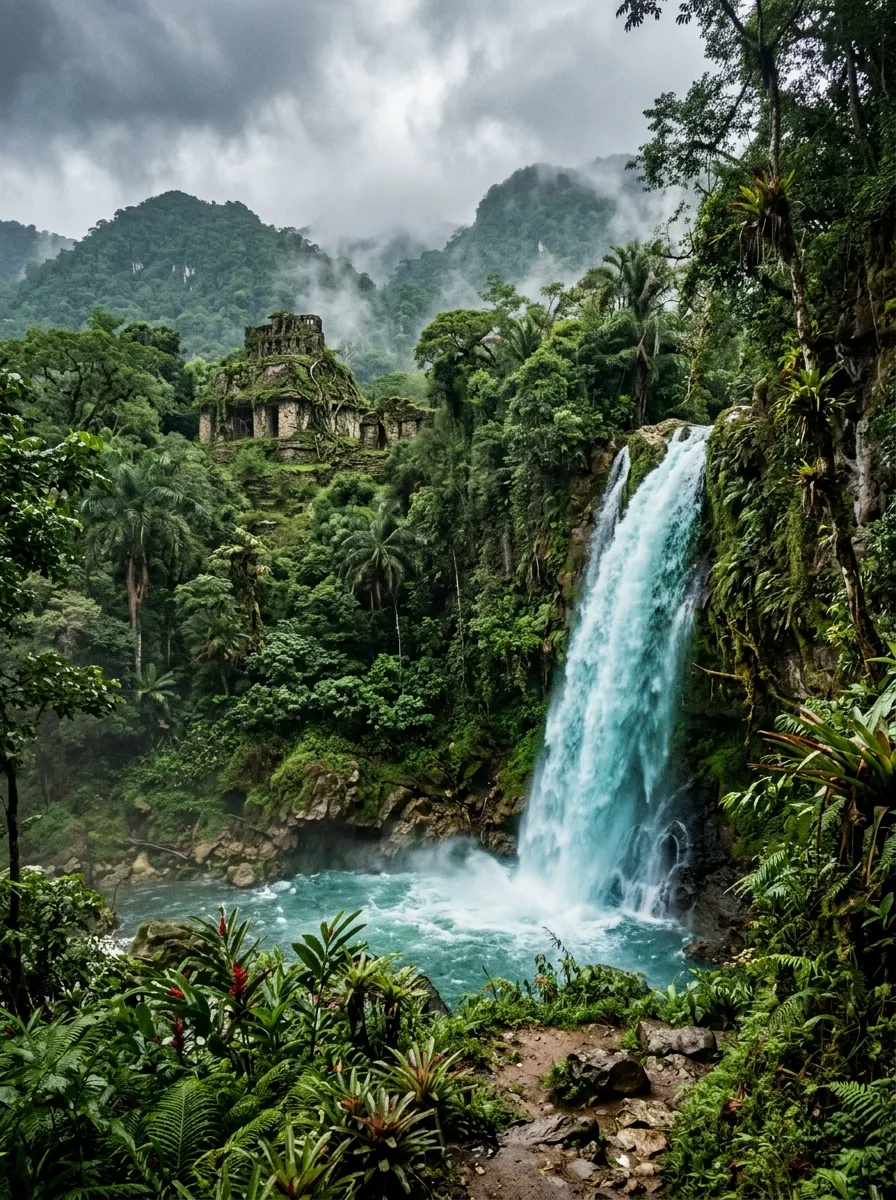
Chiapas combines Maya archaeological sites, highland towns, rainforest, rivers and waterfalls. It is one of Mexico’s richest travel regions, but also one of the easiest to underestimate geographically.
The state works best for travelers with at least five days and a tolerance for long road journeys. Attractions that appear close on a map may require winding mountain travel or early departures.
San Cristóbal de las Casas
San Cristóbal is the most common highland base. Its streets, markets and colonial architecture sit within a cool mountain climate that surprises travelers arriving from tropical lowlands.
The city provides access to nearby Indigenous communities, but visits should be approached respectfully. Avoid intrusive photography, follow community rules and use guides who explain local history rather than presenting villages as cultural exhibitions.
San Cristóbal can be cold at night, particularly in winter. Pack a sweater or light jacket even when the broader Mexico forecast looks warm.
Palenque
Palenque is one of Mexico’s most atmospheric archaeological destinations, surrounded by humid forest. Visit early to reduce heat and crowds.
The modern town is mainly a transport and accommodation base. Some travelers prefer lodging closer to the archaeological zone, though evening restaurant options are more limited.
Waterfalls such as Agua Azul and Misol-Ha are frequently combined with Palenque transfers. Road conditions, security situations and weather can affect access. During heavy rain, water color and swimming conditions may differ sharply from promotional photographs.
Sumidero Canyon and Tuxtla Gutiérrez
Boat trips through Sumidero Canyon are usually reached from Chiapa de Corzo or Tuxtla Gutiérrez. Water levels, weather and river conditions shape the experience.
Wildlife may be seen, but sightings are never assured. Responsible operators should maintain distance and avoid feeding animals.
Route planning
A geographically sensible Chiapas itinerary could be:
- Two or three nights in San Cristóbal
- One day for Sumidero Canyon
- A long transfer toward Palenque with selected stops
- Two nights near Palenque
- Departure by air or onward rail and road connections
Mexico’s tourism portal identifies Chiapas among the country’s most visited major destinations, but transport logistics remain more demanding than in resort regions.
Best time and safety
November 2026 through March 2027 is the broadest favorable period for lower rainfall, though highland nights can be cold.
Check current road and security information shortly before travel. Avoid unplanned nighttime overland journeys and use reputable operators for long transfers.
Chiapas rewards preparation. It punishes the traveler who assumes every waterfall is twenty minutes from the hotel.
14. Puebla: Best for Architecture, Food and an Easy Mexico City Extension
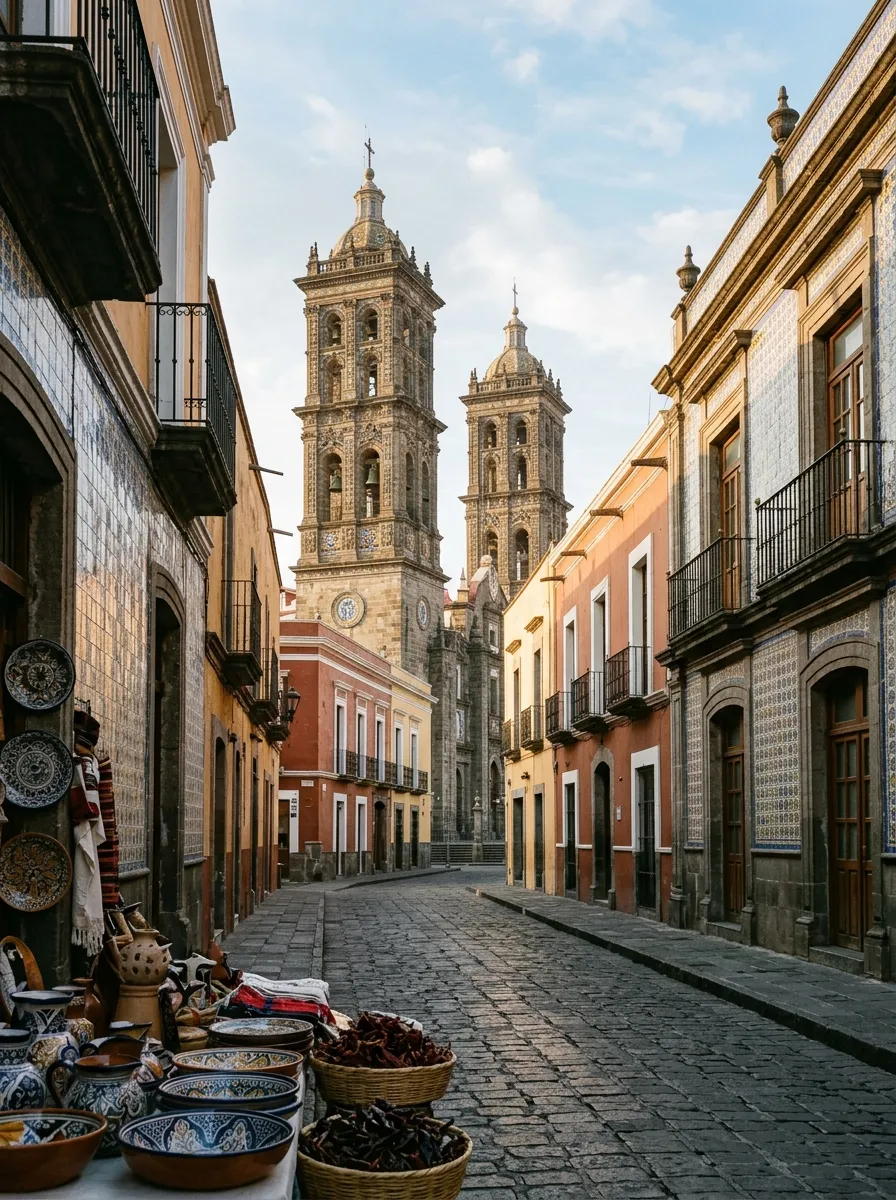
Puebla is one of the easiest cultural additions to a Mexico City itinerary. Its historic center, tiled facades, churches and strong food identity make it suitable for a day trip, though staying two nights reveals considerably more.
Why Puebla deserves more than a lunch stop
Puebla is closely associated with mole poblano, chiles en nogada, cemitas and traditional sweets. Food is a major reason to visit, but the city also offers an impressive concentration of architecture and museums.
Walk through the Zócalo, visit Puebla Cathedral and examine the ornate interiors of historic churches. The Biblioteca Palafoxiana is among the city’s most important cultural sites, while the Amparo Museum combines pre-Hispanic, colonial and modern collections.
Nearby Cholula is known for its archaeological complex, church-dotted skyline and views toward Popocatépetl when clouds cooperate.
Volcano awareness
Popocatépetl is an active volcano. Activity levels, ash conditions and access restrictions can change. Travelers should consult official civil-protection information rather than relying on social-media images.
Ash can occasionally affect flights, air quality or outdoor plans. Do not approach restricted areas or ignore closures for the sake of a photograph.
Best time and length of stay
October and November 2026, followed by February through April 2027, should generally provide pleasant city sightseeing conditions. Rain is more frequent in summer.
Two nights is ideal. A single long day works when time is limited, but consider staying overnight to experience the center after day visitors leave.
Puebla suits food travelers, architecture enthusiasts, families and first-time visitors extending a Mexico City trip without adding a domestic flight.
15. Morelia: Best for Monumental Architecture and Regional Food
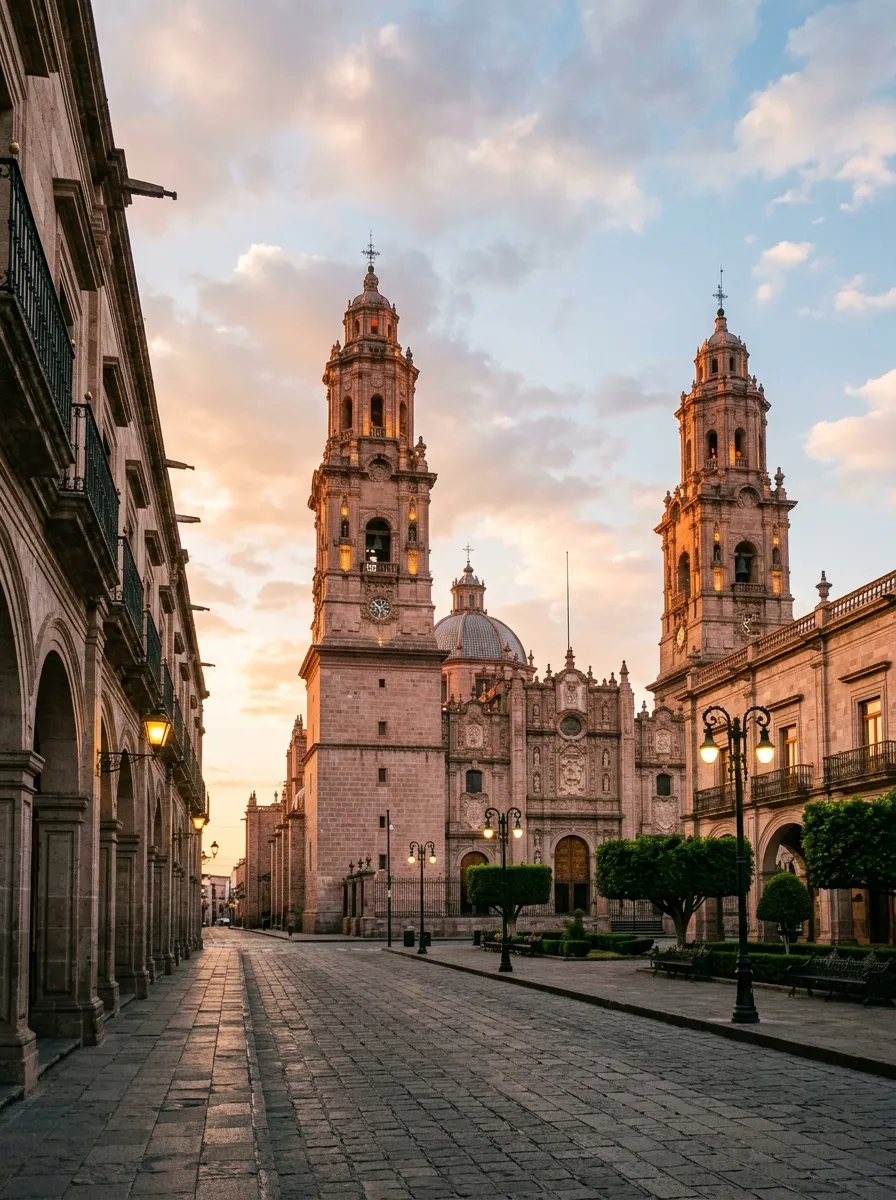
Morelia, the capital of Michoacán, has one of Mexico’s most elegant historic centers. Long arcades, pink-stone buildings, broad plazas and a monumental cathedral give the city a formal beauty distinct from Guanajuato’s tangled hills or Oaxaca’s earthier atmosphere.
Best things to do
Walk the historic center in the late afternoon when the stone takes on warmer tones. Visit the cathedral, aqueduct, museums and former religious buildings.
Morelia is also a base for exploring Michoacán’s regional cuisine, crafts and nearby towns. Pátzcuaro is the most common extension, with a lakeside setting, markets and strong cultural traditions.
Trips around Día de Muertos require particular sensitivity. Ceremonies around Lake Pátzcuaro are living traditions, not performances arranged for visitors. Avoid blocking graves, photographing mourners without permission or treating cemeteries as sets.
Monarch butterfly excursions
Depending on the season and sanctuary operations, Morelia may be used as part of a wider trip toward monarch butterfly reserves. Butterfly arrival patterns vary with weather and migration conditions, and sanctuary access should be verified through official channels.
Visitors should remain on designated trails, follow guide instructions and avoid noise or disturbance around clustered butterflies.
Safety and transport
Michoacán has state-specific warnings and restrictions within the U.S. travel advisory. Review the exact permitted areas and route guidance before planning road trips. Safety conditions are not uniform across the state.
Travel by daylight, use established bus routes or reputable private transportation and avoid improvising rural routes.
Best time and trip length
October and November 2026 can be culturally rich but busy. February and March 2027 may suit travelers interested in cooler weather and possible butterfly-season excursions, depending on official sanctuary conditions.
Spend two nights in Morelia, or four nights when adding Pátzcuaro and another regional excursion.
16. Isla Holbox: Best for Car-Free Island Atmosphere
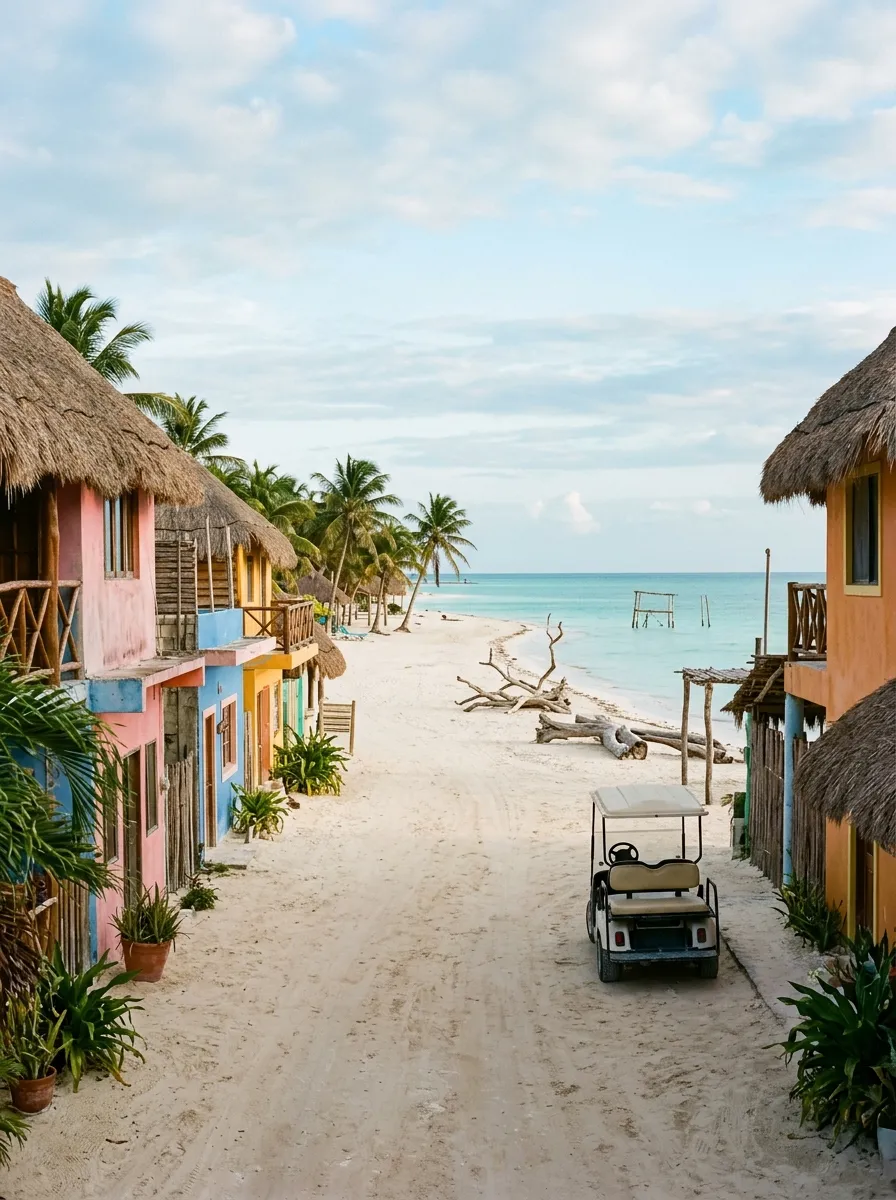
Isla Holbox lies off the northern Yucatán Peninsula and is known for sandy roads, golf carts, low-rise lodging and a slower rhythm than Cancún.
The island is often described as untouched, but that label is increasingly misleading. Holbox has experienced rapid tourism growth, seasonal crowding, flooding and pressure on waste and water systems.
What to do
Most travelers come for beaches, boat trips, kayaking, birdlife and long, unstructured days. Punta Mosquito and Punta Coco are popular areas, but access can depend on tides, weather and local restrictions.
Seasonal wildlife tours may focus on whale sharks or other marine life. Choose licensed operators that follow distance and group-size regulations. Never book tours promising guaranteed close contact.
Bioluminescence may be visible under favorable conditions, but brightness depends on moonlight, water quality and seasonal factors.
Getting there
Travelers generally reach the ferry ports at Chiquilá by road, then continue by passenger ferry. Transfer times from Cancún or the Riviera Maya can be longer than expected, particularly with traffic.
Leave extra time before flights. Returning from an island on the morning of an international departure is an unnecessary plot twist.
Rain, flooding and mosquitoes
Heavy rain can flood sandy streets, producing deep puddles and difficult luggage transport. Mosquitoes can be intense during wet periods.
November 2026 through April 2027 is the broadest comfortable season, though winter is busy and expensive. August through October brings higher heat, rain and storm risk.
Where to stay and how long
Stay near the center for restaurants and convenience, but expect more noise and golf-cart traffic. Properties farther along the beach can be quieter but require longer walks or rides.
Three nights is usually enough. Four or five nights works for travelers intentionally planning a slow beach stay.
Holbox is best for couples, independent travelers and visitors comfortable with limited infrastructure. It is less suitable for people needing highly reliable roads, extensive medical facilities or constant activities.
17. Campeche: Best for Fortifications and a Quieter Historic Center
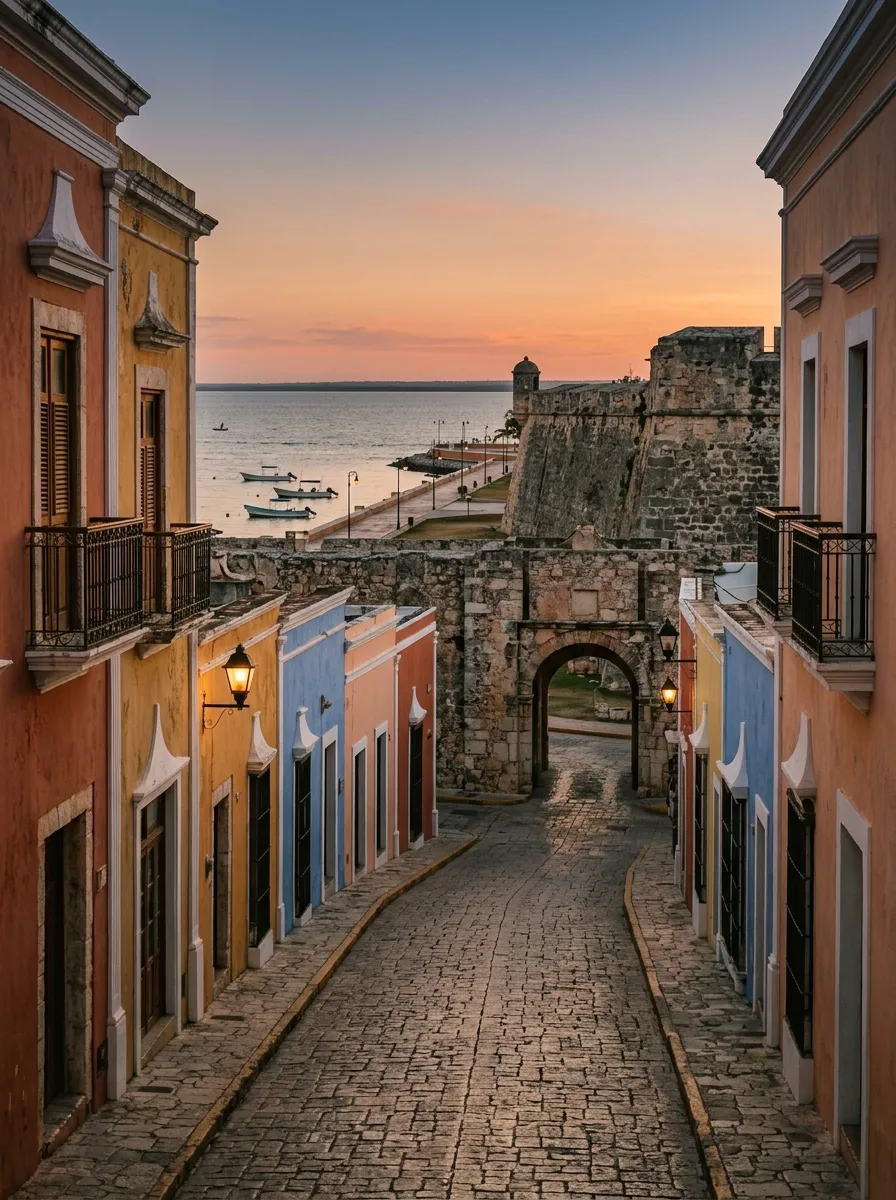
Campeche is a walled Gulf Coast city whose pastel streets and defensive architecture reflect centuries of maritime trade and pirate attacks. It is quieter than Mérida and more compact, making it an excellent two-night stop on a Yucatán route.
What makes Campeche worth visiting?
The historic center is enclosed by surviving walls, gates and bastions. Walking the ramparts and streets in late afternoon reveals carefully restored facades, small museums and plazas that feel far less pressured than Mexico’s most visited colonial centers.
The waterfront malecón is useful for sunset walks, though Campeche is not primarily a beach destination. Its appeal lies in history, architecture and atmosphere.
Day trips from Campeche
The archaeological site of Edzná is the most important nearby excursion. Visit early because heat and sun exposure can be severe.
Longer journeys toward Calakmul require much more planning. Distances are substantial, fuel and services can be limited, and protected-area access procedures may change. Confirm current routes, opening arrangements and guide requirements before departure.
Best time and stay
November 2026 through February 2027 should provide the most comfortable broad window. The city remains humid, and afternoons can feel hot even in winter.
Two nights is ideal. Three nights works when adding Edzná without rushing.
Campeche suits history lovers, photographers and travelers seeking a calmer alternative to Mérida’s busier center. It pairs naturally with Mérida, Palenque or a longer Yucatán Peninsula route.
Best Mexico Travel Destinations by Travel Style
| Travel Style | Best Choices | Why They Work |
| First trip to Mexico | Mexico City, Oaxaca, Mérida | Strong culture, food and transport options |
| Beach resort vacation | Cancún, Los Cabos, Huatulco | Established hotels and organized excursions |
| Independent beach trip | Puerto Vallarta, Puerto Escondido, Holbox | More local dining and smaller properties |
| Food-focused travel | Mexico City, Oaxaca, Puebla, Mérida | Distinctive regional cuisines |
| Architecture and history | Guanajuato, Morelia, Campeche, San Miguel | Walkable historic centers |
| Nature and adventure | Copper Canyon, Chiapas, Bacalar | Rail journeys, rainforest, lagoons and hiking |
| Family travel | Riviera Maya, Huatulco, Puerto Vallarta | Broad lodging and activity choices |
| Couples | San Miguel, Los Cabos, Holbox | Boutique stays and slower itineraries |
| Solo travelers | Mexico City, Oaxaca, Puerto Vallarta | Social tours, transit and varied activities |
| Travelers without a car | Mexico City, Oaxaca, Puebla, Guanajuato | Walkable cores and established connections |
Best Remaining Months of 2026 for Mexico Travel
Because July 2026 has already ended, the most useful planning window begins in August.
August 2026
August remains hot and rainy in much of central and southern Mexico. Caribbean and Pacific destinations face tropical-weather risk, while inland cities often experience afternoon rain.
Good August choices include Mexico City, Oaxaca and San Miguel de Allende for travelers comfortable with showers and museum-focused days.
It is less ideal for travelers expecting uninterrupted beach weather.
September 2026
September is among the wettest and most storm-prone months for several coastal regions. Hotel prices may be lower, but savings come with a higher possibility of disruption.
Independence Day celebrations around September 15 and 16 bring events and crowds to many cities. Check local schedules and expect road closures near main plazas.
October 2026
October is transitional. Early October can still bring significant rain or tropical systems, while later weeks often improve in central Mexico.
Día de Muertos preparations increase toward the end of the month. Oaxaca, Morelia and Mexico City become particularly popular. Reserve accommodation well ahead and avoid treating private ceremonies as public entertainment.
November 2026
November is the strongest remaining all-around month for many Mexico travel destinations. Temperatures become more comfortable, rainfall decreases in several regions and coastal high season is only beginning.
Excellent options include Oaxaca, Mérida, Puerto Vallarta, Huatulco, Bacalar, Guanajuato and Los Cabos.
December 2026
Early December can offer excellent weather, but prices and occupancy rise sharply closer to Christmas and New Year.
Book transportation and accommodation early for travel after approximately December 18. Beach destinations, colonial towns and major cities all become busy.
Best Months to Visit Mexico in 2027
January and February 2027
These months are ideal for many coastal destinations, the Yucatán Peninsula and lower-elevation archaeological sites.
Mexico City and central highland cities can have cool mornings and evenings. Copper Canyon may experience winter weather at altitude.
March and April 2027
March is one of the best broad travel months, though U.S. spring break affects resort regions.
Easter dates create major domestic travel demand and closures or processions in many cities. Reserve early and verify attraction schedules.
April becomes hotter, particularly in Mérida, Chiapas and coastal regions.
May and June 2027
May can be extremely hot before summer rains fully develop. June typically marks a wetter pattern in many southern and coastal destinations.
These months can provide lower rates, but outdoor itineraries require heat planning.
July through October 2027
This period generally brings higher humidity, rainfall and tropical-storm risk. Exact forecasts will only be available closer to departure.
Travel remains possible, but flexible reservations and insurance become more important.
A Realistic 10-Day First-Time Mexico Itinerary
This itinerary combines Mexico City, Puebla and Oaxaca without excessive domestic flights or constant hotel changes.
| Day | Overnight Base | Plan |
| 1 | Mexico City | Arrive, light neighborhood walk and early night |
| 2 | Mexico City | Historic center and major monuments |
| 3 | Mexico City | Anthropology Museum and Chapultepec |
| 4 | Mexico City | Teotihuacán day trip |
| 5 | Puebla | Travel to Puebla, explore historic center |
| 6 | Oaxaca City | Morning in Cholula or Puebla, continue to Oaxaca |
| 7 | Oaxaca City | Markets, Santo Domingo and historic streets |
| 8 | Oaxaca City | Monte Albán and artisan community |
| 9 | Oaxaca City | Mitla, valley excursion or relaxed food day |
| 10 | Departure | Fly or travel onward |
This route works because each transfer moves in one direction. It avoids flying from one coast to another merely to collect destinations.
A Seven-Day Yucatán Itinerary Without a Resort-Only Focus
| Day | Base | Plan |
| 1 | Mérida | Arrival and evening in the historic center |
| 2 | Mérida | City sightseeing and regional food |
| 3 | Mérida | Uxmal or cenote excursion |
| 4 | Valladolid | Travel via Izamal or Chichén Itzá |
| 5 | Valladolid | Cenotes and town exploration |
| 6 | Bacalar | Travel south and lagoon sunset |
| 7 | Bacalar | Boat or kayak trip, onward departure next day |
A rental car provides flexibility, but buses and organized transfers can cover much of the route. Confirm current schedules before locking in nonrefundable accommodation.
How to Get to Mexico
Mexico City, Cancún, Los Cabos, Puerto Vallarta and several other destinations receive nonstop flights from major U.S. airports.
Smaller destinations may require:
- A domestic connection
- A long-distance bus
- A shared transfer
- A rental car
- A train connection in selected regions
When comparing flights, check the exact airport. “Mexico City” itineraries may use Mexico City International Airport, Felipe Ángeles International Airport or Toluca, each with different transfer implications.
Allow generous connection times when changing airports.
How to Get Around Mexico
Domestic flights
Flights are useful for crossing large distances, such as Mexico City to Cancún or Oaxaca to northern Mexico. Compare baggage fees, airport transfers and schedule reliability rather than choosing only the lowest headline fare.
Long-distance buses
Premium and first-class buses connect many cities comfortably. Major terminals are often outside historic centers, so include taxi or ride-hailing time.
Travel by daylight when routes cross areas with security concerns.
Trains
Passenger rail options remain limited compared with Europe, but Mexico now has several important systems, including the Chepe Express, Maya Train and selected regional services. The official tourism portal lists these among the country’s main rail routes.
Verify schedules directly with the operator.
Rental cars
Cars are useful for cenote routes, Baja California Sur, Yucatán road trips and remote archaeological sites.
Before booking:
- Confirm mandatory insurance requirements
- Photograph existing damage
- Avoid nighttime rural driving
- Use toll roads where practical
- Download offline maps
- Keep fuel above half a tank in remote regions
Where to Stay in Mexico
Choose location before choosing hotel style.
A beautiful property can become inconvenient when it is:
- Forty minutes from the town center
- Isolated from restaurants
- Accessible only by steep stairs
- Located on a non-swimmable beach
- Far from public transportation
- Surrounded by nightlife noise
Read recent reviews for construction, water pressure, air-conditioning, street noise and transport access.
In historic centers, confirm whether vehicles can reach the entrance. In coastal areas, ask directly about storm policies and beach conditions.
Mexico Travel Costs
Mexico is not uniformly inexpensive. Costs vary dramatically by destination and travel style.
| Expense | Budget Range | Mid-Range Range | Main Variables |
| Hotel room | $35–$80 | $90–$220 | City, season and location |
| Casual meal | $5–$12 | $15–$30 | Street food versus tourist district |
| Domestic flight | $50–$180+ | $150–$300+ | Baggage and booking time |
| Long-distance bus | $20–$70 | $40–$100 | Distance and service class |
| Guided day trip | $40–$100 | $100–$250+ | Group size and activity |
| Airport transfer | $15–$40 | $40–$120+ | Distance and private vehicle |
| Rental car | $35–$80+ daily | $70–$130+ daily | Insurance and season |
These are broad planning estimates, not guaranteed prices. Los Cabos, Tulum, Holbox and luxury Riviera Maya properties generally cost more than Puebla, Campeche or central Oaxaca.
Budget-Saving Tips
Book domestic transport before major holidays, but avoid inflexible reservations during hurricane season.
Eat your main meal at neighborhood restaurants or markets rather than on resort property.
Stay near the attractions you will use most. Saving $20 on a distant hotel can create $30 in daily taxi costs.
Use public buses or established local transport in cities where routes are straightforward.
Carry pesos for markets, smaller restaurants and local transportation. Avoid relying entirely on foreign currency.
Never exchange money with strangers on the street.
Entry Requirements for U.S. Travelers
Entry rules can change, so verify them with official Mexican authorities and the U.S. Department of State before departure.
Travelers should generally carry:
- A valid passport
- Proof of onward or return travel when requested
- Accommodation details
- Enough financial resources for the trip
- Any required immigration documentation
Do not assume every traveler automatically receives a specific maximum stay. Immigration officers determine authorized stay according to current rules and the traveler’s circumstances.
Keep copies of your passport and entry documentation in secure digital storage.
Safety in Mexico
Mexico’s national U.S. advisory is currently Level 2, but state-level advice varies significantly. Some states or areas carry stronger warnings and restrictions.
Practical precautions include:
- Check the advisory for each state on your itinerary
- Avoid isolated roads after dark
- Use official taxis or trusted ride-hailing services
- Keep valuables out of sight
- Use hotel safes appropriately
- Withdraw cash inside banks or secure commercial areas
- Avoid demonstrations and roadblocks
- Follow local instructions during weather events
- Share long-distance travel plans with someone
Mexico’s tourism authority lists 078 as a national tourist assistance line for information related to security, transport and consular support.
Call local emergency services when immediate help is needed.
Health and Travel Insurance
Travel insurance should cover:
- Medical care
- Emergency evacuation
- Trip interruption
- Weather disruption
- Delayed or lost baggage
- Adventure activities included in your itinerary
Drink purified or bottled water where local guidance recommends it. Be cautious with ice in places where water treatment is uncertain.
Heat illness is a larger risk than many travelers expect. Schedule exposed ruins, hikes and walking tours early.
In mosquito-prone areas, use repellent and wear protective clothing, especially around dawn, dusk and standing water.
Family Travel in Mexico
The easiest family destinations are Riviera Maya, Huatulco, Puerto Vallarta, Mérida and Mexico City.
Families should prioritize:
- Short airport transfers
- Swimmable beaches
- Reliable medical access
- Flexible meal options
- Pools with secure supervision
- Hotels with elevators or ground-floor rooms
- Tours with realistic age restrictions
Car seats may not automatically be available in taxis or transfers. Reserve them in advance when needed.
Avoid overloading family itineraries with long day trips. A four-hour archaeological excursion often becomes an eight-hour day once pickups, traffic and meals are included.
Solo Travel in Mexico
Mexico City, Oaxaca, Puerto Vallarta, Mérida and San Miguel de Allende are among the easiest choices for solo travelers because they provide walkable areas, tours and established accommodation.
Solo travelers should:
- Arrive during daylight when possible
- Avoid deserted streets after dark
- Use verified transportation
- Keep someone informed about long trips
- Join reputable group excursions for remote areas
- Trust discomfort and leave situations early
Do not advertise that you are carrying all your cash, documents or equipment.
Accessibility
Accessibility varies widely. Modern resorts may have elevators and adapted rooms, while colonial centers often contain cobblestones, high curbs and narrow sidewalks.
Before booking, ask specific questions:
- Is there step-free access from street to room?
- Is the bathroom roll-in or merely described as accessible?
- Can a wheelchair enter the tour vehicle?
- Are archaeological paths paved?
- Does the beach have mobility equipment?
- Is an elevator always operational?
Request photographs when descriptions are vague.
Responsible Tourism
Mexico’s destinations are living communities, not decorative backgrounds.
Travel responsibly by:
- Asking permission before photographing people
- Avoiding wildlife-touching experiences
- Staying away from closed dunes, reefs and ruins
- Carrying reusable water containers where safe
- Using reef-conscious sun protection
- Supporting local guides and producers
- Keeping noise low in residential streets
- Respecting cemetery and religious ceremonies
- Avoiding illegal archaeological souvenirs
- Conserving water in drought-prone regions
In Bacalar and cenote areas, follow all rules designed to protect fragile freshwater systems.
Mexico Travel Packing Checklist
- Passport and secure digital copy
- Travel insurance documents
- Hotel and transportation confirmations
- Mexican pesos for small purchases
- Backup payment card stored separately
- Lightweight breathable clothing
- Modest clothing for religious sites and communities
- Comfortable walking shoes
- Sandals or water shoes where appropriate
- Light sweater for highland cities
- Packable rain jacket or umbrella
- Sun hat and sunglasses
- High-SPF sunscreen
- Insect repellent
- Refillable water bottle
- Basic medication and prescriptions
- Portable battery pack
- Offline maps
- Small dry bag for boat trips
- Daypack with secure closures
- Copies of emergency contacts
- Adapter or charging equipment as needed
- Clothing suitable for changing temperatures
- Space for locally made purchases
Frequently Asked Questions About Mexico Travel Destinations
What are the best Mexico travel destinations for first-time visitors?
Mexico City, Oaxaca, Mérida, Puerto Vallarta and the Riviera Maya are the easiest first choices. They combine strong tourism infrastructure with major cultural or natural attractions.
What is the best destination in Mexico overall?
Mexico City is the best all-around choice because it offers museums, food, neighborhoods, archaeology and excellent flight connections. Travelers focused mainly on beaches may prefer Puerto Vallarta or the Riviera Maya.
What is the safest tourist destination in Mexico?
Safety cannot be reduced to one destination name. Conditions vary by neighborhood, state, route and time. Review official state-level guidance and follow local advice.
What is the best month to visit Mexico?
November is the strongest broad month for many regions, with improving weather and fewer holiday crowds than late December. February and March are also excellent but more expensive in beach destinations.
Is Mexico expensive for U.S. travelers?
Mexico can be affordable, but resort zones and luxury destinations may cost as much as or more than U.S. vacations. Puebla, Campeche and parts of Oaxaca often provide better value than Los Cabos, Holbox or Tulum.
How many days should I spend in Mexico?
Seven to ten days is ideal for a first trip focused on one region. Two weeks allows two nearby regions without rushing.
Can I visit Mexico without renting a car?
Yes. Mexico City, Oaxaca, Puebla, Guanajuato, Puerto Vallarta and Mérida work well without a car. Cars become more useful for remote beaches, cenote routes and archaeological sites.
Is Cancún the best place to visit in Mexico?
Cancún is best for convenient resort travel, but not necessarily for culture, food or independent exploration. Mexico City, Oaxaca and Mérida offer deeper urban and cultural experiences.
Which Mexico destination has the best beaches?
The Riviera Maya is known for Caribbean color, while Huatulco offers protected bays and Los Cabos provides dramatic desert-coast scenery. Actual swimming conditions vary by season and beach.
Is Tulum still worth visiting?
Tulum can be worthwhile for ruins, specific hotels and nearby cenotes, but prices, traffic and development have reduced its appeal for some travelers. Compare it with Bacalar, Valladolid or Puerto Morelos.
What is the best destination for Mexican food?
Oaxaca is the strongest single choice for regional culinary traditions. Mexico City offers the widest range, while Puebla, Mérida and Puerto Escondido also have distinctive food scenes.
What is the best destination for families?
The Riviera Maya, Huatulco and Puerto Vallarta work especially well because of resort choices, pools, excursions and medical access.
Where should solo travelers go in Mexico?
Mexico City, Oaxaca, Mérida, Puerto Vallarta and San Miguel de Allende are practical solo destinations with tours, restaurants and walkable districts.
Should I carry cash in Mexico?
Yes. Cards are widely accepted in cities and resorts, but cash remains useful for markets, tips, taxis and small restaurants.
Can I drink tap water in Mexico?
Water safety varies. Many travelers use purified or bottled water for drinking. Ask accommodation staff about local water treatment and avoid assumptions.
Is travel insurance necessary?
It is strongly advisable, particularly during hurricane season, for remote adventures or when booking expensive nonrefundable accommodation.
Should I book tours in advance?
Reserve high-demand experiences and small-group tours in advance, especially during winter, spring break, Easter and Día de Muertos. Routine city tours can often be booked closer to arrival.
Is Mexico good for a road trip?
Yes, particularly in the Yucatán Peninsula and Baja California Sur. Research road safety, fuel availability, insurance and state advisories before driving.
What mistakes should first-time visitors avoid?
The biggest mistakes are combining distant regions, underestimating heat, choosing hotels far from planned activities, assuming all beaches are swimmable and ignoring state-specific safety advice.
What should I pack for Mexico?
Pack for the destination rather than the country. Highland cities require layers, coastal regions require heat and rain protection, and archaeological sites demand sturdy shoes and sun protection.
Conclusion: Choosing the Best Mexico Travel Destination
The best Mexico travel destinations are not interchangeable, and that is the country’s greatest strength.
Choose Mexico City when you want the richest first introduction, with museums, neighborhoods and food filling every day. Choose Oaxaca for regional cooking, markets and living cultural traditions. Select Mérida when Maya sites and cenotes matter more than resort nightlife, or Puerto Vallarta when you want an established beach destination that still feels like a real city.
For quieter water-focused trips, Bacalar and Holbox offer slower rhythms, though both require realistic expectations about weather and infrastructure. Los Cabos suits travelers willing to spend more for resorts and desert scenery, while Huatulco works better for families and couples seeking calmer bays. Puerto Escondido is the obvious choice for surfing and casual coastal energy, provided you respect the Pacific rather than treating every beach as a swimming pool.
Travelers willing to plan more carefully will find some of Mexico’s most memorable experiences in Copper Canyon and Chiapas. These regions demand more time, transport research and safety awareness, but reward that effort with landscapes unlike the country’s familiar resort image.
For a first trip, choose one region and give it at least seven days. Resist the urge to combine Mexico City, Cancún, Oaxaca and Los Cabos in one breathless itinerary. Mexico is enormous, and its best moments usually appear after the schedule loosens: an unplanned market breakfast, a plaza at dusk, a quiet lagoon morning or a train curving toward a canyon wall.
Plan fewer places, verify current conditions and travel with enough time to notice where you have arrived.