
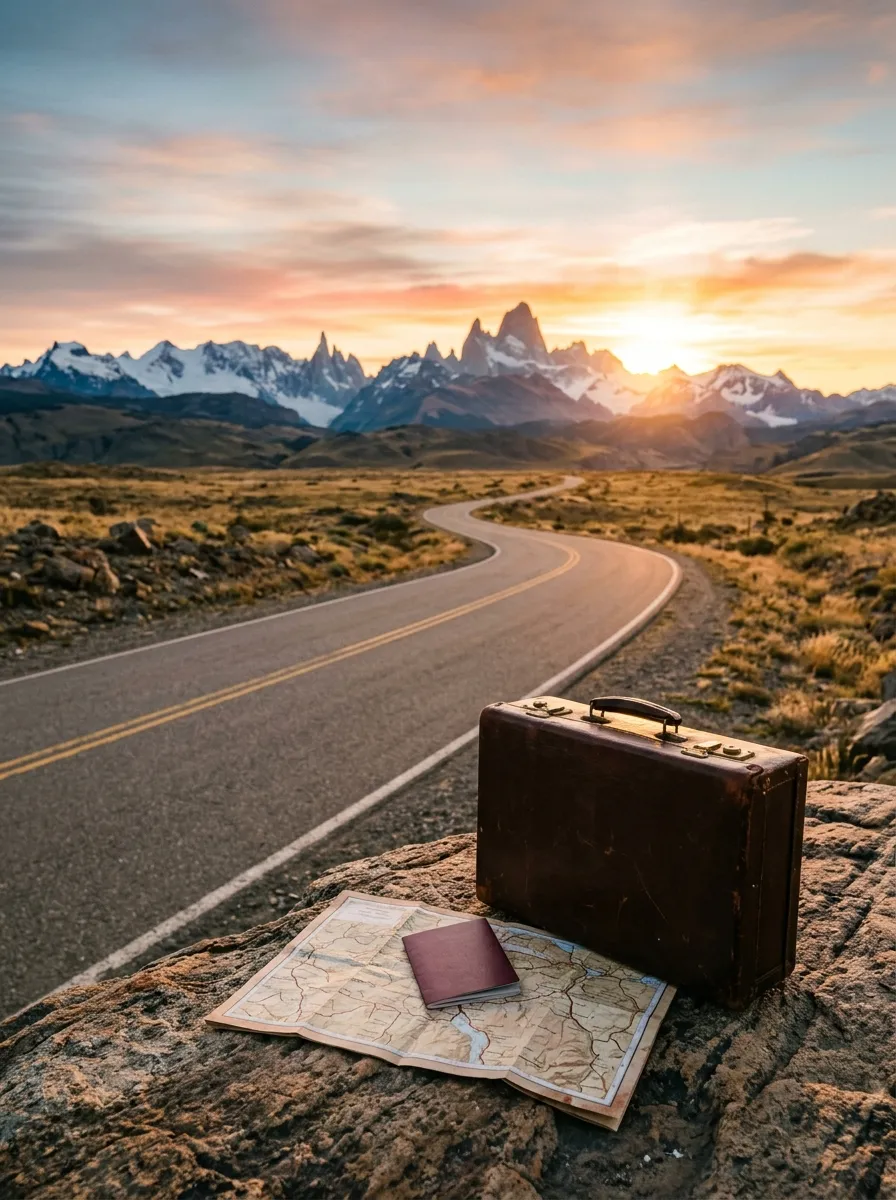
Motivation for Traveling: 21 Powerful Reasons to Stop Waiting and Start Exploring
Travel often begins long before a plane leaves the ground.
It begins when you look at a photograph and wonder what the air feels like there. It begins when a familiar routine starts feeling too small, when a map becomes more interesting than your calendar, or when you realize you have been postponing the same dream for years.
Still, wanting to travel and actually booking a trip are two different things.
Fear gets involved. Money becomes complicated. Work becomes busy. Family responsibilities grow. The destination list becomes so long that choosing one place feels impossible. Sometimes the problem is not a lack of desire. It is a lack of momentum.
Travel motivation is the force that turns curiosity into action.
It does not always arrive as a dramatic urge to quit your job and cross a continent. Sometimes it appears quietly, as a decision to spend one weekend somewhere unfamiliar. A short train ride, a nearby hiking trail or a solo afternoon in another city can be enough to reopen a part of yourself that routine had placed in storage.
This guide explores the deeper reasons people travel, the psychological benefits of new experiences, the obstacles that keep travelers stuck and practical ways to transform inspiration into a real journey.
Recommended Travel Items for Your Trip
TRAVEL MOTIVATION AT A GLANCE
Travel can help you:
- Break repetitive routines
- Build confidence
- Strengthen relationships
- Discover new cultures
- Learn practical life skills
- Recover your curiosity
- Create meaningful memories
- Test your limits safely
- Gain perspective
- Become more adaptable
- Appreciate home differently
- Make life feel larger
Why Is It So Hard to Start Traveling?
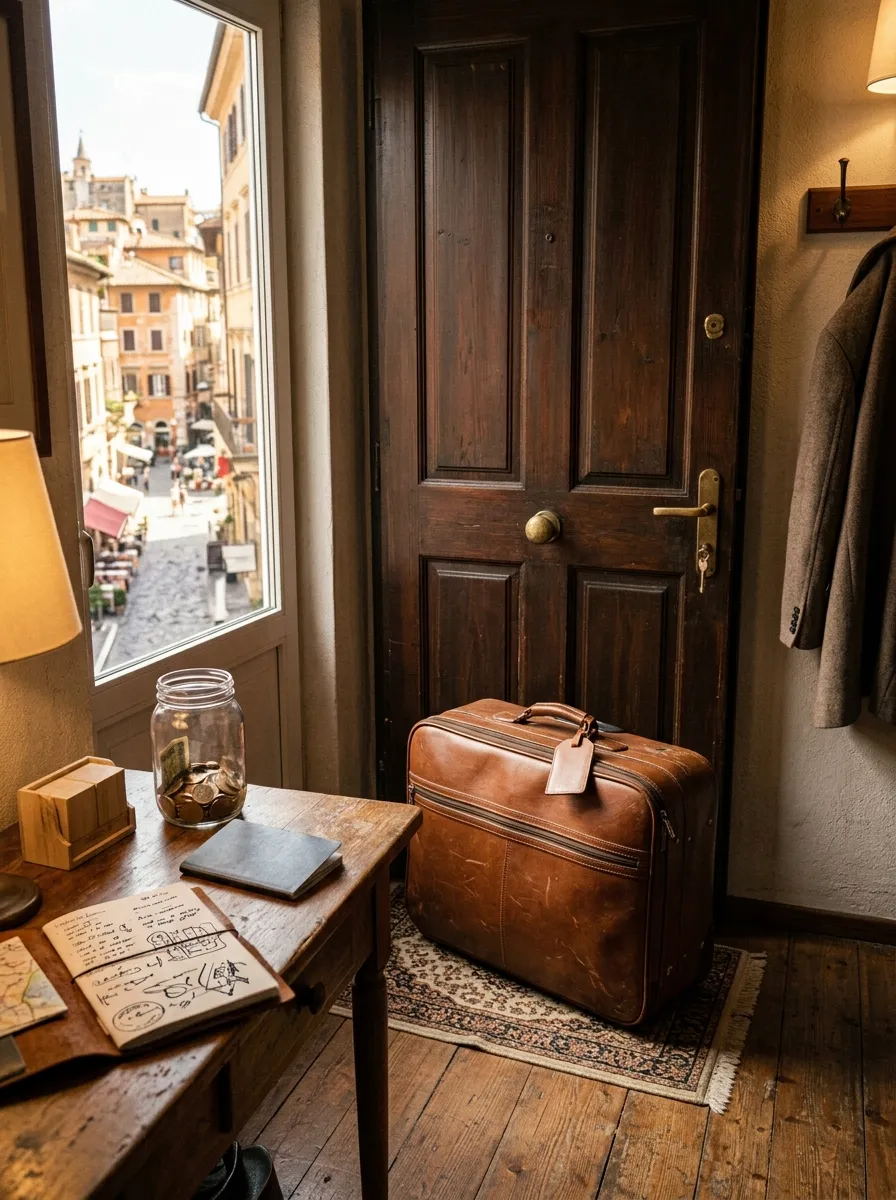
Many people assume that travelers are naturally fearless, wealthy or unusually spontaneous.
Most are not.
Experienced travelers still worry about costs, missed connections, unfamiliar food, language barriers and whether the hotel photographs were taken during the building’s one good afternoon.
The difference is usually not the absence of doubt.
It is the decision to move forward despite incomplete certainty.
Common reasons people delay travel include:
- Believing every trip must be expensive
- Waiting for the perfect travel companion
- Feeling nervous about unfamiliar places
- Assuming they need several weeks off
- Becoming overwhelmed by planning
- Worrying about language barriers
- Feeling guilty about spending money on themselves
- Waiting for a future version of life to become less busy
- Comparing simple trips with polished social media content
- Believing meaningful travel must involve another continent
Some of these barriers are real. Others grow larger because they remain untested.
A traveler who feels intimidated by an international trip can begin with a nearby city. Someone worried about solo travel can join a guided day tour. A person with a limited budget can choose one affordable weekend rather than waiting indefinitely for a month-long European journey.
Motivation becomes stronger when the first step becomes smaller.
1. Travel Breaks the Repetition of Everyday Life
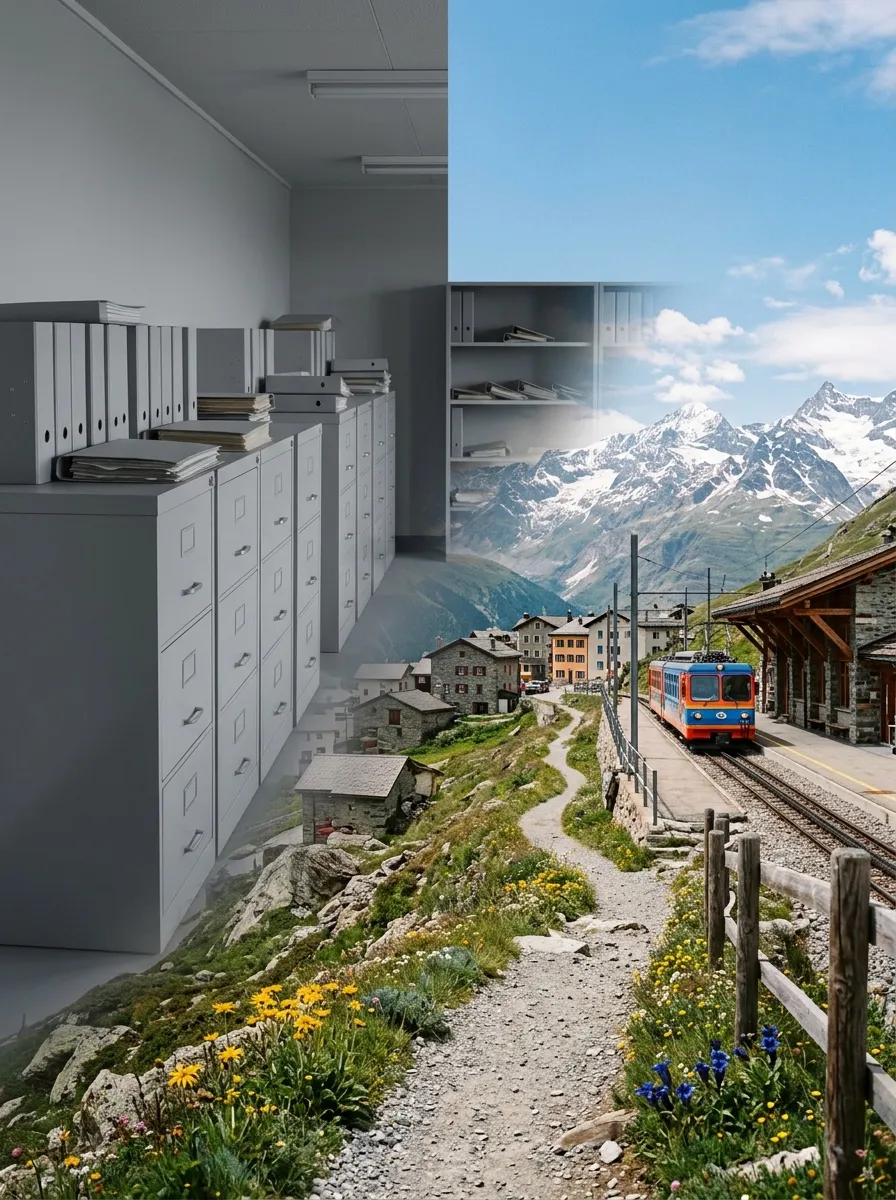
Routine is useful.
It helps people work, manage responsibilities and maintain stability. But routine can also compress time. When every week resembles the last, months begin to disappear without leaving many distinct memories.
Travel interrupts that pattern.
A different street, breakfast, language or landscape forces the mind to pay attention. Even ordinary moments become noticeable because they are no longer automatic.
You remember:
- The sound of a station announcement
- The first view from a hotel window
- The meal you ordered without understanding every ingredient
- The unexpected rainstorm
- The wrong turn that revealed a quiet square
- The stranger who helped you find the correct bus
Travel stretches time because novelty creates stronger mental landmarks.
This does not require a dramatic expedition. A two-day trip can be enough to make a month feel more vivid.
2. Travel Reawakens Curiosity
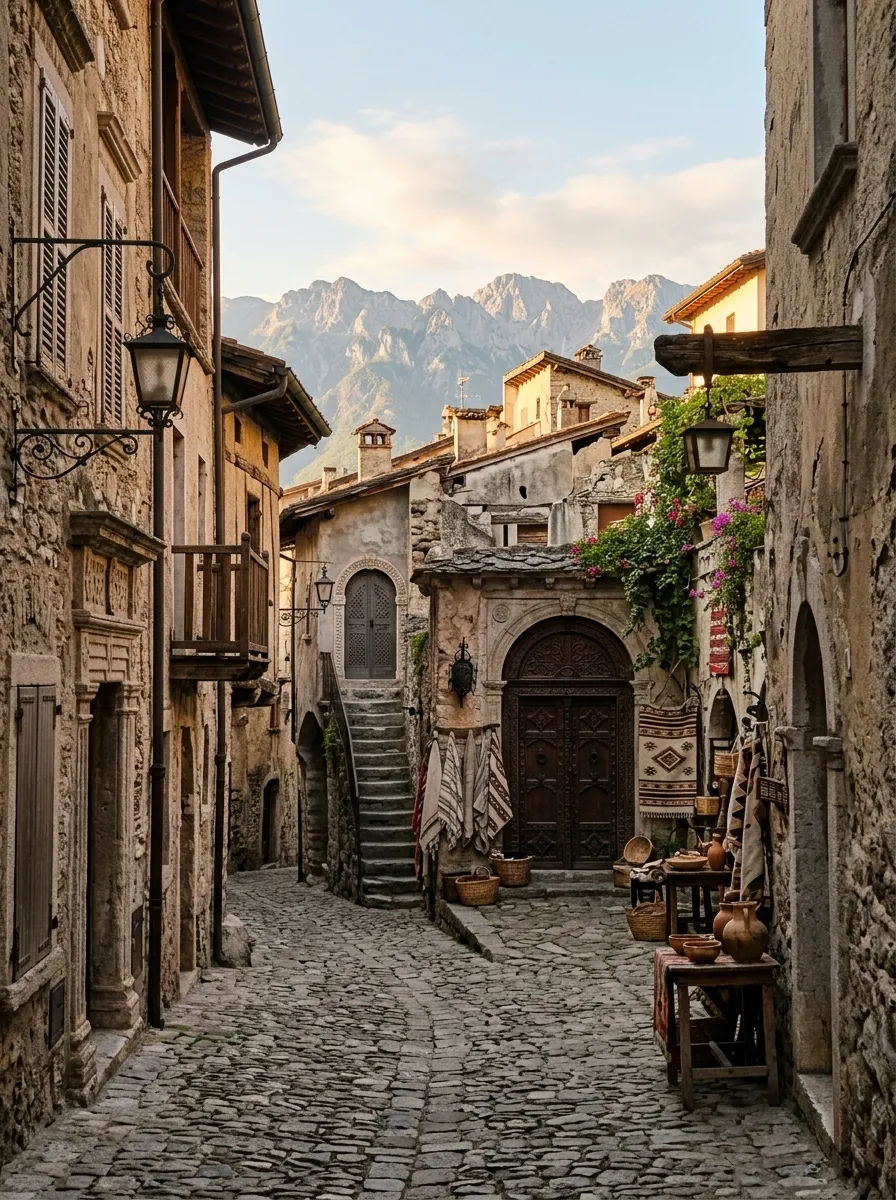
Children ask questions constantly because the world is still unfamiliar.
Adults often lose that habit. Familiar surroundings make it easy to move through life without examining much.
Travel restores the question-making instinct.
Why are the houses built this way? What is this dish called? Why does the city become quiet in the afternoon? What happened inside this ruined fortress? Why do residents gather in this square every evening?
Curiosity changes travel from consumption into participation.
Instead of merely photographing a place, you begin investigating it.
A destination no longer feels like scenery. It becomes a living system of history, geography, food, architecture, traditions and daily choices.
Travelers looking for that spark can begin with these unique hidden destinations, where unfamiliar landscapes and overlooked towns offer an escape from predictable itineraries.
3. Travel Builds Confidence
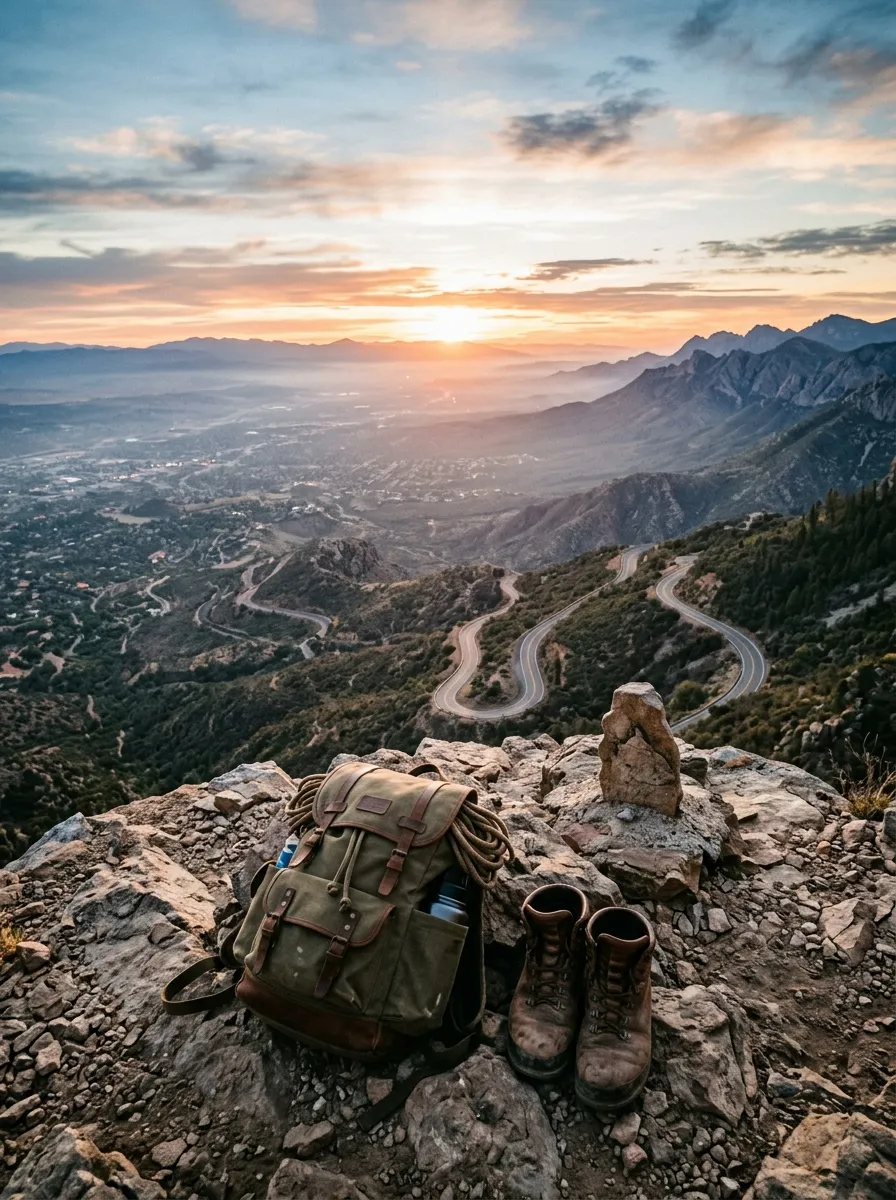
Confidence is rarely created by repeating only the things you already know how to do.
It grows when you solve unfamiliar problems.
Travel presents dozens of small challenges:
- Reading transportation signs
- Navigating a new neighborhood
- Asking for help
- Managing a budget
- Recovering from delays
- Communicating across language differences
- Making decisions without familiar support
- Handling uncertainty
Each solved problem becomes evidence.
You begin to understand that you can arrive somewhere unfamiliar, work things out and continue.
This confidence often returns home with you. A person who successfully navigates another country may feel more capable when facing a difficult meeting, career change or personal decision.
The trip does not magically remove insecurity.
It gives insecurity less evidence to work with.
4. Travel Gives You Perspective
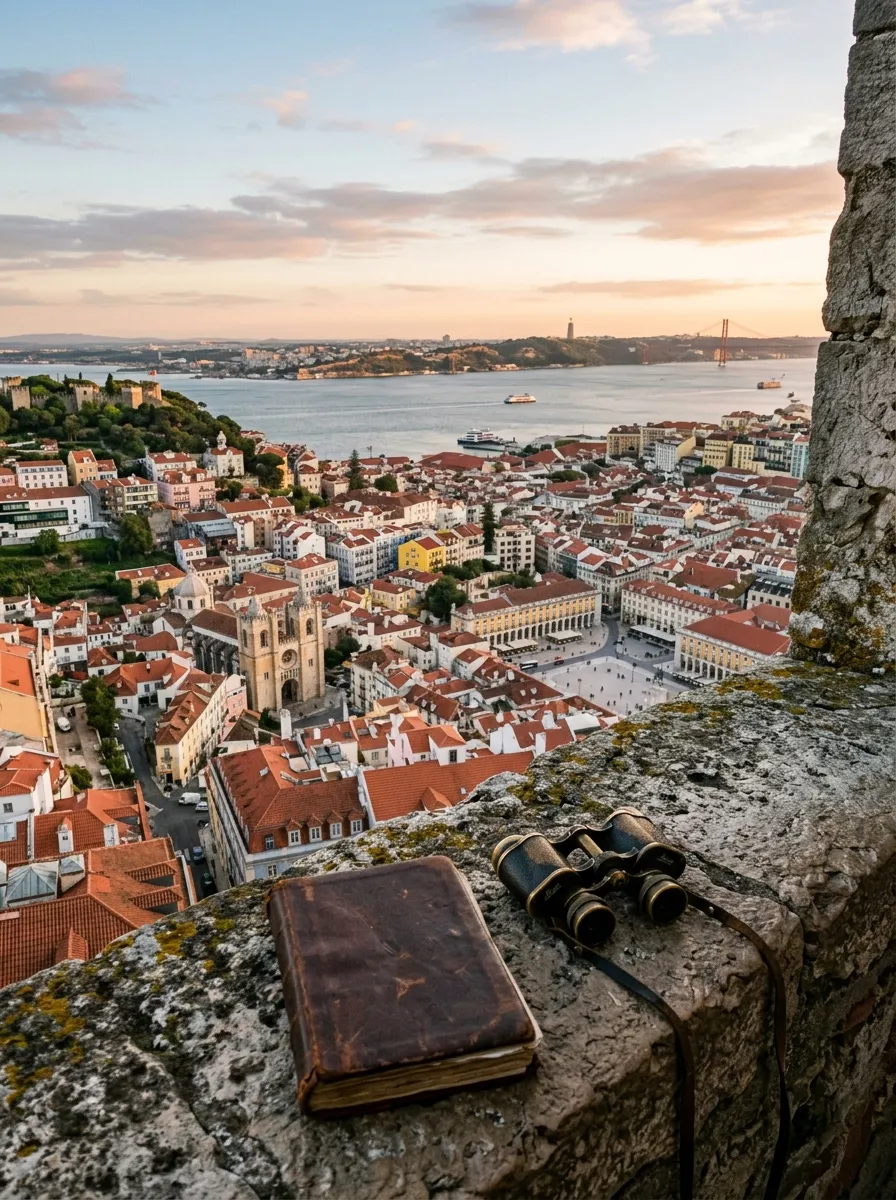
Daily problems often feel enormous because they occupy the entire frame.
Travel widens that frame.
Seeing how other people live, work, celebrate and solve problems can challenge assumptions that once felt universal.
You may discover:
- A slower approach to meals
- A stronger sense of community
- Different attitudes toward work
- More efficient public transportation
- New family traditions
- Alternative ways of using public space
- Different definitions of comfort, success and happiness
Perspective does not mean romanticizing every foreign culture or criticizing your own.
It means recognizing that familiar ways are not the only ways.
That realization can be liberating.
5. Travel Helps You Learn Who You Are
At home, identity is reinforced by familiar roles.
You are the employee, parent, sibling, friend, neighbor or person who always orders the same coffee.
Travel temporarily loosens those labels.
In a new place, you learn what you choose when no one else is shaping the decision.
Do you prefer museums or forests? Busy cities or quiet villages? Structured itineraries or spontaneous afternoons? Early mornings or late dinners? Comfort or adventure?
You may discover that you are:
- More independent than expected
- Less interested in luxury than assumed
- Happiest near water
- Energized by cities
- Calmer in mountains
- More social with strangers
- Comfortable traveling slowly
- Capable of handling uncertainty
Travel does not create an entirely new person.
It introduces you to the parts of yourself that routine rarely invites outside.
6. Travel Creates Stronger Memories Than Most Purchases
Objects can improve daily life, but many purchases gradually become invisible.
The new phone becomes the phone. The furniture becomes part of the room. The clothes become another layer in the wardrobe.
Travel experiences often become more valuable with time.
A difficult hike becomes funnier in memory. A family trip becomes part of shared history. A small restaurant becomes the standard against which future meals are measured.
Experiences also connect with other memories.
A particular song may return you to a train journey. A scent may bring back a market. A photograph may recover an entire day that had been hidden for years.
This does not mean people should ignore financial responsibilities and spend recklessly.
It means travel can be a meaningful use of money when planned carefully.
7. Travel Strengthens Relationships
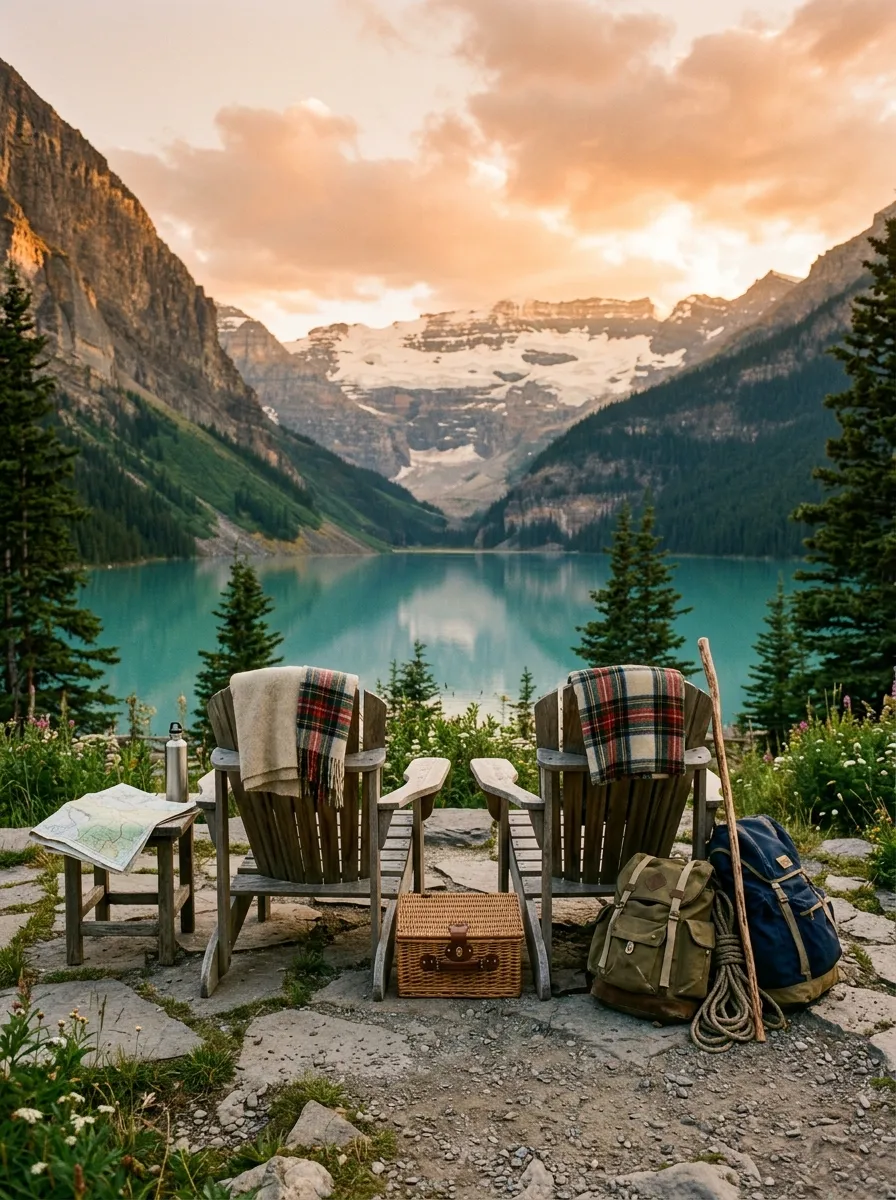
Travel reveals people quickly.
You learn who stays calm during delays, who reads maps, who wakes up early and who becomes a philosopher when hungry.
Shared travel can strengthen relationships because it creates:
- Joint decisions
- New memories
- Private jokes
- Teamwork
- Time away from routine
- Opportunities for deeper conversations
- A shared sense of accomplishment
Couples may reconnect outside household responsibilities. Families may experience each other beyond school and work schedules. Friends may finally have uninterrupted time together.
Travel can also expose differences.
One person may want to visit five attractions before lunch while another wants to spend three hours watching boats. Discussing expectations before the trip can prevent a scenic disagreement beside an otherwise innocent fountain.
8. Travel Encourages Personal Growth
Personal growth is not always comfortable.
Travel can make you tired, confused, impatient or embarrassed. It can force you to accept that you do not understand the system and need help.
Those moments are useful.
They develop:
- Patience
- Humility
- Adaptability
- Problem-solving
- Emotional control
- Cultural awareness
- Communication skills
- Independence
Growth usually happens in small doses.
It happens when you recover from missing a bus, try food you cannot pronounce or continue through a day that did not follow the plan.
The destination provides the setting. Your responses create the lesson.
9. Travel Can Improve Creativity
New environments give the brain unfamiliar material.
Colors, architecture, sounds, conversations, food and landscapes create connections that routine may not produce.
Writers find new scenes. Designers notice patterns. Business owners see different systems. Photographers learn to observe light. Cooks encounter ingredients and techniques that reshape familiar recipes.
Creativity often benefits from distance.
A problem that felt fixed at home may look different after several days away. The answer may not arrive directly, but mental space allows new possibilities to enter.
You do not need to travel for work to return with better ideas.
10. Travel Teaches Adaptability
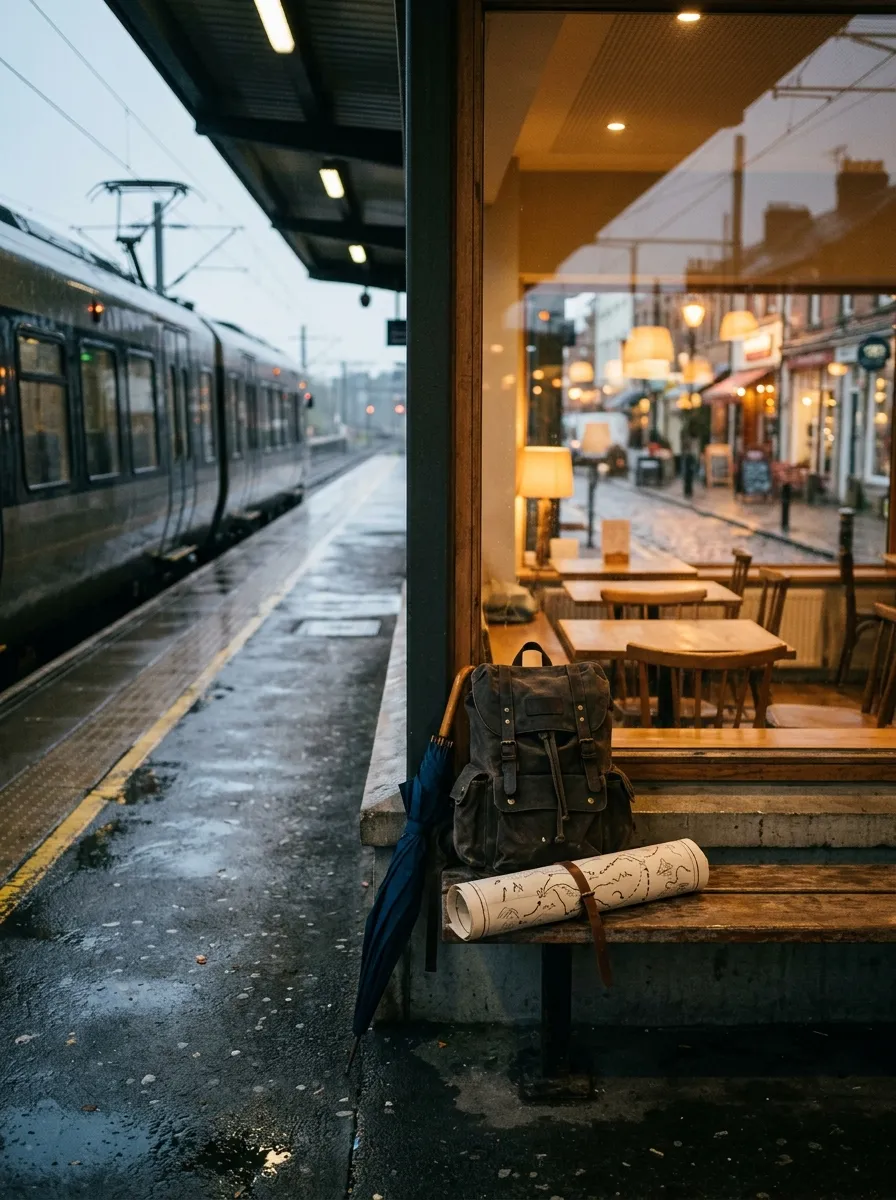
A perfect itinerary is a lovely work of fiction.
Flights are delayed. Weather changes. Museums close. Roads become blocked. A restaurant disappears despite being strongly recommended by a blog written three months earlier.
Travel teaches you to adjust.
You learn to replace the original plan without treating the day as ruined.
This skill matters far beyond vacations.
Life rarely follows the schedule either.
Travel provides a manageable environment in which to practice flexibility. The consequences of a changed dinner reservation are small, but the emotional skill involved can be significant.
THE FLEXIBILITY RULE
Protect the purpose of the day, not every detail. If rain closes the hiking trail, the goal can still be exploration, rest or discovery in another form.
11. Travel Can Restore Energy
Rest does not always mean doing nothing.
Sometimes exhaustion comes from repetition rather than activity.
A trip can restore energy by replacing obligation with attention. Walking through a new city may feel less draining than sitting through another ordinary weekend because your mind is engaged rather than numb.
Different people recover through different types of travel.
Some need:
- A quiet beach
- A mountain cabin
- A wellness retreat
- A lively city
- A theme park
- A road trip
- A food-focused weekend
- Several days without notifications
The best restorative trip is not necessarily the calmest one.
It is the trip that gives you what daily life has been withholding.
12. Travel Helps You Appreciate Home
Leaving home can clarify what home provides.
You may return with greater appreciation for:
- Your bed
- Familiar food
- Reliable routines
- Friends and family
- Local parks
- Clean water
- Public services
- Personal space
- Neighborhood traditions
Travel can also reveal what you want to change.
Perhaps you want to walk more, eat later, spend less time online or make room for regular weekend adventures.
A good journey does not always make you want to escape home permanently.
Sometimes it teaches you how to inhabit home better.
13. Travel Connects You With History
History becomes more immediate when you stand where it happened.
A date in a textbook may feel distant. A city wall, battlefield, temple or family-owned workshop gives that history physical weight.
Travel helps you understand:
- How geography shaped civilizations
- Why cities developed around rivers or ports
- How conflict changed architecture
- How migration influenced food
- How religions shaped public spaces
- How trade connected distant cultures
Italy is particularly rewarding for this kind of layered exploration. Beyond the major cities, these underrated Italian places reveal villages, coastal towns and historic landscapes that often sit outside the busiest tourist routes.
14. Travel Encourages Cultural Understanding
News and social media often reduce countries to simplified narratives.
Travel introduces complexity.
You meet individuals whose lives do not fit the stereotypes attached to their country, religion, profession or region. You discover differences within cultures rather than viewing an entire nation as one personality.
Meaningful cultural understanding requires effort.
Travelers should:
- Learn basic local phrases
- Respect dress expectations
- Ask before photographing people
- Follow religious-site rules
- Support local businesses
- Avoid treating residents as entertainment
- Research history before arrival
- Listen more than they explain
Travel does not automatically make someone open-minded.
It creates opportunities. The traveler still has to enter them respectfully.
15. Travel Makes You More Resourceful
Resourcefulness grows when the usual tools are unavailable.
Perhaps your phone loses service, the card machine stops working or the bus route changes.
You begin combining information from:
- Maps
- Signs
- Staff
- Residents
- Observation
- Common sense
- Previous mistakes
The ability to make progress with limited information is valuable in almost every part of life.
Travel offers frequent low-stakes rehearsals.
16. Travel Can Help You Face Fear
Fear becomes powerful when it remains theoretical.
You may fear flying, traveling alone, getting lost or not understanding the language.
Careful exposure can make those fears more manageable.
Begin with a smaller version:
- Take a one-hour flight
- Spend one day alone in a nearby city
- Join a guided tour
- Choose a destination with strong public transportation
- Stay in a centrally located hotel
- Travel somewhere where your language is widely understood
- Share your itinerary with someone you trust
Courage does not mean feeling no fear.
It means choosing a reasonable action while fear is still talking.
17. Travel Gives You Stories
A well-lived life needs stories, not only completed tasks.
Travel produces stories because unfamiliar environments create unpredictability.
The story may involve:
- A missed ferry
- An unforgettable meal
- A storm over the mountains
- A generous stranger
- A wildlife sighting
- A disastrous navigation decision
- A sunset that silenced the group
- A childhood dream finally completed
Not every story feels enjoyable while it is happening.
Some improve during the flight home.
18. Travel Can Reconnect You With Play
Adults often become overly efficient.
Time must be productive. Activities must have measurable value. Every afternoon must justify itself.
Travel gives permission to play.
You can ride a roller coaster, swim without counting laps, wander through a market, collect train tickets or spend an hour choosing the best pastry.
Theme parks are especially good at restoring this kind of joyful absorption. This complete three-day Disneyland itinerary helps travelers experience the parks fully without turning every hour into an exhausting race.
Play is not a childish waste of time.
It is one of the ways adults recover imagination.
19. Travel Can Mark a New Chapter
Trips often become emotional landmarks.
People travel after:
- Graduation
- Marriage
- Divorce
- Career changes
- Recovery
- Retirement
- A major birthday
- Personal loss
- Achieving a long-term goal
The journey creates a boundary between what came before and what comes next.
This does not mean travel can solve grief or erase difficult experiences.
It can provide space, ritual and perspective while change is being processed.
A destination becomes associated with the moment you began moving forward.
20. Travel Helps You Live More Intentionally
Planning a trip forces decisions.
What matters enough to spend money on? What kind of experience do you value? How much comfort do you need? What are you willing to wake up early for?
These questions can expose wider priorities.
Travel may teach you that you value:
- Time over possessions
- Nature over nightlife
- Small towns over capitals
- Food over shopping
- Slow days over packed itineraries
- Shared experiences over perfect photographs
Intentional travel means choosing a trip that reflects your interests rather than copying someone else’s list.
21. Travel Reminds You That Time Is Limited
This is not meant to be gloomy.
It is meant to be useful.
There will never be a year with no responsibilities, no financial concerns and no uncertainty. Waiting for perfect freedom can turn into waiting forever.
That does not mean booking a reckless trip you cannot afford.
It means recognizing when caution has quietly become permanent postponement.
The place you want to see may change. Your health may change. Visa rules, family responsibilities or economic circumstances may change.
Travel while the opportunity is real, even if the first journey is smaller than the dream.
What Motivates Different Types of Travelers?
Not everyone travels for the same reason.
Understanding your motivation helps you choose a destination that actually satisfies you.
Adventure Travelers
They are motivated by:
- Physical challenge
- Mountains
- Surfing
- Diving
- Remote landscapes
- Wildlife
- Unfamiliar terrain
Their best trips create a sense of achievement.
Cultural Travelers
They seek:
- History
- Architecture
- Museums
- Festivals
- Local traditions
- Religious sites
- Food heritage
They return home with full notebooks and suspiciously little storage space on their phones.
Relaxation Travelers
They want:
- Beaches
- Resorts
- Wellness experiences
- Quiet scenery
- Slow mornings
- Minimal decisions
Their goal is not to conquer the destination. It is to stop feeling conquered by their calendar.
Social Travelers
They enjoy:
- Group tours
- Hostels
- Festivals
- Nightlife
- Shared activities
- Meeting residents and other travelers
The destination matters, but human connection matters more.
Transformation Travelers
They travel to:
- Regain confidence
- Begin a new chapter
- Spend time alone
- Reflect
- Recover from burnout
- Test personal limits
These trips often involve emotional goals as much as physical destinations.
Family Travelers
They are motivated by:
- Shared memories
- Education
- Time away from devices
- Celebrations
- Introducing children to new cultures
- Reconnecting across generations
The best family trip balances structure with rest.
What If You Want to Travel but Have No Motivation to Plan?
Travel desire and planning energy are not the same thing.
A person may desperately need a break while feeling too tired to compare flights, neighborhoods and cancellation policies.
When planning feels overwhelming, reduce the number of decisions.
Use the One-One-One Method
Choose:
- One destination
- One accommodation
- One major activity per day
Everything else can remain optional.
Start With the Date
Instead of searching the entire world, begin with available time.
Ask:
- Which weekend is free?
- How many days can I take off?
- How far can I reasonably travel?
- What weather suits that period?
A seasonal guide can simplify the process. For spring travel, these April destinations in America offer practical options ranging from cities to landscapes.
Choose a Familiar Travel Format
Planning is easier when the trip type is already understood.
Consider:
- A direct-flight city break
- A resort stay
- A guided small-group tour
- A railway journey
- A road trip with two bases
- A weekend visiting friends
You do not need to invent a complex expedition every time.
Let One Priority Decide
Choose the trip according to one central desire:
- Warm weather
- Good food
- Hiking
- History
- Rest
- Affordability
- A direct flight
- A specific event
One strong priority filters out hundreds of distracting options.
How to Find Travel Motivation When Money Is Tight

Financial limits are one of the most legitimate barriers to travel.
Motivation should never become pressure to borrow irresponsibly or ignore essential expenses.
A smaller trip is better than a financially damaging one.
Create a Separate Travel Fund
Use a dedicated account or digital wallet.
Even a modest automatic transfer makes the goal visible.
Calculate the Actual Trip
Vague travel dreams often feel impossibly expensive.
Price the components:
- Transportation
- Accommodation
- Food
- Local transport
- Activities
- Insurance
- Emergency margin
The result may be lower or higher than expected, but it becomes actionable.
Travel Closer
A meaningful trip does not need a passport.
Search for:
- State parks
- Nearby cities
- Scenic train routes
- Historic towns
- Coastal drives
- Local festivals
- National monuments
- Hiking areas
Travel Outside Peak Season
Shoulder-season trips may offer:
- Lower hotel rates
- Cheaper flights
- Fewer crowds
- Better restaurant availability
- More relaxed sightseeing
Cut the Trip Length, Not the Dream
A four-day trip can be better than waiting years for a fourteen-day trip.
Visit one region properly rather than crossing an entire country.
How to Stay Motivated While Saving for a Trip
Long-term saving can lose emotional energy.
Keep the destination alive without turning it into daily frustration.
Create a Visual Trip Board
Include:
- A map
- Key experiences
- Food to try
- Savings target
- Possible dates
- A short itinerary
Learn About the Destination
Read books, watch documentaries and learn useful phrases.
Preparation transforms saving from deprivation into participation.
Celebrate Milestones
Mark:
- First $100 saved
- Passport renewal
- Flight booked
- Hotel reserved
- Final payment completed
Avoid Constant Comparison
Someone else’s luxury trip does not define the quality of yours.
A picnic beside a lake can be more memorable than a resort room with twelve decorative pillows and no local character.
How to Overcome Fear of Solo Travel
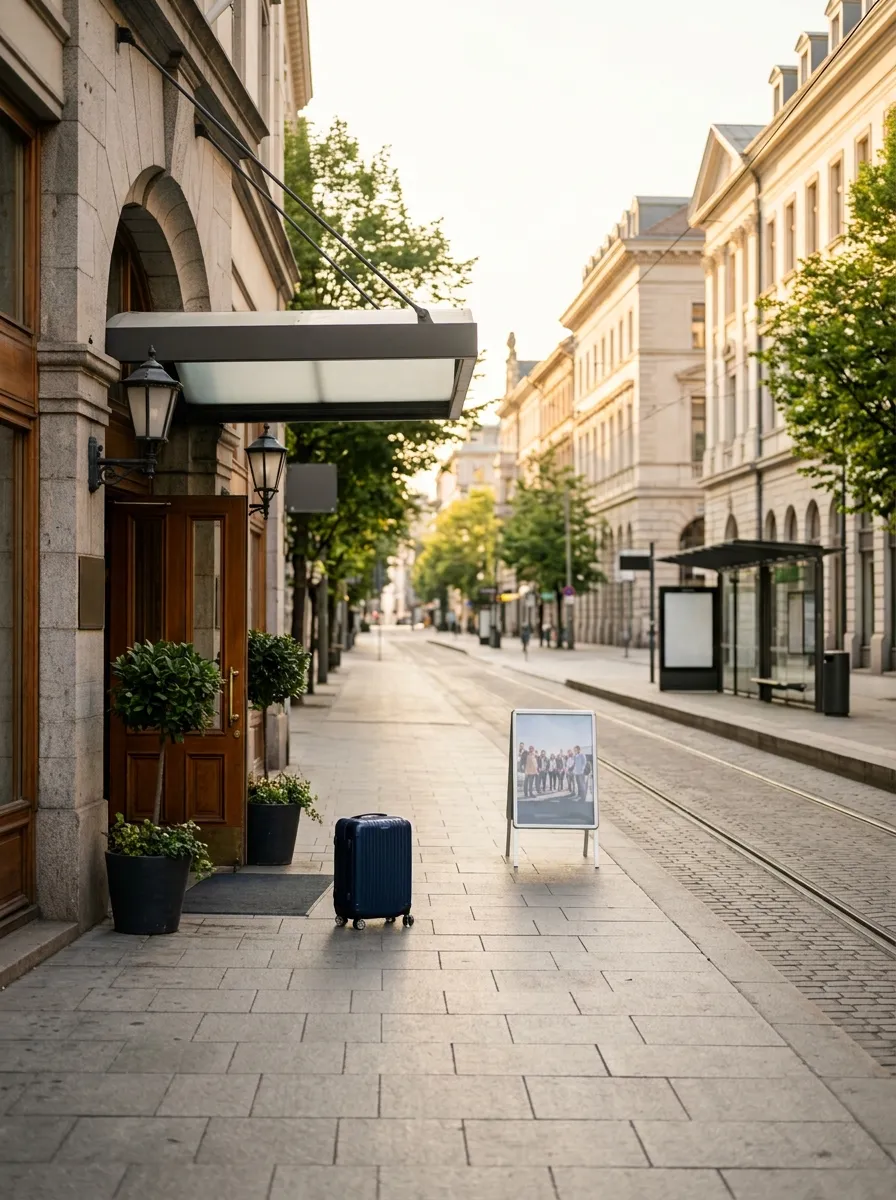
Solo travel can feel intimidating because all responsibility rests with one person.
It can also be deeply empowering.
Begin With a Short Trip
Try one or two nights in a familiar country.
Choose Strong Infrastructure
Look for:
- Reliable public transport
- Central accommodation
- Walkable neighborhoods
- Well-reviewed tours
- Clear airport connections
- Good mobile coverage
Arrive During Daylight
Daytime arrival makes orientation easier.
Share Your Plans
Send key bookings and daily updates to someone you trust.
Book the First Activities
A walking tour or food tour provides structure and early social contact.
Trust Discomfort Without Obeying Panic
A place can feel unfamiliar without being unsafe.
At the same time, leave any situation that feels genuinely wrong. You do not owe politeness to a bad instinct.
How to Motivate Yourself to Take a Family Trip
Family travel can feel expensive and complicated.
It also becomes more difficult to organize as schedules grow.
Start with a realistic definition of success.
The goal does not need to be a flawless week in which nobody becomes tired, hungry or emotionally attached to a souvenir larger than the suitcase.
A successful family trip may simply include:
- One memorable shared activity
- Enough rest
- Meals everyone can manage
- Flexible afternoons
- Photographs with most people looking in the same direction
Involve children or relatives in planning by giving each person one choice.
Shared ownership increases enthusiasm.
How Clothing Can Affect Travel Confidence
Packing anxiety can reduce excitement before a trip.
People worry about weather, cultural expectations, comfort and looking out of place.
The solution is not bringing the entire wardrobe.
Build a small travel system around:
- Comfortable walking shoes
- Layered clothing
- Neutral reusable pieces
- One weatherproof outer layer
- Destination-appropriate coverage
- A slightly polished evening option
For seasonal packing inspiration, this European vacation outfit guide explains how to balance comfort, weather and style for both men and women.
Clothes should support the journey, not become a second itinerary.
Practical Ways to Turn Motivation Into a Booked Trip
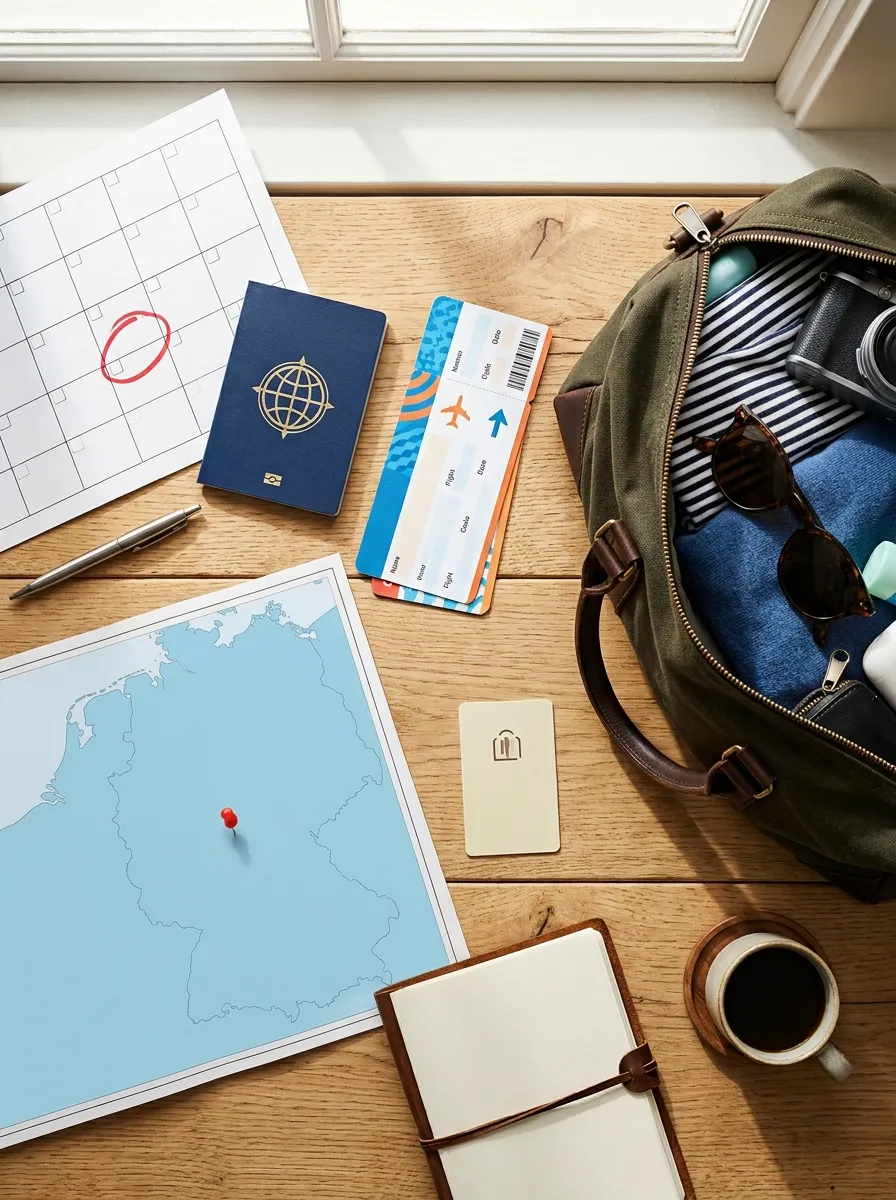
Inspiration fades unless it is connected to action.
Use these steps.
Step 1: Choose a Travel Window
Select a specific month or range of dates.
“Someday” has terrible flight availability.
Step 2: Set a Maximum Budget
Decide the total amount before selecting luxury options.
Step 3: Choose Three Possible Destinations
Compare them according to:
- Flight cost
- Weather
- Entry requirements
- Safety
- Travel time
- Main experiences
Step 4: Pick One Destination
Stop searching once one option clearly fits.
Endless comparison can destroy momentum.
Step 5: Book the Hardest Component
This may be:
- Flight
- Train
- Accommodation
- Tour permit
- Event ticket
The trip becomes real after the first meaningful reservation.
Step 6: Build a Light Itinerary
Plan:
- One anchor activity each day
- Transportation between bases
- Necessary reservations
- Recovery time
Do not schedule every meal and footstep.
Step 7: Prepare the Practical Details
Check:
- Passport validity
- Visa requirements
- Travel insurance
- Medication
- Payment methods
- Transportation apps
- Local weather
- Emergency contacts
Travel Motivation Checklist
Emotional Readiness
- Identify why you want to travel
- Choose the experience you need most
- Separate real risks from imagined ones
- Accept that the trip will not be perfect
- Stop comparing it with other people’s vacations
Financial Readiness
- Set a total budget
- Create a travel fund
- Price transportation and lodging
- Include insurance
- Keep an emergency buffer
- Avoid debt for nonessential travel
Planning Readiness
- Choose realistic dates
- Check entry requirements
- Select one main destination
- Book critical reservations
- Download useful apps
- Share the itinerary
- Prepare backup options
Personal Readiness
- Pack light enough to manage alone
- Learn basic local phrases
- Research cultural expectations
- Prepare medication
- Get sufficient rest before departure
- Leave room for spontaneity
Travel Motivation Quotes to Remember
These are original reminders rather than famous quotations:
A trip begins when a dream receives a date.
You do not need to feel fearless. You need a plan small enough to begin.
The world rarely becomes less complicated. Sometimes you must travel while life is still unfinished.
A destination cannot transform you without your participation.
The best souvenir is evidence that you handled something unfamiliar.
Travel slowly enough for the place to become more than a background.
Home becomes clearer after you have seen it from a distance.
The right journey is not the most impressive one. It is the one you will actually take.
Common Travel Motivation Mistakes
Waiting for the Perfect Time
There may be a better time, but rarely a perfect one.
Believing the Trip Must Be Big
A weekend journey still counts.
Copying Someone Else’s Dream
A famous destination may not match your interests.
Making the Itinerary Too Ambitious
Exhaustion can bury the reason you traveled.
Spending Beyond Your Means
Financial stress follows you through airport security.
Expecting Travel to Solve Everything
A trip can create space and perspective, but it cannot replace professional help, healthy relationships or long-term decisions.
Treating Planning as the Entire Experience
Research is useful. Eventually, the browser tabs must become a booking.
Frequently Asked Questions
What is the best motivation for traveling?
The strongest motivation is personal. Some people travel for growth, rest, culture, adventure, connection or curiosity. A trip becomes more meaningful when it matches the experience you genuinely need.
Why do people feel motivated to travel?
Travel offers novelty, freedom, learning and a temporary break from routine. It can also create confidence, perspective and memorable shared experiences.
How can travel change your life?
Travel can improve adaptability, independence, cultural awareness and self-knowledge. Its impact depends on how thoughtfully the traveler engages with the experience.
How do I motivate myself to book a trip?
Choose a date, set a budget, compare no more than three destinations and book one critical component. Action usually creates more motivation than additional browsing.
What should I do when I want to travel but feel scared?
Begin with a smaller journey, choose a well-connected destination, stay centrally and arrange one guided activity. Fear often becomes easier to manage after practical preparation.
Is traveling worth the money?
It can be when the trip fits your budget and values. Travel should not replace essential savings or create harmful debt.
Can a short trip be meaningful?
Yes. A weekend in a new city or natural area can interrupt routine, build confidence and create lasting memories.
Why does traveling make people happy?
Travel introduces novelty, anticipation, social connection and rewarding experiences. Happiness varies, and difficult moments remain part of the journey.
Does travel help with burnout?
A trip may provide rest and perspective, but it does not always address the underlying causes of burnout. Sustainable changes may still be necessary after returning.
How do I choose where to travel?
Start with the experience you want, then filter destinations by budget, season, available time, entry rules and transportation.
What if I have nobody to travel with?
Consider solo travel, group tours, activity-based retreats or trips to visit friends. Waiting for another person can postpone the journey indefinitely.
How can I afford more travel?
Travel less frequently but more intentionally, use a dedicated savings fund, visit closer destinations and travel outside peak periods.
Is solo travel lonely?
It can be at times, but it can also create independence and meaningful social opportunities. Walking tours, hostels, classes and group excursions make connection easier.
What if my trip does not go perfectly?
It will not.
Something will change, close, disappear, become delayed or taste different from what you imagined. Flexibility is part of successful travel.
How far ahead should I plan?
Simple domestic trips may need only a few weeks. International trips, peak-season travel and destinations with permits may require several months.
How can I stay inspired between trips?
Explore your local area, learn about future destinations, practice photography, cook international food and maintain a small travel fund.
Is it selfish to spend money on travel?
Not when responsibilities are being met, and the spending is financially sustainable. Rest, learning, and shared experiences are legitimate priorities.
What is the first step toward traveling more?
Choose one realistic trip and give it a date.
Final Thoughts
Travel motivation is not a lightning strike.
It is usually a collection of quieter forces: curiosity, fatigue, longing, courage and the awareness that life is moving whether or not you leave home.
You do not need to become a full-time traveler. You do not need to cross six borders, quit your job or create a dramatic online announcement beside a departure board.
You only need to begin at a scale your life can support.
Visit the town you keep passing on the highway. Take the train to another city. Book the spring weekend. Apply for the passport. Start the savings account. Choose one place from the list and stop waiting for every uncertainty to disappear.
Travel will not always be easy, glamorous or transformative.
Sometimes it will be rainy, delayed, and strangely difficult to find a decent sandwich.
But it will ask you to notice the world again.
That may be motivation enough.