Eugene Travel Guide 2026–27: Best Things to Do, Where to Stay and a Perfect 3-Day Itinerary
Eugene is the kind of city that quietly rearranges a weekend. You may arrive expecting a college town and leave remembering river paths, neighborhood bakeries, forested hills, local markets and the peculiar pleasure of seeing cyclists, runners and food-cart regulars share the same few blocks without much ceremony.
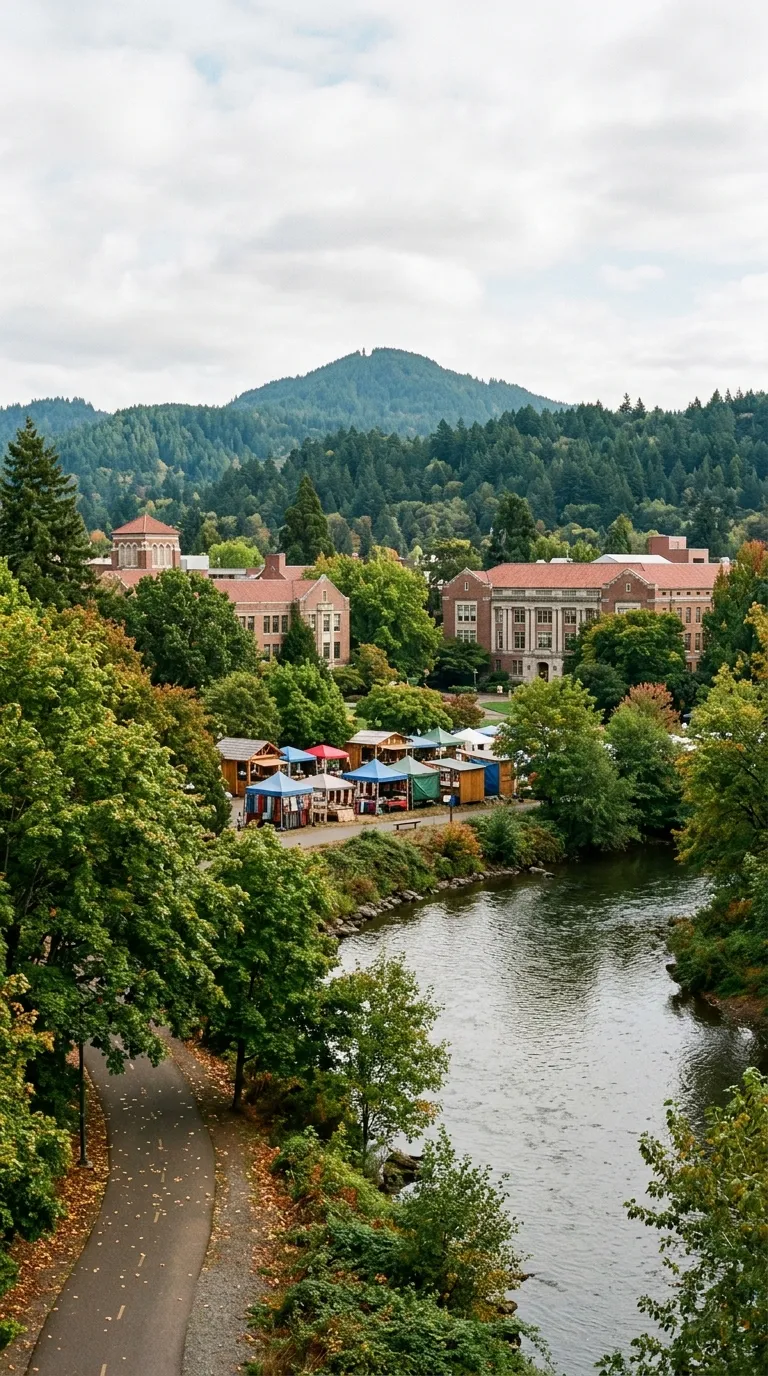
Set at the southern end of Oregon’s Willamette Valley, Eugene sits where rivers, farmland, wooded foothills and university culture meet. The city is known nationally as TrackTown USA and is home to the University of Oregon, but its appeal reaches well beyond sports. Downtown markets, performing arts, museums, gardens and an unusually accessible network of paths make it one of Oregon’s easiest small-city escapes. The surrounding region adds wineries, waterfalls, hot springs, covered bridges, hiking areas and the central Oregon Coast within day-trip range.
This Eugene travel guide is designed for first-time visitors who want a balanced trip rather than a checklist with hiking boots. It covers the best things to do in Eugene, practical neighborhoods, transportation, seasons, costs, family travel and a realistic three-day itinerary.
The city works particularly well for couples, solo travelers, runners, cyclists, families and road-trippers moving between Portland, the Oregon Coast and southern Oregon. It is less suitable for travelers chasing major-city nightlife, monumental architecture or a tightly packed week of famous attractions. Eugene’s charm lives in rhythm: a market morning, an afternoon trail, coffee somewhere leafy, perhaps a performance after dinner.
Recommended Travel Items for Your Trip
EUGENE AT A GLANCE
Best for: Parks, cycling, running, food markets and relaxed city breaks
Ideal trip length: 2–4 days
Best time to visit: May through October
Best without a car: Downtown, the University District and riverfront
Best family activity: Cascades Raptor Center or Alton Baker Park
Best local experience: Eugene Saturday Market
Best hike: Spencer Butte
Best day trip: McKenzie River corridor or the Oregon Coast
Main airport: Eugene Airport
Biggest seasonal concern: Summer heat and wildfire smoke
Is Eugene Worth Visiting?
Eugene is worth visiting when you enjoy destinations that combine city comforts with quick access to nature.
Unlike Portland, Eugene does not require several days of neighborhood decoding before it begins to make sense. Downtown, the university area, Alton Baker Park and the Willamette River paths sit relatively close together. You can spend the morning at a farmers market, walk or cycle by the river, visit a museum and still have time for dinner without the day developing a traffic problem.
The official visitor bureau describes Eugene as a meeting point for rivers, artists, academics, innovators and the Indigenous history of the region. Travel Oregon similarly highlights the city’s mix of arts, food, cycling, university life and outdoor recreation.
Eugene is especially appealing as:
- A two-night stop on an Oregon road trip
- A base for hiking and waterfall excursions
- A University of Oregon visit
- A relaxed family weekend
- A food-and-market getaway
- A spring or fall city break
- A starting point for the central Oregon Coast
Travelers who prefer pass-based sightseeing and dozens of landmark attractions may find Eugene quieter than New York. For a completely different style of city trip, this New York Explorer Pass guide shows how a major attraction-heavy itinerary compares with Eugene’s more improvised pace.
Eugene Travel Guide: Quick Comparison
| Area or Experience | Best For | Time Needed | Car Needed? | Main Consideration |
| Downtown Eugene | Markets, dining and arts | Half to full day | No | Quieter on some evenings |
| University District | Museums, campus and sports | Half day | No | Busy during games and events |
| Alton Baker Park | River walks, cycling and running | 1–3 hours | No | Large park, choose a route |
| Hendricks Park | Gardens and forest walks | 1–2 hours | Helpful | Hilly paths |
| Spencer Butte | Hiking and city views | 2–3 hours | Yes or rideshare | Steep sections |
| Whiteaker | Food carts, cafés and creative atmosphere | 2–4 hours | No | Spread across several blocks |
| Mount Pisgah area | Trails and nature | Half day | Yes | Parking and weather |
| McKenzie River corridor | Waterfalls and scenic drives | Full day | Yes | Limited services in places |
| Oregon Coast | Beaches and coastal scenery | Full day or overnight | Yes | Weather changes rapidly |
1. Explore Downtown Eugene and the Market District
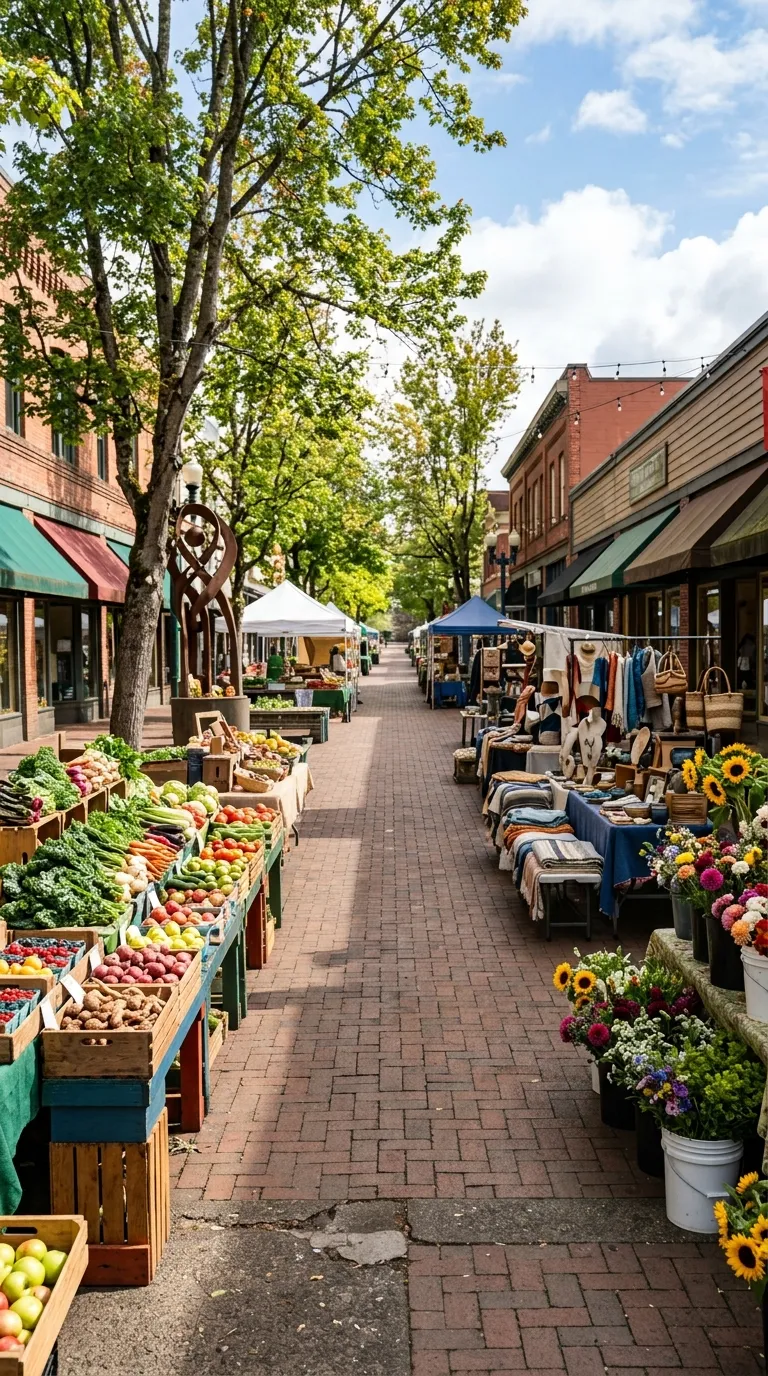
Downtown Eugene is compact enough to explore on foot and serves as the easiest base for first-time visitors without a car.
The Park Blocks and surrounding streets host two of the city’s defining public markets. Eugene Saturday Market runs weekly from April 4 through October 31 in 2026, generally from 10 a.m. to 4 p.m. The market features locally made crafts, food and live entertainment. Nearby, Lane County Farmers Market operates on Saturdays for most of the year, with a 2026 schedule listed from January through December and additional Tuesday markets from May through October.
This is the best introduction to Eugene’s personality. Saturday mornings combine farmers carrying crates of seasonal produce, artists arranging handmade work and visitors attempting to eat lunch while holding three unrelated purchases.
Allow two or three hours for:
- Eugene Saturday Market
- Lane County Farmers Market
- Downtown murals and public art
- Independent shops
- Coffee and bakery stops
- The Hult Center area
- The Fifth Street Market District
The markets are most rewarding from late spring through early fall, when local fruit, flowers and vegetables broaden the stalls. Confirm current hours before visiting because outdoor-market schedules can change.
MARKET TIP
Visit early for easier parking and calmer browsing. Arrive closer to lunch when atmosphere matters more than securing the finest berries before Eugene’s breakfast strategists find them.
2. Walk, Run or Cycle Along the Willamette River
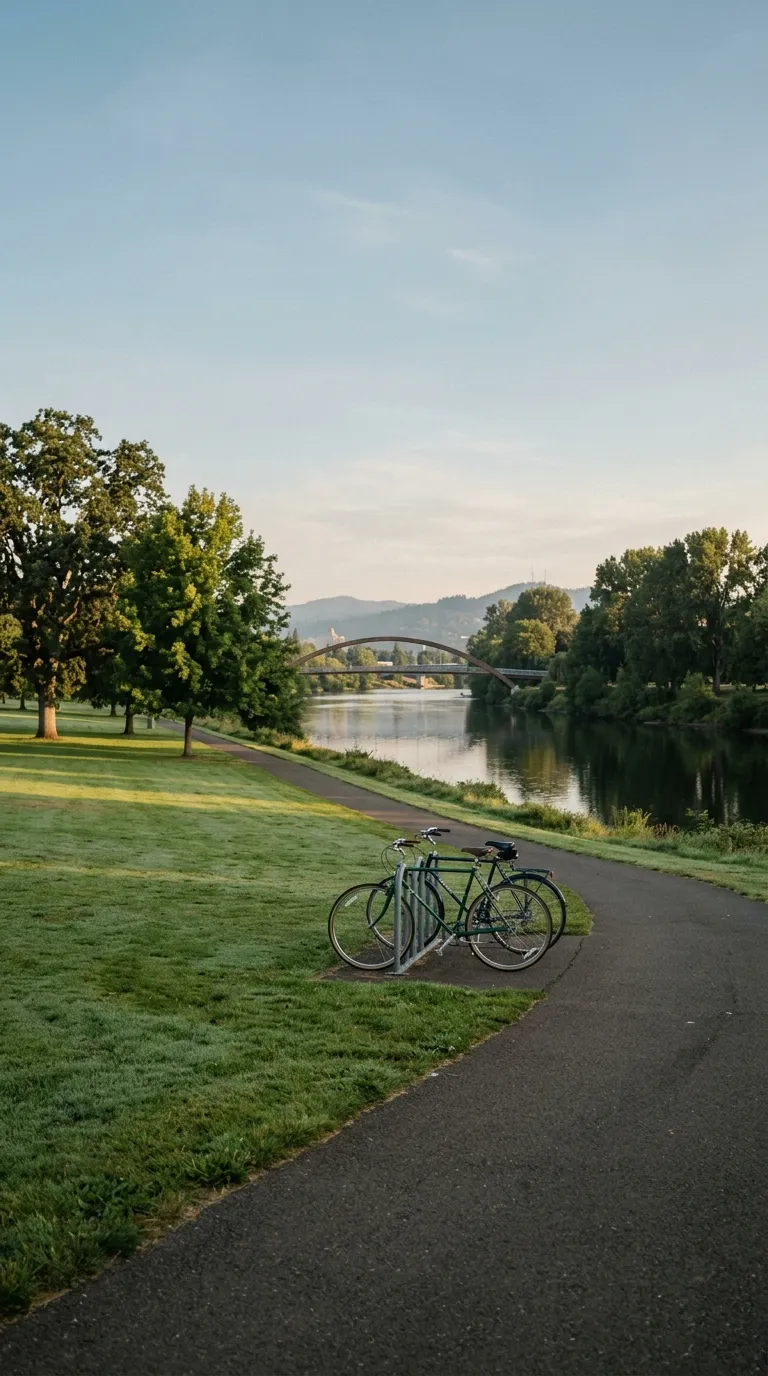
The Willamette River is Eugene’s green spine.
Alton Baker Park, riverbank paths, footbridges and connected green spaces create one of the easiest ways to understand the city. The area is used by runners, cyclists, families, commuters and anyone whose sightseeing plan improves when traffic disappears behind trees.
Alton Baker Park provides open lawns, ponds, paved paths and access to the wider riverbank system. It is also close to Autzen Stadium and the University of Oregon campus across the river.
Walk or cycle portions of the Ruth Bascom Riverbank Path System, or follow Pre’s Trail through softer parkland. The latter is associated with legendary Oregon runner Steve Prefontaine and remains an important part of Eugene’s running identity.
You do not need to complete a marathon-shaped pilgrimage. A simple loop across two river bridges can provide an hour of easy scenery.
Bring:
- Comfortable shoes
- Water in warm weather
- A light rain layer
- Bike lights when riding near dusk
- A secure lock for rental bicycles
Families with strollers will find many paved riverside sections easier than Eugene’s hill trails. Parents planning a more complex vacation can also use this toddler travel guide to build realistic rest stops and avoid scheduling a tiny traveler’s collapse beside an otherwise peaceful pond.
3. Visit the University of Oregon
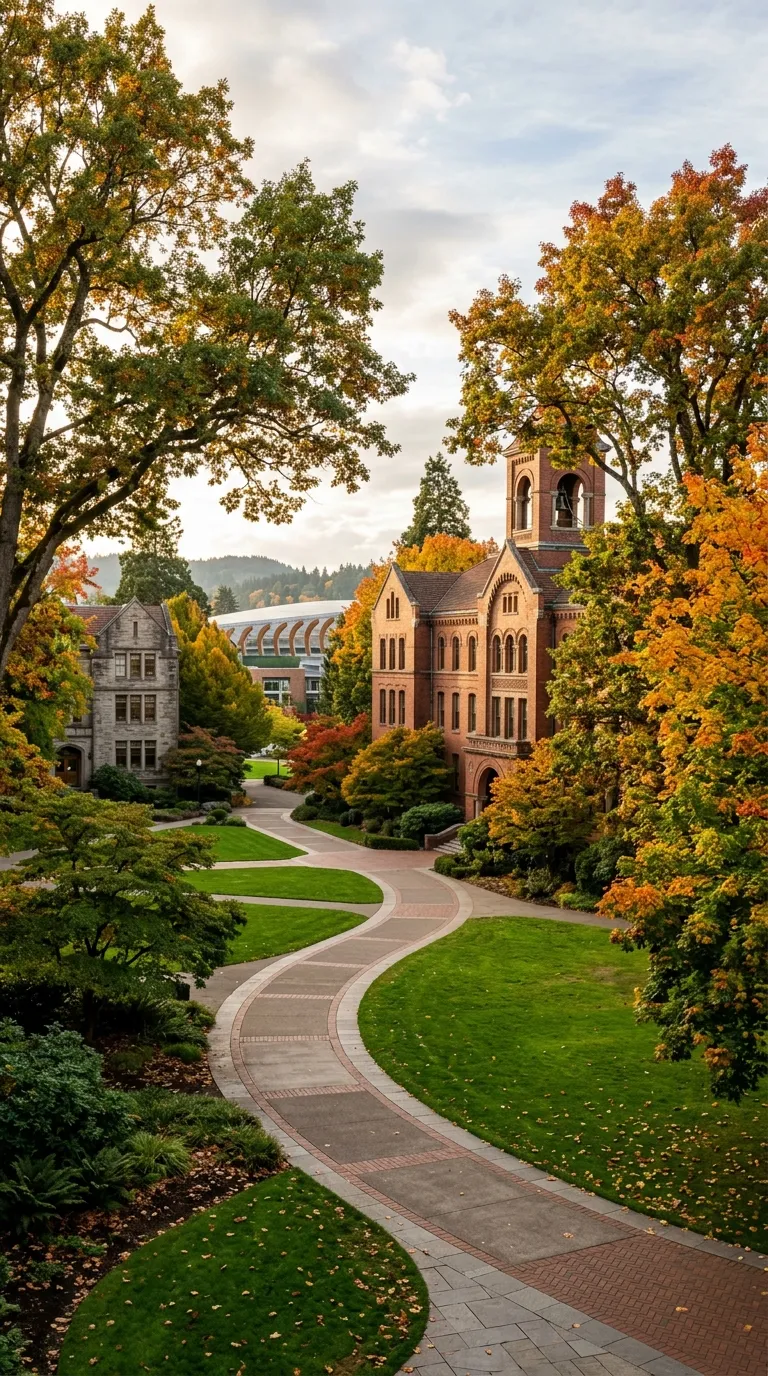
The University of Oregon campus contributes museums, landscaped grounds, sports culture and youthful energy to Eugene.
The most famous venue is Hayward Field, central to the city’s TrackTown identity. Autzen Stadium lies across the river and becomes a major gathering point during Oregon Ducks football games.
Even without attending an event, the campus is pleasant for a walk. Mature trees, academic buildings and paths create a calmer experience than many urban university districts.
Two major cultural stops are:
- Jordan Schnitzer Museum of Art
- Museum of Natural and Cultural History
The Museum of Natural and Cultural History focuses on Oregon’s landscapes, archaeology, Indigenous histories and natural systems. The university area is also practical for cafés, casual meals and access to Hendricks Park.
Check event calendars before choosing hotel dates. Football games, track competitions, graduations and major university weekends can increase rates and reduce availability throughout Eugene. The city’s visitor calendar regularly features Oregon Ducks games and major running events alongside arts festivals and performances.
4. Wander Through Hendricks Park
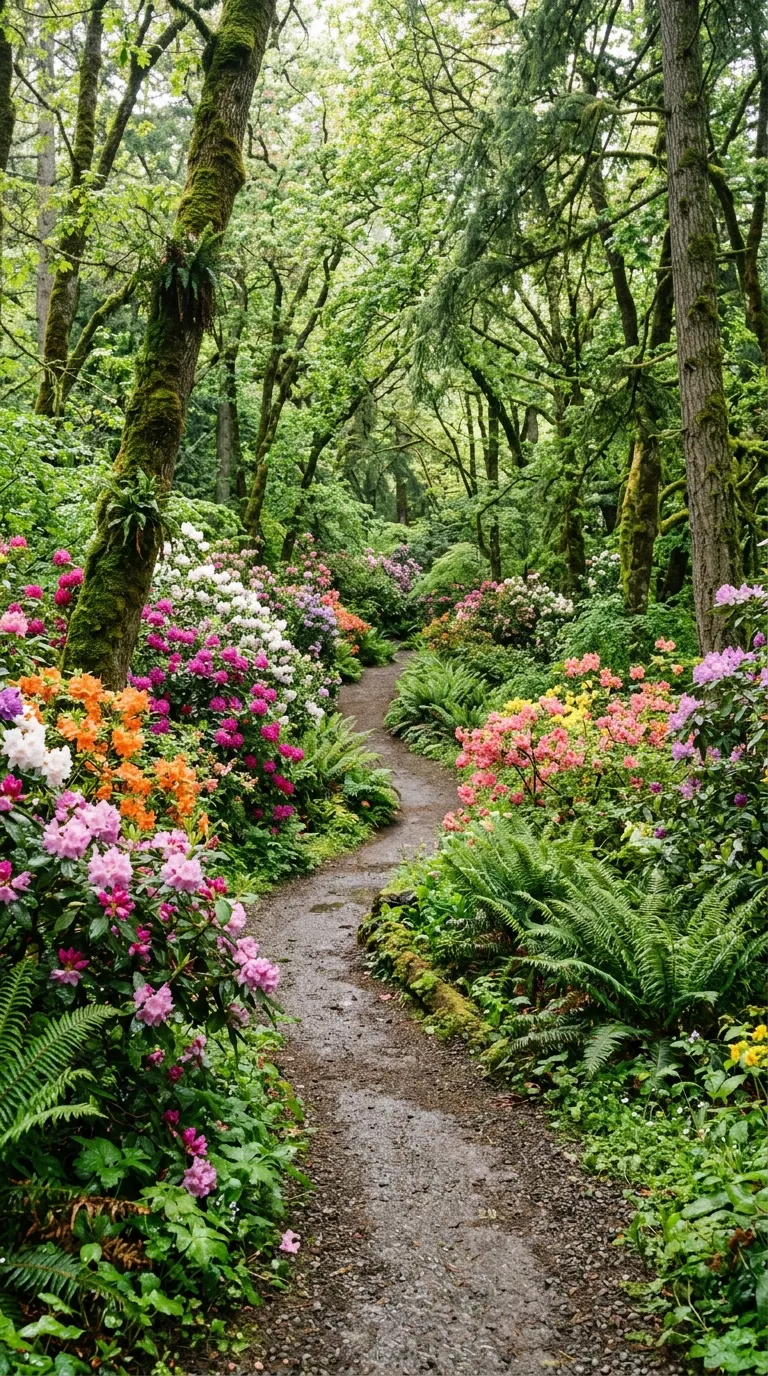
Hendricks Park is Eugene’s oldest city park and one of its loveliest pockets of forest and garden.
The park sits on a hillside east of the university and is particularly known for rhododendrons, azaleas, mature trees and shaded walking paths. Spring is the showiest season, but the park remains worthwhile through summer and fall.
Visit for:
- Quiet morning walks
- Garden photography
- Spring flowers
- Shaded summer paths
- A slower alternative to Spencer Butte
The terrain is hilly, and some paths are uneven. Visitors with limited mobility should research the most accessible arrival and garden sections rather than assuming every trail is paved.
Hendricks Park pairs neatly with the university. Spend the morning visiting campus museums, have lunch nearby and continue uphill to the gardens.
5. Hike Spencer Butte
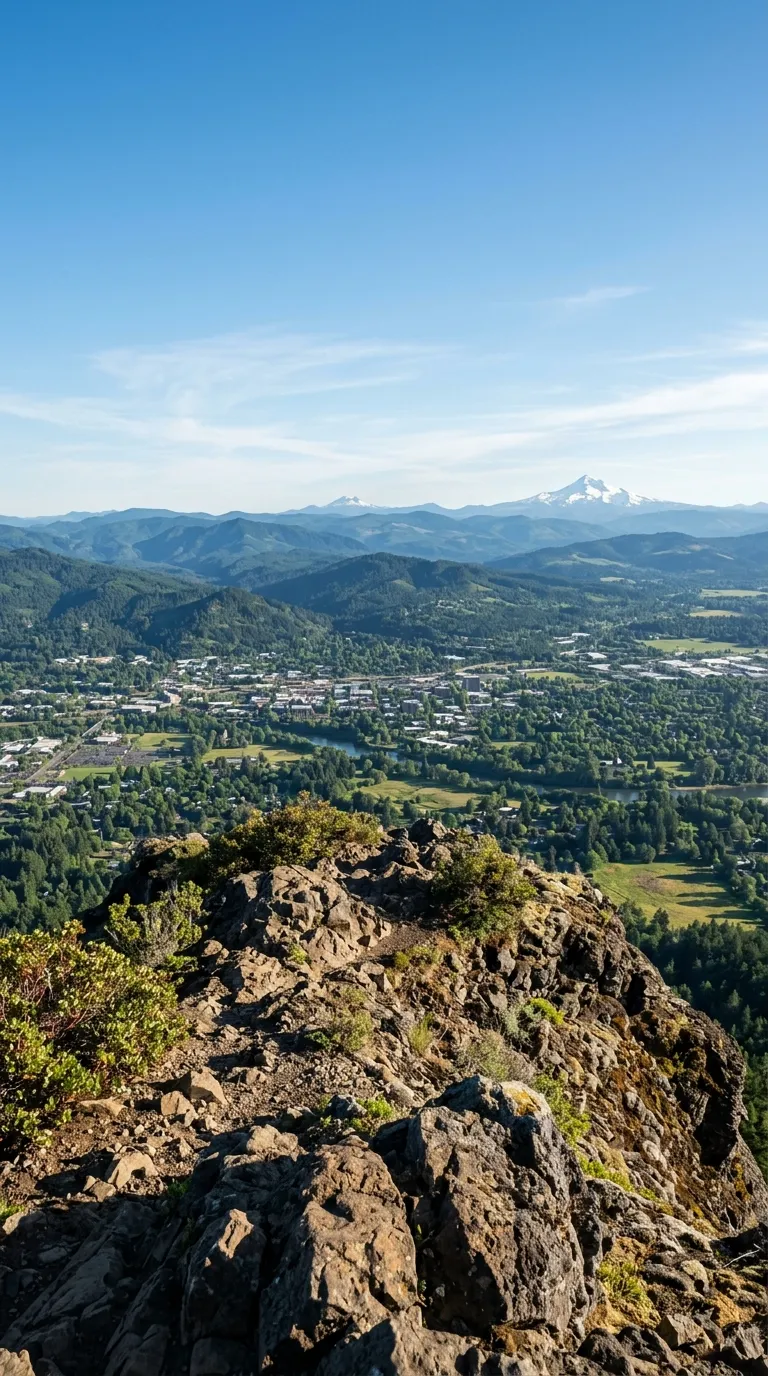
Spencer Butte is Eugene’s classic viewpoint hike.
The summit rises south of the city and rewards hikers with broad views over Eugene, nearby hills and the southern Willamette Valley when skies are clear. Several routes vary in length and steepness, but even shorter options include rocky or inclined sections.
Go early in summer to avoid heat and crowded parking. Wear footwear with grip, carry water and keep children close near exposed summit rocks.
The hike is most suitable for:
- Active couples
- Teenagers
- Solo hikers comfortable on popular trails
- Visitors who want a short but meaningful workout
- Travelers with only half a day for nature
Wet rock can be slippery during rainy periods. During wildfire-smoke events, the summit may offer more haze than horizon, so check air quality before committing to the climb.
For travelers collecting more intense outdoor memories, these thrilling travel experiences provide inspiration beyond Eugene’s gentler forested adventures.
HIKING WARNING
Stay on established routes and do not treat summit edges as improvised photography platforms. Eugene’s hills are photogenic enough without introducing gravity as a creative collaborator.
6. Discover Eugene’s Running Culture
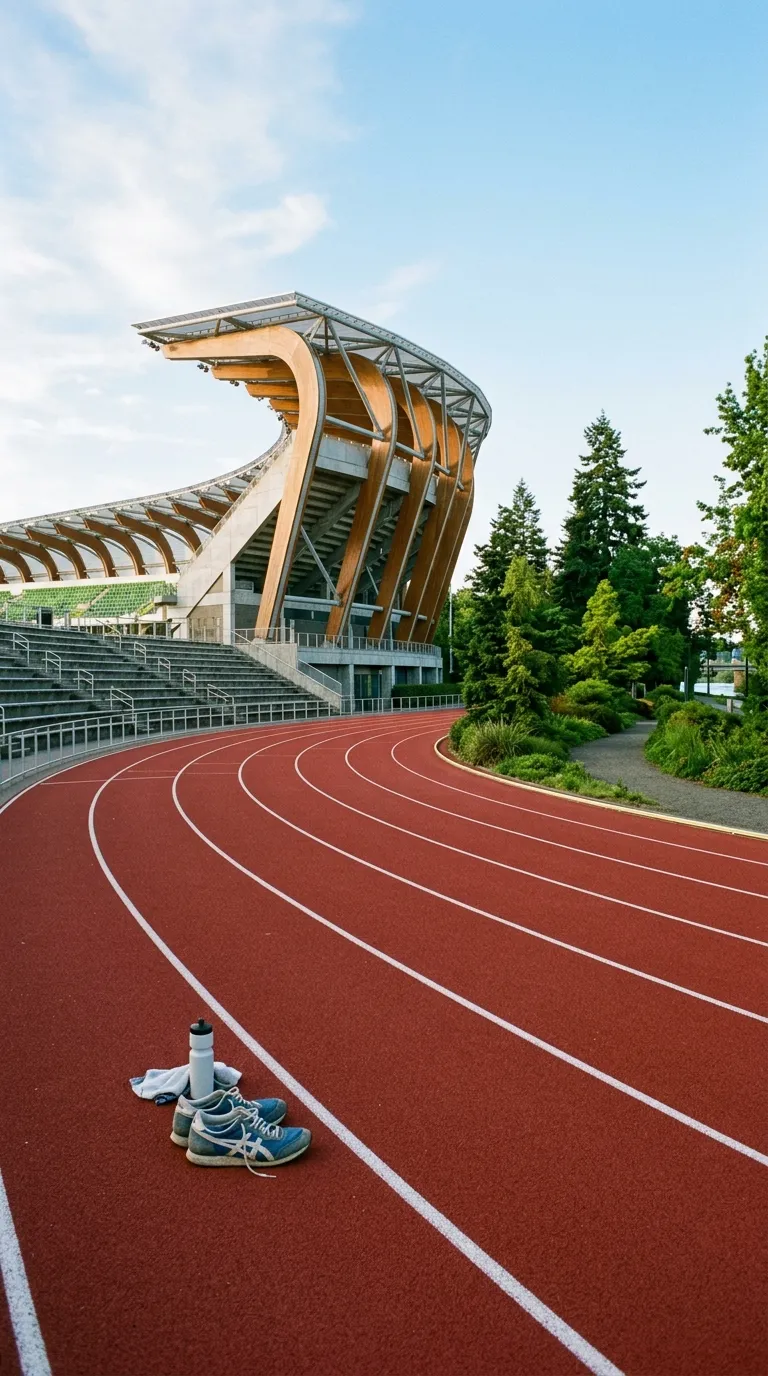
Eugene’s identity as TrackTown USA is not a decorative slogan pasted onto a visitor brochure. Running is woven into the university, parks, history and daily life of the city.
Hayward Field hosts major competitions, while Pre’s Trail and river paths provide accessible places to run independently. Visitors can also see references to Steve Prefontaine across the city and university area.
Even non-runners may enjoy the atmosphere surrounding:
- Hayward Field
- Pre’s Trail
- University track history
- Eugene Marathon events
- Community running paths
Major track meets can fill hotels far beyond campus. If your priority is a quiet getaway rather than competition atmosphere, check the sports calendar before booking.
If you are visiting specifically for an event, reserve accommodation early and consider staying downtown, near campus or across the river in Springfield depending on shuttle plans.
7. Explore the Whiteaker Neighborhood
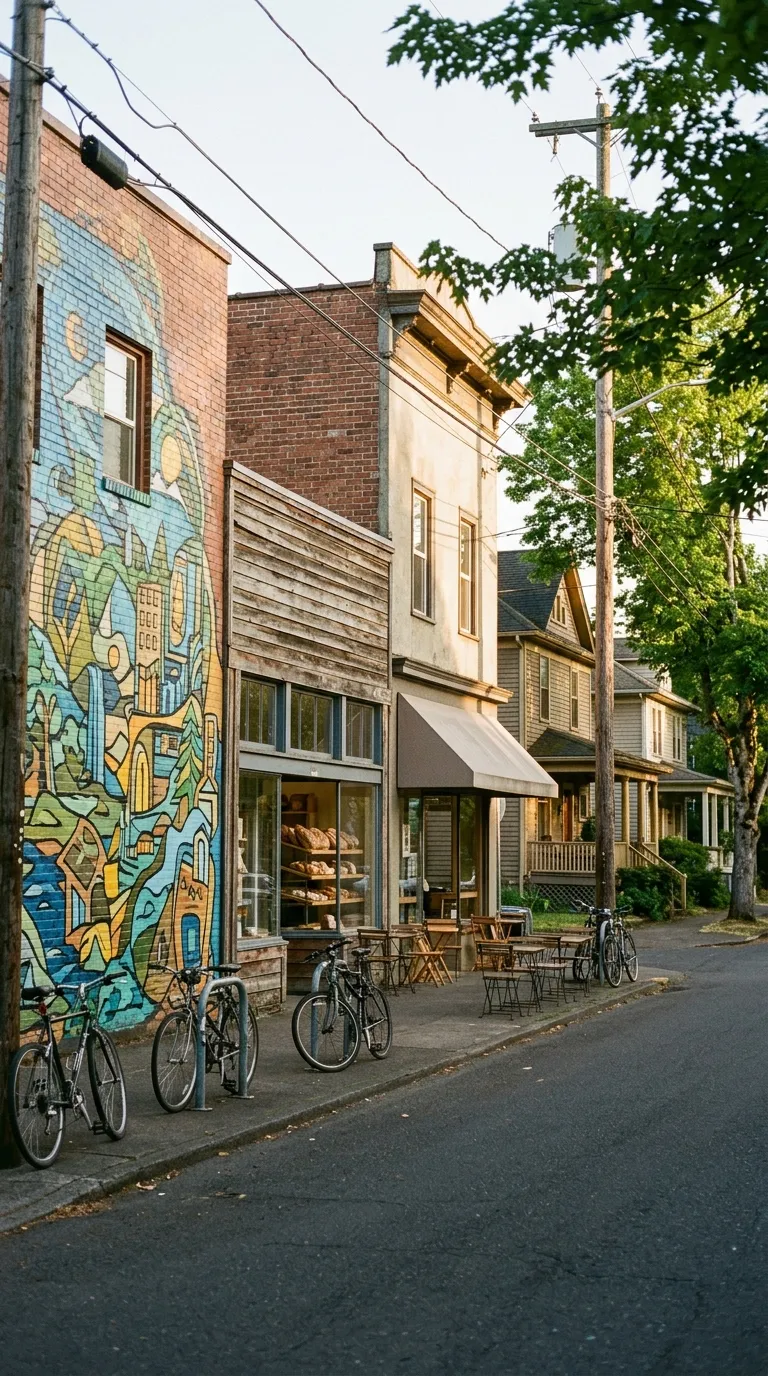
The Whiteaker, commonly called the Whit, reflects Eugene’s independent, creative and slightly untucked side.
The neighborhood is associated with cafés, food carts, breweries, murals and small businesses. It works best as a dining and wandering district rather than a formal sightseeing stop.
Spend a few hours moving between:
- Food-cart clusters
- Bakeries and coffee shops
- Casual restaurants
- Public art
- Independent shops
- Community events
The atmosphere changes from block to block, so explore during daylight first and use ordinary city awareness at night.
Eugene’s current food scene is shaped strongly by food carts, local produce, casual dining and Asian cuisines, with newer establishments continuing to join the mix in 2026.
8. See Birds of Prey at Cascades Raptor Center
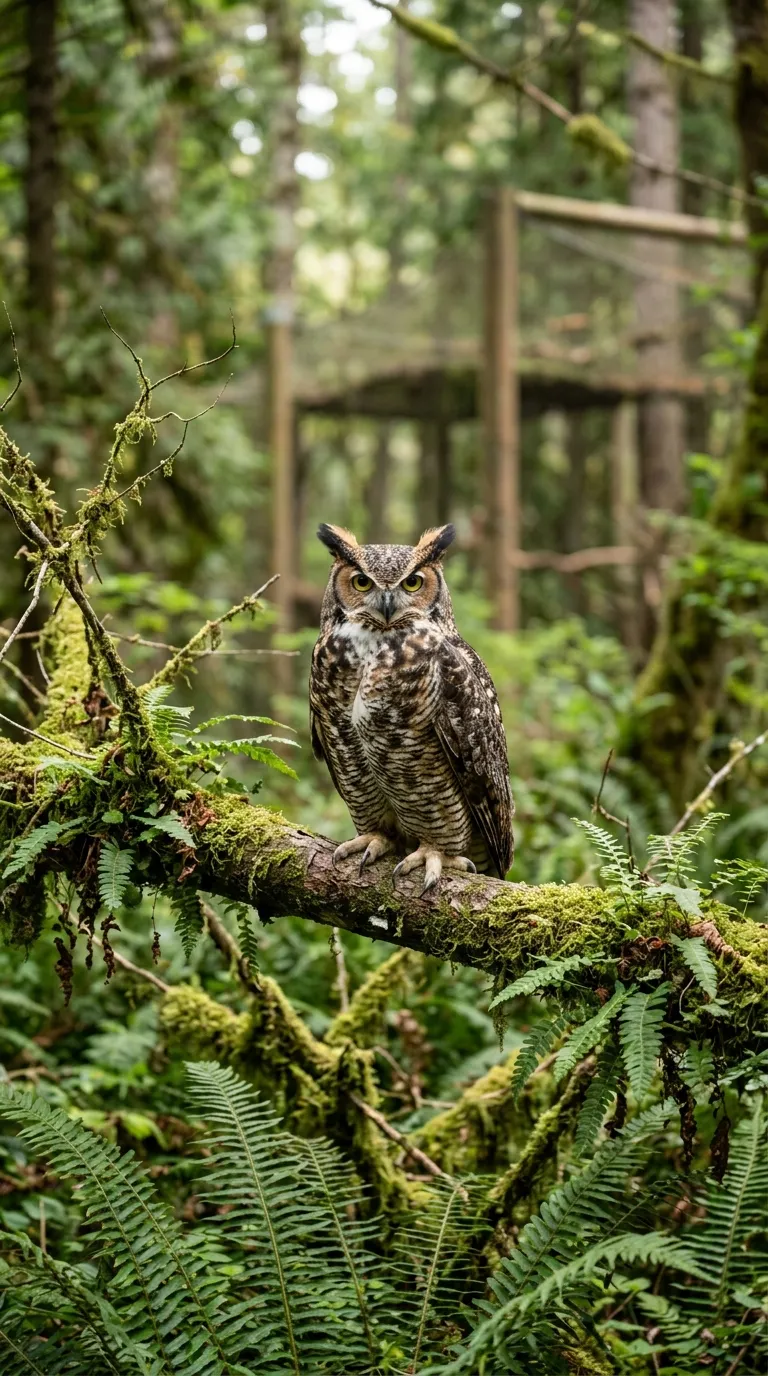
Cascades Raptor Center is one of Eugene’s strongest family attractions.
Set in forested hills south of the city, the center cares for and interprets birds of prey that cannot return to the wild. Visitors can see owls, hawks, eagles and other raptors while learning about habitat, rehabilitation and conservation.
The experience works especially well for:
- Families
- Wildlife enthusiasts
- Photographers using respectful distances
- Visitors seeking an outdoor attraction without a long hike
Paths can be sloped and damp, so wear practical shoes. Because the center focuses on animal welfare, visitors should keep voices moderate and follow photography rules.
The regional visitor bureau includes the raptor center among the area’s leading family-friendly attractions.
Families traveling with very young children may find this baby travel planning guide helpful for structuring feeding, nap and transport windows around outdoor attractions.
9. Take a Half-Day Trip to Mount Pisgah
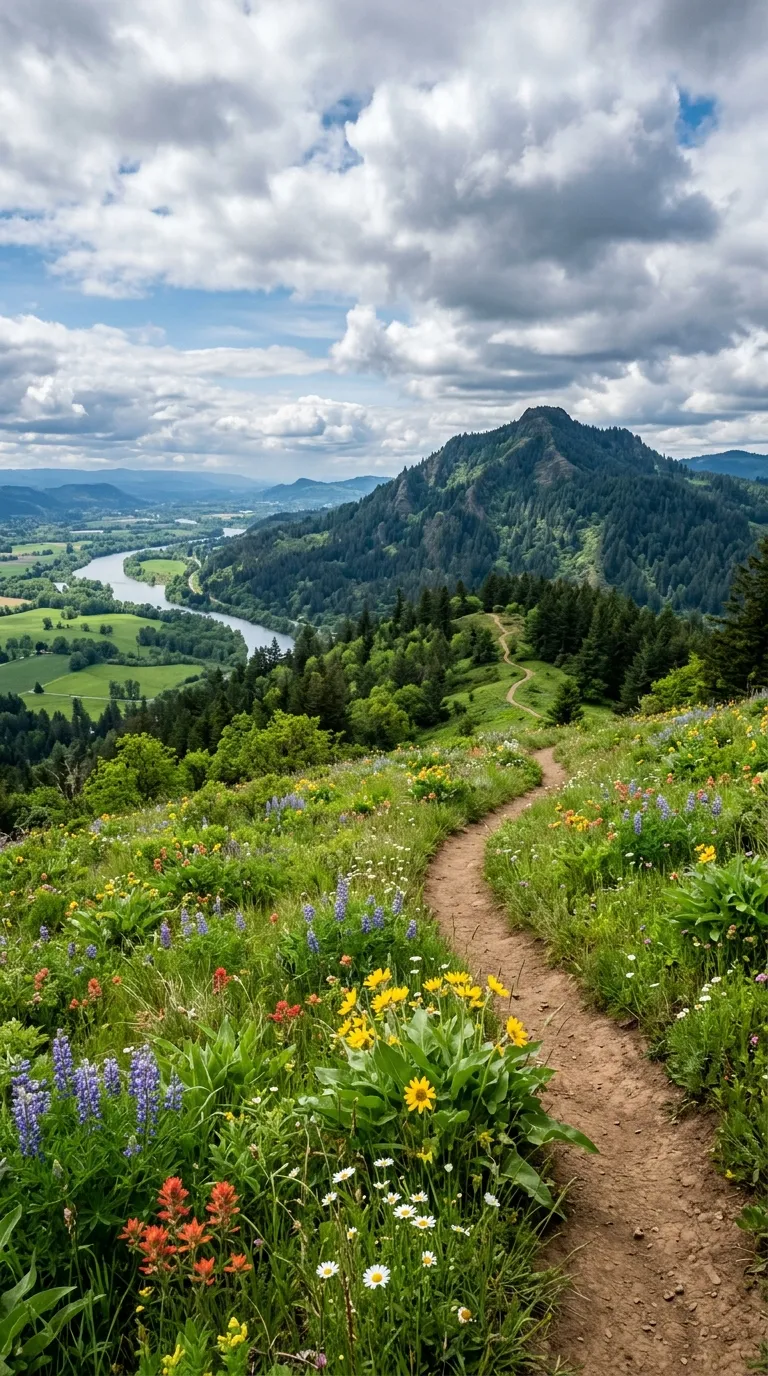
Mount Pisgah and the surrounding natural areas southeast of Eugene provide trails, meadows, river landscapes and a more expansive escape than the city parks.
The broader Lane County park system covers thousands of acres across dozens of sites, ranging from rivers and lakes to beaches, campgrounds and mountain trails. Some county parks require parking fees or passes, so check the specific site before leaving.
The Mount Pisgah area suits:
- Birding
- Wildflower walks
- Longer hikes
- Picnics
- Nature photography
- Families with older children
Summer afternoons can be hot and exposed. Spring is excellent for greenery and wildflowers, while fall brings cooler walking conditions.
Bring water and do not rely on consistent cellular reception throughout rural trail areas.
10. Enjoy Eugene’s Arts and Evening Culture
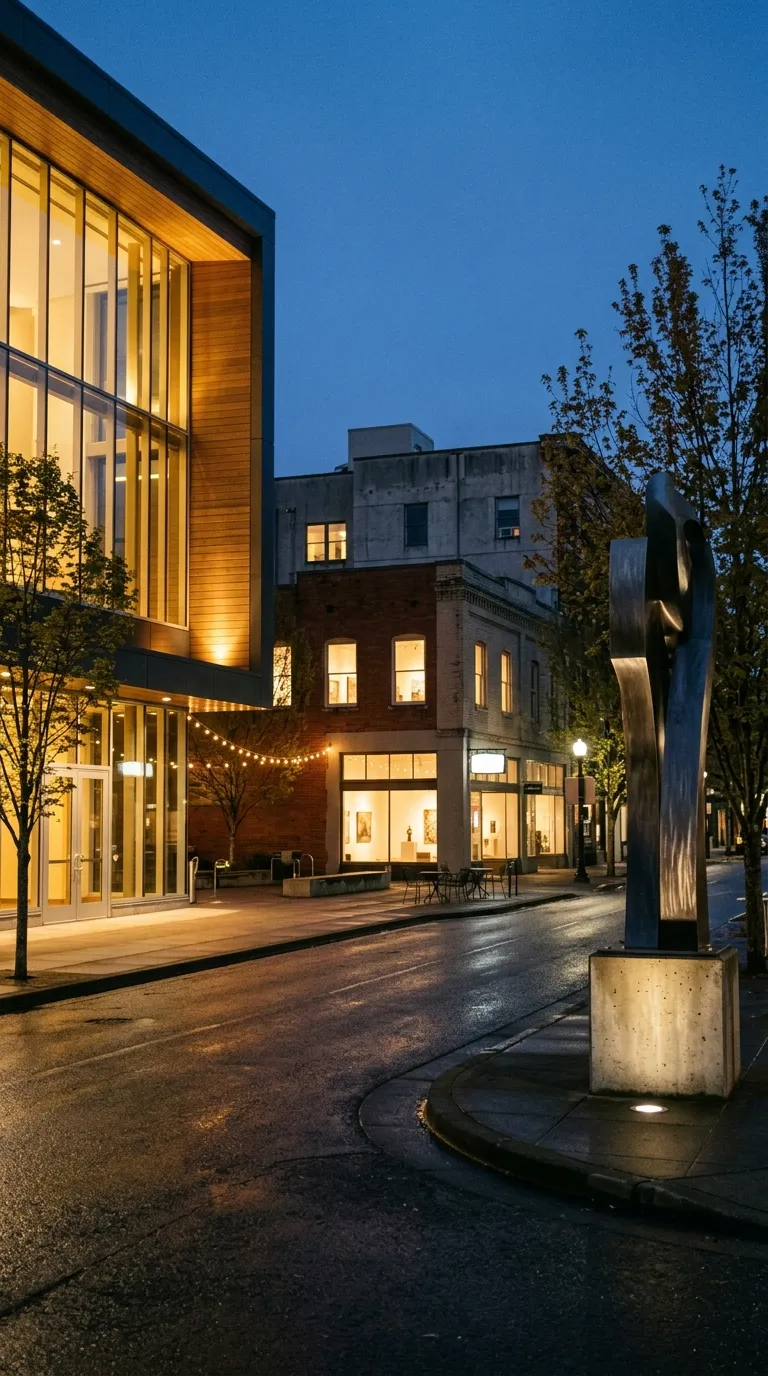
Eugene is quiet compared with major West Coast cities, but its arts scene is substantial for a destination of its size.
The Hult Center hosts theater, dance, music and touring performances. The University of Oregon adds museums, lectures and concerts, while downtown galleries and art walks provide smaller-scale cultural experiences.
Check schedules for:
- Hult Center performances
- Oregon Bach Festival events
- First Friday art activities
- University concerts
- Local theater
- Seasonal outdoor performances
The official event calendar highlights everything from performing arts and music to markets, sports and culinary events.
Eugene nightlife is less about velvet ropes and more about deciding whether the evening should include live music, a relaxed dinner or one final bakery item that was allegedly purchased for tomorrow.
Where to Stay in Eugene
Choosing the correct neighborhood matters more than choosing the fanciest hotel.
| Area | Best For | Advantages | Drawbacks |
| Downtown | First visits and car-free stays | Walkable to markets, dining and arts | Some blocks become quiet |
| Fifth Street area | Boutique hotels and dining | Polished, convenient and central | Often more expensive |
| University District | Campus visits and sports | Close to museums and Hayward Field | Busy during major events |
| South Eugene | Parks and residential calm | Leafy, quieter and local | Car or rideshare helpful |
| Whiteaker | Food and creative atmosphere | Independent businesses nearby | Less conventional hotel selection |
| Springfield | Value and highway access | Often easier parking | Less atmospheric for tourists |
| Near Eugene Airport | Early flights | Convenient departure | Far from most attractions |
Stay downtown for a first trip without a car. Choose the University District for campus events, or South Eugene when trails and neighborhood calm matter more than nightlife.
Travelers comparing hotel areas in other cities can use this Manchester accommodation guide as a useful example of how location can reshape an entire city break.
Best Time to Visit Eugene
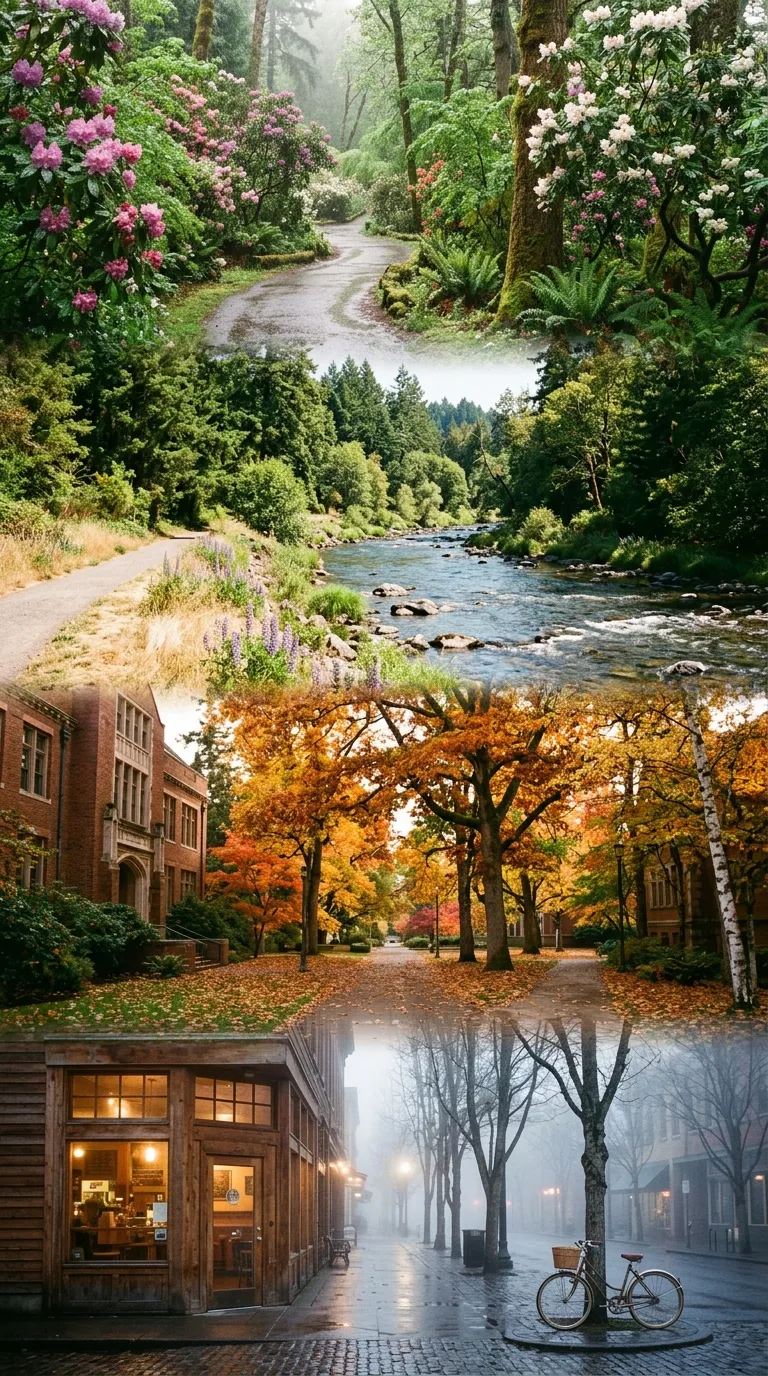
Spring: March through May
Spring brings green landscapes, blooming gardens and frequent rain. Hendricks Park becomes especially attractive as rhododendrons and azaleas flower.
Pack waterproof shoes and a rain layer. Temperatures can change substantially between morning and afternoon.
Summer: June through August
Summer usually provides the driest conditions and is best for hiking, cycling, outdoor dining and regional road trips.
It is also the period when heat and wildfire smoke can affect plans. Smoke can travel from fires located far from Eugene, reducing air quality and visibility even when the city itself is not directly threatened.
Check current air-quality and wildfire information before strenuous outdoor activities.
Fall: September through October
Early fall is one of the most dependable times to visit. Days often remain pleasant, university life returns and seasonal markets continue.
The 2026 Eugene Saturday Market runs through October 31, while Tuesday farmers markets operate through late October.
Football weekends can produce crowding and higher accommodation rates.
Winter: November through February
Winter is wet, cool and quieter. Museums, cafés, performances and food-focused trips remain enjoyable, but hiking trails can become muddy.
Snow is uncommon in the city compared with Oregon’s mountains, though occasional winter weather can disrupt roads.
How to Get to Eugene
Flying to Eugene
Eugene Airport serves the city and offers rental cars, taxis, rideshare and other ground transportation options. The airport lies northwest of downtown, so visitors should arrange onward transportation rather than expect to walk into the city.
Check current nonstop routes with the airport and airlines because schedules can change seasonally.
Driving
Eugene sits near Interstate 5, roughly between Portland and southern Oregon. It works naturally as part of a road trip linking:
- Portland
- Salem
- Corvallis
- Ashland
- Bend via mountain routes
- Florence and the Oregon Coast
Mountain roads and passes require weather checks from late fall through spring.
Train and bus
Amtrak and intercity buses connect Eugene with other Pacific Northwest cities. Book early around holidays, university events and major sporting weekends.
Getting Around Eugene
Downtown, the university area and the riverfront can be explored without a car.
Lane Transit District operates neighborhood buses and EmX rapid transit around Eugene and Springfield. Standard adult fares are normally $1.75 for a single ride and $3.50 for a day pass, although a temporary Dollar Days promotion reduces fares from July 1 through August 31, 2026. Riders can pay through the Umo app, tap card or supported onboard options.
A car is useful for:
- Spencer Butte
- Cascades Raptor Center
- Mount Pisgah
- Wineries
- McKenzie River excursions
- The Oregon Coast
Cycling is practical in many central areas, but use lights, helmets and secure locks.
Eugene Travel Costs
Eugene is generally less expensive than Portland or Seattle, though hotel rates rise during university events.
| Expense | Budget Range | Mid-Range Range |
| Hotel room | $90–$150 | $160–$280+ |
| Casual meal | $10–$20 | $25–$45 |
| Coffee or bakery stop | $4–$10 | $10–$18 |
| Rental car | $45–$90 daily | $90–$140+ |
| Local bus day pass | $3.50 standard | Same |
| Museum or attraction | Free–$15 | $15–$30 |
| Guided day trip | $60–$120 | $120–$250 |
These are broad planning estimates rather than guaranteed prices.
Save money by:
- Visiting markets for breakfast or lunch
- Staying in Springfield during major events
- Using transit for central sightseeing
- Renting a car only for excursion days
- Traveling outside Ducks game weekends
- Combining free parks with one paid attraction
A Perfect 3-Day Eugene Itinerary
Day 1: Downtown, Markets and Riverfront
Begin at the Lane County Farmers Market and Eugene Saturday Market when visiting on a Saturday.
Continue through downtown and the Fifth Street area for lunch, then walk toward the Willamette River.
Spend the afternoon in Alton Baker Park and follow a section of the riverbank paths.
Finish with dinner downtown or in the Whiteaker neighborhood.
Day 2: University, Gardens and Culture
Walk through the University of Oregon campus and visit one of its museums.
Continue to Hayward Field and learn about Eugene’s running culture.
After lunch, visit Hendricks Park.
Return downtown for a Hult Center performance, gallery event or relaxed dinner.
Day 3: Choose Your Outdoor Adventure
Select one of three options:
Easy family day: Cascades Raptor Center and a park picnic
Active day: Spencer Butte hike and South Eugene cafés
Nature day: Mount Pisgah and surrounding trails
Travelers with an extra night should add the McKenzie River corridor or an Oregon Coast day trip.
Best Day Trips From Eugene
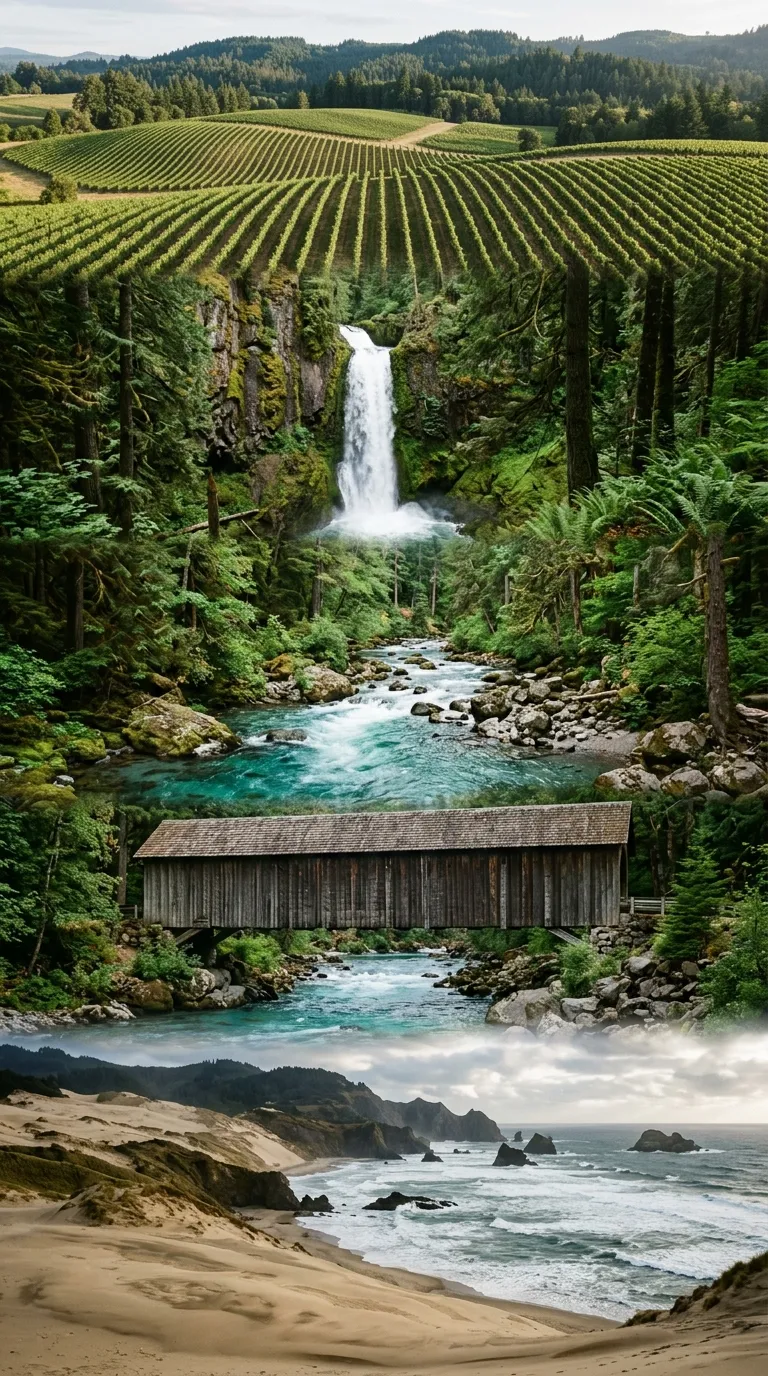
McKenzie River Corridor
Head east for river scenery, waterfalls, forests and mountain recreation. Plan conservatively because attractions are spread along the highway.
Florence and the Oregon Coast
Florence provides dunes, beaches and access to coastal scenery. Weather can be windy or rainy even when Eugene is sunny.
Willamette Valley Wineries
The region surrounding Eugene includes vineyards and tasting rooms. Use a designated driver or organized transportation.
Cottage Grove
Cottage Grove is associated with covered bridges and small-town scenery south of Eugene.
Hot Springs and Cascade Mountains
Mountain hot springs and recreation areas make rewarding excursions, but seasonal road and fire closures require advance checking.
Eugene With Children
Eugene is well suited to family trips because several attractions combine outdoor space with low-pressure schedules.
Strong choices include:
- Alton Baker Park
- Cascades Raptor Center
- Museum of Natural and Cultural History
- Farmers markets
- River paths
- Easy sections of Hendricks Park
- Family-friendly regional excursions
Avoid planning a museum, long hike and restaurant dinner on the same day with toddlers. Eugene is built for breathing room, so use it.
Eugene Travel Safety
Eugene is generally straightforward for visitors, but normal city and outdoor precautions apply.
- Do not leave valuables visible in parked cars
- Lock bicycles securely
- Use well-lit routes at night
- Carry water on exposed hikes
- Check air quality during wildfire season
- Watch for slippery trails after rain
- Keep distance from river edges during high water
- Follow event traffic instructions
- Download maps before rural excursions
Wildfire smoke is the main seasonal issue likely to alter an outdoor itinerary. Delay strenuous activity when air quality becomes unhealthy and follow official travel or road guidance.
Eugene Packing Checklist
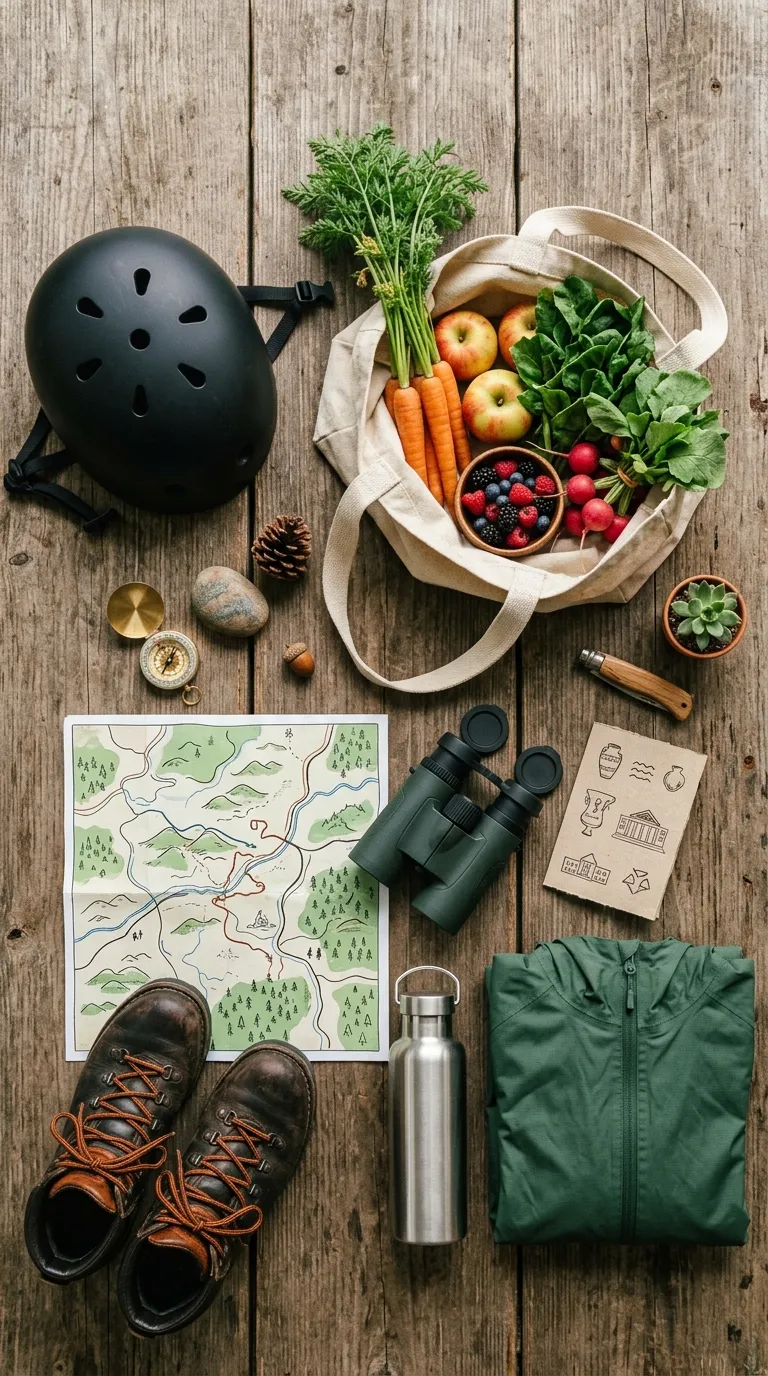
- Comfortable walking shoes
- Lightweight rain jacket
- Refillable water bottle
- Daypack
- Sunscreen
- Sunglasses
- Warm layer for evenings
- Trail shoes for hiking
- Bike helmet when renting
- Portable battery pack
- Offline maps
- Air-quality app
- Market tote or small reusable bag
- Binoculars for raptor or nature outings
- Hotel and transport confirmations
Frequently Asked Questions About Eugene
How many days do you need in Eugene?
Two days covers downtown, the university and one outdoor attraction. Three days allows a more relaxed itinerary, while four days provides room for a regional day trip.
What is Eugene best known for?
Eugene is best known for the University of Oregon, TrackTown USA, Hayward Field, cycling, markets, riverfront parks and access to outdoor recreation.
Is Eugene walkable?
Downtown, the university district and nearby riverfront areas are walkable. A car or rideshare is useful for Spencer Butte, Mount Pisgah and regional excursions.
Can you visit Eugene without a car?
Yes, especially for a two-day downtown and university trip. Lane Transit District buses and EmX connect many central areas.
What is the best month to visit Eugene?
May, June, September and early October offer a strong balance of mild weather and outdoor access. Summer is drier but carries greater heat and smoke risk.
When is Eugene Saturday Market open?
The regular 2026 season runs from April 4 through October 31 on Saturdays, generally from 10 a.m. to 4 p.m. Confirm details shortly before visiting.
Is Eugene good for families?
Yes. Parks, museums, markets and Cascades Raptor Center provide flexible activities for a range of ages.
Is Eugene expensive?
It is moderately priced by Pacific Northwest standards. Accommodation becomes more expensive during sports events, university weekends and major festivals.
Is downtown Eugene safe?
Visitors should use normal urban precautions, secure valuables and stay aware at night. Most central sightseeing is straightforward during the day.
Is Eugene close to the Oregon Coast?
Yes. Florence and the central coast can be visited as a day trip by car, though an overnight stay provides a less rushed experience.
What is the best hike in Eugene?
Spencer Butte is the classic city hike. Mount Pisgah offers a broader natural outing, while Hendricks Park suits gentler walks.
Does Eugene have good public transportation?
LTD buses and EmX serve Eugene and Springfield, making car-free central travel practical. Rural attractions remain easier by car.
What should I do in Eugene when it rains?
Visit university museums, browse markets where operating, explore cafés, attend a Hult Center performance or take a short rain-ready walk through Hendricks Park.
Conclusion: Is Eugene the Right Oregon Destination for You?
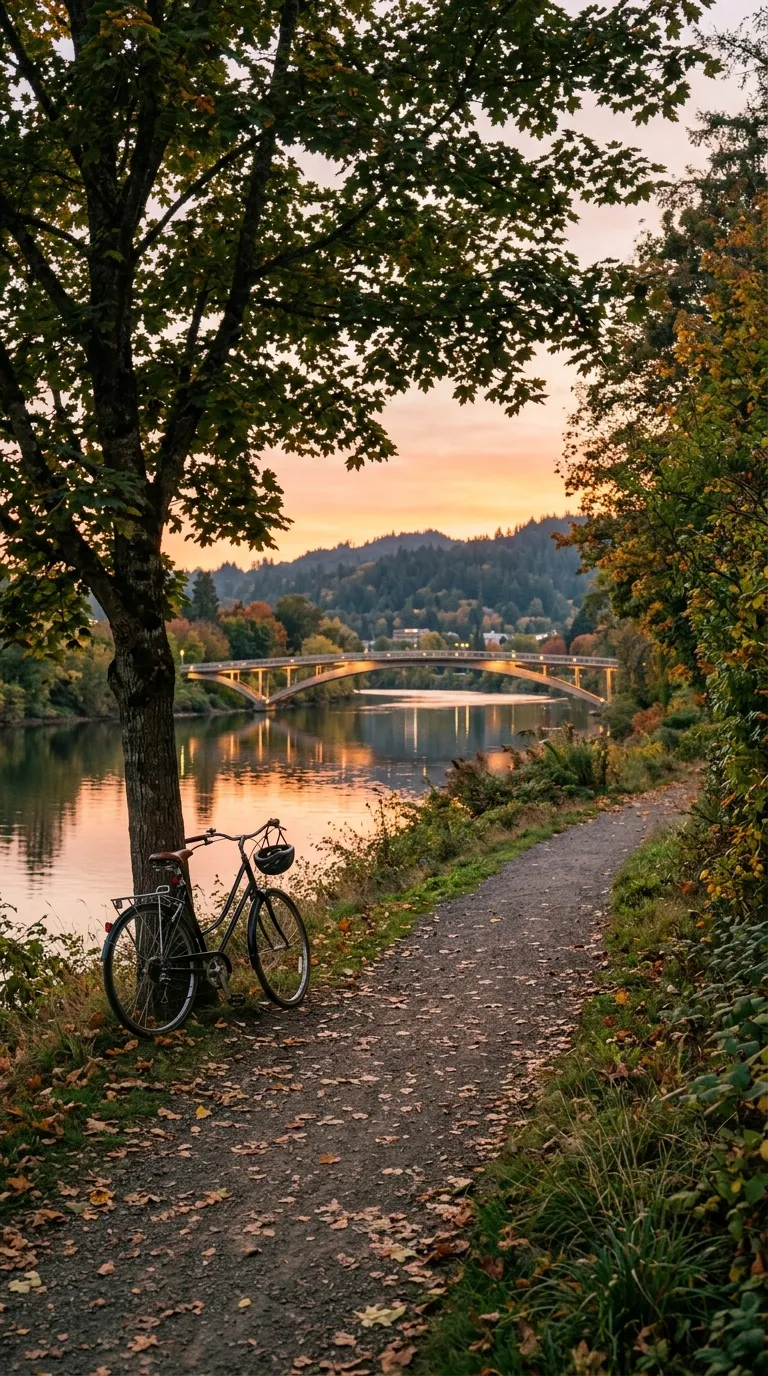
Eugene is not a city that asks visitors to race between famous landmarks. Appropriately for TrackTown USA, it gives you the track and lets you choose the pace.
For a first visit, spend one day downtown and beside the Willamette River, one day around the University of Oregon and Hendricks Park, then reserve a third for Spencer Butte, Cascades Raptor Center or Mount Pisgah. Add another night when the McKenzie River or Oregon Coast is part of the plan.
The city is best from late spring through early fall, when markets, trails and river paths are at their most inviting. Summer provides drier weather but requires attention to heat and wildfire smoke. Spring is greener and wetter, while fall combines comfortable walking conditions with markets, university energy and changing leaves.
Stay downtown when traveling without a car. Choose the university area for sports and campus visits, or South Eugene when parks and quiet neighborhoods matter more than evening activity.
Most importantly, allow Eugene to remain a little unstructured. Browse a market without a shopping list. Follow the river path farther than planned. Stop for coffee because the bakery smells persuasive. The best Eugene travel guide can point toward the parks and museums, but the city’s real pleasure lies in the soft spaces between them.