Travel Safety in Italy: Essential Tips, Common Scams, and What Americans Should Know in 2026
Italy is generally a manageable and rewarding destination for American travelers, including first-time visitors, solo travelers, and families. Its major cities are connected by fast trains, tourism infrastructure is extensive, and serious violence against visitors is uncommon. The risks most tourists encounter are usually less cinematic: a phone disappearing on a crowded metro, an unofficial taxi charging an inventive fare, a rental car entering a restricted zone, or summer heat turning an ambitious sightseeing plan into a slow-motion surrender.
That does not mean travelers should become careless. The U.S. Department of State currently classifies Italy at Level 2: Exercise Increased Caution, primarily because of the possibility of terrorism. It also warns that pickpocketing is common on public transportation and in crowded tourist areas.
The practical reality is that most Italy travel safety problems can be reduced through ordinary precautions. Keep valuables secured in busy stations, use licensed taxis, validate transport tickets where required, avoid empty streets late at night, follow heat and weather alerts, and understand local rules before driving or flying a drone.
Entry procedures are also evolving. The EU’s Entry/Exit System is now operational across the Schengen Area, while ETIAS is expected to begin during the last quarter of 2026. The precise ETIAS launch date had not been announced as of July 31, 2026, so travelers should rely only on the official European Union website and avoid unofficial application services.
This guide explains the principal safety concerns in Rome, Florence, Venice, Milan, Naples, Sicily, the Amalfi Coast and rural Italy. It also covers scams, public transportation, road safety, emergencies, solo travel, children, teenagers, natural hazards and what to do if your passport or wallet is stolen.
Recommended Travel Items for Your Trip
ITALY TRAVEL SAFETY AT A GLANCE
Current U.S. advisory: Level 2, Exercise Increased Caution
Most common tourist problem: Pickpocketing and bag theft
European emergency number: 112
Safest transportation between cities: High-speed or intercity train
Main driving risk: Restricted ZTL zones and unfamiliar roads
Main summer risk: Heat and dehydration
Main coastal risk: Rough water, cliffs and overloaded itineraries
Best defense against scams: Pause, verify and use official providers
Is Italy suitable for families? Yes, with age-appropriate planning
Is Italy suitable for solo travelers? Generally yes
Is Italy Safe to Visit in 2026?
Italy remains open to international tourism and can generally be visited safely with sensible precautions. The U.S. advisory does not tell travelers to reconsider or avoid Italy; Level 2 means visitors should be more alert than they would under a Level 1 destination.
The terrorism warning applies broadly to public spaces such as:
- Tourist attractions
- Transportation hubs
- Hotels
- Restaurants
- Religious sites
- Shopping areas
- Public events
This does not mean an attack is expected during a particular trip. It means travelers should remain aware of their surroundings, follow police instructions and avoid unattended bags or suspicious activity.
For most visitors, property crime poses a more immediate day-to-day concern than serious violence. Pickpockets often operate where travelers are distracted, carrying luggage or concentrating on signs and ticket machines.
The highest-risk moments include:
- Boarding crowded metros
- Entering or leaving trains
- Standing near train doors
- Watching street performances
- Waiting in attraction lines
- Carrying luggage through stations
- Using escalators
- Dining at outdoor tables
- Photographing landmarks in dense crowds
Italy is not a place where you need to walk around in a cloud of suspicion. It is a place where your wallet should not live casually in the back pocket of your jeans.
Italy Safety Risks Compared
| Risk | Where It Is Most Common | Likelihood for Tourists | Best Precaution |
| Pickpocketing | Metros, buses, stations and major sights | Moderate | Use zipped cross-body storage |
| Bag theft | Trains, cafés and beaches | Moderate | Keep bags physically attached |
| Taxi overcharging | Airports and stations | Occasional | Use official ranks or apps |
| Tourist scams | Busy plazas and landmarks | Occasional | Do not accept unsolicited help |
| Road accidents | Cities, rural roads and coastlines | Variable | Drive slowly and avoid distractions |
| Heat illness | Rome, Florence, Sicily and southern Italy | Seasonal | Sightsee early and hydrate |
| Train disruption | Nationwide | Occasional | Check operator updates |
| Coastal accidents | Amalfi Coast, Sicily and islands | Seasonal | Follow local warnings |
| Terrorism | Public venues nationwide | Low but serious | Stay alert and follow authorities |
| Earthquakes or volcanic activity | Selected regions | Low but possible | Follow civil-protection guidance |
Pickpocketing in Rome, Milan, Florence and Venice
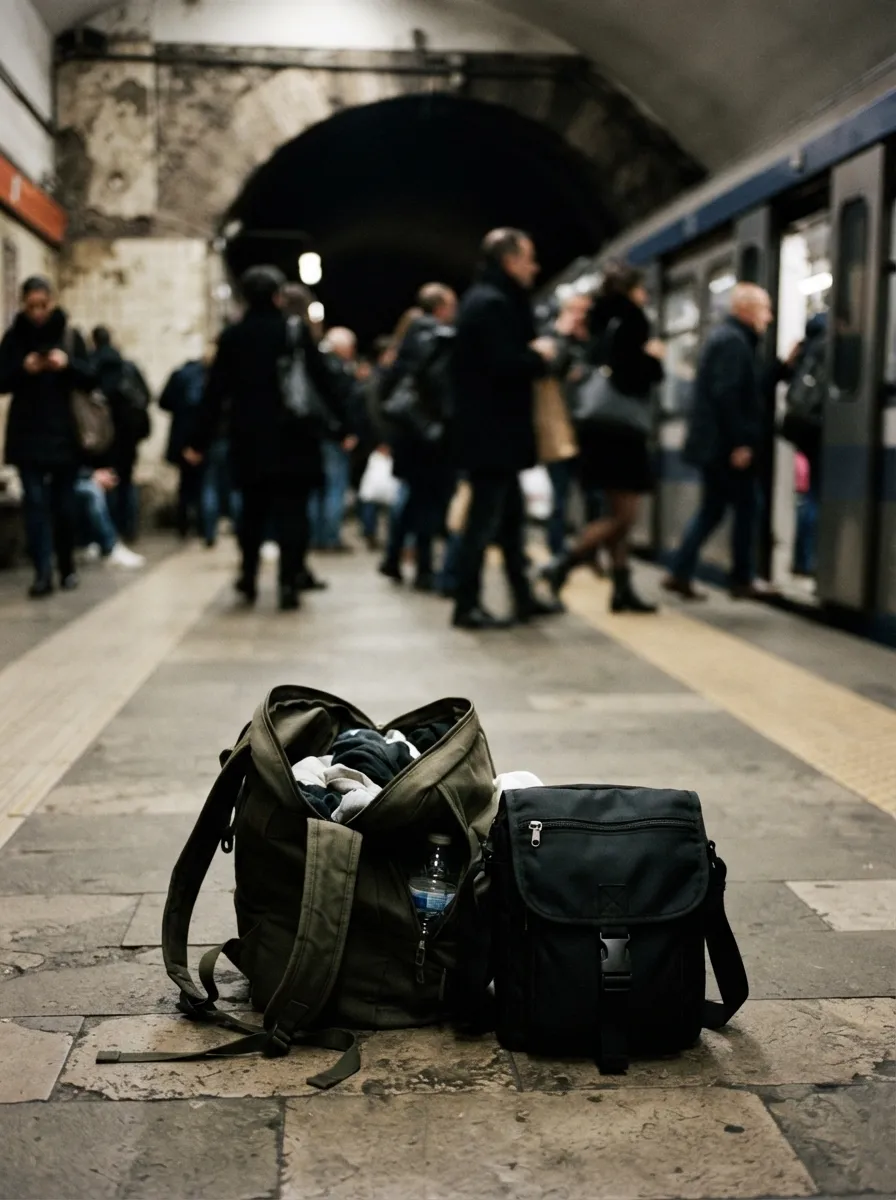
Pickpocketing is the most frequently discussed risk for visitors, and official U.S. guidance specifically highlights public transportation and crowded areas.
Where pickpockets operate
In Rome, remain especially alert around:
- Roma Termini
- Metro Lines A and B
- The Colosseum
- Trevi Fountain
- The Spanish Steps
- Vatican transport routes
- Crowded buses
In Milan, exercise care around Milano Centrale, the Duomo area and packed metro services.
In Florence, busy routes around Santa Maria Novella station, Ponte Vecchio, the Duomo and major museums can attract opportunistic theft.
In Venice, crowding around Venezia Santa Lucia station, vaporetto stops, Rialto Bridge and St. Mark’s Square creates ideal conditions for distraction theft.
How to protect your belongings
Carry your phone and wallet in a zipped compartment positioned in front of your body. A cross-body bag is useful when its closure cannot be opened easily from behind.
Avoid keeping important items in:
- Open tote bags
- Loose jacket pockets
- Back pockets
- Outer backpack compartments
- Luggage placed behind your seat
On crowded public transportation, move your bag to the front and keep one hand over its opening.
Do not store your passport, every bank card and all your cash in the same place. A stolen wallet is irritating; a stolen wallet containing your entire identity becomes an administrative opera.
Common Tourist Scams in Italy
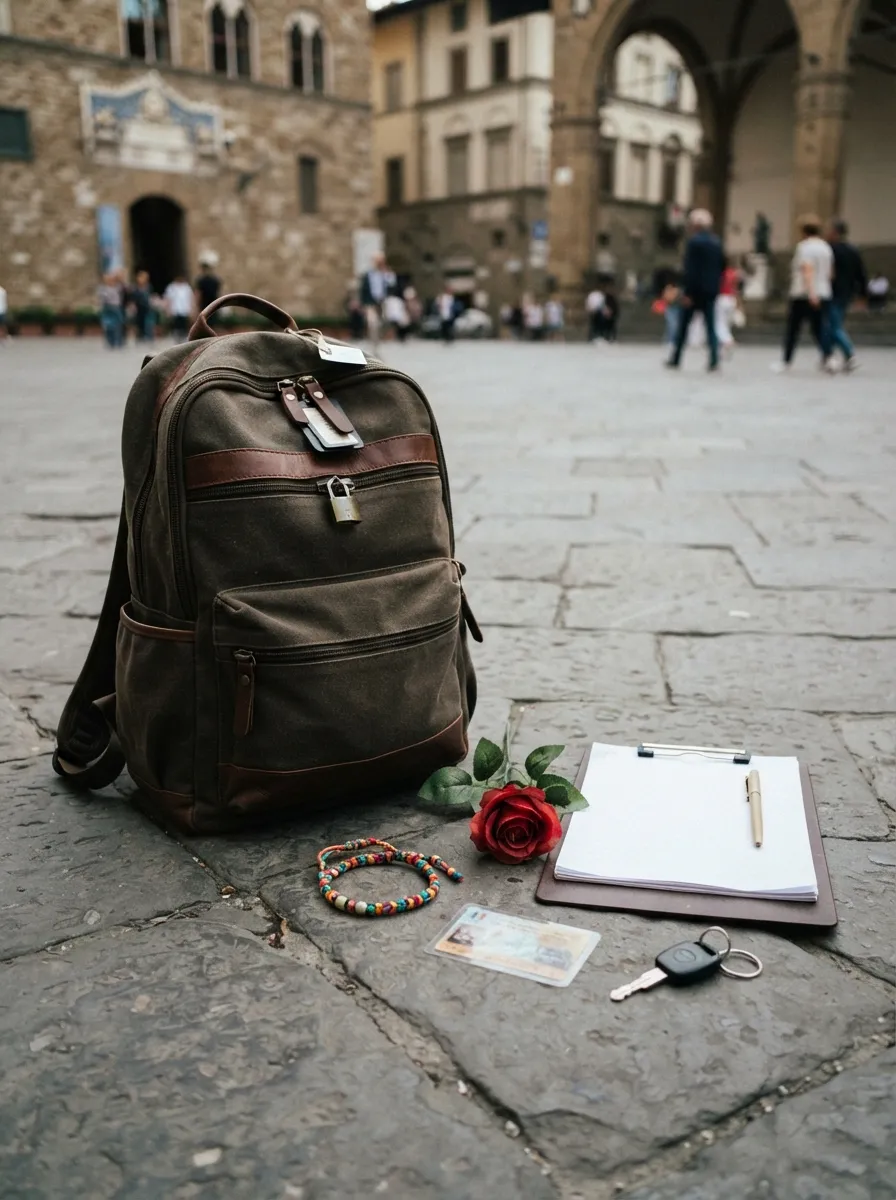
Most scams rely on distraction, social pressure or the visitor’s reluctance to appear rude.
Unofficial taxi drivers
Italy’s official tourism website advises travelers to avoid people who approach them offering taxi services at airports or stations. Licensed taxis wait in identifiable official ranks rather than roaming terminals in search of customers.
Before entering a taxi:
- Use the official taxi queue
- Confirm that the vehicle is licensed
- Ask whether a fixed airport fare applies
- Ensure the meter is operating when required
- Request a receipt
- Keep your luggage in view
Friendship bracelets, flowers and gifts
A stranger may place a bracelet in your hand or offer a flower, then demand payment. Decline firmly and continue walking.
Do not allow anyone to tie an item around your wrist. The performance may also distract you while another person accesses your bag.
Fake petitions
Someone may ask you to sign a petition while blocking your movement or covering your belongings with a clipboard. Do not engage.
Unsolicited ticket assistance
At train or metro machines, a person may offer to help purchase a ticket and then demand money. Use uniformed staff or an official information desk.
Restaurant bill surprises
Before ordering in highly touristed areas, check:
- Menu prices
- Cover charge
- Service charge
- Price by weight for fish
- Whether bread or table items cost extra
A cover charge can be legitimate when disclosed. A mysterious extra invented after lunch is something else entirely.
Public Transportation Safety
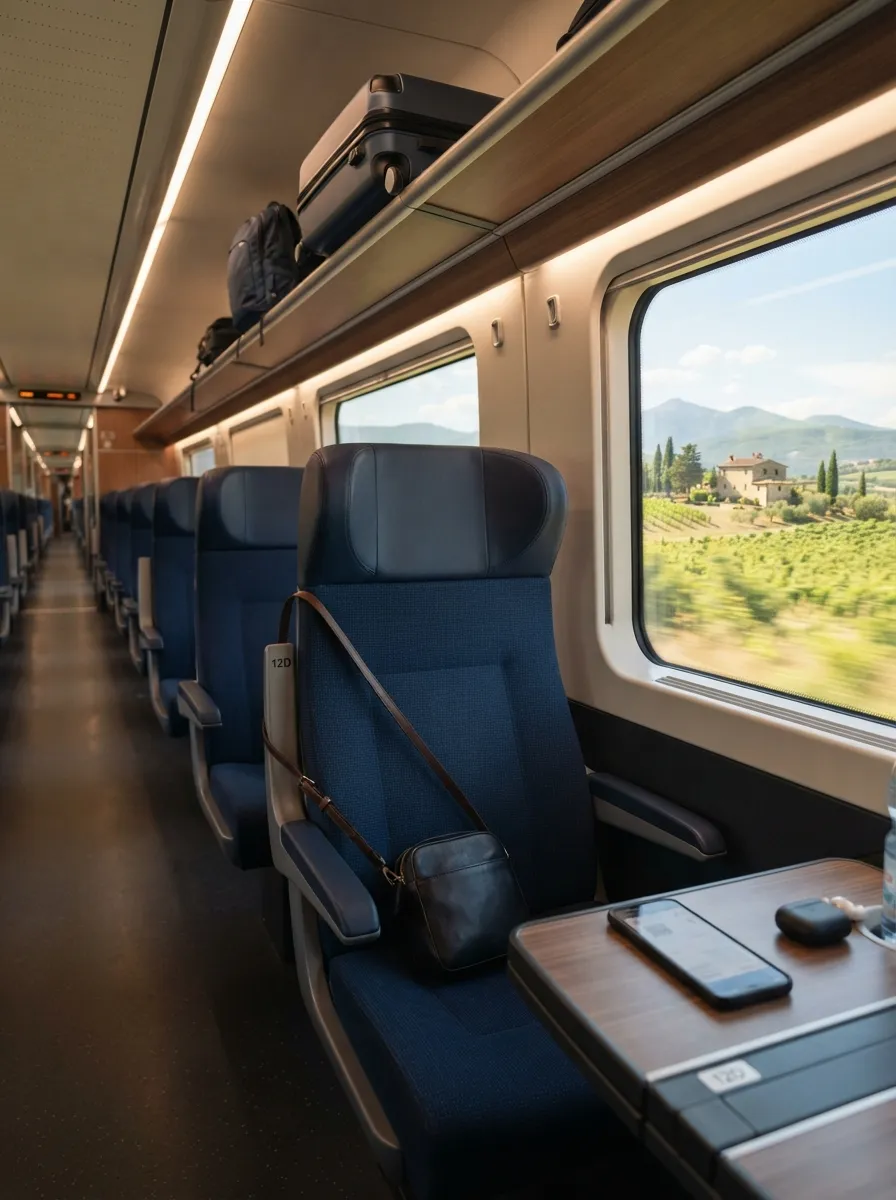
Italy’s trains, metros, buses and trams are practical and generally safe. The primary concerns are theft, ticket rules and occasional disruption.
Train safety
Keep valuables with you rather than leaving them in an unattended suitcase. On high-speed trains, large luggage may be stored at the end of the carriage, where it is harder to monitor.
Consider a small cable lock for long journeys, but do not block aisles or emergency equipment.
When waiting for a train:
- Confirm the train number, not only the destination
- Stand away from the platform edge
- Watch your bag during boarding
- Ignore unsolicited assistance
- Use official operator apps or displays
Ticket validation
Some regional and local transport tickets must be validated before travel or according to the operator’s digital process. Rules differ between paper, app-based, regional and high-speed tickets.
A valid-looking ticket that was not correctly activated can still result in a fine. Read the operator’s instructions rather than relying on what another traveler did five years ago.
Strikes
Transportation strikes occur periodically in Italy and may affect trains, buses, flights or ferries. Some rail services can continue during legally protected time windows, but schedules vary.
Check your operator’s official website shortly before travel and avoid scheduling the last possible train before an international flight.
Taxi and Ride Safety
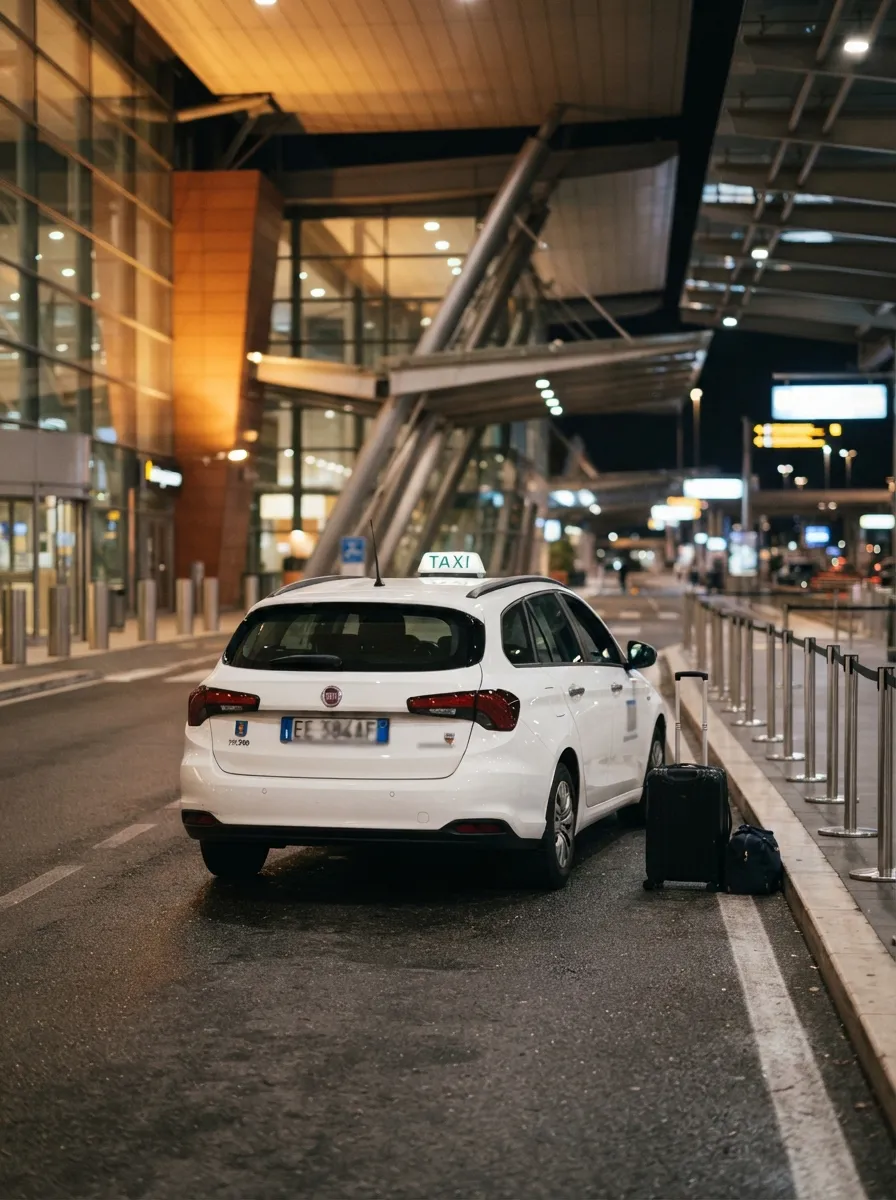
Use licensed taxis from official ranks, hotel bookings or established applications.
Before the journey:
- Photograph or note the taxi number
- Confirm the destination
- Check whether card payment is accepted
- Ask about airport fixed rates
- Keep valuables with you
Never place passports, medication or electronics in luggage that could leave in the trunk without you.
Solo travelers should share trip details with a trusted person when arriving late at night.
Driving Safely in Italy
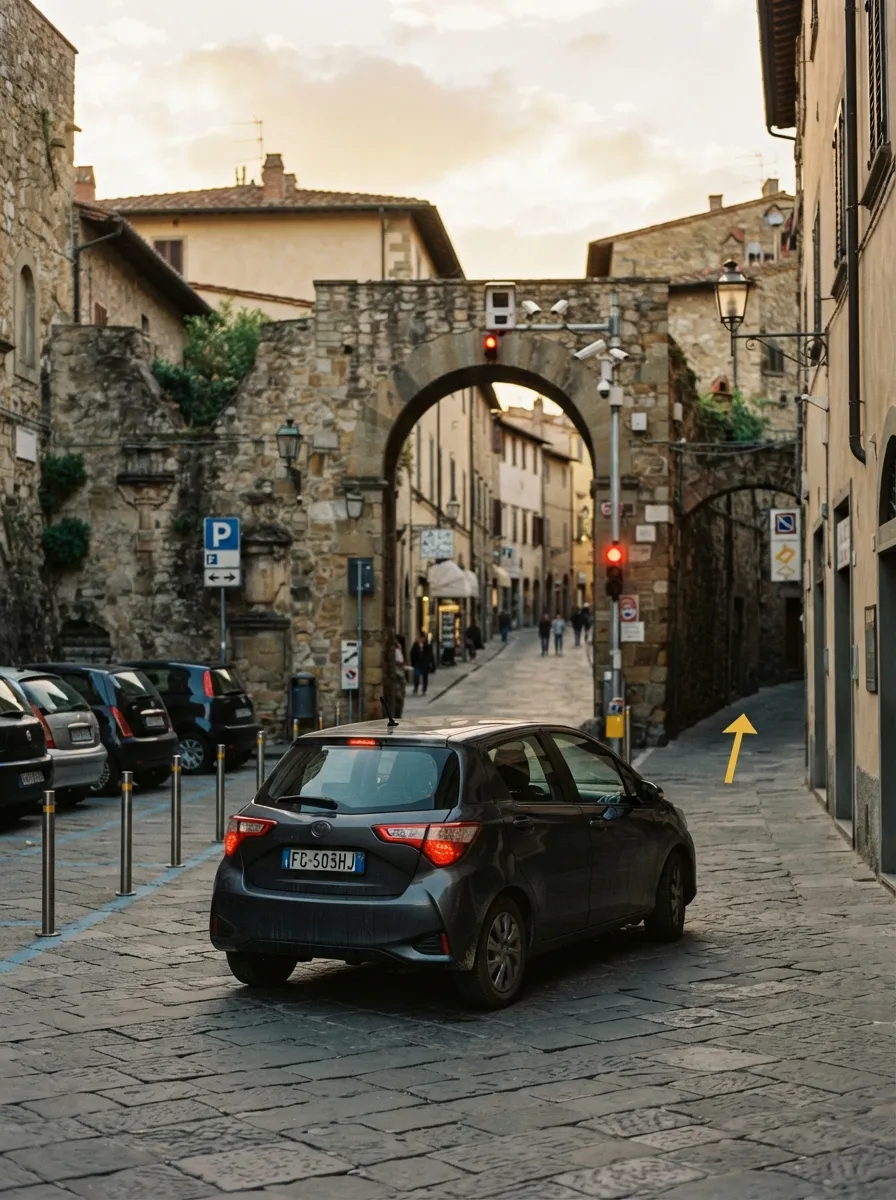
Driving can be useful in Tuscany, Puglia, Sicily, Sardinia and rural regions. It is often unnecessary in Rome, Florence, Milan or Venice.
Italy’s official tourism website states that non-EU drivers need an International Driving Permit or a sworn translation of their license. Rental companies also generally require identification and a credit card in the driver’s name.
ZTL restricted zones
Many historic centers contain Zona a Traffico Limitato, or ZTL, areas. Cameras record vehicles entering without authorization, and penalties may arrive long after the vacation.
ZTL signs are easy to miss while following navigation instructions. A map app may choose the fastest road without understanding that your rental car is not permitted to use it.
Ask your hotel:
- Whether it lies inside a ZTL
- Whether guests can register license plates
- Where legal parking is located
- Which route avoids restricted entrances
Driving on the Amalfi Coast
The Amalfi Coast combines narrow roads, blind corners, buses, scooters and cliff edges. During busy months, traffic can move at the pace of refrigerated honey.
Travelers uncomfortable with tight roads should use ferries, buses, trains and professional transfers rather than treating the coastal highway as a scenic driving challenge.
Rural and mountain roads
Reduce speed on unfamiliar roads, particularly after dark. Livestock, cyclists, rockfall, snow, fog and narrow lanes may appear with little warning.
Do not drink and drive. Arrange a driver or stay near the winery when tasting is part of the day.
Safety in Rome
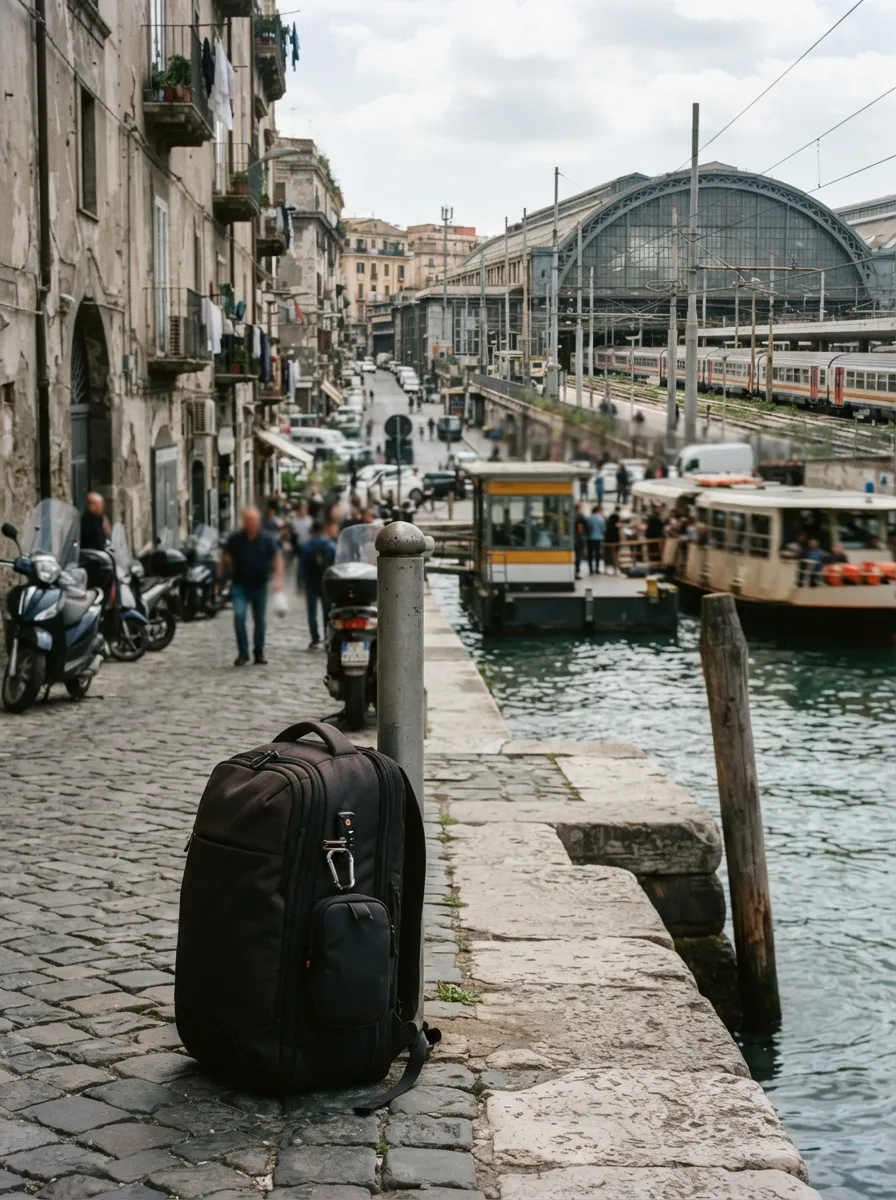
Rome is generally suitable for visitors, but its enormous tourism volume creates opportunities for theft and scams.
Use particular care around Termini station at night. The station remains an important transportation hub, but surrounding streets vary in atmosphere and foot traffic.
Avoid isolated parks or nearly empty streets after dark. In lively central areas, the greater risk is normally theft rather than personal attack.
Carry only the cash needed for the day and use ATMs attached to established banks. Shield the keypad and avoid machines that appear loose or altered.
At fountains, monuments and archaeological sites, follow barriers and local rules. The U.S. advisory notes that tourists can face fines or detention for defacing monuments or violating rules involving protected places.
Safety in Naples
Naples has a more chaotic rhythm than Florence or Venice, but most visitors experience it without serious problems.
The principal precautions are:
- Secure belongings around Napoli Centrale
- Watch traffic carefully
- Avoid displaying expensive equipment
- Use trusted transport at night
- Research accommodation by exact street
- Be cautious around scooters
Crossing the road can feel like negotiating with a fast-moving school of metallic fish. Use pedestrian crossings, make your intention clear and remain alert.
Naples is a practical base for Pompeii, Herculaneum, Capri and the Amalfi Coast, but do not leave valuables unattended on beaches or boats.
Safety in Venice
Venice’s most common problems are overcrowding, bag theft and physical fatigue rather than violent crime.
Vaporetto platforms and boats can become packed. Keep phones and wallets secured while boarding.
Canals have few protective railings in some areas. Avoid walking along edges while distracted, intoxicated or looking backward through a camera.
Flooding can affect movement during acqua alta events. Follow local notices and use temporary raised walkways where installed.
Large rolling luggage is inconvenient over bridges and steps. Pack lighter to reduce strain and maintain control of your belongings.
Heat Safety in Rome, Florence and Southern Italy
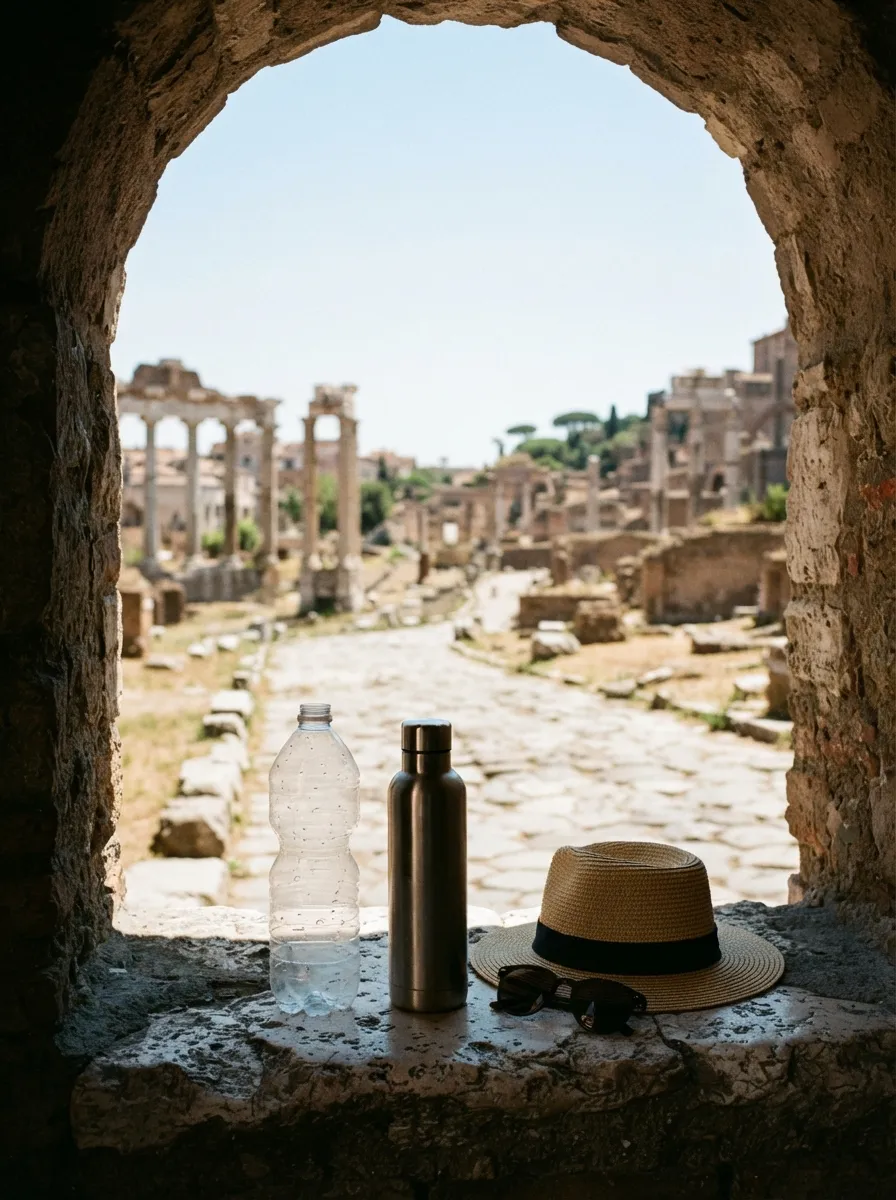
Summer heat can be one of Italy’s most underestimated hazards.
July and August may bring prolonged high temperatures, particularly in cities where stone surfaces retain heat. Children, older adults and people with health conditions require additional care.
Plan outdoor sightseeing:
- Early in the morning
- Later in the afternoon
- With indoor breaks
- Near refill points
- Without stacking several exposed sites together
Carry water and recognize symptoms such as dizziness, nausea, headache, confusion and unusual fatigue.
Churches and museums provide relief, but air-conditioning standards vary. Do not assume every historic building will feel cool.
HEAT WARNING
A noon visit to the Roman Forum followed by the Colosseum and a cross-city walk may look efficient on a map. In August, it can become an archaeological endurance trial.
Coastal, Hiking and Mountain Safety
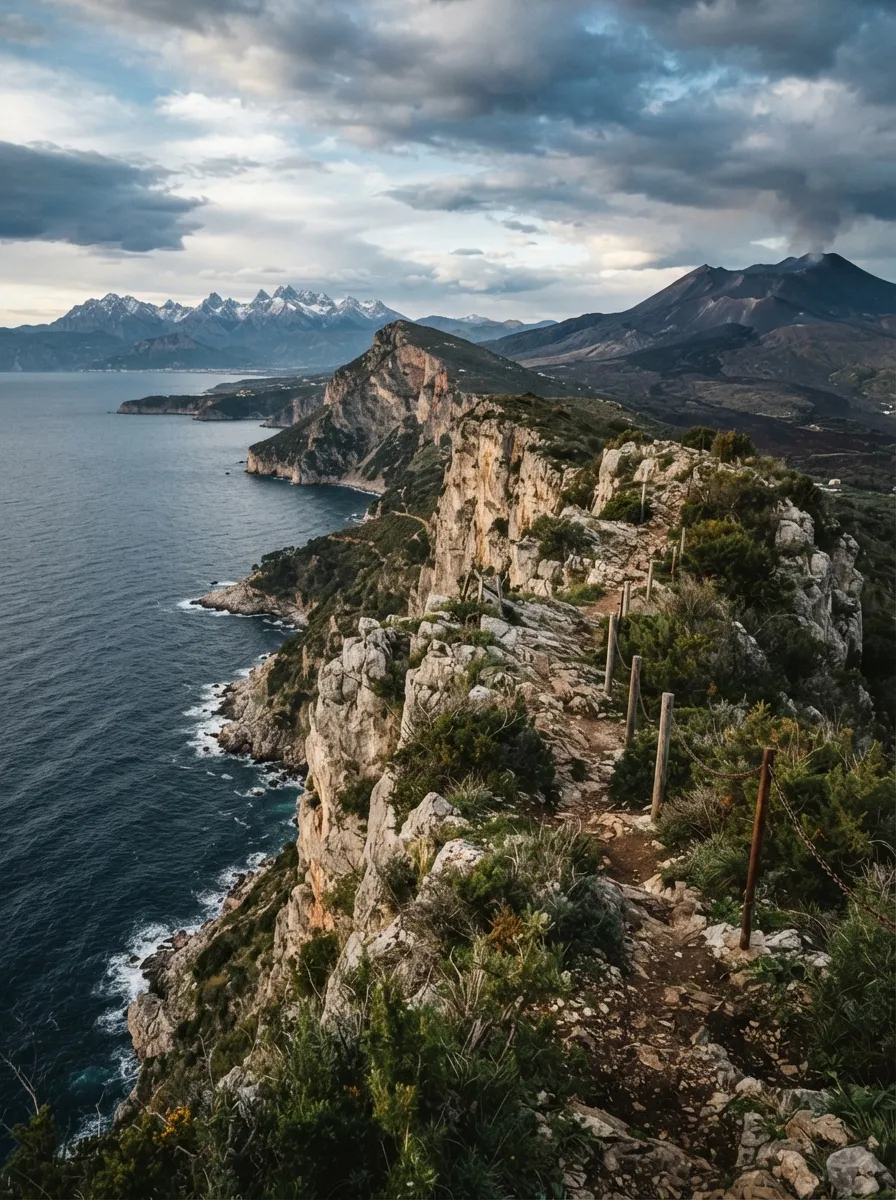
Italy’s coastline and mountains require more preparation than their holiday imagery suggests.
Beaches and swimming
Swim at beaches appropriate for your experience and follow flags or lifeguard instructions.
Be cautious around:
- Strong currents
- Rocky entries
- Sudden depth changes
- Boat traffic
- Cliff-jumping areas
- Unsupervised coves
Do not leave valuables unattended while swimming.
Hiking
For the Dolomites, Cinque Terre, Mount Etna, Vesuvius and coastal trails:
- Check official closures
- Carry water
- Wear suitable footwear
- Begin early
- Avoid thunderstorms
- Do not cross barriers
- Download maps
- Inform someone of your route
Mountain weather can change rapidly even when a nearby valley is sunny.
Volcanoes
Mount Etna, Stromboli and Vesuvius are monitored natural environments where access can change. Use authorized routes and follow civil-protection, park and guide instructions.
Do not approach closed craters or lava areas simply because another visitor appears to be doing it.
Terrorism, Protests and Public Events
The current U.S. advisory identifies terrorism as the reason for exercising increased caution in Italy. Potential targets can include transport systems, tourist locations, government facilities, hotels, restaurants, religious venues and public gatherings.
Remain aware without allowing the warning to dominate the trip.
Practical precautions include:
- Identify exits at crowded events
- Keep your phone charged
- Follow police directions
- Move away from unattended packages
- Avoid demonstrations
- Do not cross security barriers
- Set a meeting point for families
Demonstrations may cause road closures or transport disruption even when they remain peaceful.
Solo Travel Safety in Italy
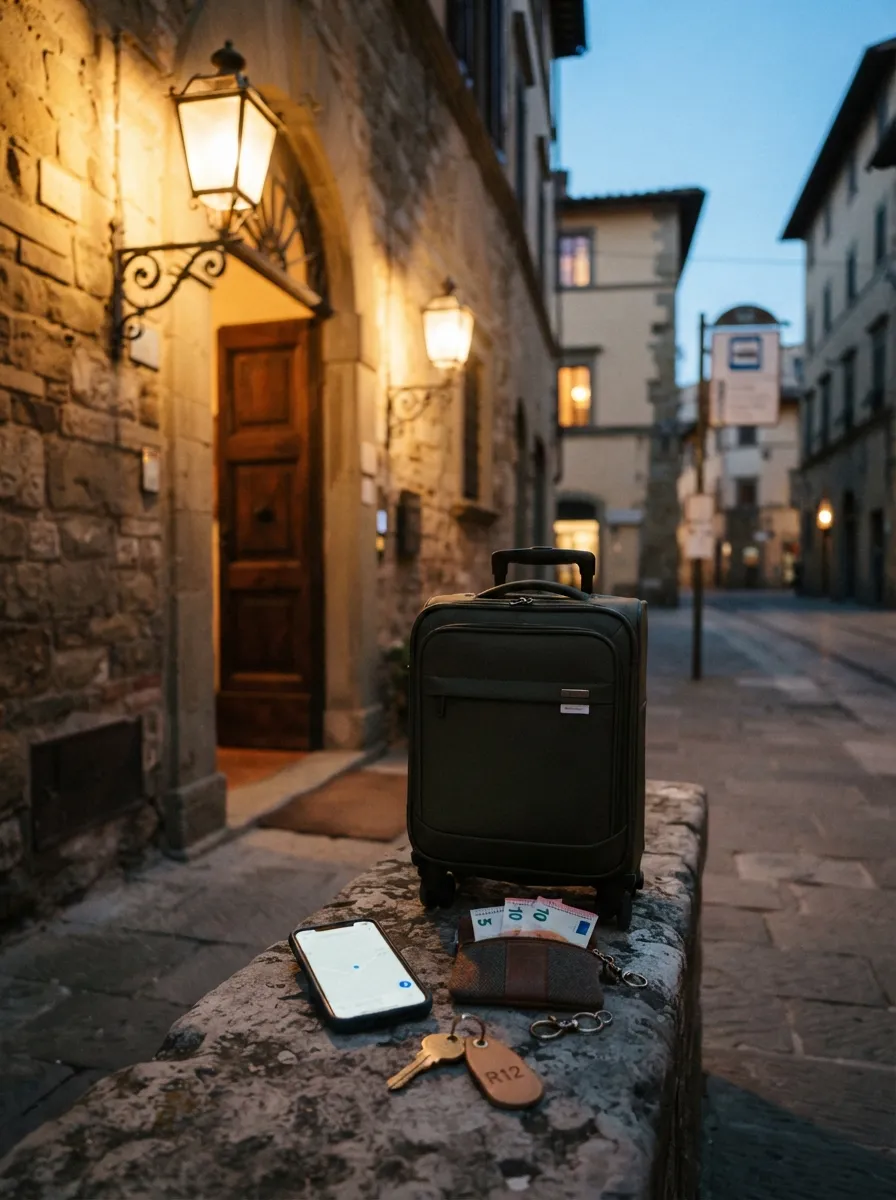
Italy is generally a practical destination for solo travelers because trains are extensive, central neighborhoods are walkable and tourism services are widely available.
Solo travelers should:
- Book the first night in advance
- Arrive in unfamiliar cities before dark
- Avoid empty train carriages
- Watch drinks in nightlife settings
- Share accommodation details
- Keep emergency money separately
- Choose accommodation with recent reviews
- Use licensed transportation
Women traveling alone may experience unwanted attention or persistent conversation. A firm refusal and moving toward a populated area is usually the best response.
Travelers considering other island-heavy destinations can compare Italy’s transport and safety planning with this Maldives guide for Americans, where boats, resort transfers and local-island rules create a different safety landscape.
Traveling in Italy With Children
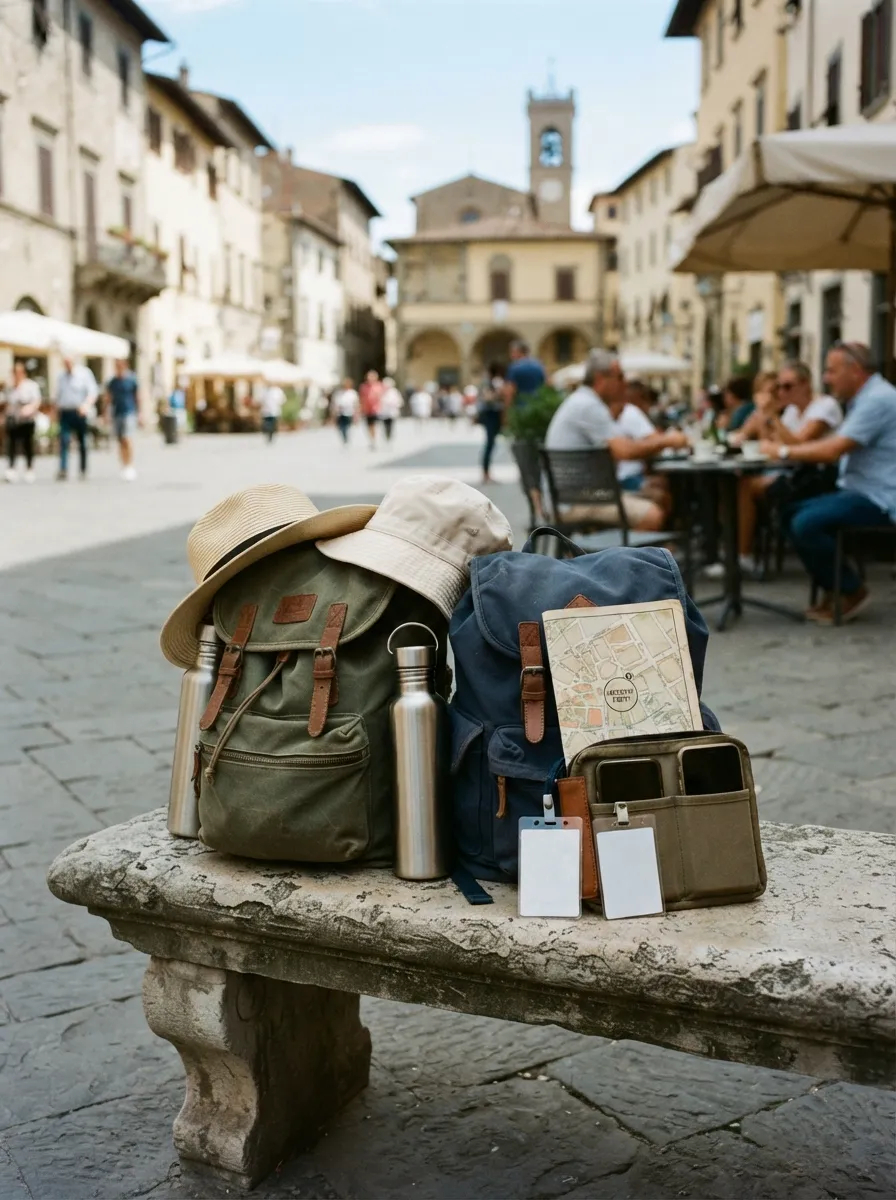
Italy is highly workable for families, but safety improves when the itinerary reflects children’s energy, attention span and tolerance for heat.
For ages 6–12:
- Limit museum marathons
- Schedule playground or gelato breaks
- Use identification cards in crowded areas
- Establish a family meeting point
- Hold hands near canals and roads
- Confirm child-seat arrangements
This guide to traveling with younger kids offers additional planning strategies for keeping active family trips manageable.
Parents should be particularly cautious around water in Venice, steep coastal trails, packed railway platforms and scooter-heavy streets.
Traveling in Italy With Teenagers
Teenagers can usually manage Italy’s transportation and walking-heavy itineraries well, but they may be more likely to carry phones visibly or walk several steps behind the family.
Agree on:
- Daily meeting points
- Emergency contacts
- Public Wi-Fi rules
- Independent exploration boundaries
- What to do if separated
- Nighttime return arrangements
The guide to traveling with teens provides a fuller framework for balancing independence with family safety.
Encourage teenagers to photograph surroundings without backing into roads, canals or railway platforms. The perfect frame is not improved by an ambulance cameo.
Photography, Drones and Expensive Equipment
Italy is irresistible to photographers, but expensive cameras attract attention.
Use a plain camera bag rather than one broadcasting its contents. Change lenses away from the edge of crowded streets and do not place equipment on café tables near pedestrian traffic.
The U.S. advisory notes that tourists can face penalties for improper drone use.
Before flying a drone, verify:
- EU operator requirements
- Italian aviation rules
- Local no-fly zones
- Restrictions around monuments
- Airport and military zones
- National park rules
- Privacy requirements
Do not assume that a quiet hilltop is legal airspace.
Travelers choosing equipment for Italy can consult this guide to the best travel cameras and prioritize portability, weather protection and discreet storage.
Those interested in ocean photography can also compare urban Italy with a carefully managed Maldives marine adventure, where water protection and wildlife distance become the main safety priorities.
Entry Rules, EES and ETIAS
U.S. citizens can generally visit Italy and the wider Schengen Area for up to 90 days within a 180-day period for tourism or business without obtaining a traditional tourist visa in advance. Travelers must still meet passport and entry conditions.
The European Union’s Entry/Exit System became fully operational across Schengen countries on April 10, 2026. It electronically records relevant border-crossing information for non-EU short-stay travelers.
ETIAS is scheduled to begin in the final quarter of 2026, but the exact launch date remained unconfirmed as of July 31. The official EU portal states that no application is currently required and warns travelers to wait for the formal announcement.
ETIAS WARNING
Do not pay an unofficial website to submit an ETIAS application before the system is live. Use only the European Union’s official portal once applications open.
Emergency Numbers and Lost Documents
Dial 112 for urgent police, fire or medical help in Italy.
Save the address of your accommodation offline so you can show it to emergency services or a taxi driver.
If your passport is lost or stolen:
- Report the loss to local police.
- Obtain a copy of the report.
- Contact the nearest U.S. embassy or consulate.
- Cancel compromised cards.
- Notify your airline when travel documents may delay departure.
Keep a digital copy of your passport separate from the original. A copy does not replace the passport, but it can simplify the replacement process.
Italy’s official tourism website maintains practical information covering transportation, documents and emergency assistance.
Travel Insurance and Medical Care
Travel insurance is valuable when the trip includes expensive hotels, rental cars, hiking, ferries or nonrefundable rail bookings.
Look for coverage that addresses:
- Emergency medical treatment
- Medical evacuation
- Trip cancellation
- Trip interruption
- Delayed baggage
- Rental-car damage
- Adventure activities
- Missed transport connections
U.S. health insurance may provide limited or no overseas coverage. Confirm benefits before travel rather than discovering the answer beneath fluorescent hospital lighting.
Carry prescription medicine in its original packaging and bring enough for delays.
Italy Travel Safety Checklist
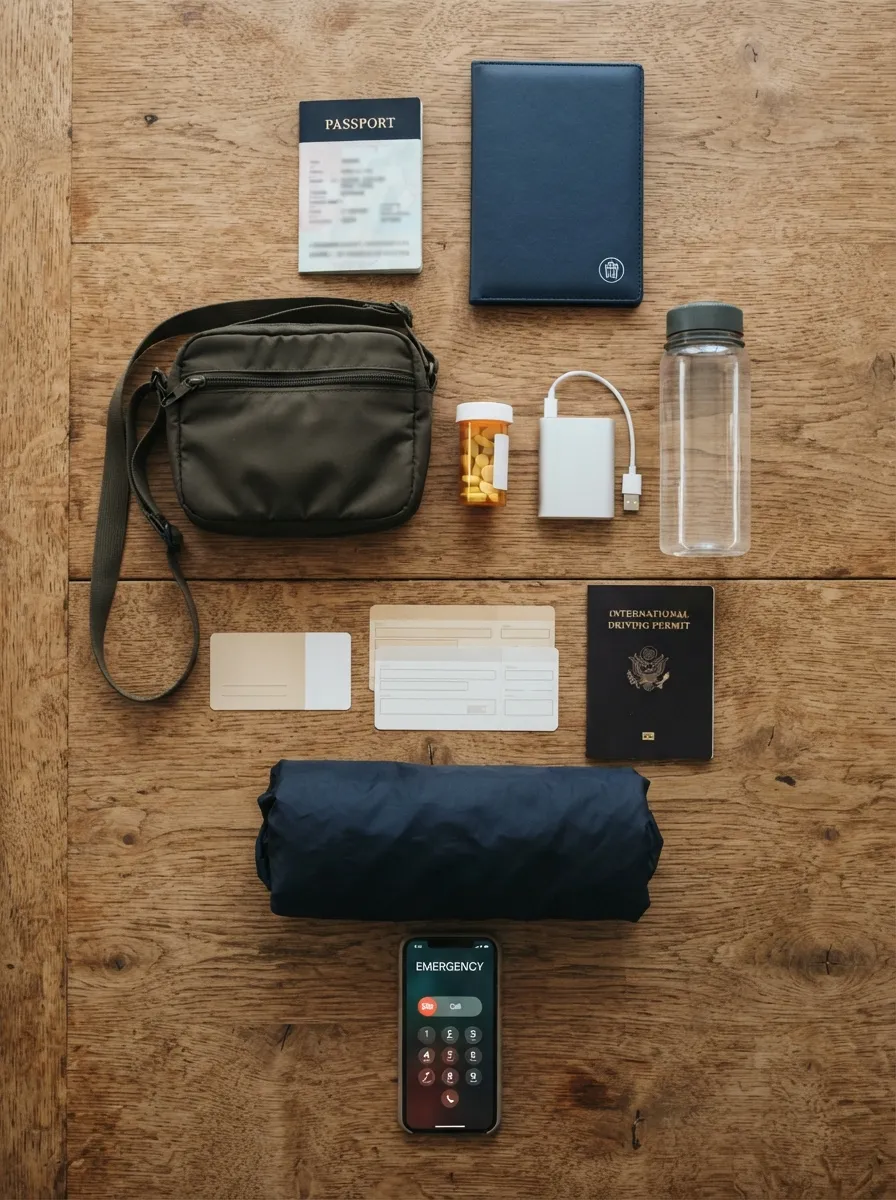
- Check the current U.S. travel advisory
- Verify EES and ETIAS rules
- Save passport copies securely
- Buy suitable travel insurance
- Store cards in separate places
- Use a zipped cross-body bag
- Save the emergency number 112
- Download operator and map apps
- Confirm train ticket validation rules
- Use licensed taxis
- Research ZTL zones before driving
- Obtain an IDP when required
- Check heat and weather alerts
- Review hiking or volcanic closures
- Keep medication in carry-on luggage
- Establish family meeting points
- Avoid leaving valuables in rental cars
- Confirm drone rules before flying
- Share the itinerary with someone at home
Travelers combining Italy with nearby destinations can explore these romantic European city breaks while applying the same habits around transport, valuables and late-night arrivals.
Frequently Asked Questions About Travel Safety in Italy
Is Italy safe for American tourists?
Yes, Italy is generally manageable for American visitors. The current U.S. advisory is Level 2, mainly because of terrorism concerns, while pickpocketing is the most common practical problem for tourists.
What is the biggest safety risk in Italy?
Petty theft in crowded transport hubs and tourist areas is the risk most visitors are likely to encounter.
Is Rome safe at night?
Central Rome remains lively at night, but visitors should avoid isolated streets, stay alert around Termini and use trusted transportation when returning late.
Is Naples safe for tourists?
Most tourists visit Naples without serious trouble. Watch belongings, remain alert around the central station and use caution around traffic and scooters.
Is public transportation safe?
Yes, although crowded metros, buses and trains are common locations for pickpocketing.
Are taxis safe in Italy?
Licensed taxis are generally safe. Use official taxi ranks and avoid drivers who approach travelers inside airports or stations.
Is it safe to drive in Italy?
It can be, but unfamiliar traffic, narrow roads, scooters and ZTL restrictions require concentration. Rural driving is easier than driving in historic city centers.
Do Americans need an International Driving Permit?
Italy’s official tourism guidance states that non-EU drivers require an International Driving Permit or an accepted translation of their license.
Is Italy safe for solo female travelers?
Generally yes. Use well-reviewed accommodation, avoid isolated areas late at night and arrange trusted transportation after evening activities.
Is Italy safe for families?
Yes. Families should take extra care around heat, canals, railway platforms, crowded attractions and traffic.
Can I drink tap water in Italy?
Tap water is generally drinkable unless a local notice says otherwise. Public fountains marked with drinking-water indications can be useful, but never drink from decorative fountains.
What should I do if I am pickpocketed?
Move to a safe location, cancel cards, report the theft to police and contact your embassy or consulate if travel documents were taken.
What emergency number should I call?
Dial 112 for an urgent emergency.
Is ETIAS required for Italy in 2026?
Not yet as of July 31, 2026. The EU expects ETIAS to launch in the last quarter of 2026, but the exact date remains unannounced.
Is Italy safe during summer?
Yes, but extreme heat, crowding and wildfire or transport disruption can affect some regions. Plan outdoor activities early and follow official alerts.
Is the Amalfi Coast safe?
It is generally safe, but road traffic, steep paths, cliffs and rough sea conditions require caution.
Are demonstrations dangerous?
Most are peaceful, but they can disrupt streets and transportation. Avoid protest areas and follow police directions.
Conclusion: How to Travel Safely in Italy
Travel safety in Italy is less about avoiding the country and more about understanding how its busiest places operate.
The current Level 2 advisory deserves attention, particularly in public transportation hubs, major attractions and crowded events. Yet the problem most visitors are likely to encounter remains ordinary theft rather than a dramatic emergency. Secure your bag, divide your cards, keep your phone away from train doors and resist unsolicited help around ticket machines.
Driving requires a separate layer of preparation. Obtain the correct permit, understand ZTL zones and do not take a rental car into medieval streets simply because the navigation voice sounds confident. On the Amalfi Coast and in mountain regions, choose safety over ambition when weather, traffic or trail conditions deteriorate.
Families should plan around heat and crowd fatigue. Solo travelers should choose well-connected accommodation and reliable nighttime transport. Photographers should keep equipment discreet and research drone restrictions before takeoff.
Entry procedures also need one final check before departure. The Entry/Exit System is active, while ETIAS is expected later in 2026 but had not yet launched as of July 31. Use official EU information rather than websites dressed in bureaucratic clothing.
Italy rewards awareness rather than anxiety. Learn the local rules, protect the essentials and leave enough flexibility for strikes, storms or an unexpectedly long lunch. With those habits in place, the country becomes what it should be: not a safety puzzle, but a collection of cities, coastlines and landscapes worth paying attention to.