How to Survive a Winter Trip to Chicago: What to Pack, Wear and Expect
Chicago in winter is not for the unprepared, but it can be an incredible time to visit. Snow may cover Millennium Park, the city skyline looks striking against a winter sky, and museums, restaurants, theaters, and cafés offer plenty of ways to escape the cold. The challenge is knowing how to enjoy the city without letting freezing temperatures dictate every part of your trip.
If you are visiting Chicago for the first time during winter, you may be wondering what clothes to pack, whether you need snow boots, how cold the Windy City really gets, and whether it is possible to explore its famous attractions comfortably.
The answer is yes, provided you plan sensibly. Chicago’s winter weather can change quickly, and strong winds can make an already cold day feel much harsher. A warm coat alone is not always enough. You need suitable layers, footwear that handles slush and ice, and an itinerary that balances outdoor sightseeing with indoor activities.
This guide explains what to expect during a Chicago winter trip, what to wear and pack, how to get around, and how to stay safe and comfortable while exploring the city.
Recommended Travel Items for Your Trip
1. Understand What Chicago Winter Is Really Like
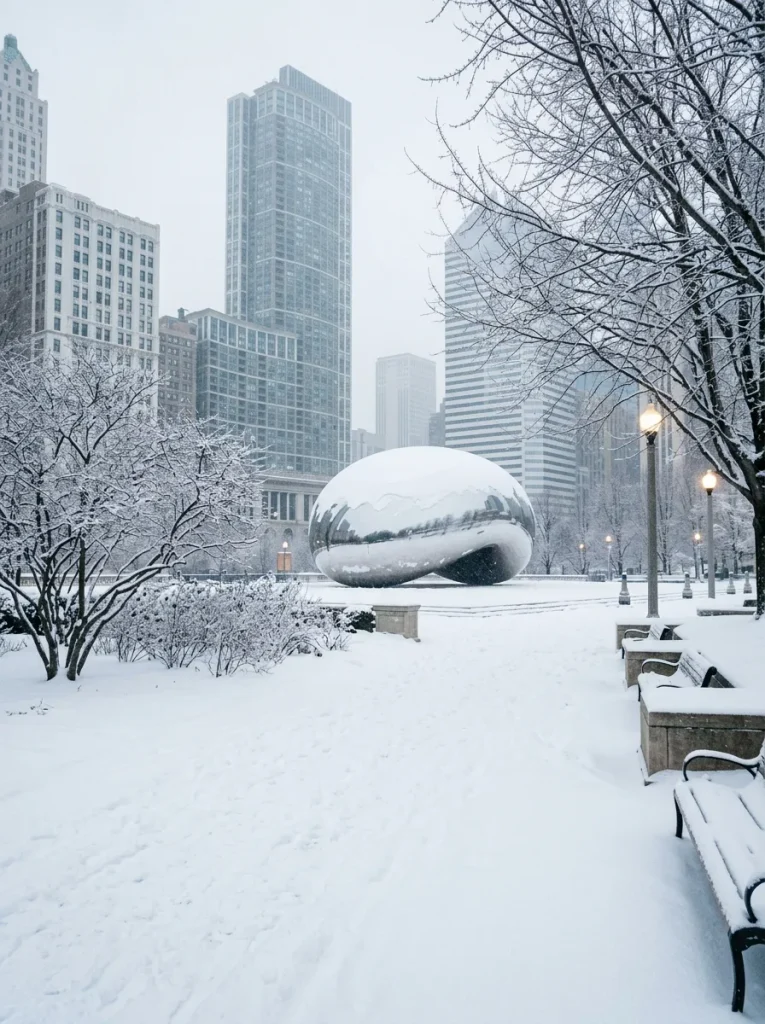
Chicago’s winter generally runs from December through February, although cold weather can arrive earlier and linger into March. Snowfall, freezing rain, bitter winds, and sudden temperature changes are all possible.
According to the National Weather Service’s 1991 to 2020 climate normals for Chicago O’Hare, January has an average high of approximately 32°F (0°C) and an average low of about 19°F (-7°C). February is usually a little milder, while December often brings a mixture of cold days, occasional snow, and holiday festivities.
These averages are useful for planning, but they do not tell the whole story. Some days feel manageable with a winter coat, while others require serious protection from the cold.
Why the wind matters so much
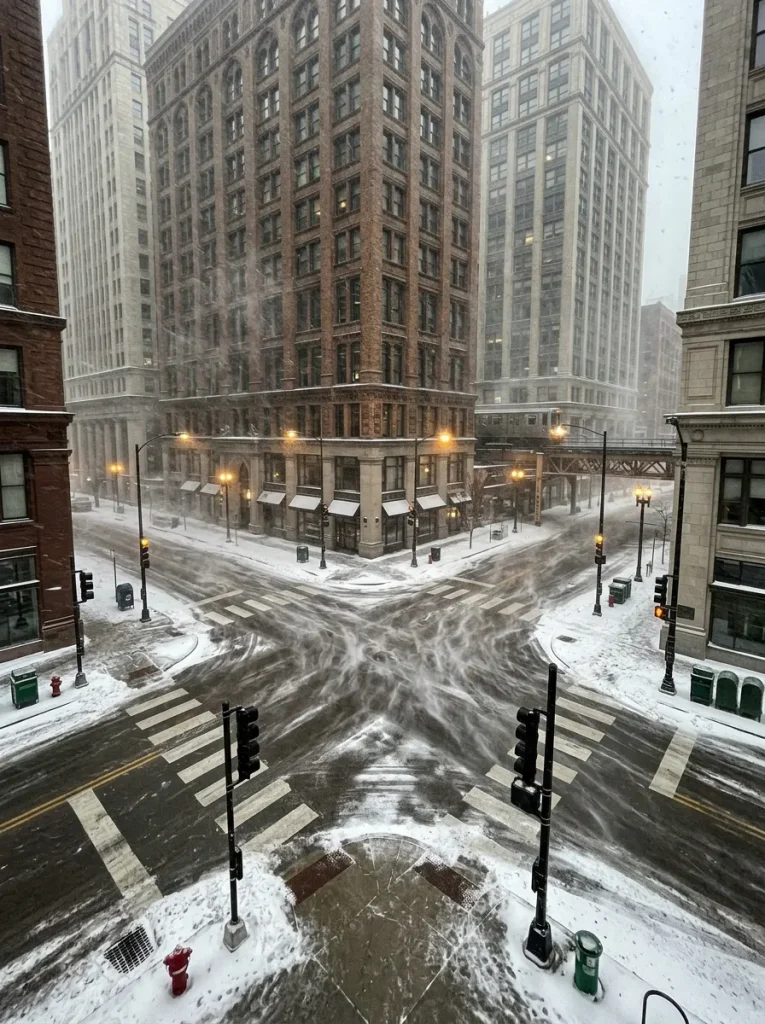
Chicago’s nickname, the Windy City, is worth remembering when you pack. Wind can make exposed areas feel significantly colder, particularly around Lake Michigan, open plazas, and elevated walkways.
Wind chill describes how cold conditions feel on exposed skin when the wind increases heat loss. On particularly cold days, uncovered skin can become vulnerable to frostbite much faster than you might expect.
Before leaving your hotel, check the National Weather Service Chicago forecast. Pay attention to the feels-like temperature, wind speed, snowfall forecasts, and any winter weather warnings.
What each winter month feels like
| Month | What to expect | Preparation |
| December | Holiday lights, seasonal events, cold days, and possible snow | Warm coat, layers, gloves, and waterproof footwear |
| January | Often the coldest stretch of the season | Insulated clothing, warm boots, and wind protection |
| February | Cold weather, snow, and occasional severe cold | Winter layers, traction, and flexible sightseeing plans |
| March | A transition toward spring, with occasional winter conditions | Layered clothing, waterproof shoes, and a weatherproof jacket |
Do not plan your trip around the assumption that Chicago will be covered in snow. Snow conditions vary from year to year, and some days may be cold and dry while others bring slush or freezing rain.
2. Dress in Layers Instead of Wearing One Huge Coat
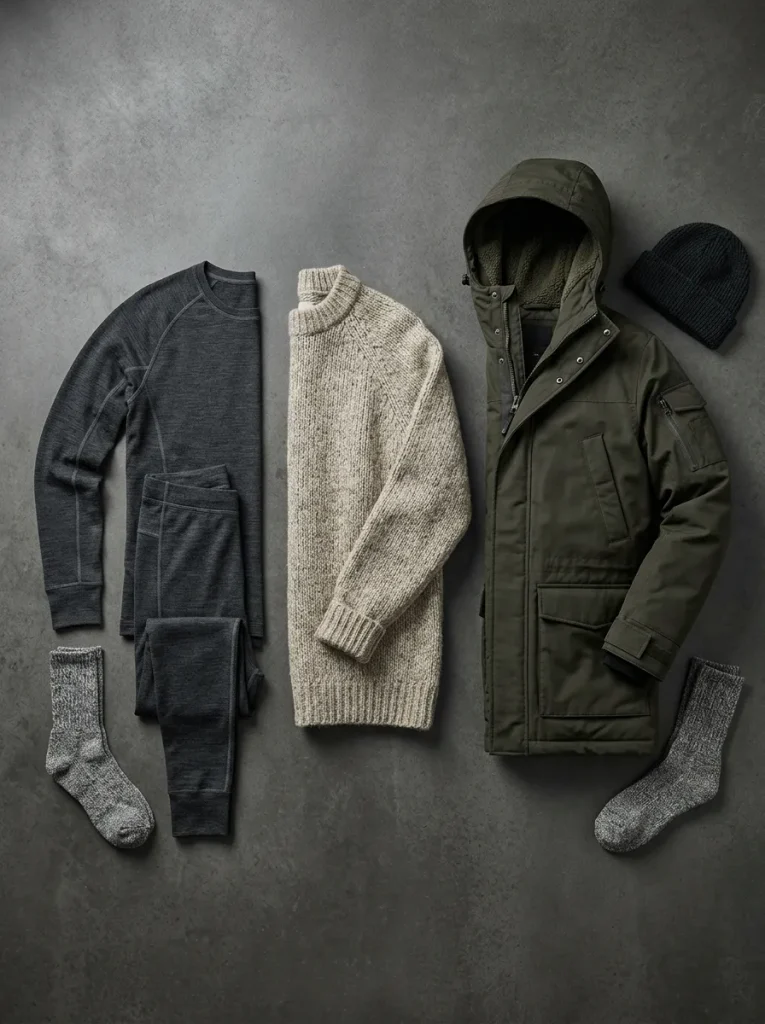
The easiest way to stay comfortable in Chicago is to build your outfit in layers. This keeps you warm outdoors and makes it easier to adjust when you enter a heated restaurant, museum, shop, or train station.
Start with a comfortable base layer
A base layer sits close to your skin and helps manage moisture. Thermal tops made from merino wool or synthetic fabric are useful for particularly cold days.
If you plan to walk outdoors for several hours, thermal leggings under your trousers can add warmth without requiring bulky pants.
Cotton shirts can work for ordinary city sightseeing, but avoid relying on cotton as your main base layer for prolonged outdoor activities. If it becomes damp, it can stay cold against your skin.
Add a warm middle layer
Your middle layer provides insulation. Good options include:
- A fleece jacket.
- A wool sweater.
- A warm cardigan.
- A lightweight insulated jacket.
Choose something comfortable enough to wear indoors. A fleece is particularly practical because it provides warmth without adding too much bulk.
Finish with a wind-resistant outer layer
Your winter coat should protect you from cold air and wind. Ideally, it should also resist water so that snow, sleet, or rain does not soak the layers underneath.
Look for a coat with a hood, insulated lining, secure pockets, and cuffs that help keep cold air out. Make sure you can comfortably wear a sweater underneath without restricting movement.
For very cold days, a longer insulated coat can protect more of your body. A shorter coat can also work well when combined with warm trousers and suitable layers.
The goal is not to wear every warm item you own. It is to choose layers that work together and can be adjusted throughout the day.
3. Choose Winter Boots That Can Handle Snow and Slush
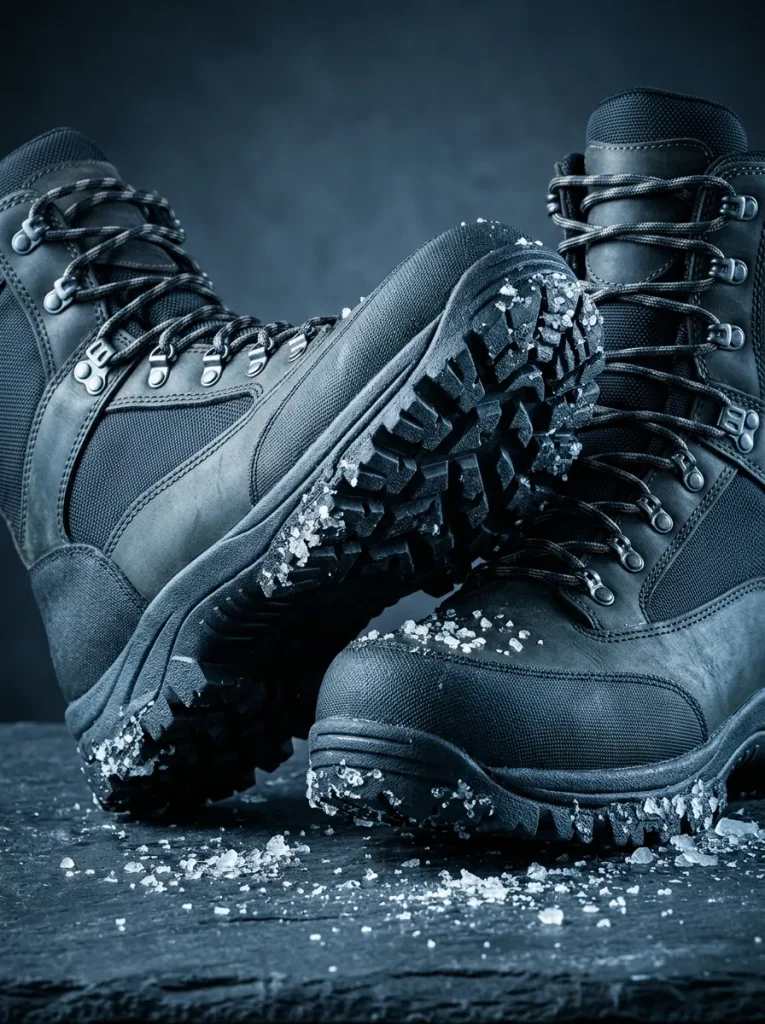
Footwear is one of the most important parts of your Chicago winter packing list. You might be walking between attractions, waiting at a bus stop, exploring a neighborhood, or crossing sidewalks where snow has melted into slush.
Ordinary sneakers may be comfortable in dry weather, but they can leave your feet cold and wet when conditions deteriorate.
What makes a good winter walking boot?
Look for these features:
- Waterproof or water-resistant construction: Helps keep your feet dry in snow and slush.
- Good traction: A well-treaded rubber sole can improve grip on wet and snowy surfaces.
- Insulation: Useful for long outdoor days and colder temperatures.
- Comfort: Important if you expect to walk several miles.
- Enough room for warm socks: Tight footwear can make your toes feel colder.
You do not necessarily need heavy-duty snow boots for every winter visit. Waterproof walking boots may be enough when sidewalks are clear and temperatures are moderate. Insulated snow boots are more useful when heavy snow or prolonged outdoor exposure is expected.
Are sneakers a bad idea?
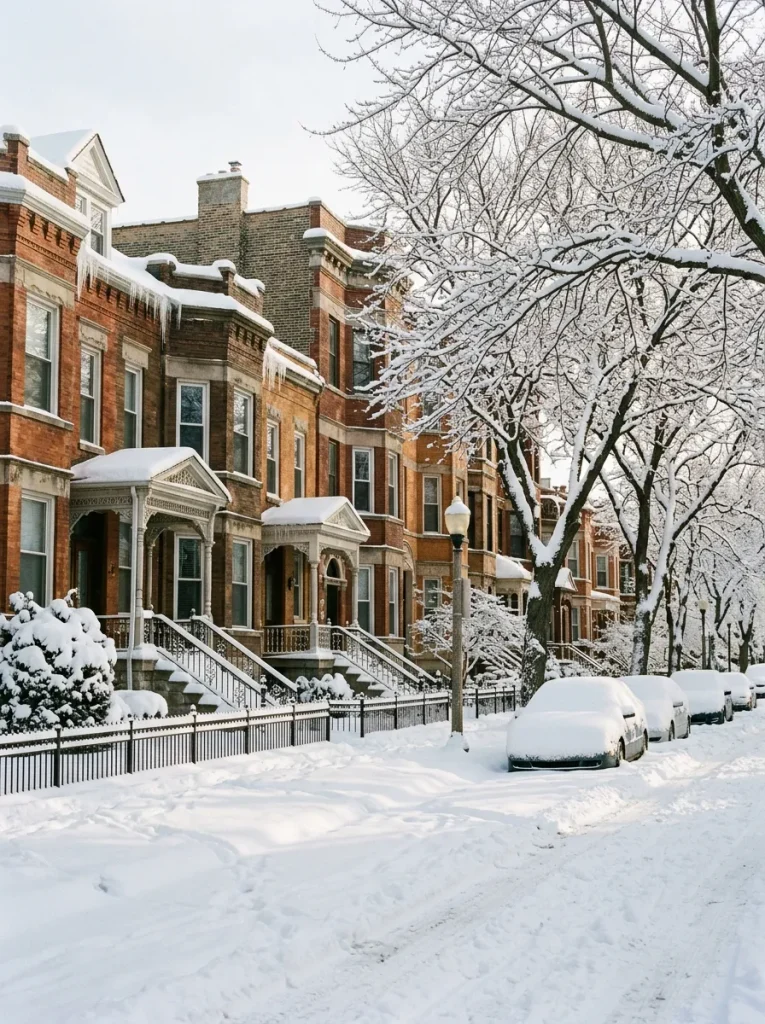
Not always. Comfortable sneakers can work on dry days, especially when you are mainly visiting indoor attractions and using public transportation.
However, mesh running shoes and thin-soled sneakers are poor choices for wet snow and icy conditions. Bring a waterproof alternative if you want the flexibility to change footwear according to the forecast.
What about icy sidewalks?
Even good boots cannot guarantee traction on ice. Walk slowly, take shorter steps, and avoid rushing across slippery areas. Removable traction aids can be helpful in icy conditions when used according to their instructions.
If you are traveling during a winter storm, allow extra time and be prepared to change your route.
4. Protect Your Head, Hands, and Face
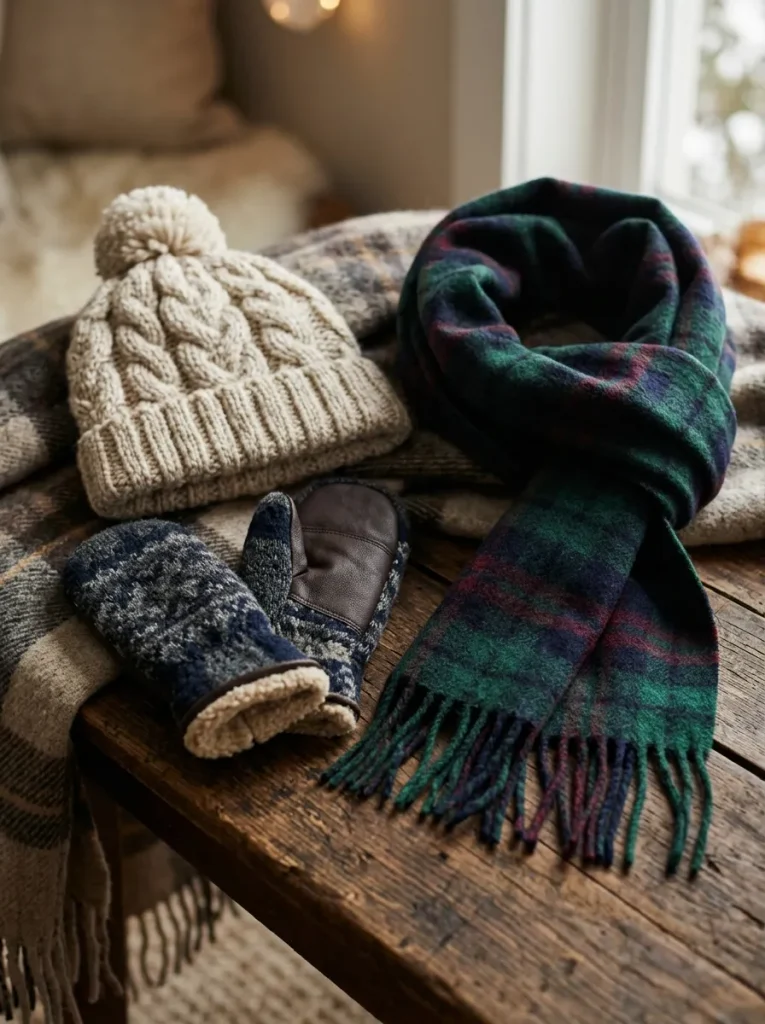
Cold air can make your fingers, ears, and nose uncomfortable surprisingly quickly. These areas deserve as much attention as your coat.
Pack a warm hat that covers your ears, insulated gloves or mittens, and a scarf or neck warmer.
Mittens can help keep your fingers warmer than ordinary gloves because your fingers share warmth. Gloves, however, may be easier when using your phone, handling transit cards, or taking photographs. On particularly cold days, consider insulated gloves or mittens rather than thin fashion accessories.
A scarf or neck warmer helps close the gap between your coat and neck. It can also cover part of your face when wind is especially uncomfortable.
Do not forget warm socks. Wool or synthetic winter socks are useful, but avoid making your boots so tight that your toes cannot move comfortably.
Sunglasses can be helpful on bright days when sunlight reflects off snow. Lip balm and moisturizer are also useful because cold outdoor air and heated indoor environments can leave your skin feeling dry.
5. Your Essential Chicago Winter Packing List
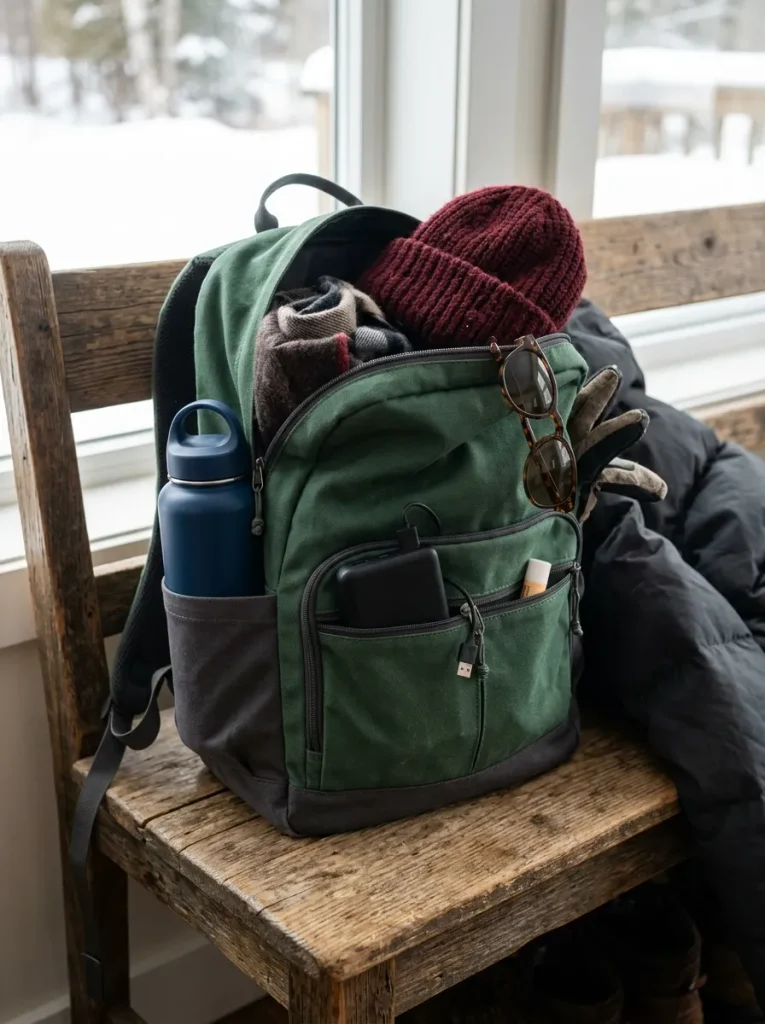
Packing for winter does not mean filling your suitcase with heavy clothing. Focus on versatile items that work with several outfits.
Clothing checklist
- Insulated winter coat with a hood.
- Thermal base layers for colder days.
- Fleece or warm sweaters.
- Comfortable trousers.
- Thermal leggings if needed.
- Waterproof winter boots with good grip.
- Warm socks.
- Hat covering your ears.
- Insulated gloves or mittens.
- Scarf or neck warmer.
- Waterproof outer layer if your coat is not weatherproof.
Day bag essentials
- Phone and portable charger.
- Reusable water bottle.
- Lip balm and moisturizer.
- Sunglasses.
- Small pack of tissues.
- Snacks for longer sightseeing days.
- Travel documents and booking details.
- A spare pair of socks during wet or snowy weather.
A compact umbrella may be useful for rain, but it is not always practical in strong winds. A hooded, water-resistant coat is often more reliable during unpleasant winter conditions.
What should you wear on the plane?
If you are flying to Chicago with a bulky winter coat, wearing it during the journey can save suitcase space. You can remove it once you are settled on the plane.
Keep your hat, gloves, and other essential cold-weather accessories accessible rather than burying them in checked luggage. You may need them soon after arriving.
6. Know What to Expect at Chicago’s Famous Attractions
Chicago has plenty of attractions that remain enjoyable during winter. The key is understanding which experiences involve extended outdoor exposure and which allow you to warm up indoors.
Millennium Park and Cloud Gate
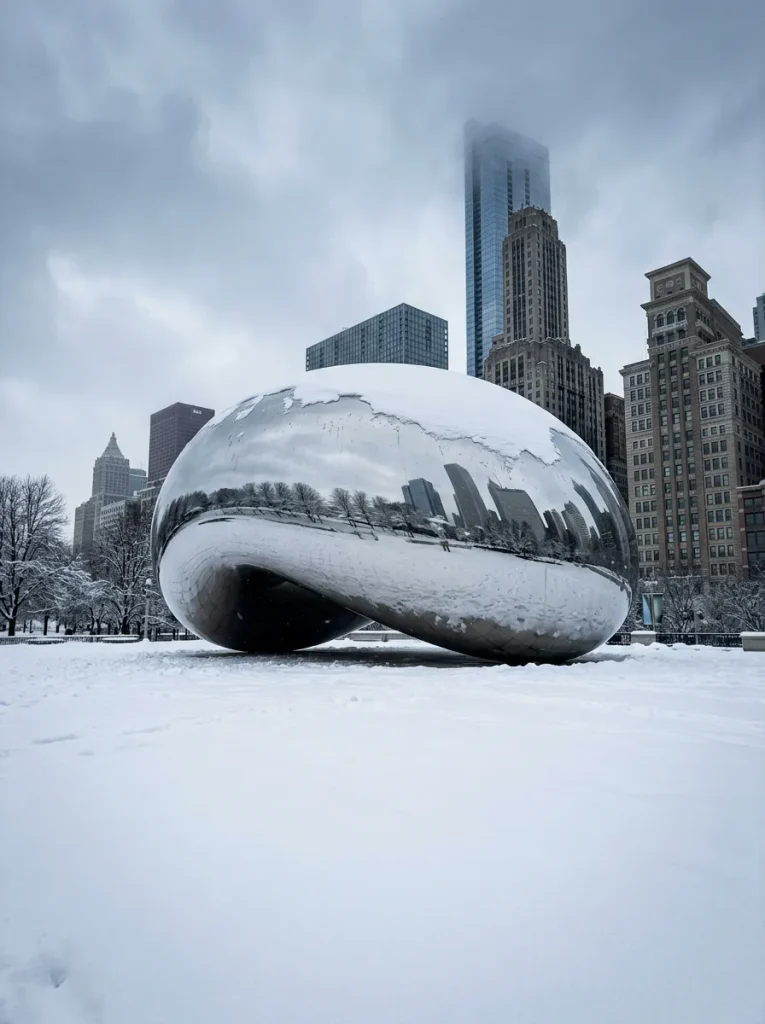
Millennium Park is one of Chicago’s best-known public spaces. Cloud Gate, often called The Bean, is a popular stop for photographs, and the park can look especially beautiful after snowfall.
Outdoor conditions can be harsh when the wind picks up. Visit during the warmest part of the day when possible, wear gloves that allow you to use your phone, and keep the visit flexible if the weather becomes unpleasant.
The Magnificent Mile
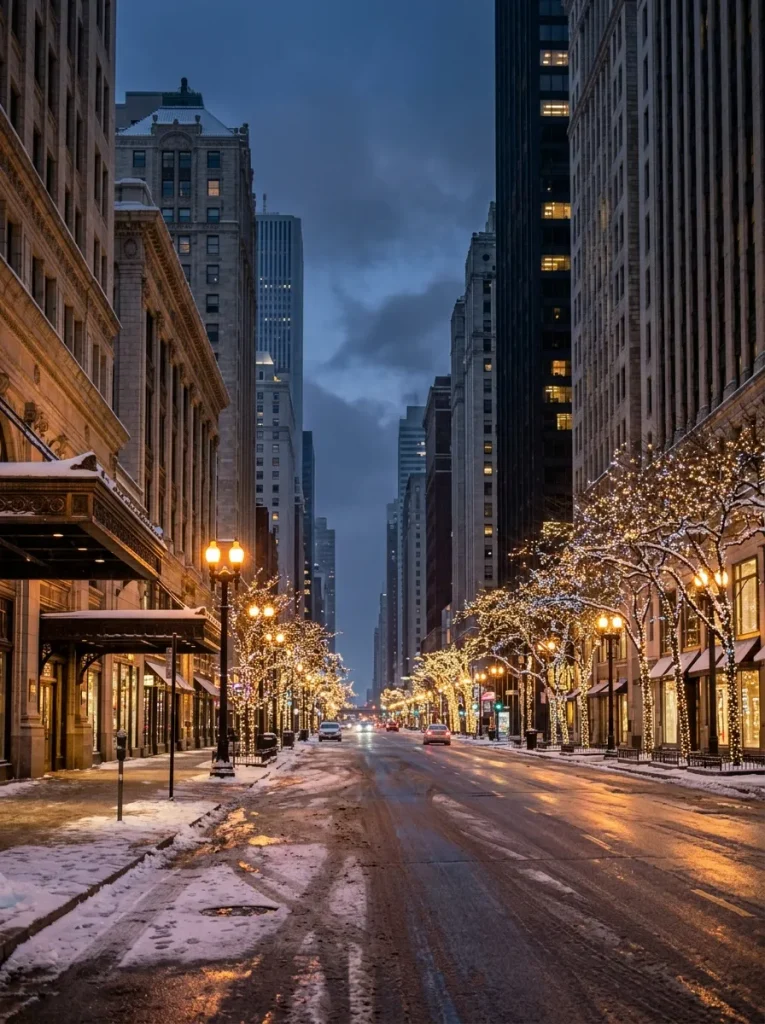
The Magnificent Mile is a popular area for shopping, dining, and sightseeing. Winter can be a good time to explore its stores and restaurants while taking breaks indoors.
Wear comfortable footwear because you may cover more ground than expected. If you are shopping, choose a coat that is easy to remove and carry once you enter heated buildings.
Museums and indoor attractions

Chicago’s museums, galleries, theaters, and indoor attractions offer excellent alternatives when the weather is too cold for extended outdoor sightseeing.
Instead of scheduling a full day outside, combine one outdoor stop with an indoor attraction nearby. This gives you a chance to experience the city without spending hours in freezing conditions.
For more inspiration, explore our complete Chicago city guide, which covers things to see and do during your visit.
Lake Michigan and the waterfront
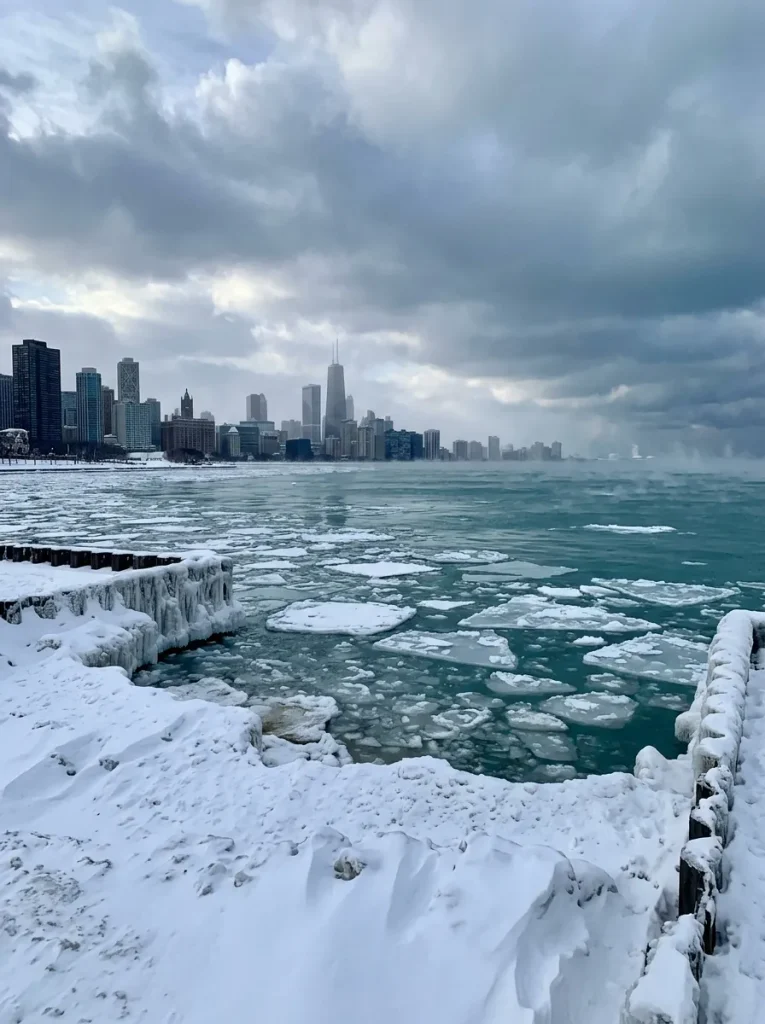
The lakefront offers memorable views, but exposed areas can feel colder than sheltered city streets. Wind blowing across the water may make a short walk uncomfortable on an especially cold day.
Check the forecast before heading out, keep your face and hands covered, and avoid getting too close to icy or unstable surfaces. If strong winds or severe weather are expected, choose a more sheltered activity instead.
7. Get Around Chicago Without Spending Too Long in the Cold
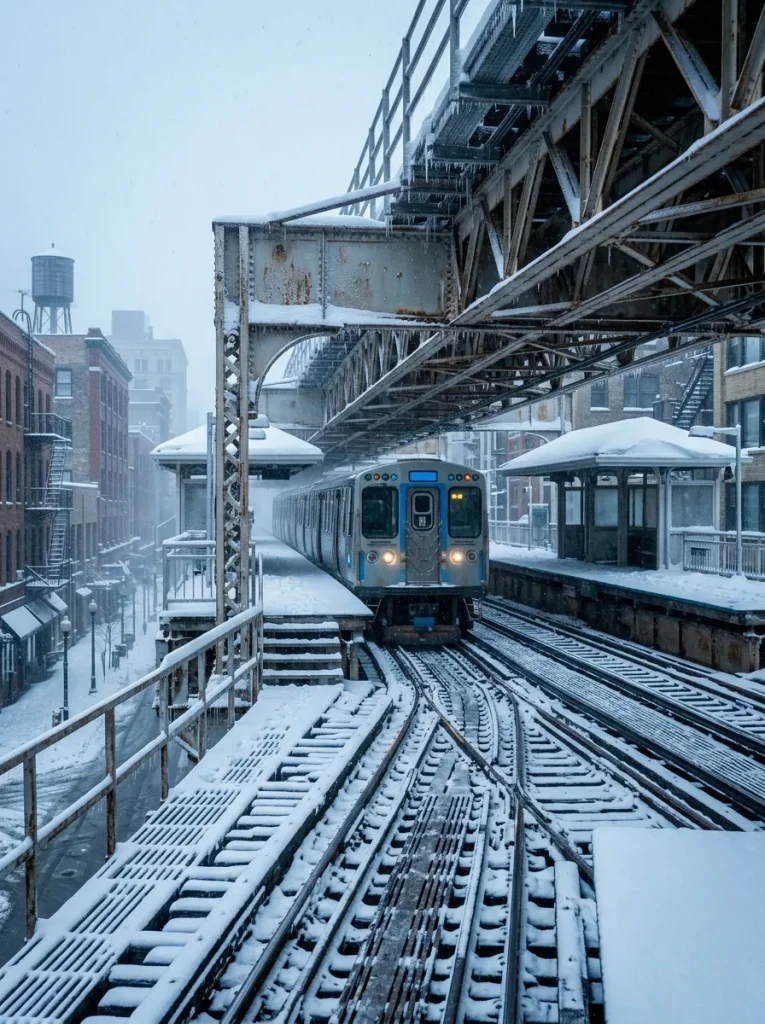
Chicago’s public transportation system can make winter sightseeing easier. The CTA operates buses and ‘L’ trains that connect many major attractions and neighborhoods.
Use the official CTA website to check routes, service alerts, and travel information before leaving your accommodation.
Plan your route before heading outside
Rather than walking across the city between every attraction, group nearby places together. This reduces the time you spend exposed to cold air and helps you make better use of your day.
For example, you might explore Millennium Park and nearby cultural attractions together, then use public transportation to reach a different neighborhood.
Check walking distances between your accommodation and the nearest station. A hotel that looks convenient on a map may involve a long outdoor walk if it is not close to transit.
Allow extra time during winter weather
Snow and ice can affect roads, sidewalks, and transportation. Leave a buffer between activities, especially if you have timed tickets, dinner reservations, or a flight to catch.
If severe weather is forecast, follow official service updates and consider postponing nonessential outdoor travel.
Should you rent a car?
For a typical first visit focused on downtown attractions, a rental car is often unnecessary. Public transportation, walking, and occasional taxis or rideshares may be more convenient.
Driving can become more challenging during snowstorms and icy conditions. If you do rent a car, confirm its winter equipment, check road conditions, and avoid driving when the weather exceeds your experience or comfort level.
8. Plan Indoor Breaks to Stay Comfortable
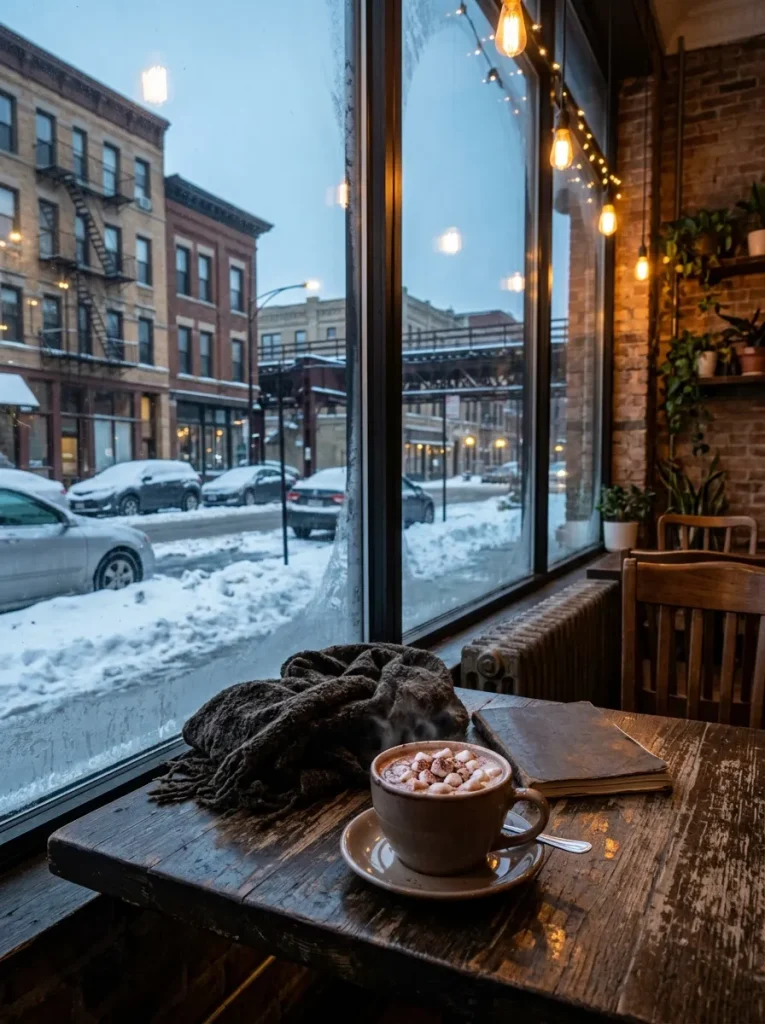
A winter itinerary should include places where you can warm up. This is not a sign that you cannot handle the cold. It is simply a practical way to enjoy the city for longer.
Schedule time for museums, shopping, restaurants, cafés, theaters, and other indoor experiences between outdoor stops.
A warm drink can be a welcome treat, but do not rely on hot beverages alone to keep yourself warm. If you are cold, wet, or shivering, move to a heated space and adjust your clothing.
Explore Chicago’s food scene

Winter is a good excuse to slow down and enjoy Chicago’s restaurants, bakeries, and cafés. Plan meals around your sightseeing route so that you are not forced to walk long distances when the weather is poor.
If you are traveling on a budget, compare restaurant prices, look for lunch specials, and consider casual dining options rather than eating every meal in a high-priced tourist area.
Build a flexible daily schedule
A practical winter day might look like this:
- Morning: Visit one outdoor attraction if conditions are comfortable.
- Late morning: Move to a museum, gallery, or indoor activity.
- Lunch: Choose a restaurant near your next stop.
- Afternoon: Explore another attraction or neighborhood.
- Evening: Enjoy dinner, a performance, or another indoor experience.
This approach gives you the freedom to shorten outdoor activities when the weather changes without losing the whole day.
9. Keep Your Winter Trip Within Budget
Chicago offers activities at a range of prices, but transport, accommodation, meals, and paid attractions can add up. Cold weather can also tempt travelers to spend more on taxis, cafés, and last-minute purchases.
A little planning can help you stay comfortable without overspending.
Choose accommodation strategically
Compare hotels based on their location, transport connections, and total cost. A slightly more expensive hotel near a convenient train station may save money on transportation and reduce long walks in the cold.
Check whether breakfast is included and whether there are affordable dining options nearby.
Mix paid attractions with free experiences
You do not need to buy a ticket for every activity. Public spaces, neighborhood walks in suitable weather, window shopping, and seasonal displays can add variety to your trip.
Choose the paid attractions that matter most to you and balance them with free or lower-cost activities.
Use public transportation where practical
Public transportation can help control travel costs and reduce the need for rideshares. Check current fares and available passes before deciding which option offers the best value for your itinerary.
For more strategies, read our budget travel tips for expensive US cities. The same planning principles can help you control costs while staying comfortable during a winter visit.
10. Avoid These Common Chicago Winter Travel Mistakes
A few small mistakes can turn a fun city break into an uncomfortable experience.
Packing only one warm outfit
You may need different combinations for very cold days, wet conditions, and indoor sightseeing. Bring layers and enough warm socks to keep your feet dry.
Wearing shoes with poor traction
Fashion boots and smooth-soled shoes may look good but can be uncomfortable on icy sidewalks. Prioritize grip and comfort over appearance.
Underestimating wind chill
A temperature near freezing may sound manageable until strong winds make it feel much colder. Check the feels-like temperature and cover exposed skin when necessary.
Planning an entire day outdoors
A long outdoor itinerary leaves little room to warm up. Combine outdoor attractions with indoor stops and keep some flexibility in your schedule.
Ignoring winter weather alerts
Heavy snow, freezing rain, and extreme cold can affect transportation and outdoor safety. Check official weather and transit updates before leaving your accommodation.
Wearing too many layers indoors
Chicago buildings, trains, shops, and restaurants are often heated. If you wear too many bulky layers, you may become uncomfortably warm once inside. Choose clothing that is easy to remove and carry.
11. Stay Safe During Extreme Cold
Most winter city visits are manageable with suitable clothing and sensible planning, but severe cold should be taken seriously.
Hypothermia occurs when your body loses heat faster than it can produce it. Frostbite can damage skin and underlying tissue, particularly on exposed areas such as fingers, toes, ears, and the nose.
Warning signs can include persistent shivering, numbness, unusually pale skin, confusion, slurred speech, and unusual drowsiness. If you suspect a cold-related emergency, get to a warm place and seek medical help. Call 911 in a serious emergency in the United States.
Follow these precautions:
- Cover exposed skin during severe cold and wind.
- Change wet clothing as soon as possible.
- Take warming breaks before you become excessively cold.
- Avoid prolonged outdoor exposure during extreme-cold warnings.
- Follow official instructions during winter storms.
- Be particularly cautious if traveling with children, older adults, or anyone more vulnerable to cold.
For more detailed advice, review the Illinois Department of Public Health’s cold-weather safety guidance.
If a severe cold warning is in effect, consider moving outdoor activities indoors rather than trying to stick to your original schedule.
12. A Simple Three-Day Chicago Winter Itinerary
If you have three days in Chicago, use this sample plan as a starting point. Adjust it for your accommodation, interests, and the forecast.
Day 1: Downtown and Millennium Park
Start with Millennium Park and Cloud Gate if the weather is suitable. Take photographs, explore nearby public spaces, and then move indoors for lunch or a museum visit.
Spend the afternoon exploring downtown attractions or shopping areas. Choose a restaurant for dinner close to your hotel or a convenient transit route.
Day 2: Museums and Neighborhood Exploration
Dedicate the morning to a museum or indoor attraction. In the afternoon, explore a neighborhood with shops, restaurants, or cultural sites that interest you.
If temperatures are comfortable, add a short outdoor walk. If wind or snow becomes severe, prioritize indoor stops instead.
Day 3: Flexible Sightseeing and Local Food
Use your final day to visit any attraction you missed, explore a different part of the city, or enjoy a slower morning at a café.
Keep the schedule flexible if you are traveling during a period of snow or freezing rain. If you need to reach the airport, leave extra time for transportation and weather-related delays.
For additional seasonal inspiration, our guide to November activities and experiences can help you think about how to plan around seasonal conditions. If you are comparing cities for a future trip, you can also explore our Los Angeles city guide for a very different winter travel experience.
Frequently Asked Questions
How cold does Chicago get in winter?
Chicago’s January climate normals show an average high near 32°F (0°C) and an average low around 19°F (-7°C). Temperatures can fall much lower during cold outbreaks, and wind chill can make conditions feel harsher. Check the forecast for your travel dates rather than relying only on averages.
What should I wear in Chicago in winter?
Wear a warm base layer, a fleece or sweater, an insulated wind-resistant coat, warm trousers, and waterproof boots with good traction. Add a hat, gloves or mittens, and a scarf. Thermal leggings can be useful during very cold weather.
Do I need snow boots for Chicago?
Not on every winter day. Waterproof walking boots with good grip may be enough when sidewalks are clear. Insulated snow boots are more useful during heavy snow, slush, or prolonged outdoor activities.
Is Chicago worth visiting in winter?
Yes, if you prepare for the weather and enjoy a mix of indoor and outdoor activities. The city offers museums, restaurants, theaters, shopping, seasonal events, and striking winter scenery. You may need to adjust your plans during severe weather.
Can I explore Chicago without renting a car?
Yes. Public transportation serves many popular attractions and neighborhoods. Walking can be enjoyable when sidewalks are clear, while buses, trains, taxis, and rideshares can help when temperatures drop or conditions become unpleasant.
How many days should I spend in Chicago in winter?
Three to four days is a reasonable starting point for a first visit focused on major attractions, museums, neighborhoods, and food. Allow extra time if you want to explore beyond downtown or if winter weather may disrupt your plans.
Is Chicago safe to visit during a snowstorm?
Travel conditions can become hazardous during heavy snow, freezing rain, and extreme cold. Follow official weather alerts, check transportation updates, avoid unnecessary outdoor travel during dangerous conditions, and change your itinerary when necessary.
What is the most important item to pack for a Chicago winter trip?
A warm, wind-resistant winter coat is essential, but waterproof footwear with good traction is nearly as important. The most effective preparation combines a suitable coat, layers, gloves, a hat, and shoes that can handle the conditions.
Final Thoughts
Surviving a winter trip to Chicago is really about preparing for the weather rather than trying to outsmart it. Bring warm layers, protect your hands and face, choose footwear that can handle slush and ice, and check the forecast before each day begins.
Give yourself permission to change plans when the weather turns unpleasant. Spend a little longer in a museum, find a cozy café, use public transportation, or save an outdoor attraction for a better day.
Chicago still has plenty to offer during winter. With the right clothing and a flexible itinerary, you can enjoy its architecture, food, neighborhoods, museums, and seasonal atmosphere without letting the cold take over your vacation.