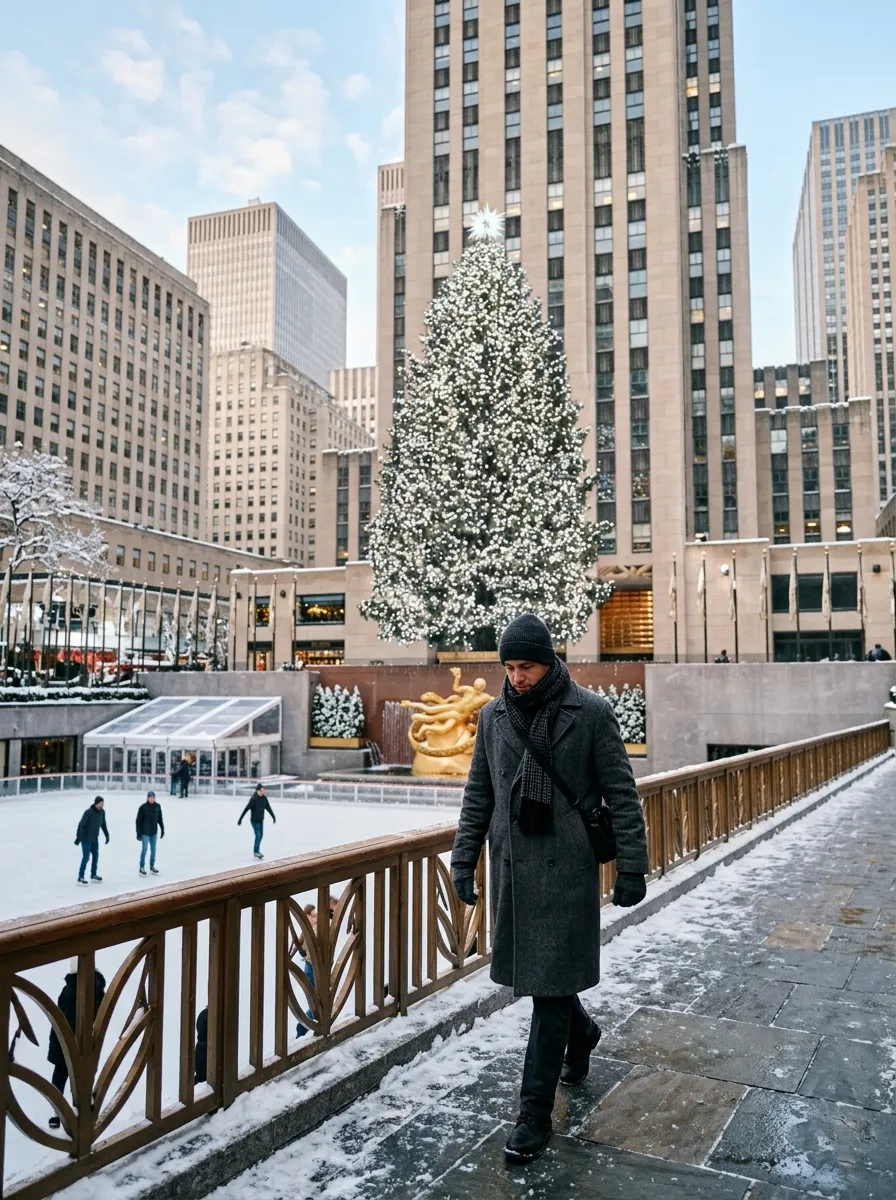
How to Plan a Winter Trip to New York City Without Getting Overwhelmed
Planning a winter trip to New York City sounds exciting until you start making the list.
You want to see the Christmas lights, walk through Central Park, visit Times Square, explore museums, eat at great restaurants, shop, see a Broadway show and maybe take a day trip. Then you notice the forecast is calling for freezing temperatures, your hotel is on the other side of Manhattan, and your carefully planned itinerary has 14 stops squeezed into one day.
That is when a fun trip can start feeling like a project.
The good news is that you do not need to see everything in New York City to have an amazing winter vacation. The trick is to plan around the weather, group attractions by neighborhood, leave room for indoor breaks and avoid making every hour of the trip accountable.
This guide walks you through a simple way to plan a winter trip to New York City without feeling overwhelmed.
Recommended Travel Items for Your Trip
Why Winter in New York City Requires a Different Plan
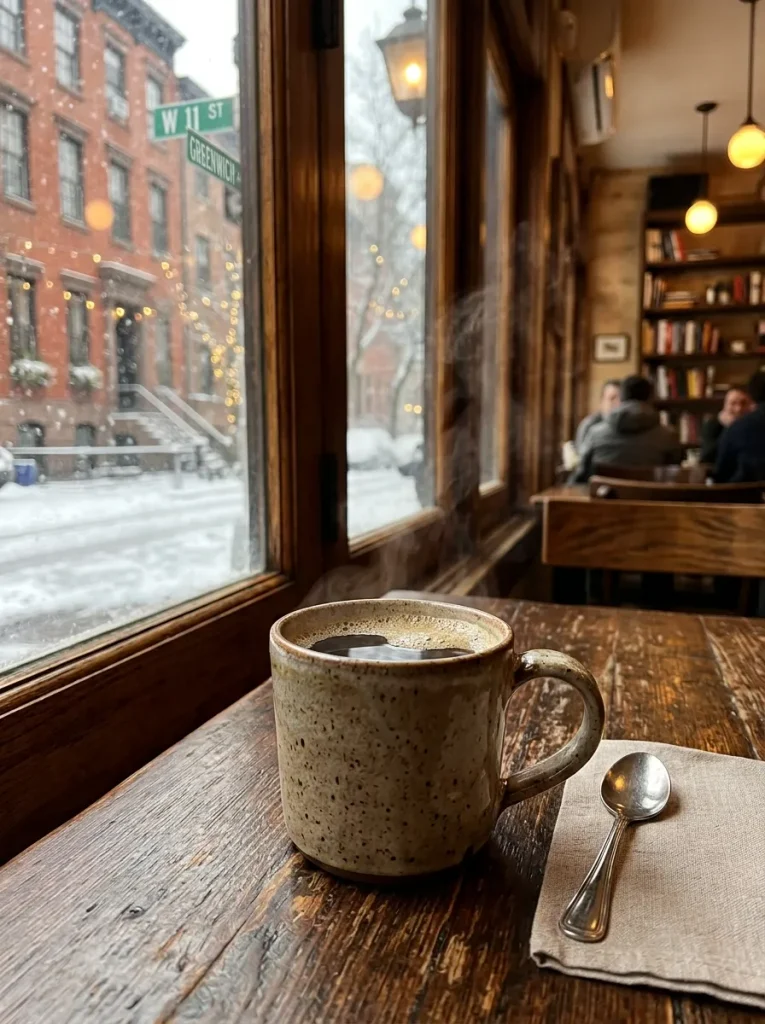
New York City is walkable, but winter changes the experience.
Cold temperatures can make long walks uncomfortable. Snow, rain or strong wind can slow you down. Daylight is limited compared with summer, and you may find yourself spending more time indoors than expected.
There is also another issue: New York is enormous.
Manhattan alone can keep you busy for days, and popular attractions are spread across different neighborhoods. Trying to cross the city repeatedly can eat up valuable vacation time.
A good winter itinerary therefore needs three things:
- Fewer major activities each day
- Attractions grouped by location
- Backup indoor activities for bad weather
Think of your itinerary as a flexible framework rather than a timetable carved into stone.
Step 1: Decide What Kind of Winter Trip You Want
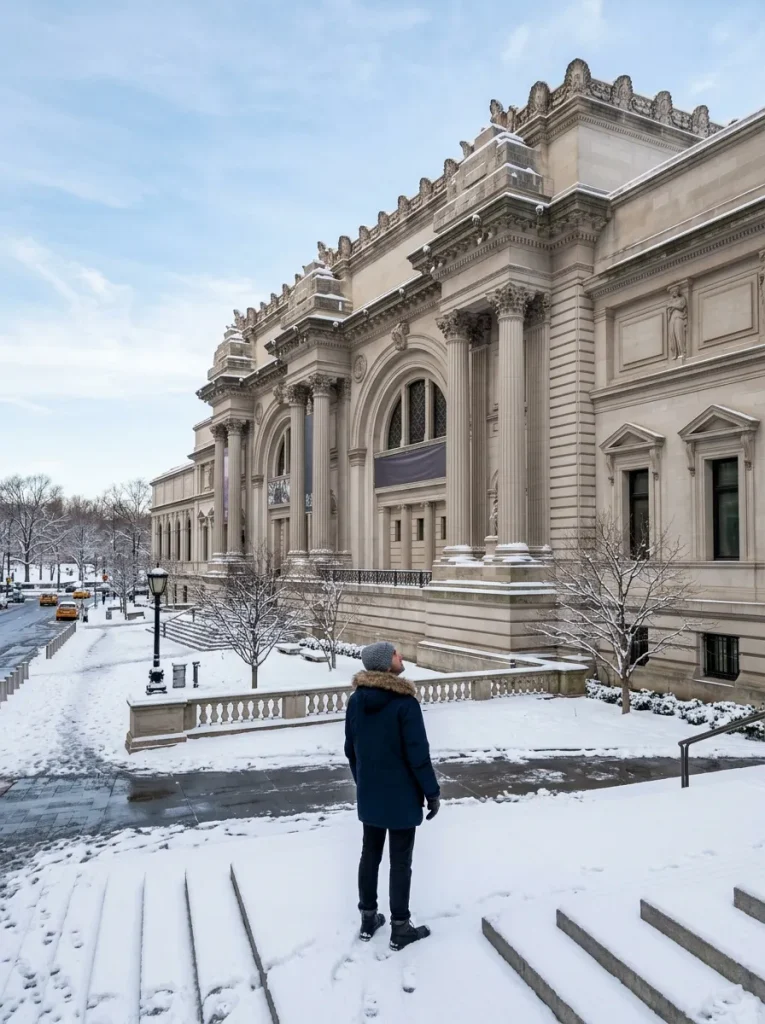
Before opening Google Maps or saving dozens of TikTok videos, decide what you actually want from the trip.
A winter visit to New York City could focus on:
- Christmas and holiday attractions
- Museums and culture
- Broadway and entertainment
- Food and restaurants
- Shopping
- Central Park and city walks
- Photography and famous landmarks
- Family activities
- A mixture of everything
The problem begins when you try to make every category your priority.
Instead, choose two or three main themes.
For example:
Holiday-focused trip
- Rockefeller Center
- Holiday markets
- Christmas decorations
- Fifth Avenue
- Ice skating
Culture-focused trip
- Metropolitan Museum of Art
- Museum of Modern Art
- American Museum of Natural History
- Broadway
First-time NYC trip
- Times Square
- Central Park
- Empire State Building
- Statue of Liberty area
- Fifth Avenue
- One Broadway show
Once you know your priorities, everything else becomes optional.
Step 2: Choose the Right Winter Dates
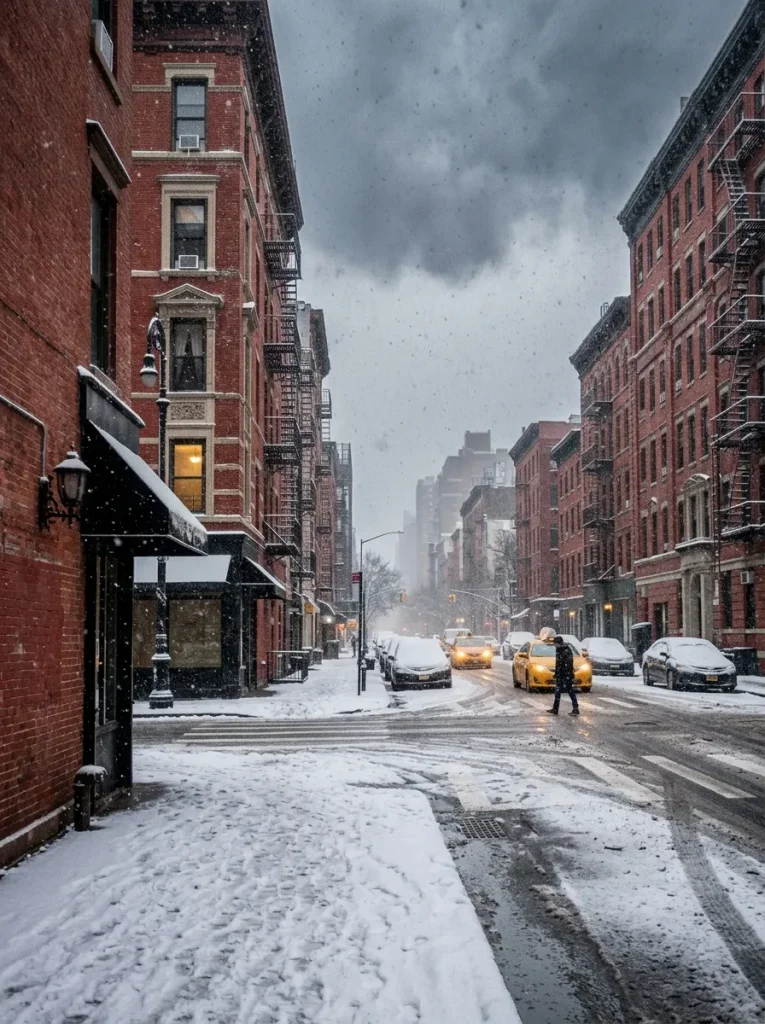
Winter in New York City covers several very different travel experiences.
December is popular because of the holiday atmosphere, decorations, markets and seasonal events. It can also be one of the busiest periods.
January is generally quieter after the holiday rush, although temperatures can be quite cold.
February remains cold, but it can work well for travelers who prefer a winter atmosphere without planning the entire trip around Christmas.
March can provide a transition toward spring, although winter weather can still appear.
Your ideal dates depend on what you want.
If holiday decorations are your main reason for visiting, December makes sense.
If you mainly want museums, restaurants, Broadway and sightseeing, you have more flexibility.
Do not choose your dates solely because you found a cheap flight. First consider what kind of New York experience you want.
Step 3: Check the Weather Before Building Your Itinerary
One of the biggest winter-planning mistakes is creating the itinerary first and checking the weather later.
Do the opposite.
Check the forecast shortly before your trip and use it to adjust your plans.
You do not need to predict the weather weeks in advance. Instead, build your itinerary so that it can adapt.
For example:
Cold but dry day
Plan more outdoor sightseeing.
Rainy day
Prioritize museums, shopping, indoor markets and restaurants.
Snowy day
Keep your schedule local and avoid planning several long walks.
Very cold or windy day
Choose indoor attractions and use transportation between major stops.
This simple approach prevents the weather from turning one bad forecast into a ruined vacation.
Step 4: Choose Your Neighborhood Before Choosing Your Activities
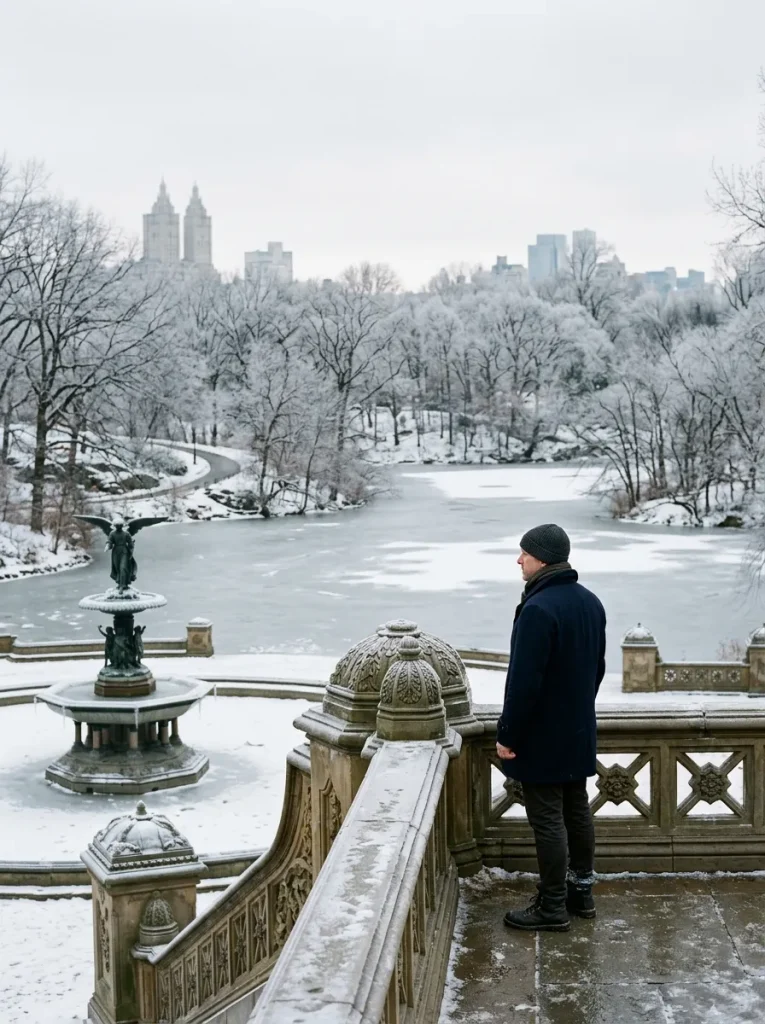
This is one of the easiest ways to reduce stress in New York City.
Instead of choosing attractions randomly, divide your sightseeing by neighborhood.
For example, one day might focus on Midtown:
- Rockefeller Center
- St. Patrick’s Cathedral
- Fifth Avenue
- Radio City Music Hall
- Times Square
- Broadway
Another day could focus on Lower Manhattan:
- 9/11 Memorial area
- Wall Street
- Battery Park
- Financial District
- Brooklyn Bridge
Another could focus on Central Park and the Upper East Side:
- Central Park
- The Metropolitan Museum of Art
- Museum Mile
- Nearby restaurants
You are not required to follow these exact combinations. The point is to avoid spending half your day traveling from one end of the city to another.
Step 5: Do Not Put Too Many Attractions on One Day
A common first-time visitor mistake is trying to visit five or six major attractions every day.
It looks great on paper.
It feels terrible at 4 p.m.
Winter makes overplanning even worse because cold weather can make walking between attractions tiring.
A better target is around two major activities plus a few nearby stops each day.
For example:
Morning: Central Park
Lunch: Nearby restaurant
Afternoon: Museum
Evening: Dinner and Broadway
That gives you enough structure without making the entire day feel like a race.
Remember that New York itself is part of the experience. Sitting in a café, browsing a bookstore or simply walking through a neighborhood can become one of your favorite memories.
Step 6: Build Indoor Breaks Into Your Schedule
Do not treat indoor breaks as wasted time.
In winter, they are part of your itinerary.
A useful rhythm might be:
Outdoor sightseeing → warm indoor stop → outdoor sightseeing → lunch → indoor attraction → dinner
This is much more comfortable than spending six consecutive hours outside.
Museums, department stores, cafés, restaurants, theaters and indoor markets can all become natural warming stops.
This is especially useful when traveling with children, older adults or anyone who does not enjoy prolonged exposure to cold weather.
Step 7: Plan Your Transportation Before You Leave
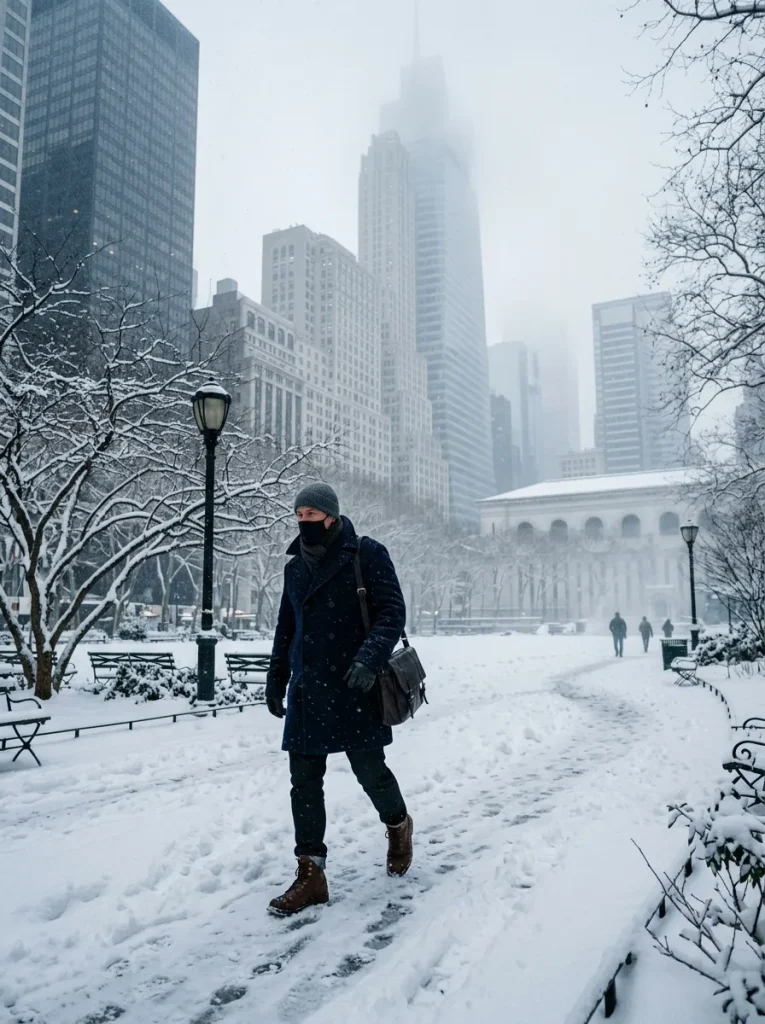
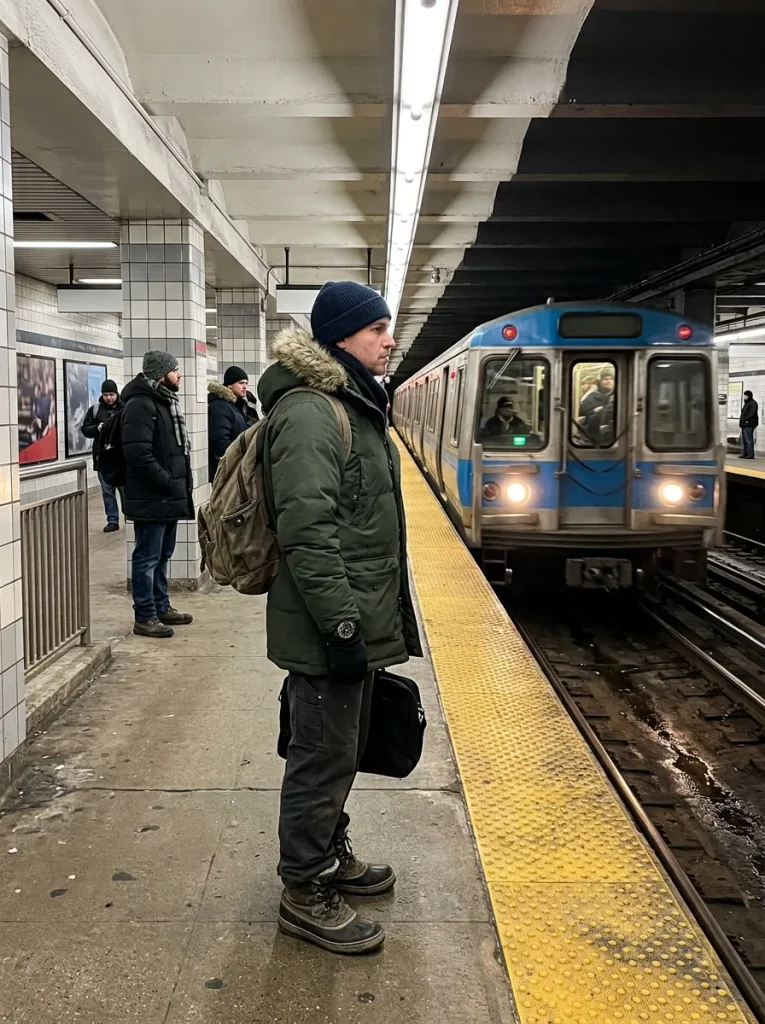
New York City’s subway system can save you enormous amounts of walking, but winter adds another consideration.
You do not want to discover halfway through your day that your next attraction is a 25-minute walk away in freezing rain.
Before leaving your hotel each morning, check the route between your planned stops.
Ask:
- Can I walk comfortably?
- Would the subway save significant time?
- Is the next stop close enough to combine with my current attraction?
- Should I use a taxi or rideshare because of the weather?
You do not need to use one transportation method all day.
Walk when the weather is pleasant. Take the subway when it makes sense. Use a taxi or rideshare when extreme cold, heavy rain or snow makes walking unpleasant.
Step 8: Choose Your Hotel Based on Your Itinerary
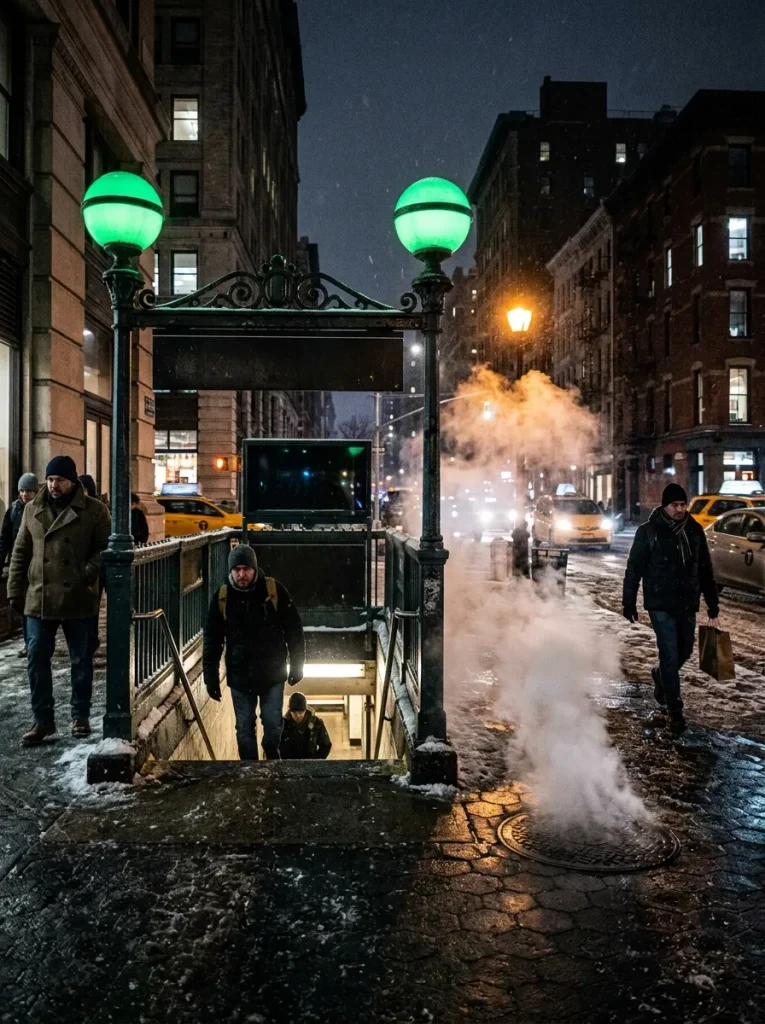
The cheapest hotel is not always the cheapest option once transportation and time are considered.
For a first winter trip, staying reasonably close to the areas you plan to visit can make your vacation much easier.
Before booking, look at:
- Distance to a subway station
- Restaurants nearby
- Grocery or convenience stores
- Walkability
- Your main sightseeing areas
- Hotel heating and room comfort
- Reviews mentioning winter conditions
- Cancellation policies
A hotel that saves you $30 per night but requires long transportation journeys every day may not actually save you much.
Location matters even more in winter because a short walk is much more valuable when temperatures are near freezing.
Step 9: Pack for Layers, Not Just One Huge Coat

You do not need to wear every piece of winter clothing you own.
Layering is much more practical.
A typical winter NYC outfit can include:
- Base layer
- Sweater or fleece
- Winter coat
- Warm socks
- Comfortable waterproof or water-resistant shoes
- Gloves
- Hat
- Scarf
The advantage of layers is that you can adjust throughout the day.
You might leave your hotel bundled up, enter a heated museum and suddenly feel too warm. Layers allow you to adapt without carrying an enormous coat everywhere.
Your footwear deserves particular attention.
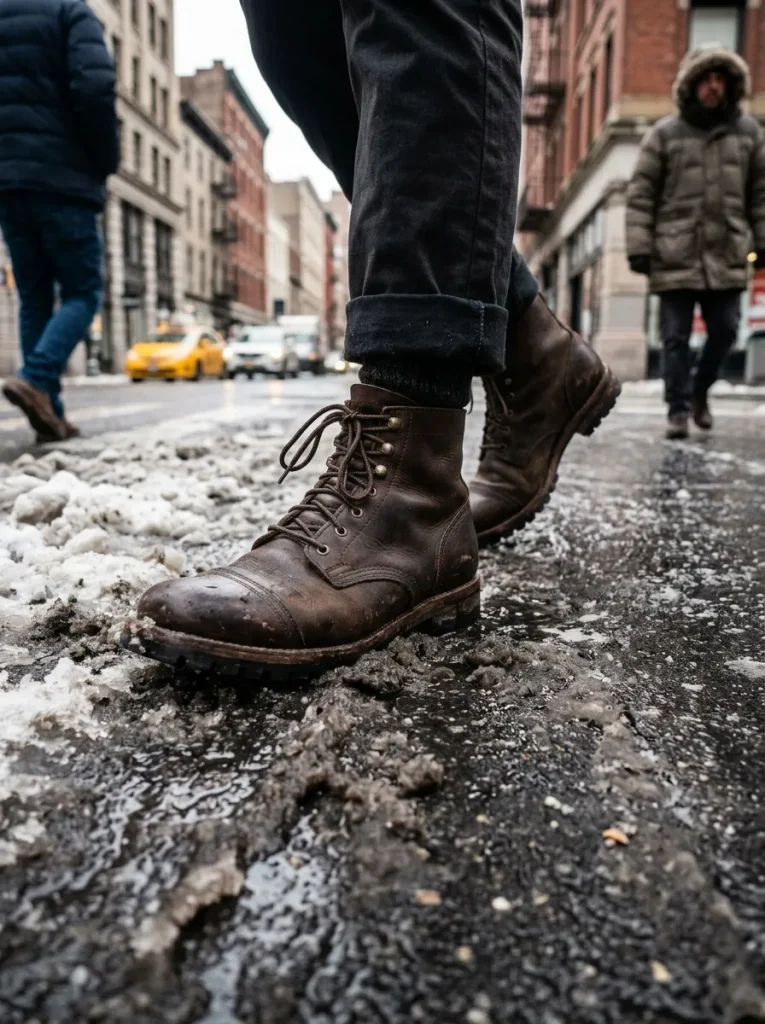
New York can involve a surprising amount of walking, even when you use public transportation. Comfortable shoes with good traction can make a major difference on wet or icy sidewalks.
Step 10: Keep One Weather Backup Day
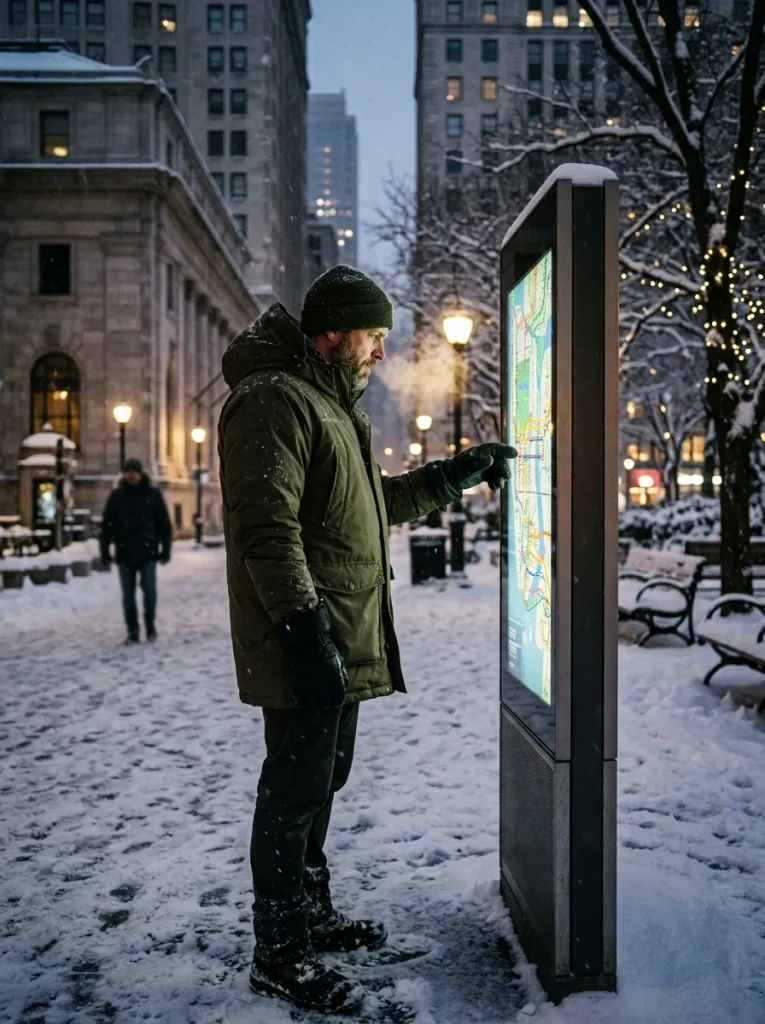
If your trip is four or more days long, consider keeping at least one day relatively flexible.
You do not have to leave the entire day empty.
Instead, choose several activities that can be moved around.
For example:
Good weather option
Central Park → Fifth Avenue → Rockefeller Center → evening show
Bad weather option
Museum → lunch → shopping → Broadway → dinner
Now a rainy forecast does not destroy your entire plan.
You simply switch versions.
Step 11: Reserve the Things That Actually Need Reservations
Not everything needs to be booked weeks ahead.
But some experiences can be difficult to arrange at the last minute, particularly during busy winter periods.
Consider booking important items such as:
- Broadway shows
- Popular observation decks
- Special restaurants
- Certain tours
- Holiday attractions
- Timed museum experiences when required
Do not book every meal and every hour.
That creates another form of travel stress.
Reserve the experiences that matter most to you and leave the rest flexible.
Step 12: Create a Simple Daily Template
If you are overwhelmed by itinerary planning, use a repeatable structure.
Morning
Choose one major attraction.
Lunch
Eat somewhere close rather than crossing the city.
Afternoon
Choose one nearby attraction or indoor activity.
Evening
Dinner, a show or a relaxed neighborhood walk.
That is enough.
You do not need seven attractions per day to justify a trip to New York City.
A Simple 5-Day Winter NYC Framework
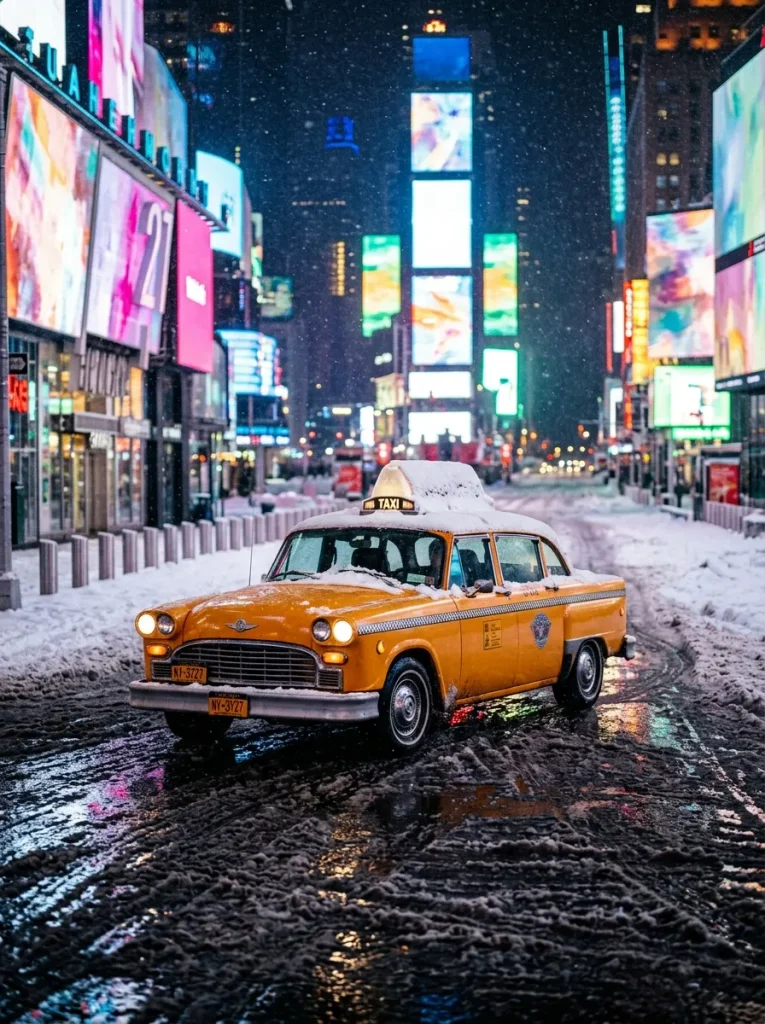
Here is an example of how you could organize a five-day trip without packing every minute.
| Day | Main Area | Possible Activities |
| Day 1 | Midtown | Rockefeller Center, Fifth Avenue, Times Square |
| Day 2 | Central Park & Upper East Side | Central Park, museum, nearby dinner |
| Day 3 | Lower Manhattan | Financial District, 9/11 Memorial area, Battery Park |
| Day 4 | Flexible | Shopping, museum, Broadway or weather backup |
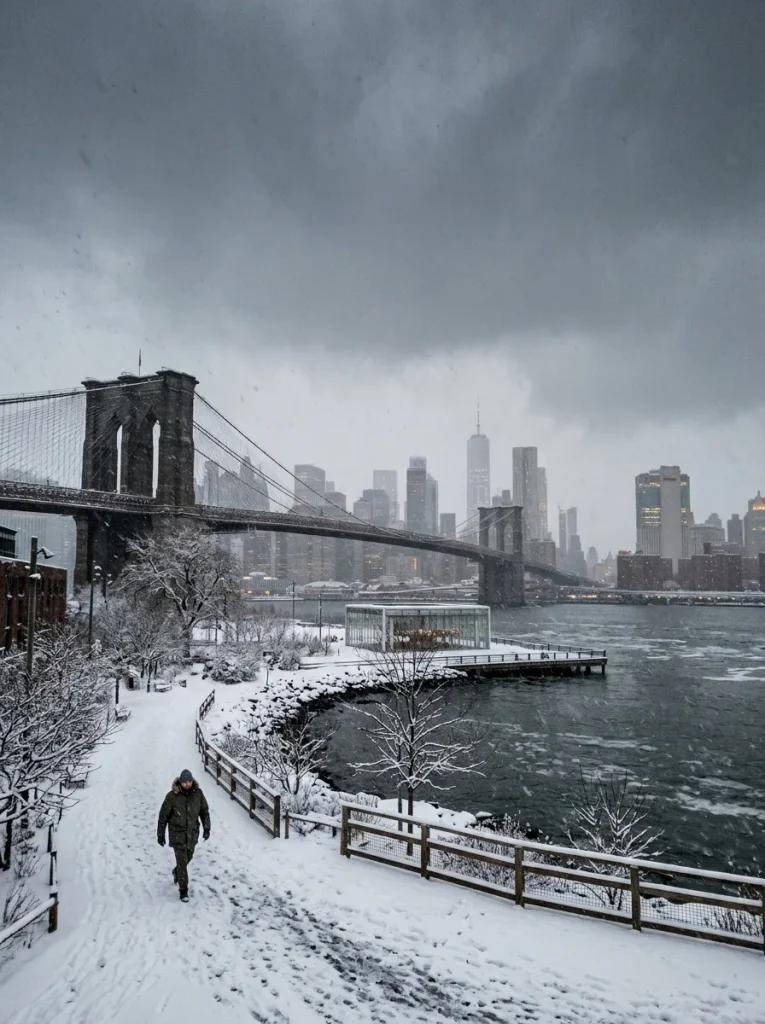
| Day 5 | Downtown/Brooklyn | Brooklyn Bridge area, Brooklyn neighborhood, final sightseeing |
This is only a framework. Your interests should determine the actual attractions.
The important part is that each day has a geographic focus.
What to Pack for a Winter Trip to New York City
Your exact packing list depends on the temperatures during your trip, but a practical winter setup usually includes:
Clothing
- Warm winter coat
- Sweaters or fleece layers
- Base layers
- Warm socks
- Comfortable pants
- Hat
- Gloves
- Scarf
Footwear
- Comfortable walking shoes or boots
- Water-resistant footwear if rain or snow is expected
- Extra socks
Travel essentials
- Phone charger
- Portable power bank
- Small day bag
- Reusable water bottle
- Lip balm
- Moisturizer
- Any medications you normally need
Weather extras
Depending on the forecast:
- Compact umbrella
- Waterproof bag or pouch
- Extra warm layer
- Hand warmers
The goal is not to pack everything imaginable. Pack for the conditions you are actually likely to encounter.
How to Avoid the “I Need to See Everything” Problem
This deserves its own section because it is one of the biggest reasons New York trips become exhausting.
You will see hundreds of attractions online.
You will save restaurants.
You will discover neighborhoods you did not know existed.
You will hear about another museum, observation deck, market or hidden street.
You cannot do all of it.
Before your trip, divide your list into three categories.
Must See
The experiences you would genuinely regret missing.
Would Like to See
Things that would be great if you have time.
Maybe Next Time
Everything else.
Then build your itinerary around the first category.
This tiny exercise can remove a surprising amount of planning anxiety.
What to Do If the Weather Ruins Your Plans

Winter weather can change quickly, so have alternatives ready.
If an outdoor attraction becomes unpleasant, ask:
What indoor attraction is nearby?
If a long walking route no longer makes sense:
Can I use the subway or a taxi?
If a major attraction closes or becomes inaccessible:
What is another activity in the same neighborhood?
If snow makes your entire day difficult:
Can I turn the day into a museum, restaurant and theater day?
The objective is not to defeat the weather.
It is to stop letting the weather control your mood.
Common Winter NYC Planning Mistakes
Trying to See All of Manhattan

You cannot realistically explore everything in one short trip.
Choose neighborhoods rather than chasing individual attractions.
Ignoring Walking Distance
A map can make two places look close.
Winter weather can make that distance feel very different.
Booking Too Many Activities
A packed itinerary leaves no room for delays, meals, weather or spontaneous discoveries.
Wearing the Wrong Shoes
Cold weather is uncomfortable. Cold weather plus wet feet is considerably worse.
Forgetting Indoor Time
Even if you love winter, you will probably appreciate a warm indoor break.
Planning Only Outdoor Activities
Always have a rainy or snowy alternative.
Staying Too Far From Your Main Activities
Saving money on accommodation can become less attractive if you spend significant time and money getting around the city.
A Simple Winter NYC Planning Checklist
Before your trip, make sure you have:
- Chosen your travel dates
- Checked typical winter conditions
- Booked accommodation
- Checked the hotel’s location
- Identified your three biggest priorities
- Grouped attractions by neighborhood
- Planned transportation between major stops
- Reserved important attractions
- Booked Broadway or other must-see entertainment
- Prepared a winter packing list
- Checked the weather before departure
- Created indoor alternatives
- Left some free time
- Saved important addresses offline
- Kept your itinerary accessible on your phone
Frequently Asked Questions
Is winter a good time to visit New York City?
Winter can be a rewarding time to visit if you are comfortable with cold weather. December offers a strong holiday atmosphere, while January and February can appeal to travelers who prefer a quieter winter experience.
The key is preparing for cold, rain and occasional snow rather than expecting perfect sightseeing weather every day.
How many days do you need in New York City during winter?
For a first visit, four to five days gives you enough time to experience several major areas without trying to rush through the entire city.
Three days can work if you focus on a small number of priorities.
What should I wear in New York City during winter?
Layers are generally more practical than relying on one extremely heavy piece of clothing. A warm coat, comfortable footwear, warm socks, gloves, a hat and layers underneath can help you adjust between cold streets and heated indoor spaces.
Is it difficult to walk around New York City in winter?
It depends on the weather. Cold but dry days can be perfectly manageable for walking, while snow, ice, heavy rain or strong winds can make long walks uncomfortable.
Plan shorter walking routes and use public transportation when conditions are unpleasant.
Should I rent a car for a winter trip to New York City?
For most visitors focusing on New York City itself, a rental car is usually unnecessary. Traffic, parking costs and navigating the city can add complications.
Public transportation, walking and occasional taxis or rideshares can make getting around easier.
What happens if it snows during my NYC vacation?
Do not automatically cancel your plans. Check local conditions and adjust your itinerary.
A snowy day can become a good opportunity for museums, restaurants, shopping and other indoor activities. If you do go outside, allow extra travel time and be cautious around slippery surfaces.
How can I avoid getting overwhelmed while planning New York City?
Start with your top three priorities. Then choose a few neighborhoods and group attractions geographically.
Do not build your trip around everything you find online. Build it around what you personally want to experience.
Final Thoughts
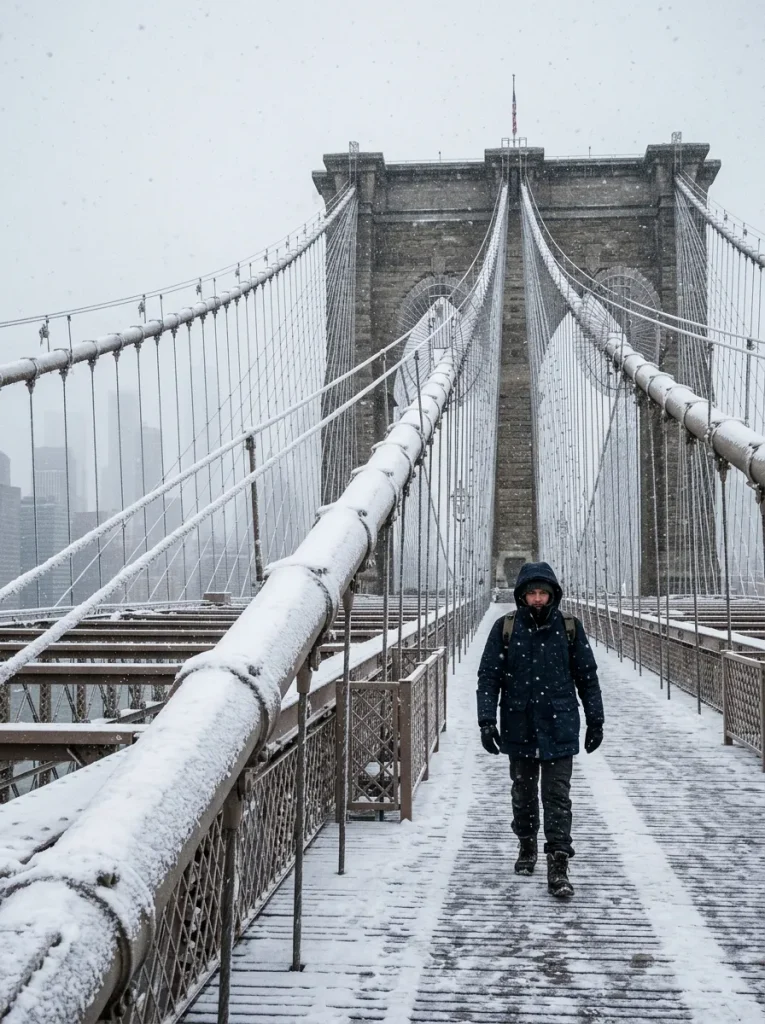
A winter trip to New York City does not need a giant spreadsheet, a minute-by-minute itinerary or a suitcase filled with every piece of winter clothing you own.
Start small.
Choose your dates, decide what matters most, select a convenient hotel, group attractions by neighborhood and leave room for the weather to change your plans.
Most importantly, give yourself permission to slow down.
You might remember the spectacular view from an observation deck, but you might also remember ducking into a warm café after walking through a freezing Manhattan afternoon