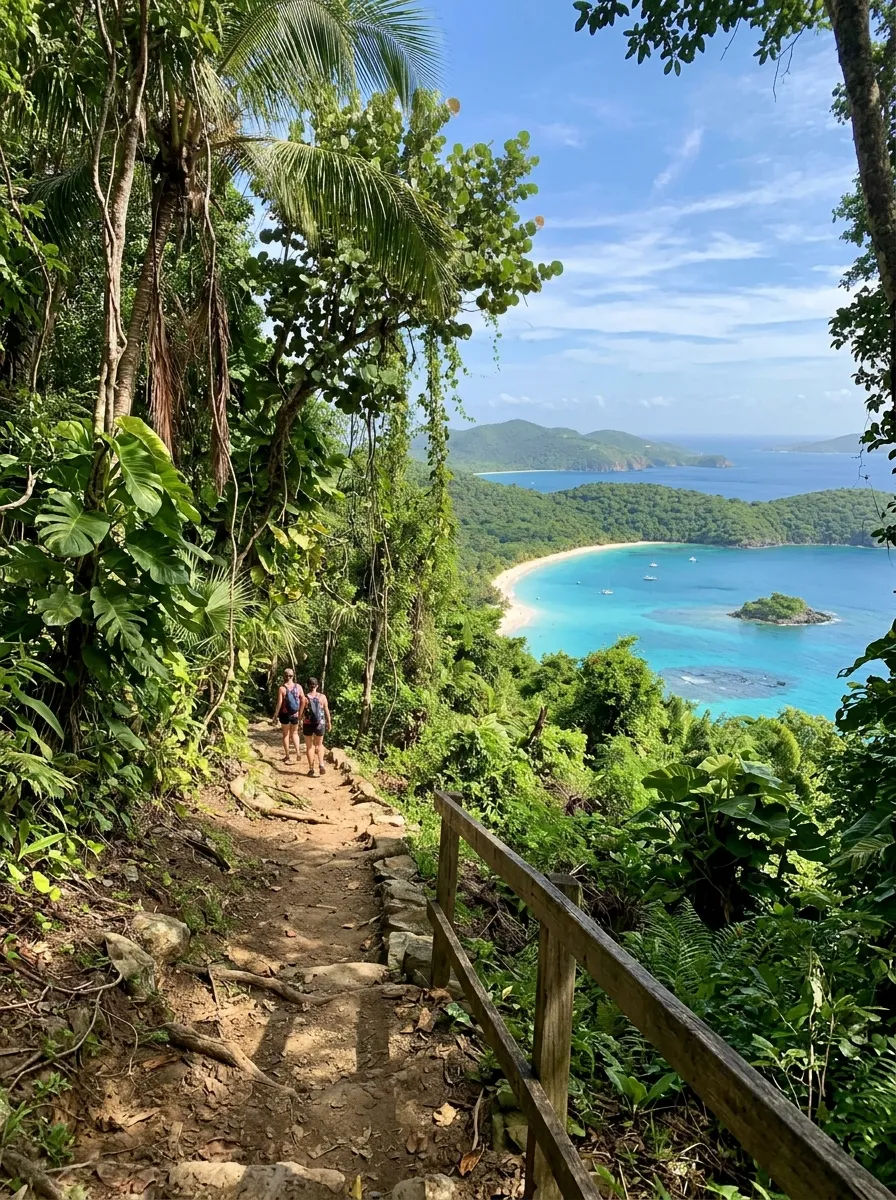
U.S. Virgin Islands Travel Guide 2026–27: Best Beaches, Things to Do and Travel Tips
The U.S. Virgin Islands bring together the best parts of a Caribbean vacation: turquoise water, palm-lined beaches, colorful historic towns, tropical hiking trails, and warm weather throughout the year. Better yet, U.S. citizens traveling from the mainland generally do not need a passport, making these islands an appealing choice for a tropical getaway without an international trip.
The territory has three main islands, St. Thomas, St. John, and St. Croix, along with smaller islands such as Water Island. Each has a different personality. St. Thomas offers shopping, resorts, and easy access to excursions. St. John is famous for protected beaches and lush national parkland. St. Croix delivers a deeper look at Caribbean history, local food, and underwater adventures.
Whether you are planning a romantic escape, a family vacation, a snorkeling trip, or a winter break from colder weather, this U.S. Virgin Islands travel guide covers the best places to visit, beaches to explore, activities to try, and practical details to plan your trip.
Recommended Travel Items for Your Trip
Where Are the U.S. Virgin Islands?

The U.S. Virgin Islands are a U.S. territory in the northeastern Caribbean, east of Puerto Rico. The islands combine Caribbean scenery and culture with several conveniences familiar to American travelers.
English is the official language, the U.S. dollar is the local currency, and U.S. citizens traveling from the mainland or Puerto Rico generally do not need a passport. Travelers who are not U.S. citizens should check the entry requirements that apply to their nationality and immigration status before booking.
The three main islands are close enough to combine on a longer trip, but they are not interchangeable. Travel between them takes planning, and each island deserves enough time to explore beyond its most famous beach.
Best U.S. Virgin Islands to Visit
1. St. Thomas: Best for First-Time Visitors
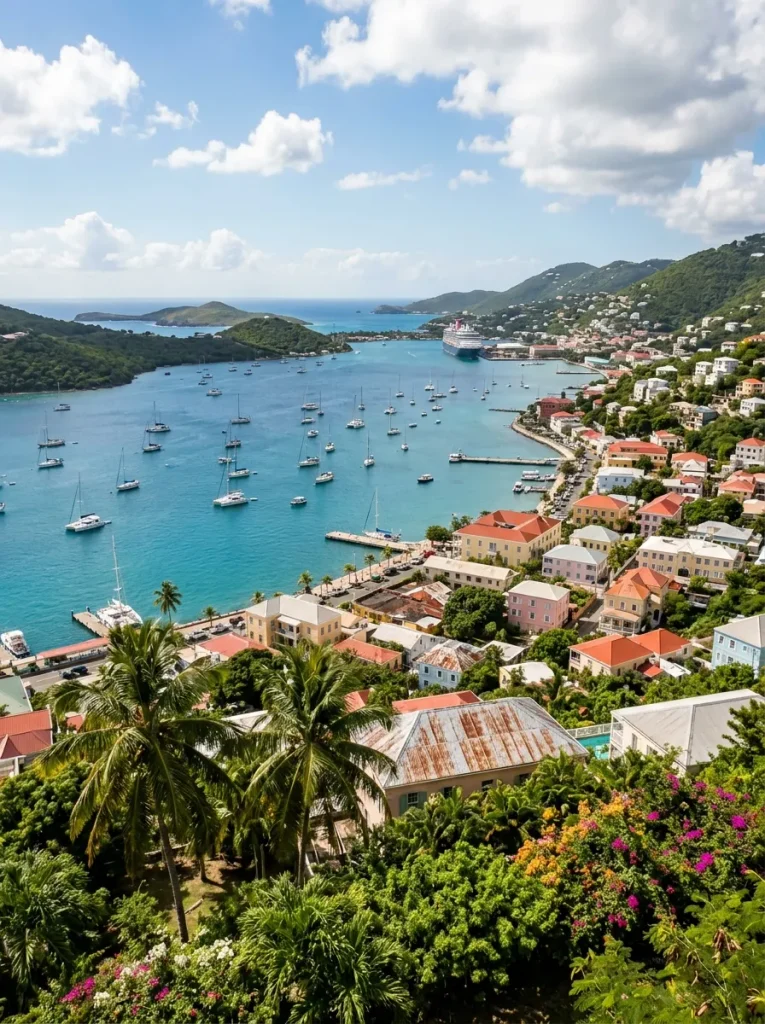
St. Thomas is often the easiest island for first-time visitors because it has an international airport, a wide range of accommodations, popular beaches, restaurants, and shopping. It also serves as the main jumping-off point for trips to St. John.
The capital, Charlotte Amalie, is worth exploring beyond its cruise port. Walk through historic streets, browse local shops, admire Danish colonial-era architecture, and visit landmarks such as Fort Christian and the famous 99 Steps. The town is especially enjoyable when you allow time for a relaxed lunch and a little independent wandering.
St. Thomas also suits travelers who want a mix of beach days and organized activities. You can book sailing excursions, snorkeling trips, scenic island tours, and sunset cruises without needing to change hotels.
Best for: First-time visitors, families, resort stays, shopping, boat trips, and travelers who want plenty of activity options.
2. St. John: Best for Beaches and Nature
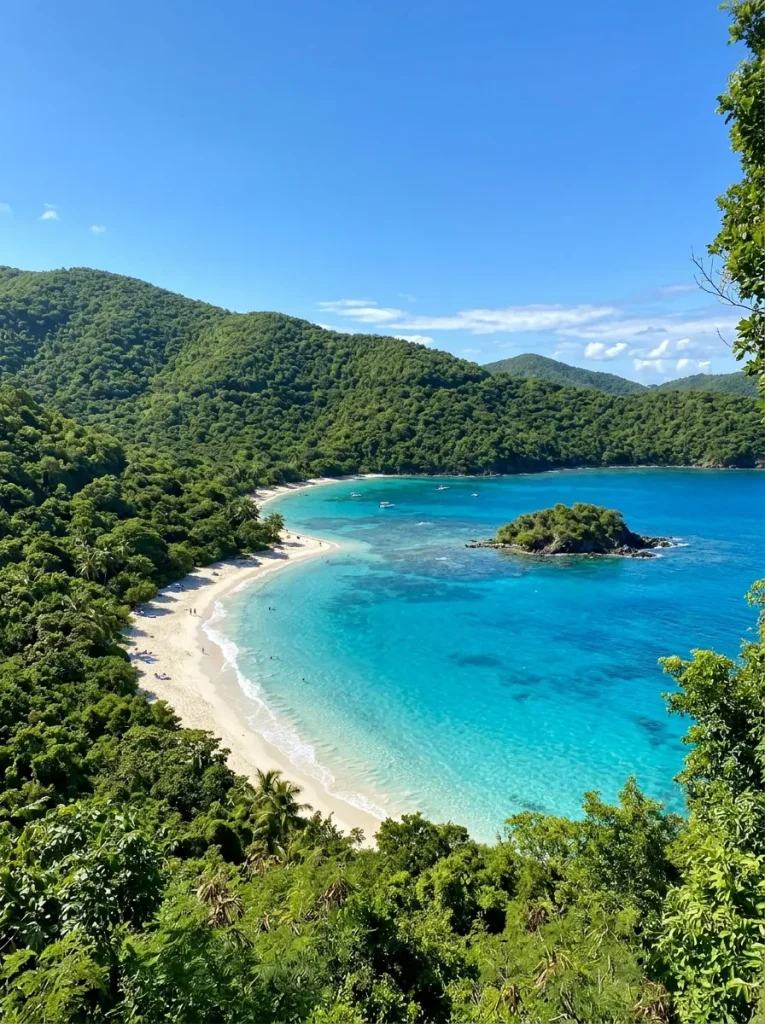
St. John is the island to choose if you picture your Caribbean vacation as a series of beautiful beaches, forested hills, scenic drives, and snorkeling stops. Much of the island is protected within Virgin Islands National Park, giving it a greener, quieter atmosphere than busier parts of St. Thomas.
Cruz Bay is the main town and a convenient base for restaurants, shops, taxis, and accommodation. From there, North Shore Road leads to several of the island’s most celebrated beaches.
Trunk Bay is a standout, with clear water and an underwater snorkeling trail. Cinnamon Bay offers a broad stretch of sand and access to nearby trails. Maho Bay is popular for calm water and the chance to spot sea turtles, although wildlife sightings are never guaranteed.
St. John has fewer large resorts than St. Thomas, so villas, smaller hotels, and vacation rentals are common. It is an excellent choice for travelers who prefer outdoor experiences over nightlife.
Best for: Nature lovers, hikers, couples, snorkelers, photographers, and travelers seeking a slower pace.
3. St. Croix: Best for History, Food, and Diving
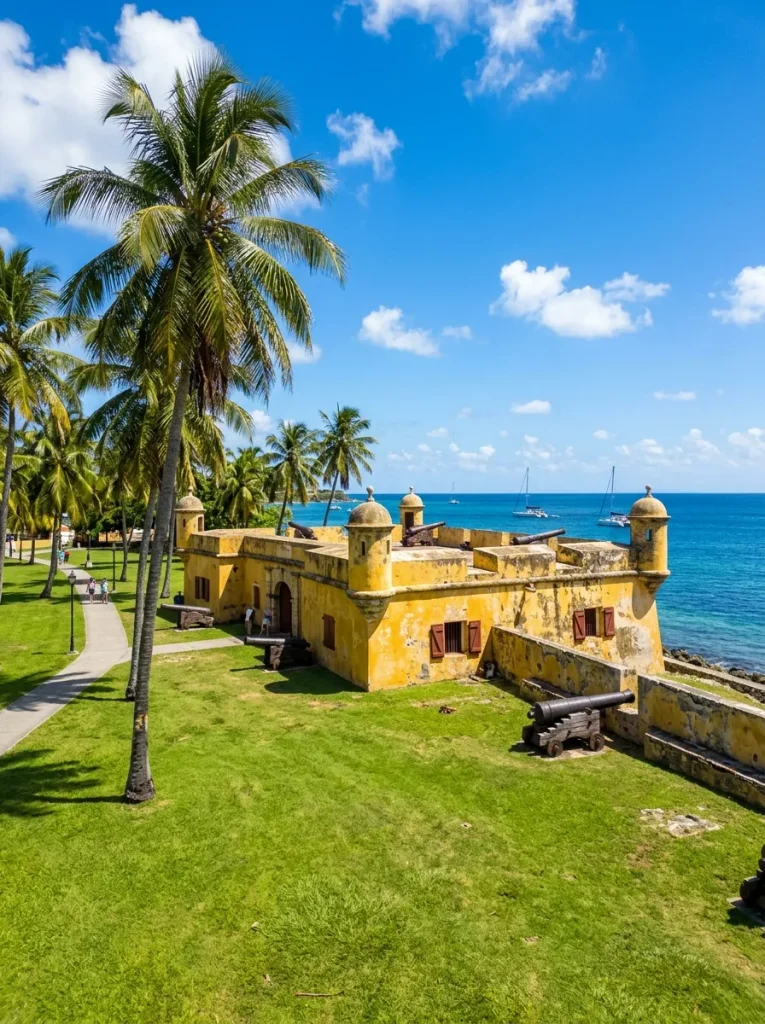
St. Croix is the largest of the three main islands and often feels more spacious and less hurried. It has historic towns, rural landscapes, beaches, cultural attractions, and excellent opportunities for diving.
Christiansted is known for its waterfront, historic buildings, and restaurants. Explore the old town on foot, visit Fort Christiansvaern, and make time for local dishes. Frederiksted, on the western side, offers another historic waterfront and a more relaxed atmosphere.
Underwater, St. Croix has coral reefs, dive sites, and the famous underwater wall near Cane Bay. Buck Island Reef National Monument is another highlight, known for its protected marine environment and snorkeling opportunities. Access to certain areas and activities depends on weather and permitted tours.
St. Croix is more spread out than St. Thomas or St. John, so renting a car can make it easier to explore different parts of the island.
Best for: Divers, food lovers, history enthusiasts, longer stays, and travelers who want to explore beyond the busiest tourist areas.
4. Water Island: Best for a Quiet Day Trip
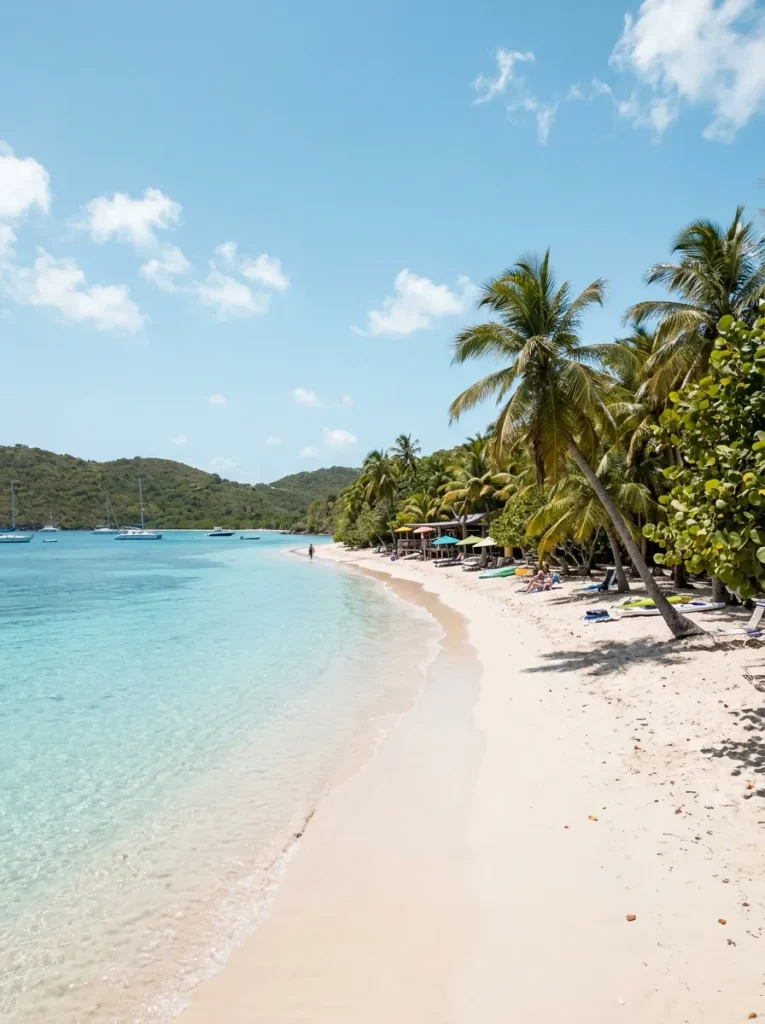
Water Island is a small, laid-back option near St. Thomas. Many visitors come for Honeymoon Beach, where you can spend a few hours swimming, relaxing, and enjoying the slower island atmosphere.
It works well as a day trip if you are staying on St. Thomas and want a break from busier resort areas. Check current boat schedules before leaving, and leave enough time to return comfortably.
Best for: Short excursions, peaceful beach time, and travelers who enjoy smaller islands.
Best Beaches in the U.S. Virgin Islands
The beaches are a major reason travelers choose the U.S. Virgin Islands. Some have facilities and easy access, while others reward visitors willing to drive farther or arrange a boat trip.
Trunk Bay, St. John

Trunk Bay is one of the territory’s most famous beaches. Its curved shoreline, pale sand, and clear water make it a favorite for swimming and snorkeling. The underwater trail helps visitors identify marine features, although visibility and conditions vary.
Facilities and access arrangements can change, so check current National Park Service information before visiting. Arrive early during busy periods because parking is limited at popular North Shore beaches.
Maho Bay, St. John
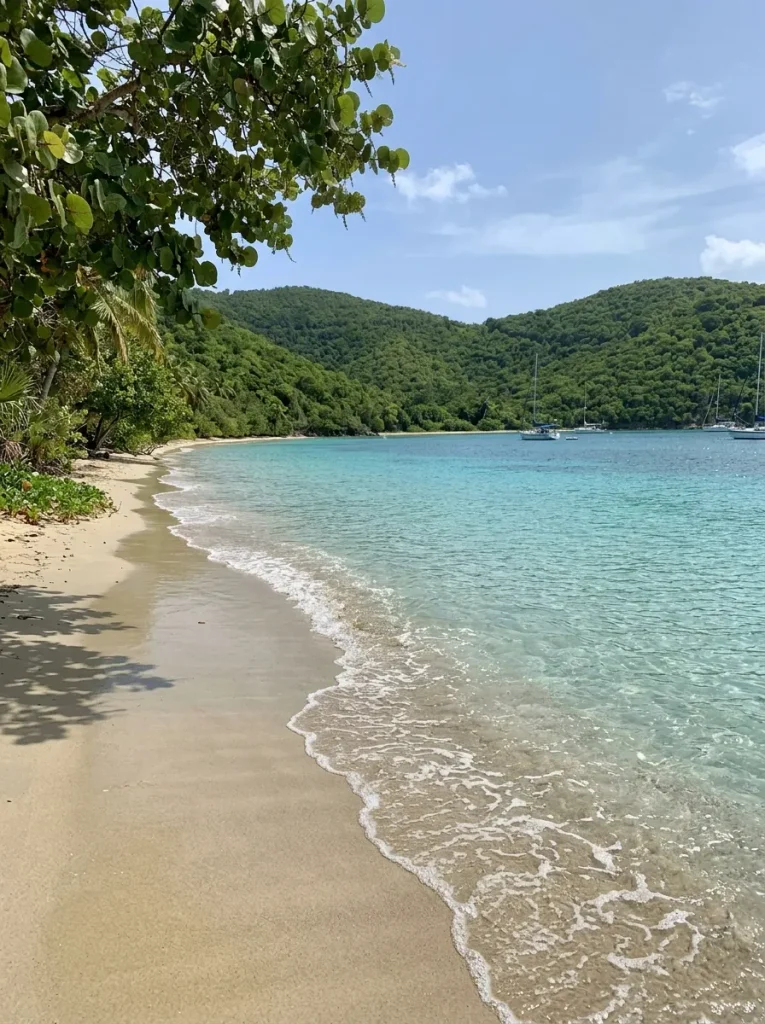
Maho Bay is known for generally calm water and snorkeling close to shore. It is a popular place to look for sea turtles, but visitors should never chase, touch, or crowd them. Give marine life plenty of space and follow local wildlife guidance.
Cinnamon Bay, St. John
Cinnamon Bay offers a long beach, shaded areas, and access to hiking and camping facilities. It is a good choice if you want to spend most of the day in one place rather than moving between several beaches.
Magens Bay, St. Thomas
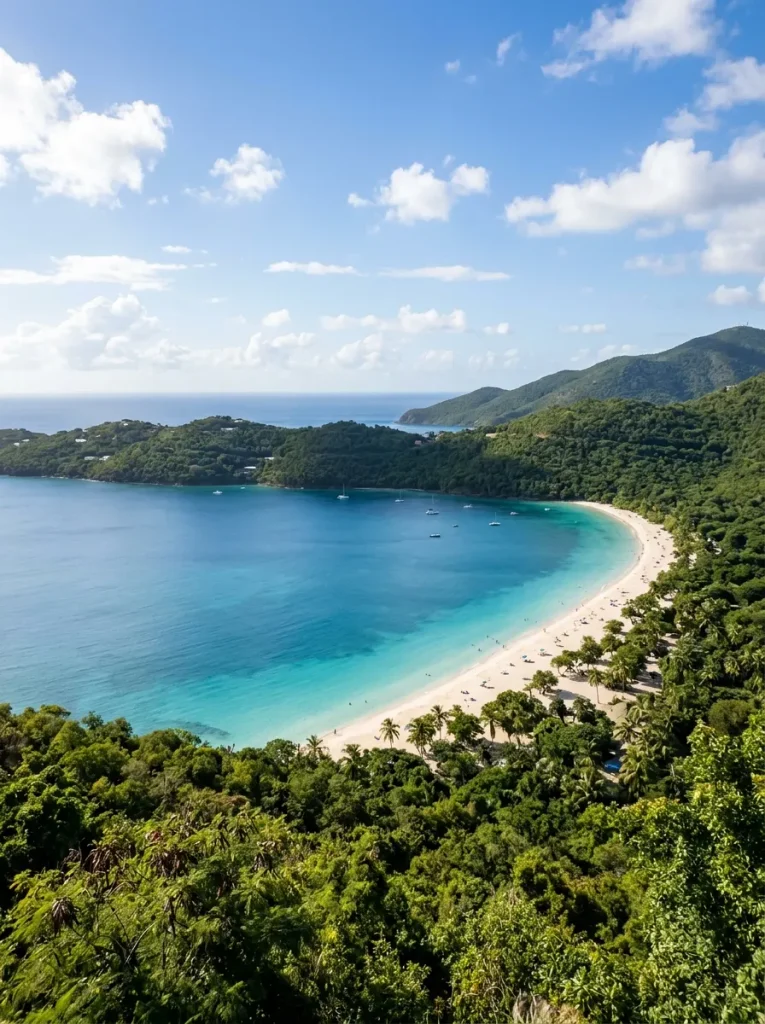
Magens Bay is one of St. Thomas’s best-known beaches, with a sheltered bay, lush hills, and a broad stretch of sand. It is suitable for travelers who want an easy beach day with nearby facilities. Entry fees and available services may apply, so check current information before you go.
Sapphire Beach, St. Thomas
Sapphire Beach is popular for its clear water, views of nearby islands, and opportunities for swimming and water activities. Conditions can vary, so check the sea before entering and use extra caution when currents or waves are strong.
Buck Island, Near St. Croix
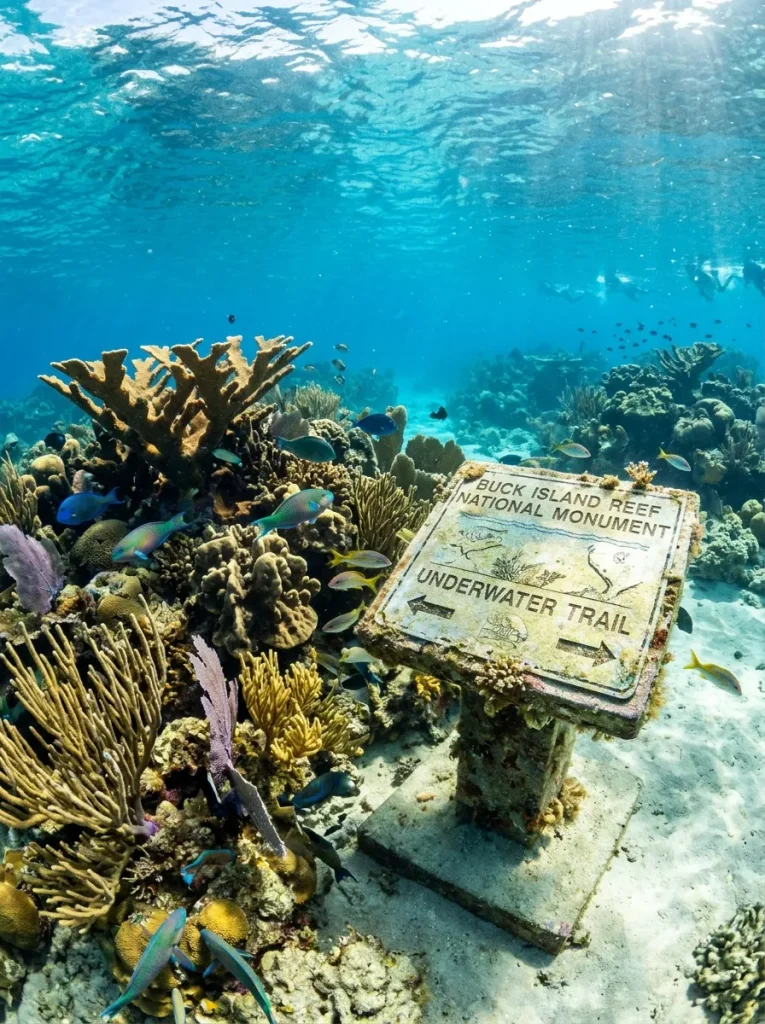
Buck Island Reef National Monument is a major draw for snorkelers and boat-trip visitors. The protected reef and underwater trail offer a chance to experience Caribbean marine life in a conservation area. Access generally requires a boat excursion, and visitors should follow all park rules to protect the reef.
Which Beach Should You Choose?
- For iconic scenery: Trunk Bay
- For a relaxed snorkeling stop: Maho Bay
- For a longer beach day: Cinnamon Bay
- For a classic St. Thomas beach outing: Magens Bay
- For clear water and island views: Sapphire Beach
- For a marine excursion: Buck Island Reef National Monument
The best beach is not always the most famous one. Wind, waves, crowds, parking, and your accommodation’s location can all affect the experience. Check local conditions on the day you visit.
Best Things to Do in the U.S. Virgin Islands
Snorkel in Clear Caribbean Water

Snorkeling is one of the easiest ways to appreciate the islands’ underwater scenery. St. John has accessible beach snorkeling spots, while St. Thomas and St. Croix offer boat trips to reefs and other marine sites.
Bring a properly fitting mask, use only permitted reef-safe mineral sunscreen, and avoid standing on coral. If you are inexperienced, consider a guided excursion and ask about current water conditions before entering.
Explore Virgin Islands National Park
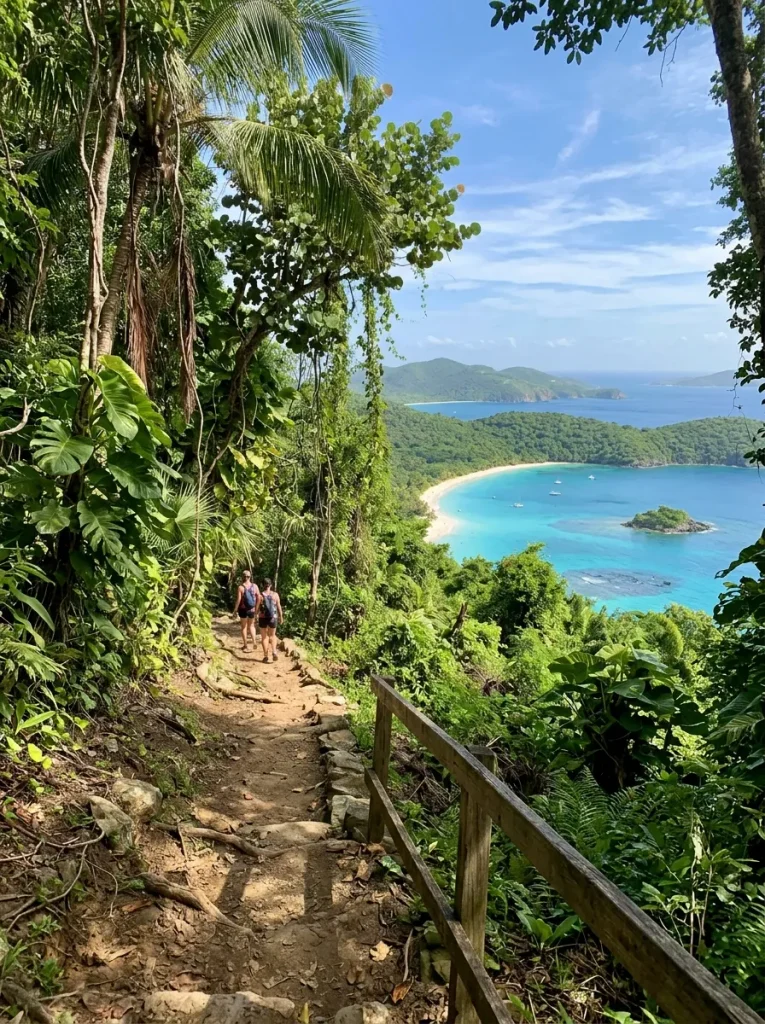
Virgin Islands National Park protects much of St. John’s natural landscape, including beaches, forest, trails, and historic sites. You can spend a day swimming and snorkeling along the North Shore or trade beach time for a hike with views over the coastline.
Trails can be rocky and slippery after rain. Wear shoes with good traction, carry water, and check trail information before setting out. Parking at popular beaches and trailheads can fill early, especially during the busy season.
Take a Boat Trip

A boat excursion gives you a different perspective on the islands. Options range from short sailing trips to snorkeling tours, sunset cruises, and full-day excursions.
Before booking, check what the price includes, how long you will be on the water, whether food and equipment are provided, and what happens if weather forces a cancellation. If you are prone to seasickness, consider bringing an appropriate remedy and choosing a shorter trip.
Discover Local History

The U.S. Virgin Islands have a complex history shaped by Indigenous Caribbean communities, European colonialism, slavery, emancipation, and modern island life. Historic buildings and former plantation sites are not simply scenic backdrops. They are places to learn about the people who lived and worked here and the lasting effects of colonial rule.
On St. Thomas, explore Charlotte Amalie and Fort Christian. On St. John, visit historic sites such as Annaberg. On St. Croix, look around Christiansted and Frederiksted and learn about their roles in the islands’ past.
Approach these sites with curiosity and respect, and consider guided tours that include local perspectives.
Taste Traditional Virgin Islands Food

Local food is an important part of the trip. Look for dishes such as fish and fungi, a traditional combination of fish and a cornmeal-based side, along with stewed meats, fresh seafood, johnnycakes, callaloo-style dishes, and locally prepared soups and stews.
Menus vary between islands and restaurants. Ask about daily specials, seasonal seafood, and the ingredients used in unfamiliar dishes. Eating at local restaurants is also a good way to support businesses rooted in the community.
Try Scuba Diving
Certified divers can find reef dives, walls, wrecks, and other underwater environments around the islands. St. Croix is particularly well known among divers, while St. Thomas and St. John provide access to additional sites and excursions.
Choose a licensed operator, check equipment and safety procedures, and be honest about your experience level. If you plan to fly home after diving, follow the recommended interval between your last dive and your flight.
Watch the Sunset

Sunset is an easy activity to add to almost any itinerary. Find a beach with safe access, book a sunset sail, or choose a waterfront restaurant. On boat trips, confirm the return time and transport arrangements before departure.
Continue Your Island-Hopping Research
If you are deciding between a Caribbean vacation and other types of trips, compare the experience you want before booking. A city-focused holiday requires a different plan from a beach escape, and choosing the right base can save time and money. This guide to exploring North American cities can help if you are also weighing an urban trip against an island getaway.
Best Time to Visit the U.S. Virgin Islands
The U.S. Virgin Islands are warm year-round, but the best time for your trip depends on your budget, preferred weather, and tolerance for crowds.
December Through April: Popular Dry-Season Travel
December through April is a popular time to visit because many travelers want warm weather during the colder months in North America. These months can be busy, particularly around holidays and school breaks, and accommodation prices may be higher.
Book flights and lodging early if you want specific resorts, villas, or popular excursions. If you prefer quieter beaches, consider traveling outside the busiest holiday periods.
May Through June: A Potential Shoulder Season
Late spring and early summer can offer a useful balance between warm weather and fewer visitors, although conditions vary each year. It can be a good period for beach time, hiking, and boat excursions, provided you remain flexible about weather.
July Through November: Watch the Weather
The Atlantic hurricane season runs from June through November, with the greatest storm risk often occurring from August through October. This does not mean a storm will affect your trip, but it does mean you should monitor forecasts and understand your accommodation and airline cancellation policies.
Travel insurance that covers relevant weather disruptions may be worth considering. Keep important reservations flexible where possible and avoid planning tight connections between flights and ferries.
For travelers planning a cold-weather escape, the islands are one option among several. Browse these warm winter destinations if you want to compare the U.S. Virgin Islands with other sunny places before choosing your trip.
How Many Days Do You Need?
A long weekend can work if you stay on one island and focus on a few highlights. However, five to seven days gives you more room for beaches, local food, sightseeing, and a boat excursion without rushing every day.
- Three days: Stay on St. Thomas and explore Charlotte Amalie, Magens Bay, and one boat trip.
- Five days: Divide your time between St. Thomas and St. John, allowing for ferry travel and at least one relaxed beach day.
- Seven days: Explore St. Thomas and St. John, or spend the week on St. Croix for a more in-depth mix of beaches, history, food, and diving.
- Ten days or more: Consider visiting all three main islands if flight schedules, transport costs, and accommodation availability work for your plans.
Do not underestimate travel time between islands. The ferry to St. John is convenient from St. Thomas, but St. Croix is not simply another stop on the same short passenger-ferry route. Inter-island flights and other scheduled services may be needed. Check current transport options before building your itinerary.
A Seven-Day U.S. Virgin Islands Itinerary
This sample itinerary combines St. Thomas and St. John. It is designed for travelers arriving on St. Thomas who want beaches, culture, and nature without changing accommodation every night.
Day 1: Arrive in St. Thomas
Check in, settle into your accommodation, and keep the first day flexible. If time allows, take a short walk around your nearby area or enjoy an early dinner by the water.
Day 2: Explore Charlotte Amalie
Spend the morning exploring the capital’s historic streets, shops, and landmarks. Take a relaxed lunch break and visit a beach later in the afternoon if your schedule allows.
Day 3: Beach Day on St. Thomas
Choose Magens Bay or Sapphire Beach for swimming and relaxing. If you prefer an active day, book a snorkeling trip or a sailing excursion. Check the weather and sea conditions before committing to water activities.
Day 4: Travel to St. John
Take a passenger ferry to St. John and check in to your accommodation. Spend the afternoon exploring Cruz Bay, finding a local restaurant, and getting familiar with transport options for the next day.
Day 5: Discover the North Shore
Visit Trunk Bay, Cinnamon Bay, or Maho Bay. Choose one or two beaches rather than trying to see every famous spot in a single day. If you plan to use a taxi, agree on pickup arrangements in advance.
Day 6: Hike or Take a Boat Excursion
Choose a national park trail, a guided history walk, or a snorkeling tour. Keep some time open for a slow lunch and a final swim.
Day 7: Return to St. Thomas and Depart
Allow enough time to return to St. Thomas for your flight. Avoid booking a ferry connection that leaves no margin for delays, particularly when weather is unsettled.
If you would rather focus on St. Croix, build a separate itinerary around Christiansted, Frederiksted, local food, and marine excursions instead of trying to squeeze all three main islands into one week.
Where to Stay in the U.S. Virgin Islands
Your accommodation choice affects more than the view. It determines how much time you spend in taxis, how easily you reach beaches, and whether you can explore independently.
St. Thomas
Choose St. Thomas if you want a wide range of hotels, resorts, vacation rentals, restaurants, shopping, and easy access to excursions. It is convenient for a first visit, but travel time between beaches and towns can be longer than it looks on a map because of winding roads and traffic.
St. John
St. John suits travelers who want nature, national park access, and a quieter stay. Villas and vacation rentals are common, but prices can be high and availability limited during peak season. Check whether your accommodation is close to Cruz Bay or whether you will need a rental vehicle or arranged transport.
St. Croix
St. Croix is a strong choice for a longer, more independent holiday. You can stay near Christiansted or Frederiksted, choose a beachside property, or find a quieter place inland. Because attractions are spread out, think carefully about transport before choosing a remote accommodation.
Before booking, check parking, air conditioning, cancellation rules, beach access, and the actual distance to restaurants or shops. A property described as being near a beach may still require a car or taxi to reach it comfortably.
Getting Around the U.S. Virgin Islands
Transportation deserves attention when planning your trip. The islands have roads, taxis, ferries, and local transport services, but options vary by island and route.
Flights and Ferries
St. Thomas and St. Croix have commercial airports. St. John does not have its own commercial airport, so most visitors fly to St. Thomas and continue by passenger ferry.
Ferry schedules, routes, and operating conditions can change. Confirm the latest timetable before travel, and allow a generous buffer if you have a flight to catch. Do not assume every ferry route runs at the same frequency or that a direct service will be available on your travel date.
Rental Cars
A rental car can be helpful for exploring St. Thomas and especially St. Croix. On St. John, a vehicle may make it easier to reach beaches and trailheads, but the roads can be steep, narrow, and winding.
One detail surprises many visitors: vehicles drive on the left side of the road in the U.S. Virgin Islands, even though many rental vehicles have the steering wheel on the left. Drive slowly, pay attention at intersections, and avoid driving unfamiliar mountain roads after dark if you are uncomfortable with them.
Check with your rental company about insurance, parking, road conditions, and any restrictions on taking the vehicle on a car barge.
Taxis and Local Transport
Taxis are available in tourist areas and at many transport hubs, but do not assume every beach has a taxi waiting when you finish your visit. Confirm the fare and arrange a return pickup when needed.
Local buses may serve some routes, but they may not be convenient for a tightly scheduled sightseeing day. If you plan to depend on public transport, check routes and operating times in advance.
How Much Does a U.S. Virgin Islands Trip Cost?
The cost of a U.S. Virgin Islands vacation varies widely depending on the season, accommodation, island, and activities you choose. Peak-season resorts and villas can be expensive, while smaller properties and travel outside major holiday periods may offer better value.
The main expenses to plan for are:
- Flights to St. Thomas or St. Croix
- Accommodation and taxes or service fees
- Rental cars, taxis, ferries, and parking
- Meals, snacks, and drinks
- Boat trips, snorkeling, diving, and guided tours
- Beach access or park-related fees where applicable
- Travel insurance and a contingency fund
To control costs, compare the full price of accommodation rather than just the nightly rate. A cheaper property far from restaurants and beaches may require more spending on transport. Book popular excursions in advance, but check cancellation policies and weather rules before paying.
You can also save by choosing one island as your base, buying groceries for some meals, and mixing paid tours with free activities such as beach visits, historic walks, and selected national park trails.
What to Pack for the U.S. Virgin Islands
Pack for heat, sun, humidity, and occasional rain rather than cold weather. Lightweight clothing is useful, but comfortable walking shoes matter if you plan to explore historic towns or hike.
Bring:
- Lightweight, breathable clothing
- Swimwear and a cover-up
- Comfortable sandals and walking shoes with traction
- A sun hat and sunglasses
- Non-nano mineral sunscreen that follows local restrictions
- A reusable water bottle
- A waterproof pouch for your phone
- A small dry bag for boat excursions
- Insect repellent
- Any personal medication and basic first-aid supplies
- A light rain jacket
- Government-issued identification and travel documents
- A small amount of cash alongside payment cards
If you are accustomed to packing for cold-weather trips, the checklist is very different. This Alaska winter packing list covers the layers and equipment needed for a cold-weather adventure, while the U.S. Virgin Islands call for sun protection and breathable clothing.
Travel Requirements and Practical Tips
Do U.S. Citizens Need a Passport?
U.S. citizens traveling between the mainland United States or Puerto Rico and the U.S. Virgin Islands generally do not need a passport. However, airlines and authorities may require acceptable proof of identity or citizenship, and document requirements can depend on your circumstances and route.
Travelers who are not U.S. citizens should check the entry rules that apply to their nationality and U.S. immigration status. If your itinerary includes another country or territory, separate passport requirements may apply.
Is the U.S. Virgin Islands Safe?
Many visitors enjoy trouble-free trips, but use normal travel precautions. Keep valuables secure, avoid leaving bags visible in parked vehicles, pay attention to local advice, and be cautious in unfamiliar or isolated areas at night. Water activities also carry risks, especially when currents or weather change.
For outdoor activities, tell someone where you are going, carry water, and check the forecast. If a beach is rough or a trail is closed, choose another activity rather than ignoring warnings.
What Currency Is Used?
The U.S. dollar is the official currency. Credit cards are widely accepted, but carrying some cash is useful for small purchases, tips, or situations where card payment is unavailable.
Can You Use Your U.S. Cell Phone?
Many U.S. travelers can use their phones much as they would at home, but coverage, roaming terms, and international plans depend on your carrier. Check your plan before traveling and download offline maps in case you lose signal in remote areas.
What Sunscreen Can You Use?
The U.S. Virgin Islands restrict certain sunscreen ingredients to help protect coral reefs and marine life. Check current local rules and choose permitted mineral sunscreen, commonly formulated with zinc oxide or titanium dioxide. Follow product directions and consider sun-protective clothing when spending long hours outdoors.
Frequently Asked Questions
Which U.S. Virgin Island is best for first-time visitors?
St. Thomas is a practical choice for first-time visitors because it has an airport, a broad selection of accommodation, shopping, beaches, and organized excursions. St. John is better for travelers who prioritize nature and quieter beaches, while St. Croix suits those interested in history, food, diving, and longer independent stays.
How many days should I spend in the U.S. Virgin Islands?
Three days can work for a focused stay on one island. Five to seven days gives you time for beaches, local culture, and excursions. If you want to explore all three main islands, plan for a longer trip and account for inter-island travel.
What is the best month to visit the U.S. Virgin Islands?
December through April is popular for winter sun and generally drier conditions, but it can be busy and expensive. May and June may offer a useful shoulder-season balance. Summer and fall can bring lower prices, but they fall within the Atlantic hurricane season, so check forecasts and cancellation policies.
Are the U.S. Virgin Islands good for families?
Yes. Families can enjoy swimming, boat trips, snorkeling, historic towns, and easygoing beach days. Choose beaches according to children’s swimming ability and current sea conditions, and check the facilities available before visiting.
Can you visit St. Thomas and St. John on the same trip?
Yes. The passenger ferry between St. Thomas and St. John makes combining the two islands relatively straightforward. Check the current schedule, allow time for transfers, and arrange accommodation and transport before traveling during busy periods.
Is St. Croix worth visiting?
St. Croix is worth considering if you have time for a longer stay or prefer a more independent trip. It offers historic towns, local food, diving, beaches, and a different atmosphere from St. Thomas and St. John. Because it is more spread out, plan your transportation in advance.
Final Thoughts
The U.S. Virgin Islands offer a Caribbean escape with a useful mix of convenience, natural beauty, history, and local culture. St. Thomas is an easy introduction, St. John is ideal for beaches and national park adventures, and St. Croix rewards travelers who want to explore historic towns and underwater sites.
For a first trip, choose one or two islands rather than trying to see everything at once. Book accommodation that fits your plans, confirm ferry and transport schedules, respect local communities and marine life, and leave room for weather changes. With a little planning, the U.S. Virgin Islands can be much more than a beach vacation. They can be a chance to experience three distinct island communities at your own pace.