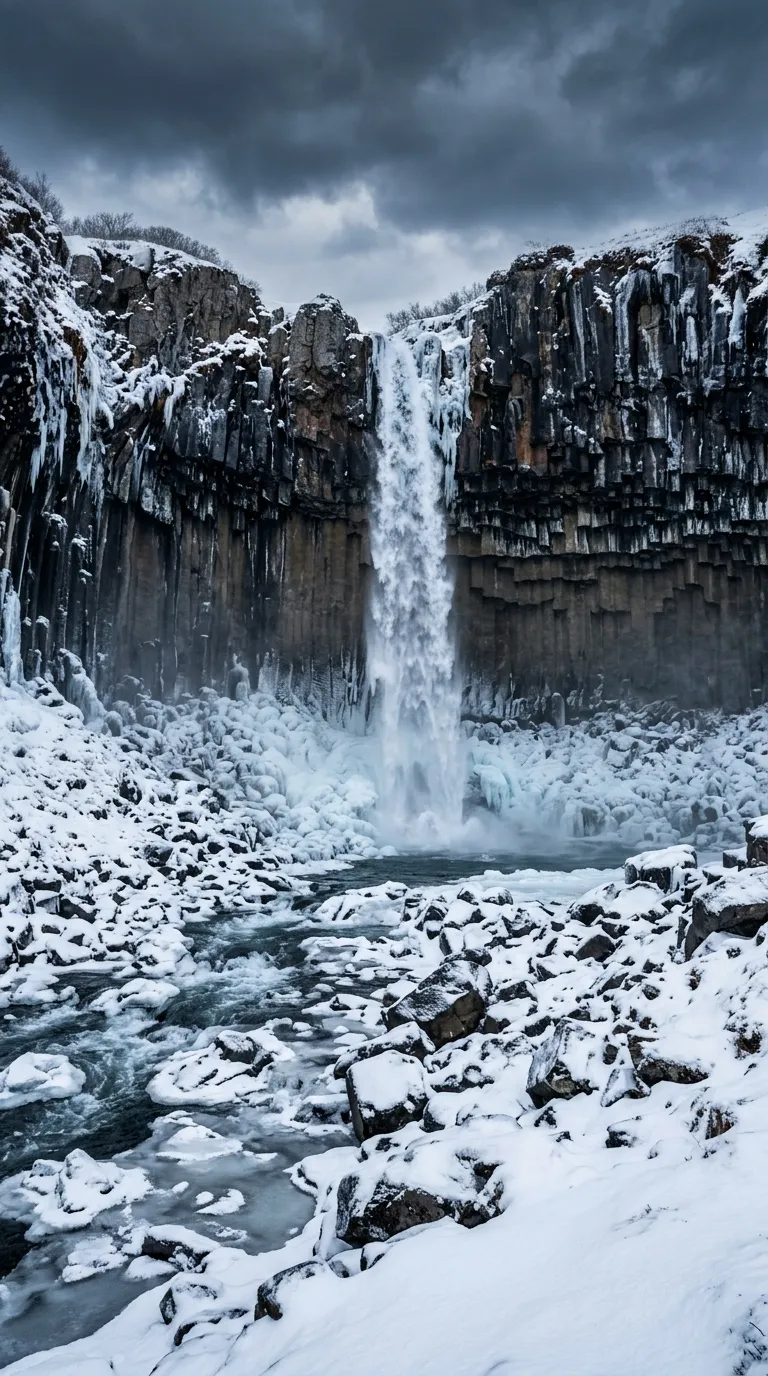
What to Pack for a Winter Trip to Iceland: Essential Gear for Cold, Wind and Rain
Packing for Iceland in winter is less about bringing the biggest coat you own and more about building a smart system.
You can leave Reykjavík under clear skies, drive toward a waterfall, and suddenly find yourself dealing with sideways rain, strong wind, snow, and slippery ground. Iceland’s weather can change quickly, and the combination of cold, wind, and rain can become dangerous if you are not properly dressed.
That is why your Iceland winter packing list should focus on layers, waterproof protection, wind resistance, warm footwear, and a few practical safety items.
This guide covers exactly what to pack for Iceland in winter, from base layers and waterproof pants to gloves, boots, electronics, road-trip gear, and the small items that are easy to forget.
Recommended Travel Items for Your Trip
What Is Iceland Like in Winter?
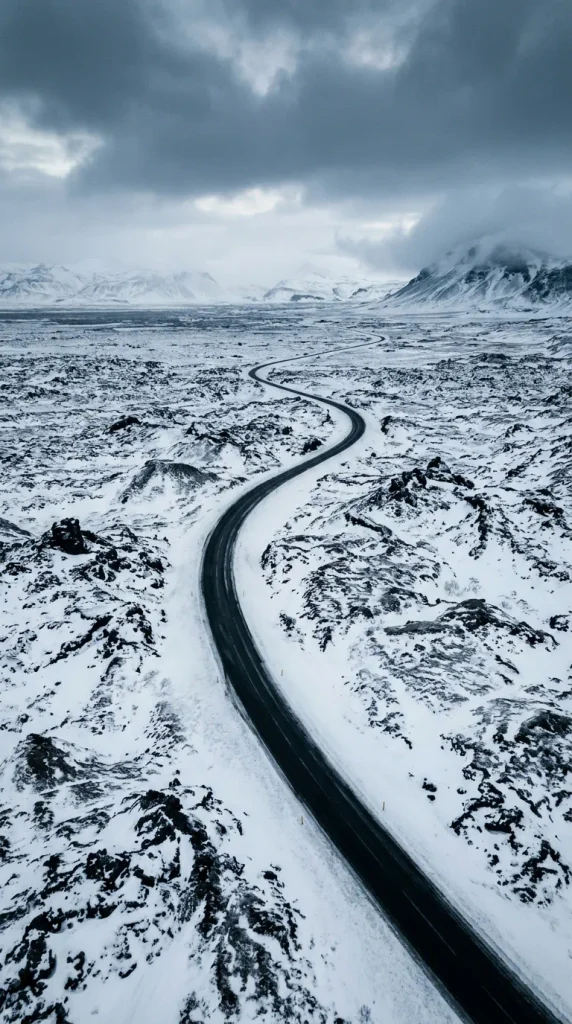
Winter in Iceland generally means shorter daylight hours, cold temperatures, strong winds, rain or snow, and rapidly changing conditions.
Visit Iceland describes winter as roughly October through April, with average winter temperatures around -3°C, although actual conditions can vary considerably. Fierce winds can make the temperature feel much colder, while rain and snow can arrive quickly.
The important thing is not to pack only for the temperature shown on your weather app.
Pack for the weather you might actually experience outside.
| Condition | What you need |
| Cold | Thermal base layers + insulation |
| Strong wind | Windproof outer shell |
| Rain | Waterproof jacket + pants |
| Snow | Waterproof boots + warm socks |
| Ice | Traction aids or ice cleats |
| Long drives | Extra layers + emergency supplies |
| Wet conditions | Waterproof backpack or dry bags |
| Short daylight | Headlamp or flashlight |
The Icelandic Association for Search and Rescue recommends preparing for rapidly changing weather and carrying suitable clothing even on relatively short outdoor trips.
The Most Important Iceland Winter Packing Rule: Dress in Layers
If you remember only one thing from this article, make it this:
Do not rely on one enormous winter coat. Build three layers.
The classic Iceland system is:
- Base layer
- Insulating middle layer
- Windproof and waterproof outer layer
This gives you much more control throughout the day.
You can remove a layer inside a café, add one before heading outside, or adjust your clothing when the wind suddenly picks up.
1. Base Layer
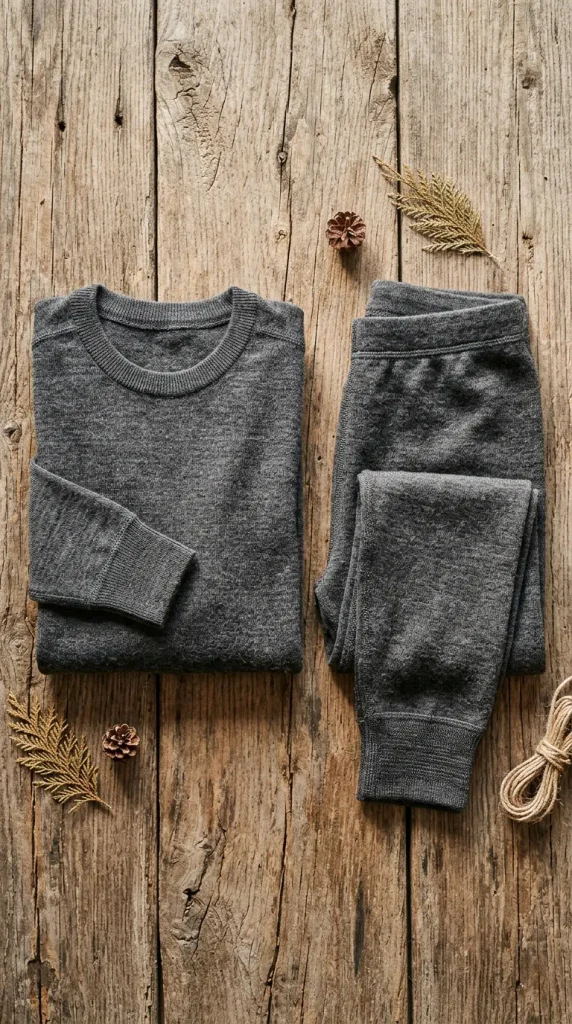
Your base layer sits directly against your skin.
Choose:
- Merino wool
- Synthetic moisture-wicking fabric
- Thermal long-sleeve tops
- Thermal leggings or long underwear
Avoid cotton for outdoor winter activities. Cotton absorbs moisture and dries slowly, which is exactly what you do not want when you are cold and wet.
SafeTravel specifically recommends wool or synthetic materials and advises against cotton.
For a one-week trip, I would pack:
- 2 to 3 thermal tops
- 2 thermal bottoms
- 4 to 6 pairs of warm socks
You do not necessarily need a fresh thermal outfit every day. The goal is to have enough rotation to keep your clothing dry.
2. Middle Layer
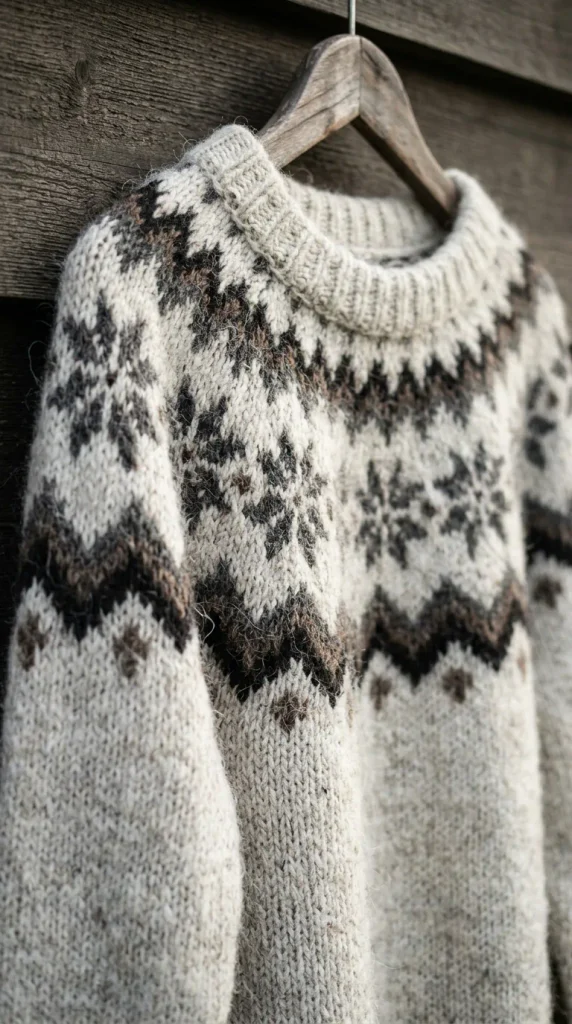
Your middle layer provides insulation.
Good choices include:
- Fleece jacket
- Wool sweater
- Lightweight down jacket
- Synthetic insulated jacket
- Icelandic wool sweater
A fleece jacket is especially practical because it is warm without taking up much luggage space.
If you want a traditional Icelandic piece, a wool lopapeysa can be a great addition, but it should not replace your waterproof outer shell.
3. Outer Layer
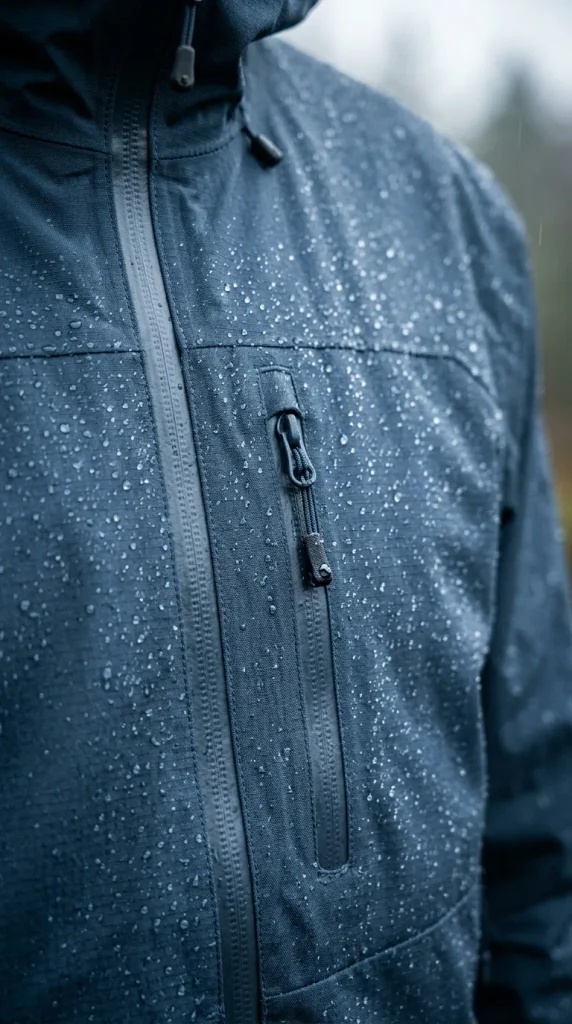
This is where many first-time Iceland travelers make mistakes.
Your outer layer needs to protect you from wind and water, not just cold.
Look for:
- Waterproof jacket
- Windproof shell
- Adjustable hood
- Waterproof zippers
- Good coverage around the neck
- Enough room for your insulation underneath
Visit Iceland recommends a windproof and waterproof jacket as an Iceland essential, along with waterproof pants.
A huge insulated parka can be useful, but if it is not properly waterproof and windproof, you may still end up cold.
Waterproof Pants Are Not Optional
If you are visiting Iceland’s waterfalls, black-sand beaches, cliffs, glaciers, or other exposed landscapes, waterproof pants can be one of the most useful items in your suitcase.
Rain can come at an angle.
Waterfall spray can soak your legs.
Snow can melt onto your clothing.
And strong wind can make wet clothing miserable very quickly.
Pack waterproof over-trousers that can fit comfortably over your regular pants or thermal layers.
They are especially useful for outdoor photography because you may spend longer than expected standing in exposed locations.
What Shoes Should You Pack for Iceland in Winter?
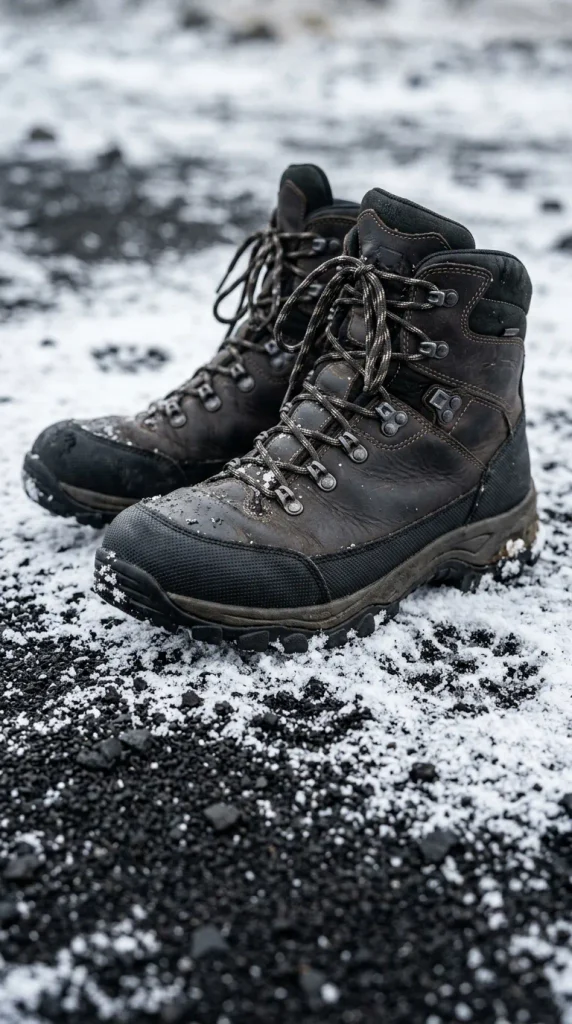
Your footwear may matter more than your coat.
A beautiful winter landscape is considerably less enjoyable when your feet are cold, wet, or sliding around on ice.
Look for warm, waterproof boots with good traction.
Ideally, your boots should have:
- Waterproof construction
- Insulation
- Good ankle support
- Deep traction
- Comfortable fit with thick socks
- Enough room to avoid crushing your toes
SafeTravel recommends warm, waterproof shoes and wool or synthetic socks.
Bring Ice Cleats or Traction Aids
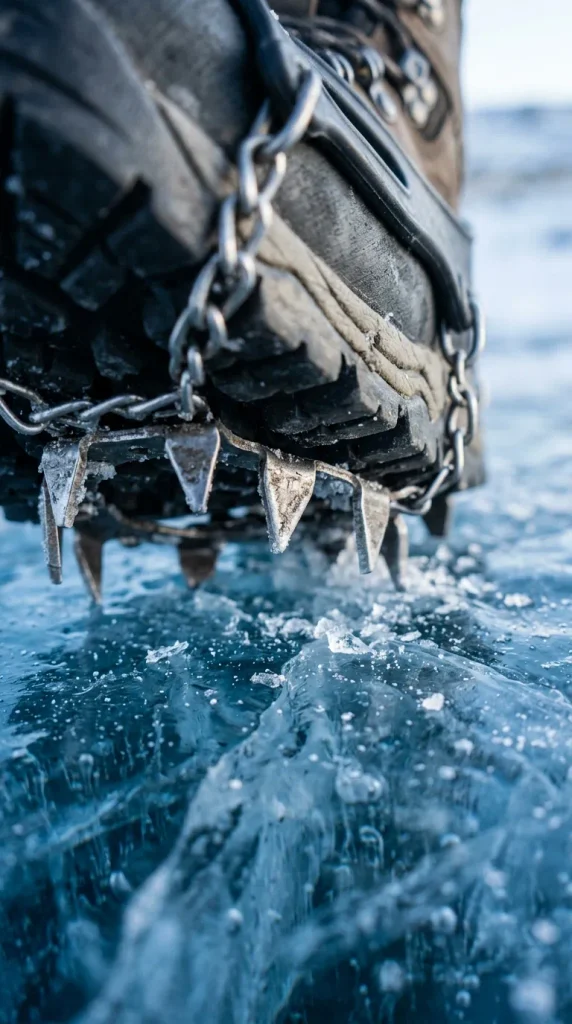
This is one of the items I would strongly consider adding to your Iceland packing list.
Winter walking areas can become icy, particularly around:
- Waterfalls
- Parking areas
- Trails
- Viewpoints
- Frozen paths
- Hotel entrances
Small traction devices that fit over your boots can dramatically improve your grip.
They are compact enough that they are easy to keep in your daypack.
Do not assume every tourist trail will be perfectly cleared just because it is popular.
Pack Warm Socks, Not Just More Socks
Your feet are one of the easiest places to lose comfort.
Bring several pairs of:
- Merino wool socks
- Wool-blend hiking socks
- Synthetic thermal socks
Avoid wearing extremely tight socks inside your boots. Your feet need enough room for insulation and circulation.
A useful trick is keeping one completely dry pair in your daypack.
If your socks become wet during a day outside, changing them can make an enormous difference.
What to Pack for Your Head and Neck
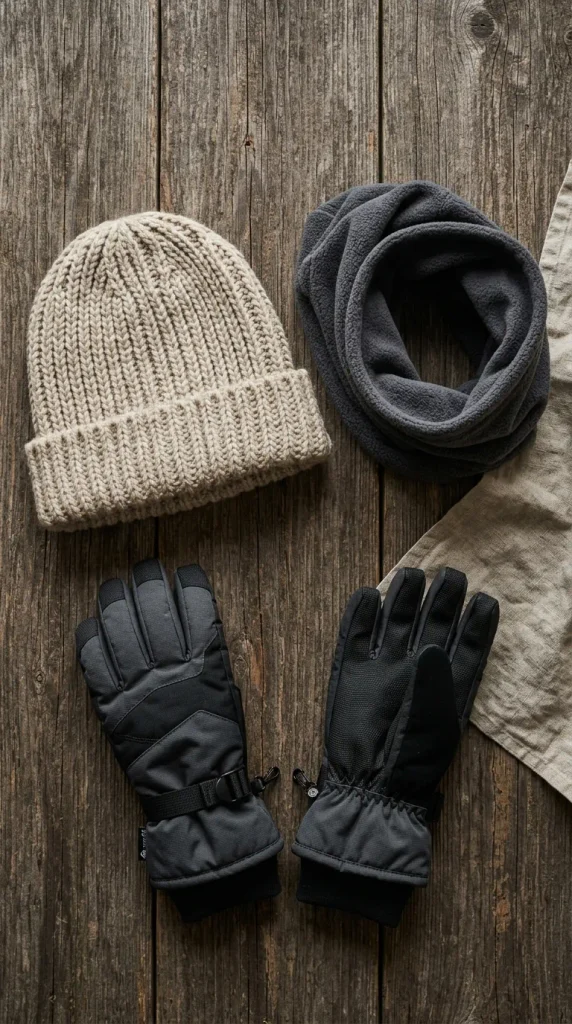
A surprising amount of winter discomfort comes from exposed areas around your head and neck.
Pack:
- Warm beanie
- Windproof hat
- Neck gaiter
- Scarf
- Buff-style face covering
A neck gaiter is particularly useful because it can protect your neck and lower face when wind becomes aggressive.
You do not necessarily need a huge scarf. A compact thermal neck covering can be easier to use while hiking or sightseeing.
Gloves: Bring Two Types
One pair of gloves may not be enough.
Consider bringing:
Warm insulated gloves
These are for cold sightseeing, driving breaks, and general outdoor use.
Thin liner gloves
These are useful when you need dexterity for:
- Taking photos
- Using your phone
- Adjusting camera controls
- Reading maps
- Handling zippers
If you plan to photograph Iceland’s winter landscapes, touchscreen-compatible gloves can be especially convenient.
For extremely cold or windy days, mittens generally provide better warmth than thin gloves because your fingers can share heat.
SafeTravel specifically lists thermal gloves and headwear as essential outdoor equipment.
Don’t Forget Waterproof Protection for Your Backpack
A regular backpack is not automatically suitable for Iceland.
If rain blows sideways into it for several hours, your spare clothes and electronics can become useless.
Consider:
- Waterproof backpack
- Backpack rain cover
- Dry bags
- Waterproof pouches
- Zip-top bags for small electronics
SafeTravel recommends waterproof backpacks to protect extra clothing and equipment.
For cameras, phones, passports, and power banks, I like the idea of having a second layer of protection inside the main bag.
Iceland Winter Packing List for Photography
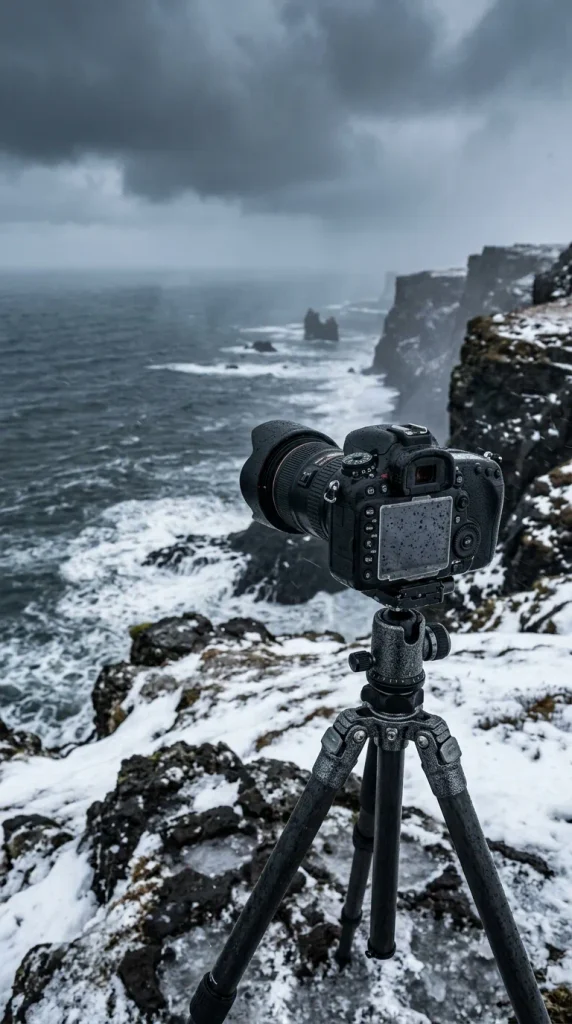
Iceland is basically a giant outdoor photography studio with unpredictable weather as the lighting director.
If photography is important to you, bring:
- Camera
- Spare batteries
- Extra memory cards
- Lens cloth
- Microfiber towel
- Waterproof camera cover
- Lens cleaning cloth
- Small dry bag
- Tripod if you need long exposures
- Phone
- Power bank
Cold temperatures can reduce battery performance, so carrying a spare battery in an inside pocket can be useful.
Keep your electronics protected from moisture, especially when moving between cold outdoor conditions and warm indoor spaces.
If photography is one of the main reasons for your trip, you may also want to explore these 12 EPIC Instagram spots in Iceland when planning your route.
Pack Swimwear for Iceland in Winter
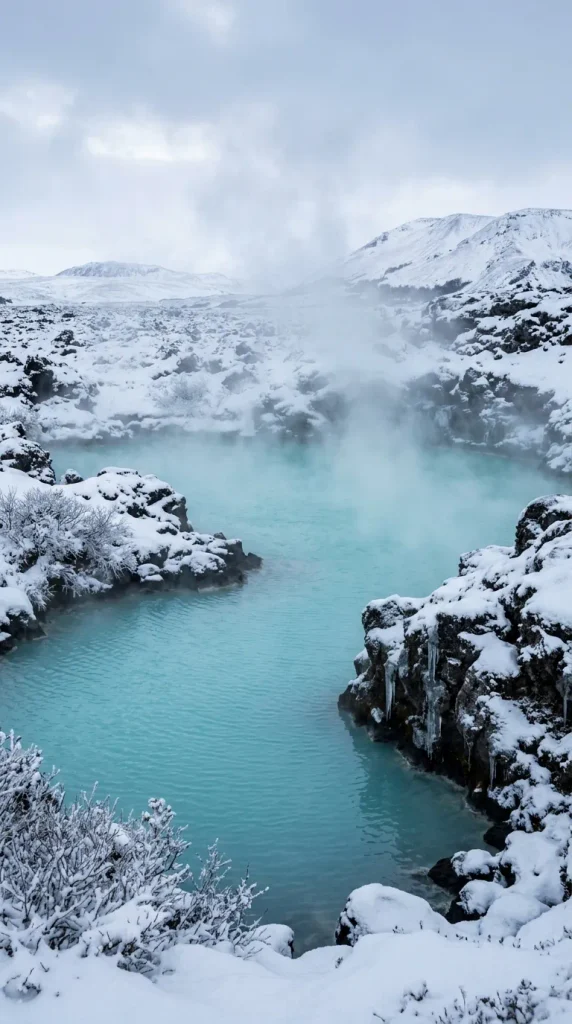
This is one of the funniest Iceland packing surprises.
You are preparing for freezing weather, so why would you need a swimsuit?
Because Iceland is famous for geothermal bathing.
Pack:
- Swimsuit
- Flip-flops
- Quick-dry towel
- Small waterproof bag
You may visit a geothermal lagoon, local swimming pool, or hot spring during your trip.
Visit Iceland also recommends bringing swimwear as an all-season Iceland essential.
The contrast between freezing air and warm geothermal water is one of those experiences that makes an Iceland winter trip memorable.
What to Pack for Driving Around Iceland in Winter
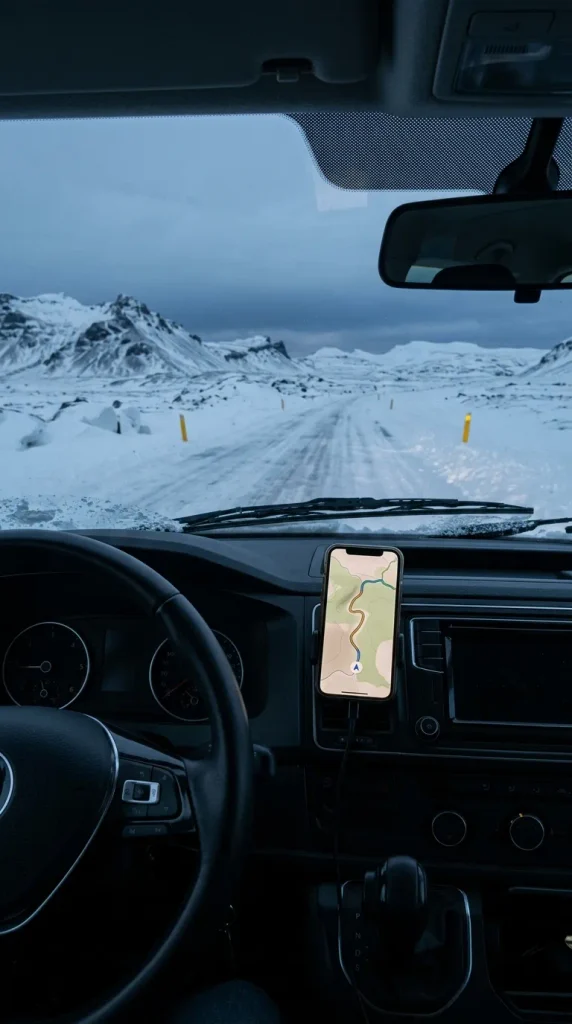
If you are renting a car, your packing list should include a few items specifically for road trips.
Winter driving in Iceland requires extra caution because of snow, ice, reduced visibility, wind, and changing road conditions.
Pack or confirm that your rental setup includes:
- Phone charger
- Power bank
- Offline maps
- Water
- Snacks
- Warm spare clothing
- Blanket
- Flashlight
- First-aid kit
- Reflective vest
- Ice scraper
- Gloves
- Small shovel if appropriate
- Emergency contact information
You should also check road and weather conditions before setting out.
Do not treat Google Maps’ estimated driving time as a winter guarantee.
A road that looks easy on a map can become very different after snow, ice, wind, or reduced visibility.
Visit Iceland notes that winter weather can cause temporary and local road closures even on major routes.
Should You Pack a Full Emergency Kit?
If you are joining organized tours from Reykjavík, you probably do not need to recreate a search-and-rescue truck inside your suitcase.
But if you are driving independently, having a basic emergency kit is smart.
Consider carrying:
- Flashlight or headlamp
- Extra batteries
- Power bank
- Water
- High-energy snacks
- Extra warm layer
- Blanket
- First-aid supplies
- Reflective vest
- Offline maps
- Phone charger
Keep these items somewhere accessible rather than buried under your luggage.
For outdoor trips, SafeTravel recommends carrying a charged mobile phone and extra power bank. For longer or more remote trips, it also recommends considering additional emergency communication equipment.
Download Offline Maps Before You Leave
Your phone can become one of your most useful pieces of travel gear, but do not assume you will always have perfect connectivity.
Download:
- Google Maps offline areas
- Your accommodation details
- Driving routes
- Important reservation information
- Tour meeting points
- Emergency information
Visit Iceland’s current travel guidance also recommends downloading offline maps for more remote areas.
The SafeTravel app is another useful tool for Iceland travelers. It provides travel-condition information and can help send your GPS location to emergency services in certain situations.
What to Pack in Your Iceland Daypack
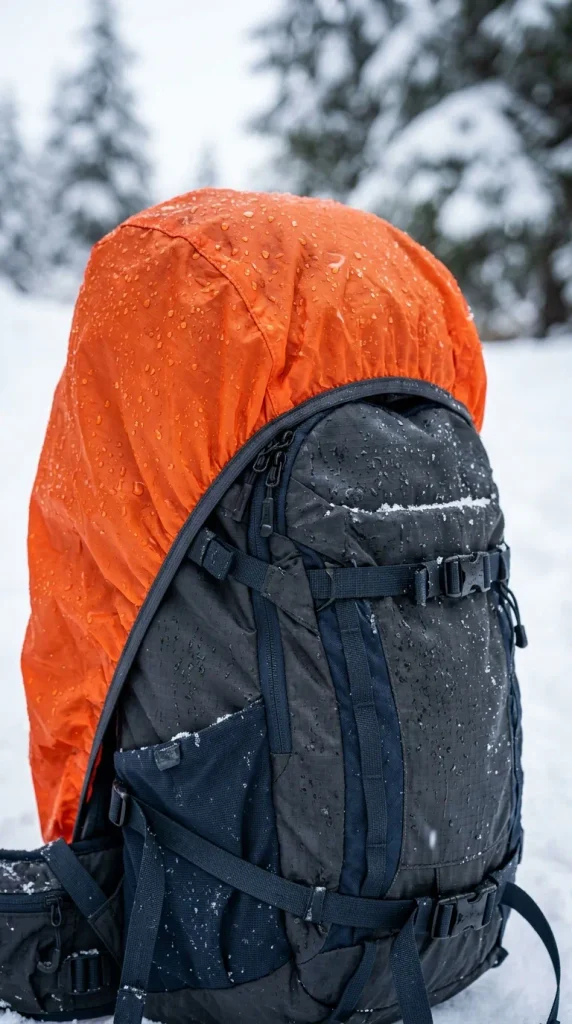
You do not need to carry your entire suitcase around Iceland.
A good daypack should contain:
| Item | Why you need it |
| Waterproof jacket | Sudden rain and wind |
| Waterproof pants | Wet trails and rain |
| Warm hat | Wind protection |
| Gloves | Cold and wind |
| Spare socks | Wet feet happen |
| Water | Hydration |
| Snacks | Long sightseeing days |
| Power bank | Phone and camera backup |
| Phone | Maps and emergencies |
| Small first-aid kit | Minor injuries |
| Dry bag | Electronics and spare clothes |
| Sunglasses | Glare from snow and low sun |
For a short hike, SafeTravel still recommends taking a hat, gloves, windproof and rainproof clothing, and navigation tools because conditions can deteriorate quickly.
What Not to Pack for Iceland in Winter
Packing too much can be just as annoying as packing too little.
You probably do not need:
- Several heavy winter coats
- Lots of jeans
- Cotton sweatshirts for outdoor use
- Multiple pairs of bulky boots
- Huge quantities of toiletries
- Formal clothing for every day
- Large umbrellas
- Excessive camera equipment
Instead, prioritize versatile clothing.
One good waterproof shell is usually more useful than several mediocre jackets.
And jeans? Keep them for indoor use if you really want them. They are not ideal as your primary outdoor winter pants.
Do You Need an Umbrella in Iceland?
I would skip it.
Strong Icelandic winds can make umbrellas awkward or nearly useless.
A waterproof jacket with a good hood is much more practical.
If the weather is determined to throw rain sideways at you, the answer is better outerwear, not a larger umbrella.
How Many Clothes Should You Pack for a Week?
For a typical seven-day winter trip, a practical starting point is:
| Item | Suggested amount |
| Thermal tops | 2 to 3 |
| Thermal bottoms | 2 |
| Fleece/mid-layers | 2 |
| Waterproof shell | 1 |
| Waterproof pants | 1 |
| Warm everyday pants | 2 |
| Wool/synthetic socks | 4 to 6 pairs |
| Underwear | 7 |
| Warm hat | 1 |
| Gloves | 2 pairs |
| Neck gaiter/scarf | 1 |
| Waterproof boots | 1 pair |
| Casual shoes | 1 pair |
| Swimsuit | 1 |
| Sleepwear | 1 |
This gives you enough flexibility without turning your luggage into a small expedition base camp.
What to Wear on a Typical Iceland Winter Day
A simple outfit could look like this:
Base:
Merino thermal top and thermal leggings.
Middle:
Fleece jacket or wool sweater.
Outer:
Windproof and waterproof jacket plus waterproof pants.
Feet:
Warm wool socks and waterproof hiking boots.
Head:
Warm hat and neck gaiter.
Hands:
Insulated gloves with thin liner gloves underneath.
This setup is flexible enough for sightseeing, short walks, waterfalls, viewpoints, and many guided winter activities.
What to Pack for Iceland’s Black-Sand Beaches
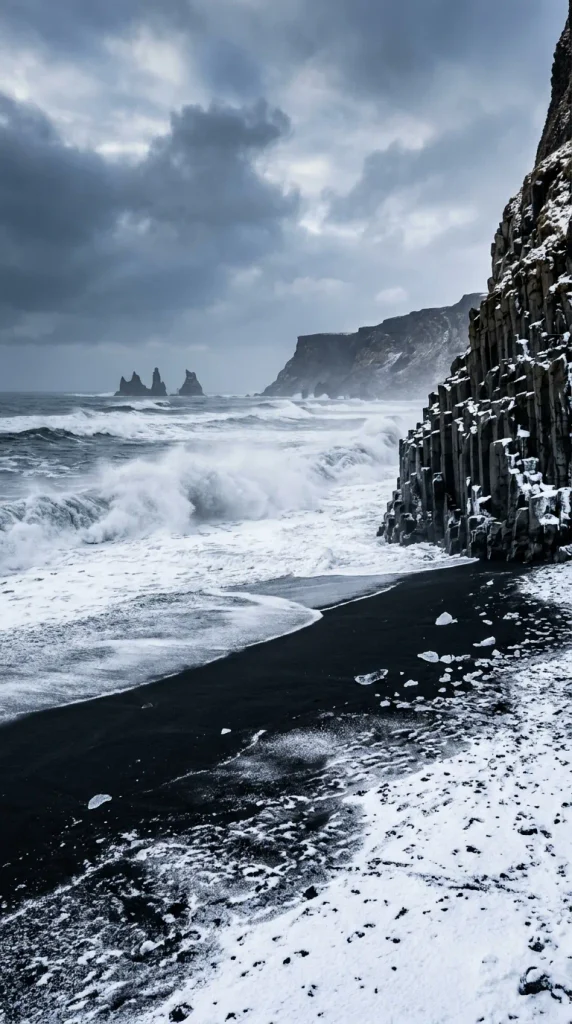
Black-sand beaches are among Iceland’s most dramatic landscapes, but they can also be extremely exposed.
Pack:
- Waterproof jacket
- Waterproof pants
- Warm hat
- Gloves
- Waterproof boots
- Dry bag
- Camera protection
- Extra socks
Do not underestimate the wind near the coast.
And never turn your back on the ocean at exposed beaches. Large waves and rapidly changing coastal conditions deserve respect.
What to Pack for Northern Lights Hunting
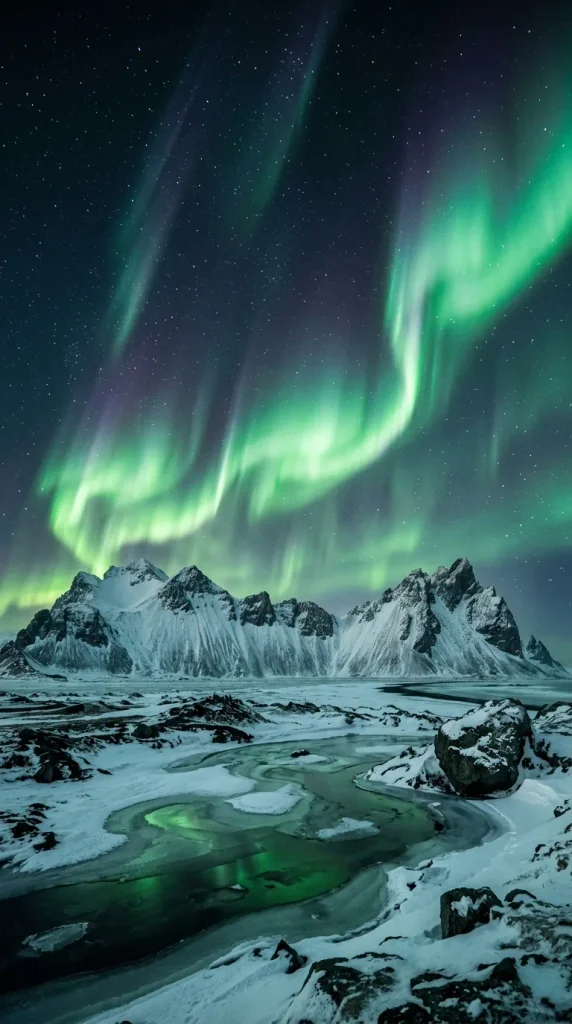
If you are traveling to Iceland in winter partly for the Northern Lights, remember that the best viewing often involves waiting outdoors.
That changes the packing equation.
Bring:
- Extra thermal layer
- Warm insulated jacket
- Warm hat
- Insulated gloves
- Spare socks
- Hand warmers
- Thermos
- Headlamp
- Camera
- Spare batteries
- Tripod
- Folding seat if your tour allows it
Standing still in the cold can feel much colder than walking.
A thick coat alone will not solve the problem if your feet and hands are freezing.
What to Pack for Winter Waterfalls
Waterfalls are spectacular in Iceland during winter, but you should expect wet surfaces, spray, snow, and ice.
Wear:
- Waterproof boots
- Traction aids
- Waterproof pants
- Waterproof jacket
- Warm socks
- Gloves
Keep your camera or phone protected.
Do not climb beyond marked viewing areas just to get a more dramatic photograph. Iceland’s landscapes are beautiful enough without turning the trip into an emergency-room audition.
What to Pack for Winter Hiking
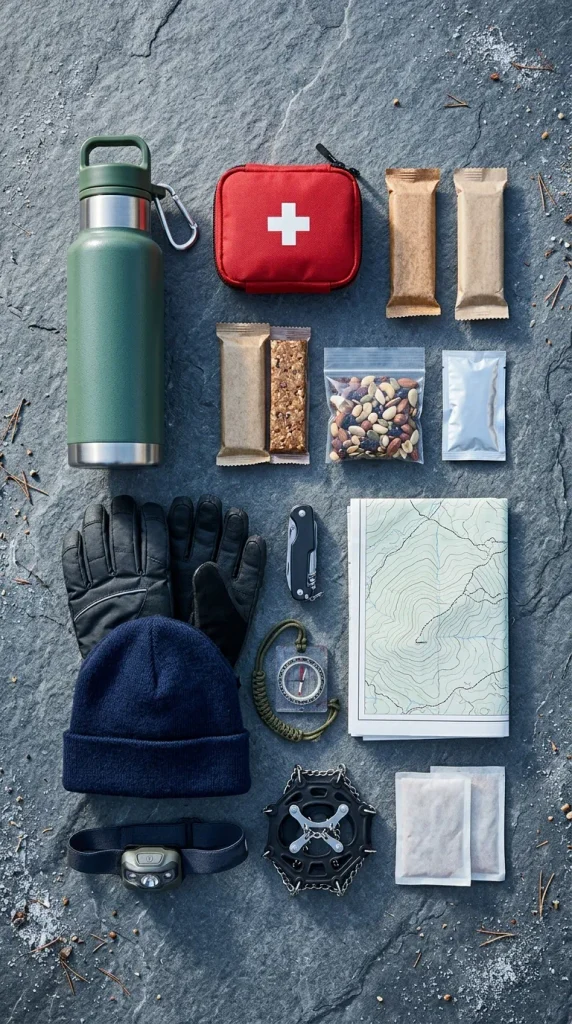
If you plan to hike, your packing list becomes more serious.
Bring:
- Proper hiking boots
- Thermal layers
- Waterproof shell
- Waterproof pants
- Hat
- Gloves
- Extra socks
- Water
- Food
- Headlamp
- Phone
- Power bank
- Offline map
- First-aid kit
- Emergency layer
For longer hikes, SafeTravel recommends navigation equipment such as GPS, maps, and a compass, plus enough clothing for changing conditions.
Do not choose a hiking route purely because a photograph looks incredible on Instagram.
Check the actual conditions before leaving.
Winter Driving: The Gear Matters, But Timing Matters More
You can own excellent winter clothing and still have a bad day if you ignore Icelandic road conditions.
Before driving, check:
- Weather forecast
- Wind
- Road conditions
- Road closures
- Visibility
- Your route
- Daylight hours
If conditions deteriorate, change your plan.
SafeTravel emphasizes that Iceland’s weather and road conditions can change quickly, and Visit Iceland similarly recommends staying informed before driving.
For a winter road trip, I would also save this guide in your travel planning folder:
What to Keep in Your Car for a Winter Road Trip
It covers the broader emergency and vehicle checklist that goes beyond clothing.
Should You Drive the Ring Road in Winter?
It depends on your experience, the weather, your itinerary, and how flexible you are.
Route 1, the Ring Road, is paved and operates year-round, but winter conditions can cause temporary closures and difficult driving conditions.
If this is your first winter visit, do not build an itinerary that assumes you can drive a fixed number of hours every day regardless of weather.
Give yourself buffer time.
A three-hour winter drive can become much longer if weather conditions deteriorate.
The Best Packing Strategy for a Winter Iceland Road Trip
Think of your luggage in four zones.
Zone 1: Clothing
Keep your main clothing organized with packing cubes:
- Base layers
- Mid-layers
- Pants
- Socks
- Underwear
Zone 2: Outdoor Gear
Keep these easy to reach:
- Waterproof jacket
- Waterproof pants
- Hat
- Gloves
- Boots
- Traction aids
Zone 3: Daypack
Keep:
- Power bank
- Water
- Snacks
- Extra socks
- Spare layer
- Phone
- Camera
- Dry bag
Zone 4: Car Emergency Gear
Keep:
- Flashlight
- Blanket
- Food
- Water
- First-aid kit
- Charging cables
- Navigation backup
This organization saves time every morning when you’re trying to leave before daylight disappears.
Winter Packing Mistakes to Avoid
Packing for temperature instead of weather
Iceland’s wind and rain can make a moderate temperature feel brutal.
Bringing only one jacket
Your jacket needs to work as a weather barrier. A single warm but non-waterproof coat can leave you soaked.
Wearing cotton outdoors
Cotton is poor at managing moisture in cold conditions.
Bringing fashionable shoes instead of waterproof boots
Your feet will quickly vote against this decision.
Forgetting waterproof pants
They may look unnecessary in your hotel room. They will look brilliant when rain starts blowing sideways.
Packing too many heavy clothes
Layering gives you flexibility without requiring a giant suitcase.
Ignoring road conditions
Your itinerary is not more important than the weather.
Assuming popular attractions are always safe
Conditions can change rapidly around waterfalls, glaciers, beaches, mountains, and icy trails.
SafeTravel advises travelers to pay close attention to weather warnings and reconsider plans when conditions become unsafe.
Your Iceland Winter Packing Checklist
Before leaving home, check every box:
Clothing
- Thermal base layers
- Fleece or wool mid-layer
- Windproof waterproof jacket
- Waterproof pants
- Warm pants
- Wool or synthetic socks
- Warm hat
- Neck gaiter
- Insulated gloves
- Liner gloves
- Waterproof boots
Outdoor Gear
- Ice cleats or traction aids
- Waterproof backpack
- Dry bags
- Headlamp
- Small first-aid kit
- Hand warmers
- Reusable water bottle
Electronics
- Phone
- Charger
- Power bank
- Camera
- Spare batteries
- Memory cards
- Offline maps
Winter Road Trip
- Snacks
- Water
- Blanket
- Flashlight
- Emergency supplies
- Vehicle charging cable
- Road-condition information saved
Personal Items
- Passport
- Travel insurance documents
- Medications
- Toiletries
- Sunglasses
- Sunscreen
- Swimsuit
- Flip-flops
What About a Winter Trip to Iceland With Kids?
If you’re traveling with children, pack more backup clothing than you think you need.
Kids can get wet quickly while playing in snow or walking around waterfalls.
Bring:
- Extra thermal layers
- Spare gloves
- Extra socks
- Waterproof outerwear
- Warm boots
- Neck protection
- Snacks
- Water
- Small entertainment items for long drives
A second pair of gloves can be particularly valuable.
Wet gloves are not very useful gloves.
How to Pack for a 3-Day Iceland Winter Trip
For a short trip, you can travel surprisingly light.
Pack:
- 2 thermal tops
- 1 to 2 thermal bottoms
- 1 fleece
- 1 waterproof jacket
- 1 waterproof pants
- 2 regular pants
- 3 to 4 pairs socks
- 1 pair waterproof boots
- Hat
- Gloves
- Neck gaiter
- Swimsuit
- Small daypack
- Power bank
- Camera or phone
The key is choosing pieces that work together.
How to Pack for a 7-Day Iceland Winter Trip
For a week, simply increase your clothing rotation rather than adding bulky layers.
Aim for:
- 2 to 3 thermal tops
- 2 thermal bottoms
- 2 mid-layers
- 1 waterproof shell
- 1 waterproof pants
- 2 regular pants
- 4 to 6 warm socks
- 7 underwear
- 1 pair waterproof boots
- 1 casual shoe
- 2 pairs gloves
- Hat
- Neck gaiter
- Swimsuit
- Daypack
- Emergency and electronics gear
You can wash or re-wear some layers during the trip if necessary.
What Is the One Thing You Should Not Forget?
If I had to reduce this entire packing guide to five items, they would be:
- Windproof and waterproof jacket
- Waterproof pants
- Warm waterproof boots
- Thermal base layers
- Warm gloves and hat
Those five protect you against the biggest problems you are likely to face outdoors.
Everything else builds around them.
Make Your Iceland Winter Packing List Match Your Trip
Not every Iceland trip requires the same gear.
A Reykjavík city break is different from a Ring Road road trip.
A Northern Lights tour is different from a multi-hour hike.
A luxury hotel itinerary is different from sleeping in remote guesthouses.
So build your packing list around your actual plans.
If your trip is focused on spectacular experiences, you may also want to browse this Travel Bucket List for ideas worth building an itinerary around.
And if you are collecting destinations rather than planning one specific trip, these 7 beautiful places to visit can give you inspiration beyond Iceland.
Final Iceland Winter Packing Checklist
The secret to packing for Iceland is not owning the warmest clothing.
It is having the right combination of clothing.
Start with moisture-wicking thermal layers. Add fleece or wool for insulation. Finish with a genuinely waterproof and windproof outer shell. Protect your feet with waterproof boots and warm socks. Keep your hands, head, and neck covered. Protect your electronics from rain. And keep a few emergency supplies accessible if you’re driving.
Most importantly, respect the weather.
Iceland’s landscapes may look calm in photographs, but winter conditions can change quickly. SafeTravel warns that cold, strong wind, and rain can become dangerous without suitable clothing and equipment.
That does not mean you should fear an Iceland winter trip.
It means you should pack intelligently.
Once you’re warm, dry, and prepared, the cold becomes part of the experience rather than the thing that ruins it.
And for more seasonal inspiration, add these Winter Bucket List Ideas to your itinerary. Iceland has a habit of turning ordinary winter plans into stories you’ll remember long after the snow melts.