Cappadocia Travel Guide for Turkey
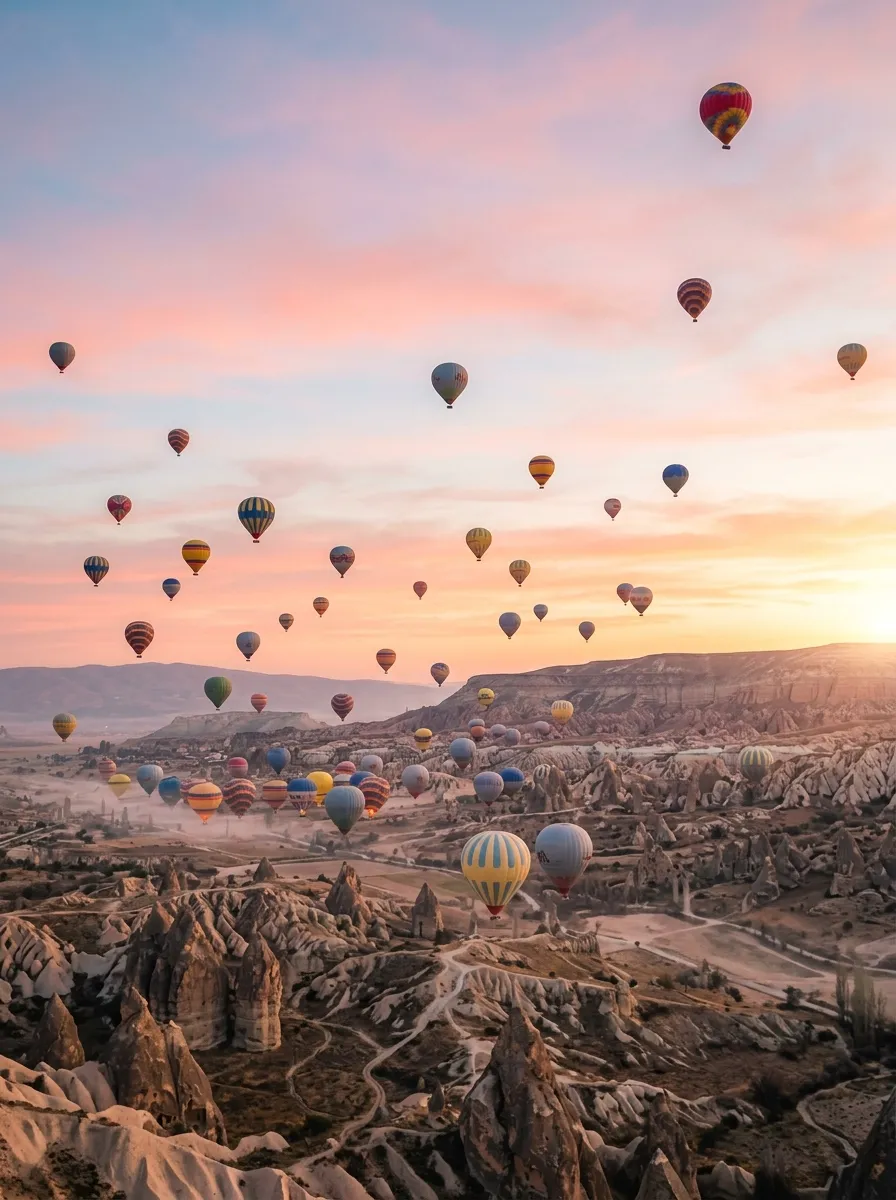
There’s a particular moment, just before sunrise in Göreme, when the sky fills with color — not from the light yet, but from dozens of hot air balloons lifting off in near-silence over a landscape that looks like it belongs on another planet. Cone-shaped rock formations called fairy chimneys rise out of the valleys below, ancient cave dwellings pockmark the cliffsides, and somewhere beneath your feet, entire cities carved into the earth by early Christians still wait to be explored. Cappadocia doesn’t just look surreal in photos — it’s one of the rare places that’s genuinely stranger and more beautiful in person.
This guide covers everything you need to plan a trip here: how to get to the region, when to go, what the hot air balloon experience actually involves (including the price and the very real chance of cancellation), where to stay, and which of Cappadocia’s countless valleys, churches, and underground cities are actually worth your time.
Recommended Travel Items for Your Trip
Where Cappadocia Is and Why It’s Unique
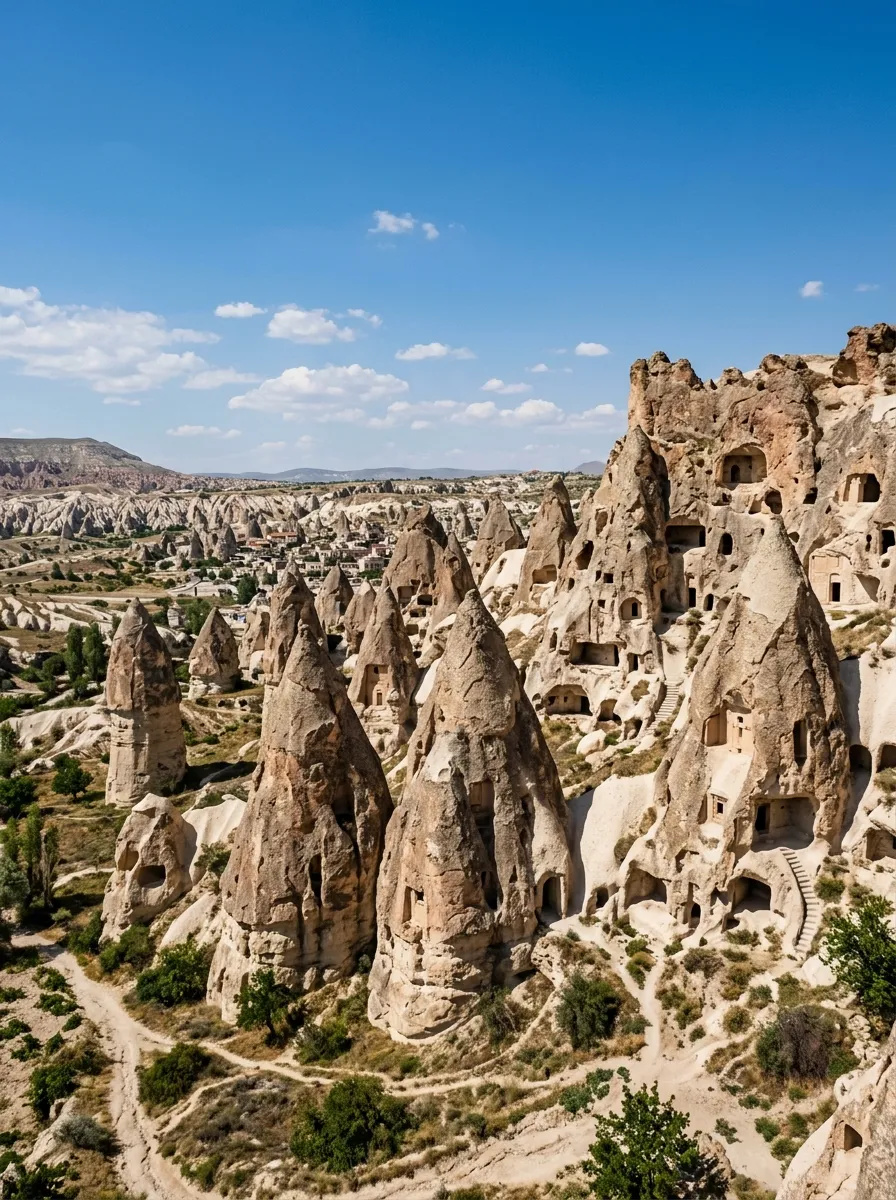
Cappadocia sits in the heart of Central Anatolia, Turkey, roughly in the region around the towns of Göreme, Ürgüp, Avanos, and Uçhisar. Millions of years ago, volcanic eruptions blanketed the area in soft ash and tuff, which centuries of wind and water erosion then carved into the surreal cone-shaped rock formations — the “fairy chimneys” — that define the region’s skyline today.
What makes Cappadocia more than just a striking landscape is what humans did with it. For nearly two thousand years, people have been carving directly into the soft volcanic rock: entire cave-cut churches decorated with Byzantine frescoes, monasteries, homes, and — most remarkably — vast underground cities capable of sheltering thousands of people at once, built as refuges during periods of invasion. The whole area, known formally as Göreme National Park and the Rock Sites of Cappadocia, is a UNESCO World Heritage Site, and it’s genuinely one of the only places on Earth where geology and human history have combined this dramatically.
How to Get to Cappadocia
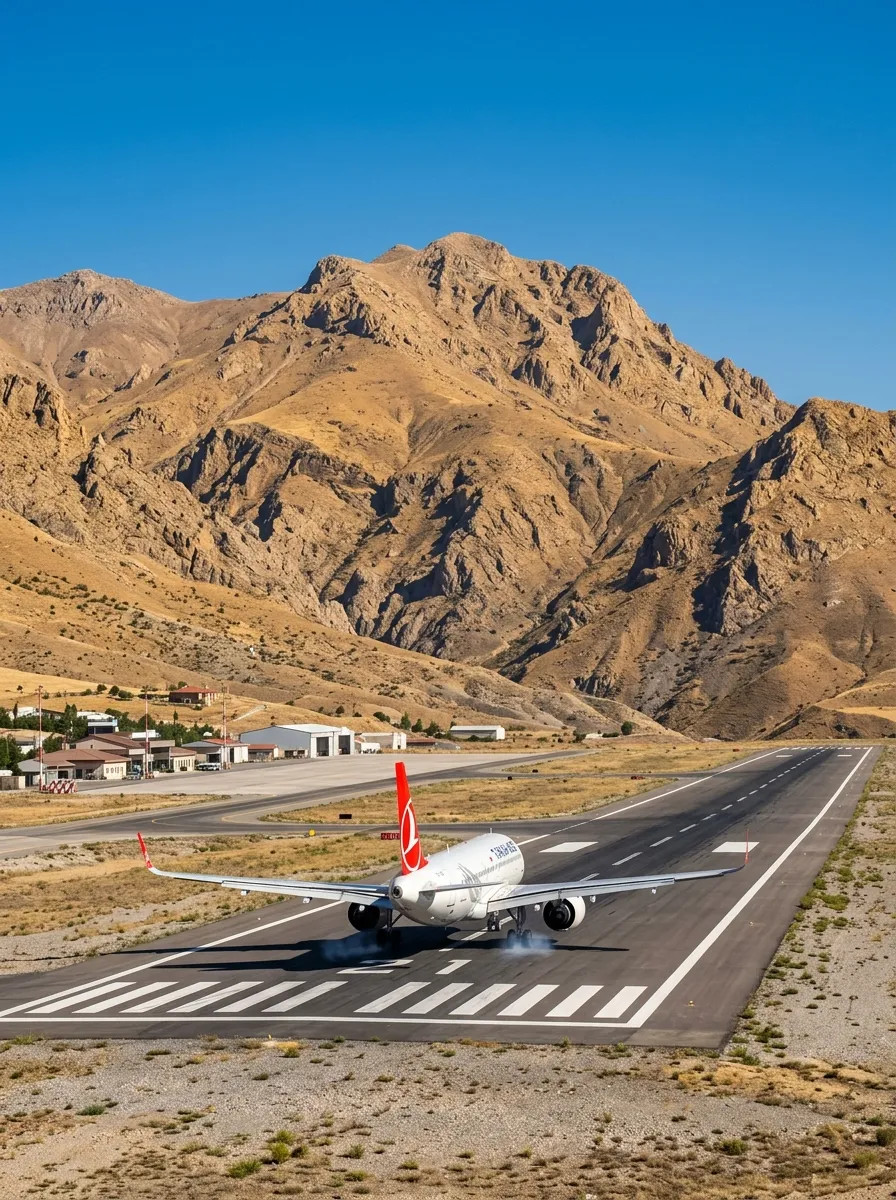
By air. Two airports serve the region, and neither is actually inside a Cappadocia town — both require a further transfer of 30 to 75 minutes.
- Nevşehir Kapadokya Airport (NAV), about 30km from Nevşehir, has direct flights from Istanbul and is the closer option to Göreme and Ürgüp.
- Kayseri Erkilet Airport (ASR) is farther out but tends to have more frequent daily flights, particularly from Istanbul, making it the more commonly used gateway for many travelers.
From either airport, paid shuttle services, pre-arranged hotel transfers, or taxis will get you into Göreme, Ürgüp, or Uçhisar. Booking a shuttle or transfer in advance through your hotel is generally easier than arranging one on arrival, especially if you’re landing late at night.
By bus. Turkey’s long-distance bus network is extensive and comfortable, and overnight buses connect Cappadocia with Istanbul, Izmir, Antalya, and other major cities. Most buses terminate at the main Nevşehir otogar (bus terminal), from which a connecting minibus (servis) takes you the rest of the way into Göreme or Ürgüp — this transfer is usually included in your ticket, but confirm with the company when you book, since a handful of less reliable operators will simply drop you in Nevşehir without arranging the connection.
By car. Renting a car gives you the most flexibility for exploring Cappadocia’s scattered valleys, viewpoints, and underground cities at your own pace, and driving here is relatively straightforward outside of Istanbul’s chaos. If you’re combining Cappadocia with other parts of Turkey on a longer road trip, it pairs naturally with other bucket-list stops in the country, including Pamukkale’s terraces — read our take in Pamukkale, Turkey: I Thought It Was Overrated Until I Saw This Sunset Over the Cotton Castle for the full picture on that leg of the trip.
Best Time to Visit
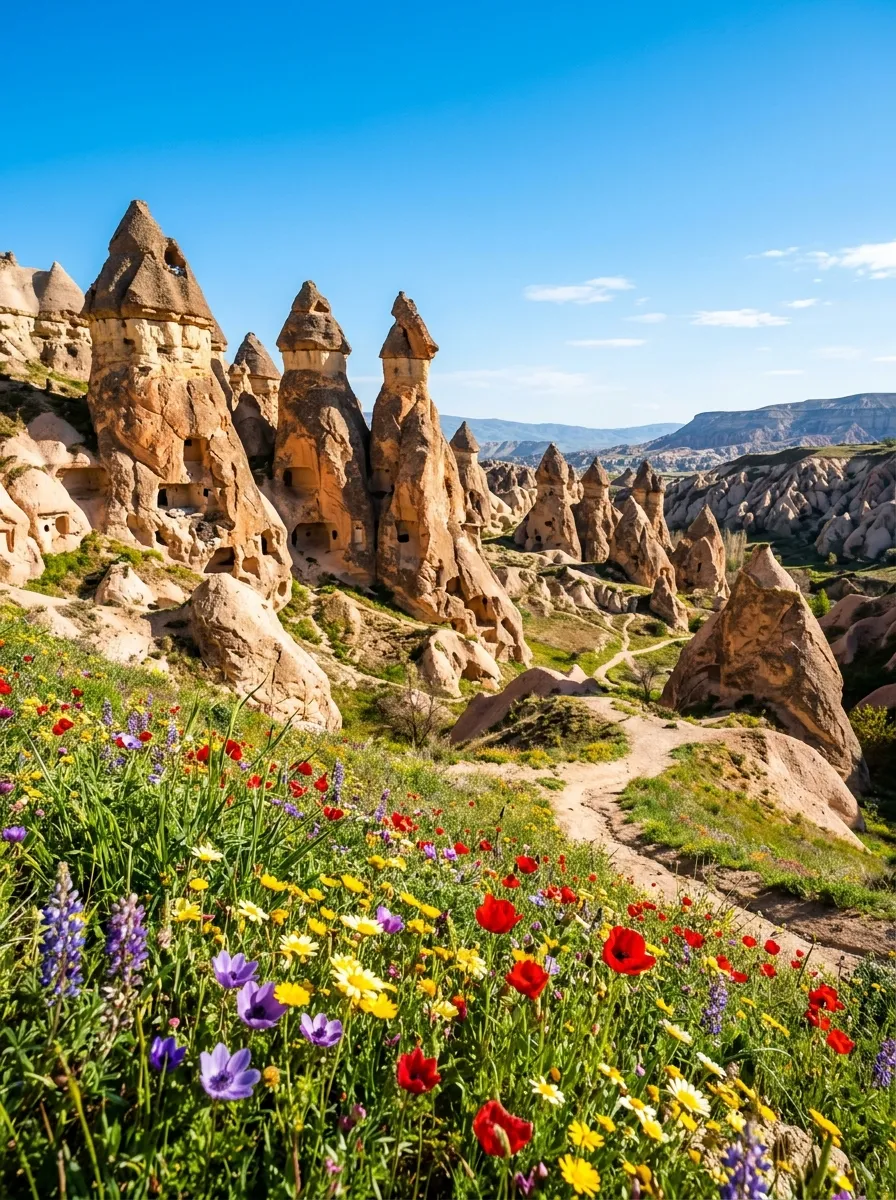
Cappadocia is a year-round destination, but the experience — and especially the balloon flights — varies noticeably by season.
- Spring (April–May) and fall (September–October) are widely considered the best windows: comfortable daytime temperatures, good balloon conditions, and manageable crowds compared to peak summer. Fall in particular brings the region’s Grape Harvest Festival, and it’s worth checking our list of 24 Unforgettable Things to Experience Around the World if you’re weighing Cappadocia against other October destinations, or the 15 Unforgettable Things to Experience This Month roundup if a November trip fits your schedule better.
- Summer (June–August) brings the highest crowds and hottest daytime temperatures, though mornings are still cool enough for comfortable balloon flights and early sightseeing.
- Winter (December–February) is dramatically quieter and can be stunning when snow dusts the fairy chimneys, but balloon flights are cancelled far more frequently due to wind and weather, and some cave hotels drop their rates significantly. If you’re drawn to a winter visit specifically, our guide to 12 AMAZING Places to Visit in Turkey in Winter 2025–2026 covers exactly what to expect and where else to combine it with in the country during the colder months.
- Whatever season you choose, build at least one buffer morning into your schedule if the balloon flight matters to you — see the next section for why.
The Hot Air Balloon Experience: What It Costs and What to Expect
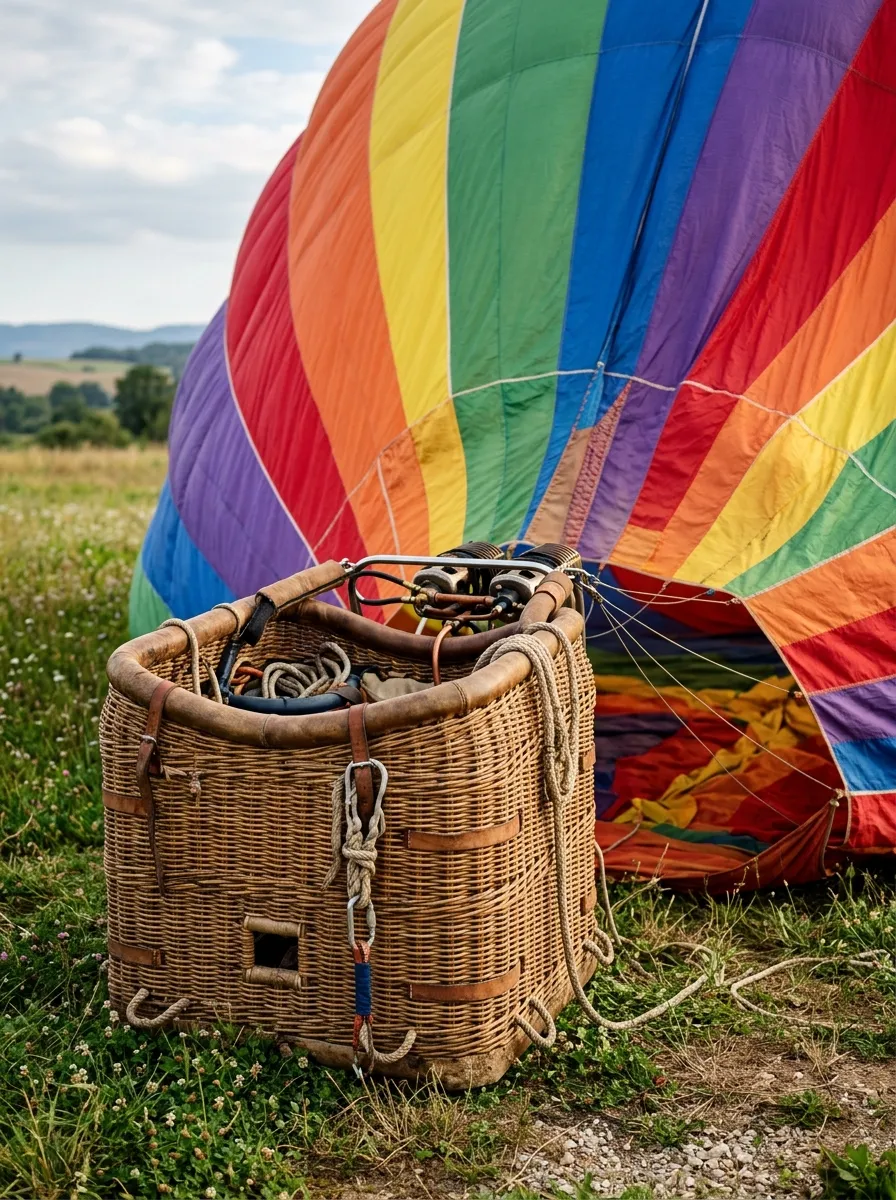
For most visitors, the sunrise balloon flight is the entire reason to come to Cappadocia, and it genuinely lives up to the hype — but it comes with a few things worth knowing before you book.
What it costs. Prices for 2026 range roughly from €80 to €300+ per person, typically quoted and charged in euros regardless of your home currency, and they vary by season and basket size. A standard flight puts you in a large basket with 20–28 passengers; more comfortable or deluxe options use smaller baskets with fewer passengers, giving you more room to move and photograph. Most packages include an early hotel pickup, a light breakfast before takeoff, a roughly hour-long flight, insurance, and a traditional champagne or juice toast with a flight certificate after landing.
Expect possible cancellation. This is the detail most first-time visitors underestimate. Turkey’s civil aviation authority closely monitors wind conditions and grounds all balloon flights — no exceptions — when conditions aren’t safe, sometimes with little advance notice. Because of this, it’s worth booking your balloon flight for your first morning in Cappadocia rather than your last, so that if it’s cancelled, you have another morning or two to try again before you leave. If you’re only in the region for one full day, understand that a cancellation could mean missing the flight entirely.
Booking tips. Book directly through a reputable, well-reviewed operator rather than the cheapest option you can find — balloon safety standards and operator quality do vary. Most hotels can also arrange bookings on your behalf, often with the same operators you’d find yourself. Confirm what’s included (breakfast, hotel transfer, insurance, flight duration) before paying, since packages differ more than the marketing suggests.
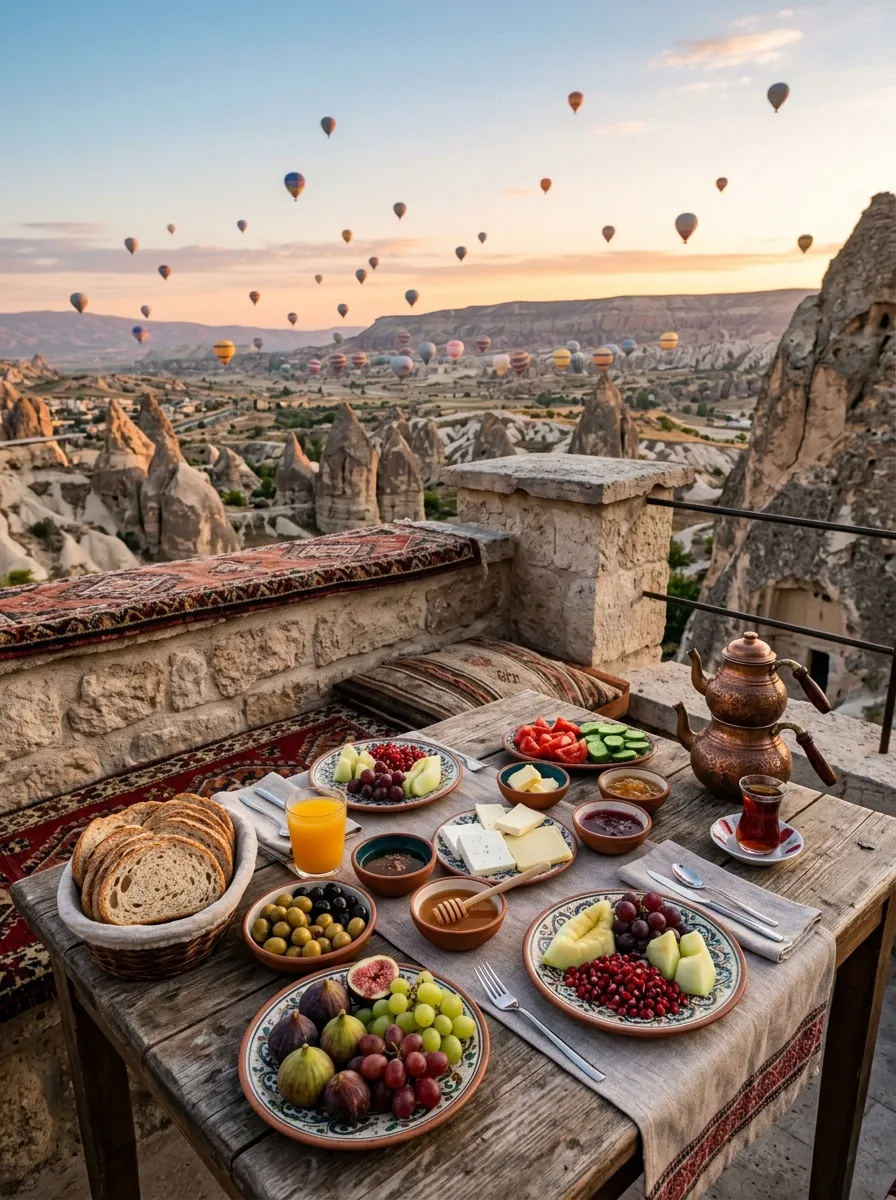
Getting the view without flying. If ballooning isn’t in your budget or you’d rather watch than fly, many hotels in Göreme and Uçhisar have terraces facing the right direction to watch the sunrise balloon launch from the ground — arrive early, since guests do stake out the best terrace spots for photos.
Where to Stay: Cave Hotels and Which Town to Choose
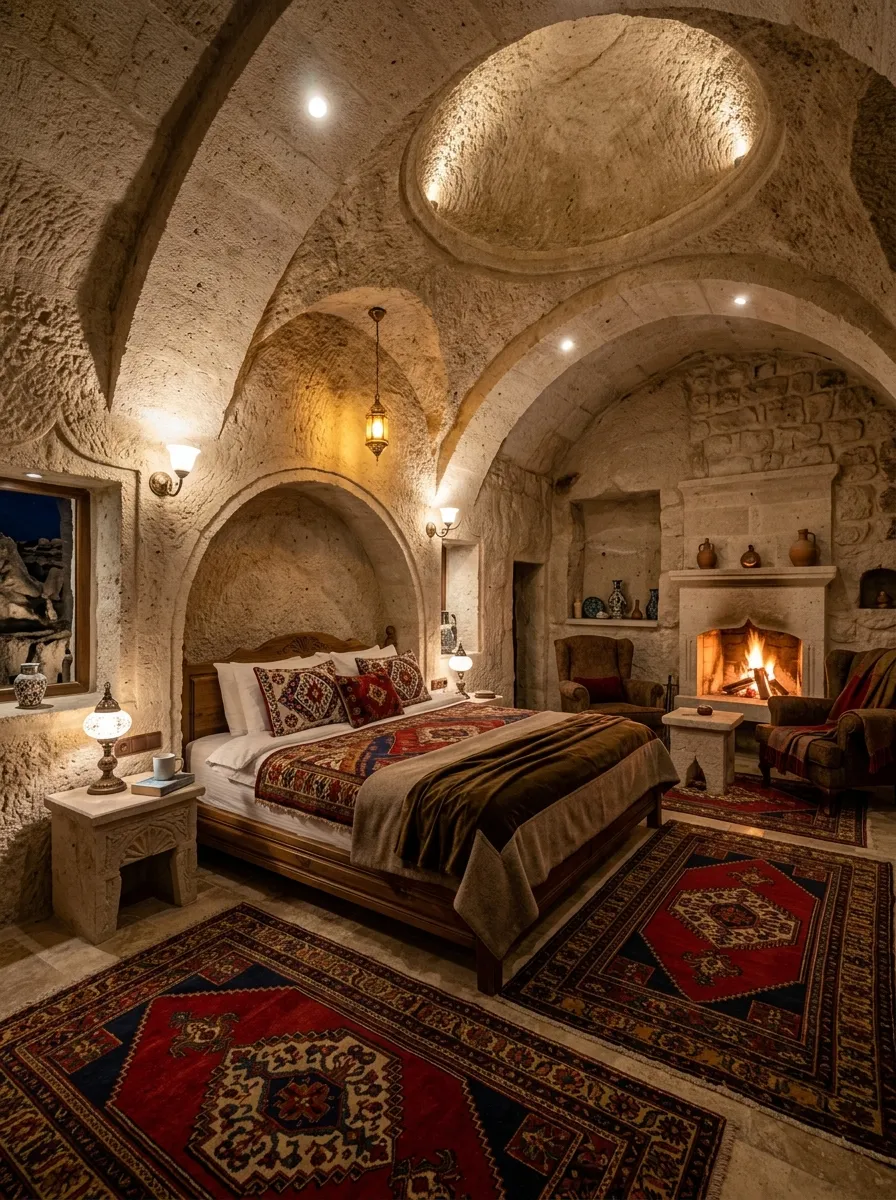
Sleeping in a genuine cave room carved into the rock is one of Cappadocia’s signature experiences, and the region’s hotels lean into it — from simple, budget-friendly cave guesthouses to genuinely luxurious cave suites with modern bathrooms, fireplaces, and private terraces.
Göreme is the most popular base, centrally located, packed with cave hotels across every budget, and within easy walking distance of several valley trailheads. It’s also the most touristy of the towns, so expect more crowds, especially near the balloon launch viewpoints at sunrise.
Uçhisar sits at the region’s highest point, dominated by Uçhisar Castle, and offers a quieter, slightly more upscale alternative to Göreme with excellent panoramic views — a strong pick if you want a cave hotel terrace with a genuinely spectacular balloon-watching vantage point.
Ürgüp is a bit farther from the main valleys but offers a more local, less tourist-saturated town feel, along with some excellent boutique cave hotels and a strong local wine scene, since the surrounding region has been producing wine for centuries.
Whichever town you choose, book your cave hotel well in advance for peak season (spring and fall), and if a terrace view for the sunrise balloon launch matters to you, confirm the room’s orientation specifically when booking rather than assuming.
Top Things to See and Do
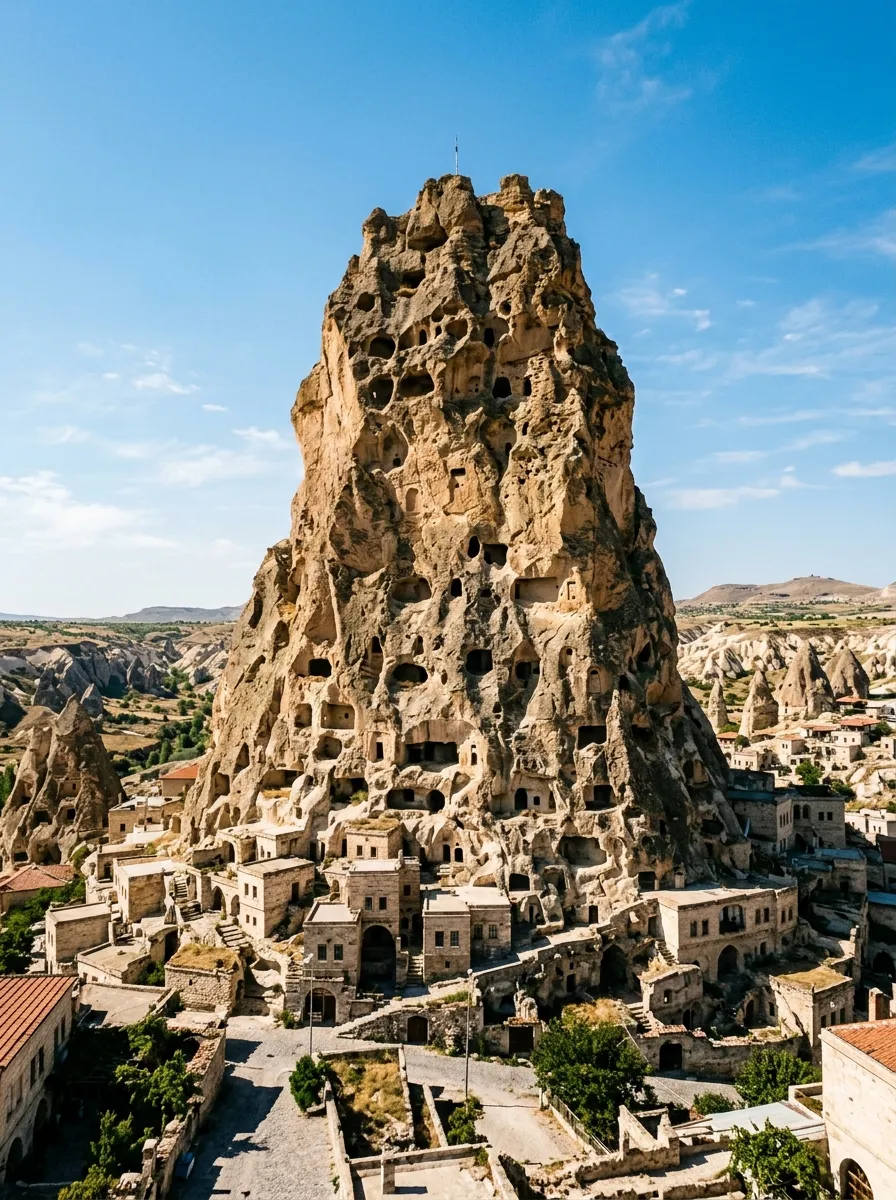
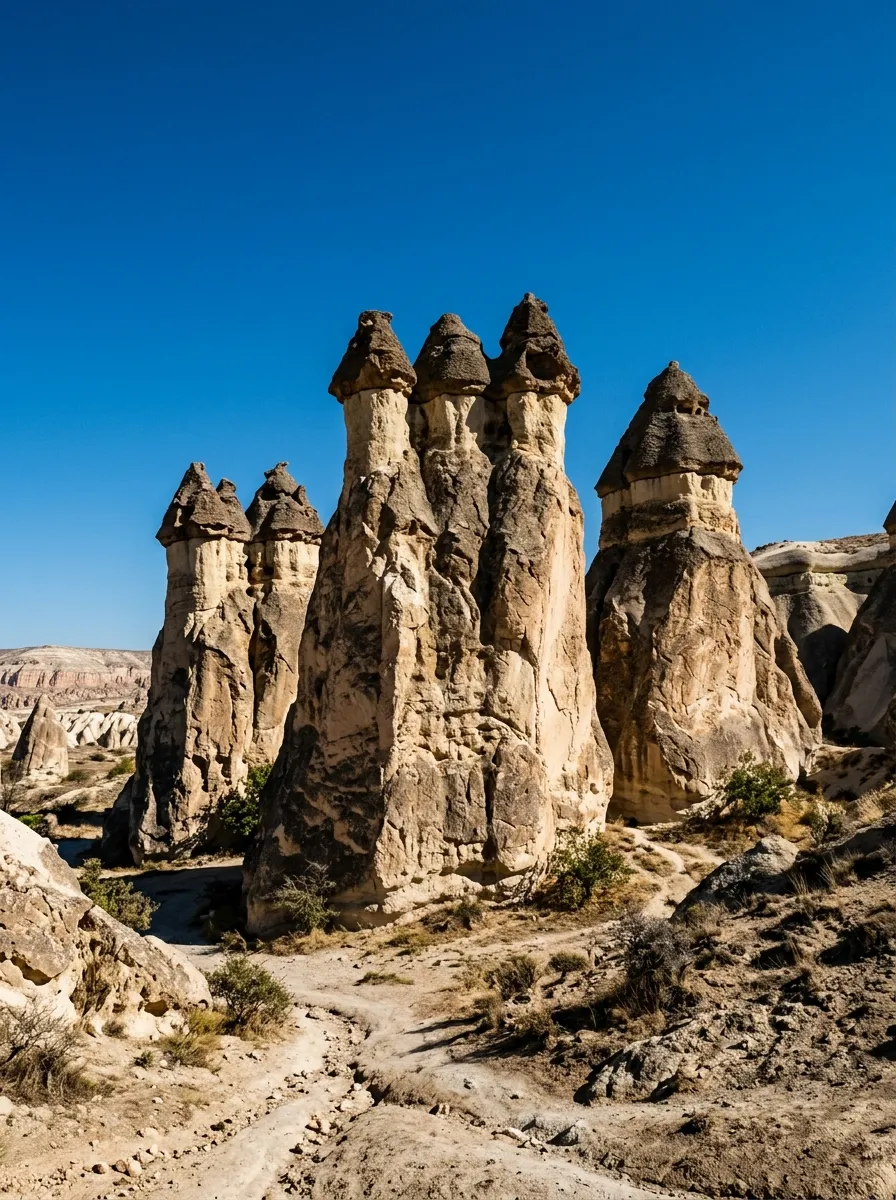
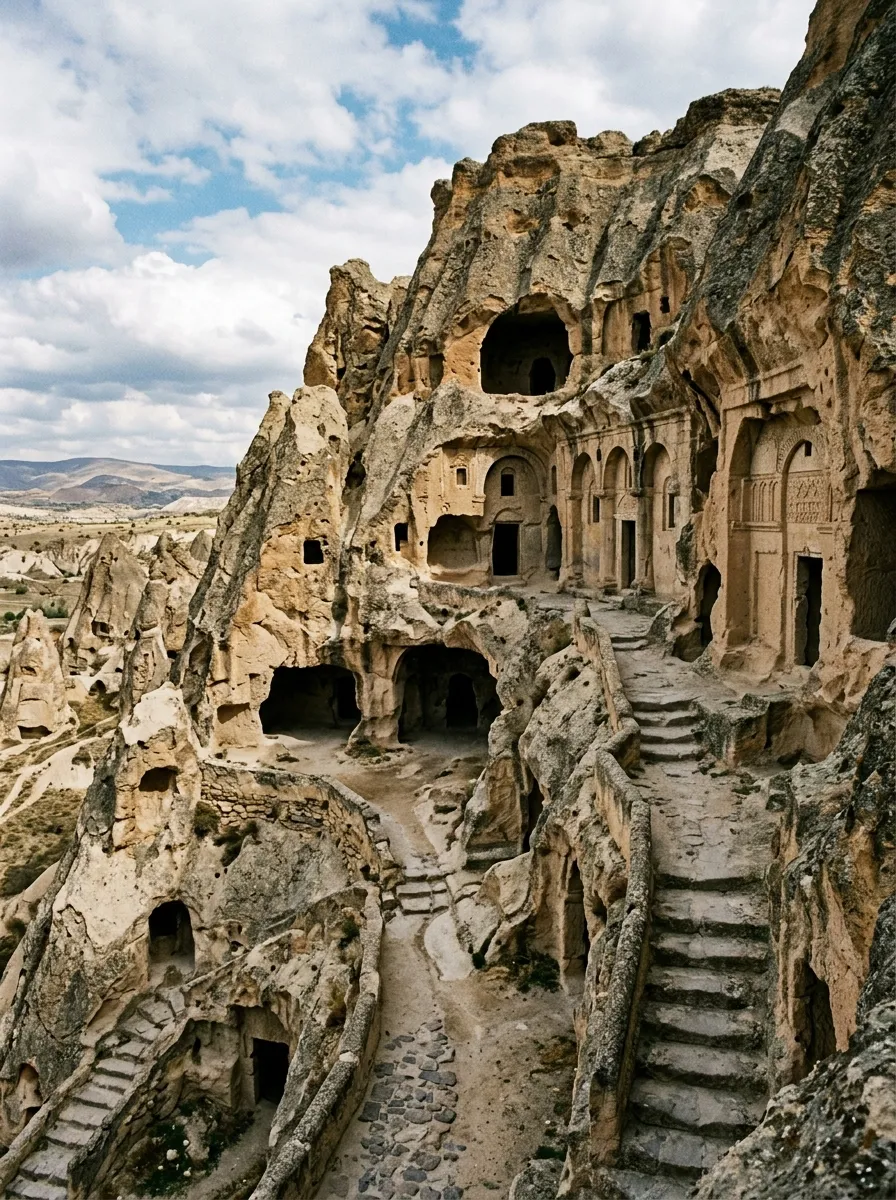
- Göreme Open-Air Museum. The single most visited site in the region, a cluster of rock-cut Byzantine churches and monasteries decorated with remarkably well-preserved frescoes, including the Dark Church, one of the most impressive rock-cut churches in Cappadocia. It’s a genuine highlight, though it does draw significant crowds — arrive early or late in the day to avoid the worst of it.
- Valley hiking. Cappadocia’s valleys — Love Valley, Rose Valley, Red Valley, and Pigeon Valley among the best known — offer some of the most rewarding free activities in the region. Trails wind between towering fairy chimneys and cave dwellings, and several connect Göreme directly to Uçhisar or other nearby towns, making for a satisfying half-day hike without any transport needed.
- Uçhisar Castle. A natural rock formation carved with tunnels and rooms over centuries, functioning historically as a fortress and lookout point. Climbing to the top rewards you with one of the best panoramic views in all of Cappadocia.
- Pasabag (Monks Valley). Home to some of the region’s most distinctive multi-headed fairy chimneys, this valley is compact enough to explore in under an hour but delivers some of Cappadocia’s most photogenic rock formations.
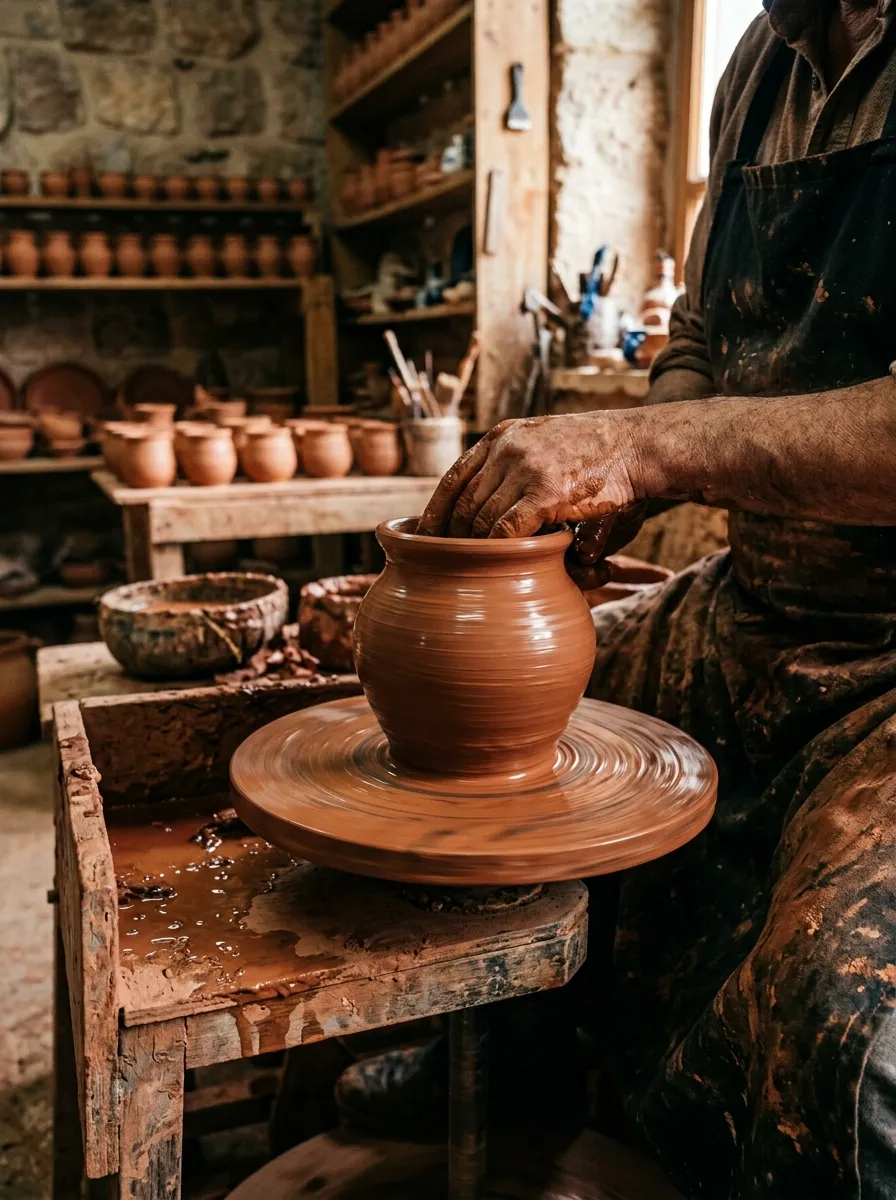
- Avanos and pottery workshops. This riverside town has been a center of pottery-making for centuries, using clay from the Kızılırmak River. Several workshops offer hands-on pottery classes and demonstrations, a nice change of pace from valley hiking and church-hopping.
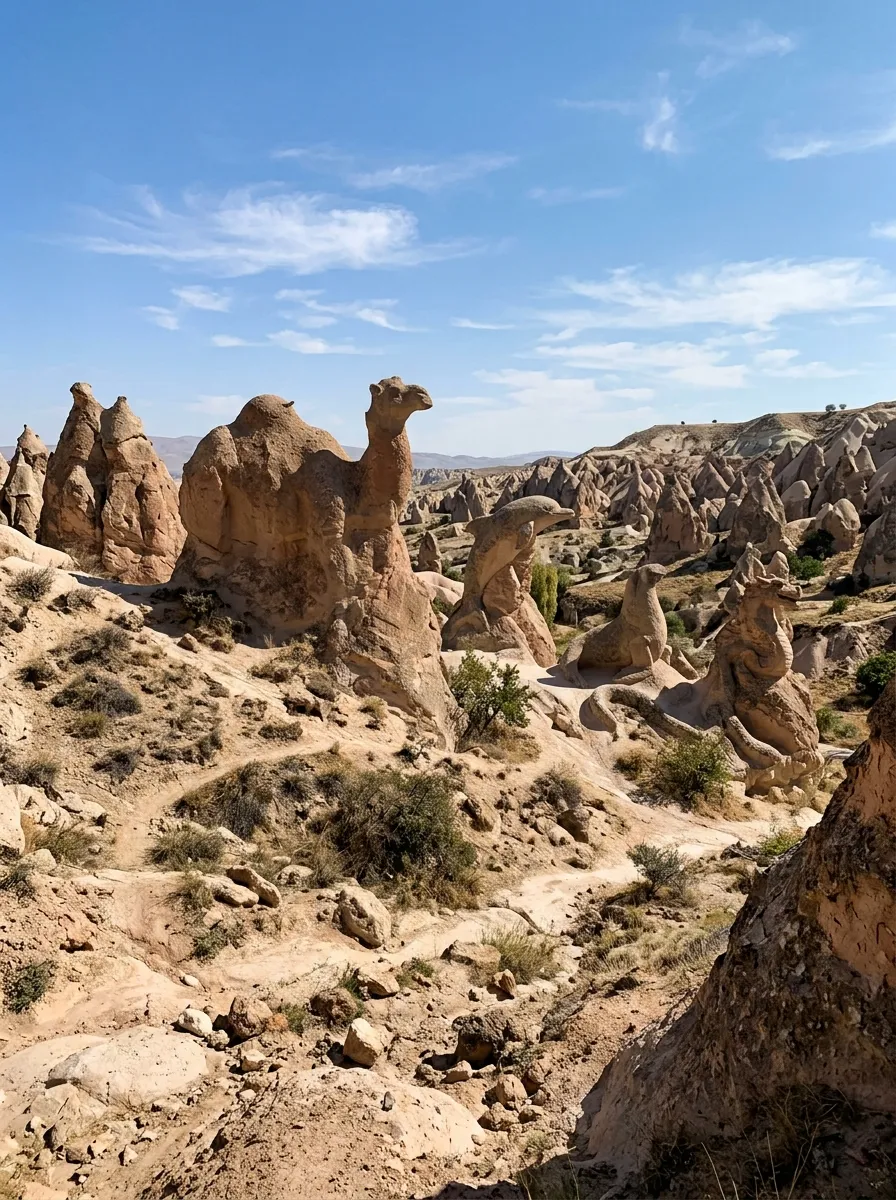
- Devrent Valley (Imagination Valley). Known for rock formations that resemble animals and familiar shapes, this valley is a favorite for an easy, low-effort stop, often combined with Pasabag on a half-day loop.
- Wine tasting in Ürgüp. Cappadocia’s volcanic soil has supported vineyards for centuries, and a growing number of local wineries offer tastings — a good way to spend an evening after a day of hiking and sightseeing.
- Mountain biking. The valleys around Göreme have well-established biking trails ranging from beginner-friendly to genuinely challenging, and rental shops in town make this an easy, budget-friendly way to cover more ground than walking allows.
Underground Cities: Derinkuyu and Kaymaklı
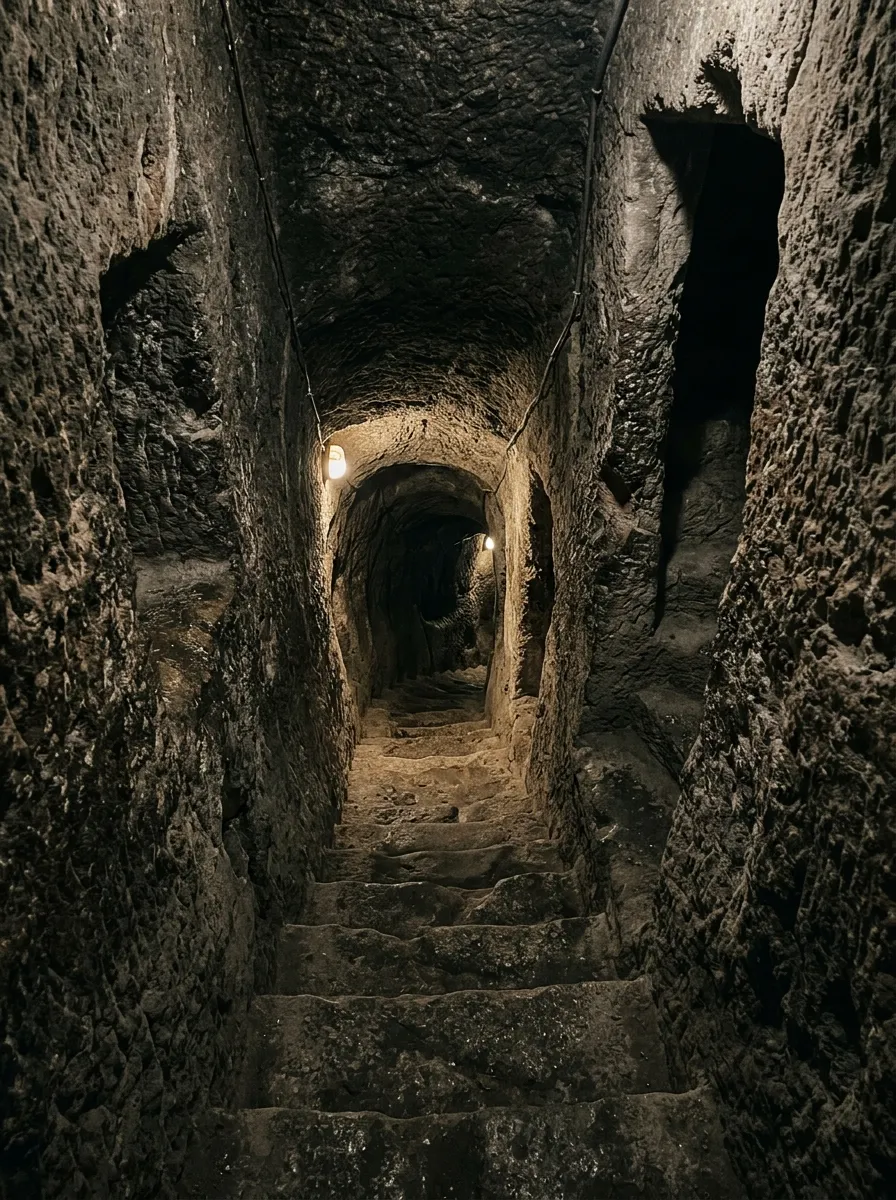
Beneath Cappadocia’s surface lies one of the region’s most genuinely astonishing features: multi-level underground cities carved by early inhabitants, originally used as refuges during invasions and periods of conflict.
Derinkuyu is the largest known underground city in Turkey, descending roughly five levels and historically capable of sheltering as many as 20,000 people along with their livestock and supplies. It was only rediscovered in 1963, and visitors today can explore ventilation shafts, communal kitchens, stables, and chapels carved directly into the rock.
Kaymaklı, located about 20km south of Nevşehir, offers four levels open to the public, including a church, main living quarters, and storage and workshop areas — remarkably, tunnels are known to have connected it to Derinkuyu itself.
Both sites charge an entrance fee (in the range of several hundred Turkish lira for adults, though this is worth confirming closer to your visit, as admission prices for Turkish heritage sites have risen with inflation in recent years) and are open daily, with slightly reduced hours in the winter months. If you only have time for one, Derinkuyu is generally considered the more impressive and extensive of the two, though Kaymaklı is often less crowded.
A practical note: these cities involve narrow, low-ceilinged tunnels and a fair amount of stooping and ducking — not ideal if you’re claustrophobic or have significant mobility limitations.
Suggested Itinerary
3-Day Cappadocia Itinerary
- Day 1: Arrive, settle into your cave hotel, and spend the afternoon exploring Göreme town and a nearby valley trail (Pigeon Valley or Rose Valley). If your hotel has a good terrace, scope it out for tomorrow’s sunrise.
- Day 2: Wake before dawn for your hot air balloon flight (book this for your first full morning in case of weather cancellation). After breakfast, visit the Göreme Open-Air Museum, then spend the afternoon at Uçhisar Castle and a walk through Love Valley.
- Day 3: Visit Derinkuyu or Kaymaklı underground city in the morning, then head to Pasabag and Devrent Valley for a lighter afternoon of easy sightseeing and photography. If you have energy left, end the day with a wine tasting in Ürgüp.
Extend to 4–5 days if you want to add a pottery workshop in Avanos, a full day of mountain biking through the valleys, or a second balloon flight attempt if your first was weathered out.
What to Pack
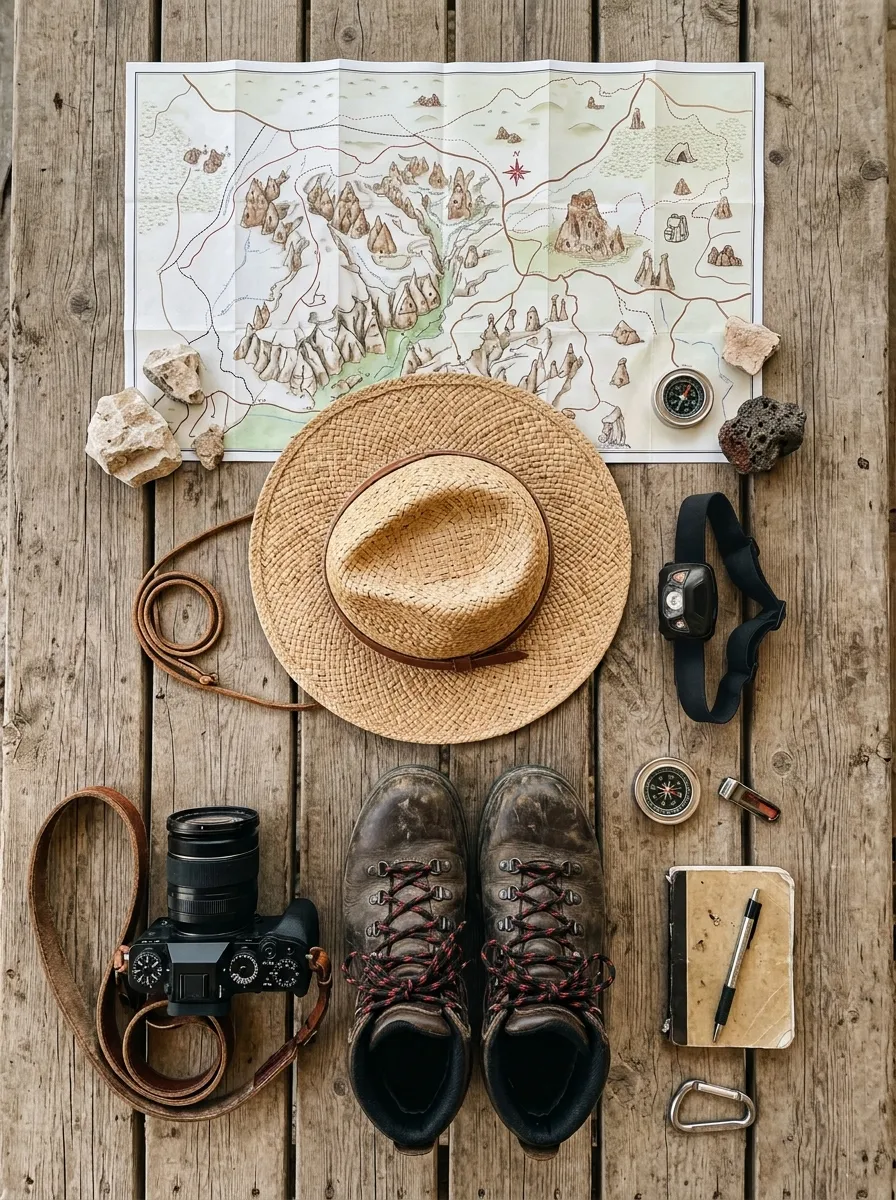
- Layers. Mornings for the balloon flight are cold, even in summer, but temperatures rise quickly once the sun is up.
- Sturdy walking shoes. Valley trails involve uneven, sometimes dusty or rocky terrain — trainers or light hiking shoes work well.
- A headlamp or flashlight for underground city visits, though most sites are lit, having your own light is useful for reading plaques and navigating narrower sections.
- Sun protection, since much of the valley hiking has little to no shade during midday.
- A camera with a wide lens if you have one, given how much of Cappadocia’s appeal is sweeping landscape photography — the balloon flight and valley viewpoints reward it.
- Cash in Turkish lira for smaller vendors, local buses, and tips, even though cards are widely accepted at hotels and larger restaurants.
- A light scarf or modest clothing if you plan to visit mosques or religious sites during your trip.
Practical Tips and Common Mistakes
- Don’t book your balloon flight for your last morning. Weather cancellations are common enough that this single scheduling choice can be the difference between experiencing the flight and missing it entirely.
- Confirm your airport-to-hotel transfer in advance, especially for late-night arrivals, since both regional airports sit well outside the towns most visitors stay in.
- Don’t try to see both underground cities in one day unless you’re genuinely fascinated by them — one well-explored city gives you the full experience, and the time is often better spent on a valley hike or the Open-Air Museum instead.
- Book cave hotels early for spring and fall travel, since the best-located and most atmospheric properties fill up months ahead of peak season.
- Wear layers you can shed quickly — the temperature swing between a cold pre-dawn balloon launch and a warm midday valley hike is significant.
- Bring cash for the underground cities and smaller local vendors, since not every site or shop accepts cards, especially outside the main towns.
- Pace your sightseeing. Cappadocia rewards slow, unhurried exploration — trying to cram every valley, museum, and underground city into two days tends to leave visitors exhausted rather than delighted.
Frequently Asked Questions
Q: Is the hot air balloon flight worth the cost? For the vast majority of visitors?
Anser: yes — it’s consistently described as one of the most memorable travel experiences in the world, offering a perspective on the landscape you simply can’t get from the ground. Just budget for the real possibility of a weather cancellation.
Q: How many days should I spend in Cappadocia?
Three days covers the essentials comfortably, including a buffer morning for the balloon flight; four to five days allows a more relaxed pace with room for pottery workshops, wine tasting, and extra hiking.
Q: Is Cappadocia safe for tourists?
Yes, the region is considered very safe and welcoming to tourists, with a well-established, tourism-focused local economy. Standard travel precautions apply, as anywhere.
Q: Do I need a guide to explore Cappadocia?
Not necessarily. Valley hikes, the Open-Air Museum, and the underground cities are all navigable independently with a map or offline GPS app, though a knowledgeable local guide can add valuable historical context, particularly at the underground cities and rock-cut churches.
Q: What’s the best town to stay in — Göreme, Uçhisar, or Ürgüp?
Göreme offers the most convenience and choice, Uçhisar the best views with a quieter atmosphere, and Ürgüp a more local feel with excellent wine. There’s no wrong choice — it depends on whether you prioritize convenience, views, or atmosphere.
Q: Can I visit Cappadocia as a day trip from Istanbul?
Technically possible by flying in and out the same day, but strongly not recommended — you’d miss the sunrise balloon flight entirely and barely scratch the surface of what the region offers. At minimum, plan for two nights
Final Thoughts:
Cappadocia is one of those rare destinations that genuinely earns its reputation — a landscape shaped by volcanic history and human ingenuity in equal measure, best experienced slowly, from a cave hotel terrace at dawn, a hiking trail through the valleys by day, and, conditions permitting, a balloon drifting silently over it all. Plan around the weather, book your cave stay early, and give yourself enough mornings to make sure you actually get that flight.
If Cappadocia has you hooked on destinations built around a single unforgettable sunrise or sunset shot, it’s worth adding an entirely different kind of icon to your list — our Complete 2026–27 Guide to Maine’s Most Photographed Coastal Icon covers Pemaquid Point Lighthouse, proof that dramatic light and a striking silhouette can make a destination just as memorable on the coast of Maine as it is over the fairy chimneys of Turkey.