25 Fun Things to Do on a Road Trip That Make Every Mile Part of the Adventure
A good road trip is not merely transportation stretched across several days. It is a moving vacation, part scenic tour, part snack experiment, and part group psychology exercise conducted inside a metal box with cupholders.
The destination matters, of course, but the most memorable moments often happen between the planned stops: discovering a tiny bakery in an unfamiliar town, pulling over for an unexpected viewpoint, hearing everyone sing the same chorus badly or watching the landscape shift from city blocks to farmland, desert or mountains.
The challenge is keeping the journey enjoyable without turning it into an exhausting parade of attractions. Too few stops make passengers restless and drivers tired. Too many turn a four-hour route into an eleven-hour expedition involving three gift shops and a growing resentment toward scenic overlooks.
This guide covers 25 practical and entertaining things to do on a road trip, including games, food stops, photography, outdoor activities, family ideas and ways to make solo drives more enjoyable. It also explains how frequently to stop, what to prepare before departure and how to balance spontaneity with road safety.
Official safety guidance should remain the foundation of every road trip. The National Highway Traffic Safety Administration recommends checking the vehicle before departure, wearing seat belts, avoiding distraction and impairment, obeying speed limits and never driving while drowsy.
Recommended Travel Items for Your Trip
ROAD TRIP AT A GLANCE
Best free activity: Scenic viewpoints and short walks
Best group activity: Collaborative playlist or travel trivia
Best family activity: Road-trip scavenger hunt
Best food idea: One local specialty in each region
Best rainy-day stop: Museum, historic site or indoor market
Best way to prevent fatigue: Break approximately every two hours
Most useful preparation: Download maps and check the vehicle
Ideal daily driving time: Usually four to six hours for a sightseeing trip
Golden rule: The driver’s attention belongs entirely to the road
Best Road Trip Activities Compared
| Activity | Best For | Typical Time | Cost | Planning Needed |
| Scenic overlook | Everyone | 10–30 minutes | Free | Low |
| Local food stop | Couples and groups | 30–90 minutes | $–$$ | Low |
| Short hike | Active travelers | 30 minutes–3 hours | Free–$ | Medium |
| Road-trip game | Families and friends | Flexible | Free | Low |
| Museum or historic site | Rainy days | 1–3 hours | $–$$ | Medium |
| Picnic | Budget travelers | 30–60 minutes | $ | Medium |
| Photography challenge | Creative travelers | Flexible | Free | Low |
| National park stop | Nature lovers | 2 hours–full day | Free–$$ | High |
| Small-town walk | Couples and solo travelers | 30–90 minutes | Free | Low |
| Stargazing | Campers and couples | 30–90 minutes | Free | Medium |
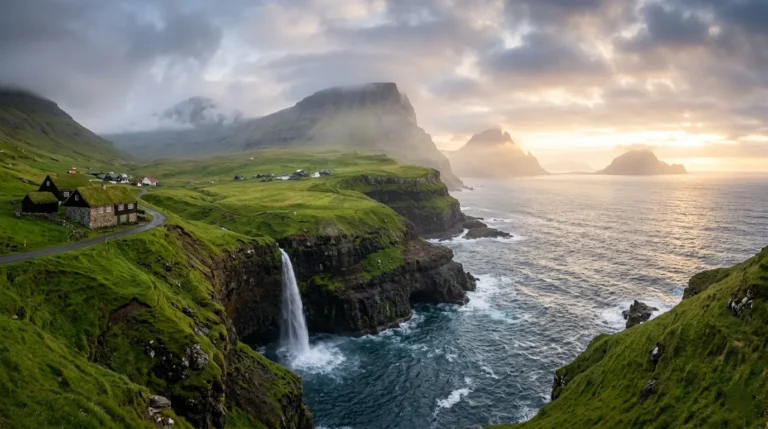
1. Stop at Scenic Viewpoints
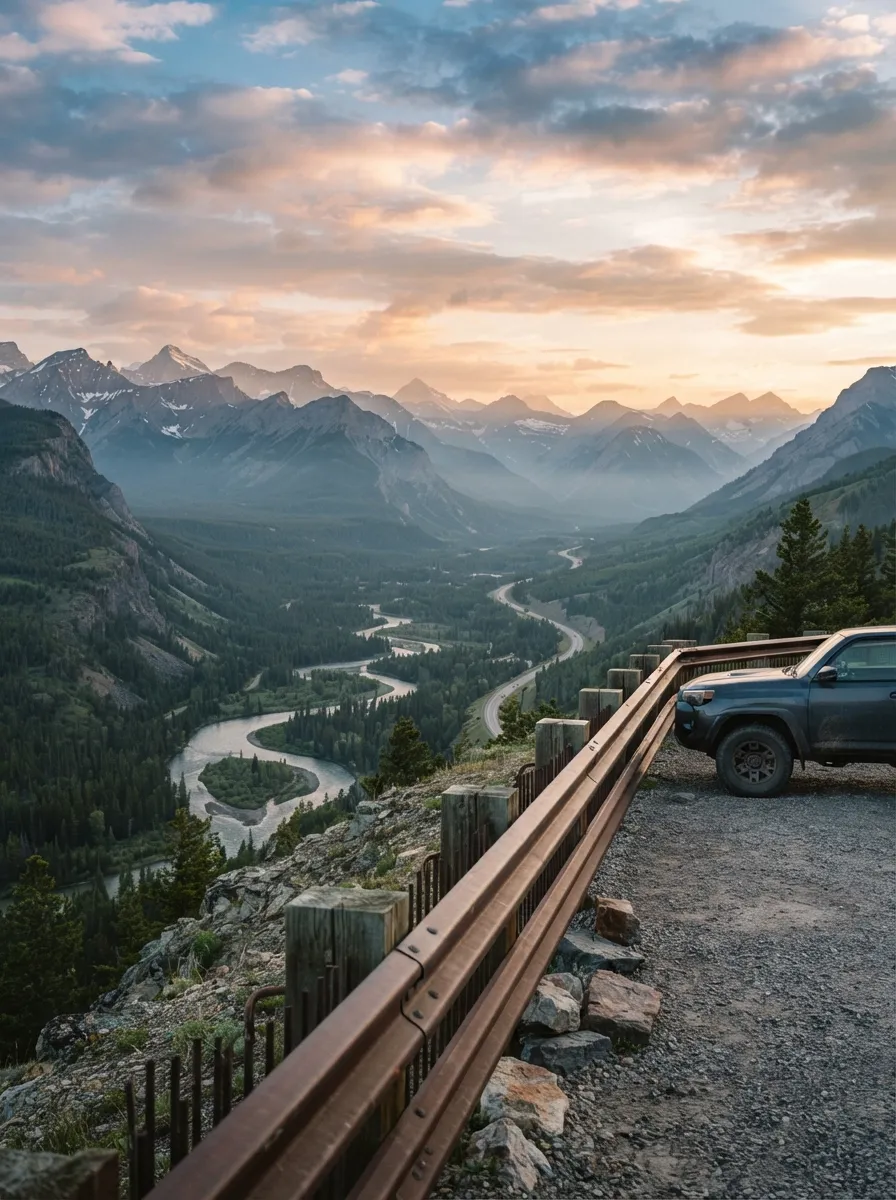
Scenic overlooks are the simplest way to make the journey feel intentional rather than endured.
Look for mountain passes, coastal pullouts, river valleys, desert viewpoints and elevated rest areas. A ten-minute stop can refresh the driver, improve everyone’s mood and provide a clearer memory of the route than another hour viewed through the windshield.
Only stop at designated pullouts. Never park on a narrow shoulder or slow suddenly because the scenery has become persuasive.
Before leaving the car:
- Check for approaching traffic
- Keep children away from road edges
- Lock the vehicle
- Take valuables with you
- Follow fences and warning signs
- Avoid unstable cliff edges
Travelers who build trips around dramatic landscapes may enjoy these spectacular Scottish viewpoints when planning a future scenic route.
2. Create a Road-Trip Playlist
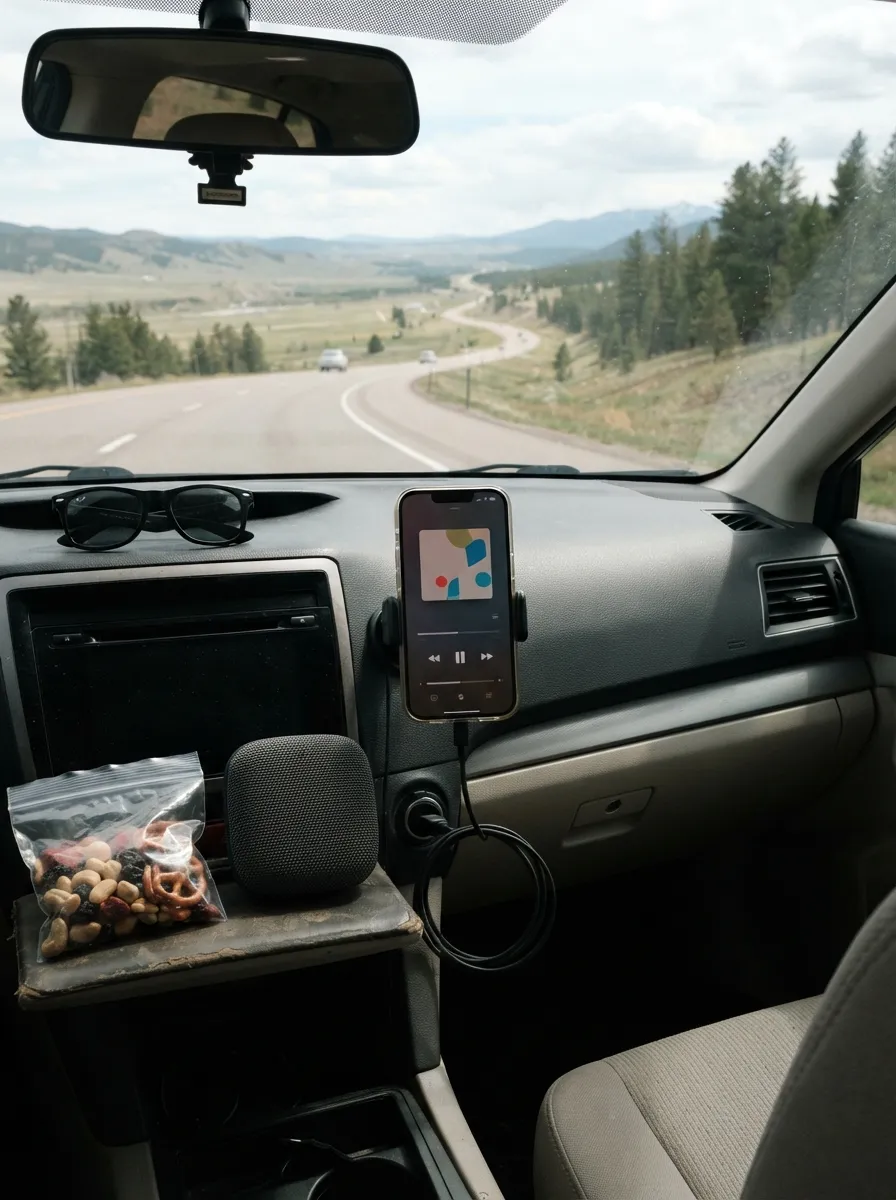
A collaborative playlist gives each passenger a small piece of control over the journey.
Ask everyone to contribute:
- Five favorite songs
- One song associated with the destination
- One nostalgic choice
- One deliberately ridiculous track
- One calm song for evening driving
Download the playlist before departure because rural cellular coverage may disappear precisely when the group reaches its most musical stretch of highway.
Keep volume low enough for the driver to hear horns, emergency vehicles and unusual sounds from the car.
3. Try One Local Food in Every Region
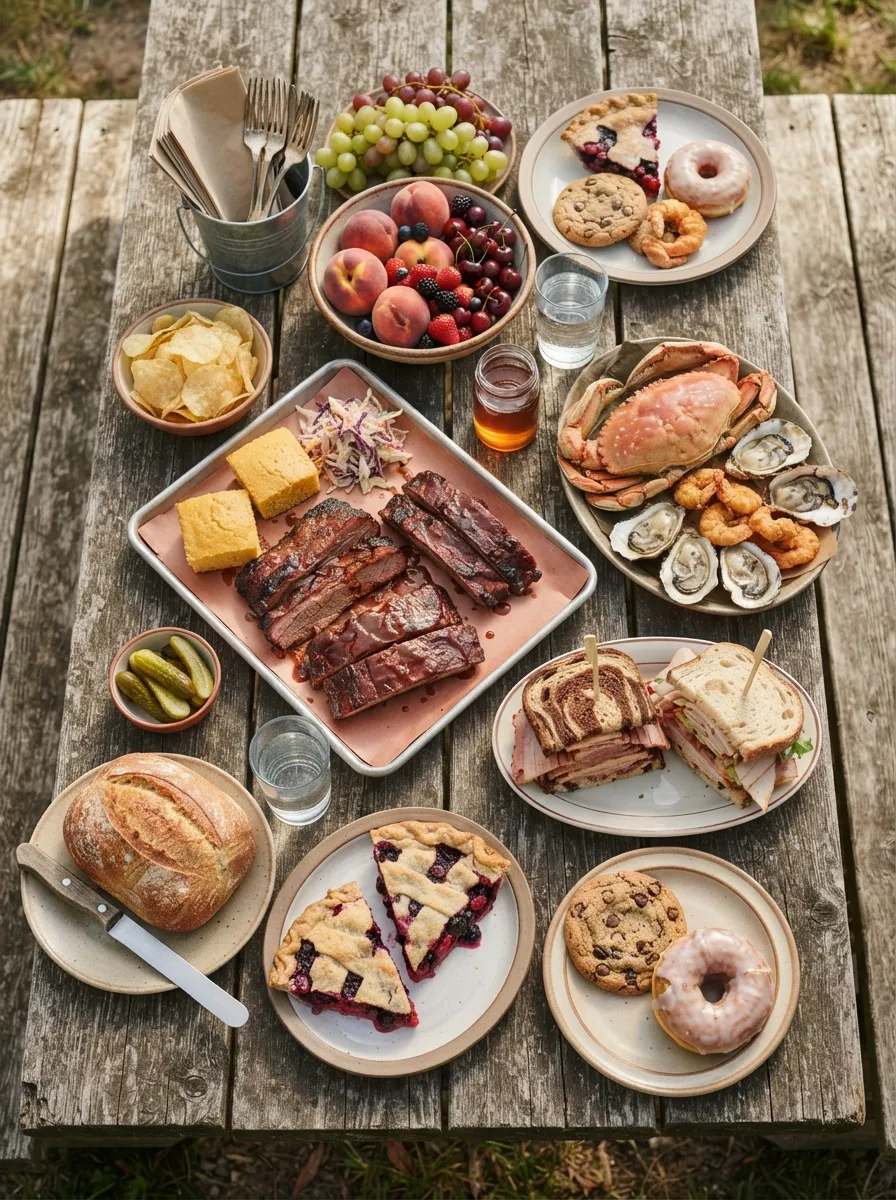
A road trip becomes much more memorable when meals reflect the places being crossed.
Instead of relying entirely on familiar chains, look for:
- Regional barbecue
- Local bakeries
- Roadside fruit stands
- Seafood near the coast
- Small-town diners
- Farmers markets
- Regional sandwiches
- Historic soda fountains
- Family-owned cafés
- Local desserts
Do not make every meal a major event. One signature stop per day usually creates enough culinary personality without consuming the itinerary.
Check opening hours before driving far out of the way. Small-town restaurants may close early, operate seasonally or take unexpected midweek breaks.
4. Pack a Picnic
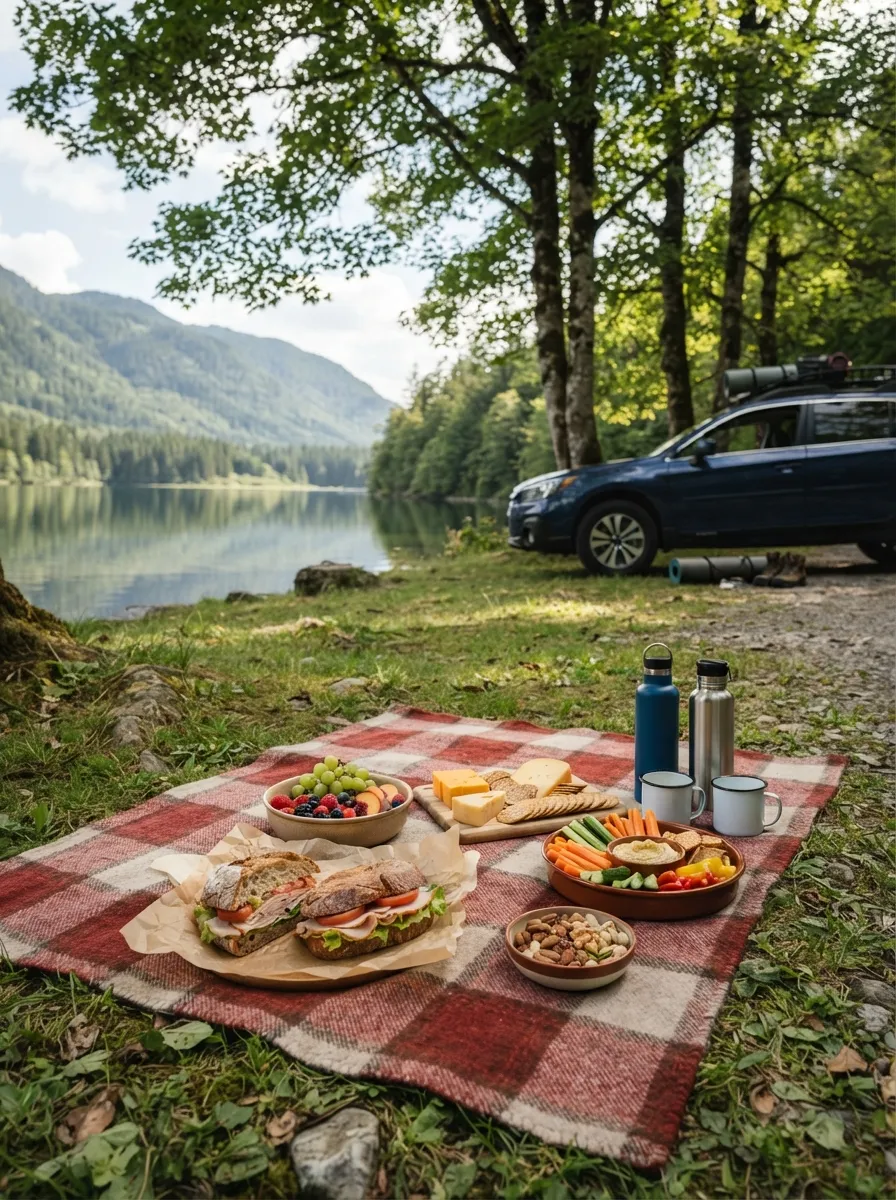
A picnic saves money and turns an ordinary rest stop into a proper break.
Good road-trip picnic foods include:
- Sandwiches or wraps
- Hard cheese
- Crackers
- Fruit
- Cut vegetables
- Nuts
- Shelf-stable dips
- Reusable bottles
- Individually packed treats
Use a cooler for anything requiring refrigeration and keep raw or easily spoiled food separate.
Choose established picnic areas rather than private property. National parks, state parks, lakes, scenic byways and many highway rest areas provide tables or shaded spaces.
5. Play a Road-Trip Scavenger Hunt
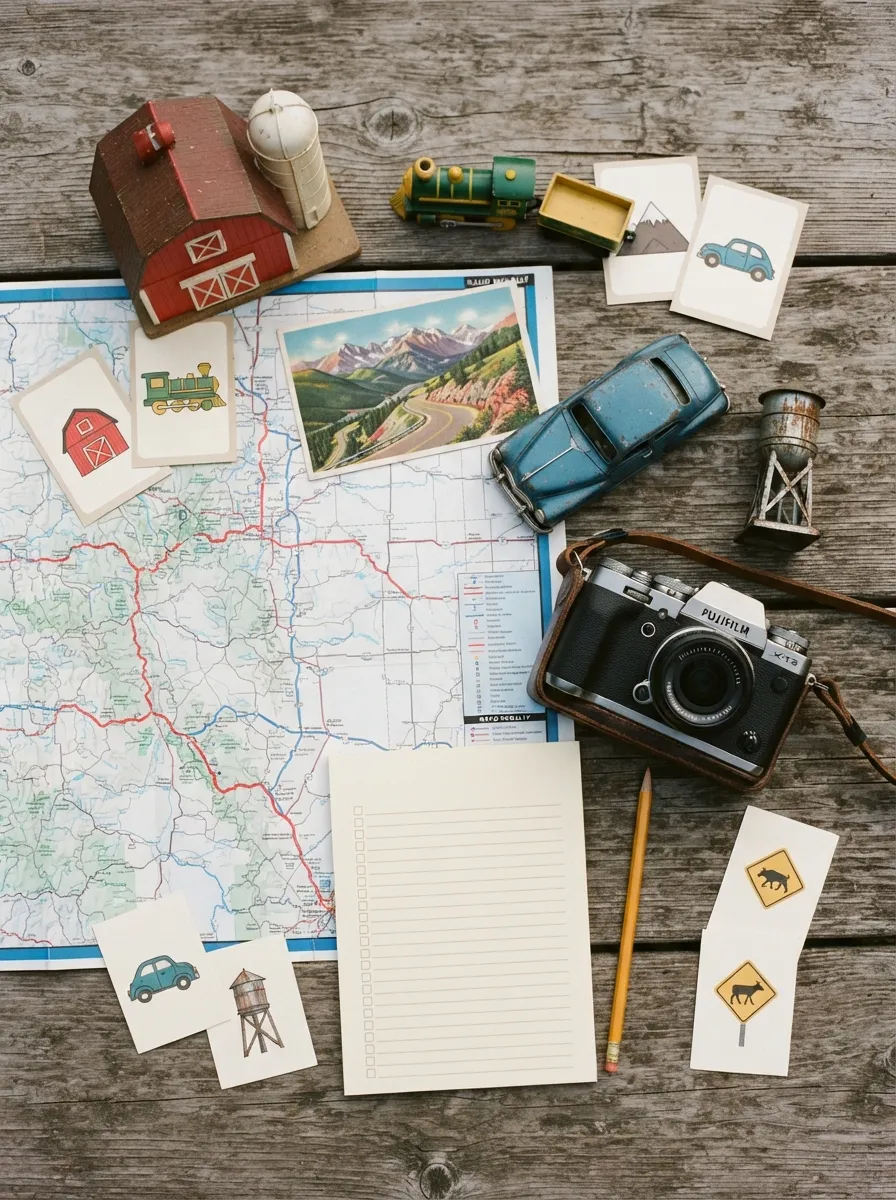
A scavenger hunt works particularly well for children but can become surprisingly competitive among adults.
Create a list containing items such as:
- A red barn
- A state welcome sign
- A train
- A vintage car
- A mountain
- A roadside statue
- An animal crossing sign
- A town with an unusual name
- A water tower
- A vehicle from another country or distant state
Passengers can photograph each item or simply mark it on a printed list.
The driver must never participate visually or use a phone. Their scavenger-hunt assignment is to continue delivering everyone safely to civilization.
6. Explore a Small Town
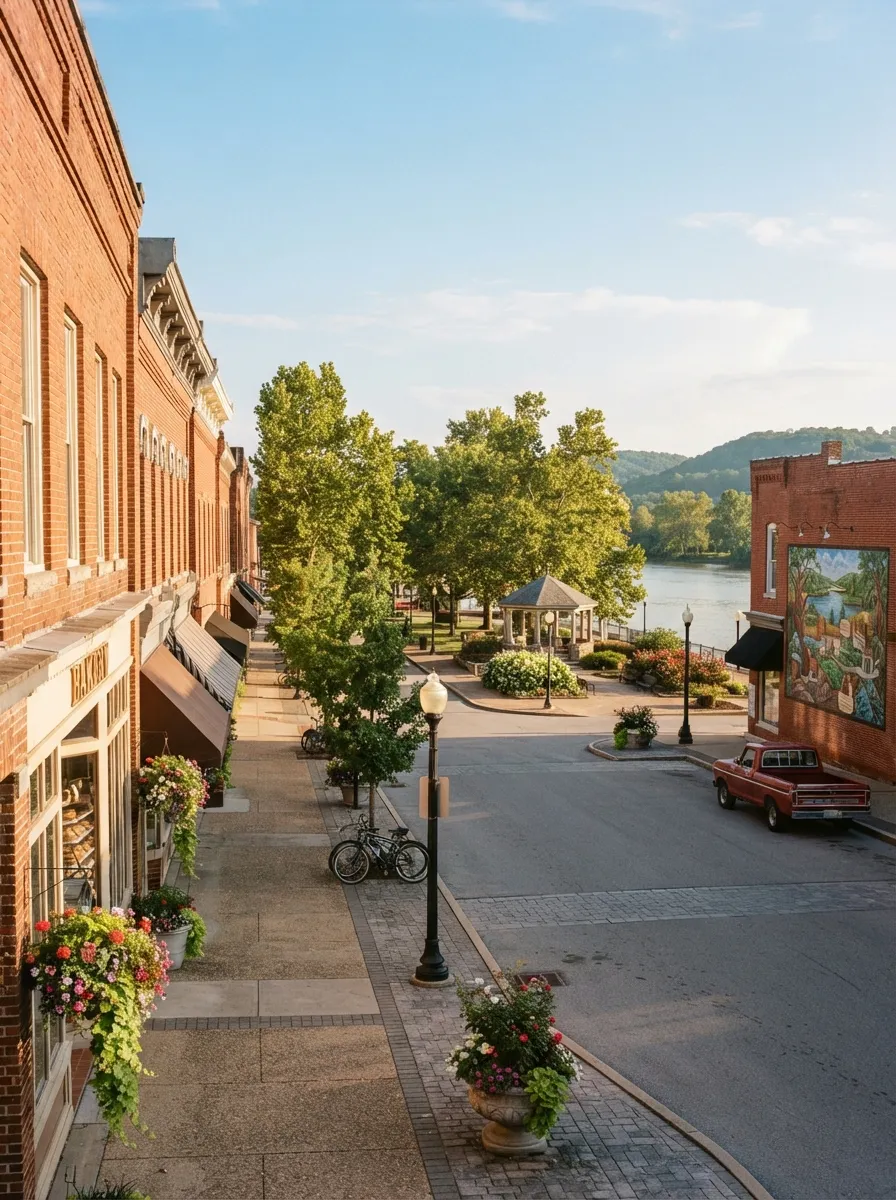
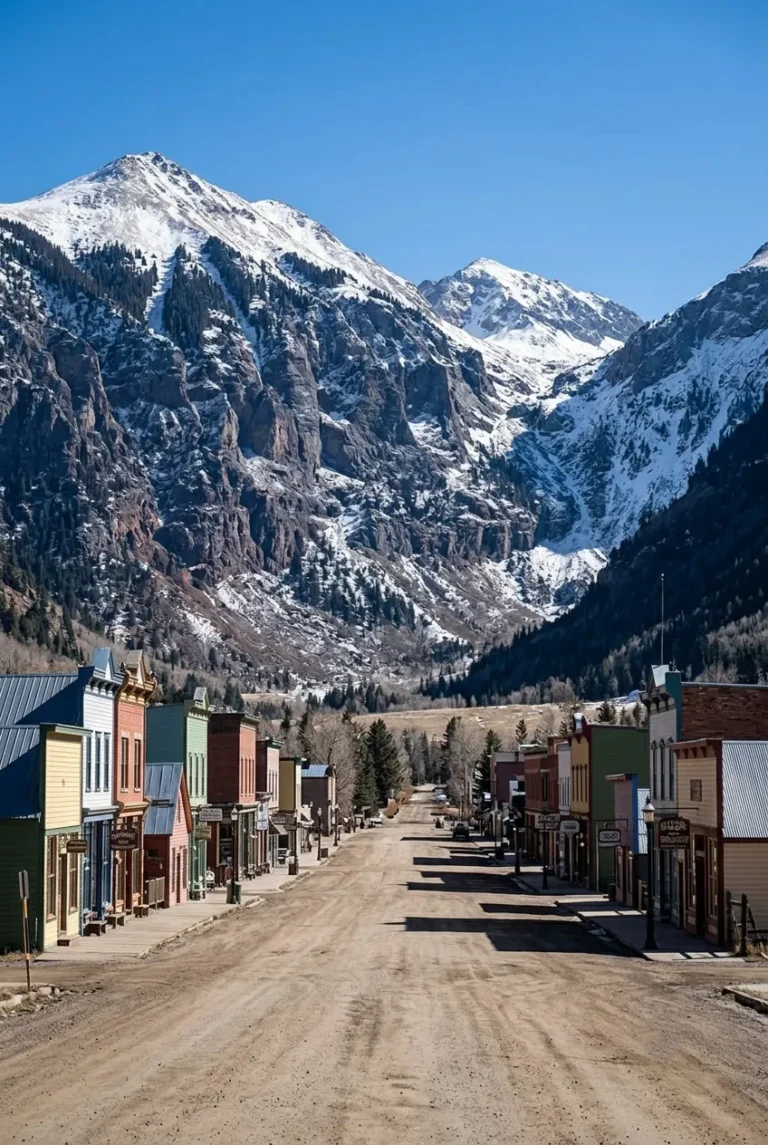
Large attractions are easy to research. Small towns are where road trips often gain their personality.
Choose one or two towns with:
- A walkable main street
- Historic architecture
- A public square
- A local museum
- Independent shops
- A bakery or café
- A riverfront
- Public murals
Allow 45 to 90 minutes rather than treating the town as a photograph taken through a moving window.
Respect residential areas and avoid blocking driveways while pursuing the ideal postcard angle.
7. Visit a Roadside Attraction
Roadside attractions add a welcome dose of eccentricity to long routes.
Depending on the region, you might find:
- Oversized sculptures
- Historic gas stations
- Unusual museums
- Geological oddities
- Route 66 landmarks
- Giant fruit, animals or household objects
- Film locations
- Record-breaking structures
Not every roadside attraction will be profound. Some exist because a person once looked at an empty field and decided it needed a twenty-foot dinosaur. That is reason enough.
Research admission prices and hours before detouring.
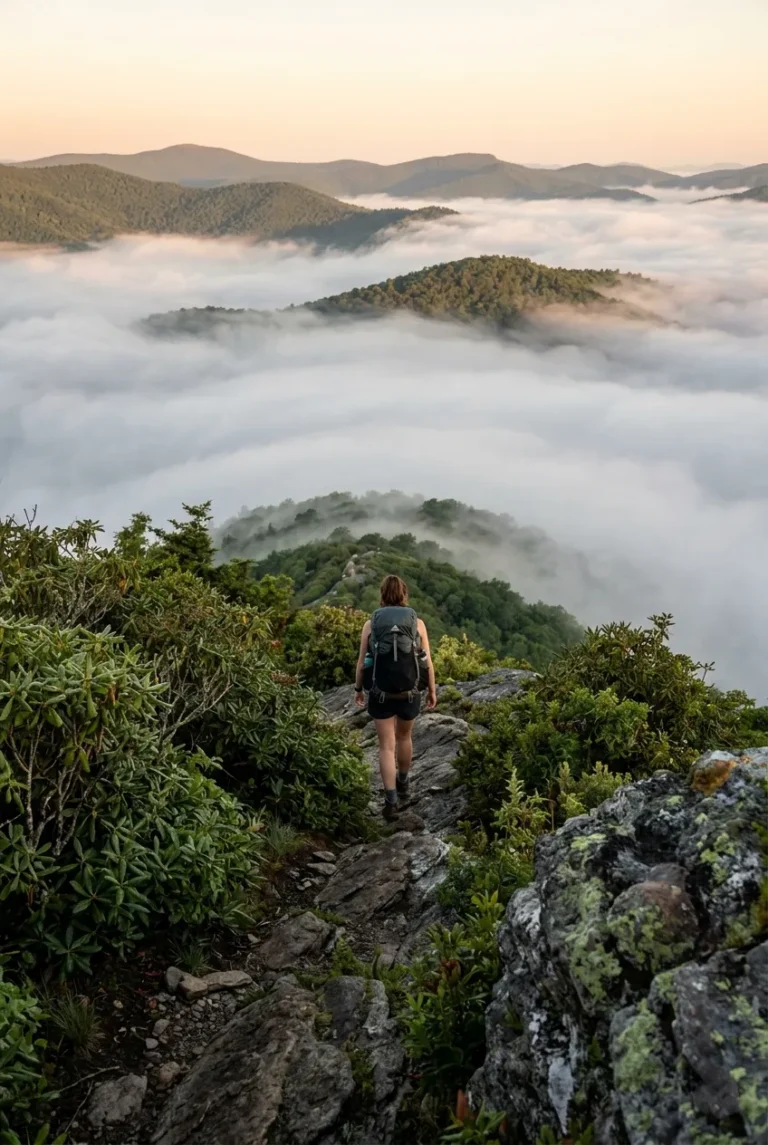
8. Take a Short Hike
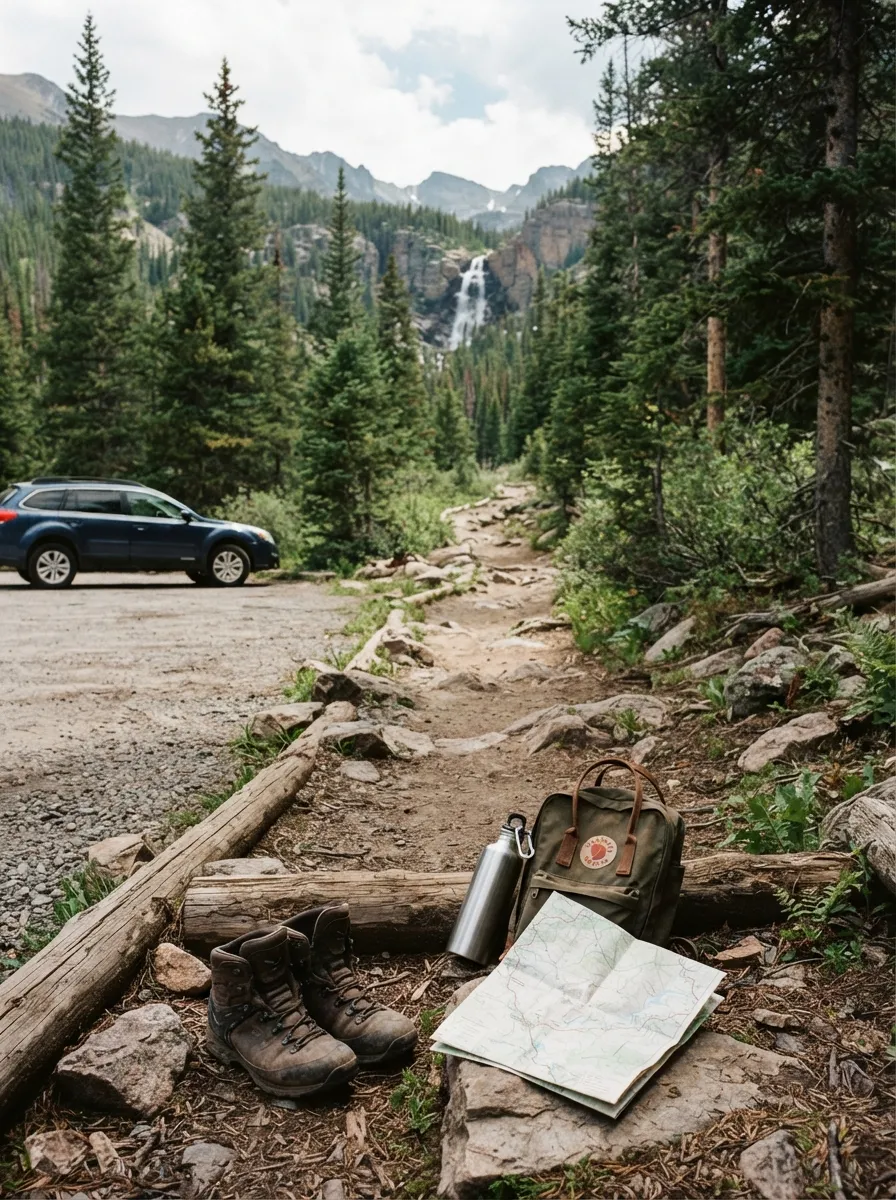
A short hike breaks up sitting, restores concentration and allows travelers to experience the landscape rather than merely crossing it.
Choose trails appropriate to:
- Available daylight
- Weather
- Footwear
- Children’s abilities
- Driver fatigue
- Wildlife conditions
- The group’s actual fitness
The National Park Service recommends planning in advance, checking current park information, carrying essential supplies and leaving a trip plan for outdoor activities. Its official app includes maps, park information, self-guided tours and accessibility details for hundreds of sites.
Never begin a three-hour trail because someone described it as “a quick little walk.”
9. Visit a National or State Park
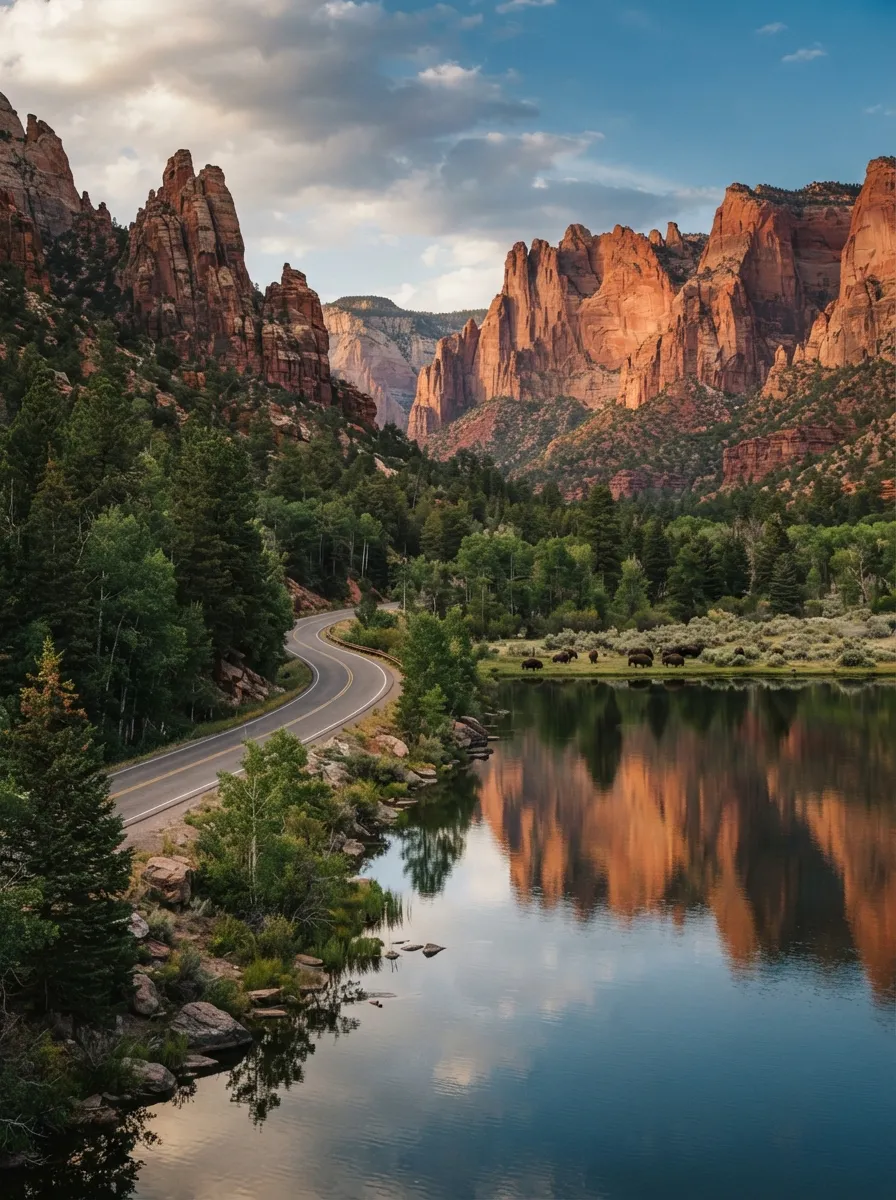
Road trips and parks are natural allies, but national parks require more planning than a spontaneous roadside stop.
Before arriving, confirm:
- Entrance fees
- Reservation or timed-entry rules
- Road closures
- Parking arrangements
- Seasonal services
- Trail conditions
- Weather alerts
- Wildlife guidance
The National Park Service advises visitors to check the official page or NPS app before arrival because access rules, construction and local conditions vary by park.
A state park may offer equally rewarding scenery with fewer crowds and simpler access.
10. Build a Photography Challenge
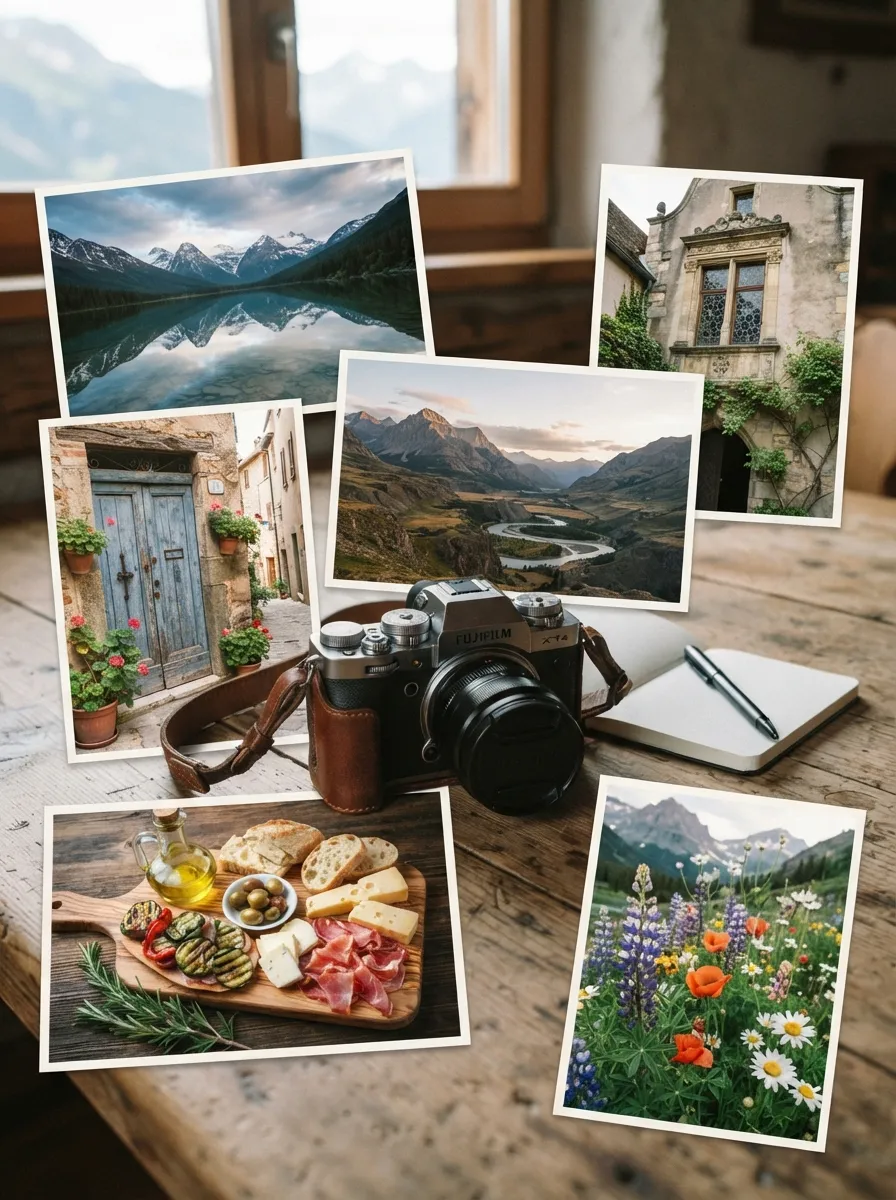
A photography challenge encourages passengers to pay attention to changing landscapes.
Possible daily themes include:
- Reflections
- Road signs
- Doors and windows
- Local architecture
- One color
- Food
- Weather
- Movement
- Small details
- Wide landscapes
At the end of the day, everyone selects one favorite photograph.
Photograph only from safe stopping places. Never lean from a moving vehicle, stand in the road or ask the driver to slow suddenly.
11. Listen to an Audiobook
An audiobook can turn a long highway stretch into a shared story.
Choose something suitable for the entire group and divide it into sections that match the driving days. Mysteries, travel memoirs, history and humorous nonfiction often work well.
Download the book before leaving and keep the volume moderate.
For solo travelers, audiobooks can reduce monotony, but they should never be so absorbing that they reduce awareness. Pause when traffic, weather or navigation becomes demanding.
12. Start a Road-Trip Podcast Series
Podcasts work well when passengers have different musical tastes.
Create a queue around themes such as:
- History of the region
- True stories
- Comedy
- Science
- Food
- Local culture
- Nature
- Travel interviews
Choose shorter episodes so everyone can rotate selections.
Travelers interested in culturally rich journeys might use the road trip to learn about future destinations, such as those covered in this guide to India’s cultural traditions.
13. Play Travel Trivia
Prepare questions connected to the route.
Categories might include:
- State capitals
- Geography
- Famous landmarks
- Movies filmed nearby
- Local foods
- Music
- Wildlife
- Historical events
One passenger should act as host. The driver can answer verbally but should not read cards, screens or score sheets.
Offer small prizes such as choosing the next snack, song or coffee stop.
14. Keep a Road-Trip Journal
A journal prevents the details of several days from dissolving into one long memory of gas stations.
Record:
- Mileage
- Towns visited
- Meals
- Best view
- Funniest moment
- Unexpected problem
- Favorite song
- Weather
- Daily spending
- Places worth revisiting
Families can give children their own notebooks for drawings, tickets and stickers.
A shared digital note also works, but the passenger should manage it while the vehicle is moving.
15. Collect Meaningful Souvenirs
Avoid filling the car with random objects from every stop.
Choose one souvenir category, such as:
- Postcards
- Magnets
- Local food products
- Stickers
- Patches
- Small art prints
- Maps
- Pressed coins
Buy from local makers when possible.
Do not remove rocks, plants, archaeological objects or natural materials from protected lands. “It was only one small stone” becomes a much larger problem when several million visitors share the idea.
16. Visit a Historic Site
Historic sites provide context to landscapes that might otherwise appear empty.
Look for:
- Battlefields
- Indigenous cultural sites
- Historic homes
- Mining towns
- Railroad museums
- Missions
- Forts
- Civil rights landmarks
- Industrial heritage sites
Read official information before visiting culturally sensitive places and follow photography restrictions.
Travelers interested in historically layered routes may find this complete Poland travel guide useful for future international planning.
17. Find Public Art and Murals
Murals can turn a routine lunch stop into a walking activity.
Many towns publish public-art maps showing:
- Murals
- Sculptures
- Painted utility boxes
- Historic signs
- Outdoor installations
Park legally, walk the route and support a nearby café or shop.
Do not pose in active streets or climb onto installations.
18. Visit a Farmers Market
Farmers markets are ideal road-trip stops because they combine food, local culture and practical supplies.
Buy:
- Fruit
- Bread
- Cheese
- Snacks
- Flowers
- Honey
- Regional products
- Picnic ingredients
Check the schedule carefully because many markets operate only one morning each week.
Keep perishable purchases cool and avoid leaving food inside a hot car.
19. Schedule a Swimming Stop
A lake, beach or public pool can transform a hot driving day.
Before swimming:
- Confirm that swimming is permitted
- Check water-quality notices
- Follow lifeguard instructions
- Avoid unfamiliar currents
- Watch children continuously
- Keep valuables secured
- Allow time to dry before driving
Never swim in roadside water simply because it appears accessible.
20. Watch Sunrise or Sunset
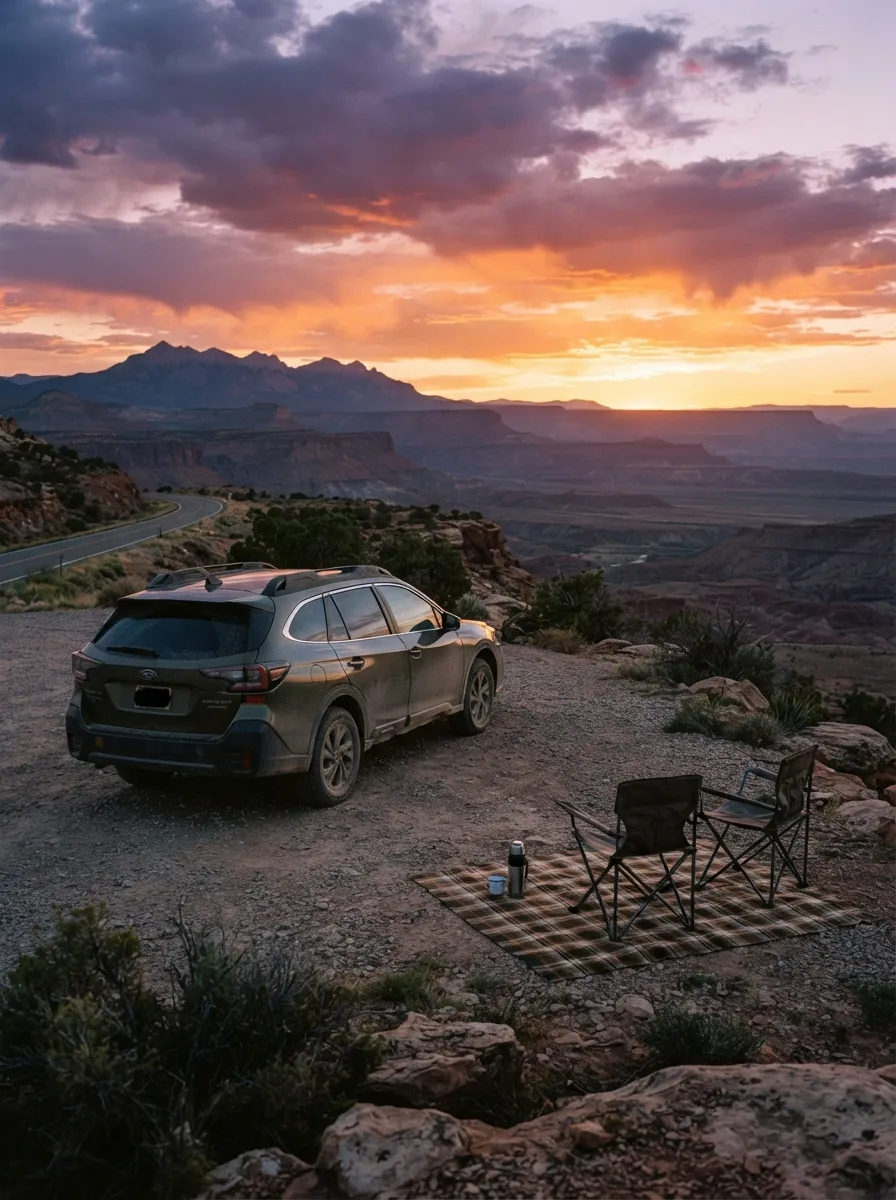
Sunrise and sunset create beautiful road-trip moments without requiring expensive tickets.
Good locations include:
- Beaches
- Desert overlooks
- Lakes
- Mountain viewpoints
- Open prairie
- City observation areas
Arrive early enough to park legally and identify a safe walking route.
After sunset, wildlife becomes more active and visibility decreases. Avoid continuing onto unfamiliar rural roads when the driver is tired.
21. Go Stargazing
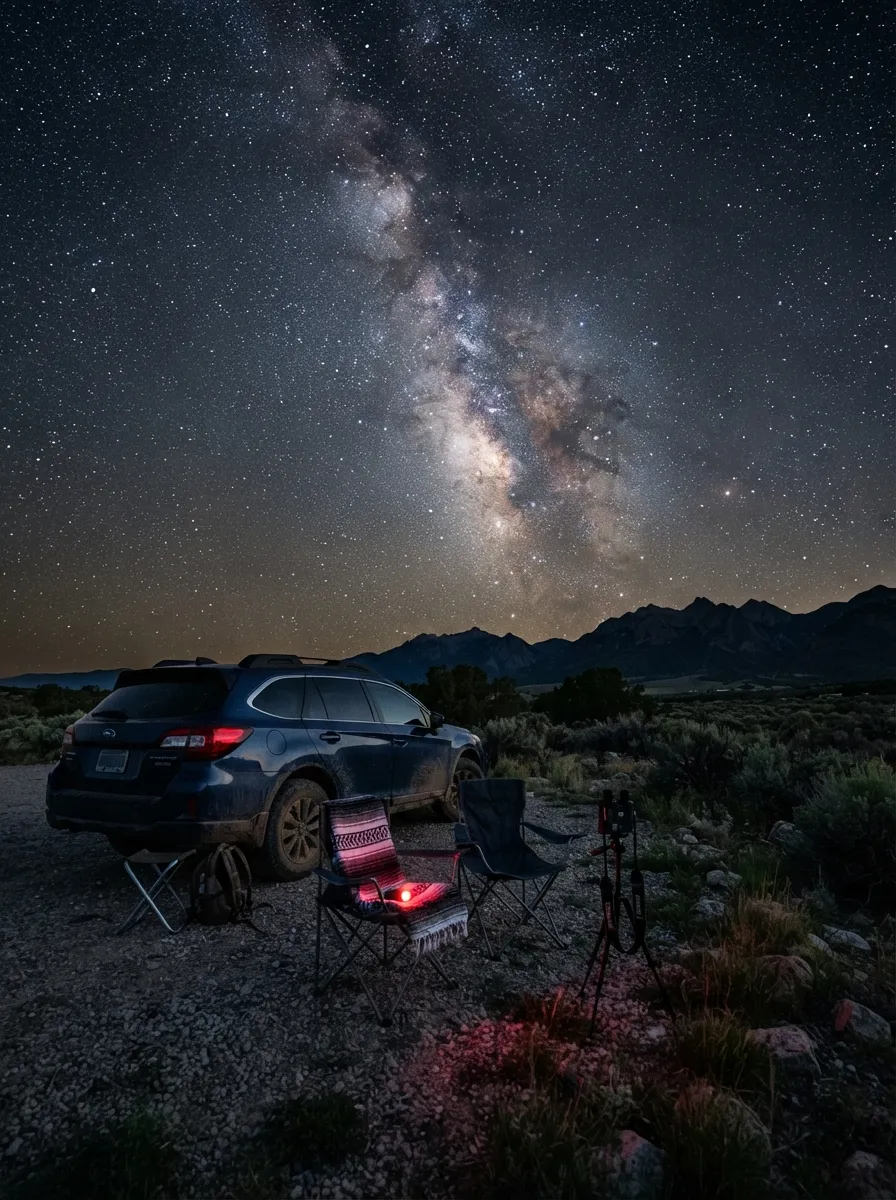
A road trip through rural regions can offer skies far darker than those near cities.
Use a dark-sky map or look for official stargazing areas. Bring:
- Warm layers
- Folding chairs
- A red-light flashlight
- Binoculars
- A star-identification app downloaded offline
- Insect repellent
Park only in designated areas and stay clear of traffic.
Do not trespass onto farms or private land because the sky looked particularly inviting.
22. Plan a Screen-Free Hour
Phones are useful for navigation, reservations and emergency communication, but constant scrolling can make passengers miss the journey entirely.
Choose one hour each day when passengers:
- Watch the landscape
- Talk
- Listen to music
- Play a verbal game
- Notice towns and signs
- Plan the next stop together
The driver should remain screen-free for every hour. Navigation must be mounted and programmed before departure, or managed by a passenger.
NHTSA emphasizes that drivers should avoid texting, distraction and any activity that takes attention away from the road.
23. Let Each Passenger Choose One Stop
Give each person responsibility for selecting one activity.
Set boundaries:
- Maximum detour
- Time allowance
- Budget
- Safety requirements
- Advance-booking needs
This prevents one person from becoming the unpaid cruise director of the entire vehicle.
It also creates useful variety. One traveler may choose a viewpoint, another a bakery and another a museum dedicated to farm machinery. Democracy has consequences.
24. Take a Detour, but Set a Limit
Spontaneity is one of the pleasures of road travel, but unlimited detours can dismantle an itinerary.
A useful rule is:
- No more than 15–30 minutes off the route for an unplanned stop
- One larger spontaneous detour per day
- No detour that threatens check-in times, fuel or daylight
Before turning off the main road, check:
- Road surface
- Fuel level
- Cellular coverage
- Weather
- Distance back to the route
Travel mistakes often begin with a harmless sentence such as, “This road probably reconnects.” Review this travel mistakes and scams guide before a longer trip.
25. End Each Day With a Small Tradition
A simple evening ritual gives the journey structure.
Ideas include:
- Vote for the day’s best stop
- Share one surprising moment
- Mark the route on a paper map
- Choose the next morning’s song
- Edit five favorite photos
- Buy one local dessert
- Write a postcard
- Calculate spending
- Watch sunset
- Play one card game
These routines become part of the trip’s story and are often remembered more clearly than another famous attraction.
Things to Do on a Road Trip With Children
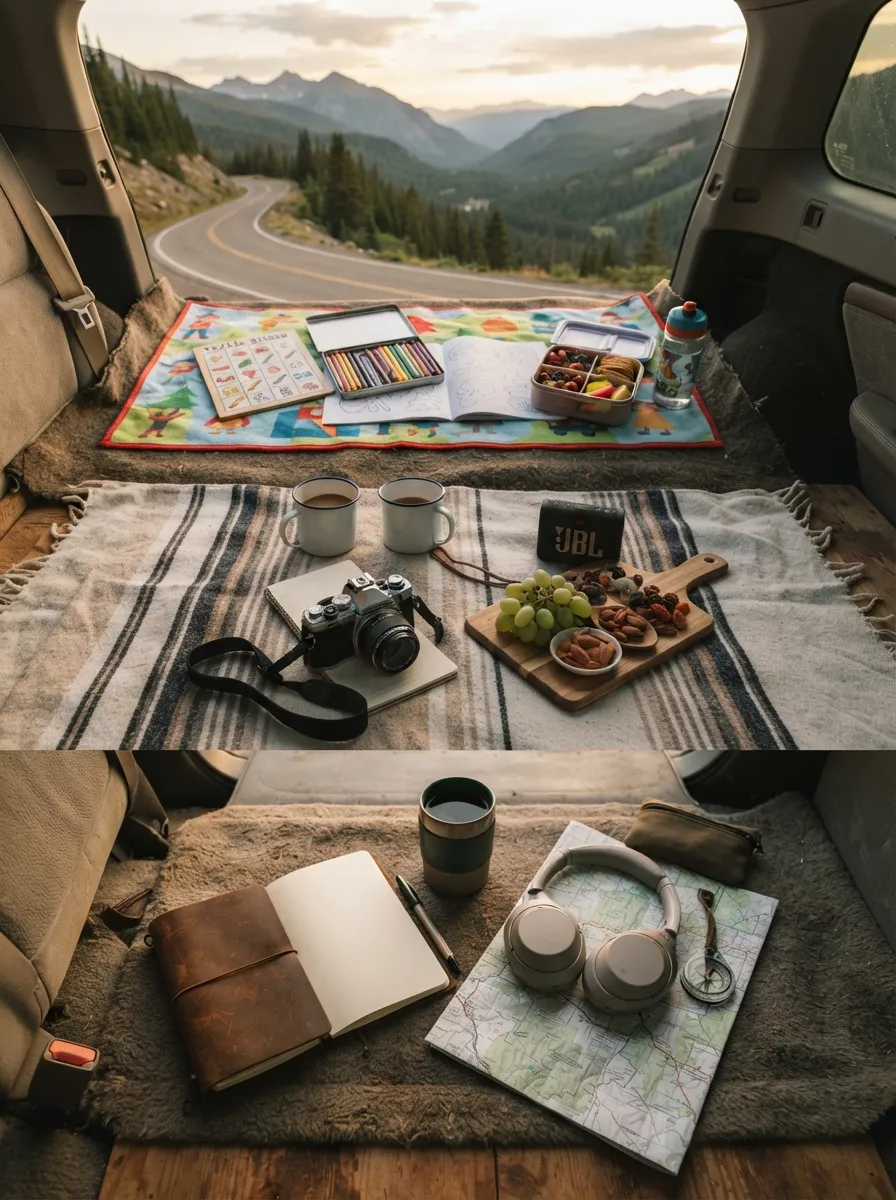
Children usually cope better when the day includes movement, predictability and small choices.
Good activities include:
- Scavenger hunts
- Sticker books
- Audiobooks
- Activity trays
- Coloring
- Travel bingo
- Short playground stops
- Easy nature trails
- Snack boxes
- Daily surprise bags
Give children a simple route overview so they understand when the next stop will happen.
NHTSA advises using the correct child restraint for each child’s age and size, installing it properly and ensuring every passenger is buckled on every journey.
Never leave a child or pet unattended inside a parked vehicle, even briefly. Vehicle temperatures can rise rapidly.
Things to Do on a Road Trip as a Couple
Couples can turn the drive into part of the getaway by alternating active and relaxed stops.
Try:
- Create a shared playlist
- Choose a scenic picnic location
- Visit one unusual roadside attraction
- Take turns selecting cafés
- Book a cabin or unusual hotel
- Watch sunset together
- Record voice notes about the trip
- Visit a local market
- Plan one surprise stop for each other
Avoid making one person drive and plan every detail. Shared responsibility is more romantic than one partner silently calculating fuel stops while the other photographs clouds.
Things to Do on a Solo Road Trip
Solo road trips provide freedom, but the driver must manage both logistics and concentration.
Useful ideas include:
- Audiobooks and podcasts
- Photography stops
- Local cafés
- Museums
- Short, popular trails
- Voice journaling while parked
- Scenic routes
- Guided activities
- Calls during scheduled breaks
Share the itinerary with someone and check in regularly.
Avoid isolated stops at night, keep fuel above a comfortable minimum and choose well-reviewed accommodation.
Before an international road journey, research current laws and safety conditions carefully. This guide to travel safety in Russia demonstrates how dramatically rules and risk levels can differ between destinations.
How Often Should You Stop on a Road Trip?
A practical target is a break approximately every two hours or 100 miles, although weather, driver needs and passenger ages may require more frequent stops. AAA recommends planning breaks at roughly those intervals and deciding in advance how driving will be shared.
Stop earlier when the driver experiences:
- Frequent yawning
- Heavy eyes
- Missed signs or exits
- Wandering thoughts
- Lane drifting
- Difficulty remembering recent miles
- Irritability
- Slower reactions
Coffee, music and an open window are not substitutes for sleep.
NHTSA’s current safe-driving guidance explicitly warns against drowsy driving.
FATIGUE WARNING
When the driver is struggling to remain alert, the correct activity is not another podcast. Change drivers or stop somewhere safe to rest.
How to Plan Road-Trip Stops
Separate stops into three categories.
Essential stops
These include:
- Fuel
- Meals
- Restrooms
- Overnight accommodation
- Vehicle charging
- Medication breaks
Priority experiences
Choose one or two activities per day that would genuinely disappoint you to miss.
Optional stops
Maintain a list of viewpoints, cafés and attractions that can be skipped when traffic, weather or energy changes.
AAA’s route-planning tools allow travelers to map directions, gas stations, attractions and overnight stops, while the organization recommends carrying an offline or paper backup in case cellular service fails.
Road-Trip Safety Before You Leave
Have the vehicle checked before a long journey.
Inspect:
- Tires and spare tire
- Tire pressure
- Brakes
- Battery
- Oil and fluids
- Cooling system
- Lights
- Windshield wipers
- Air-conditioning or heating
- Emergency equipment
NHTSA recommends servicing the vehicle, checking for recalls, inspecting tire pressure and tread and carrying a roadside emergency kit before summer travel.
Ready.gov recommends keeping items such as jumper cables, a reflective triangle or flares, a charger, blanket, map and weather-specific supplies in the car.
Road-Trip Emergency Kit
- Drinking water
- Nonperishable food
- First-aid kit
- Jumper cables
- Reflective triangle or flares
- Flashlight and spare batteries
- Phone charger
- Tire inflator or pressure gauge
- Basic tools
- Blanket
- Paper map
- Rain gear
- Warm clothing
- Sunscreen
- Medication
- Emergency contact information
- Ice scraper in winter
- Sand or traction aid in snow regions
- Extra windshield fluid
- Roadside-assistance details
Travelers who prefer their vacations at the opposite end of the comfort spectrum can browse these luxury resorts in Saudi Arabia, where the primary packing concern may be choosing between pools rather than locating jumper cables.
Road-Trip Packing Checklist
- Driver’s license and vehicle documents
- Insurance information
- Hotel confirmations
- Offline maps
- Charging cables
- Sunglasses
- Refillable bottles
- Cooler and snacks
- Trash bags
- Tissues and wipes
- Comfortable shoes
- Layers for changing weather
- Rain jacket
- Picnic blanket
- Entertainment downloads
- Child car seats when required
- Cash for small or rural businesses
- Spare key stored securely
- Laundry bag
- Small daypack
Frequently Asked Questions About Road-Trip Activities
What are the best things to do on a long road trip?
Mix scenic stops, local food, short walks, audiobooks, playlists and simple games. Alternating seated entertainment with physical breaks keeps the journey comfortable.
How can I make a road trip less boring?
Plan one meaningful stop every two or three hours, rotate entertainment and let each passenger choose one activity.
What are good free road-trip activities?
Scenic overlooks, public art, small-town walks, picnics, photography challenges, travel games and stargazing are usually free.
What games can adults play in the car?
Try trivia, twenty questions, name-that-song, alphabet games, storytelling challenges or a route-based scavenger hunt.
What should couples do on a road trip?
Create a shared playlist, plan surprise stops, visit local cafés, take photographs and end each day with a small ritual.
What should families do during long drives?
Use frequent breaks, activity bags, audiobooks, travel bingo, playground stops and simple choices that involve children in the trip.
How often should drivers take a break?
A useful general target is every two hours or approximately 100 miles, but stop sooner whenever fatigue appears.
How many hours should you drive per day?
Four to six driving hours generally allows time for sightseeing. Longer days may be necessary, but eight or nine hours should not become the default for an activity-focused trip.
How do you plan spontaneous road-trip stops?
Save optional attractions along the route and set a maximum detour time. Check fuel, road conditions and opening hours before turning off.
Is it safe to sleep in the car?
Rules vary by location. Use legal campgrounds, designated rest areas or other authorized places, and never sleep where parking is prohibited or unsafe.
What snacks are best for road trips?
Choose fruit, nuts, crackers, sandwiches, vegetables and individually portioned treats. Avoid relying entirely on salty or sugary snacks.
How do you keep food cold?
Use an insulated cooler with sufficient ice or cold packs. Open it only when necessary and replace melted ice during longer trips.
What is the biggest road-trip planning mistake?
Trying to cover too much distance while also planning multiple attractions each day. Driving time expands easily because of traffic, meals, fuel and unplanned stops.
Should you use paper maps?
Yes, as a backup. Cellular service and navigation apps can fail in remote regions.
What should you never do on a road trip?
Never drive distracted, impaired or drowsy. Do not stop on unsafe shoulders, ignore weather warnings or leave children or pets in a parked vehicle.
Conclusion: Making the Journey the Best Part of the Trip
The best things to do on a road trip are not necessarily the biggest attractions. They are the activities that create rhythm between the miles.
Stop at viewpoints. Walk through unfamiliar towns. Eat one regional dish. Take a short trail, visit a strange roadside museum and let every passenger choose something that matters to them. Use music, stories and games during the long stretches, but create enough screen-free time to notice the landscape changing outside.
A strong road trip balances three ingredients: one or two priority experiences each day, flexible optional stops and realistic driving hours. When every roadside sign becomes an obligation, the trip loses momentum. When nothing is planned, meals close, fuel runs low and the group begins discussing whether the next gas station technically counts as sightseeing.
Safety remains the nonnegotiable framework. Prepare the vehicle, carry emergency supplies, download maps, wear seat belts and stop before the driver becomes tired. The road will still be there after a nap.
Plan enough to protect the trip, but leave some space for discovery. The finest road-trip memory may be a famous national park, yet it could just as easily be a roadside peach stand, a ridiculous song or an unnamed overlook where everyone stepped out of the car and briefly forgot how far remained.