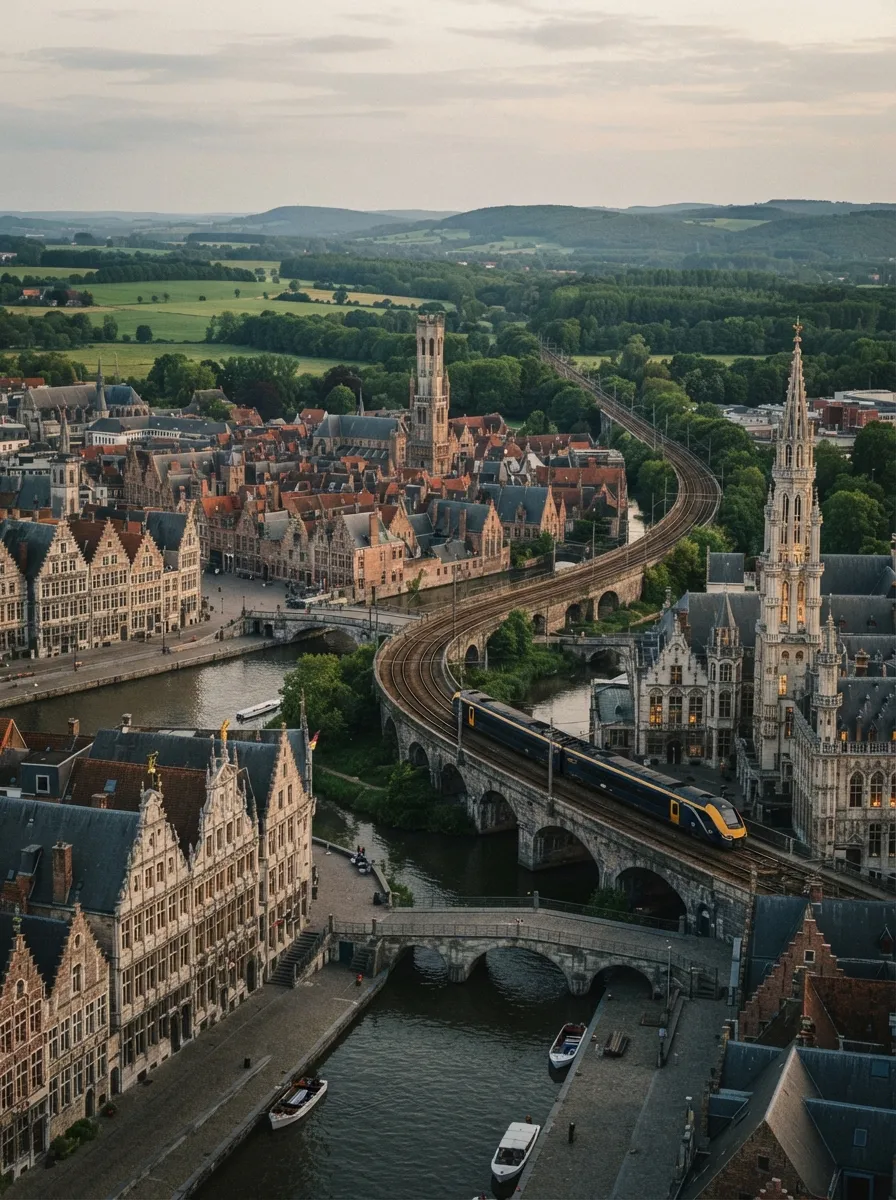
Belgium Travel Guide 2026–27: Best Cities, Day Trips and a Perfect 7-Day Itinerary
Belgium is small enough to cross by train before lunch, yet varied enough to make a week feel like several separate European trips. Brussels brings grand squares, Art Nouveau mansions, international institutions and neighborhoods shaped by communities from across the world. Bruges folds canals and medieval towers into a city that appears suspiciously well designed for photography. Ghent carries similar historical weight but adds university energy, independent culture and evenings that feel lived-in rather than staged.
Then there is Antwerp, where monumental architecture, fashion, art and one of Europe’s major ports occupy the same confident city. Beyond the famous four, Leuven offers student life and ornate Gothic buildings, Mechelen rewards travelers who prefer smaller historic centers, and the Ardennes replaces city streets with forests, river valleys, castles and hiking trails.
Belgium’s greatest practical advantage is its railway network. Brussels, Bruges, Ghent, Antwerp, Leuven and Mechelen can be connected without renting a car, making the country ideal for first-time European visitors, families and travelers who dislike spending half a vacation negotiating parking garages. Visit Flanders emphasizes that Belgium’s major art cities sit close together and are easy to reach by public transportation.
This Belgium travel guide covers the best cities, where to stay, train travel, food, costs, seasons, safety and a realistic seven-day itinerary. It is written primarily for travelers from the United States planning a trip during the remainder of 2026 or in 2027.
Recommended Travel Items for Your Trip
BELGIUM AT A GLANCE
Best first-time city: Brussels
Most romantic city: Bruges
Best all-around city: Ghent
Best for fashion and design: Antwerp
Best smaller city: Leuven or Mechelen
Best nature escape: The Ardennes
Ideal first trip: 7–10 days
Best without a car: Brussels, Bruges, Ghent and Antwerp
Best broad season: April through October
Currency: Euro
Main airport: Brussels Airport
Main planning advantage: Short train journeys between cities
Is Belgium Worth Visiting?
Belgium is worth visiting when you want several culturally distinct cities without complicated transfers.
Its strongest attractions include:
- Medieval architecture and canals
- Flemish art and major museums
- Historic market squares
- Chocolate, waffles and regional food
- Easy intercity trains
- Art Nouveau architecture
- Fashion and contemporary design
- World War I heritage
- Castles, forests and river valleys
- Christmas markets and winter city breaks
The country is particularly suitable for first-time visitors to Europe because the distances are manageable. You can base yourself in Brussels or Ghent and take several day trips, or divide one week among three cities without losing entire days to transportation.
Belgium is less ideal for travelers seeking consistently sunny weather or a low-cost Western European vacation. Rain is possible in every season, while hotels in Brussels and Bruges can become expensive during festivals, conferences, holiday weekends and summer.
Travelers comparing Belgium with larger European capitals may enjoy this Paris versus Rome guide, where grand-scale sightseeing creates a very different itinerary from Belgium’s compact network of cities.
Best Places to Visit in Belgium
| Destination | Best For | Suggested Stay | Main Consideration |
| Brussels | Museums, architecture and food | 2–3 days | Attractions spread across several districts |
| Bruges | Canals and medieval atmosphere | 1–2 days | Heavy daytime tourism |
| Ghent | History, nightlife and local energy | 2 days | Larger than Bruges |
| Antwerp | Art, fashion and architecture | 1–2 days | Busy commercial city |
| Leuven | University life and beer heritage | 1 day | Compact sightseeing area |
| Mechelen | Quiet historic-city experience | Half or full day | Fewer headline attractions |
| Dinant | River scenery and cliffs | 1 day | Easier with careful train planning |
| Ardennes | Hiking, castles and outdoor activities | 2–4 days | Car useful outside major towns |
| Ypres | World War I history | 1–2 days | Emotionally demanding sites |
| Belgian Coast | Beaches and cycling | 1–3 days | Weather can be windy and cool |
1. Brussels: Best First Stop for Museums and Architecture
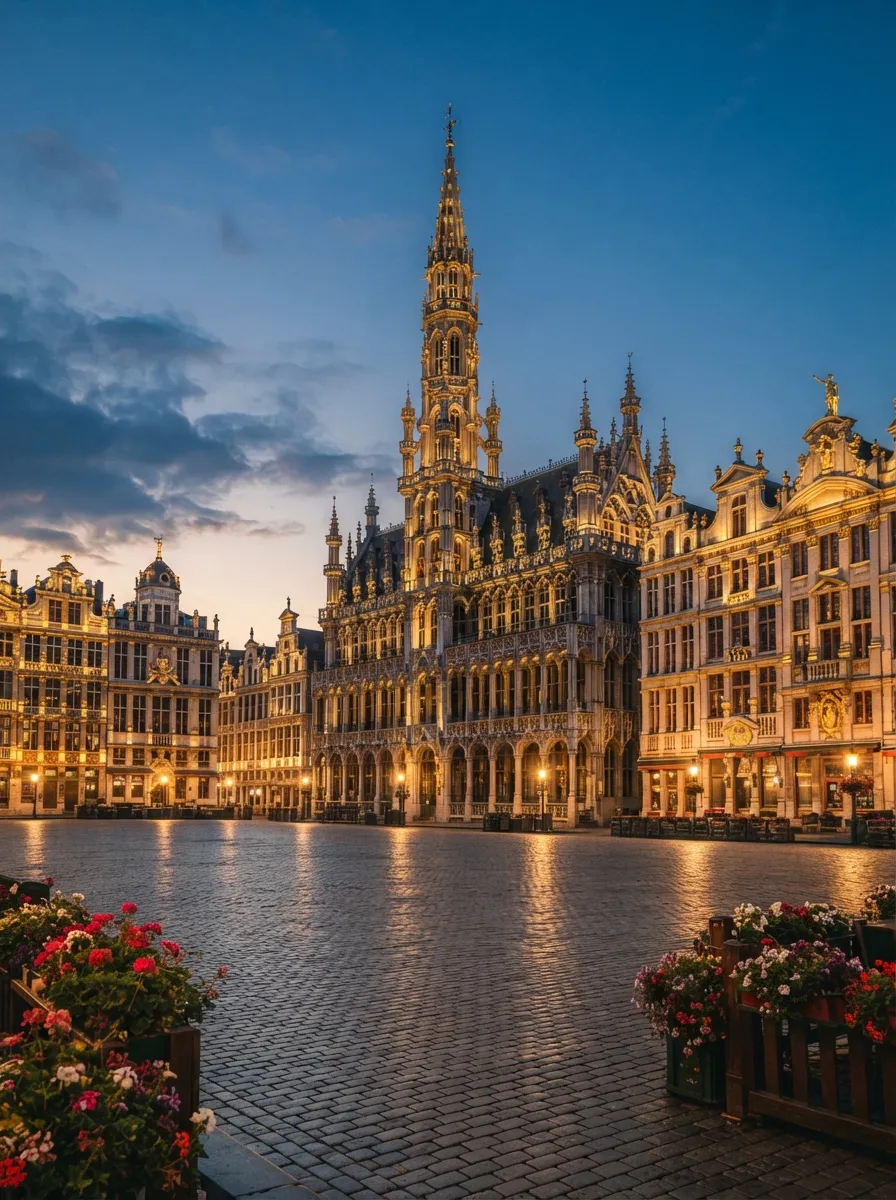
Brussels is frequently treated as a transportation hub rather than a destination. That is a mistake. The Belgian capital combines monumental public spaces, surrealist art, Art Nouveau architecture, neighborhood markets and a food scene shaped by both Belgian traditions and international communities.
Start at Grand-Place, where ornate guildhalls surround one of Europe’s most theatrical urban squares. The square has been listed as a UNESCO World Heritage Site since 1998 and regularly hosts public events.
From there, explore:
- Galeries Royales Saint-Hubert
- Manneken Pis
- Mont des Arts
- Royal Museums of Fine Arts
- Magritte Museum
- Musical Instruments Museum
- Royal Quarter
- Sablon
- Marolles
- Cinquantenaire
- Atomium
- Art Nouveau neighborhoods
The Royal Museums of Fine Arts hold more than 20,000 works spanning the 15th through 21st centuries, making the Royal Quarter essential for art-focused visitors.
Brussels neighborhoods worth exploring
Historic Center: Best for a first visit and walking access to Grand-Place.
Sablon: Elegant, central and convenient for museums, chocolate shops and antique stores.
Marolles: More local in feel, with markets, vintage shops and a grittier atmosphere.
Saint-Gilles: Strong for Art Nouveau, cafés and residential streets.
Ixelles: Restaurants, nightlife and culturally diverse neighborhoods.
European Quarter: Convenient for institutions and parks, but quieter on weekends.
Spend at least two full days. A third allows museums, Atomium and neighborhood exploration without treating every tram ride as a military operation.
2. Bruges: Best for Medieval Atmosphere and Canals
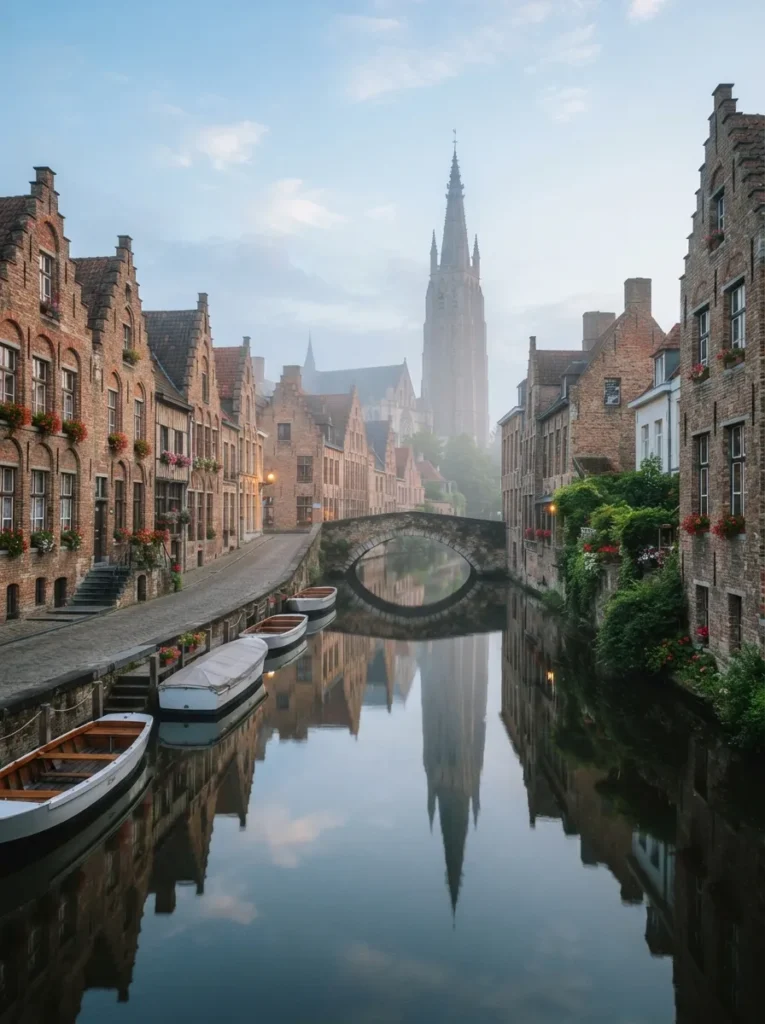
Bruges is Belgium’s most visually famous city, and the photographs are not exaggerating much. Canals curve between brick buildings, church towers dominate the skyline and narrow streets repeatedly open into handsome squares.
The entire historic center is recognized as a UNESCO World Heritage Site, and Visit Flanders describes Bruges as one of Europe’s best-preserved historic cities.
Essential experiences include:
- Markt square
- Belfry of Bruges
- Burg square
- Basilica of the Holy Blood
- Groeninge Museum
- Church of Our Lady
- Begijnhof
- Minnewater
- Canal cruise
- Quiet streets beyond the busiest center
Is Bruges a day trip or overnight destination?
Bruges can be visited from Brussels or Ghent in one day, but an overnight stay produces a far better experience.
Between late morning and mid-afternoon, group tours concentrate around Markt, Burg and the principal canals. Early mornings and evenings feel calmer, with floodlit buildings and fewer visitors.
Stay near the historic center for convenience, but compare noise, stairs and vehicle access. Historic properties may have narrow staircases and no elevator.
Travelers who enjoy intimate European streets and photogenic historic places may also appreciate these charming villages in Spain when planning another trip.
BRUGES TIP
Walk at least ten minutes beyond Markt before deciding you have “seen Bruges.” The most rewarding streets often begin where souvenir groups turn around.
3. Ghent: Best All-Around Belgian City
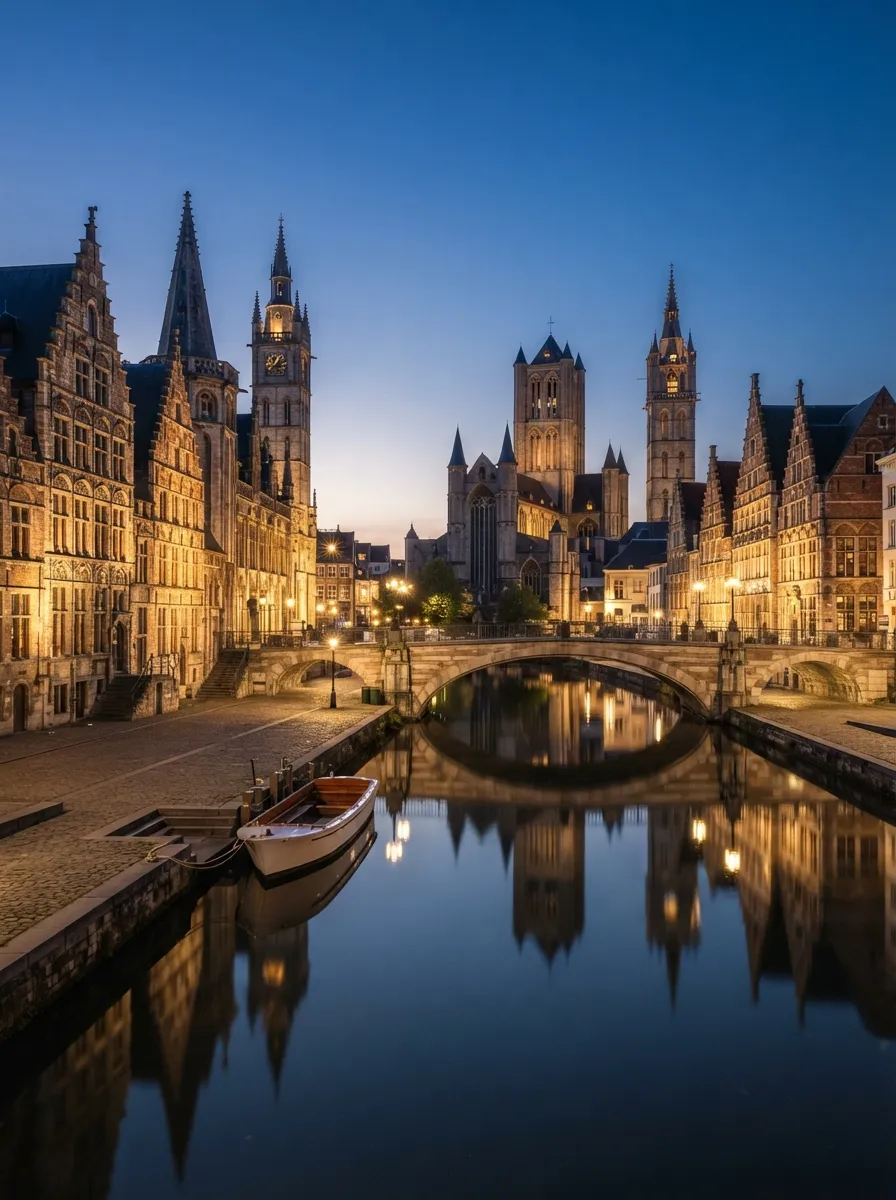
Ghent combines many of Bruges’ visual strengths with a larger local population, active university culture and stronger evening atmosphere.
Its central skyline is shaped by three towers, while Graslei and Korenlei line the river with historic buildings. The city also holds the Ghent Altarpiece, important museums, medieval architecture and a substantial restaurant and nightlife scene. Visit Flanders recommends a full 48 hours, emphasizing Ghent’s museums, student energy and cultural life.
Do not miss:
- Gravensteen Castle
- Saint Bavo’s Cathedral
- Ghent Altarpiece
- Graslei and Korenlei
- Belfry
- Patershol
- Museum of Fine Arts
- STAM city museum
- Evening canal views
Ghent is an excellent base for Belgium because it sits between Brussels and Bruges and has frequent rail connections.
Two nights provide time to see the city after day visitors leave. Travelers who want only one medieval Belgian city may prefer Ghent over Bruges because it offers more varied museums, dining and nightlife.
4. Antwerp: Best for Art, Fashion and Urban Energy
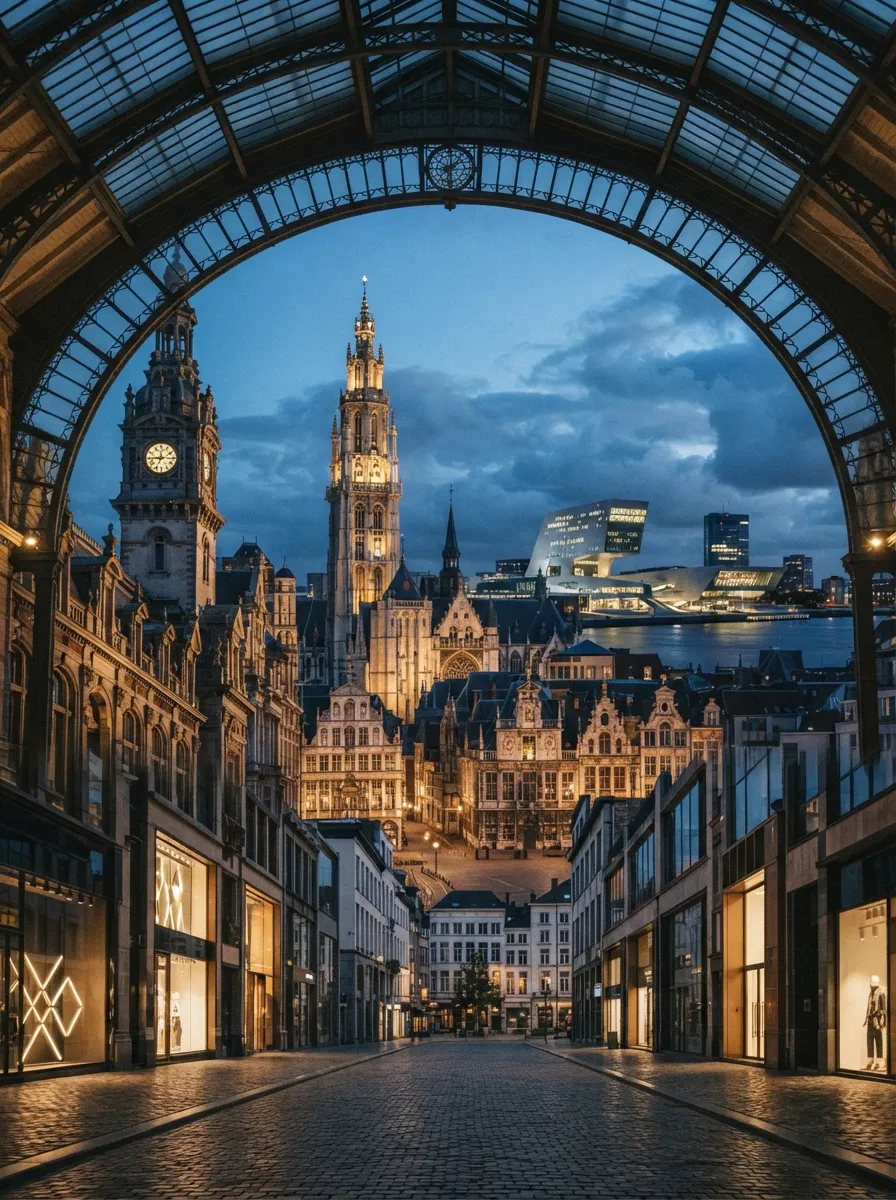
Antwerp feels bigger, sharper and more commercially energetic than Bruges or Ghent.
Its attractions include Gothic architecture, Flemish art, fashion, diamonds, contemporary culture and a major port. The city suits travelers who prefer a functioning metropolis to a perfectly preserved medieval stage.
Spend time around:
- Antwerp Central Station
- Grote Markt
- Cathedral of Our Lady
- Rubens House area
- Museum aan de Stroom
- Het Eilandje
- Fashion District
- Plantin-Moretus Museum
- Meir shopping street
- Zurenborg architecture
Antwerp Central is among Europe’s most impressive railway stations and makes a dramatic arrival point. From there, the historic center is reachable on foot or by local transport.
Stay one night for a compact visit or two nights for museums, neighborhoods and dining.
Antwerp is particularly good for couples, art travelers, fashion enthusiasts and repeat visitors to Europe.
5. Leuven: Best for University Atmosphere
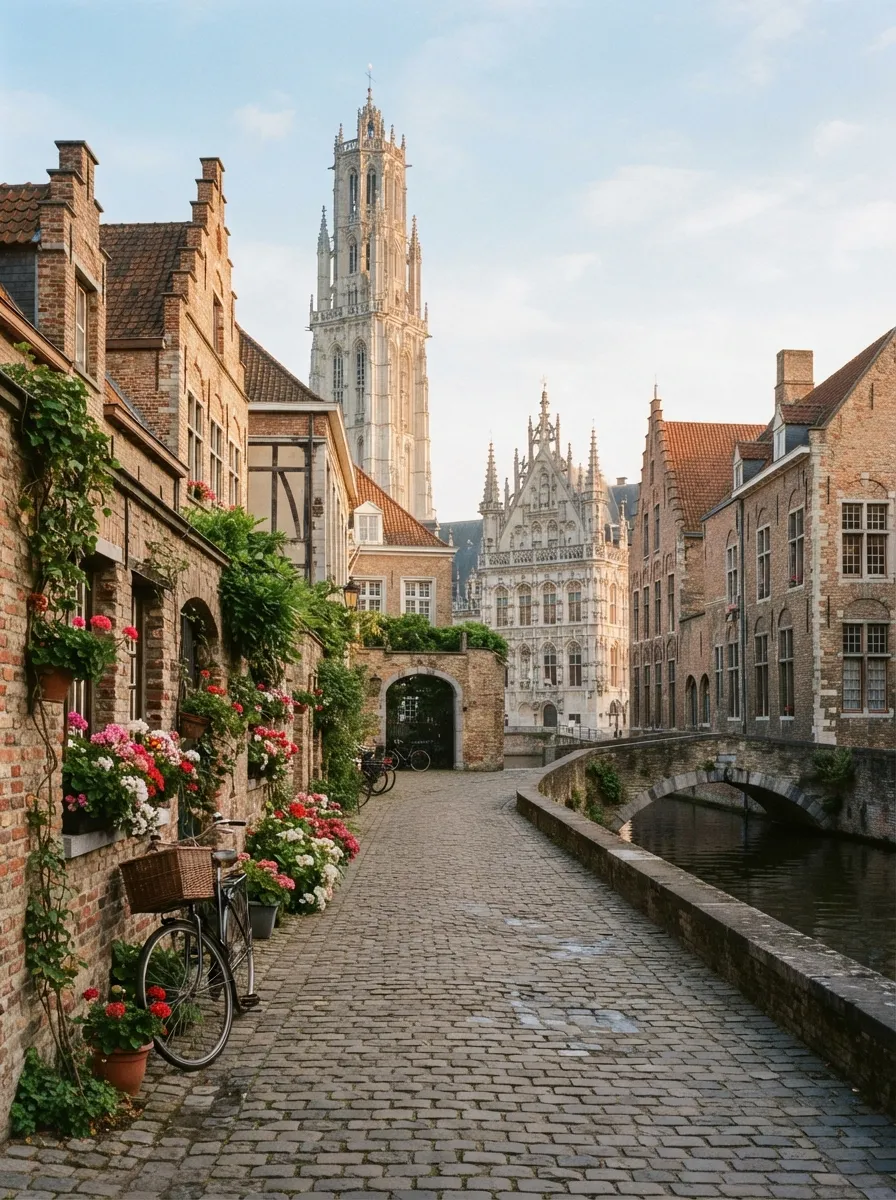
Leuven is a lively university city east of Brussels. Its compact center contains one of Belgium’s most ornate Gothic town halls, historic university buildings, cafés and squares that become especially energetic when students are in town.
Visit:
- Grote Markt
- Leuven Town Hall
- Saint Peter’s Church
- University Library
- Oude Markt
- Great Beguinage
- M-Museum Leuven
The Great Beguinage provides one of the city’s calmest walks, while Oude Markt is lined with cafés and has a much livelier personality.
Leuven works as a half-day or full-day trip from Brussels. Stay overnight when nightlife or a slower university-city experience matters.
6. Mechelen: Best Underrated Historic City
Mechelen sits between Brussels and Antwerp, making it one of Belgium’s easiest overlooked stops.
Its central square, Saint Rumbold’s Tower, waterside paths and historic buildings provide a quieter alternative to Bruges. Families may also appreciate Technopolis and other child-friendly attractions in the wider area.
Mechelen suits travelers who:
- Have already visited Bruges
- Prefer smaller crowds
- Enjoy architecture and photography
- Want a simple day trip
- Are traveling between Brussels and Antwerp
Allow four to six hours, or stay overnight for a calm break between larger cities.
7. Dinant: Best for River and Cliff Scenery
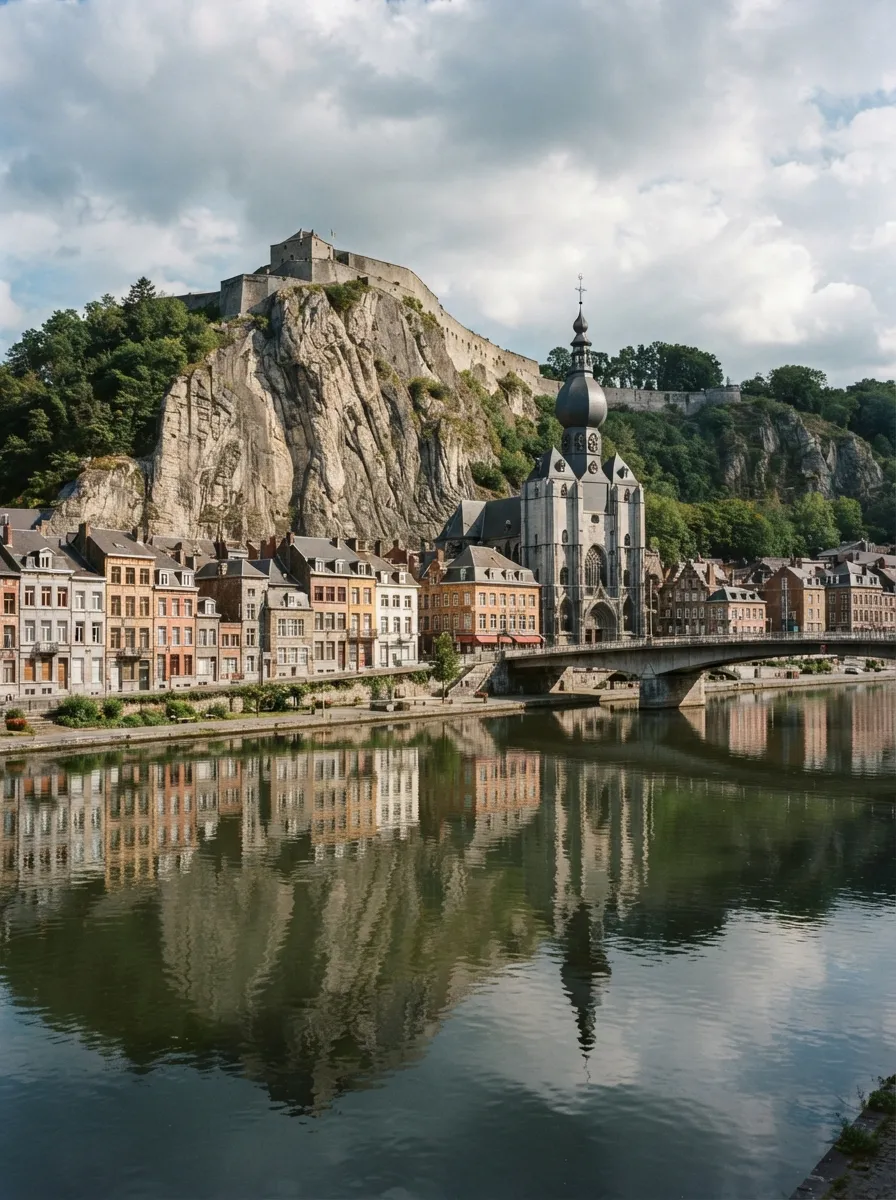
Dinant lies along the Meuse River beneath steep cliffs, with its citadel rising above the town and the distinctive onion-domed Collegiate Church positioned beside the water.
Popular activities include:
- Citadel visit
- Riverfront walk
- Boat excursion when operating
- Charles de Gaulle Bridge
- Saxophone-related landmarks
- Short regional drives
- Nearby caves and castles
Dinant is associated with Adolphe Sax, inventor of the saxophone, and colorful instrument sculptures appear around town.
A full day is enough for the center and citadel. Add an overnight stay when exploring the surrounding Walloon countryside.
8. The Ardennes: Best for Nature and Outdoor Adventure
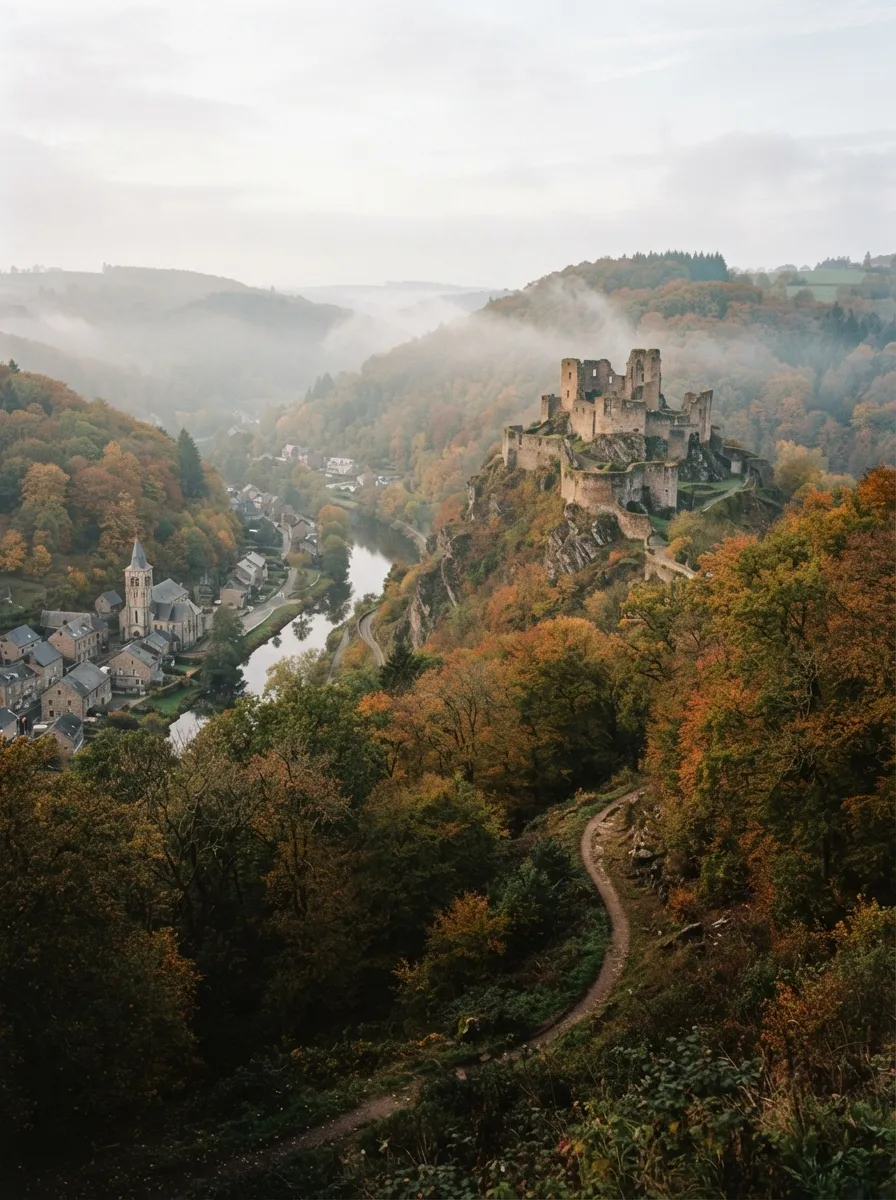
The Ardennes covers forested hills, river valleys, castles, caves and small towns across southern Belgium.
It is the best part of the country for:
- Hiking
- Cycling
- Kayaking
- Castles
- Forest cabins
- Winter landscapes
- War-history sites
- Family outdoor trips
Possible bases include:
- Durbuy
- La Roche-en-Ardenne
- Bouillon
- Spa
- Malmedy
- Stavelot
Public transportation reaches selected towns, but a car provides far greater flexibility. Roads can be winding, and winter conditions require preparation.
Durbuy is picturesque and heavily marketed as a tiny historic city, while La Roche-en-Ardenne provides a riverside setting and castle ruins. Bouillon is known for its imposing medieval castle.
Two or three nights is ideal. Do not attempt the Ardennes as a rushed afternoon detour from Brussels.
9. Ypres and Flanders Fields: Best for World War I History
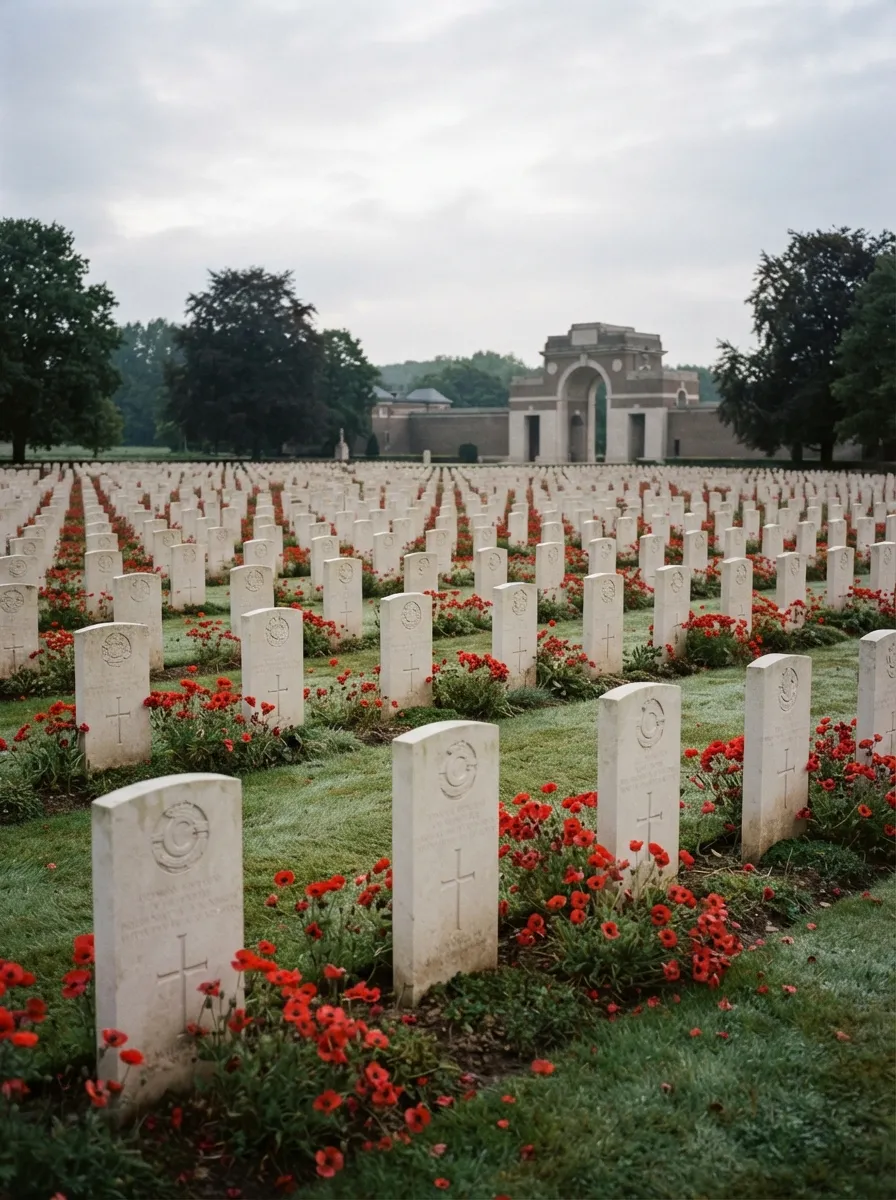
Ypres, known as Ieper in Dutch, is the principal base for visiting World War I sites in the former battlefields of Flanders.
Important places include:
- In Flanders Fields Museum
- Menin Gate
- Tyne Cot Cemetery
- Passchendaele areas
- Preserved trenches
- Memorials and battlefield sites
The Last Post ceremony is traditionally held beneath the Menin Gate, but visitors should verify current arrangements and access before planning around it.
A guided tour provides valuable historical context and solves transportation challenges between dispersed sites. The experience can be emotionally demanding, so avoid combining it with several unrelated attractions in one hurried day.
Visit Flanders notes that the region is reachable by rail and road, while local battlefield sites require additional onward planning.
10. The Belgian Coast: Best for Beaches and Cycling
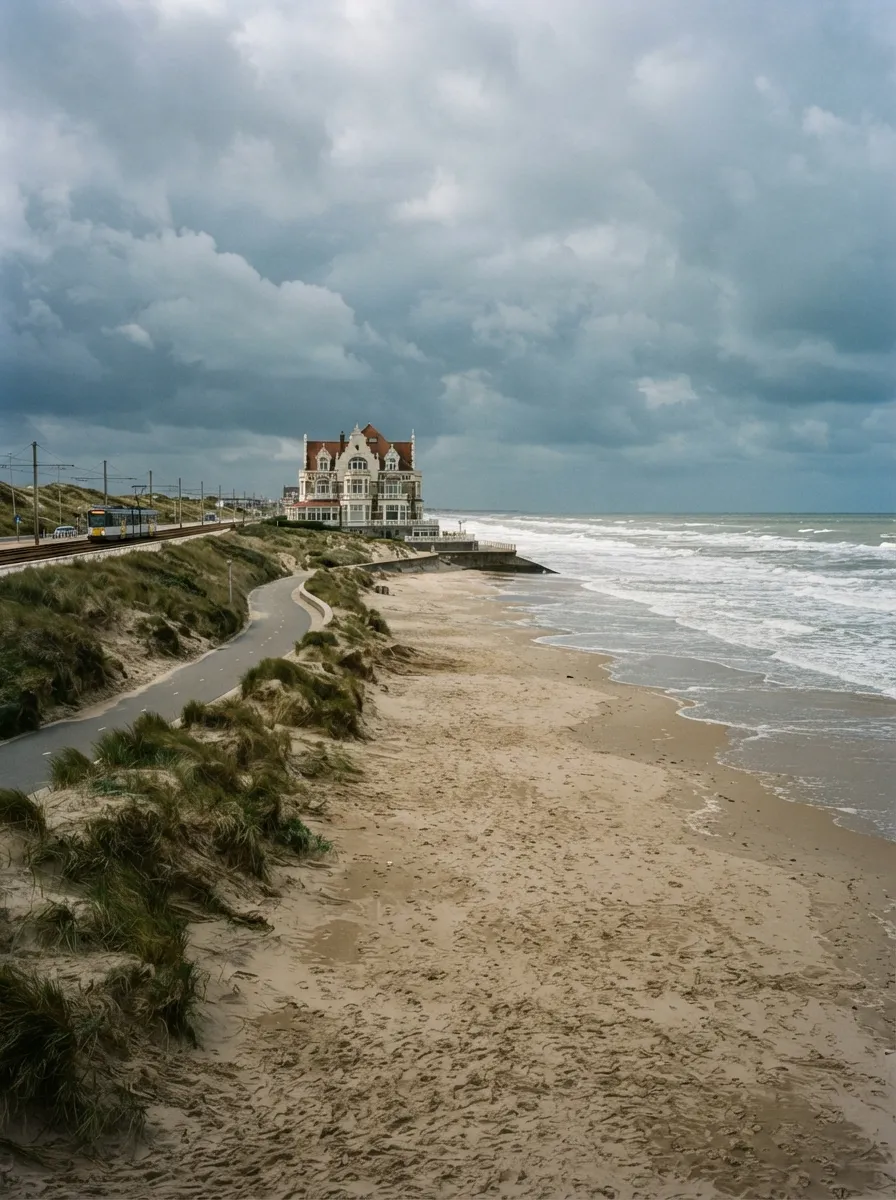
Belgium’s North Sea coastline is compact and connected by a coastal tram, allowing visitors to move between resort towns without driving.
Popular coastal destinations include:
- Ostend
- De Haan
- Knokke-Heist
- Blankenberge
- Nieuwpoort
Ostend provides museums, restaurants and the strongest city atmosphere.
De Haan is known for attractive Belle Époque architecture and a calmer environment.
Knokke-Heist is more upscale, with galleries, shopping and beach clubs.
The Belgian coast is best from late spring through early fall, but warm swimming weather is never guaranteed. Wind, clouds and cool water remain part of the North Sea package.
Families seeking ideas for future vacations can compare Belgium’s easy railway access and compact coast with these family vacation destinations.
Best Time to Visit Belgium
Spring: March Through May
Spring brings longer daylight, gardens, mild temperatures and increasing outdoor activity.
April and May are excellent for city travel, although showers remain common. Pack waterproof layers rather than trying to defeat Belgian weather through optimism.
Summer: June Through August
Summer provides the warmest weather, longest days and largest event calendar.
It is also peak travel season in Bruges and Brussels. Reserve central hotels and major museums ahead.
The Brussels Flower Carpet is scheduled for August 13–16, 2026 on Grand-Place, creating high demand in the historic center.
Fall: September Through October
September is one of the strongest overall months, with comfortable conditions and fewer peak-summer groups.
October brings cooler weather, autumn color and a greater chance of rain. Cities remain fully enjoyable, while the Ardennes becomes attractive for foliage and walking.
Winter: November Through February
Winter is cold, damp and atmospheric. Christmas markets, seasonal lights, museums and food-centered city breaks make December particularly appealing.
Brussels promotes winter as a major cultural and festive season, though specific 2026–27 event dates should be confirmed when official calendars are published.
Snow is possible but unreliable outside higher parts of the Ardennes.
A Perfect 7-Day Belgium Itinerary
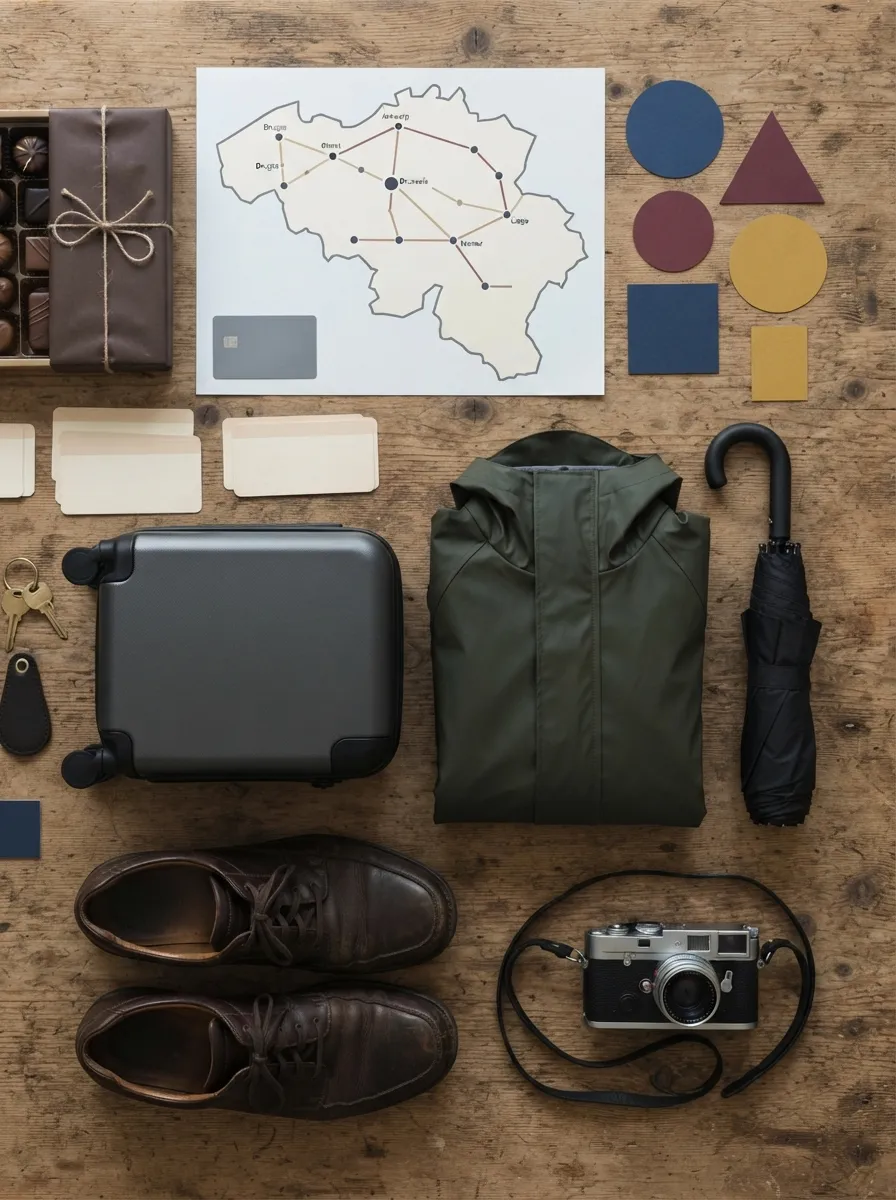
This itinerary uses trains and requires no rental car.
| Day | Overnight Base | Plan |
| 1 | Brussels | Arrive, Grand-Place and historic center |
| 2 | Brussels | Royal Quarter, museums and Sablon |
| 3 | Ghent | Travel to Ghent, castle and canals |
| 4 | Ghent | Museums, neighborhoods and evening riverfront |
| 5 | Bruges | Travel to Bruges, historic center and canal cruise |
| 6 | Antwerp | Train to Antwerp, cathedral and port district |
| 7 | Antwerp or Brussels | Antwerp museums, then return toward airport |
| 8 | Departure | Fly home or continue into Europe |
Travelers who dislike moving hotels can remain in Brussels or Ghent and visit the other cities as day trips.
A slower ten-day itinerary could add Leuven, Mechelen, Ypres or two nights in the Ardennes.
How to Get to Belgium
Brussels Airport is Belgium’s principal international gateway.
Frequent airport trains take approximately 20 minutes to Brussels and around 35 minutes to Antwerp, according to Visit Flanders.
Belgium is also connected by international high-speed and intercity trains to:
- Paris
- Amsterdam
- London
- Cologne
- Rotterdam
- Luxembourg
Travelers using Belgium as part of a longer European trip should compare open-jaw flights, arriving in one country and departing from another, rather than automatically returning to Brussels.
Insights from a professional traveler can also be found in this travel writer interview, particularly for readers building longer multi-country routes.
Getting Around Belgium by Train
Train travel is the easiest way to connect Belgium’s major cities.
SNCB/NMBS operates the national passenger network and provides journey planning, schedules and ticket sales through its website and app.
Important 2026 change: since July 1, 2026, passengers generally can no longer buy domestic tickets after boarding. Travelers must hold a valid ticket before entering the train, with limited exceptions on selected international services.
Adult second-class fares currently begin at approximately €2.60, with pricing determined by the journey and ticket type. Weekend tickets offer adults aged 26–64 a 30% discount on Saturdays, Sundays and public holidays.
Practical train tips
- Buy tickets before boarding
- Use the SNCB/NMBS app
- Check the destination and train number
- Allow time for platform changes
- Keep luggage close
- Avoid first-class carriages with second-class tickets
- Review weekend discounts
- Check strike or engineering notices
- Do not assume every train requires advance seat reservations
Most domestic trains do not operate like airlines. You generally buy a ticket for the route rather than a reserved seat on a particular departure, but always confirm the terms of your ticket.
Public Transportation Within Cities
Brussels uses a network of metro, trams and buses. Antwerp, Ghent and several other cities rely heavily on trams and buses.
Contactless payment is available across many urban networks, but rules and transfer validity differ. Use the operator’s official app or ticket machine rather than assuming one city’s system works identically in another.
Walking remains the best way to explore the historic centers of Bruges, Ghent, Leuven and Mechelen.
Do You Need a Rental Car?
A rental car is unnecessary for Brussels, Bruges, Ghent, Antwerp, Leuven and Mechelen.
Consider renting only for:
- The Ardennes
- Remote castles
- Rural Wallonia
- Specialized World War I routes
- Countryside accommodation
- Multi-stop nature trips
Belgian cities have limited parking, low-emission rules and traffic systems that add more friction than freedom.
Where to Stay in Belgium
Brussels
Best for international arrivals, museums and day trips.
Stay near Central Station, Sablon or the historic center for convenience. Choose Saint-Gilles or Ixelles for neighborhood atmosphere.
Ghent
Best central base for Bruges, Brussels and Antwerp.
Stay near the historic center or within walking distance of tram connections to Gent-Sint-Pieters station.
Bruges
Best for romantic evenings and early-morning photography.
Stay within or just outside the historic center.
Antwerp
Best for art, nightlife and shopping.
The historic center, Zuid and Eilandje each provide different atmospheres.
Pack lightly when moving between cities. Cobblestones and station stairs have little sympathy for suitcases containing “just in case” clothing. This carry-on essentials guide offers practical ideas for keeping a European rail trip compact.
Belgium Travel Costs
Belgium is moderately expensive, though typically easier to manage than central Paris or Amsterdam.
| Expense | Budget Range | Mid-Range Range |
| Hotel room | €90–€150 | €160–€300+ |
| Hostel bed | €30–€65 | Season dependent |
| Casual meal | €12–€22 | €25–€50 |
| Coffee and pastry | €5–€10 | €10–€16 |
| Domestic train | €3–€20+ | Route dependent |
| Major museum | €12–€22 | Attraction dependent |
| Canal cruise | €12–€20+ | City and operator |
| Local transit day | €8–€12 | Network dependent |
These are broad planning ranges rather than fixed prices.
Reduce costs by:
- Staying in Ghent instead of Bruges
- Traveling on discounted weekends
- Booking hotels near railway stations
- Eating lunch menus rather than formal dinners
- Using bakeries and markets
- Avoiding conference dates in Brussels
- Booking direct with official attractions
- Walking within historic centers
The Brussels Card currently provides admission to dozens of museums and discounts, with optional transportation or attraction add-ons. Compare its inclusions against your actual itinerary before buying.
What to Eat in Belgium
Belgian food extends well beyond waffles and chocolate, although there is no requirement to behave responsibly around either.
Try:
- Moules-frites
- Flemish beef stew
- Waterzooi
- Shrimp croquettes
- Stoemp
- Meatballs in regional sauces
- Fries with mayonnaise-based sauces
- Liège waffles
- Brussels waffles
- Speculoos
- Pralines
- Local cheeses
Beer is culturally significant, but alcohol is not necessary to enjoy Belgian food culture. Cafés and restaurants also offer coffee, soft drinks, regional juices and alcohol-free beverages.
Chocolate quality varies. Buy from established chocolatiers and compare smaller boxes rather than purchasing an enormous airport package whose principal ingredient appears to be packaging.
Languages and Local Etiquette
Belgium has three official languages:
- Dutch
- French
- German
Dutch is dominant in Flanders, French in Wallonia and German in a smaller eastern region. Brussels is officially bilingual in Dutch and French, although many other languages are spoken.
English is commonly understood in tourism settings, but basic greetings are appreciated.
Use bonjour in French-speaking areas and goedendag or a simple hallo in Dutch-speaking areas. Do not assume every Belgian identifies culturally or linguistically in the same way.
Entry Requirements for American Travelers
Belgium belongs to the Schengen Area. U.S. travelers can generally visit for up to 90 days within a 180-day period for tourism without a traditional short-stay visa, provided they meet current entry conditions.
The Entry/Exit System is fully operational across Schengen countries as of April 10, 2026. ETIAS is scheduled to begin in the last quarter of 2026, but the precise launch date has not yet been announced. The official EU portal states that travelers do not currently need to apply and will receive notice before applications open.
ETIAS WARNING
Do not pay an unofficial website for an ETIAS application before the European Union announces that the system is active. Use only the official EU portal.
Belgium Safety and Common Scams
Belgium is generally manageable for visitors, but petty theft can occur in crowded transportation areas and major tourist districts.
Take particular care around:
- Brussels-Midi/Zuid station
- Brussels Central
- Crowded metros
- Major festivals
- Bruges’ busiest squares
- Antwerp Central
- Packed trains
- Outdoor restaurant tables
Use a zipped bag, keep phones away from train doors and do not leave luggage unattended.
Common mistakes include:
- Buying rail tickets from unofficial websites
- Boarding without a valid ticket
- Assuming every city speaks the same primary language
- Walking in bicycle lanes
- Spending the entire trip in Brussels
- Visiting Bruges only during peak midday hours
- Attempting too many cities in one day
- Forgetting rain protection
Belgium Packing Checklist
- Passport and secure digital copy
- Travel insurance
- ETIAS confirmation when required
- Hotel and train reservations
- Waterproof jacket
- Compact umbrella
- Comfortable walking shoes
- Light layers
- Warm evening layer
- Portable battery pack
- Plug adapter
- Contactless payment card
- Small secure day bag
- Refillable water bottle
- Offline maps
- Museum tickets
- SNCB/NMBS app
- Medication in original packaging
Frequently Asked Questions About Belgium
How many days do you need in Belgium?
Seven days is enough for Brussels, Ghent, Bruges and Antwerp. Ten days allows Leuven, Ypres, Dinant or the Ardennes.
What is the best city to visit in Belgium?
Brussels is the best first stop, but Ghent is arguably the strongest all-around destination because it combines medieval scenery, museums, food and nightlife.
Is Bruges or Ghent better?
Bruges is more romantic and visually preserved. Ghent feels livelier, larger and more local. Visit both when possible.
Can you travel around Belgium without a car?
Yes. The major cities are connected by frequent trains, and historic centers are walkable. A car is useful mainly for the Ardennes and rural areas.
Is Belgium expensive?
Belgium is moderately expensive. Brussels and Bruges hotels can be costly, but trains, bakeries and smaller cities help control the budget.
What is the best time to visit Belgium?
May, June and September provide a strong balance of weather, daylight and manageable crowds. December is appealing for festive city breaks.
Is Brussels worth visiting?
Yes. Brussels deserves at least two days for Grand-Place, major museums, Art Nouveau areas and diverse neighborhoods.
Can Bruges be visited as a day trip?
Yes, but staying overnight provides quieter streets and a more atmospheric experience after day groups leave.
How long is the train from Brussels Airport to the city?
Frequent airport trains reach Brussels in approximately 20 minutes, although the exact journey depends on the destination station.
Can you buy Belgian train tickets onboard?
Generally no. Since July 1, 2026, domestic passengers must purchase a valid ticket before boarding, subject to limited international exceptions.
Is Belgium good for families?
Yes. Short train journeys, compact cities, castles, museums and the coast make Belgium practical for families.
Do Americans need ETIAS for Belgium?
ETIAS is expected to apply after its launch in the final quarter of 2026. Applications are not currently open, and the exact launch date remains unannounced.
What is Belgium most famous for?
Belgium is known for medieval cities, Flemish art, chocolate, waffles, fries, comic art, Art Nouveau, European institutions and World War I heritage.
What is the biggest Belgium travel mistake?
Trying to visit Brussels, Bruges, Ghent and Antwerp in two days. The train journeys are short, but the cities deserve time beyond their stations.
Conclusion: Planning the Right Belgium Trip
Belgium works best when travelers take advantage of its compact size without allowing that convenience to turn the trip into a railway scavenger hunt.
Begin with two or three days in Brussels for Grand-Place, museums, Art Nouveau streets and neighborhoods beyond the historic center. Continue to Ghent for a city that balances medieval architecture with genuine contemporary energy. Spend at least one night in Bruges so you can walk its canals before and after the midday crowds. Finish in Antwerp for fashion, Flemish art and a more metropolitan final chapter.
With extra time, add Leuven or Mechelen for smaller-city atmosphere, Ypres for World War I history, or Dinant and the Ardennes for river valleys, castles and forests.
Belgium is particularly easy without a car. Buy train tickets before boarding, use the national railway app and stay near central stations when planning several day trips. Pack waterproof layers even in summer, because Belgian clouds occasionally treat weather forecasts as opening suggestions.
Most importantly, let each city retain its personality. Bruges should not be rushed because Ghent is nearby. Brussels should not be reduced to Grand-Place because the train to Antwerp takes less than an hour. Belgium’s distances may be short, but its cities are not miniature versions of one another.
The country’s finest rhythm is measured in mornings and evenings rather than kilometers: a quiet canal before breakfast, museum rooms after the tour groups leave, a train sliding across flat countryside and another historic skyline appearing before the previous city has fully faded.