British Columbia Travel Guide: Mountains, Rainforests & Coastal Beauty
British Columbia doesn’t really do ordinary scenery.
You can leave a glass-and-steel city in the morning, drive beside turquoise water, climb through snow-capped mountains, walk beneath ancient-looking rainforest, and finish the day watching the sunset over the Pacific.
And that’s just one day.
From Vancouver and the beaches of the Pacific coast to the mountain towns of the Rockies, the vineyards of the Okanagan and the wild coastline of Vancouver Island, British Columbia feels less like a single destination and more like several vacations stitched together.
This is Canada’s western playground, but it’s also one of its most geographically diverse provinces.
There are mountains everywhere. Forests seem to stretch forever. Islands sit offshore like stepping stones into the Pacific. Rivers cut through valleys, glaciers feed lakes and waterfalls, and small communities appear between enormous stretches of wilderness.
If you’re planning your first trip, the biggest challenge isn’t figuring out what to see.
It’s figuring out what to leave out.
This British Columbia travel guide covers the places, landscapes, experiences and practical tips that can help you build a trip without spending half of it behind the steering wheel.
Recommended Travel Items for Your Trip
British Columbia at a Glance
| Category | What to know |
| Capital | Victoria |
| Largest city | Vancouver |
| Best known for | Mountains, forests, coastline, islands and outdoor adventures |
| Main airport | Vancouver International Airport (YVR) |
| Best first-time base | Vancouver |
| Best for mountains | Whistler, Kootenays, Rockies |
| Best for rainforest | Vancouver Island, Pacific Rim |
| Best for beaches | Vancouver Island, Sunshine Coast |
| Best for wine | Okanagan Valley |
| Best road trip | Vancouver → Sea-to-Sky → Whistler |
| Best longer road trip | Vancouver → Kamloops → Revelstoke → Rockies |
| Best time for hiking | Generally June to September, depending on elevation |
| Best time for skiing | Generally December to April |
| Driving | Highly recommended for exploring beyond Vancouver |
Why Visit British Columbia?
There are plenty of reasons to put British Columbia on a Canada itinerary, but the simplest one is variety.
The province lets you combine experiences that usually require separate trips.
You can:
- Hike through alpine meadows
- Walk beneath towering rainforest
- Kayak along the Pacific coast
- Explore islands
- Watch whales
- Ski powder in the mountains
- Visit Indigenous cultural sites
- Drive scenic mountain highways
- Relax beside glacial lakes
- Explore wineries
- Go mountain biking
- Camp in the wilderness
- Wander through cosmopolitan Vancouver
- Watch sunsets over the Pacific
The geography is the star.
British Columbia stretches from the Pacific Ocean deep into the Canadian interior, and its landscape changes dramatically as you travel east and north.
That means your itinerary can be completely different depending on what you want.
For a first visit, I’d combine Vancouver + Whistler + Vancouver Island.
If you have two weeks or more, add the Okanagan, Kootenays or Canadian Rockies.
Best Time to Visit British Columbia
There isn’t one perfect month for the entire province.
British Columbia is enormous, and the best season depends on what you’re planning to do.
Summer: June to August
Summer is the easiest season for a classic British Columbia road trip.
Mountain trails become accessible, lakes are inviting, ferries are running on their summer schedules, and long daylight hours make it possible to pack a lot into each day.
July and August are particularly popular.
The downside?
Everyone else has discovered this too.
Popular destinations such as Whistler, Vancouver Island and major national parks can be busy, and accommodation prices can rise.
Yoho National Park, for example, identifies July and August as its peak season, while some higher-elevation hiking trails can remain snowbound until mid-June.
Spring: April to May
Spring is beautiful in the lower elevations, but mountain conditions can still be very different.
Vancouver may be full of blossoms while higher mountain trails remain buried under snow.
This can be a great time for city trips, gardens, waterfalls and lower-elevation hikes.
Just don’t assume that because it’s warm in Vancouver, every mountain road and trail is ready for summer.
Fall: September to October
Fall is one of my favorite times to explore British Columbia.
Crowds begin to thin, temperatures become more comfortable and the forests start changing colour.
September can still provide excellent hiking conditions in many places, while October brings increasingly dramatic autumn scenery.
It’s also a fantastic time for an Interior road trip.
Winter: December to March
If snow is your objective, winter completely changes the province.
Whistler, Revelstoke, Sun Peaks and other mountain destinations become major skiing and snowboarding bases.
Meanwhile, Vancouver usually remains much milder than the mountain regions.
That’s one of the strange pleasures of British Columbia winter: you can have coffee beside the Pacific in Vancouver and be surrounded by serious snow a few hours later.
Vancouver: The Best Starting Point
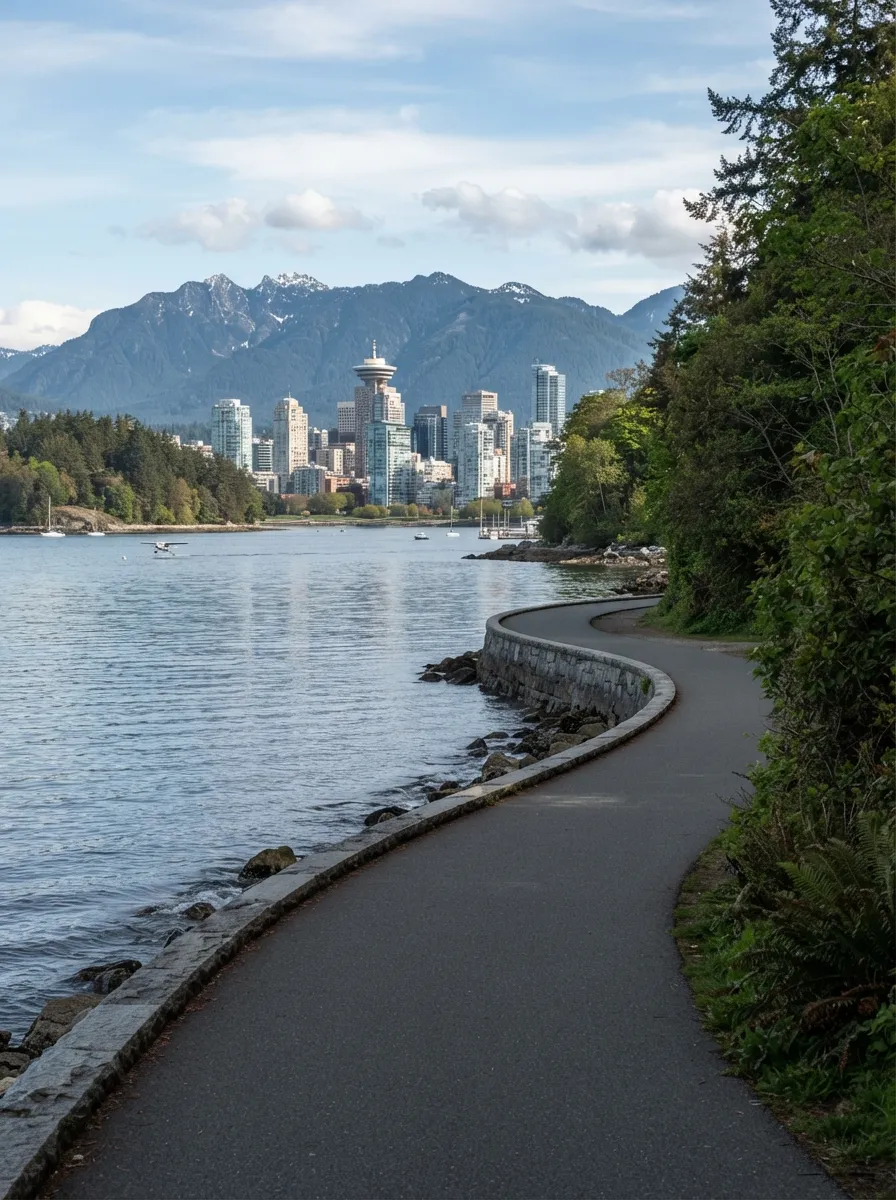
If you’re visiting British Columbia for the first time, Vancouver is the obvious starting point.
The city sits between mountains and ocean, so the scenery is never far away.
One minute you’re exploring a neighbourhood café.
The next you’re looking at snow-covered peaks across the water.
Walk Stanley Park
Stanley Park is one of Vancouver’s defining attractions.
The seawall gives you beautiful views across the water, while trails lead through forested areas filled with giant trees.
You don’t need to spend an entire day here, but don’t make the mistake of treating it as a quick photo stop.
Walk part of the seawall.
Find a quiet forest trail.
Stop for the views.
Let the city disappear for a while.
Explore Granville Island
Granville Island is one of the city’s best places to spend a few relaxed hours.
Browse the public market, look around the independent shops and galleries, and grab something to eat.
It’s touristy, yes.
It’s also worth visiting.
Visit Gastown
Gastown is one of Vancouver’s best-known historic neighbourhoods, with cobbled streets, old buildings, restaurants and the famous steam clock.
It’s particularly easy to combine with downtown sightseeing.
Head to the Mountains
One of Vancouver’s biggest advantages is how quickly you can reach outdoor scenery.
Grouse Mountain, Cypress Mountain and Mount Seymour are all within reach of the city.
In summer, you can hike and enjoy mountain views.
In winter, they become ski and snow-play destinations.
Take the SeaBus
For a different view of Vancouver, take the SeaBus across Burrard Inlet to North Vancouver.
The short journey gives you an excellent perspective of the city skyline and surrounding mountains.
Vancouver Island: Beaches, Rainforest & Coastal Scenery
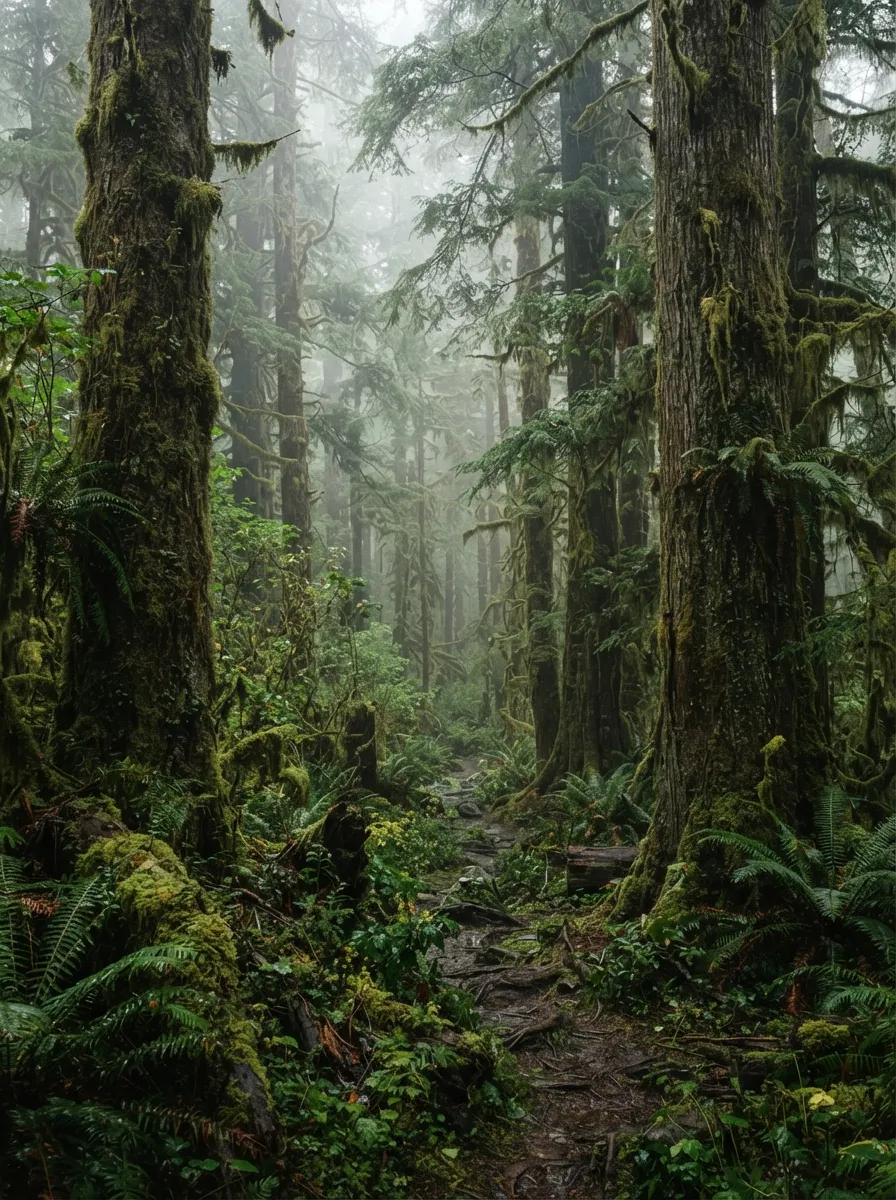
If Vancouver gives you mountains and city life, Vancouver Island gives you another version of British Columbia entirely.
The island is famous for rugged coastlines, temperate rainforest, beaches, mountains, wildlife and small coastal communities.
You could spend two weeks here without running out of things to explore.
Victoria
Start with Victoria, the provincial capital.
The city has a completely different personality from Vancouver.
It’s more relaxed, with historic architecture, gardens, harbour scenery and an easygoing coastal atmosphere.
Visit the Inner Harbour, explore downtown and make time for one of the city’s gardens.
Pacific Rim National Park Reserve
If you want to experience the wilder side of Vancouver Island, head west.
Pacific Rim National Park Reserve protects a spectacular stretch of coastline around the Tofino and Ucluelet area.
Here you’ll find beaches, rainforest and coastal trails.
The famous Long Beach is one of the most accessible places to experience the Pacific coast.
And if you’re lucky enough to visit on a stormy day, the ocean becomes a completely different beast.
Tofino
Tofino is one of British Columbia’s best-known coastal destinations.
It’s famous for surfing, beaches, rainforest, kayaking, wildlife watching and a distinctly outdoorsy atmosphere.
You don’t need to be a surfer to enjoy it.
Walk the beach.
Explore the rainforest.
Take a boat trip.
Watch the sunset.
Eat seafood.
Repeat.
Ucluelet
Ucluelet is a great alternative to Tofino if you want a slightly quieter base.
The Wild Pacific Trail is one of the area’s highlights, with coastal viewpoints, forest and dramatic Pacific scenery.
It’s the kind of place where you don’t need an elaborate attraction list.
The coastline is the attraction.
The Sea-to-Sky Highway
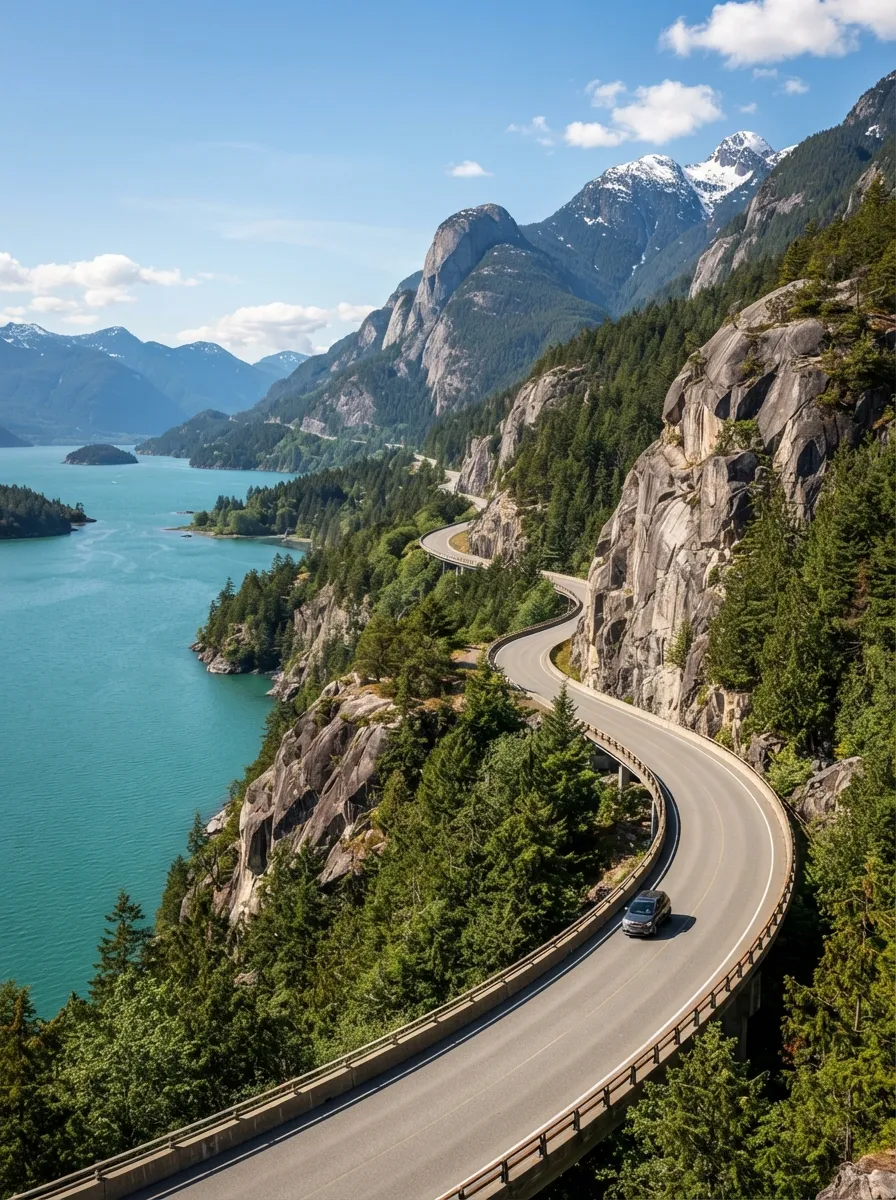
If you only have time for one British Columbia road trip, make a serious case for the Sea-to-Sky Highway.
Highway 99 connects Vancouver with Whistler and continues north toward Pemberton.
The drive is spectacular.
You travel along the coast and through mountain valleys, with cliffs, forests, waterfalls and peaks appearing around almost every corner.
And the best part is that you don’t have to rush it.
Shannon Falls
One of the easiest stops along the route is Shannon Falls Provincial Park.
The waterfall is close to the highway and makes a convenient short stop.
It’s proof that British Columbia doesn’t require a three-hour hike to produce dramatic scenery.
Sea to Sky Gondola
Near Squamish, the Sea to Sky Gondola provides panoramic views across Howe Sound and the surrounding mountains.
It’s particularly useful if you want spectacular alpine scenery without committing to a major hike.
Squamish
Squamish deserves more than a quick fuel stop.
It’s surrounded by mountains and is a major destination for hiking, climbing, mountain biking and other outdoor activities.
The town’s location makes it an excellent overnight stop between Vancouver and Whistler.
Whistler
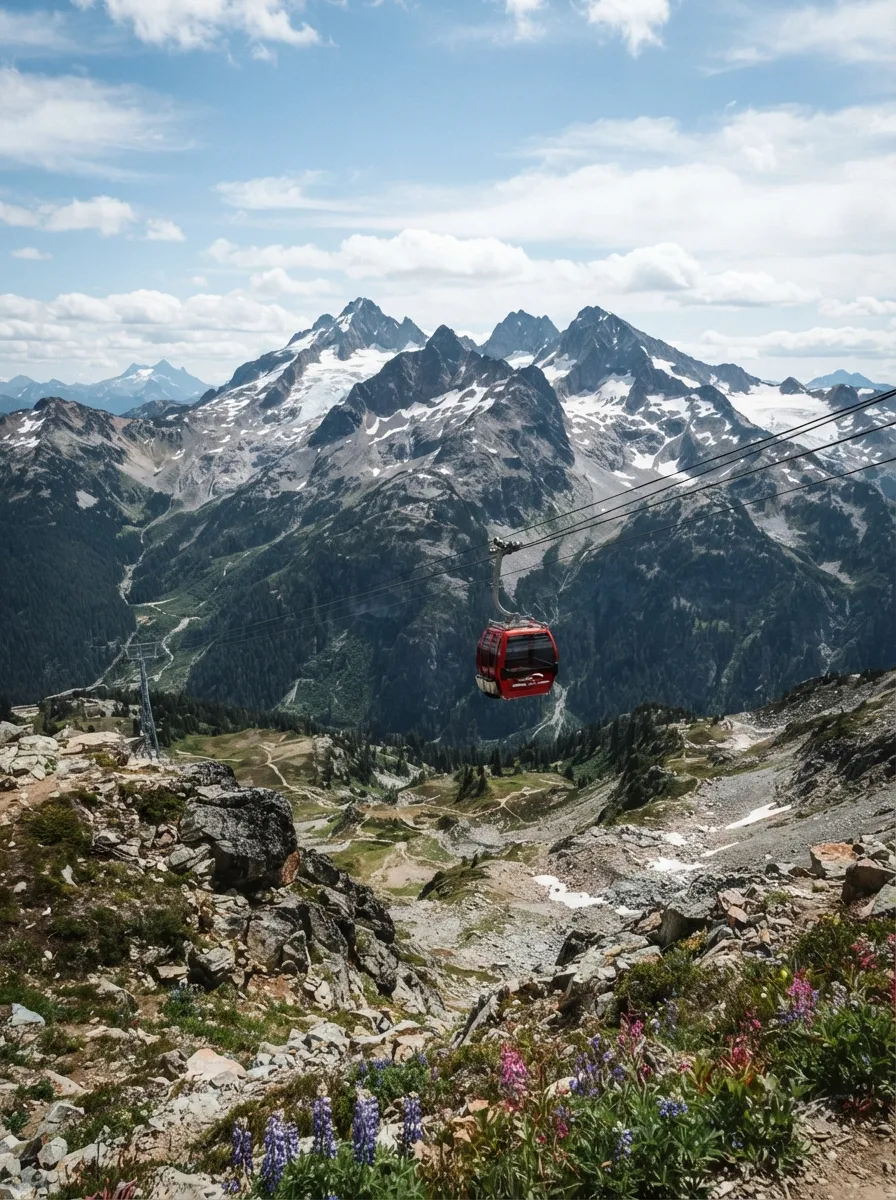
Whistler is probably the most famous mountain resort in British Columbia.
In winter, it’s one of Canada’s premier ski destinations.
In summer, the mountains become a playground for hiking, mountain biking, sightseeing and other outdoor adventures.
But don’t feel pressured to spend your entire visit doing extreme sports.
You can simply walk through Whistler Village, ride a gondola, have dinner and enjoy the mountain scenery.
Sometimes “doing nothing dramatic” is exactly the right vacation activity.
The Okanagan Valley: Lakes, Vineyards & Sunshine
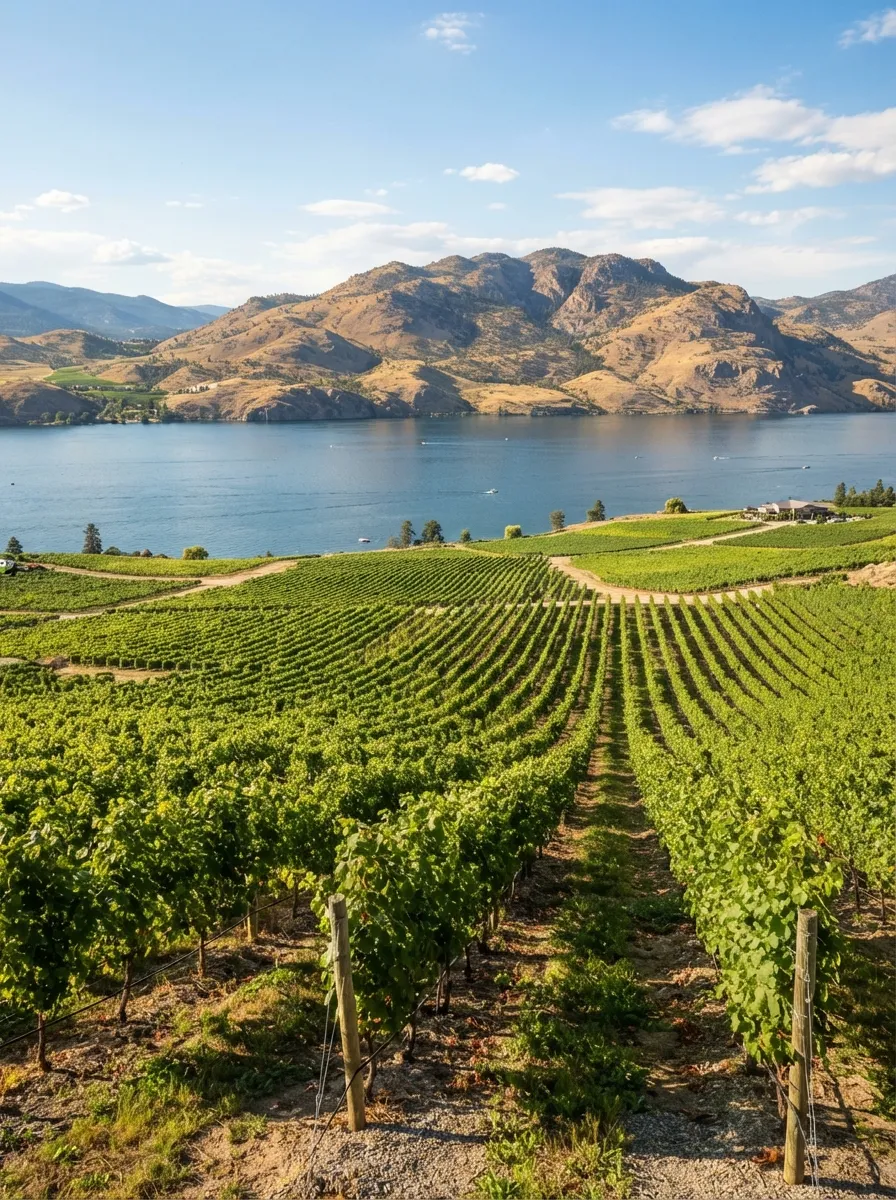
Travel east from Vancouver and British Columbia eventually changes character.
The forests give way to a warmer, drier landscape, and suddenly you’re surrounded by vineyards, orchards, lakes and rolling hills.
Welcome to the Okanagan Valley.
This is one of the province’s best regions for travellers who want to mix outdoor activities with food and wine.
Kelowna
Kelowna is the largest city in the Okanagan and a popular base for exploring the region.
Spend time around the lake, visit wineries and enjoy the city’s restaurants.
You can also use Kelowna as a starting point for outdoor activities in the surrounding hills and mountains.
Penticton
Penticton sits between Okanagan Lake and Skaha Lake, making it particularly attractive in summer.
Go swimming, paddle, cycle or simply enjoy the beaches.
It’s also surrounded by wineries.
Osoyoos
Further south, Osoyoos feels even more different from the forests around Vancouver.
The area is known for its warm, dry climate, vineyards and desert-like landscapes.
It’s a great reminder that British Columbia isn’t simply one endless wall of green forest.
The Kootenays: Mountains Without the Same Crowds
If the Rockies appeal to you but you’d rather explore somewhere that can feel a little less obvious, look toward the Kootenays.
This southeastern corner of British Columbia is packed with mountains, hot springs, lakes and small mountain towns.
Kootenay National Park
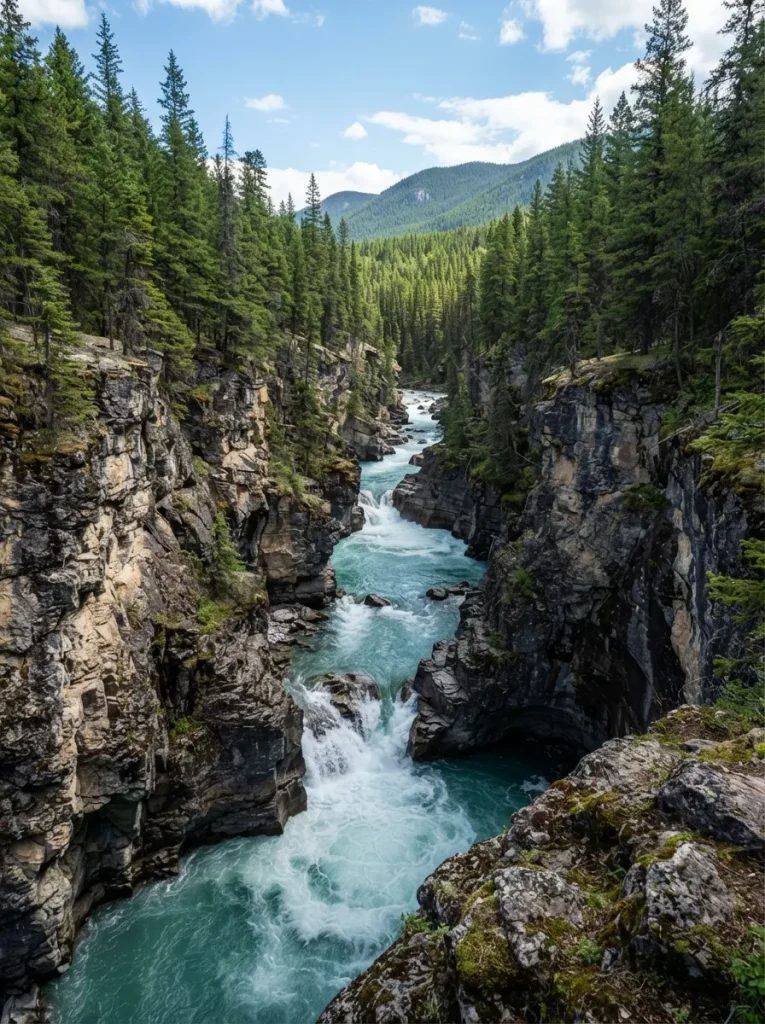
Kootenay National Park is one of British Columbia’s great mountain destinations.
Its landscape ranges from glaciers and alpine terrain to grasslands and hot springs. Parks Canada describes it as a land of contrasts, shaped by both ice and fire.
Highlights include:
- Radium Hot Springs
- Marble Canyon
- Paint Pots
- Sinclair Canyon
- Mountain hiking
- Scenic drives
The park is open year-round, but services and trail conditions are seasonal. Parks Canada specifically recommends checking current trail conditions before setting out.
Radium Hot Springs
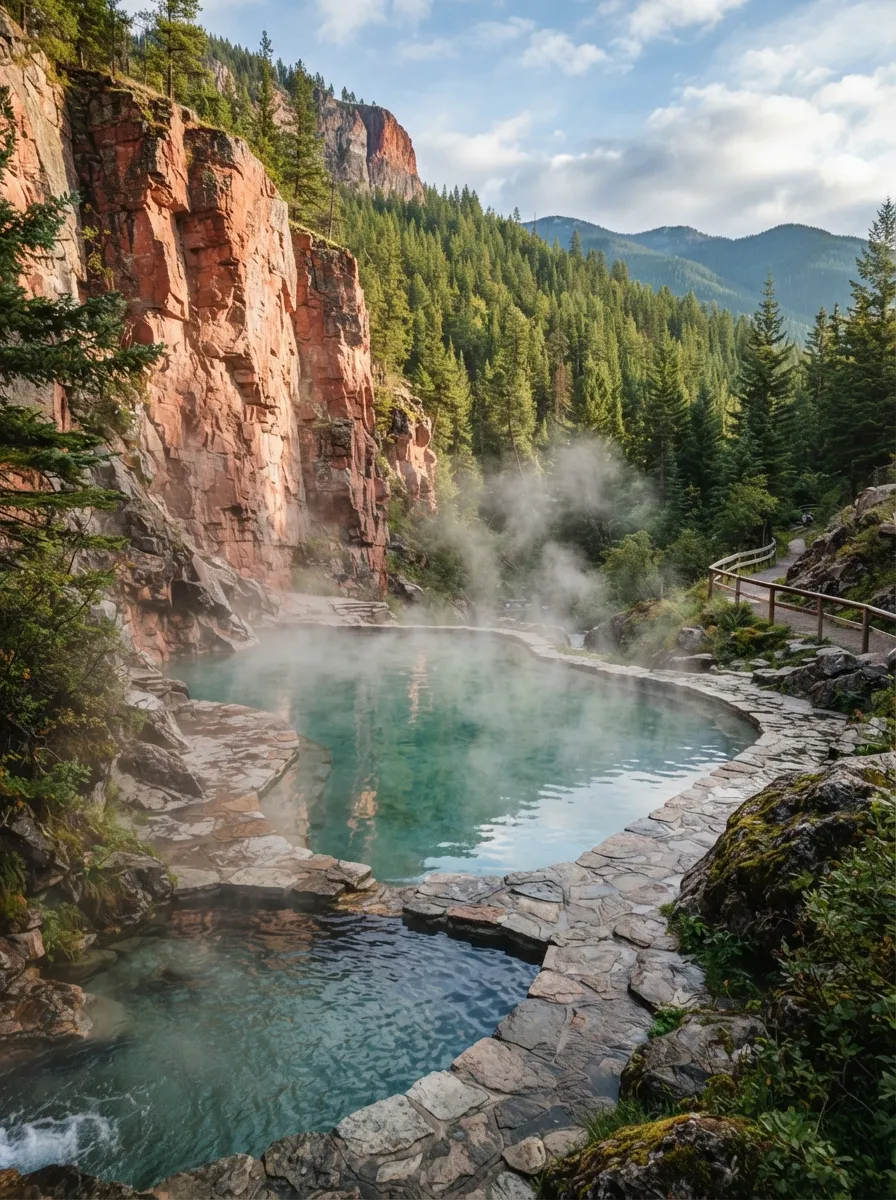
After a day in the mountains, soaking in mineral-rich hot spring water is difficult to argue with.
Radium Hot Springs is located near the eastern entrance to Kootenay National Park and offers a natural hot-spring experience with mountain scenery around you.
Nelson
Nelson is one of British Columbia’s most characterful mountain towns.
Historic buildings, independent businesses, surrounding mountains and access to outdoor adventures make it a great stop.
Rossland
Rossland is another excellent mountain destination, particularly for skiing, mountain biking and outdoor recreation.
Revelstoke: Where Mountains Get Serious
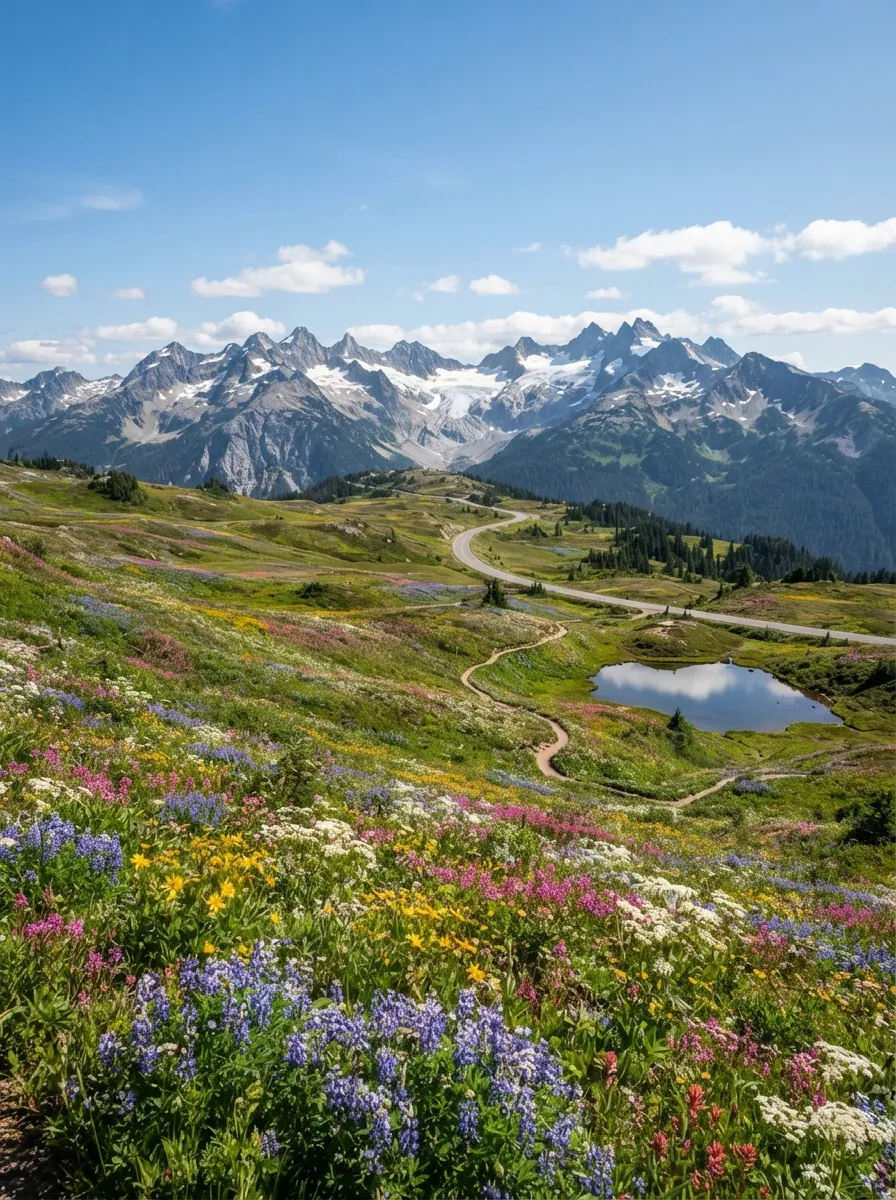
If you’re driving through British Columbia’s Interior, Revelstoke deserves a place on your route.
The town sits between major mountain ranges and provides access to some spectacular landscapes.
It’s also the gateway to Mount Revelstoke National Park.
Mount Revelstoke National Park
Mount Revelstoke is unusual because you can go from lush rainforest in the valley to alpine terrain surprisingly quickly.
Parks Canada highlights the park’s lush rainforest, mountain summit and wildflower meadows. The Meadows in the Sky Parkway climbs 26 km toward the summit area when open.
This is one of those places where you can experience several ecosystems during the same outing.
The park is open year-round, but individual roads and facilities are seasonal. The Giant Cedars and Skunk Cabbage visitor areas, for example, generally open in late May and close in mid-October.
Glacier National Park
Continue east along the Trans-Canada Highway and you’ll reach Glacier National Park.
The name is appropriate.
The park contains steep alpine terrain, deep valleys and old-growth cedar forests. Parks Canada describes it as a year-round destination, although higher-elevation trails remain snowbound well into the warmer months.
At the heart of the park is Rogers Pass, a historically important route through the mountains and part of the story of Canada’s transcontinental railway.
This is also an area where winter driving deserves serious respect.
Yoho National Park
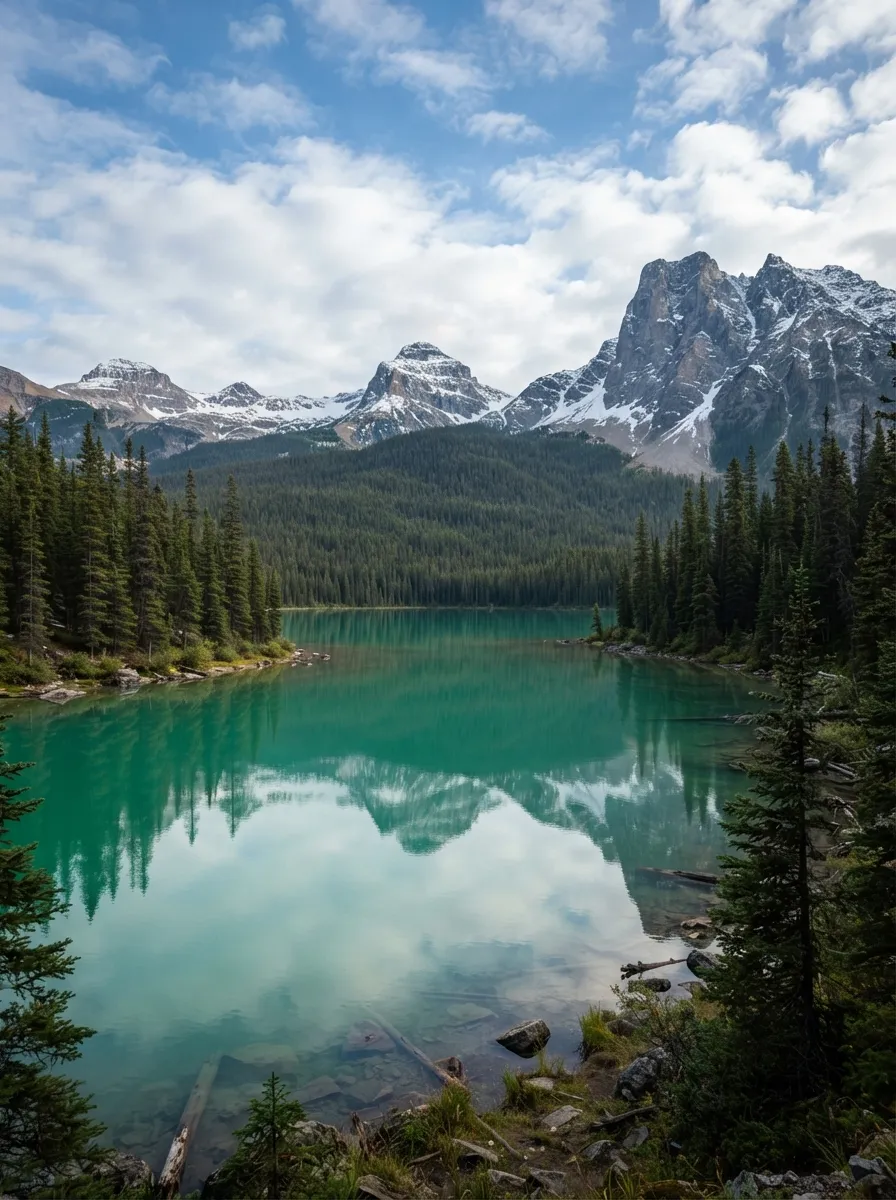
Although many travellers associate Yoho with the broader Canadian Rockies itinerary, Yoho National Park is in British Columbia and absolutely belongs on a British Columbia travel guide.
It sits on the western side of the Great Divide and is famous for towering peaks, waterfalls, glaciers and turquoise mountain lakes.
Emerald Lake
Emerald Lake is one of the most photographed places in the park.
The vivid water, surrounding mountains and forest make it almost suspiciously photogenic.
Walk the lakeshore.
Rent a canoe when conditions allow.
Or simply find a viewpoint and stare at it for a while.
Takakkaw Falls
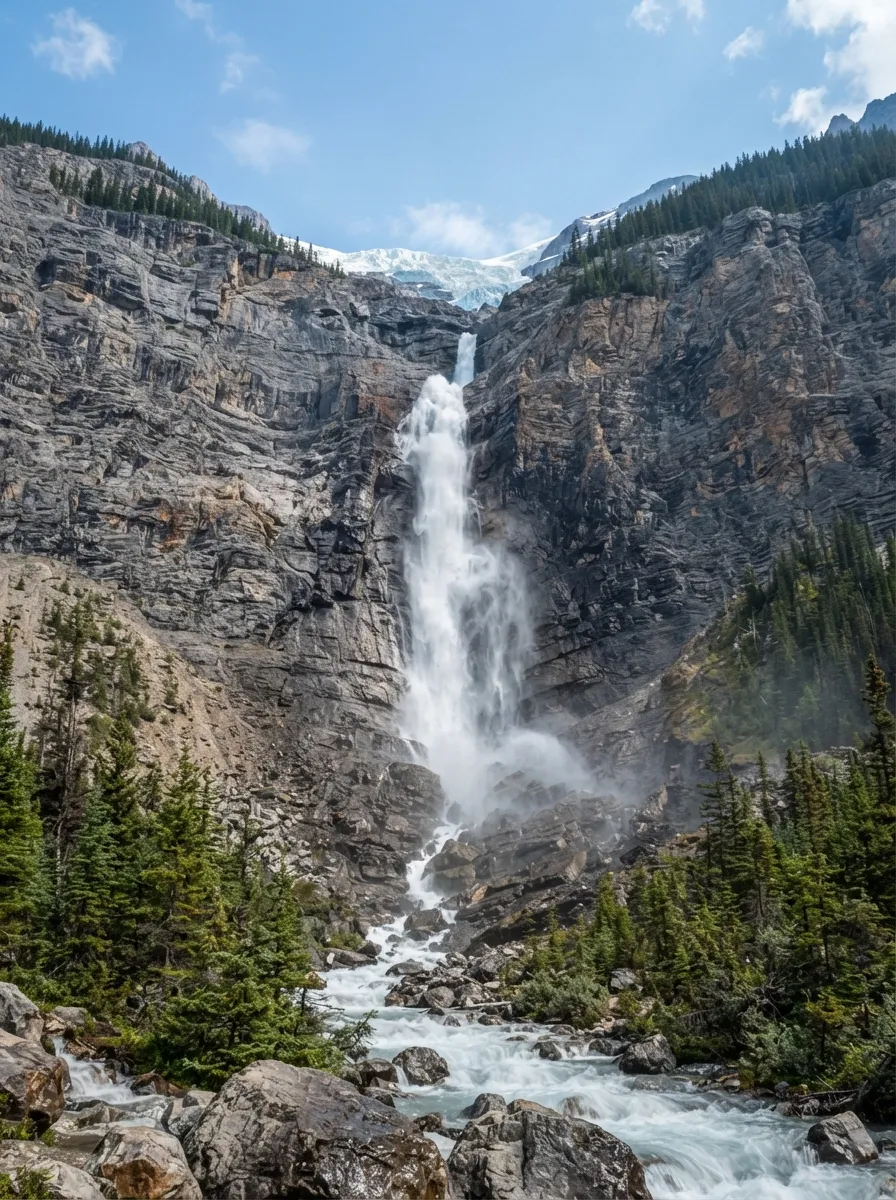
One of Canada’s highest waterfalls, Takakkaw Falls is another major highlight.
The water drops dramatically from the surrounding mountains, fed by glacial melt.
Access is seasonal, and the road to the falls has restrictions for large vehicles, so check current Parks Canada information before visiting.
Lake O’Hara
For serious hikers and nature lovers, Lake O’Hara is one of the most sought-after experiences in the region.
Access is controlled, and planning ahead is essential.
Don’t build your entire trip around simply showing up and hoping for a spot.
Parks Canada emphasizes that planning is important for visiting Yoho, particularly during its busy summer season.
The Northern Coast: British Columbia at Its Wildest
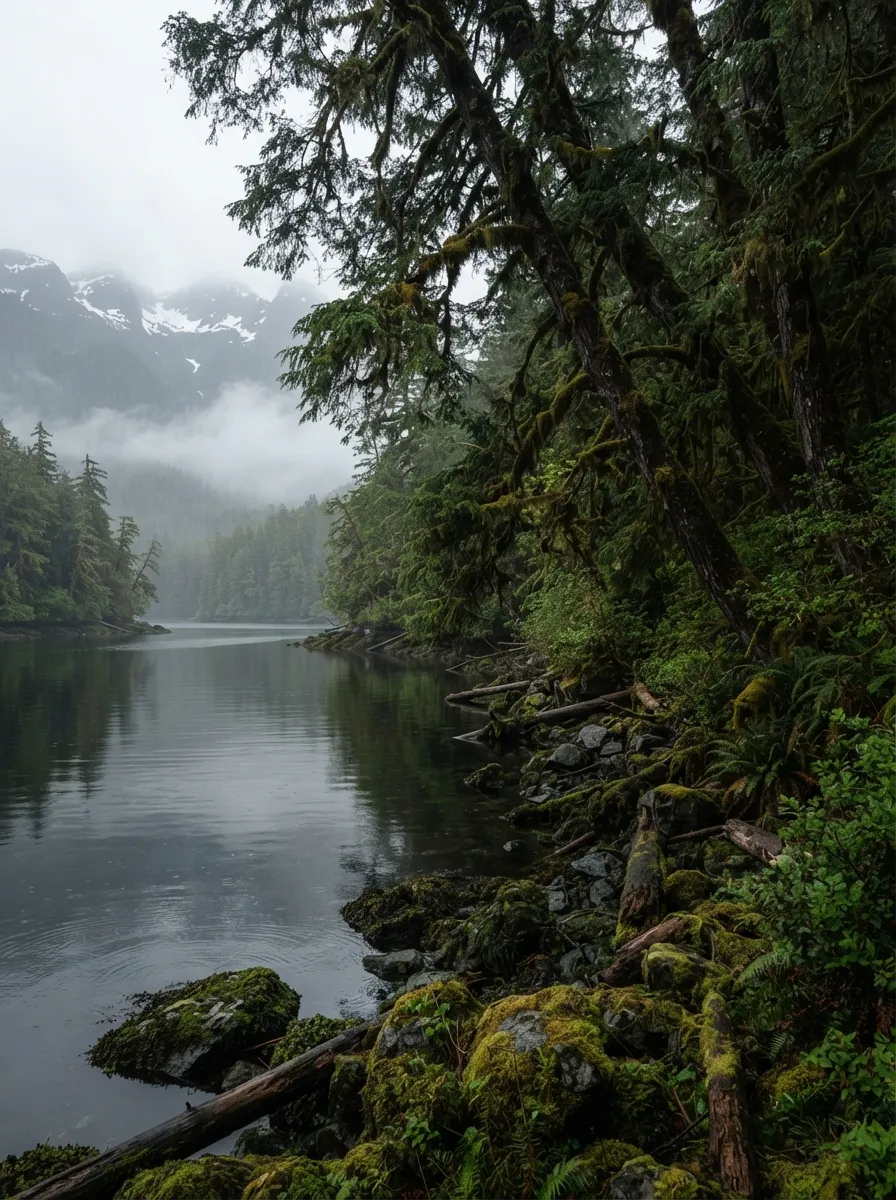
If you want to move beyond the classic Vancouver-Whistler-Victoria itinerary, start looking north.
British Columbia’s northern coastline contains some of the province’s most remote and spectacular landscapes.
This is where you find enormous stretches of wilderness, remote islands, marine wildlife and communities with deep Indigenous cultural connections.
Great Bear Rainforest
The Great Bear Rainforest is one of the world’s great temperate rainforest landscapes.
It stretches along the central and northern coast of British Columbia and includes a vast network of islands, waterways, forests and mountains.
This isn’t somewhere I’d recommend treating like a conventional road-trip destination.
Access is often by boat, floatplane or guided expedition.
That’s part of the appeal.
The rainforest feels genuinely wild.
Haida Gwaii
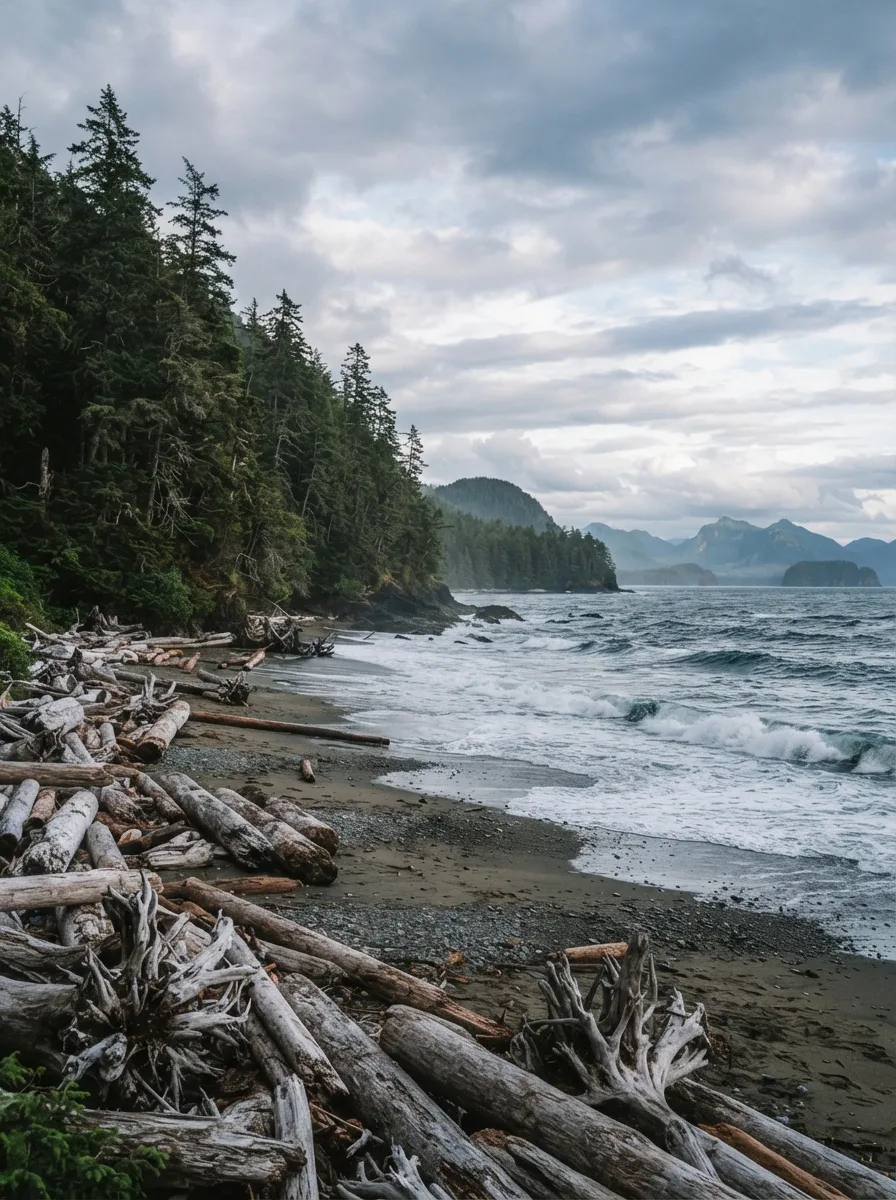
Far off British Columbia’s northern coast, Haida Gwaii is an extraordinary destination for travellers interested in nature, culture and history.
The islands are home to the Haida people and contain ancient cultural sites, forests, beaches and wildlife.
A trip here requires more planning than visiting Vancouver or Whistler, but that’s exactly why it feels so different.
Prince Rupert
Prince Rupert is an important northern coastal hub and a gateway for exploring the surrounding region.
It’s also connected to the Inside Passage ferry network, making it possible to combine a northern British Columbia trip with coastal travel.
The Sunshine Coast
The Sunshine Coast offers another beautiful coastal escape within relatively easy reach of Vancouver.
Despite its name, the Sunshine Coast isn’t necessarily about guaranteed sunshine.
It’s about coastal scenery.
Forests.
Small communities.
Ocean views.
And the pleasure of slowing down.
The route involves ferries, which is actually part of the experience.
Explore communities such as Gibsons, Sechelt and Powell River, depending on how much time you have.
This is an excellent destination if you want coastal British Columbia without immediately committing to the much longer journey to Vancouver Island’s west coast.
The Gulf Islands
British Columbia’s Gulf Islands offer another way to experience the coast.
Salt Spring Island is probably the best-known, but islands such as Galiano, Pender and Mayne each have their own personalities.
Expect:
- Quiet roads
- Beaches
- Forest trails
- Small farms
- Artists and galleries
- Local food
- Kayaking
- Slow mornings
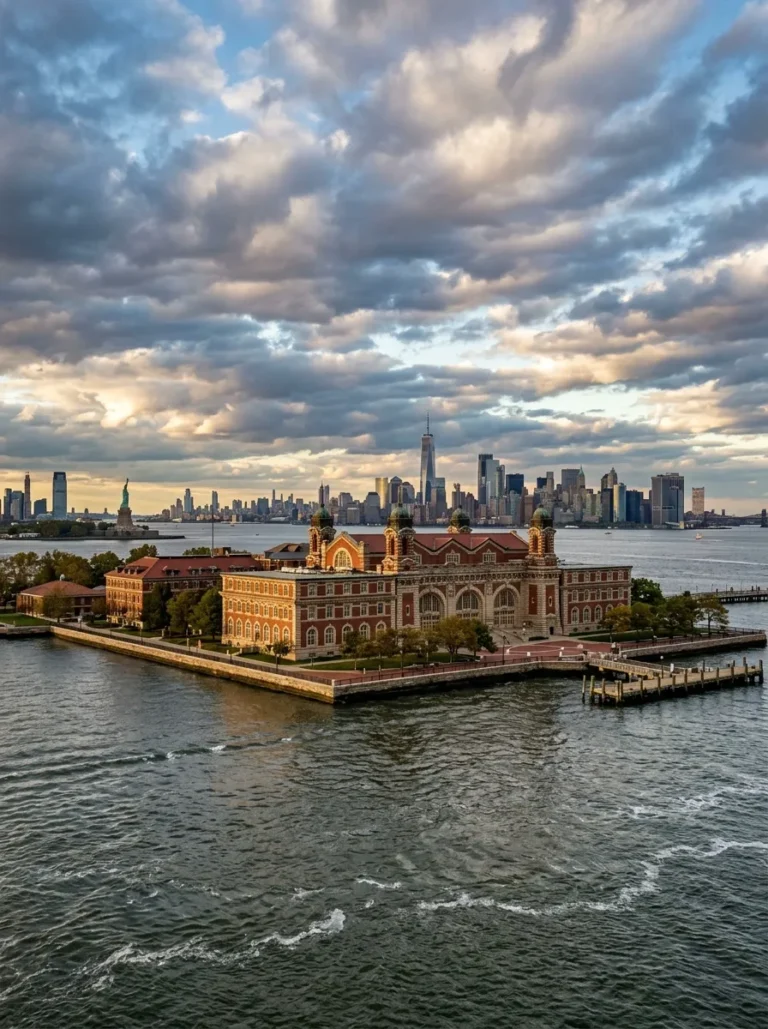
If you’re an island-hopping enthusiast, you might also enjoy our guides to Roosevelt Island, Sanibel Island and Ellis Island.
They’re very different destinations, but each shows how an island can completely change the pace of a trip
Best Things to Do in British Columbia
If you want the short list, these are the experiences I’d prioritize.
1. Drive the Sea-to-Sky Highway
This is one of the easiest ways to experience mountains and coast in a single day.
2. Explore Vancouver
Combine Stanley Park, Granville Island, Gastown and the waterfront.
3. Visit Whistler
Go skiing in winter or hiking and sightseeing in summer.
4. Walk Through a Temperate Rainforest
Vancouver Island and the Pacific Rim region are particularly good for this.
5. Explore Tofino
Surf, hike, kayak or simply enjoy the beaches.
6. Visit Victoria
Spend time around the harbour and historic core, then explore the surrounding area.
7. Visit a Mountain Hot Spring
Radium Hot Springs is an obvious choice when exploring the Kootenays.
8. Explore Yoho National Park
Emerald Lake and Takakkaw Falls are excellent starting points.
9. Experience the Kootenays
If you have extra time, don’t simply rush through.
Stay in one of the mountain communities and explore.
10. Take a Coastal Wildlife Tour
Whale watching and marine wildlife excursions are available in several coastal destinations.
11. Go Skiing
Whistler, Revelstoke, Sun Peaks and other mountain destinations offer world-class winter conditions.
12. Go Hiking
From easy forest walks to serious alpine routes, British Columbia has a trail for almost every ability.
13. Explore the Gulf Islands
Take the ferry, slow down, and embrace island time.
14. Watch the Sunset Over the Pacific
It’s free.
It’s beautiful.
And unlike some attractions, it doesn’t require a reservation.
Best Places to Hike in British Columbia
Hiking is one of the biggest reasons travellers visit the province.
But don’t underestimate the difference between a low-elevation coastal trail and a mountain route.
Easy hikes
Look for:
- Stanley Park trails
- Vancouver’s seawall
- Short rainforest walks
- Lakeside paths
- Lower-elevation provincial park trails
Moderate hikes
Whistler, Squamish, Vancouver Island and the Okanagan offer huge numbers of intermediate trails.
Serious mountain hikes
The Rockies, Coast Mountains and Kootenays contain demanding alpine routes.
These require preparation.
Weather can change quickly.
Snow can remain at higher elevations well into summer.
And cell service should never be treated as guaranteed.
Parks Canada advises visitors to check trail conditions before heading out because conditions can change rapidly.
British Columbia Wildlife
One of the great pleasures of travelling through British Columbia is realizing that you’re sharing the landscape with a remarkable amount of wildlife.
Depending on where you travel, you may encounter:
- Black bears
- Grizzly bears
- Mountain goats
- Elk
- Deer
- Bald eagles
- Orcas
- Humpback whales
- Seals
- Sea lions
- Marmots
But wildlife viewing comes with responsibility.
Never approach wild animals for photographs.
Keep your distance.
Store food properly.
Follow park rules.
And don’t assume that an animal is harmless because it looks cute.
A bear does not care how many followers your Instagram account has.
Indigenous Culture in British Columbia
A trip through British Columbia shouldn’t be only about scenery.
The province is home to many Indigenous nations, each with their own languages, histories, traditions and connections to the land.
From Vancouver Island to the northern coast and Interior, Indigenous culture is an important part of understanding British Columbia.
Look for Indigenous-owned tours, cultural centres, galleries, museums and guided experiences.
These can add considerably more depth to a trip than simply photographing a landscape and moving on.
Places such as Haida Gwaii are particularly significant because the landscape and culture are deeply connected.
When visiting cultural sites, follow local guidelines and respect areas that are protected or not open to visitors.
Best British Columbia Road Trips
British Columbia is made for road trips.
The challenge is choosing one.
Road Trip 1: Vancouver to Whistler
Vancouver → Squamish → Whistler
Best for: First-time visitors
Recommended time: 3–5 days
This is the easiest introduction to British Columbia’s mountains and coast.
Road Trip 2: Vancouver Island
Victoria → Nanaimo → Tofino → Ucluelet → Victoria
Best for: Rainforest and coastline
Recommended time: 5–8 days
Don’t rush this route.
The island is bigger than it looks on a map.
Road Trip 3: Vancouver to the Okanagan
Vancouver → Hope → Merritt → Kelowna → Penticton → Osoyoos
Best for: Lakes, food and wine
Recommended time: 5–7 days
This route shows you how dramatically British Columbia’s landscape changes as you move inland.
Road Trip 4: Vancouver to the Rockies
Vancouver → Kamloops → Revelstoke → Golden → Yoho
Best for: Mountains and national parks
Recommended time: 7–10 days
This is one of the best ways to combine Interior landscapes with the Canadian Rockies.
Road Trip 5: Kootenay Loop
Calgary → Radium Hot Springs → Invermere → Nelson → Rossland → Revelstoke
Best for: Mountain towns and wilderness
Recommended time: 7–10 days
This is a fantastic choice if you want a deeper British Columbia experience.
How Many Days Do You Need in British Columbia?
This depends heavily on how much ground you want to cover.
3 Days
Stick to Vancouver.
You could add a day trip to Whistler if you don’t mind moving quickly.
5 Days
Do:
Vancouver → Squamish → Whistler
This gives you a taste of the mountains without turning the vacation into a driving competition.
7 Days
Choose one of these:
Vancouver + Whistler + Vancouver Island
or
Vancouver + Okanagan
Don’t attempt the entire province.
10–14 Days
Now you can start combining regions.
A strong first itinerary could be:
Vancouver → Whistler → Kamloops → Revelstoke → Golden → Yoho
Or:
Vancouver → Victoria → Tofino → Ucluelet → Vancouver
3 Weeks or More
You can start exploring beyond the standard tourist circuit.
Add the Okanagan, Kootenays, northern coast or additional Vancouver Island destinations.
The more time you have, the more worthwhile it becomes to slow down.
Where to Stay in British Columbia
Accommodation varies enormously across the province.
Vancouver
Stay downtown if this is your first visit and you want easy access to major attractions.
Kitsilano and the West End are good choices if you want a more residential atmosphere.
Whistler
Stay in or near Whistler Village for convenience.
If you’re skiing, proximity to lifts can be worth paying extra for.
Victoria
Downtown or the Inner Harbour works well for first-time visitors.
Tofino
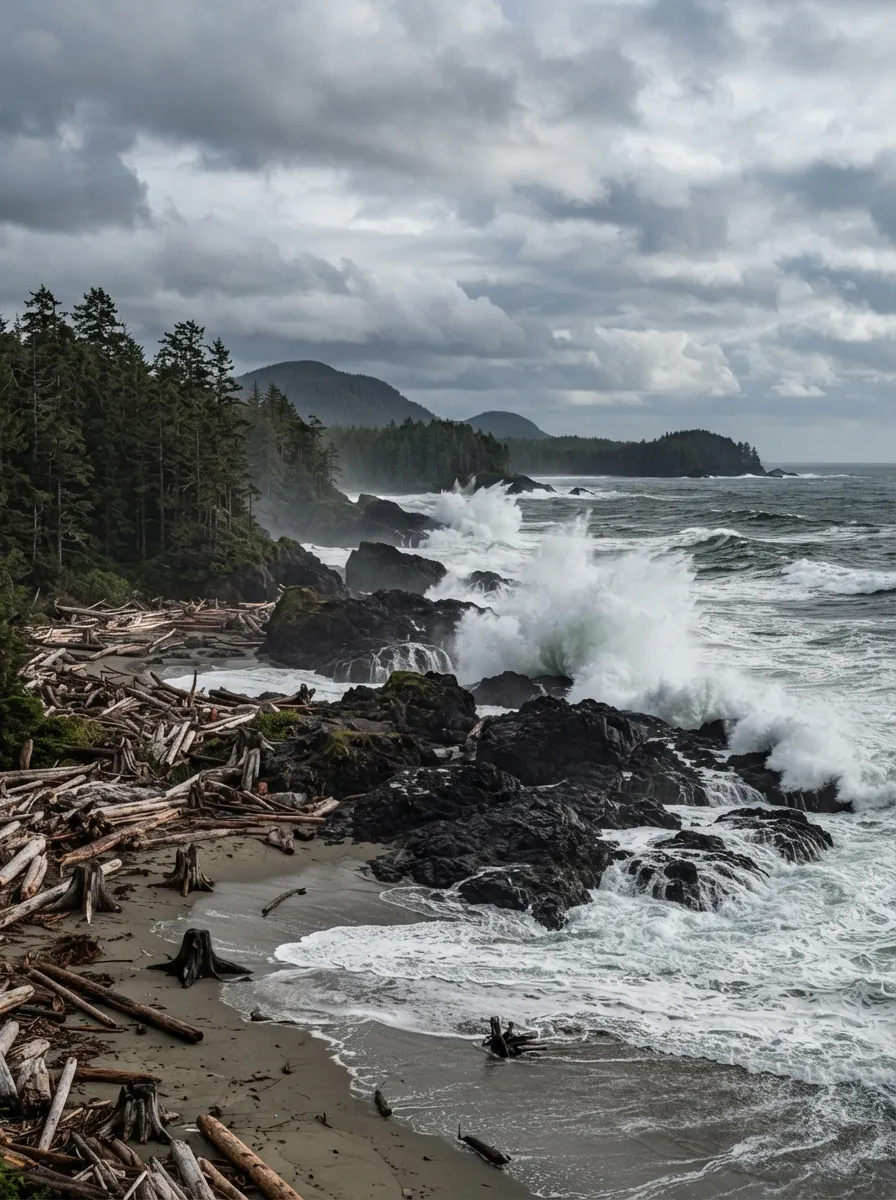
Book early during summer.
Oceanfront accommodation is particularly popular.
Kelowna
Choose downtown or a lakeside area depending on whether you prioritize restaurants or scenery.
Revelstoke
The town itself is a practical base for exploring the surrounding mountains.
Kootenays
Consider staying in smaller communities rather than simply driving through.
That’s where much of the region’s character comes from.
Getting Around British Columbia
By Car
For most travellers, a car is the best option.
British Columbia is huge.
Public transportation works well in Vancouver and some major towns, but it becomes less practical once you start exploring national parks, rural communities and coastal destinations.
By Ferry
Ferries are essential for many coastal trips.
Vancouver Island, the Sunshine Coast and Gulf Islands all involve ferry travel on common itineraries.
Don’t assume you can always arrive five minutes before departure and walk straight onto the boat.
During busy travel periods, reservations and advance planning can be important.
By Plane
For longer distances, flying can save enormous amounts of time.
Vancouver is the main international gateway, while airports in places such as Victoria, Kelowna, Kamloops, Prince George and Nanaimo can make regional travel easier.
National Parks and Park Passes
British Columbia contains several Parks Canada destinations, including:
- Pacific Rim National Park Reserve
- Yoho National Park
- Kootenay National Park
- Glacier National Park
- Mount Revelstoke National Park
- Gulf Islands National Park Reserve
- Gwaii Haanas
Parks Canada currently lists these among its British Columbia destinations.
If you’re visiting several national parks, check whether an annual Discovery Pass makes financial sense for your itinerary.
One important 2026 detail is that the Canada Strong Pass free-admission period ends September 7, 2026. From September 8, regular park pass requirements resume.
Always check the specific park before visiting because access, facilities, closures and seasonal restrictions vary.
British Columbia Travel Tips
Don’t underestimate distances
This is probably the biggest mistake first-time visitors make.
British Columbia looks manageable on a map.
It isn’t.
A route that looks short can involve mountain highways, ferry crossings, construction, traffic and frequent scenic stops.
Add more time than Google Maps initially suggests.
Check mountain conditions
Mountain weather can be completely different from conditions in Vancouver.
If you’re hiking at elevation, check the actual mountain forecast and trail conditions.
Book popular summer accommodation early
Whistler, Tofino, Victoria and major national park areas can become busy during summer.
Don’t overpack your itinerary
British Columbia rewards slow travel.
You don’t need to visit five lakes before lunch.
Pick one and enjoy it.
Carry layers
Weather changes quickly, especially in mountain environments.
A sunny morning doesn’t guarantee a warm afternoon.
Respect fire restrictions
Wildfire risk can become significant during the warmer months.
Always check current fire bans and restrictions before camping, having a campfire or travelling into affected areas.
Keep wildlife wild
Don’t feed animals.
Don’t approach them.
And don’t stop your vehicle in dangerous places simply because you spotted a bear beside the road.
The photograph isn’t worth creating a traffic hazard.
What to Pack for British Columbia
Your packing list depends heavily on the season, but a few things are useful almost year-round.
For summer
- Hiking shoes
- Comfortable walking shoes
- Waterproof jacket
- Light layers
- Sunscreen
- Sunglasses
- Hat
- Reusable water bottle
- Daypack
- Insect repellent
For mountain trips
Add:
- Warm mid-layer
- Insulating jacket
- Proper hiking socks
- Trekking poles
- Extra food
- Navigation tools
- Emergency supplies
For winter
Bring:
- Insulated boots
- Warm base layers
- Waterproof outer layers
- Gloves
- Hat
- Neck warmer
- Snow-ready clothing
Don’t pack for Vancouver and assume the same clothes will work in Revelstoke or the Rockies.
British Columbia has several climates hiding inside one province.
Is British Columbia Expensive?
It can be.
Vancouver, Whistler and popular summer destinations are not budget destinations, particularly during peak travel periods.
But the province also has plenty of ways to control costs.
Ways to save money
- Travel during shoulder season
- Stay outside major resort centres
- Cook some meals
- Camp when appropriate
- Choose free hiking trails
- Use public transportation in Vancouver
- Stay in cabins or vacation rentals with kitchens
- Combine several attractions into one road-trip route
- Avoid changing hotels every night
Some of the best British Columbia experiences are completely free.
A mountain view doesn’t charge admission.
Neither does watching the sunset.
British Columbia for Families
British Columbia works exceptionally well for family trips.
Children can enjoy:
- Beaches
- Lakes
- Wildlife
- Easy hikes
- Gondola rides
- Whistler
- Museums
- Ferries
- Kayaking
- Wildlife tours
- Outdoor adventure parks
The trick is not trying to turn every day into a major expedition.
Build your itinerary around one major activity and leave time for spontaneous stops.
A child who has spent three hours hiking may not appreciate your carefully researched fourth waterfall.
British Columbia for Couples
The province is equally good for couples.
Imagine:
A cabin in the mountains.
A lakeside morning.
A winery afternoon.
A sunset over the Pacific.
A rainforest walk the next day.
It’s almost unfairly well equipped for romantic road trips.
If you’re looking for other island escapes, our guides to the Hawaiian Islands and Jeju Island offer a very different kind of island experience.
British Columbia for Outdoor Adventure
If you like being outside, British Columbia can keep you busy for months.
Hiking
From coastal forest to high alpine terrain.
Skiing
Whistler, Revelstoke and other mountain resorts offer world-class winter terrain.
Mountain Biking
Whistler is particularly famous for downhill and trail riding.
Kayaking
The coastline, islands and lakes offer countless opportunities.
Surfing
Tofino is Canada’s most famous surfing destination.
Fishing
The province’s rivers, lakes and coastal waters attract anglers from around the world.
Wildlife Watching
Whales, bears, eagles, seals and other wildlife can all feature in a well-planned trip.
Camping
British Columbia has an enormous range of campgrounds and backcountry opportunities.
Just remember that wilderness camping comes with responsibilities.
A Perfect 10-Day British Columbia Itinerary
If you’re visiting for the first time and want a balanced introduction, here’s one route I’d seriously consider.
Days 1–2: Vancouver
Explore:
- Stanley Park
- Granville Island
- Gastown
- Waterfront
- North Vancouver
Day 3: Vancouver → Squamish
Drive the Sea-to-Sky Highway.
Stop at:
- Shannon Falls
- Sea to Sky Gondola
- Squamish
Stay overnight in Squamish.
Days 4–5: Whistler
Spend two nights exploring Whistler.
Summer:
- Hiking
- Gondola
- Mountain biking
- Lakes
Winter:
- Skiing
- Snowboarding
- Snowshoeing
Day 6: Whistler → Kamloops
Drive east toward the Interior.
The landscape changes dramatically as you leave the Coast Mountains behind.
Day 7: Kamloops → Revelstoke
Enjoy the mountain scenery and arrive in Revelstoke.
Day 8: Revelstoke
Explore Mount Revelstoke National Park and the surrounding area, checking current trail and facility conditions before heading out.
Day 9: Revelstoke → Golden / Yoho
Continue east.
Explore the mountain landscapes around Golden and Yoho.
Day 10: Yoho
Visit Emerald Lake and other accessible highlights before continuing toward your onward destination.
This itinerary is relatively fast, but it gives first-time visitors a taste of the province’s enormous geographic variety.
A Better 14-Day British Columbia Itinerary
If you have two weeks, slow it down.
Days 1–3: Vancouver
City, food, Stanley Park and North Shore.
Days 4–5: Squamish and Whistler
Sea-to-Sky Highway, hiking and mountain scenery.
Days 6–7: Vancouver Island
Fly or ferry to Victoria.
Days 8–10: Tofino
Drive across Vancouver Island and spend several nights exploring the Pacific coast.
Days 11–12: Victoria
Return to Victoria and explore the city.
Days 13–14: Vancouver
Return to Vancouver and use the final day as a buffer.
This route gives you a much better balance between city, mountains, rainforest and coast.
Is British Columbia Worth Visiting?
Absolutely.
But the real reason isn’t one particular attraction.
It’s the combination.
Few places let you experience a modern Pacific city, towering mountains, temperate rainforest, glacial lakes, vineyards, islands and rugged ocean coastline within the same trip.
That’s British Columbia’s magic.
You can spend the morning walking through rainforest.
By afternoon, you’re looking at a glacier.
The next day, you’re sitting beside the Pacific.
Then you’re eating local food beside a vineyard.
The scenery keeps changing, but the sense of scale doesn’t.
Final Thoughts
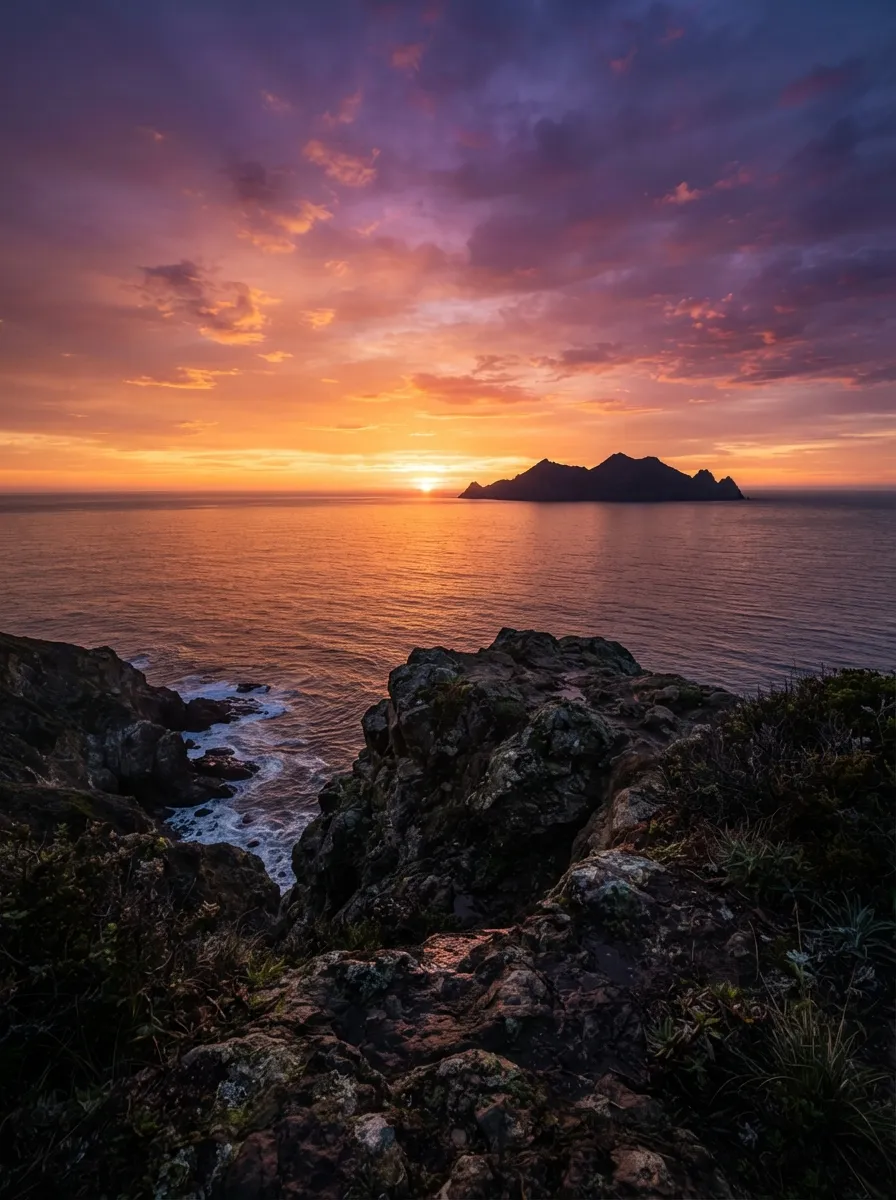
British Columbia is not a destination I’d recommend trying to “complete.”
You can’t.
And trying will probably result in spending your vacation staring at a highway while eating sandwiches in a rental car.
Instead, choose a region and give it room.
For a first trip, Vancouver, Whistler and Vancouver Island make an excellent combination.
For mountains, add Revelstoke, Glacier, Yoho or Kootenay.
For wine and warm summer days, head toward the Okanagan.
For rainforest and rugged Pacific coastline, make time for Tofino and the west coast of Vancouver Island.
For something wilder, look north toward the Great Bear Rainforest and Haida Gwaii.
And if islands are your thing, don’t stop at British Columbia. You can continue your island-travel rabbit hole with our guides to Crab Island in Destin, Assateague Island and the best islands in Greece.
But British Columbia itself deserves more than a quick tick on a Canada itinerary.
Come for the mountains.
Stay for the rainforest.
Follow the road to the coast.
And somewhere along the way, you’ll probably understand why people who visit British Columbia once tend to start planning their next trip before they’ve even left.