Things to Do on Whidbey Island: The Complete 2026–27 Travel Guide
Whidbey Island solves a problem most island getaways create for themselves: it delivers genuine, unhurried Pacific Northwest island scenery without demanding a ferry reservation booked weeks in advance or a full vacation’s worth of planning. At more than 55 miles long, it’s the longest island in Washington State and the fourth-longest in the contiguous United States, yet it remains close enough to Seattle for a spontaneous day trip and open enough — thanks to the Deception Pass Bridge connecting it to the mainland — that you can drive on and off without touching a ferry schedule at all, if that’s what a trip calls for.
This guide covers things to do on Whidbey Island for the rest of 2026 and into 2027, and the island’s real appeal is how differently its three regions play. North Whidbey holds Deception Pass’s dramatic bridge-and-strait scenery and naval history around Oak Harbor; Central Whidbey centers on Coupeville’s historic waterfront, Ebey’s Landing’s bluff trails and Penn Cove’s mussel farms; and South Whidbey’s Langley delivers a quieter, artsier small-town pace with whale-watching potential right from the bluffs. Few islands this accessible manage to feel this varied.
Whether you’re planning a quick day trip from Seattle, a full weekend built around Coupeville’s historic core, or a slower multi-day exploration of all three regions, this guide breaks down what’s genuinely worth your time, current 2026 ferry logistics, and how to time a visit around Whidbey’s real seasonal highlights — including the Penn Cove Mussel Festival, one of the island’s best-loved annual events.
Recommended Travel Items for Your Trip
AT A GLANCE: WHIDBEY ISLAND
- Best overall time to visit: May through September for full access and best weather; year-round for a quieter, slower trip
- Best region for history and scenery: Central Whidbey (Coupeville, Ebey’s Landing, Fort Casey)
- Best region for small-town charm: South Whidbey (Langley)
- Best region for dramatic natural scenery: North Whidbey (Deception Pass State Park)
- Best hike: Ebey’s Landing National Historical Reserve bluff trail
- Main access points: Deception Pass Bridge (drive-on, no ferry) or Washington State Ferries from Mukilteo to Clinton
- Biggest annual event: Penn Cove MusselFest, Coupeville
- Ideal trip length: A day trip is genuinely possible; 2–4 days covers the island properly
Whidbey Island at a Glance: Where to Focus Your Time
Whidbey’s three informal regions each have a distinct character, and picking the right one — or planning enough time to cover more than one — shapes the whole trip.
| Region | Best For | Best Upcoming Time | Suggested Stay | Main Consideration |
| North Whidbey (Oak Harbor, Deception Pass) | Dramatic bridge views, state park hiking, naval history | Year-round | 1 night | Busiest single spot on the island (Deception Pass) |
| Central Whidbey (Coupeville, Ebey’s Landing, Penn Cove) | History, bluff hikes, the mussel festival | Year-round | 1–2 nights | Small-town dining options, book ahead in festival season |
| South Whidbey (Langley, Freeland) | Art galleries, quiet beaches, whale watching | Year-round | 1–2 nights | Farthest from the Deception Pass entry point |
Why Whidbey Island Works So Well as a Getaway
Whidbey’s real advantage is flexibility. Unlike the San Juan Islands further north, which require a ferry and a real time commitment, Whidbey can be reached entirely by car via the Deception Pass Bridge from the north, making it one of the most low-friction island escapes in the entire Pacific Northwest. That accessibility hasn’t cost it character — Coupeville’s waterfront, Ebey’s Landing’s bluff trails and Penn Cove’s working mussel farms all feel genuinely rooted in place rather than built for tourists passing through. It’s an island that rewards both a rushed day trip from Seattle and a slower multi-day stay in equal measure.
When to Visit Whidbey Island: Seasons and Events
Late 2026: What’s Left on the Calendar
September and October 2026 bring some of Whidbey’s most pleasant weather — the summer crowds thin out, temperatures stay mild, and the island’s farms shift into harvest season, with U-pick lavender fields and farm stands still active into early fall. November begins the wetter, quieter Pacific Northwest winter stretch, though the island’s indoor attractions, wineries and cozy small-town cafés remain a genuine draw even in the off-season.
2027 Planning: Penn Cove MusselFest and Beyond
Penn Cove MusselFest, centered in historic downtown Coupeville, is Whidbey’s signature annual food event, combining mussel-cooking demonstrations, chowder tastings, guided boat tours of a local mussel farm and a beer garden, typically held over a multi-day stretch in early March. Confirm exact 2027 dates on the festival’s official site closer to the date, and note that Coupeville’s limited lodging fills up well ahead of the event — book early if this is the anchor of your trip.
If a food-and-culture festival built around a single signature dish sounds like your kind of travel anchor, it’s a concept that plays out beautifully elsewhere too — this month-by-month guide to the best time to visit Mauritius applies that same seasonal-planning instinct to a very different island on the other side of the world.
Summer 2027 and Peak Season
June through August brings Whidbey’s busiest stretch, with full ferry schedules, the widest restaurant and lodging availability, and the best odds for warm, dry days on the island’s beaches. This is also when the seasonal Everett-to-Langley Harbor Hopper passenger ferry typically runs on select days, offering a scenic, car-free alternative route onto South Whidbey during the warmer months — confirm the 2027 schedule closer to summer, since it operates on a limited, specific set of days.
WEATHER NOTE
Like the rest of the Pacific Northwest, Whidbey’s weather can shift quickly regardless of season — a sunny bluff-top hike at Ebey’s Landing can turn windy and cool within an hour, especially near the water. Layers matter more here than any single “right” outfit for the day.
Deception Pass State Park
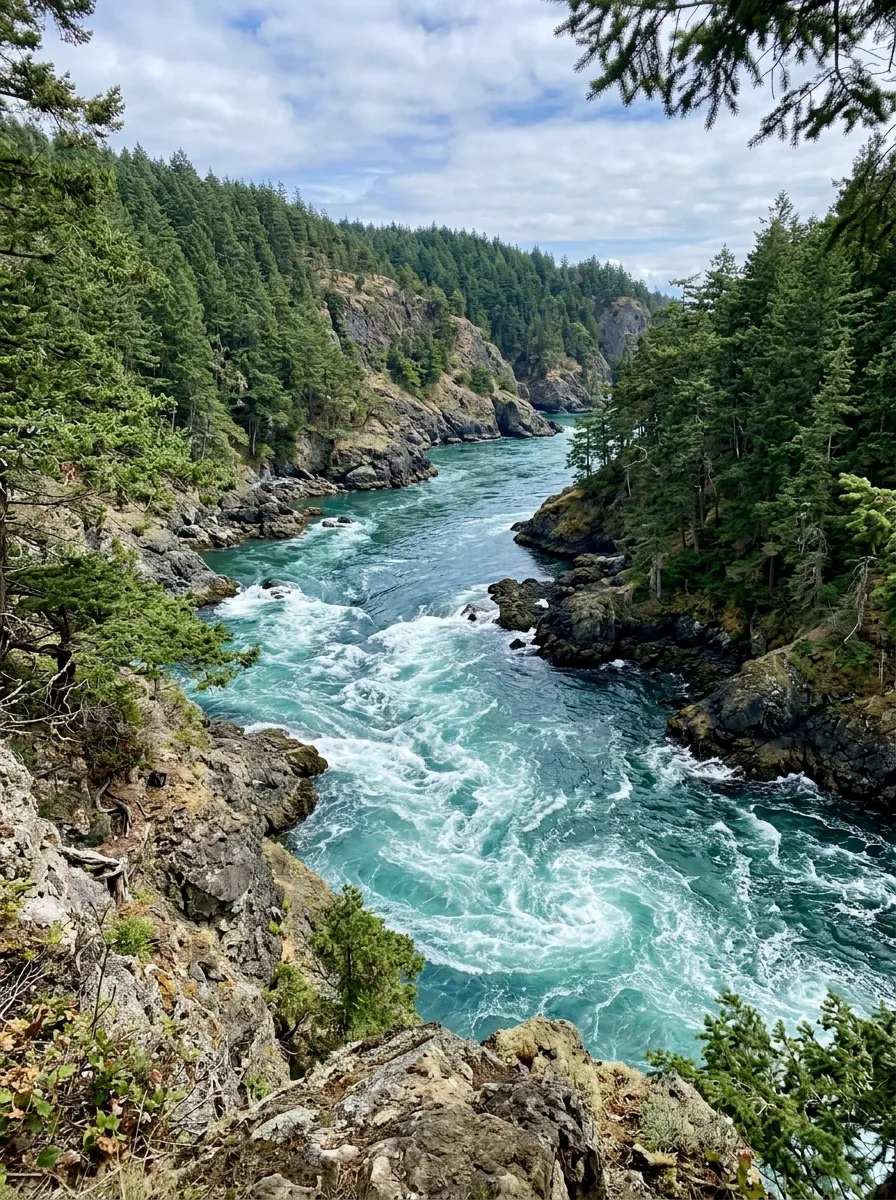
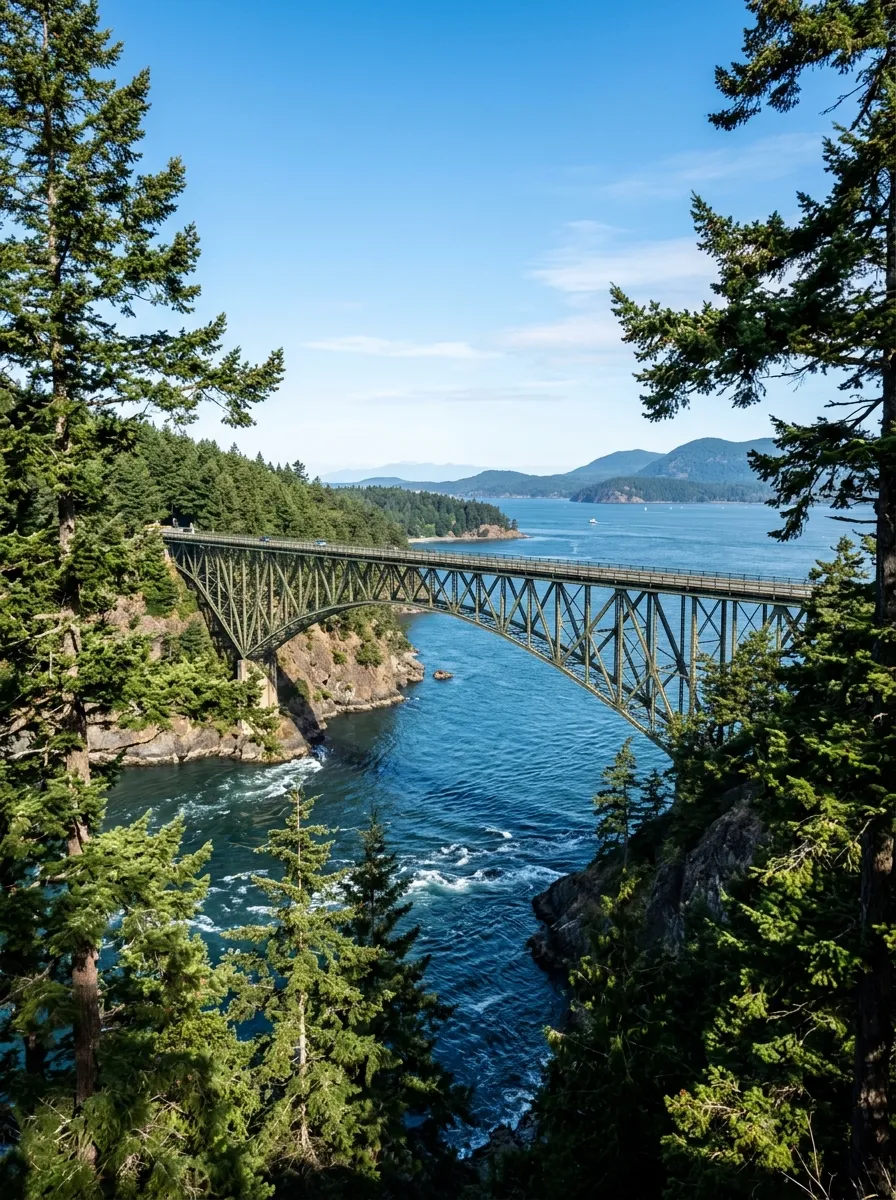
Deception Pass is Whidbey’s most photographed landmark and one of the most visited state parks in Washington, anchored by the dramatic Deception Pass Bridge spanning the turbulent strait between Whidbey and Fidalgo Islands. The 976-foot bridge, listed on the National Register of Historic Places, offers sweeping views of Skagit Bay and the Salish Sea from the Canoe Pass Bridge section, and pull-offs along Highway 20 — plus a favorite viewing spot on tiny Pass Island between the two bridge sections — deliver some of the best photo opportunities on the island. Note that the pier at Bowman Bay has remained closed indefinitely as of early 2026 due to storm damage, so check the park’s official status page before planning a fishing trip specifically around it.
Goose Rock Trail
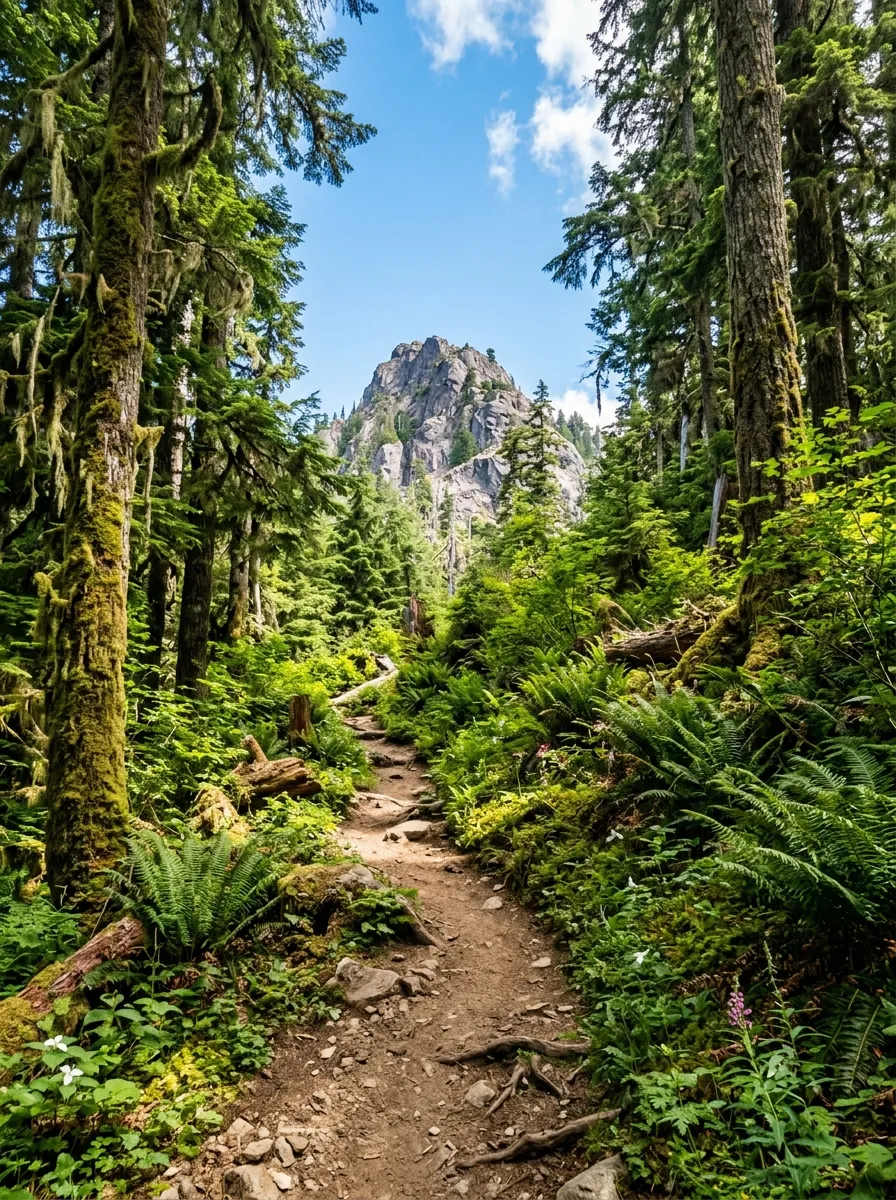
A short, moderate 2.2-mile hike within Deception Pass State Park, Goose Rock Trail climbs to the highest point on Whidbey Island, rewarding hikers with views over Ben Ure Island and, on clear days, distant Mount Baker. It’s a strong pick for visitors wanting a real payoff without a full-day commitment.
Ebey’s Landing National Historical Reserve
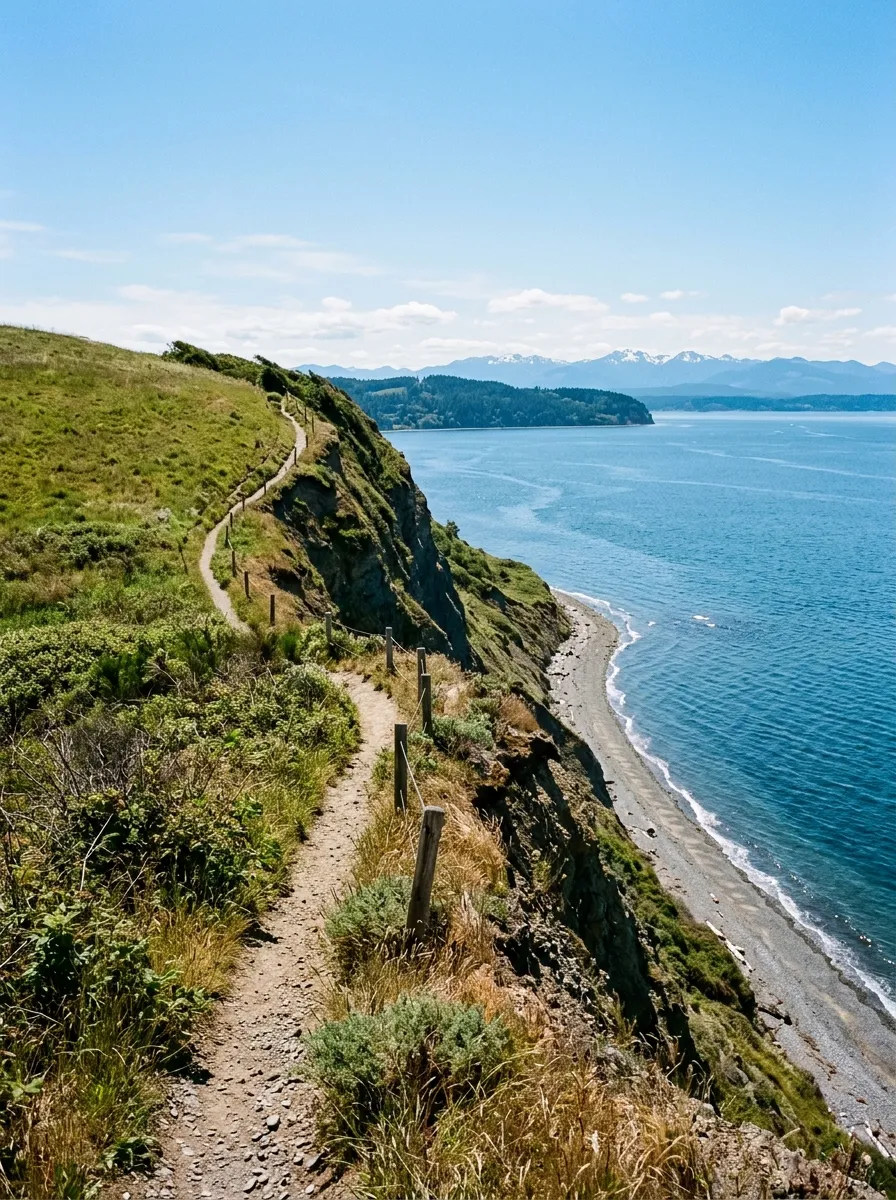
If a single hike had to represent Whidbey Island, it would be the bluff trail at Ebey’s Landing — sweeping views of the Olympic Mountains across the water paired with the historic farmland below, widely regarded as one of the best coastal walks in Washington State. The reserve preserves one of the best-remaining examples of a historic rural landscape in the country, and the trail’s blend of prairie, bluff and beach makes it a genuinely different hiking experience than the forested trails found elsewhere on the island.
Coupeville
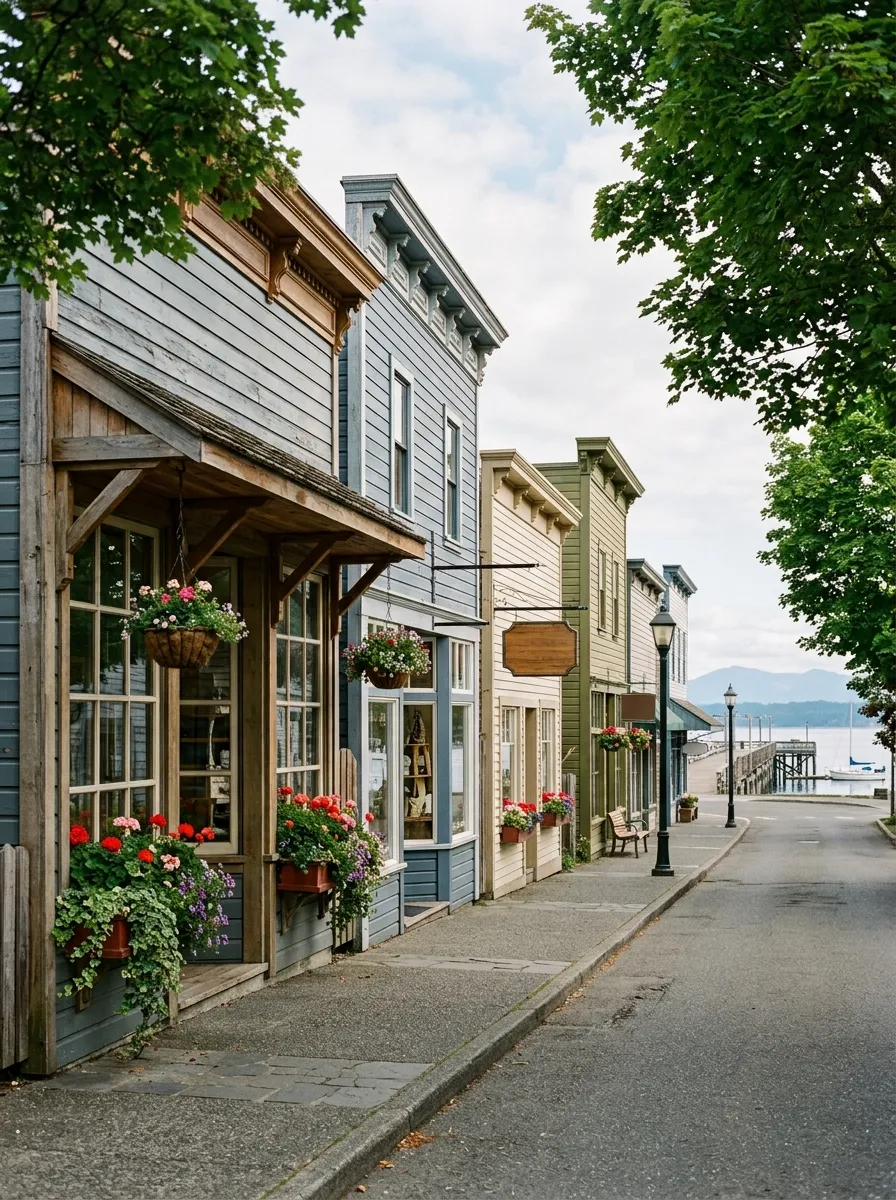
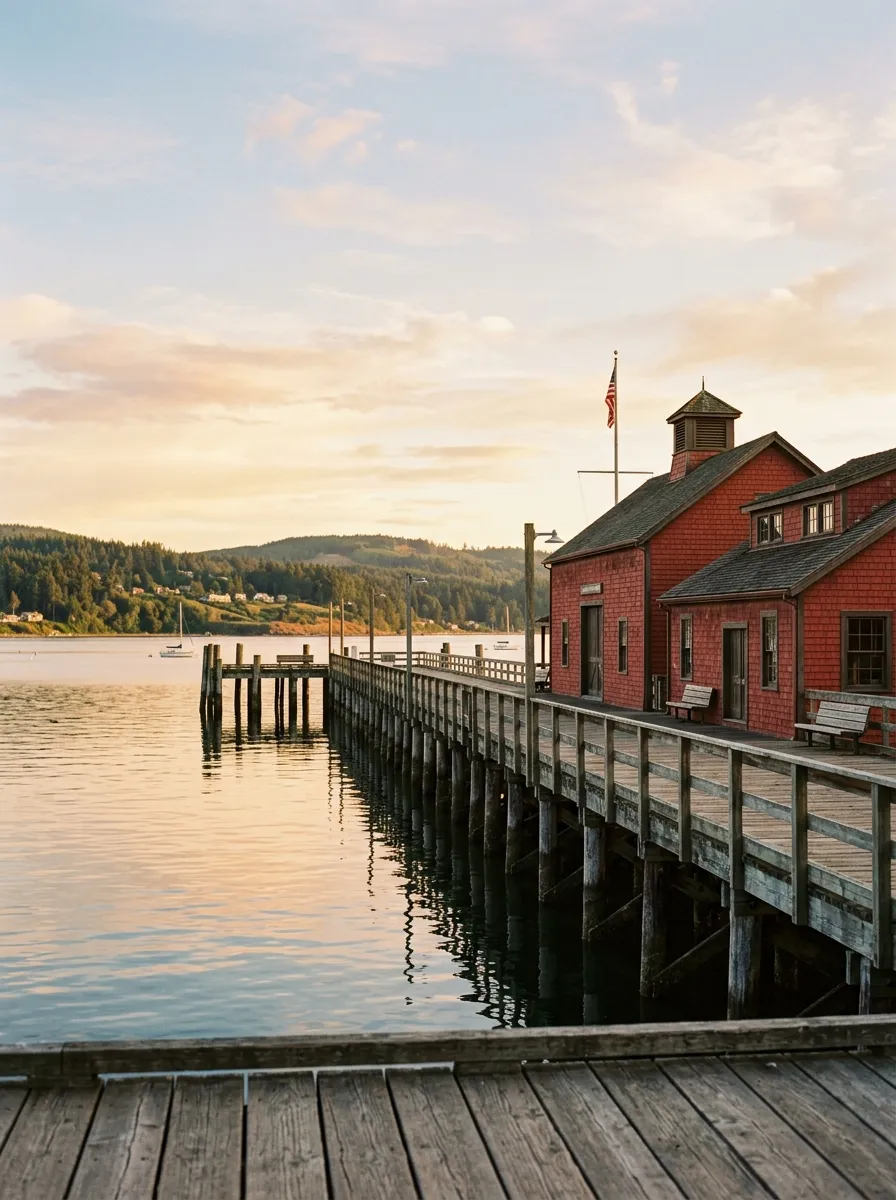
Central Whidbey’s historic seat, Coupeville sits directly on Penn Cove and holds one of the best-preserved 19th-century waterfronts in the state, alongside a small but genuinely engaging local museum covering Native peoples, European settlers, pioneers and Chinese immigrants’ histories on the island — with exhibits that even touch on the Columbian mammoths that once roamed the area. The town’s compact core makes it an easy walkable stop, and it anchors the Penn Cove MusselFest each year.
Fort Casey Historical State Park
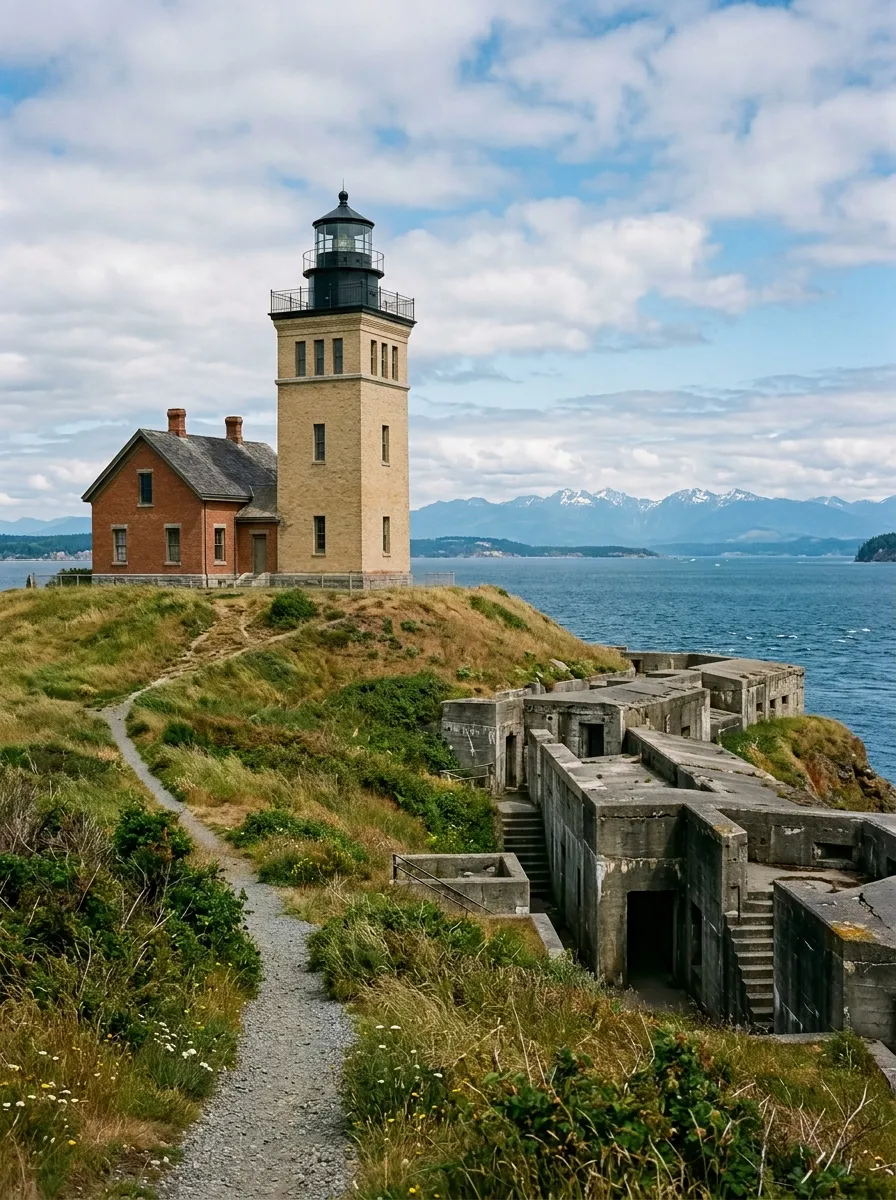
Part of the “Triangle of Fire” coastal defense system built to guard Puget Sound, Fort Casey preserves decommissioned gun batteries and a lighthouse with sweeping strait views, offering a genuinely different kind of historical stop than Coupeville’s civilian waterfront history. It pairs naturally with a Central Whidbey day given its close proximity to both Coupeville and Ebey’s Landing.
Penn Cove and Mussel Farming
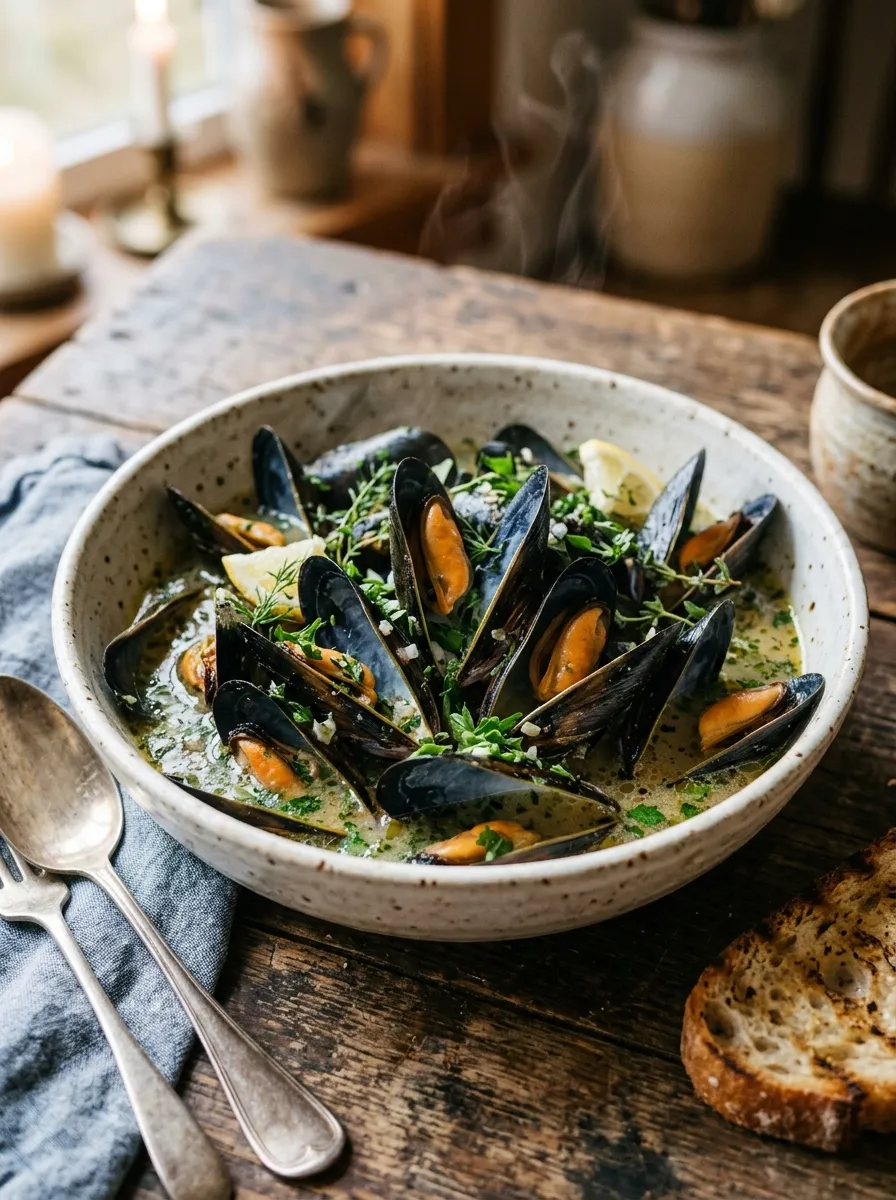
Penn Cove’s calm, nutrient-rich waters have made it one of the most recognized mussel-farming regions in the country, and the working mussel farms here are the backbone of the annual MusselFest. Even outside festival season, the cove itself — ringed by Coupeville’s historic waterfront — remains one of the most scenic and photographed spots on the island.
Price Sculpture Forest
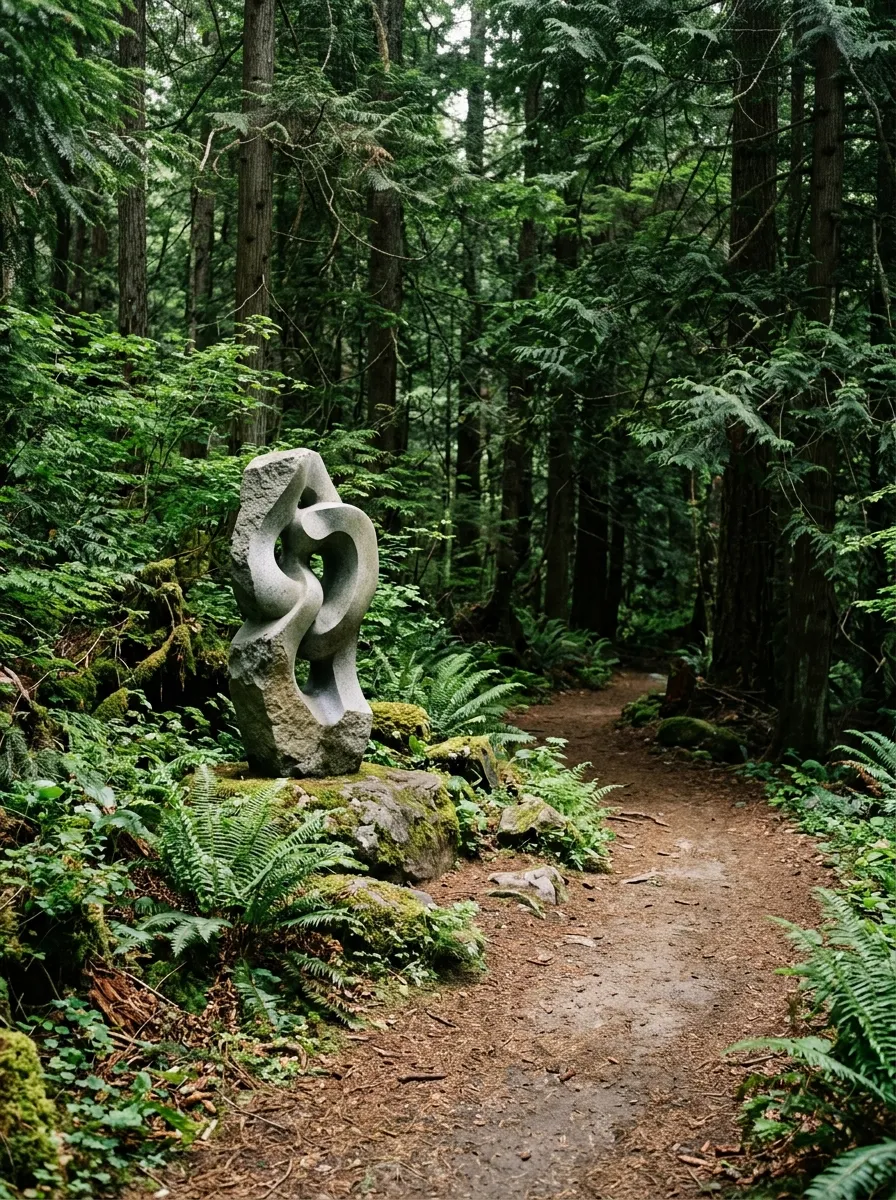
A newer addition to Whidbey’s attraction roster near Coupeville, Price Sculpture Forest blends outdoor sculpture installations with a wooded trail system, functioning almost like a gallery hunt through the trees. It’s a strong, easy add-on to an Ebey’s Landing or Coupeville day, especially for travelers who want a slower, more contemplative walk.
Langley
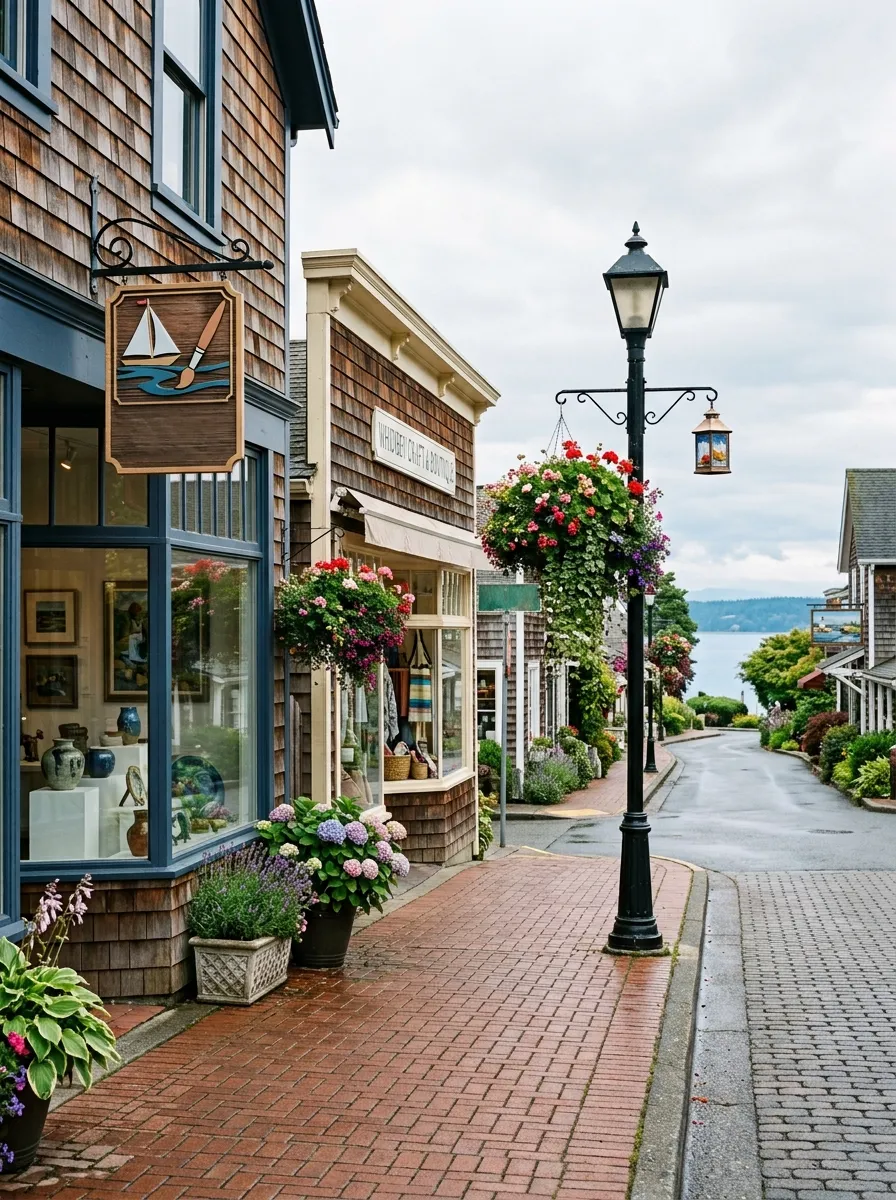
South Whidbey’s Langley delivers the island’s most concentrated dose of small-town charm — art galleries, boutique shops and whale-watching potential directly from the town’s bluff-top viewpoints, since gray whales pass close to shore here during their spring migration. It’s a genuinely relaxing base, with a noticeably slower pace than the busier Deception Pass end of the island.
Small towns with an outsized sense of charm relative to their size are a particular travel pleasure, and Langley delivers that in spades — this list of magical Irish villages you must visit captures that same small-town magic on a very different continent, worth bookmarking for a future trip built around exactly that feeling.
Whidbey Whale Watching
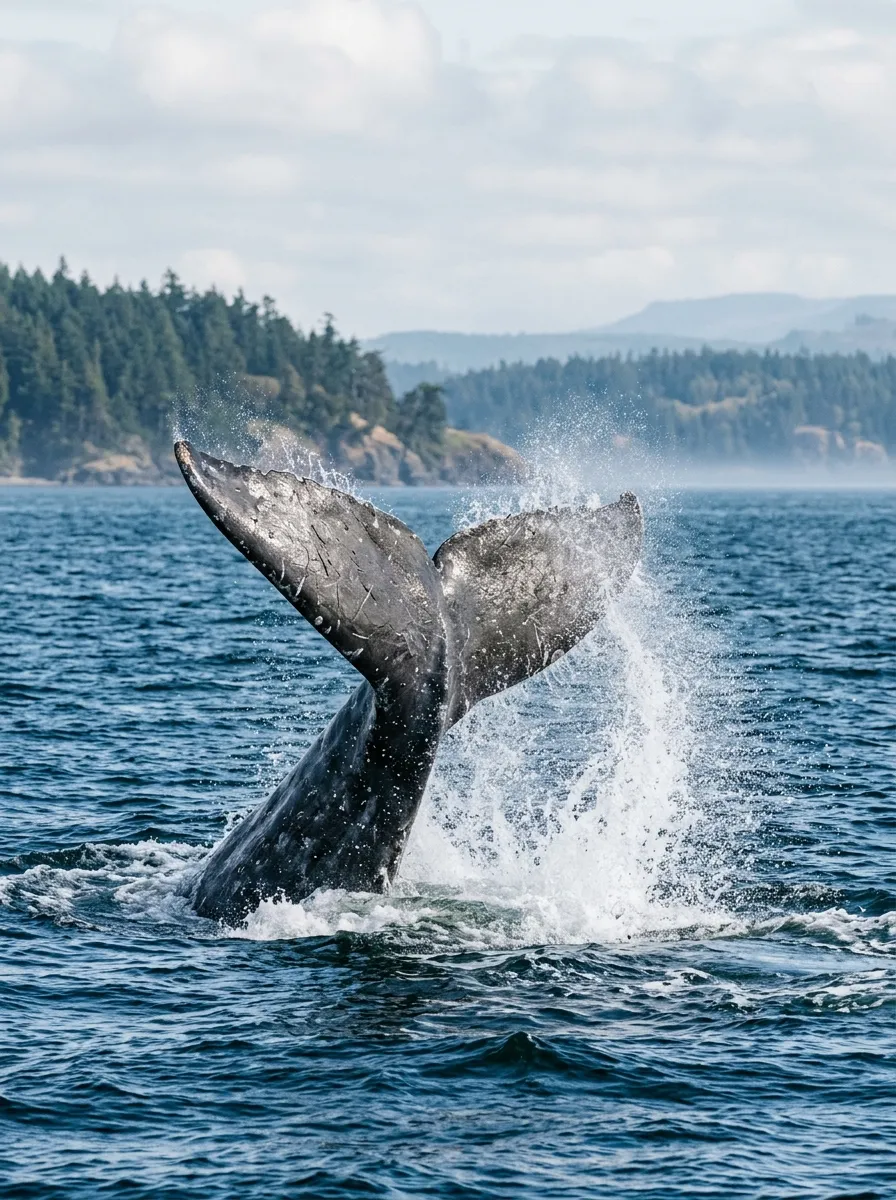
Gray whales migrate close to Whidbey’s shores each spring, and South Whidbey’s bluffs — particularly around Langley — offer real shore-based viewing potential without a boat tour required. Guided whale-watching boat tours also depart seasonally from Deception Pass, with visitors regularly reporting sightings of orca pods alongside harbor seals, pelicans and eagles on a single outing.
Double Bluff Beach and South Whidbey State Park
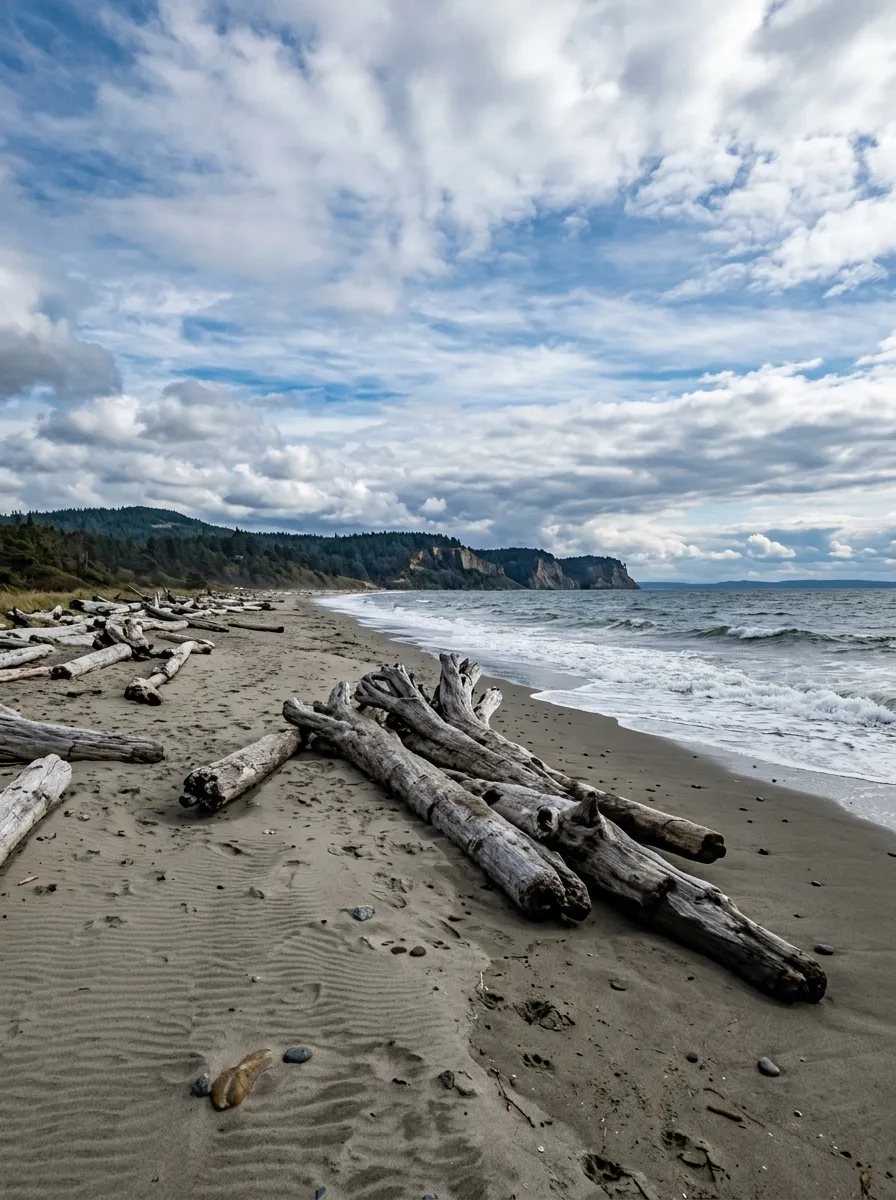
South Whidbey’s beaches offer a quieter, less-visited alternative to the crowds at Deception Pass, with Double Bluff Beach popular for long beach walks and dog-friendly stretches, and South Whidbey State Park holding old-growth forest trails alongside its own beach access — a strong pick for travelers wanting genuine solitude.
Whidbey Island Wineries and Farms
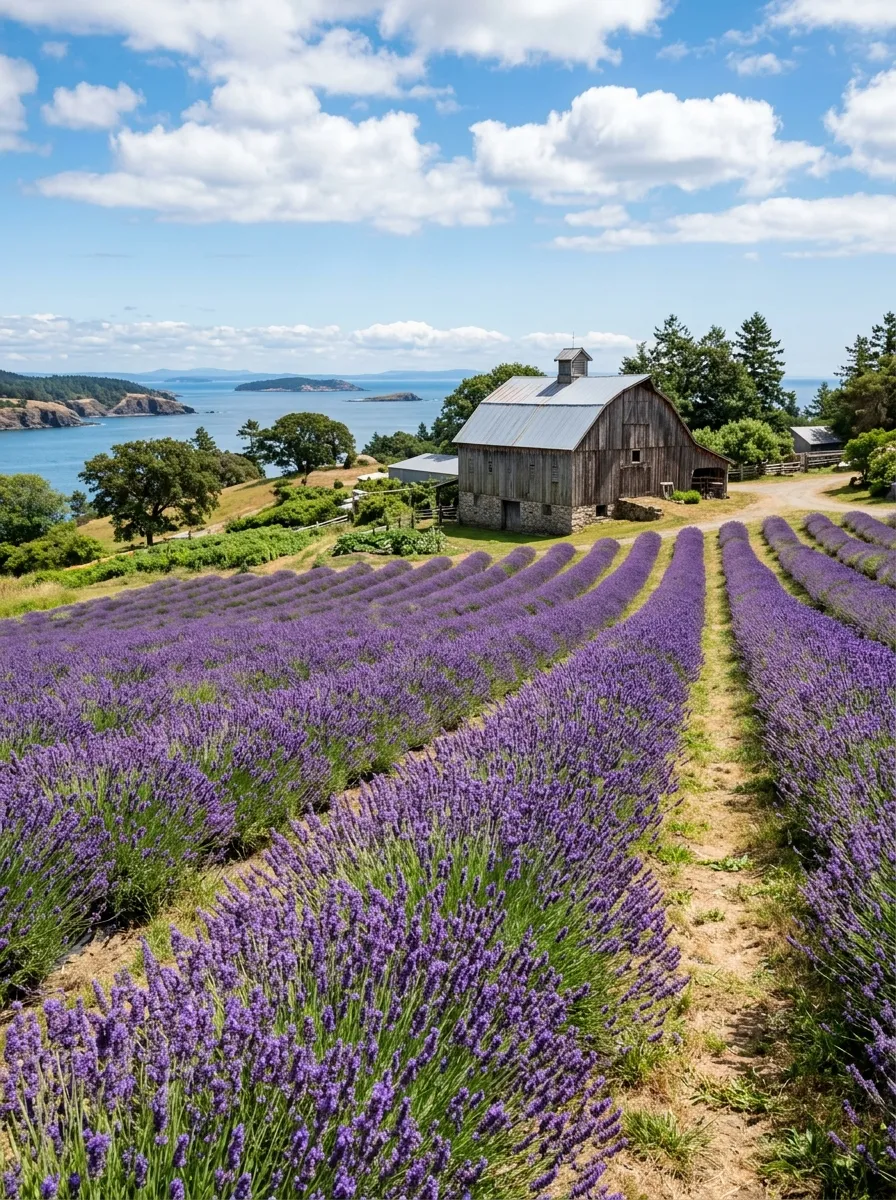
Whidbey’s fertile soil supports a genuine small-producer wine and farm scene, including U-pick lavender farms (particularly active in late summer), alpaca farms offering hands-on visits for families, and a handful of boutique wineries scattered across Central and South Whidbey. It’s a low-key, rewarding way to fill an afternoon between the island’s bigger hikes and historic stops.
Pacific Northwest Naval Air Museum
Near Oak Harbor in North Whidbey, this museum — formerly known as the PBY-Naval Air Museum — traces the history of Naval aircraft based at NAS Whidbey Island and other Pacific Northwest air stations, a worthwhile stop for aviation history enthusiasts and a reminder of the island’s ongoing role as an active naval base.
Tide Pooling and Kayaking
Whidbey’s rocky beaches offer genuinely rewarding tide pooling, particularly around Deception Pass and the island’s western shore facing the Strait of Juan de Fuca. Kayaking is equally strong here, with rental outfitters in Penn Cove and elsewhere offering guided or self-guided paddles — though Penn Cove’s winds can pick up strongly in the late afternoon, so an early start and a realistic sense of your return time matter more than casual paddlers might expect.
Day Trip and Multi-Day Adventure Planning
Whidbey’s compact size and drive-on accessibility make it genuinely well suited to both a single rushed day trip and a slower multi-day exploration — a flexibility that pairs naturally with wanting to build out a bigger, more adventure-focused Pacific Northwest or international itinerary around it.
If Whidbey has you in the mood for planning a bigger adventure-focused trip elsewhere, it’s worth pairing this island escape with something further afield — this one-week Costa Rica itinerary and these Thailand travel tips for first-time visitors both apply that same slow-down-and-explore mindset to two very different international destinations worth bookmarking for your next trip.
Where to Stay on Whidbey Island
Coupeville (Central Whidbey): The best base for history, hiking and Penn Cove MusselFest access, with a compact, walkable historic core.
Langley (South Whidbey): The strongest pick for a quieter, art-and-boutique-focused stay, with genuine whale-watching potential from town.
Oak Harbor (North Whidbey): The most practical base for Deception Pass access and naval history, generally the island’s most developed town for lodging and dining variety.
How to Get to Whidbey Island and Around
By car via Deception Pass Bridge: The most flexible option for visitors coming from the north (via Anacortes and Highway 20), requiring no ferry at all.
By Washington State Ferries (Mukilteo–Clinton): The primary route for visitors coming from Seattle and the mainland south of the island; as of a May 2026 fare check, adult passenger fares ran around $7.10, with vehicle fares collected separately. This route does not accept vehicle reservations — it operates first-come, first-served, so tickets purchased in advance guarantee your fare, not your spot on a specific sailing.
By Washington State Ferries (Port Townsend–Coupeville): A useful route for combining Whidbey with an Olympic Peninsula trip, and one of the few Washington State Ferries routes where vehicle reservations are available and genuinely worth checking before you build a day around it.
By seasonal passenger ferry: The Everett-to-Langley Harbor Hopper, a foot-passenger-only seasonal service, typically runs on select summer days — a scenic, car-free option worth checking for South Whidbey-focused trips.
BOOKING TIP
Mukilteo–Clinton is first-come, first-served with no vehicle reservations available, so summer Fridays, Saturdays, Sundays and holiday weekends can mean real wait times. Use WSDOT’s online tools — schedule, alerts, terminal cameras and estimated drive-up space counts — to time your crossing rather than guessing.
How Many Days Do You Need on Whidbey Island?
A single day trip genuinely works for a Deception Pass-and-Coupeville loop from Seattle, particularly outside peak summer weekend traffic. Two to three days allows a fuller regional split — a night in Coupeville and a night in Langley, say — while four days or more lets you slow down properly across all three regions without rushing between hikes, farms and historic sites.
Three-Day Whidbey Island Itinerary
Day 1: Drive on via Deception Pass Bridge, Goose Rock Trail hike, Deception Pass State Park viewpoints, overnight in Oak Harbor or continue south to Coupeville.
Day 2: Coupeville historic waterfront and museum, Fort Casey Historical State Park, Ebey’s Landing bluff hike in the late afternoon.
Day 3: Drive south to Langley, gallery and boutique browsing, whale-watching from the bluffs if timing aligns, ferry departure from Clinton to Mukilteo.
Whidbey Island Day Trip Itinerary from Seattle
Morning: Drive to Deception Pass via Anacortes, Goose Rock Trail or a shorter viewpoint stop.
Midday: Drive south to Coupeville, lunch and a walk through the historic waterfront.
Afternoon: Ebey’s Landing bluff hike, then return north via Deception Pass or south via the Mukilteo–Clinton ferry, depending on your starting point.
Budget Travel on Whidbey Island
Whidbey is genuinely one of the more affordable Pacific Northwest island getaways, helped significantly by the free drive-on access via Deception Pass Bridge — no ferry fare required at all if approaching from the north. Deception Pass State Park, Ebey’s Landing and Fort Casey are all low-cost or free to explore (a Discover Pass covers Washington state park parking), and the Mukilteo–Clinton ferry’s roughly $7 passenger fare remains one of the most affordable island-access routes in the state.
Family Travel on Whidbey Island
Whidbey’s alpaca farms, U-pick lavender fields and gentle beach walks at Double Bluff work well for families, and Goose Rock Trail’s moderate 2.2-mile length makes it accessible for most kids without demanding a full-day commitment. The Pacific Northwest Naval Air Museum offers a strong option for families with aviation-curious kids.
Solo Travel and Couples on Whidbey Island
Solo travelers benefit from Coupeville’s compact, walkable core and the genuine ease of exploring the island by car without complex logistics. Couples looking for a quieter, more romantic pace should lean toward Langley’s boutique galleries and bluff-top sunset views, paired with a Penn Cove waterfront dinner in Coupeville.
Practical Tips and Packing
Whidbey’s shifting Pacific Northwest weather rewards a layered approach over a single “right” outfit, especially for a day that mixes a windy bluff hike with a cozy town lunch.
Packing efficiently for a trip that swings between outdoor activity and small-town charm is a real skill — this guide to one-bag travel packing that actually works covers exactly that balance, useful whether you’re planning a Whidbey weekend or a much longer trip beyond it.
Whidbey Island Packing Checklist
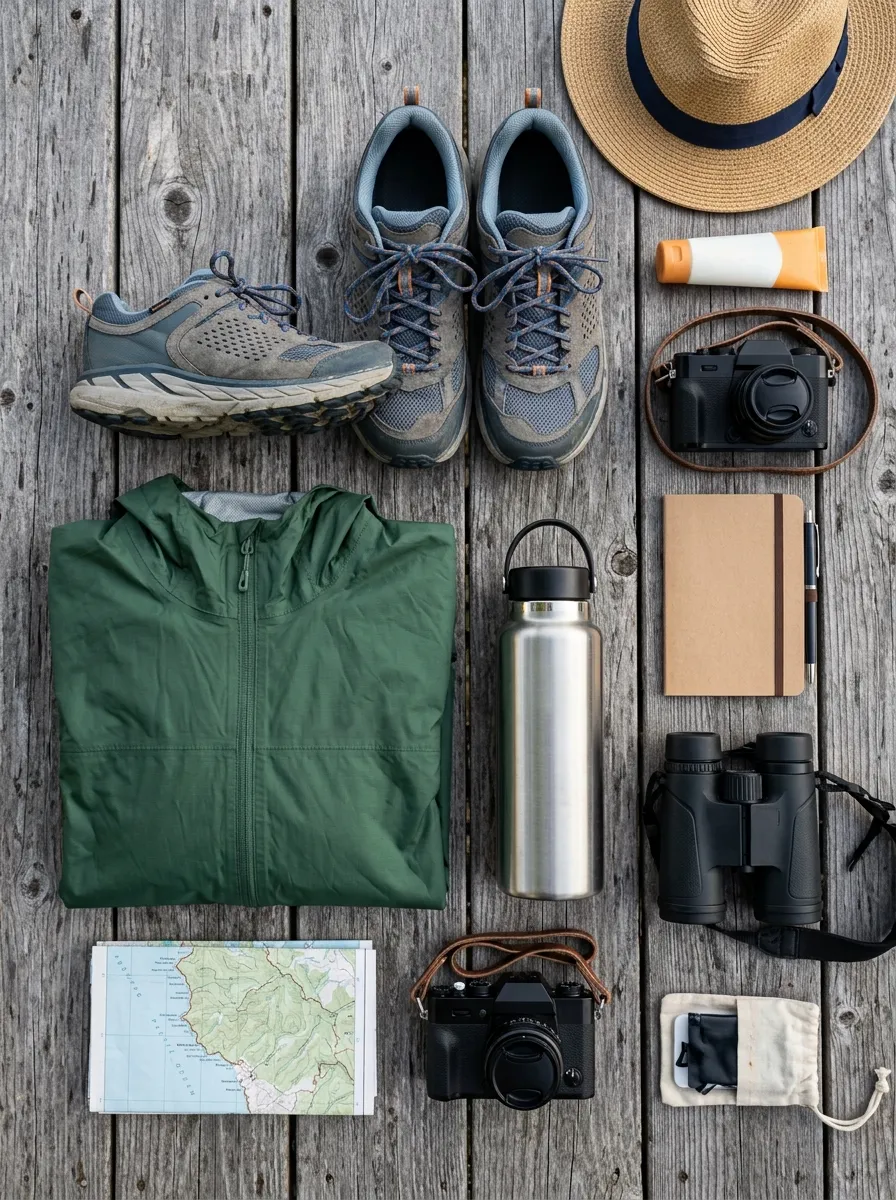
- [ ] Layers, including a windproof outer layer for bluff-top hikes
- [ ] Sturdy footwear for Ebey’s Landing and Goose Rock Trail
- [ ] A Discover Pass for Washington state park parking
- [ ] Binoculars if visiting during spring whale-migration season
- [ ] Cash or card for U-pick farms and Penn Cove MusselFest vendors
- [ ] A reusable water bottle for hiking days
- [ ] Sunscreen, even on overcast Pacific Northwest days
- [ ] Ferry fare or ticket confirmation if approaching via Mukilteo–Clinton
Frequently Asked Questions About Visiting Whidbey Island
What is the best time of year to visit Whidbey Island?
May through September offers the best weather and full seasonal access; the island also has genuine off-season appeal for a quieter, slower visit.
How many days do I need on Whidbey Island?
A single day trip works well for Deception Pass and Coupeville; two to four days allows a fuller exploration across all three regions.
Do I need a ferry to reach Whidbey Island?
Not necessarily — Deception Pass Bridge offers free, drive-on access from the north. The Mukilteo–Clinton ferry is the main route from Seattle and the mainland south of the island.
Is the Mukilteo–Clinton ferry reservable?
No — it operates first-come, first-served with no vehicle reservations, unlike the Port Townsend–Coupeville route, which does offer reservations.
What is the best hike on Whidbey Island?
The bluff trail at Ebey’s Landing National Historical Reserve is widely considered the island’s signature hike, alongside the shorter, moderate Goose Rock Trail in Deception Pass State Park.
When is the Penn Cove MusselFest?
Typically held in early March in Coupeville; confirm exact 2027 dates on the festival’s official site closer to the event, and book lodging early given Coupeville’s limited room count.
Is Whidbey Island good for whale watching?
Yes — gray whales pass close to shore during spring migration, particularly visible from South Whidbey’s bluffs near Langley, and guided boat tours run seasonally from Deception Pass.
Is Whidbey Island expensive to visit?
It’s genuinely one of the more affordable Pacific Northwest island getaways, helped by free bridge access from the north and a low-cost southern ferry route.
Is Whidbey Island good for a day trip from Seattle?
Yes — a Deception Pass and Coupeville loop is a realistic single-day trip, particularly outside peak summer weekend traffic.
Is Whidbey Island good for families?
Yes — alpaca farms, U-pick lavender fields, gentle beach walks and the moderate Goose Rock Trail all work well for a range of ages.
Is Whidbey Island good for solo travelers?
Yes — Coupeville’s walkable core and the island’s straightforward, car-friendly logistics make solo exploring genuinely easy.
What’s the best region for first-time visitors?
Central Whidbey, covering Coupeville, Ebey’s Landing and Fort Casey, offers the most balanced mix of history, hiking and scenic payoff for a first visit.
Is the Bowman Bay pier open?
As of early 2026, the pier at Bowman Bay in Deception Pass State Park has remained closed indefinitely due to storm damage — check the park’s official status page before planning a visit around it.
What’s the biggest mistake first-time visitors make?
Trying to cram all three regions into a single rushed day — Whidbey’s real appeal comes through more when you settle into one or two areas rather than racing the length of the island.
Is Whidbey Island good for a romantic getaway?
Yes — Langley’s boutique galleries, bluff-top sunset views and Penn Cove waterfront dining all support a strong, low-key couples’ trip.
Can I bring my dog to Whidbey Island’s beaches?
Many of the island’s beaches, including Double Bluff, are dog-friendly, though it’s worth checking specific park rules given seasonal restrictions can vary.
Is Whidbey Island connected to the mainland by bridge?
Yes, at its northern end via the Deception Pass Bridge, connecting Whidbey to Fidalgo Island and onward to the mainland via Anacortes.
Final Thoughts on Visiting Whidbey Island
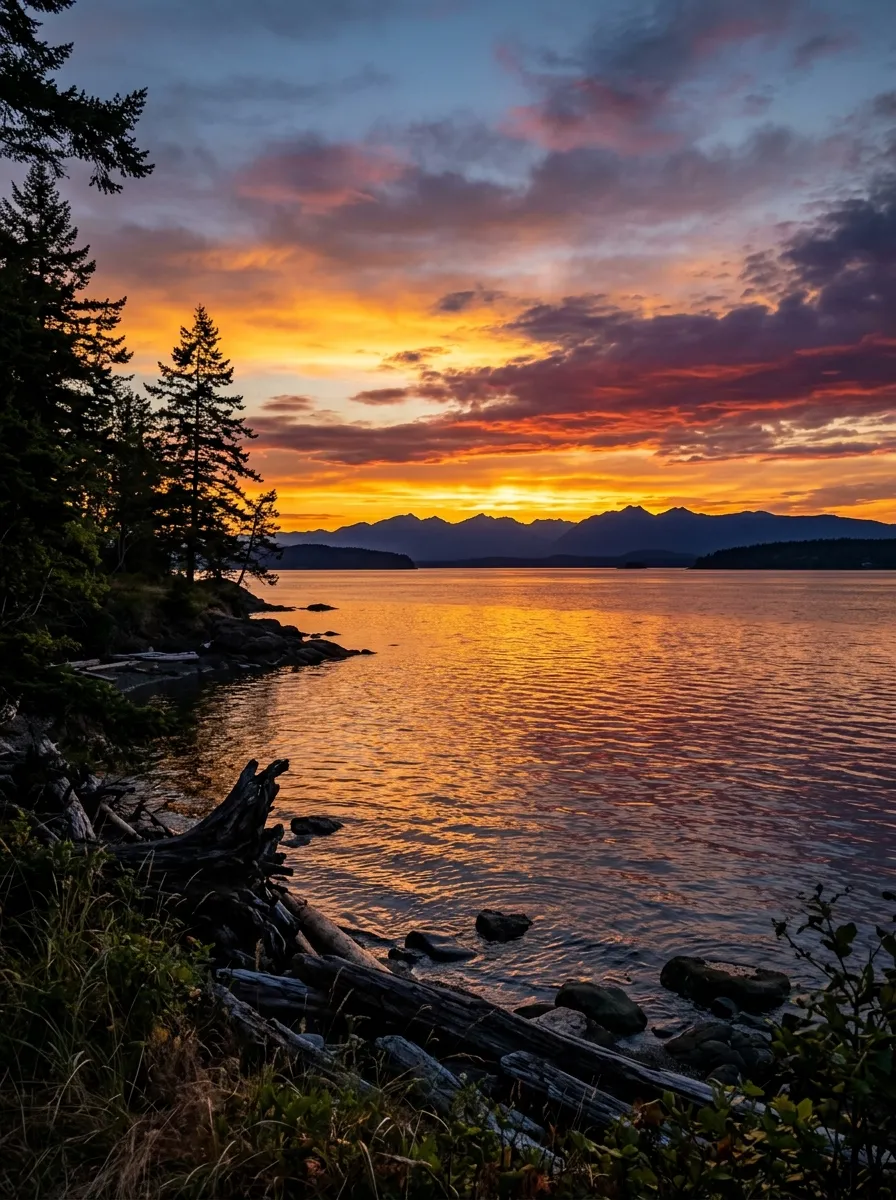
Whidbey Island earns its reputation as one of the Pacific Northwest’s most flexible getaways — accessible enough for a spontaneous day trip via Deception Pass Bridge, yet layered enough across its three regions to reward a slower, multi-day stay just as well. Coupeville and Ebey’s Landing deliver the island’s best combination of history and scenery, Deception Pass remains the essential photo stop, and Langley offers the quiet, art-filled pace that keeps repeat visitors coming back.
If you’re building a first Whidbey Island itinerary, anchor it around Central Whidbey for the strongest single-region payoff, and decide early whether Deception Pass’s drive-on access or the Mukilteo–Clinton ferry fits your route better — both work well, they just approach the island from opposite ends. However you build it, things to do on Whidbey Island add up into one of the most genuinely accessible slow-travel escapes in the country, an island long enough to hold three distinct personalities yet close enough that none of them ever feel out of reach.